Door-to-door car shipping with fully insured carriers. No upfront payment.
Washington auto transport operates at the highest volume tier in the country, driven by a concentration of federal government relocations, Pentagon and Joint Base Anacostia-Bolling PCS orders, diplomatic reassignments, and a large defense and consulting workforce that cycles through the District of Columbia year-round. As a major node on the I-95 corridor between Baltimore and Richmond, Washington sits on one of the busiest carrier routes in the nation, with multiple trucks passing through daily heading north toward Philadelphia and New York or south toward the Carolinas and Florida. Common corridors like Washington to New York and Washington to Miami see daily carrier runs, giving customers strong route competition.
Getting a vehicle picked up from within the District itself requires coordination. Narrow streets, traffic circles, embassy-lined avenues, and downtown parking restrictions make it impractical for an 18-wheeler to navigate the urban core. Carriers typically arrange pickup at truck-accessible lots near the Capital Beltway or along I-95 access points. Book at least one to two weeks out during peak periods, and keep your schedule flexible to maximize carrier options for auto shipping Washington.
Washington auto transport demand is driven by a unique concentration of federal government relocations, military PCS orders from the Pentagon and Joint Base Anacostia-Bolling, diplomatic reassignments, and a large defense and consulting workforce that cycles through the District of Columbia regularly. Universities like Georgetown and George Washington also generate seasonal shipping volume as students and faculty move in and out, fueling ongoing demand for shipping a car from Washington.
As a major node on the I-95 corridor between Baltimore and Richmond, Washington sits squarely on one of the country's busiest carrier routes. This Northeast Corridor positioning means multiple carriers pass through daily heading north toward Philadelphia and New York or south toward the Carolinas and Florida. Auto transport Washington DC customers benefit from strong route competition, and flexible pickup dates can improve carrier options further, giving customers shipping a car to Washington more options to choose from.
Winter weather in the District of Columbia occasionally disrupts scheduling when ice or snow events slow I-95 and I-66 traffic. Military families coordinating PCS shipments during peak summer transfer season should plan ahead, as demand from the region's multiple military installations intensifies between May and August.
They did exactly what they said they would do. He hauled my SUV all the way from Maine to Florida and you could tell they really do care.
Have used Auto Transport Professionals for the past 4 years shipping cars between Naples and Cape Cod. Our cars arrive quickly and in the same condition.
All was smooth, Alex was great to communicate with. The car was sent enclosed and at a good rate.
Washington car shipping cost runs competitive relative to other major East Coast metros, largely because carrier volume on the I-95 corridor is exceptionally high. Multiple carriers bid on loads daily, which keeps rates from climbing the way they do in smaller or more isolated markets. Washington auto transport customers with flexible pickup dates have a real advantage here — carriers will often prioritize loads that fit their existing run schedules, and a one or two day shift can mean a better rate and faster dispatch.
Rates do shift seasonally. Summer months bring intensified demand from military PCS transfers originating at the Pentagon and regional installations, which can tighten carrier availability and push Washington car shipping companies to fill slots faster. Winter weather events on I-95 and I-66 occasionally cause short-term delays that ripple into pricing. Get a no-obligation car transport quote to lock in current market rates before the next demand cycle.
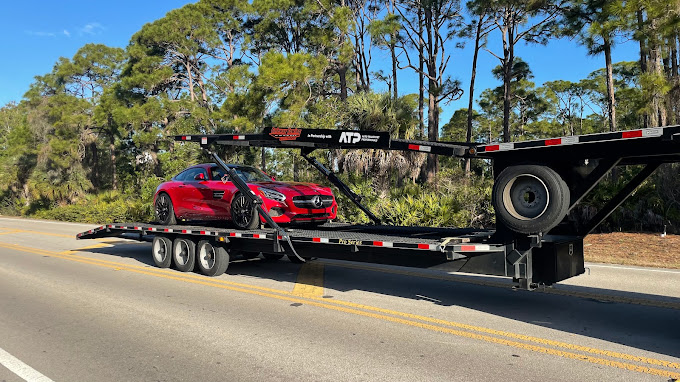
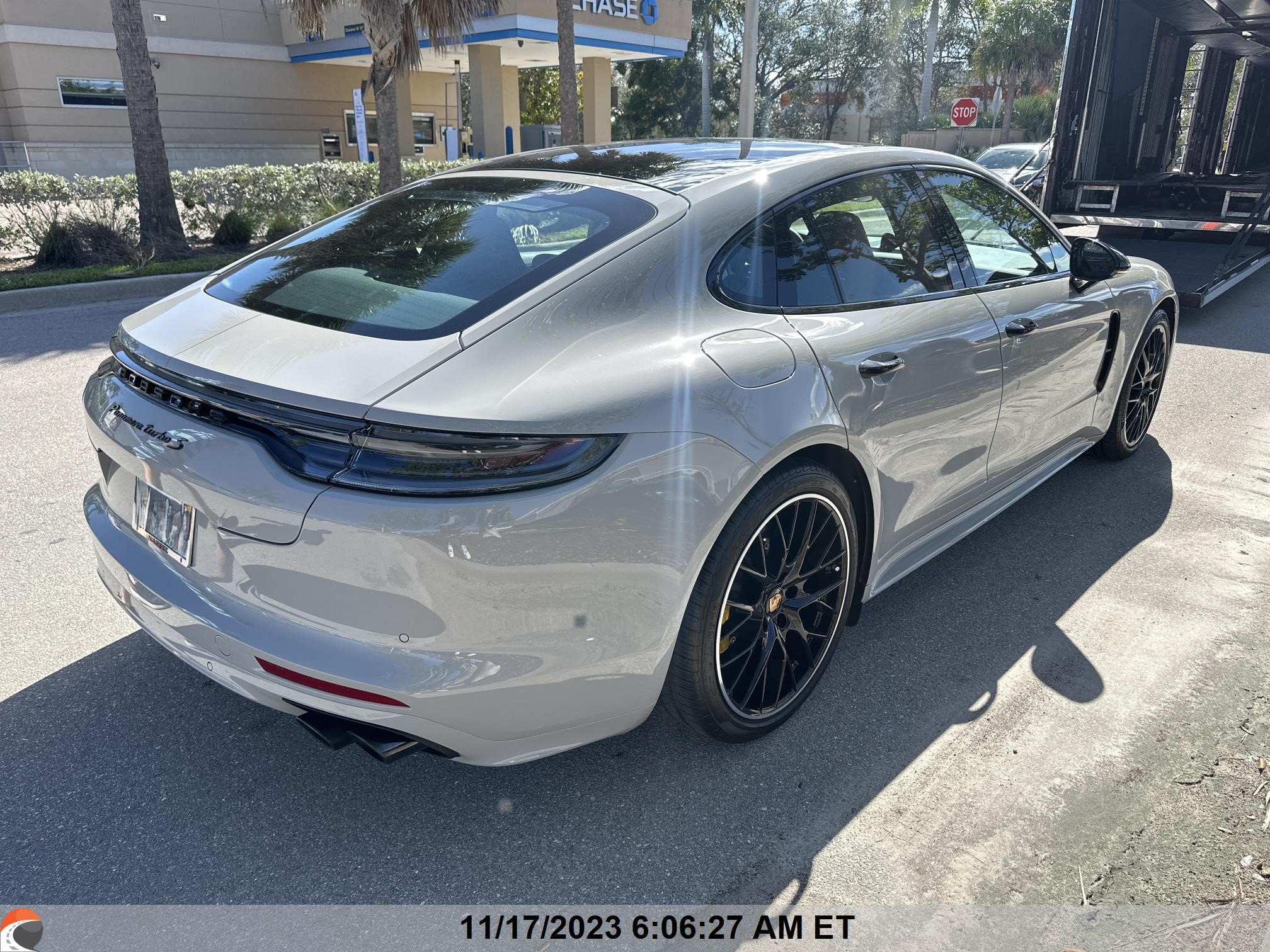
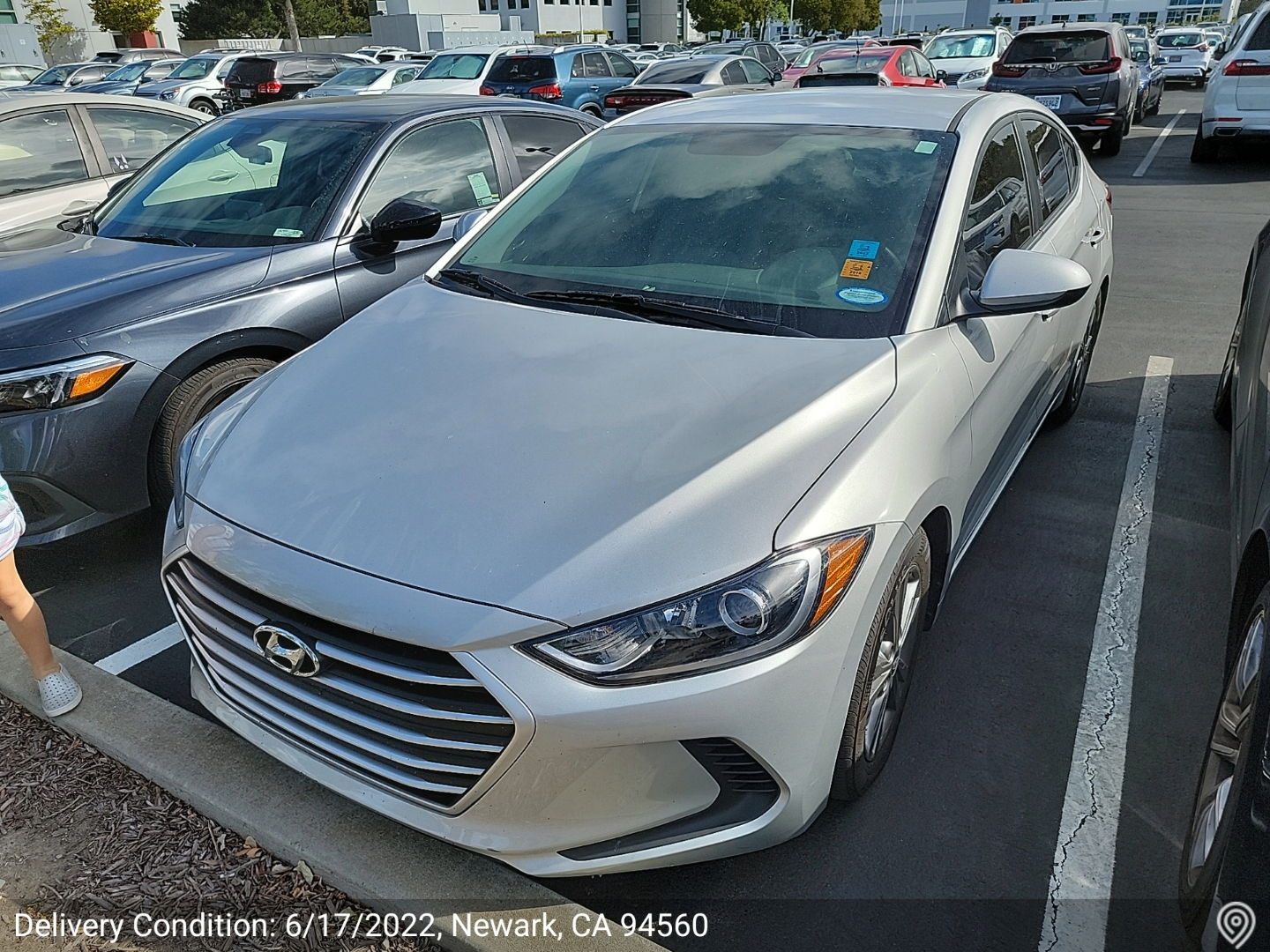
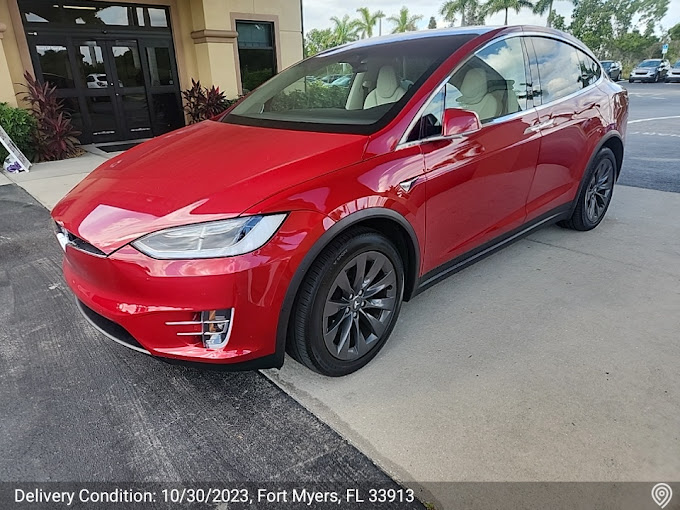
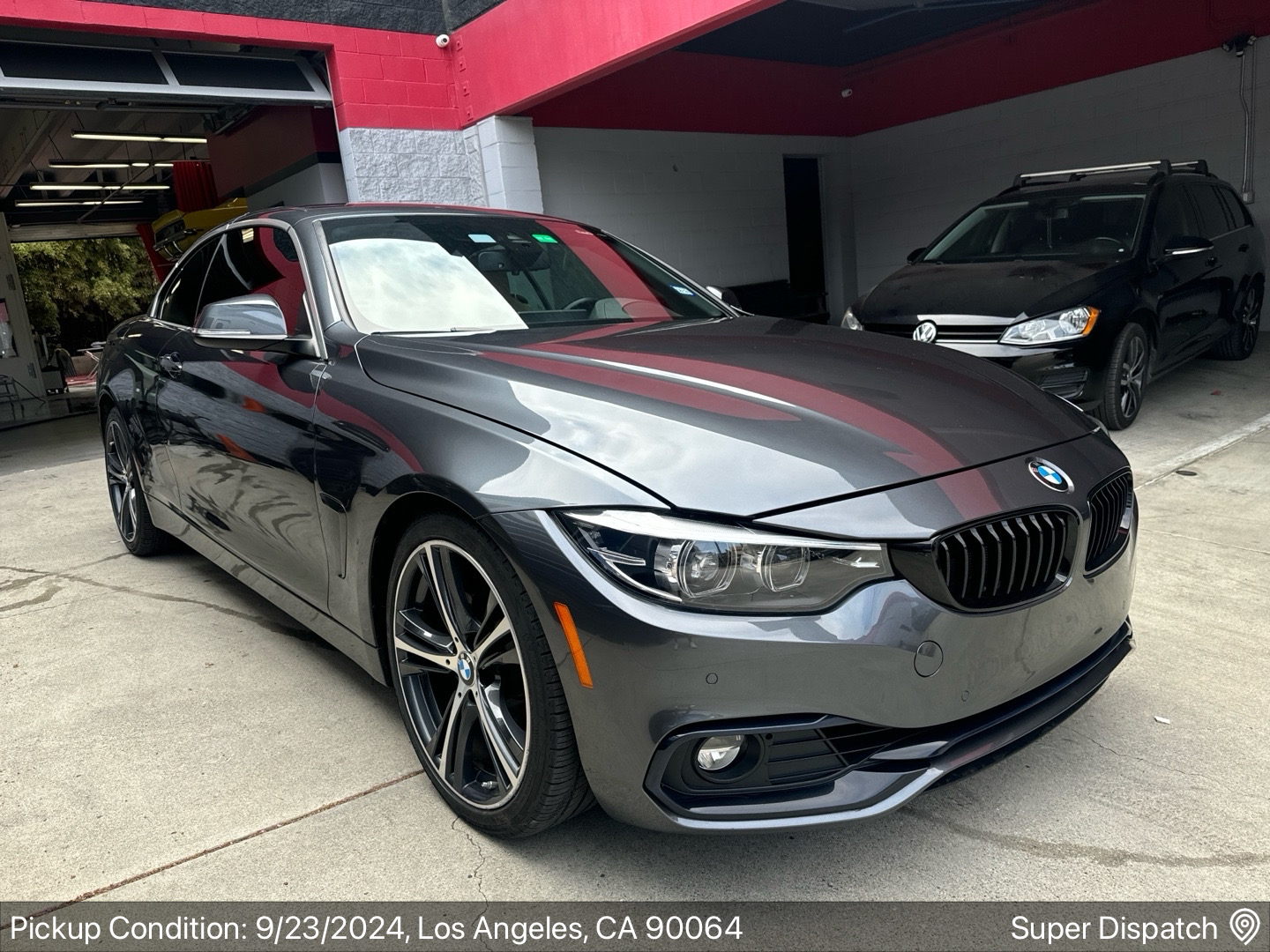
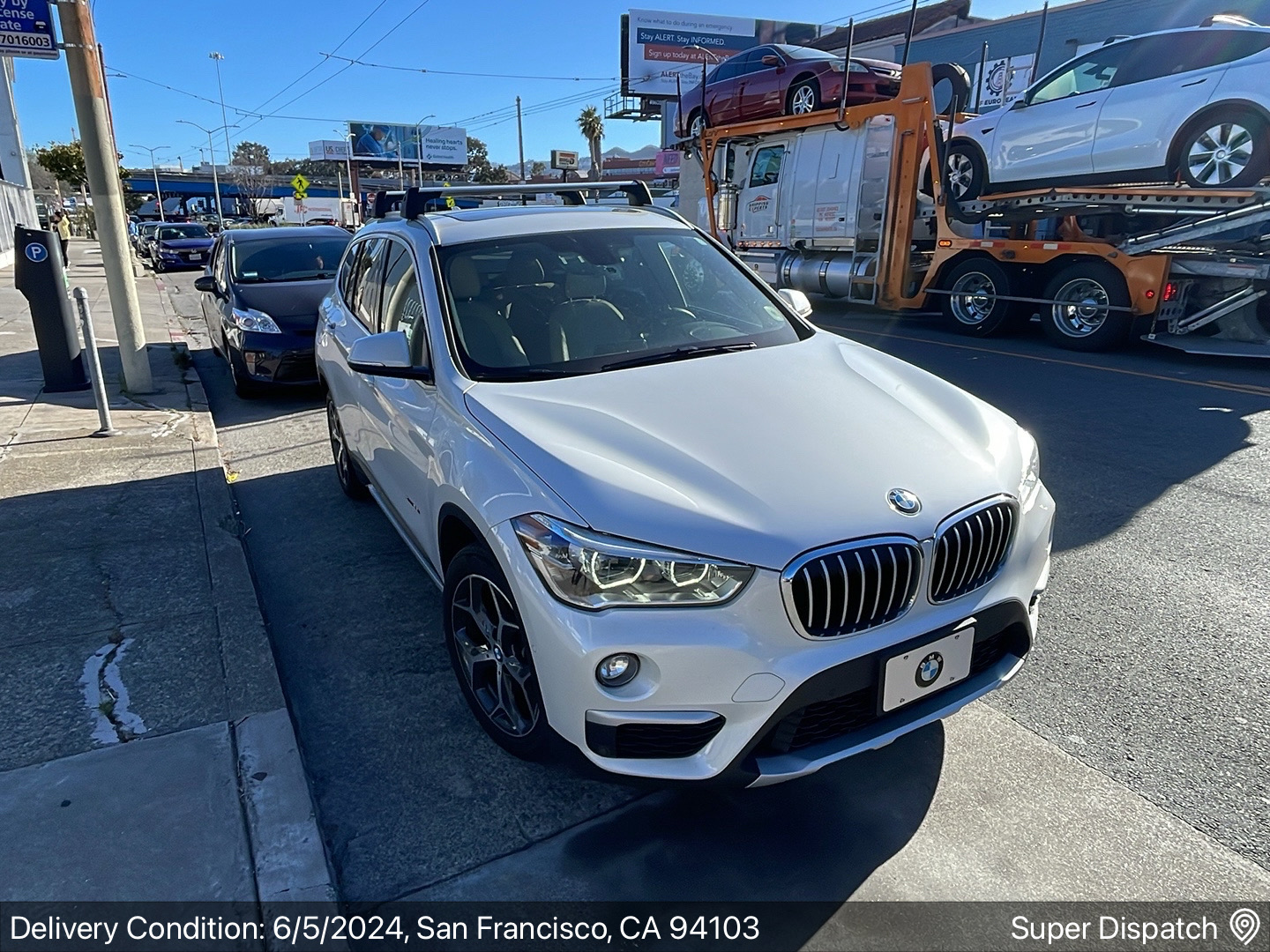
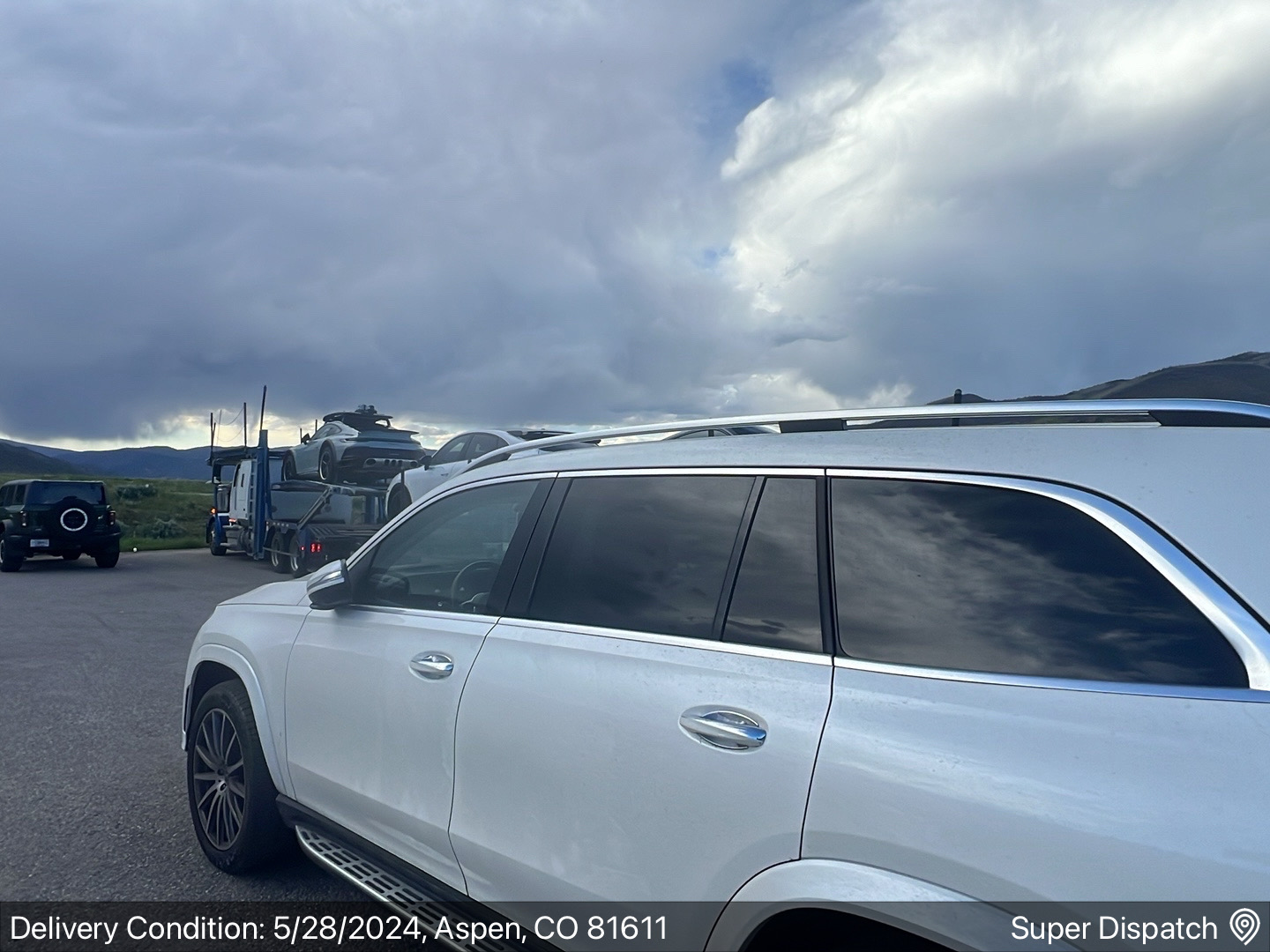
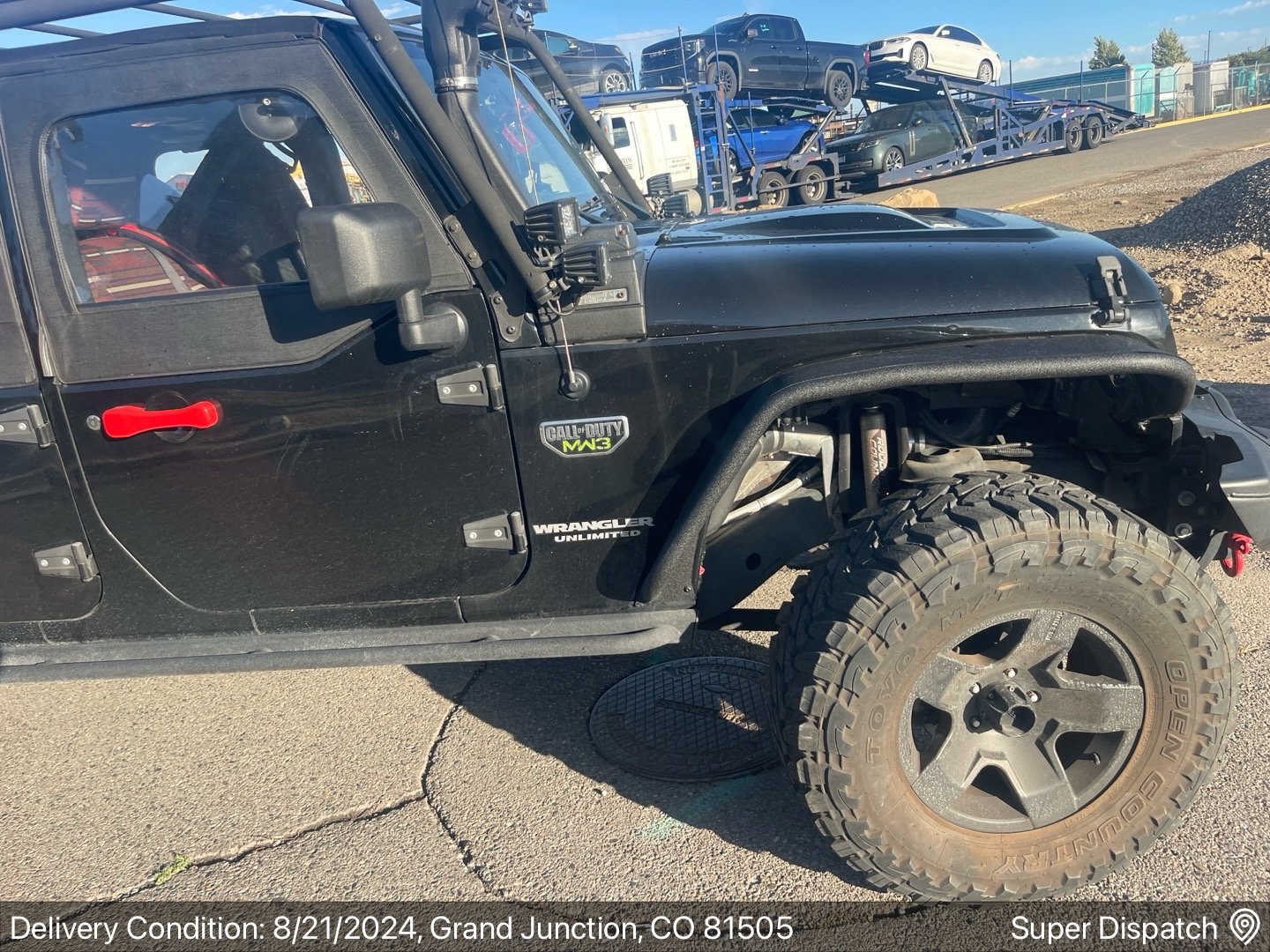
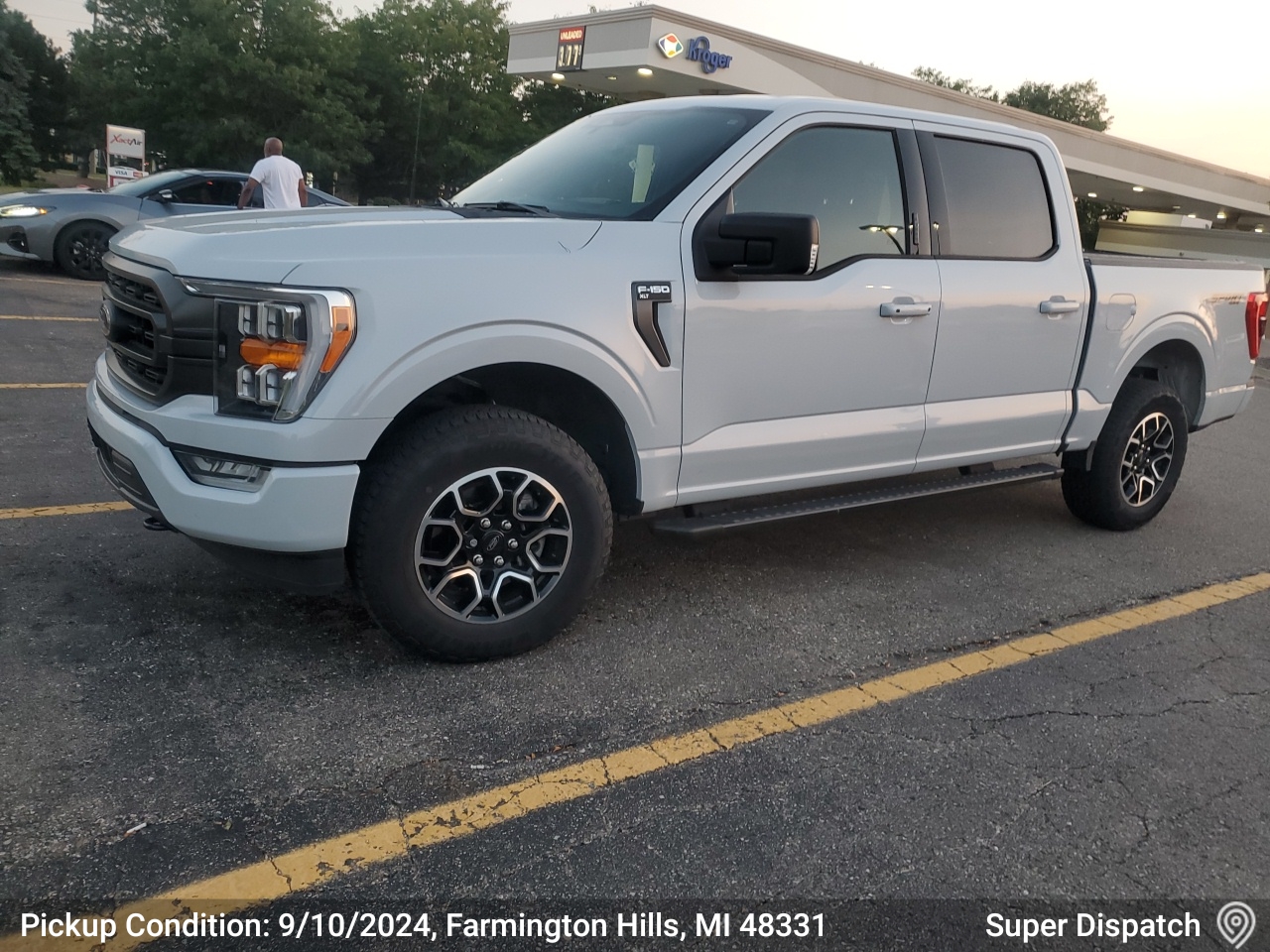
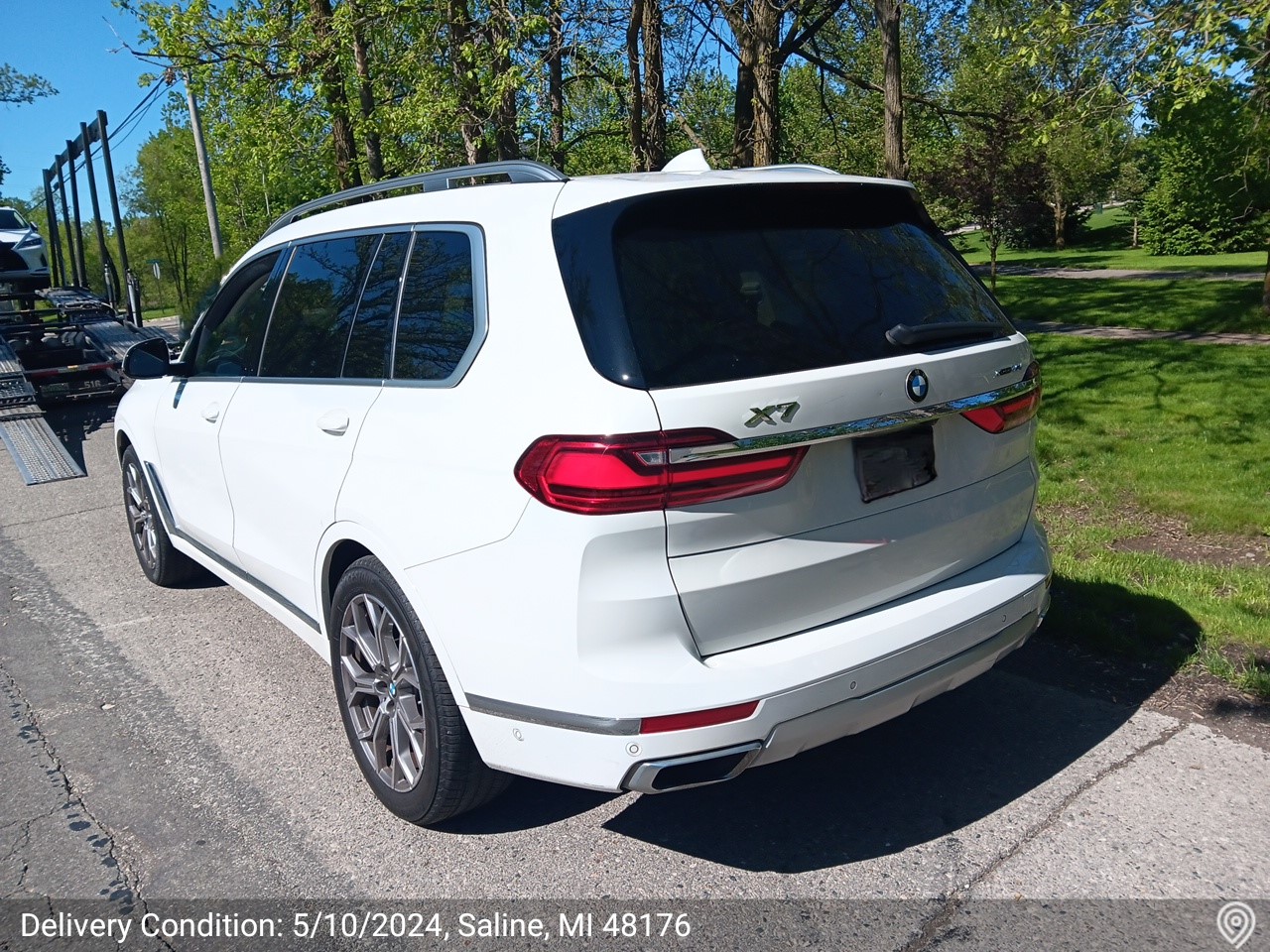
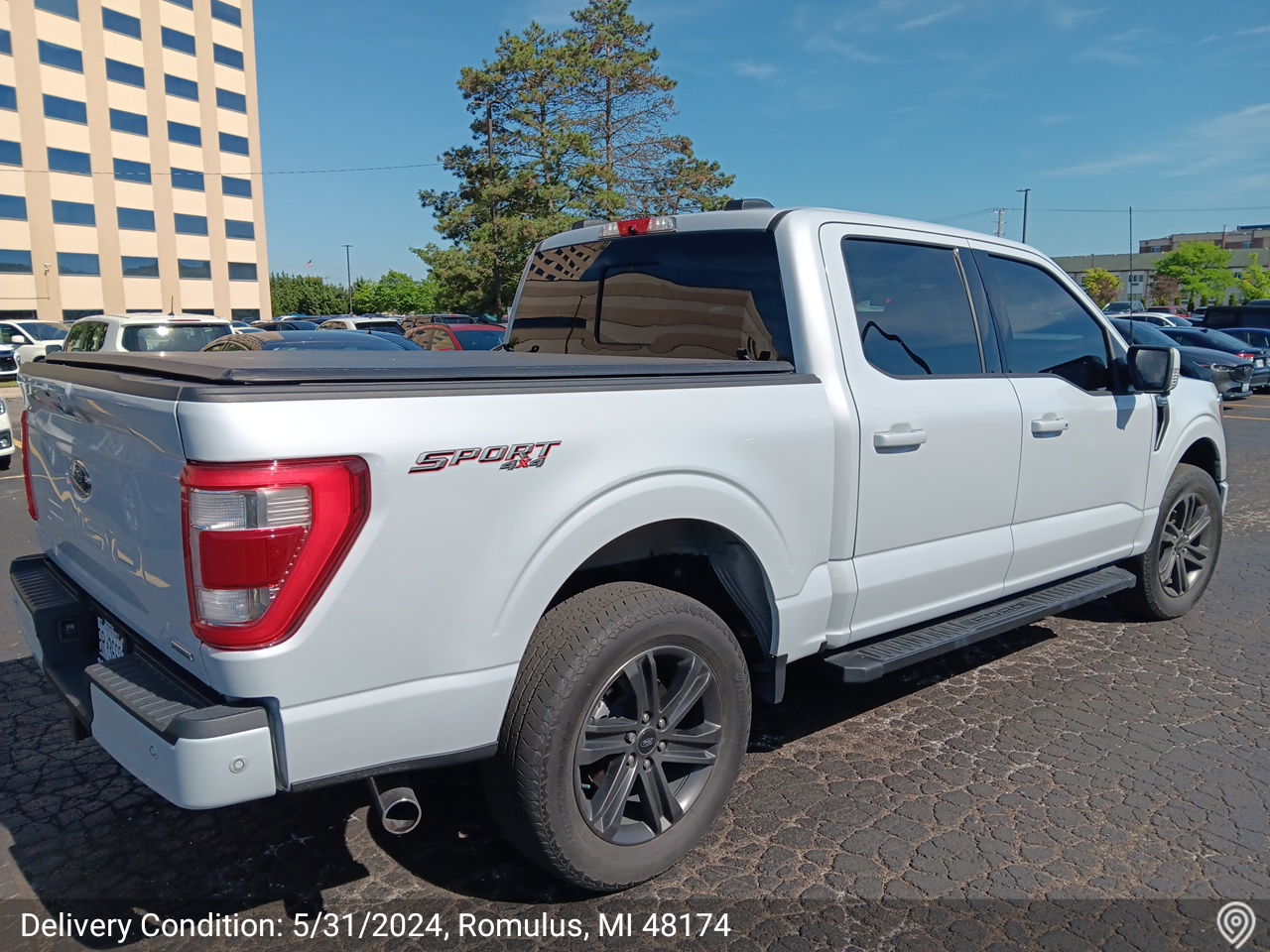
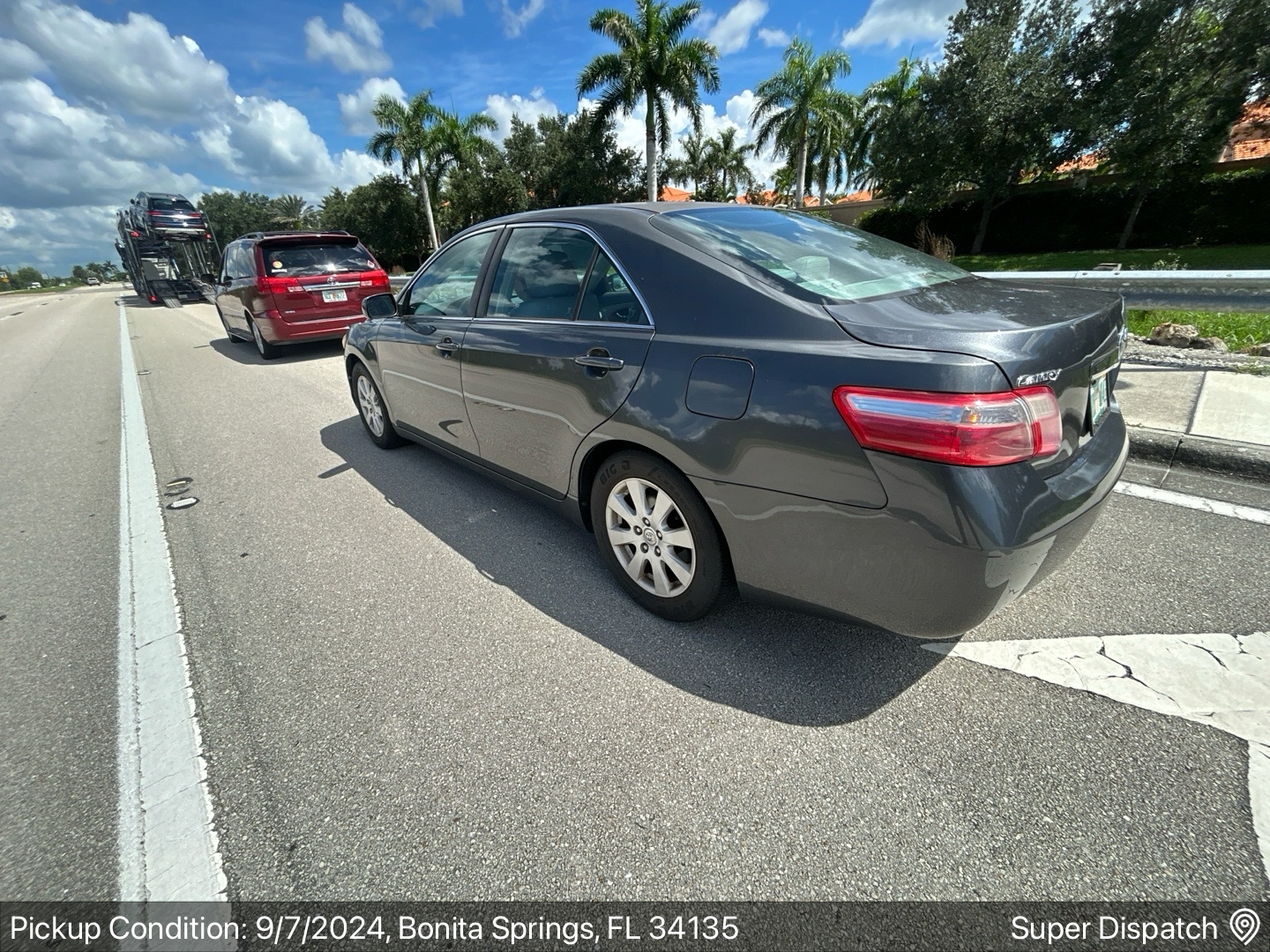
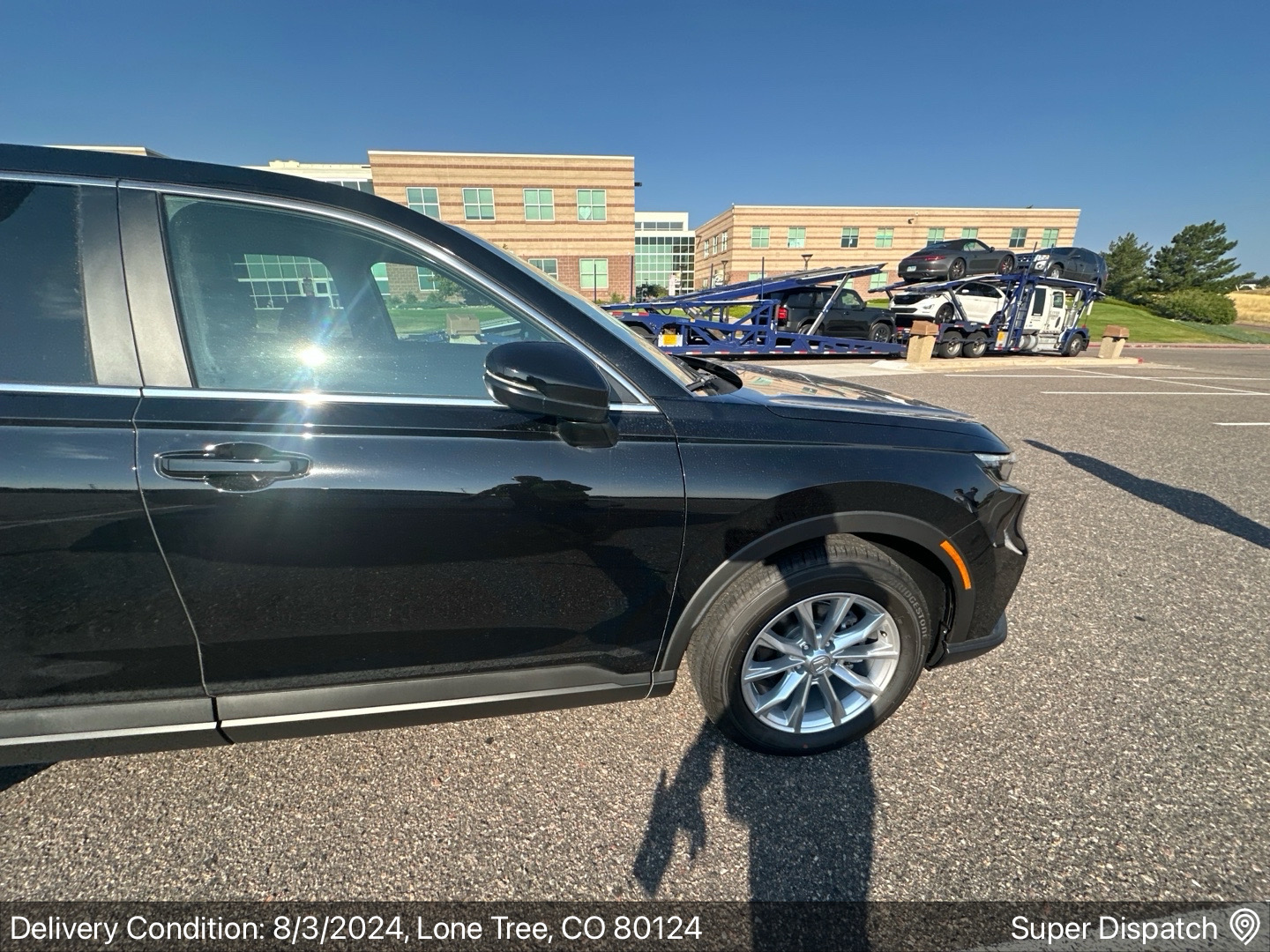
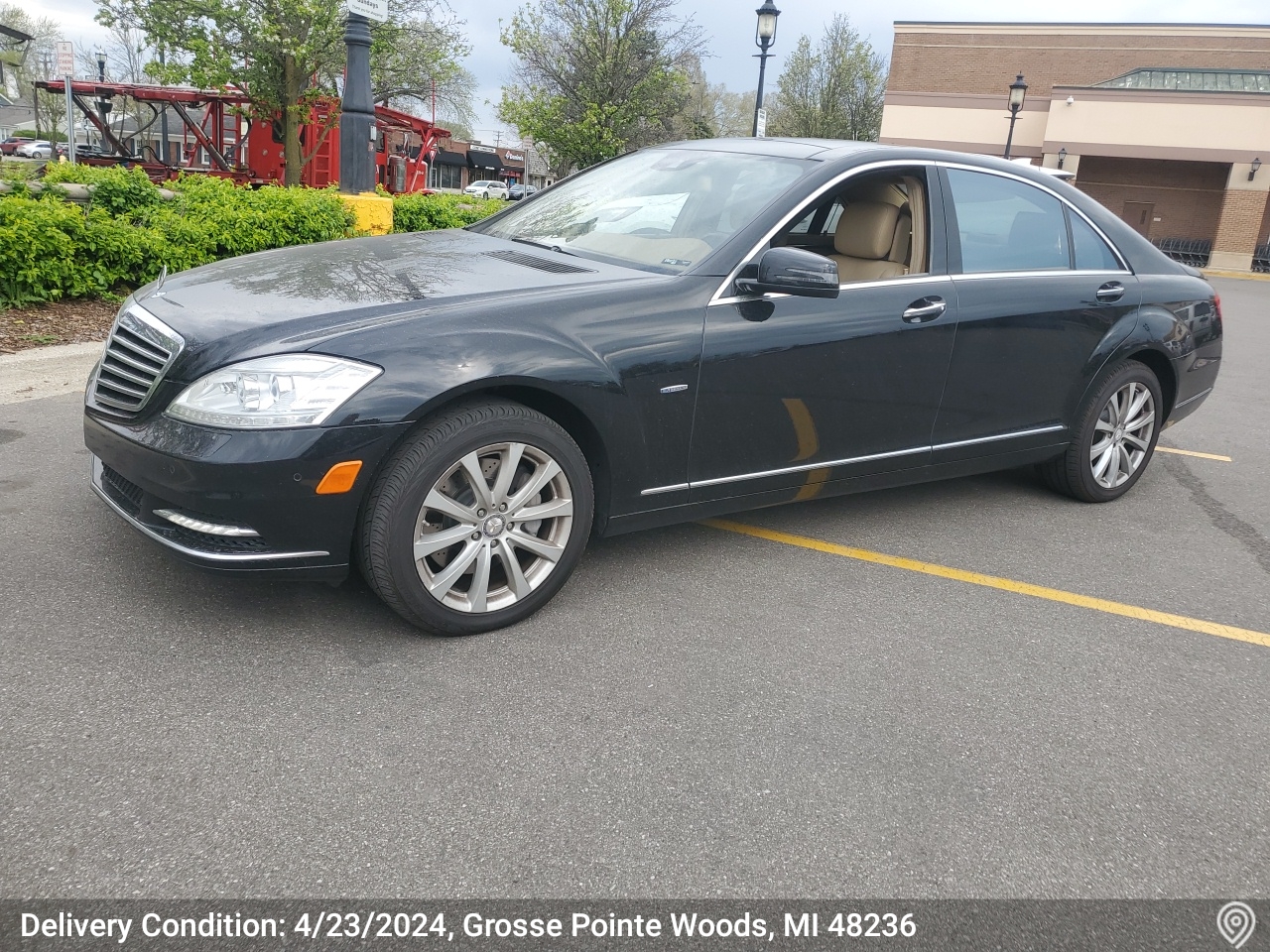
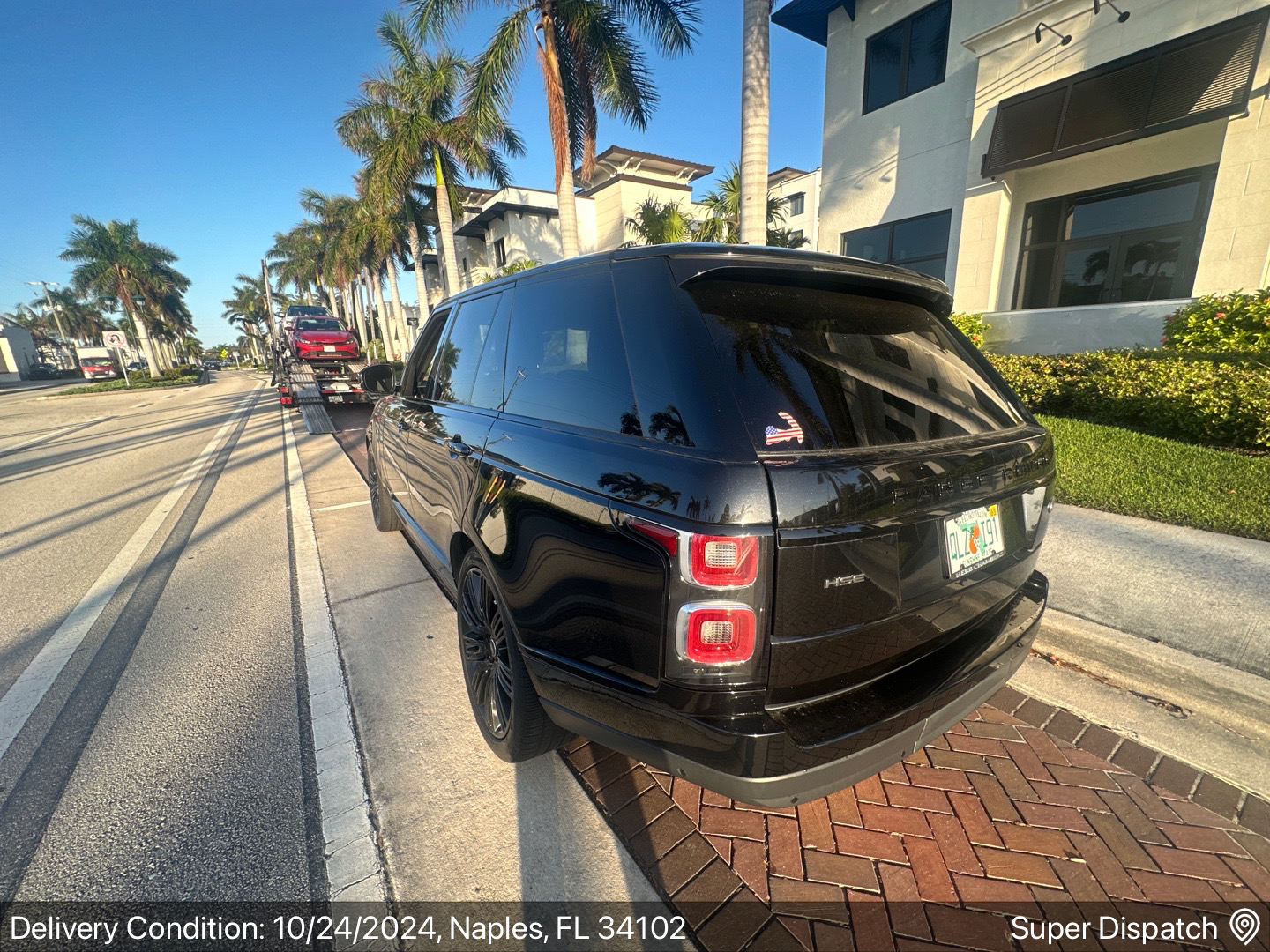
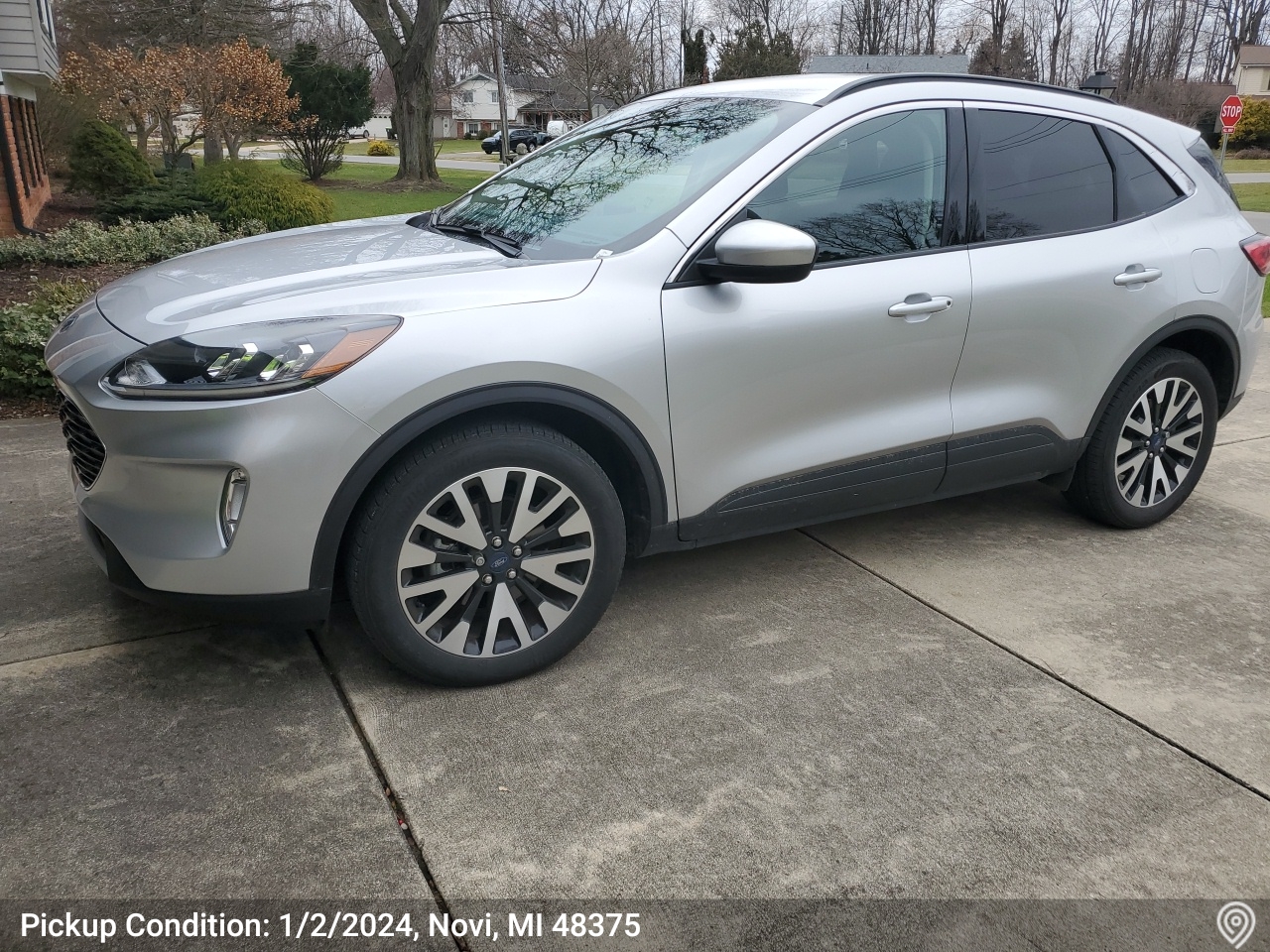
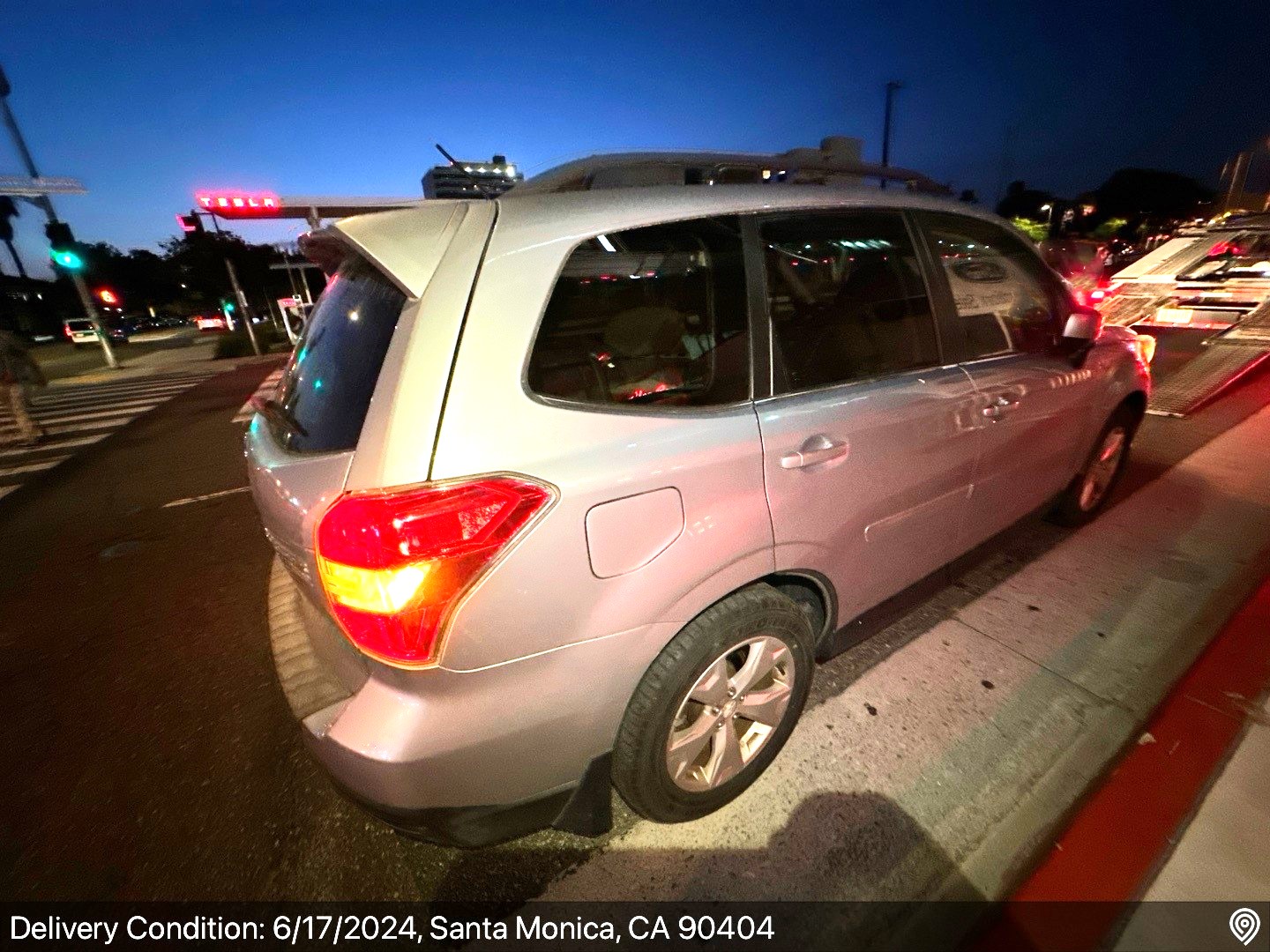
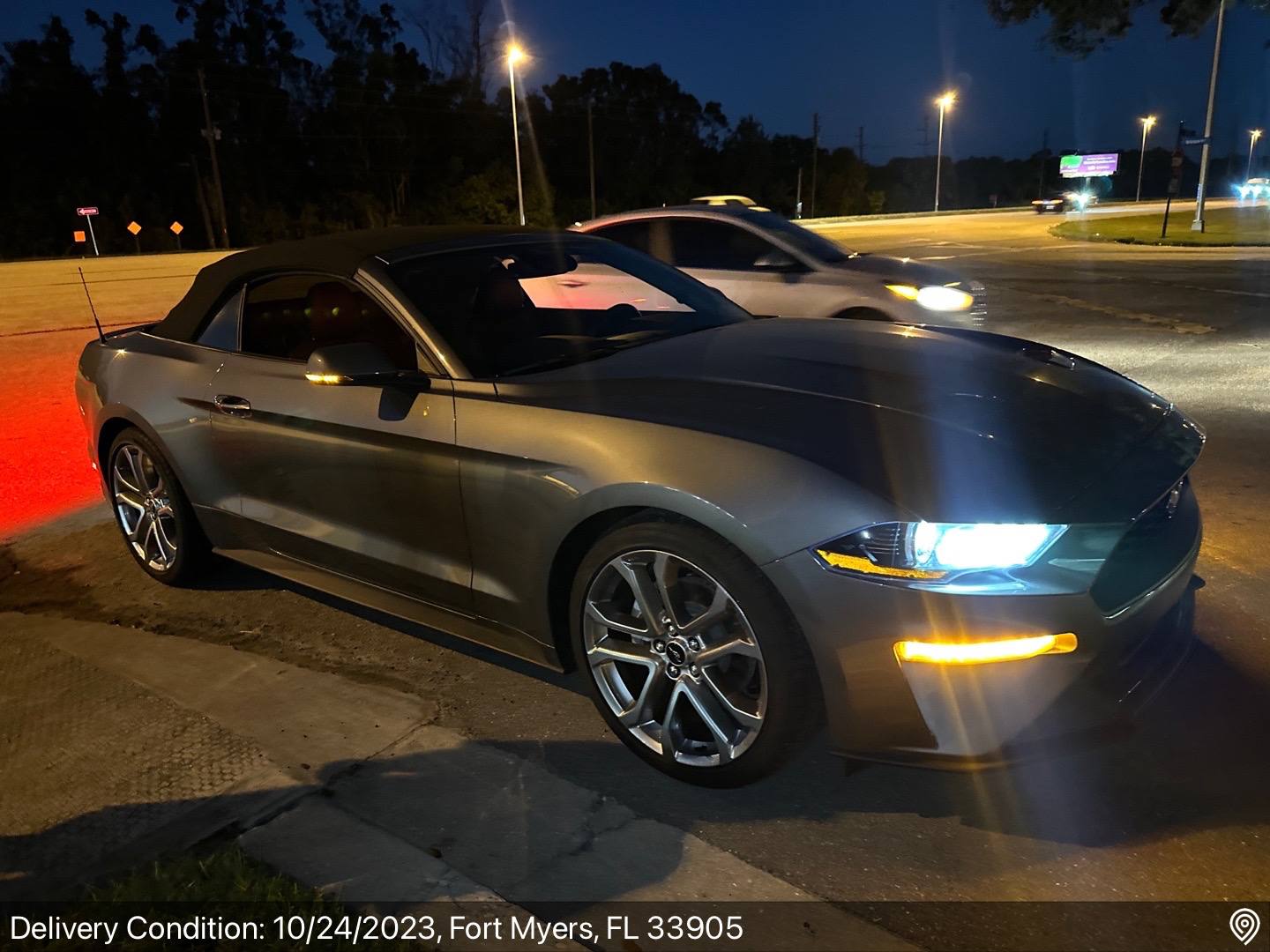
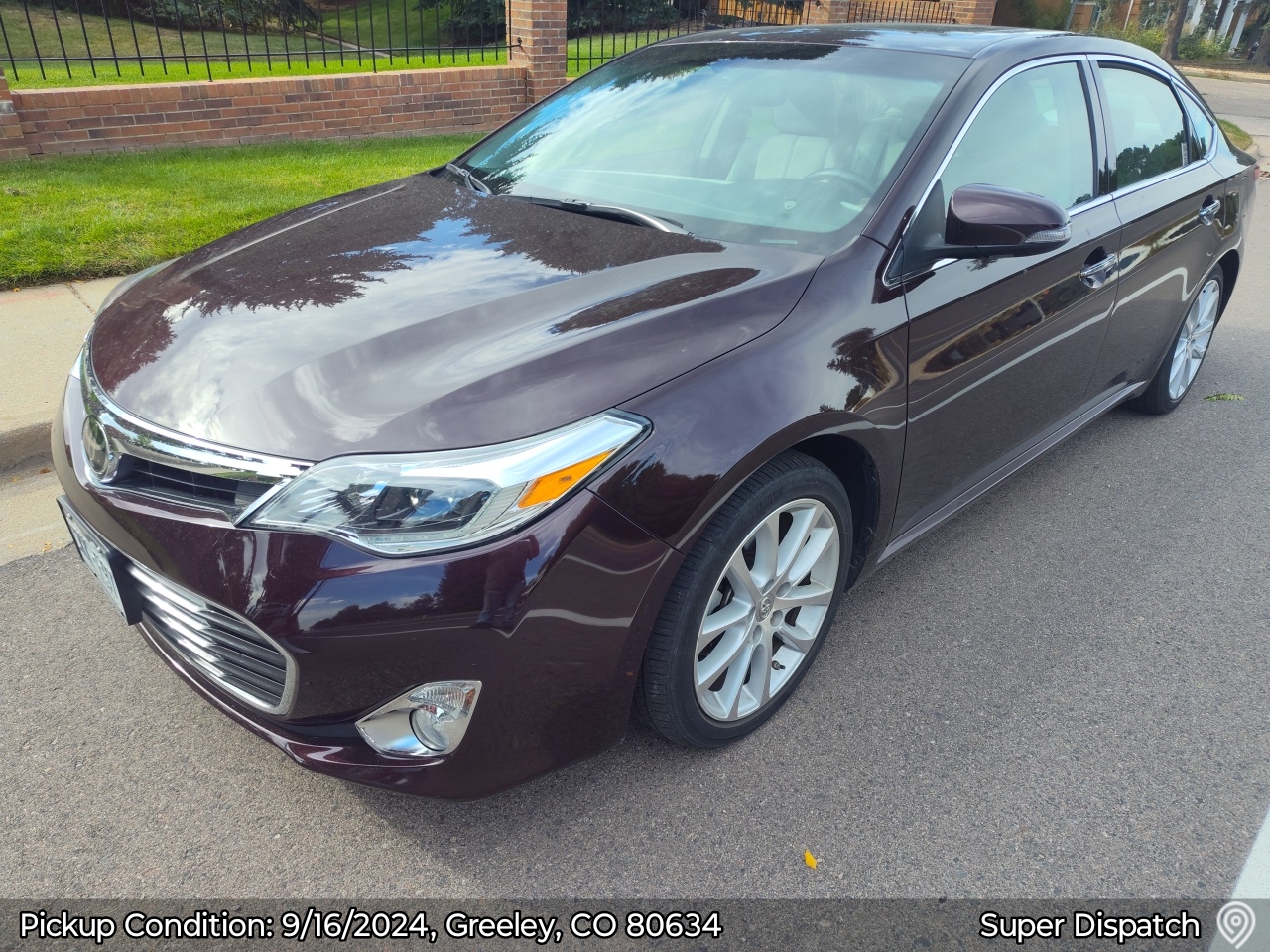
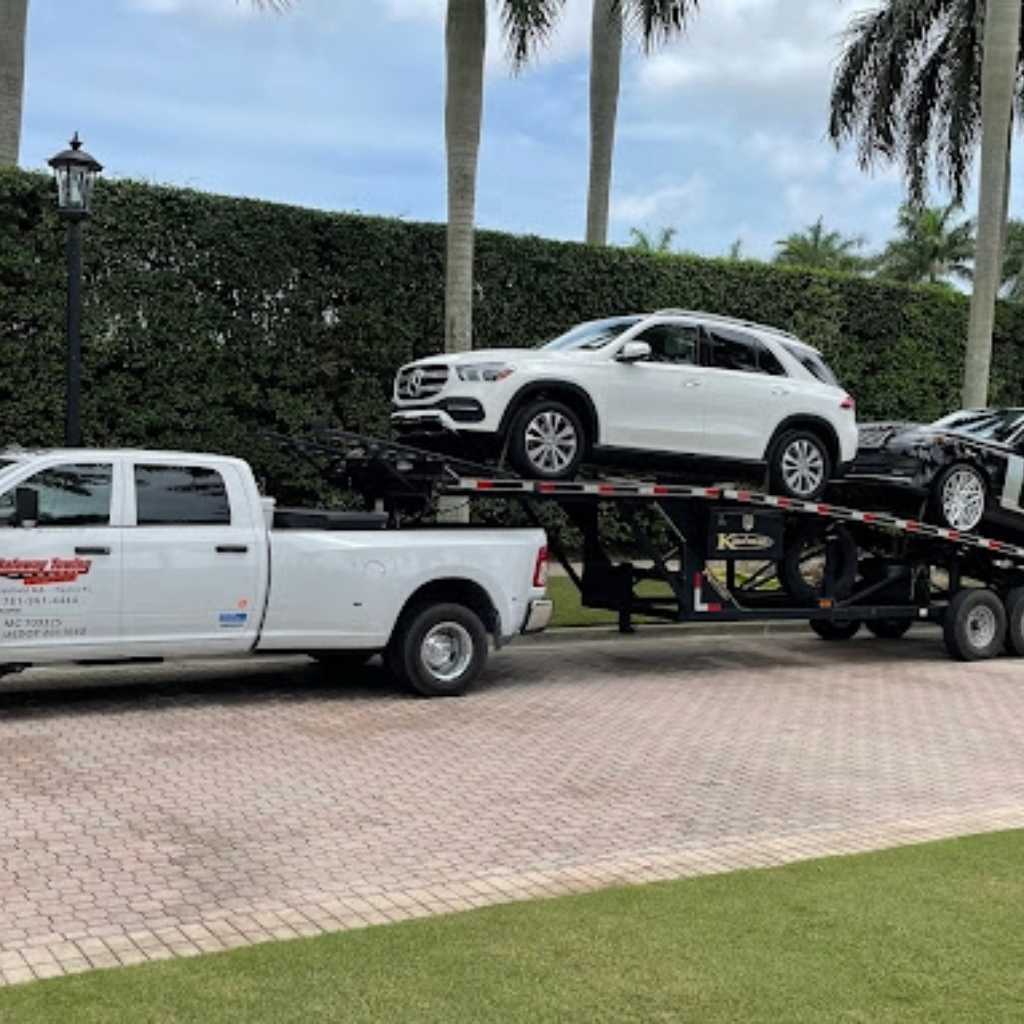
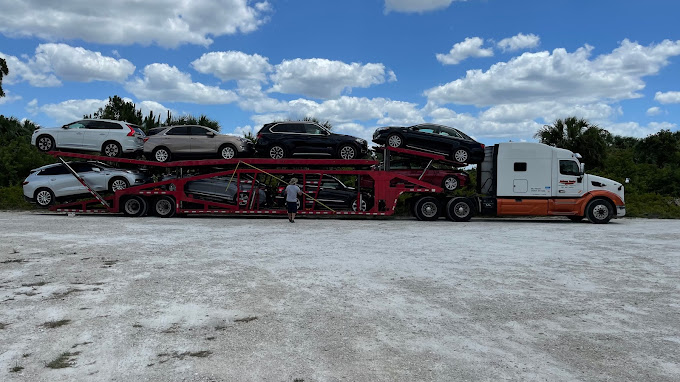
Car shipping pickup in Washington's metro area requires planning around traffic patterns and truck access restrictions. Carriers serving this market typically schedule pickups at off-site locations near the Capital Beltway rather than attempting to navigate downtown streets. We build a 3-day pickup window around your first available date, and on this corridor that window holds reliably given the volume of carriers running the Northeast Corridor daily. Winter ice and snow events on I-95 and I-66 can occasionally push schedules by a day. Communicate your preferred meeting area early so dispatch can match you with a carrier already running your direction.
Military PCS orders are the defining seasonal force for Washington auto transport. The Pentagon, Joint Base Anacostia-Bolling, and surrounding installations generate a concentrated wave of vehicle shipments between May and August, when the bulk of summer transfer orders take effect. During this window, carrier slots fill faster and lead times stretch. Military families should plan to book four to six weeks ahead of their report date rather than waiting until orders are finalized.
University demand adds a secondary seasonal layer. Georgetown, George Washington, and nearby schools generate inbound and outbound shipping volume in late August and again in May. These cycles overlap with the military peak, making early summer the most competitive booking period in the District of Columbia. Outside those months, auto shipping Washington demand stays steady without major pricing swings.
Review your quote, confirm vehicle details and dates. No payment collected until a carrier is assigned.
We dispatch your order to our carrier network. You receive carrier details, insurance info, and estimated pickup window.
Carrier gives you 24 hours advance notice before pickup. Walk-around inspection together, every mark documented on the Bill of Lading, both parties sign.
Track your shipment status through your coordinator. We handle any schedule changes or logistics questions.
24-hour advance notice, then a call when close. Second walk-around inspection — damage during transport is extremely rare, but note any new issues on the Bill of Lading before signing. Once signed without exceptions, claims are extremely difficult to win.
Your carrier will contact you roughly 24 hours before arrival to confirm the meeting location. Because most pickups in the District of Columbia happen at truck-accessible lots near the Beltway or major interstate access points rather than at a home address, confirm your staging location with dispatch in advance. At pickup, the driver conducts a walk-around inspection, documents any pre-existing condition on the Bill of Lading, and you both sign before the vehicle is loaded. Keep a copy of that document.
Your driver will call approximately 24 hours before reaching the delivery point. At drop-off, conduct a thorough walk-around and compare the vehicle's condition against the original inspection notes from pickup. Damage during transport is extremely rare, but if you notice anything new, note it on the Bill of Lading before signing. Once you sign without documenting an issue, pursuing a claim becomes significantly harder. Vehicle transport Washington deliveries follow the same documentation process regardless of distance traveled.
Every carrier in our network is required to carry cargo insurance as a condition of their FMCSA operating authority. Coverage details vary by carrier and are confirmed before your vehicle is dispatched.
At pickup, the driver and you complete a joint vehicle inspection. Every scratch, dent, and existing mark is documented on the Bill of Lading. At delivery, you must carefully compare the vehicle's condition against this record before signing the delivery receipt. If you notice any new damage, note it on the Bill of Lading before you sign. Once you sign the delivery receipt without noting damage, it becomes extremely difficult to file and win a claim. This is the single most important step in protecting yourself during the transport process.
Washington presents some of the most complex pickup and delivery logistics of any city in the country. Downtown streets, traffic circles, and embassy-zone restrictions make it effectively impossible for a loaded transport trailer to operate in the urban core. Carriers running this market know it well and plan accordingly, routing pickups to commercial lots and staging areas near I-495, I-95, or I-395 interchanges where they can maneuver safely.
When you book, identify a truck-accessible location near your neighborhood — a shopping center lot, a park-and-ride facility, or a commercial parking area works well. Share that location with your coordinator at booking so it can be included in the carrier dispatch notes. This step eliminates the most common source of pickup delays for car transport Washington customers.
Military and Government Relocations — The Pentagon and Joint Base Anacostia-Bolling generate more PCS vehicle shipments than almost any other market in the country. Book four to six weeks ahead of your report date. Request a free car shipping quote and mention your orders early so we can time dispatch to your window.
Federal and Consulting Workforce — Washington auto transport companies see steady demand from the defense and consulting sector as professionals rotate between DC, Northern Virginia, and assignments nationwide. Flexible pickup dates improve your carrier options on this corridor.
University Moves — Georgetown and George Washington students and faculty shipping a car to Washington or departing in May and August should book early, as those windows overlap with peak military demand.
Diplomatic and Long-Distance Relocations — Diplomatic reassignments and cross-country moves are common in the District of Columbia. Open transport Washington handles most shipments; enclosed car shipping Washington is available for high-value vehicles.
Pricing for car shipping Washington DC routes reflects the city's high carrier volume and I-95 corridor positioning. Distance, vehicle type, and seasonal demand—especially during summer PCS and government relocation cycles—are the primary cost drivers. Inoperable vehicles require advance notice and command higher prices. Request a quote for your specific route.
Washington's position on the I-95 corridor means carriers frequently service routes north toward the mid-Atlantic and south toward the Southeast. The District of Columbia's metro congestion can affect pickup scheduling but not long-haul transit. For auto transport Washington DC timing, select your route above for details.
Yes, where access allows, but Washington's narrow one-way streets, traffic circles, and parking restrictions often prevent full-size transport trucks from reaching specific addresses. Carriers commonly arrange meeting points at accessible parking areas near I-395 or the Capital Beltway. Terminal-to-terminal service is also available in the District of Columbia. The same service is available when you ship a car to Washington.
Open transport handles the vast majority of Washington vehicle shipping and works well for standard cars, trucks, and SUVs. Enclosed car shipping Washington suits diplomatic vehicles, luxury cars, or classics that need protection from road debris and winter weather in the District of Columbia. Enclosed availability is more limited than open transport Washington-wide, and pricing is typically higher, so book early.
Summer is the busiest season to ship a car from Washington due to military PCS transfers, government relocations, and university move-ins peaking simultaneously. Late fall and early spring typically see lower demand in the District of Columbia, which can work in your favor on pricing and scheduling flexibility.
Someone 18 or older must be present at both ends to authorize the shipment and sign the Bill of Lading. If you cannot attend personally, designate a trusted representative — a friend, family member, or dealership contact — to handle the vehicle inspection and paperwork on your behalf.
Yes. Every carrier in our network carries cargo insurance as required by their FMCSA operating authority. Coverage specifics are confirmed before dispatch. At both pickup and delivery, you complete a joint vehicle inspection documented on a Bill of Lading — this protects you if any issue arises.
Yes, we transport non-running vehicles to Washington. The vehicle needs to roll, steer, and brake for standard loading. Vehicles that cannot roll may require a winch or forklift at additional cost. Mention the vehicle's condition when requesting your quote.
Wash the exterior so scratches and dents are visible during inspection. Remove toll transponders, parking passes, and loose interior items. Leave roughly a quarter tank of fuel. Disable aftermarket alarms. Take dated photos of all sides, roof, and odometer before the carrier arrives for your records.
Most carriers allow personal belongings in the trunk or cargo area up to about 100 pounds. Items must stay below the window line and cannot be fragile or high-value. Personal items are not covered under carrier cargo insurance, so keep the vehicle as empty as practical.