
Request a Free Quote

Oregon Auto Transport Company
888-222-2065
- Full Insurance Coverage
- Door to Door Shipping
- Price Lock Guarantee
- No Up-Front Deposit
Oregon Car Transport Company
Auto Transport Professionals (ATP) is a top rated auto transport company in Oregon providing reliable car shipping services throughout the country. Whether you’re relocating, buying a car online, or need seasonal vehicle transport, we serve major cities like Portland, Eugene, and Salem. With 20+ years of experience, ATP has a track record of safe and efficient vehicle shipping. Look no further than ATP!
Key Benefits
- Full Insurance Coverage
- Door to Door Shipping
- Price Lock Guarantee
- No Up-Front Deposit
Top Car Shipping Locations in Oregon
Shipping to or from these cities ensures efficient and cost-effective transport:
- Portland: Oregon’s largest city and primary auto shipping hub, offering easy access to I-5 and I-84.
- Eugene: A key stop on I-5, ideal for vehicles heading to or from Southern Oregon.
- Salem: The state capital, located along I-5.
- Bend: A popular destination in Central Oregon, though more remote, requiring additional planning and most likely leading to higher car shipping costs when compared to the other cities.
Oregon: Highways and Routes
Oregon’s landscape varies widely, featuring mountainous regions, expansive valleys, and a stunning coastline. These geographical differences can impact the transport time, and cost of auto transport within the state.
Key Oregon Highways for Auto Transport
Interstate 5 (I-5):
- The main north-south route, connecting key cities like Portland, Salem, and Eugene before continuing to California and Washington.
- Ideal for vehicles traveling to or from major hubs in western Oregon.
- Route Example: Shipping from Portland, OR, to Sacramento, CA (~580 miles) is a highly trafficked route, offering quick and cost-effective service.
Interstate 84 (I-84):
- Stretches eastward from Portland, following the Columbia River Gorge and connecting to Boise, ID.
- A vital route for east-west transport linking Oregon to the Midwest and beyond.
- Route Example: A shipment from Portland, OR, to Boise, ID (~425 miles) is the easiest corridor for this route.
U.S. Highway 101:
- Travels along Oregon’s scenic coastline, serving towns like Newport, Coos Bay, and Astoria.
- While picturesque, the winding nature of this route often increases shipping costs due to its difficulty and transit times.
Difficulties of Auto Transport in Oregon
1. Mountainous Terrain and Weather
- Cascade Mountains: Steep grades and narrow passes, especially around Mount Hood, can be dangerous for carriers, particularly from large snowfall in the winter months.
- Coastal Rain: Persistent rain along the western side of the state, especially in fall and winter, can lead to slippery roads and reduced visibility.
2. Rural Accessibility
- Regions like Eastern Oregon and Klamath Falls require carriers to deviate from main routes, increasing delivery times and costs.
3. Urban Congestion
- Portland’s dense traffic, especially near the I-5/I-84 interchange, can lead to delays during peak commuting hours.
Why ATP Stands Out for Oregon Auto Transport
Over 20 Years of Industry Expertise
With more than two decades of experience in the auto transport industry, ATP has developed a comprehensive understanding of logistics, customer needs, and efficient transport solutions. From navigating mountain passes to coordinating cross-country transports, our expertise ensures your car arrives to its destination the same way it was picked up.
Nationwide Shipping Network
Our extensive network of carriers and routes spans 48 states (excluding Alaska and Hawaii), allowing us to transport vehicles seamlessly to and from any location in the United States. Whether it’s shipping from Oregon to Florida or California to Oregon, we have the infrastructure to meet your needs.
How Our Oregon Auto Transport Process Works
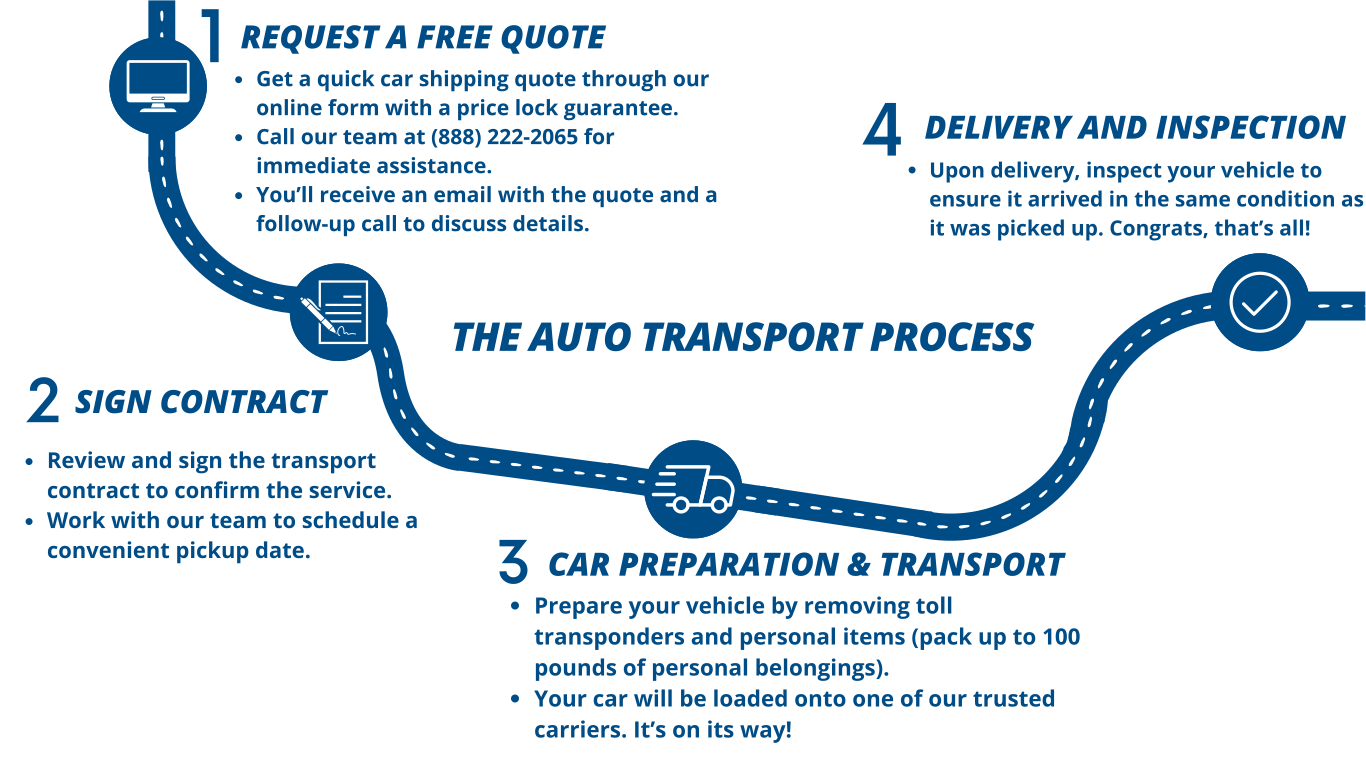
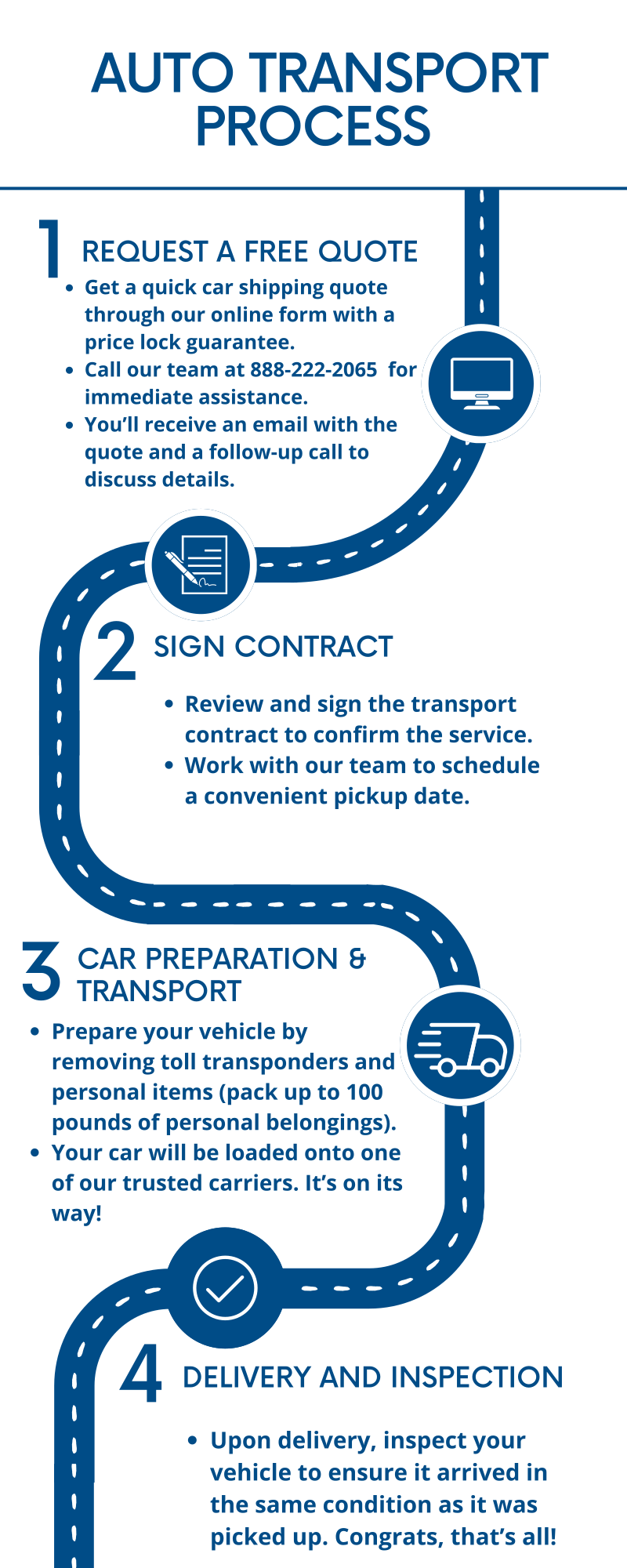
Request Your Free Quote
Get an online quote sent to your email. or call our team. Provide your vehicle type, pickup, and destination addresses for a personalized quote.
Sign the Contract
Review and finalize your transport quote tailored to your route, vehicle and shipping dates, crafted with full pricing transparency.
Schedule Pickup
Our team schedules a pickup day that works for you, with door-to-door service available for most areas.
Prepare Your Vehicle
Remove all personal belongings, disable toll tags, and ensure your vehicle is in good working condition. Take clear photos for documentation. Read our vehicle checklist prior to shipping.
Safe Transport
Your car is loaded securely onto an open or enclosed carrier and starts it journey.
Delivery and Final Inspection
On delivery, inspect your vehicle for any damage. If satisfied, sign the final paperwork to complete the transport.
Auto Transport Services in Oregon
Door-to-Door Auto Transport in Oregon
We offer vehicle pickup and delivery right to your door for many locations in Oregon. No terminals required.
Restrictions apply, please contact us to see if your location is viable for this service.
Enclosed Auto Transport in Oregon
The top rated shipping option for classic cars, luxury, and high-value collector cars needing extra protection during transit within or to/from Oregon.
Motorcycle Shipping in Oregon
Quality bike shipping equipment ensures secure and damage-free shipping for motorcycles across Oregon.
Heavy Equipment Transport in Oregon
From RVs to construction vehicles, ATP provides tailored solutions for oversized and heavy-duty equipment shipping in Oregon.

FAQs
Shipping a car from Oregon to Florida typically takes 7-10 days, depending on the route, weather conditions, and carrier availability. This cross-country route spans over 3,000 miles and primarily follows I-5 south to I-10 east across the U.S. Due to its distance, shipping times can vary, especially during winter when snow or rain delays can occur along key highways. Booking in advance helps secure the best delivery timeline.
Enclosed transport is ideal for high-value or classic cars, as it offers extra protection from weather and road debris. It also provides higher cargo insurance coverage in case a claim needs to be made for the highly unlikely chance that there is damage to your vehicle.
Several factors affect the cost of shipping a car to or from Oregon:
- Distance and Route: Longer trips (e.g., Portland to Miami) cost more, but major corridors like I-5 or I-84 reduce prices compared to remote routes.
- Vehicle Size and Condition: Larger vehicles, such as SUVs and trucks, cost more due to their weight and space requirements. Inoperable vehicles also require extra handling equipment.
- Transport Type: Open transport is more affordable, while enclosed car transport offers premium protection at a higher cost.
- Seasonality: Prices increase during peak snowbird seasons (southbound in the fall and northbound in the spring). This holds true for when traveling to or from a more southern state like Florida or California. When traveling from east to west it may not change the cost of auto shipping as dramatically.
Yes, ATP offers door-to-door delivery across Oregon, ensuring your vehicle is picked up and delivered to your desired location.
Restrictions apply, please contact us to see if your location is viable for this service.
Yes, Oregon’s unique geography and climate present specific road challenges for auto transport:
- Mountainous Regions: Roads like Siskiyou Pass on I-5 and highways around Mount Hood can become treacherous during winter due to extreme snow and ice.
- Rain and Fog: Western Oregon, especially near Portland and the Willamette Valley, experiences frequent rain and fog, reducing visibility for drivers.
- Remote Areas: Locations in Central and Eastern Oregon, such as Bend or Klamath Falls, may require schedule flexibility and patience due to limited carrier availability to these areas.
Popular Routes for Oregon Auto Transport
- Car Shipping Oregon to Florida: 3,100 miles | ETA: 7–10 days
- Vehicle Hauling Oregon to California: 400 miles | ETA: 1–3 days
- Auto Hauling Oregon to Texas: 2,000 miles | ETA: 6–8 days
- Car Transport Oregon to New York: 2,900 miles | ETA: 7–10 days
- Auto Shipping Oregon to Nevada: 600 miles | ETA: 2–4 days
- Vehicle Transport Oregon to Washington: 200 miles | ETA: 1–2 days
- Car Hauling Oregon to Arizona: 1,300 miles | ETA: 4–6 days
- Auto Transport Oregon to Colorado: 1,300 miles | ETA: 4–6 days
- Car Shipping Oregon to Pennsylvania: 2,800 miles | ETA: 7–10 days
Short Distances (up to 1,500 miles): 2-4 days
Long Distances (over 1,500 miles): 5-9 days
Expedited Options: 1-3 days for urgent deliveries
Who can we help?
Military Personnel
Oregon is home to Camp Rilea and Kingsley Field Air National Guard Base, making it a critical location for military personnel car relocations.
Snowbirds
Many Oregonians travel to warmer climates such as Arizona, Florida, and California during winter. ATP specializes in snowbird car shipping to make their travels easier.
Moving to Oregon
Whether you’re relocating to Portland or Salem, or leaving Oregon for another state, ATP ensures your vehicle is shipped safely and on time.
Dealerships in Oregon
Auto dealerships across Oregon rely on ATP for timely and secure delivery of vehicles, whether for inventory or direct-to-customer sales.
Buying or Selling Cars
From buying classic cars from a private seller to shipping vehicles sold on bring a trailer, ATP can assist in the deal to buy or sell a car, call us to see how we can help.
College Students in Oregon
Oregon is home to institutions like the University of Oregon and Oregon State University. We can help students transport cars to and from campus without breaking the bank.

Get Your Free Oregon Auto Transport Quote Today!
Ready to ship your vehicle? Auto Transport Professionals makes it easy, reliable, and affordable. Use our car shipping calculator for an instant quote or call 888-222-2065 to speak with a transport specialist.
Love this company. They have great drivers. Their customer service is top notch. So glad I found them. I wouldn’t use any other company. Thanks guys for taking care of my car.
Fara Erspamer

Testimonials
Had a great experience with ATP. They were able to ship my bike in 2 days from Wisconsin to Virginia when other companies said it would take 20-28 days and they did it at a lower price. ATP was in constant communication with me via phone, email, and texting. I absolutely will use ATP for all future transportation needs. I highly recommend them.
- Price Lock Guarantee
- 20+ Years Experience
- Complete Vehicle Coverage
- No Up-Front Deposit
- Door-to-Door Service
With over 20 years of experience, we are exactly what our name suggests: Professionals. When it comes to shipping your vehicle, you can rely on us to get the job done on time and hassle-free.
Your satisfaction is our success. That’s why we make it our mission to provide dependable, stress-free vehicle transport services. We understand how complicated shipping a vehicle across the country can be, so we guide you every step of the way—from pickup to delivery.
Personalized Support
At Auto Transport Professionals, we understand that every vehicle and transport situation is unique. That’s why we offer personalized car shipping solutions tailored to your needs. Whether you're arranging auto transport as a snowbird, dealer, or individual, our team is here to guide you every step of the way. We specialize in a range of auto transport services, including enclosed transport for added security and open carrier shipping for cost-effective solutions. Whether it's classic car transport, RV transport, or motorcycle shipping, we ensure your vehicle is in safe hands. With us, you're never just another customer—you're a priority.
Affordable Prices
We are committed to offering cost-effective auto transport without compromising on quality. We believe that shipping your vehicle safely and efficiently shouldn’t break the bank. Whether you're relocating across the country, need seasonal vehicle transport as a snowbird, or require specialized services like classic car transport or heavy-duty vehicle transport, we provide clear, competitive pricing tailored to your specific needs. Our nationwide car shipping solutions cover everything from enclosed transport for high-value vehicles to open carrier transport for everyday cars, ensuring your vehicle is protected at every step. With Auto Transport Professionals, you get industry-leading vehicle transport services at rates that make sense for your budget, all while ensuring the safe and timely delivery of your car.
24 hour Quoting
We understand the urgency of getting your vehicle shipped when you're in a pinch. That's why we offer 24-hour quotes for all your auto transport needs. Our streamlined process ensures that within just one day, you’ll receive a competitive, transparent price for shipping your car, truck, or SUV. Whether you’re planning a cross-country move or just need a reliable transport service for a shorter distance, our dedicated team is here to provide fast and accurate quotes, allowing you to plan with confidence and ease.