
Request a Free Quote

Texas Auto Transport
888-222-2065
- Full Insurance Coverage
- Door to Door Shipping
- Price Lock Guarantee
- No Up-Front Deposit
Need a Texas Car Shipping Company?
Auto Transport Professionals (ATP) is your trusted partner for car shipping services in Texas. Whether you’re moving, buying or selling a vehicle, or need seasonal transport, ATP delivers reliable solutions fit to your needs. With experienced teams and a nationwide network of car haulers, we ensure your vehicle is transported safely and on time.
Key Benefits
- Full Insurance Coverage
- Door to Door Shipping
- Price Lock Guarantee
- No Up-Front Deposit
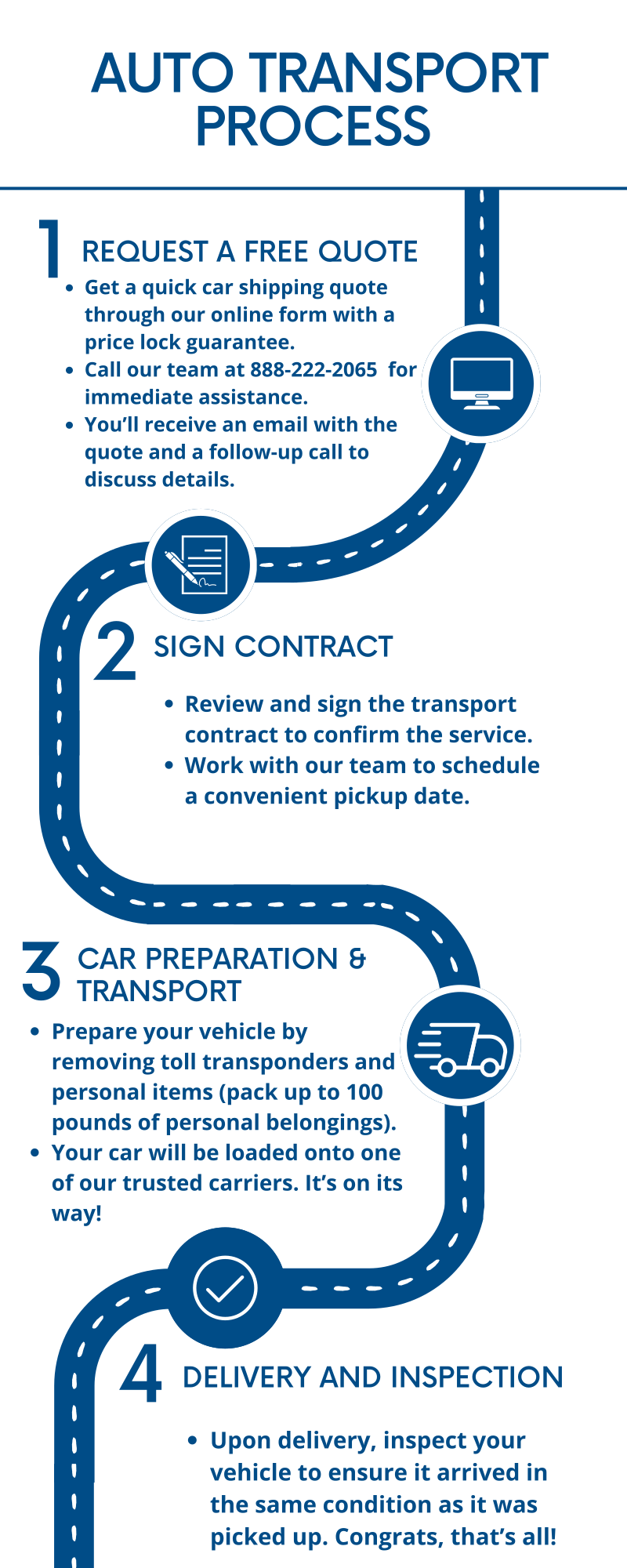
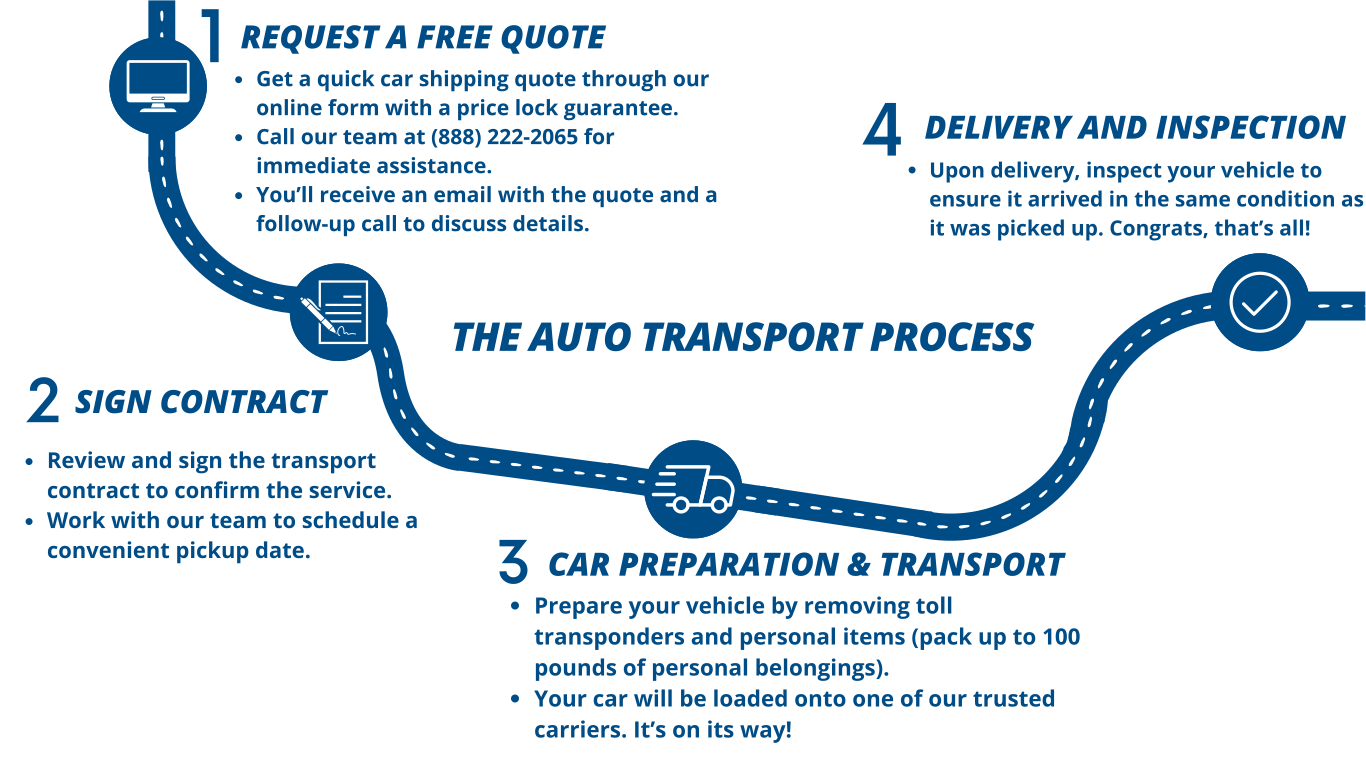
Navigating Texas Roads for Auto Transport
Major Highways and Routes in Texas
- Interstate 10 (I-10): Spanning east to west, this vital route connects major cities like Houston, San Antonio, and El Paso.
- Interstate 35 (I-35): A key north-south corridor linking Dallas, Austin, and San Antonio.
- Interstate 20 (I-20): Connecting Dallas-Fort Worth to West Texas.
- US Highway 59: Essential for southern Texas, reaching Houston and the Gulf Coast.
State-Specific Challenges and Conditions
- Weather Extremes: Texas faces hurricanes in coastal regions near Houston, intense heat in the summer, and occasional snow in northern areas.
- Traffic Congestion: Major urban centers like Houston and Dallas experience heavy traffic, particularly during peak hours.
- Vast Distances: Texas’s enormous size makes route planning essential for efficient vehicle transport.
Top Car Shipping Cities in Texas
Houston
Houston is one of the nation’s largest auto shipping hubs, with high-volume vehicle transport to Florida, California, and New York.
Dallas
Dallas is a key connection point for car transport between the Midwest and Southern U.S.
San Antonio
San Antonio sees heavy demand for military auto transport with Joint Base San Antonio.
Austin
Austin is a growing city with high demand for new residents moving from California to Austin.
El Paso
El Paso is a crucial hub for vehicle shipping between Texas and Arizona, California, and Mexico.
Why Choose Auto Transport Professionals in Texas?
Nationwide Auto Transport
ATP serves 48 states (excluding Alaska and Hawaii), ensuring reliable transport to and from Texas.
Complete Transparency
We provide upfront pricing, clear timelines, and excellent communication to keep you informed.
Exceptional Support
Our team is dedicated to making your experience smooth, offering guidance and care at every step.
Available Auto Transport Services in Texas
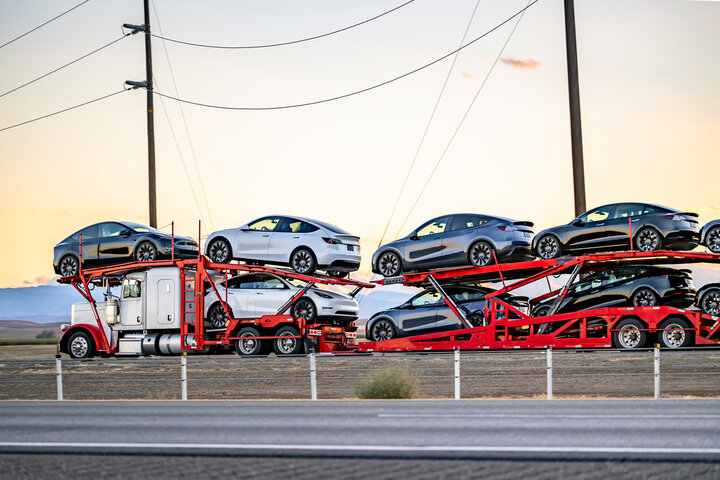
Open Car Transport in Texas
The most affordable auto transport option for everyday vehicles.
Enclosed Auto Transport in Texas
Top tier protection for luxury, antique, or collector vehicles, shielding them from road debris and weather. Enclosed car haulers usually carry larger insurance policies for peace of mind when transporting these high end autos.
Door-to-Door Auto Transport in Texas
Convenient pickup and delivery at your specified locations whether it be a business or your home.
Restrictions apply; please contact us to confirm if your location is viable.
FAQs
The cost of shipping a car to or from Texas depends on factors like distance, vehicle size and type, transport method, and seasonal demand. Longer routes and enclosed transport, which offers added protection, cost more. High-demand times, such as during snowbird migration or peak moving seasons, can also impact pricing. For an accurate and personalized quote, contact ATP to discuss your specific needs and preferences. 888-222-2065
Auto transport times vary depending on the distance and route conditions. Most carriers cover about 400-500 miles per day. Local routes within Texas or neighboring states may take 1-2 days, while cross-country shipments, such as Texas to California or New York, may take 4-7 days. Factors like traffic, weather, or road construction can cause delays.
Yes, you are allowed to pack up to 100 pounds of non illegal personal items in your vehicle’s trunk or cargo area. Auto transport companies are not liable for loss/damage or any liability relating to personal items.. If you have questions about what can be packed, our team can provide guidance. 888-222-2065
Yes, every vehicle transport arranged by ATP is covered by the carrier’s cargo insurance for damage while in transit. The coverage provided varies but DOT minimums are 100k in cargo coverage, ATP strives for industry standard coverage of 250k. Please note, coverages are for the entire load on the trailer. Enclosed car haulers typically have higher insurance limits, making it ideal for luxury, antique, or high-value vehicles. If you’d like to know more about the insurance details for your shipment, contact ATP for specifics. 888-222-2065
Yes, ATP offers services for vehicles purchased at auctions in Texas or anywhere else in the contiguous 48 states. Whether it’s a local sale, an online auction, or a high-profile event, call us to get a free auction car transport quote! 888-222-2065
They did a great job in delivering my car from Florida to Texas. They picked it up on time and delivered it when they said they would. Great service for a great price. Would definitely recommend if you’re needing your vehicle transported.
Gene Pigott

Popular Auto Transport Routes in Texas
Auto Transport Texas to Florida: ~1,000 miles, 2-3 days
Vehicle Shipping Texas to California: ~1,500 miles, 3-4 days.
Car Delivery Texas to New York: ~1,800 miles, 4-5 days.
Auto Hauling Texas to Illinois: ~1,000 miles, 2-3 days.
Car Shipping Texas to Georgia: ~800 miles, 2 days.
Vehicle Transport Texas to Pennsylvania: ~1,500 miles, 3-4 days.
Car Moving Texas to Colorado: ~600 miles, 1-2 days.
Auto Delivery Texas to Arizona: ~700 miles, 2 days.
Car Hauling Texas to North Carolina: ~1,200 miles, 3 days.
Auto Shipping Texas to Nevada: ~1,400 miles, 3-4 days.
Testimonials
Had a great experience with ATP. They were able to ship my bike in 2 days from Wisconsin to Virginia when other companies said it would take 20-28 days and they did it at a lower price. ATP was in constant communication with me via phone, email, and texting. I absolutely will use ATP for all future transportation needs. I highly recommend them.
- Price Lock Guarantee
- 20+ Years Experience
- Complete Vehicle Coverage
- No Up-Front Deposit
- Door-to-Door Service
With over 20 years of experience, we are exactly what our name suggests: Professionals. When it comes to shipping your vehicle, you can rely on us to get the job done on time and hassle-free.
Your satisfaction is our success. That’s why we make it our mission to provide dependable, stress-free vehicle transport services. We understand how complicated shipping a vehicle across the country can be, so we guide you every step of the way—from pickup to delivery.
Personalized Support
At Auto Transport Professionals, we understand that every vehicle and transport situation is unique. That’s why we offer personalized car shipping solutions tailored to your needs. Whether you're arranging auto transport as a snowbird, dealer, or individual, our team is here to guide you every step of the way. We specialize in a range of auto transport services, including enclosed transport for added security and open carrier shipping for cost-effective solutions. Whether it's classic car transport, RV transport, or motorcycle shipping, we ensure your vehicle is in safe hands. With us, you're never just another customer—you're a priority.
Affordable Prices
We are committed to offering cost-effective auto transport without compromising on quality. We believe that shipping your vehicle safely and efficiently shouldn’t break the bank. Whether you're relocating across the country, need seasonal vehicle transport as a snowbird, or require specialized services like classic car transport or heavy-duty vehicle transport, we provide clear, competitive pricing tailored to your specific needs. Our nationwide car shipping solutions cover everything from enclosed transport for high-value vehicles to open carrier transport for everyday cars, ensuring your vehicle is protected at every step. With Auto Transport Professionals, you get industry-leading vehicle transport services at rates that make sense for your budget, all while ensuring the safe and timely delivery of your car.
24 hour Quoting
We understand the urgency of getting your vehicle shipped when you're in a pinch. That's why we offer 24-hour quotes for all your auto transport needs. Our streamlined process ensures that within just one day, you’ll receive a competitive, transparent price for shipping your car, truck, or SUV. Whether you’re planning a cross-country move or just need a reliable transport service for a shorter distance, our dedicated team is here to provide fast and accurate quotes, allowing you to plan with confidence and ease.