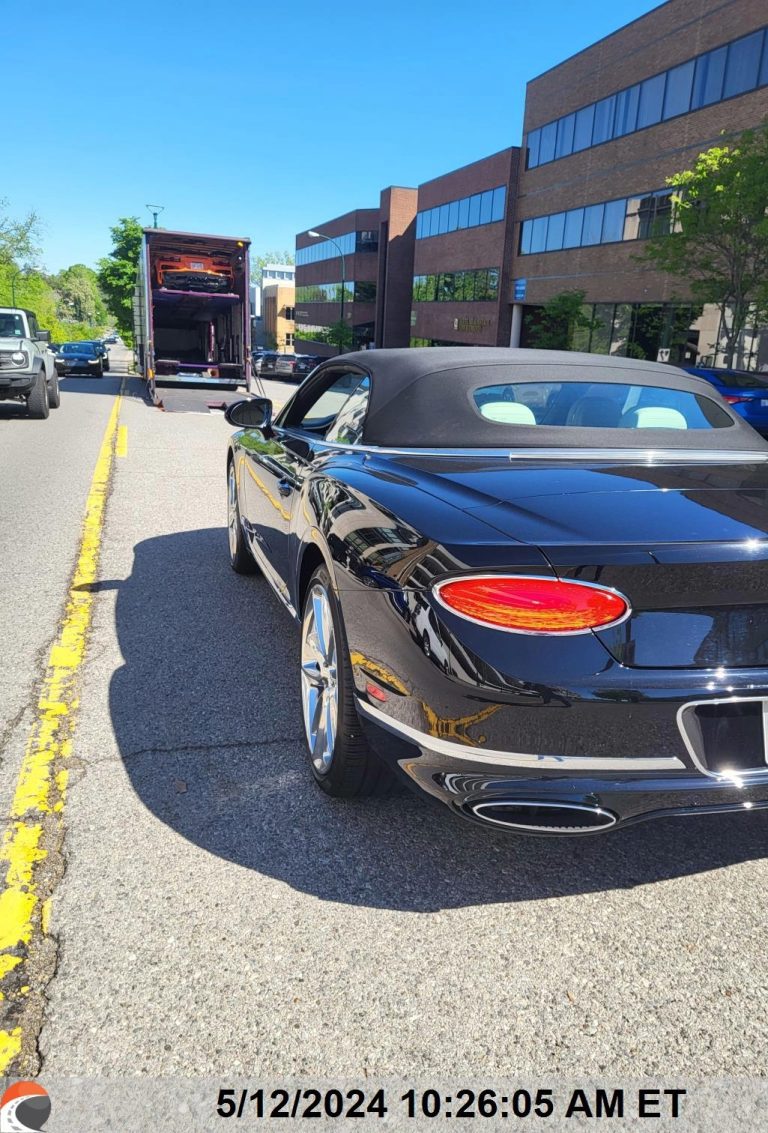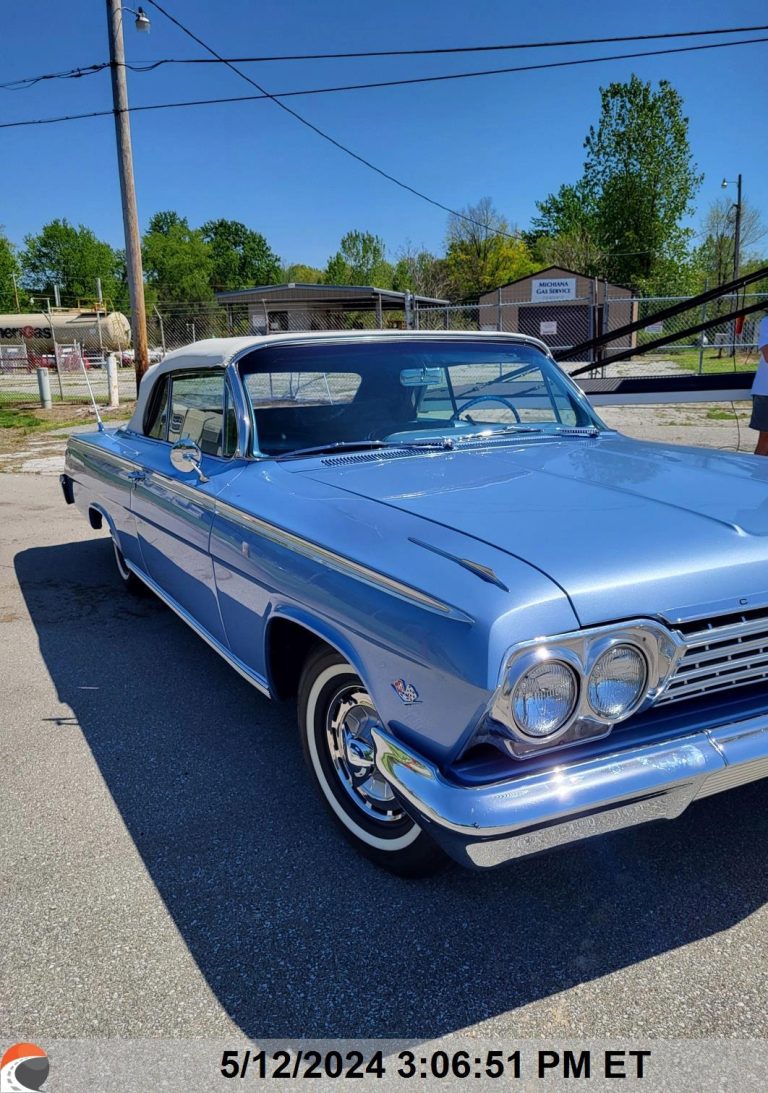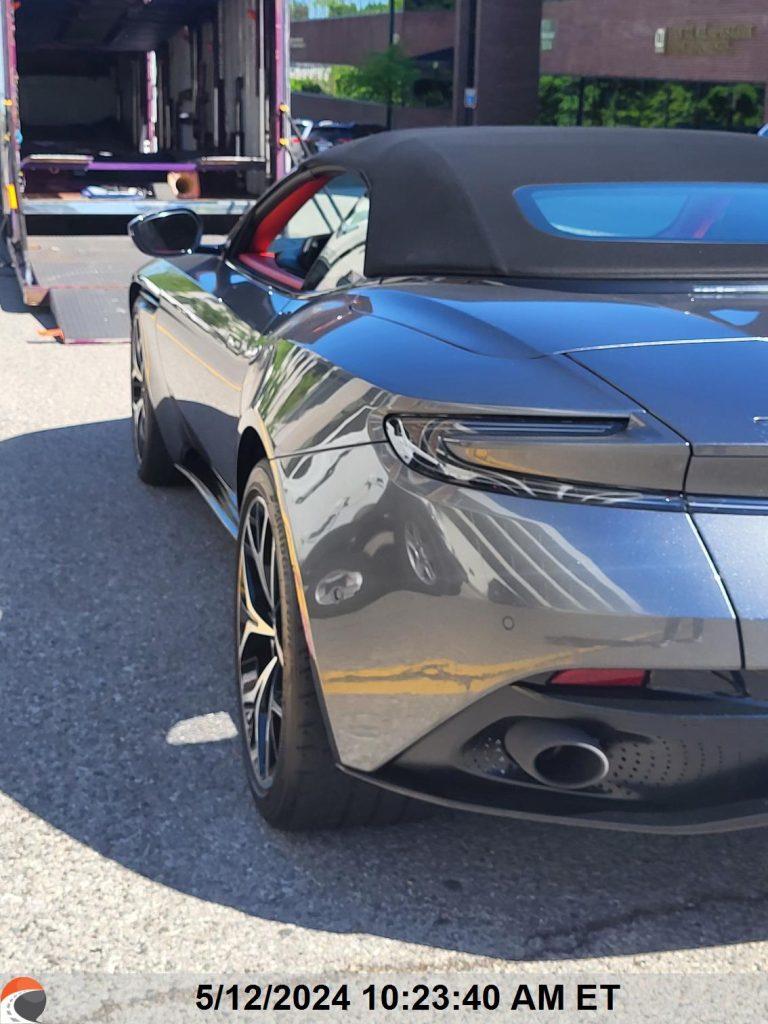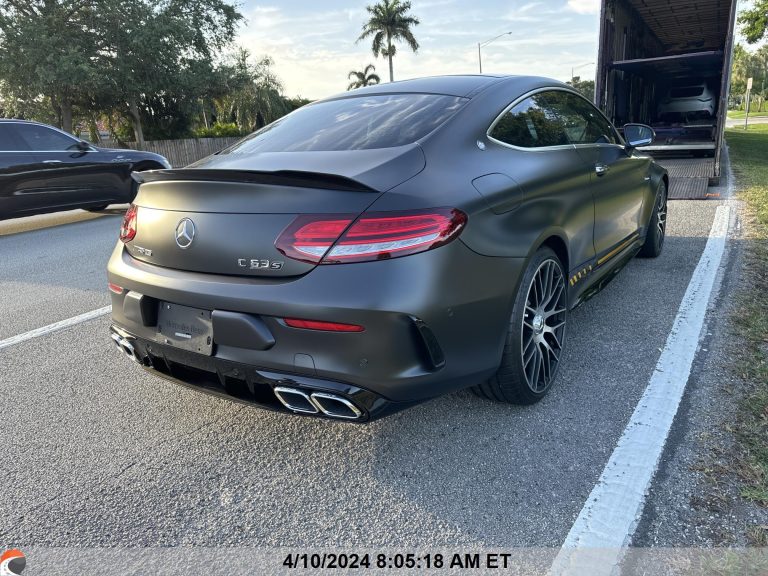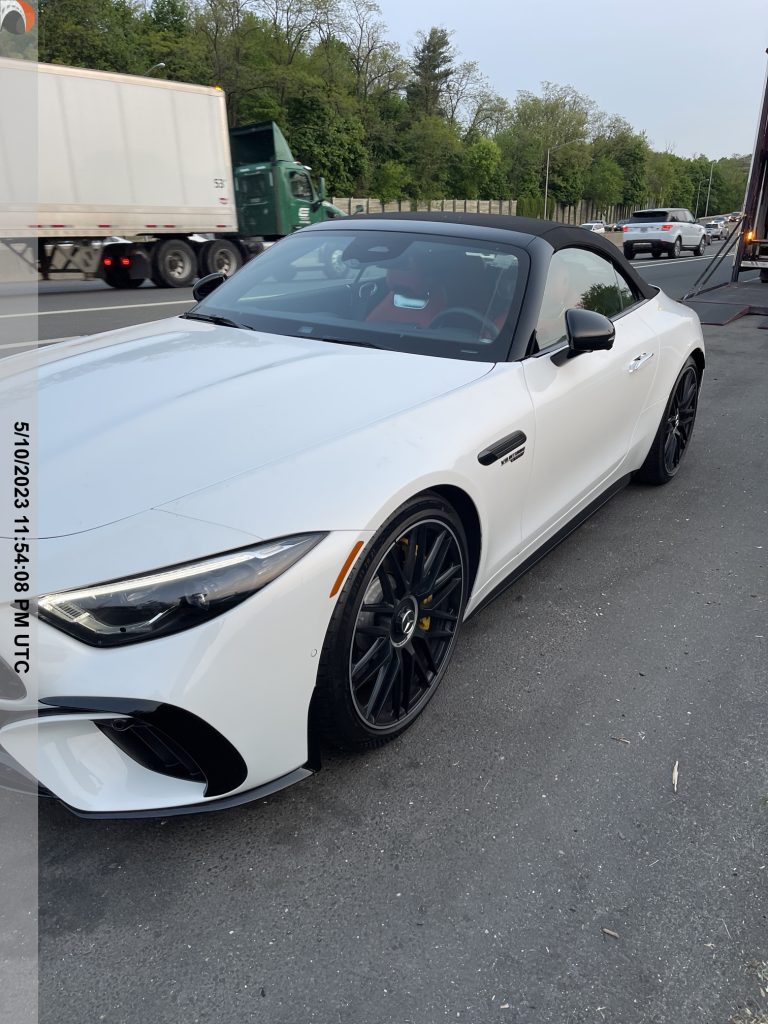
Full protection for high-value, classic, and luxury vehicles. Covered trailer shipping with fully insured carriers. No upfront payment. Price-locked quotes.
Enclosed auto transport moves your vehicle inside a fully covered trailer, shielded from weather, road debris, and road spray for the entire journey. A standard enclosed carrier holds 2 to 6 vehicles — far fewer than the 7 to 10 on an open trailer — which means more space per vehicle, more careful loading, and more attention from the driver. Most enclosed carriers are also equipped with hydraulic lift gates, which allow vehicles to be loaded and unloaded without driving them up a ramp. That matters for low-clearance exotics, modified vehicles, and classics that shouldn't be driven under load.
Enclosed transport costs 40 to 60 percent more than open, and availability is more limited — there are simply fewer enclosed carriers on the road than open ones and they have far fewer spots so the price is higher per spot on the truck. On thinner routes, that means longer scheduling windows and less flexibility on pickup dates. That tradeoff is worth it for the right vehicle. For everything else, open transport is the practical choice.
Enclosed auto transport typically runs 40 to 60 percent above open transport rates for the same corridor. A standard sedan on a high-volume route like Florida to New York runs approximately $1,950 enclosed versus $750 to $1,300 open. Cross-country enclosed shipments on longer or thinner corridors can reach $3,500 or more depending on origin, destination, and carrier availability. The table below reflects typical enclosed transport ranges — actual pricing depends on your specific route.
| Distance | Open Transport | Enclosed Transport | Transit Time |
|---|---|---|---|
| Under 500 miles | $400 – $625 | $650 – $975 | 1 – 3 days |
| 500 – 1,000 miles | $795 – $1,125 | $1,250 – $1,700 | 2 – 4 days |
| 1,000 – 1,500 miles | $1,100 – $1,550 | $1,700 – $2,400 | 3 – 5 days |
| Over 1,500 miles | $1,325 – $1,665 | $2,100 – $3,500+ | 4 – 7 days |
Vehicle size, exact locations, and corridor density all affect your final enclosed transport rate. On thinner corridors where enclosed carriers run infrequently, pricing reflects that scarcity. Get a free enclosed transport quote for your specific route.
40–60% premium over open
Starting from $400
All was smooth, Alex was great to communicate with. The car was sent enclosed and at a good rate.
Could not have been happier with the delivery of my classic Mustang. Easy engagement and setup, great communication and delivery.
Have used Auto Transport Professionals for the past 4 years shipping cars between Naples and Cape Cod. Our cars arrive quickly and in the same condition.
Tell us your vehicle details, pickup and delivery locations. We send you a price-locked enclosed transport quote within an hour.
We match your load to a fully insured FMCSA-authorized enclosed carrier running your route. Enclosed carriers run less frequently — book ahead.
Carrier arrives within your pickup window. Lift gate or soft-tie loading. Joint walk-around inspection, every mark documented on the Bill of Lading.
Second inspection at delivery. Compare against pickup docs and note any new damage before signing.
Most enclosed carriers are equipped with hydraulic lift gates that raise and lower vehicles onto the trailer without requiring them to drive up a steep ramp under load. For low-clearance exotics, wide-body builds, ground-effect vehicles, and classics with stiff suspensions, this matters significantly. Ramp loading puts stress on front air dams, splitters, and undersides that lift gate loading avoids entirely.
When you request an enclosed quote, let us know if your vehicle has low clearance or any specific loading requirements. We confirm lift gate availability with the carrier before assigning your load so there are no surprises at pickup.
Every carrier in our network is required to maintain cargo insurance as a condition of their FMCSA operating authority. Enclosed carriers typically carry higher per-vehicle coverage limits than open carriers — which reflects the higher value of the vehicles they routinely transport. Coverage details vary by carrier and are confirmed before your vehicle is dispatched.
Higher coverage limits are one of the meaningful differences between enclosed and open transport, not just a marketing point. If your vehicle is worth $100,000 or more, the cargo insurance ceiling on an open carrier may be insufficient to cover a total loss. Enclosed carriers running high-value loads structure their coverage accordingly. Ask about specific coverage limits when requesting your quote if this is a concern for your vehicle.
At pickup, you and the driver complete a joint walk-around inspection documenting every existing mark on the Bill of Lading. At delivery, compare the vehicle's condition against that document before signing the delivery receipt. Note any new damage on the Bill of Lading before you sign. Once signed without exceptions, claims become extremely difficult to pursue regardless of coverage limits.
Enclosed carriers are significantly less common than open carriers. Where open transport operates on daily runs across every major corridor, enclosed carriers run on less frequent schedules and cover fewer total routes. On high-volume lanes like Florida to California or New York to Florida, enclosed carriers run regularly and scheduling is predictable. On thinner corridors — rural origins, lower-density state pairs, or unusual routes — finding an enclosed carrier can take considerably longer than open.
The practical implication: book enclosed transport at least two to three weeks ahead whenever possible. Last-minute enclosed bookings are harder to fulfill and typically cost more. If your timeline is tight and your vehicle doesn't specifically require enclosed, open transport may be the better operational choice.
Review your quote, confirm vehicle details and dates. No payment collected until a carrier is assigned.
We dispatch your order to our enclosed carrier network. You receive carrier details, insurance info, and estimated pickup window.
Carrier gives you 24 hours advance notice. Lift gate or ramp loading as applicable. Walk-around inspection together, every mark documented on the Bill of Lading, both parties sign.
Your vehicle rides fully covered for the entire trip. Track your shipment status through your coordinator.
24-hour advance notice, then a call when close. Second walk-around inspection — note any new issues on the Bill of Lading before signing. Once signed without exceptions, claims are extremely difficult to win.
Classic and collector cars — Vehicles with irreplaceable paint, original bodywork, or show-quality finishes ship enclosed as a matter of course. Road debris on an open carrier is an accepted risk most collectors won't take.
Exotic and supercar owners — Low ground clearance, wide body kits, and carbon fiber components make lift gate loading and full enclosure the right call for exotics. The premium is small relative to the cost of the vehicle.
Luxury vehicles — High-end sedans, SUVs, and coupes over $100,000 benefit from enclosed shipping for both practical protection and the higher insurance coverage limits enclosed carriers typically carry.
Auto show and auction transport — Vehicles heading to concours events, Barrett-Jackson, Mecum, or similar auctions need to arrive in the same condition they left. Enclosed shipping is the standard for show-quality transport.
Dealerships and wholesale buyers — High-value inventory moving between auction lots and dealerships ships enclosed to protect condition and maintain market value on arrival.
Enclosed auto transport moves your vehicle inside a fully covered trailer, protected from weather, road debris, and road spray for the entire journey. Enclosed carriers hold 2 to 6 vehicles and typically carry higher cargo insurance limits than open carriers. Most enclosed carriers are also equipped with hydraulic lift gates for low-clearance vehicles.
Enclosed transport typically runs 40 to 60 percent above open transport rates on the same corridor. Florida to New York runs approximately $1,950 enclosed. Cross-country routes can reach $3,500 or more. Request a free enclosed quote for your specific route.
Most enclosed carriers are equipped with hydraulic lift gates, which load and unload your vehicle without requiring it to drive up a ramp. This is particularly important for low-clearance exotics, wide-body vehicles, and classics with stiff suspensions. Let us know your vehicle's clearance when requesting a quote so we can confirm lift gate availability with the assigned carrier.
Enclosed carriers typically carry higher per-vehicle cargo insurance limits than open carriers, reflecting the higher value of the vehicles they transport. Coverage specifics vary by carrier and are confirmed before dispatch. If your vehicle's value is a concern, ask about coverage limits when requesting your quote.
At least two to three weeks ahead on most corridors. Enclosed carriers are less common than open carriers and run on less frequent schedules, especially on thinner routes. Last-minute enclosed bookings are harder to fulfill and typically cost more. The more lead time you give us, the better the carrier match and pricing.
Enclosed is the right choice for classics, exotics, luxury vehicles over $100,000, show cars, and any vehicle where cosmetic protection or higher insurance limits justify the 40 to 60 percent premium. Open transport is the practical choice for everything else — it's fully insured, covers the same routes, and is what the vast majority of vehicles ship on.
Someone 18 or older must be present at both ends to sign the Bill of Lading. If you cannot attend personally, designate a trusted representative to handle the inspection and paperwork on your behalf.
Wash the exterior so existing marks are clearly visible during inspection. Remove loose items from the interior. Leave roughly a quarter tank of fuel. Disable aftermarket alarms. Take dated photos of all sides, roof, underside, and odometer before the carrier arrives. Note any existing damage on the Bill of Lading at pickup before signing.