
Request a Free Quote

Vermont Car Shipping Services
888-222-2065
- Full Insurance Coverage
- Door to Door Shipping
- Price Lock Guarantee
- No Up-Front Deposit
Vermont Auto Transport
Vermont’s scenic landscapes and rural charm make it a unique place to call home or visit. At Auto Transport Professionals (ATP), we simplify vehicle shipping in the Green Mountain State with reliable, secure, and professional services. Whether relocating, shipping seasonally, or moving your car across the country, our experienced team offers tailored solutions like open and enclosed transport, door-to-door service (restrictions apply), and expedited options. Wherever you are in Vermont, trust ATP for seamless and stress-free car shipping.
Key Benefits
- Full Insurance Coverage
- Door to Door Shipping
- Price Lock Guarantee
- No Up-Front Deposit
Why Is Vermont a Challenging State for Auto Transport?
Limited Carrier Traffic
Most auto transport carriers traveling along the East Coast stick to busier routes through Massachusetts, Connecticut, and New Hampshire. Vermont is often considered “out of the way” for cross-country shipments, with many carriers stopping as far north as Manchester, NH, or Boston, MA.
Sparse Interstate Coverage
The primary hub for car shipping in Vermont is White River Junction, where Interstate 89 meets Interstate 91. Moving beyond this area or venturing into northern Vermont increases shipping prices and requires you to be have more flexible timeframe to get it done. Off-interstate locations require more time and resources, leading to higher costs. The roads in Vermont are very winding, hilly and covered with trees, all are not ideal for car carriers.
Seasonal Challenges
Vermont’s winters bring icy roads and heavy snowfall, potentially delaying transport schedules. Throughout the year, rural roads and underdeveloped infrastructure in remote areas can create logistical hurdles.
- Winter Weather: Vermont is in the top 3 states for total snowfall! This makes for icy roads during the winter months and deters car haulers from shipping cars to or from Vermont.
- Mud Season: Spring thaw creates very challenging road conditions on dirt roads, of which Vermont has many.
- Heavy Rainfall: Spring and summer rains may lead to localized flooding and temporary road closures.
To ensure safe and timely transport, ATP monitors updates from the Vermont Agency of Transportation (VTrans), keeping you informed about road conditions and weather impacts.
What Does This Mean for You?
- Higher Costs: Carriers often require higher fees to ship to or from remote Vermont locations.
- Longer Timelines: Deliveries may take more time, especially for pickups or drop-offs in isolated areas.
- Realistic Expectations: Understanding these challenges ahead of time is important so you know why the costs of shipping a car to or from Vermont is much higher than even nearby states!
How ATP Makes It Work
While Vermont presents unique auto transport challenges, Auto Transport Professionals (ATP) excels at navigating them. Whether you’re shipping to or from Burlington, Montpelier, or rural Vermont, ATP leverages its extensive network of carriers to ensure your vehicle arrives safely and efficiently.
Get your online car shipping quote here or call (888) 222-2065 or using our online tool. We’re here to make auto transport to or from Vermont smooth and hassle-free!
FAQs about Vermont Auto Transport
The cost of auto transport depends on several factors, including:
- Distance: Longer routes, such as shipping from Vermont to California (estimated: 3,100 miles), will cost more than shorter routes, like Vermont to Pennsylvania (estimated: 400 miles).
- Vehicle Type: Larger or heavier vehicles, like SUVs or trucks, cost more than compact sedans due to weight and space considerations.
- Transport Method: Open transport is the most affordable option, while enclosed shipping, offering extra protection, is slightly more expensive.
Contact ATP for a customized quote tailored to your specific needs.
Yes, ATP provides door-to-door transport services for most locations in Vermont.
- Examples: Door-to-door shipping is convenient for urban areas like Burlington or Montpelier. In more remote areas, such as the Green Mountain region, accessibility may require a flexible alternative like meeting at a nearby location.
Restrictions may apply depending on road access or weather conditions. Contact us to confirm availability for your address.
Yes! "snowbirds" traveling to states like Florida, Arizona, or Texas rely on ATP for timely and affordable shipping services.
Example:
To ship a car from Vermont to Florida typically takes 4–6 days and we can ensure your car is waiting for you when you arrive if you'd like!
Yes, ATP can help farmers or construction companies ship equipment to or from Vermont!
Examples:
- Moving a camper from Vermont to Florida for seasonal use.
- Transporting construction equipment, such as a backhoe, to job sites in neighboring states like New York or Massachusetts.
Why Choose ATP for Vermont Vehicle Shipping?
Nationwide Reach
ATP offers auto transport services across 48 states (excluding Alaska and Hawaii), ensuring seamless shipping to and from Vermont. From standard sedans to motorcycles and oversized equipment, we handle it all.
Reliable Carriers
Our network of professional carriers is thoroughly vetted, ensuring your vehicle is transported safely and quickly, whether it’s a short move across New England or a long haul across the country.
Transparent Quotes
Get free, no-obligation car shipping quotes through our online calculator or by contacting our team. We offer clear pricing with no hidden fees, so you know exactly what to expect.
How Vermont Auto Transport Works
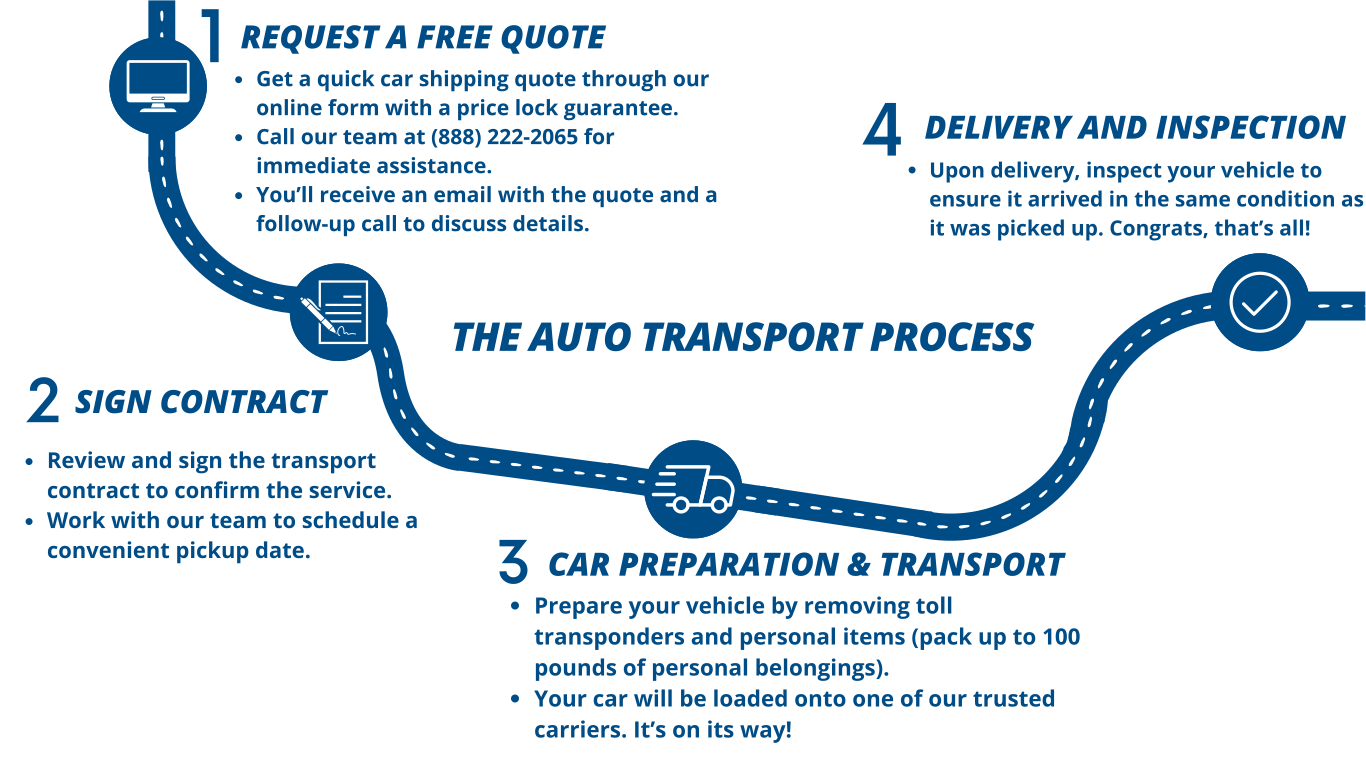
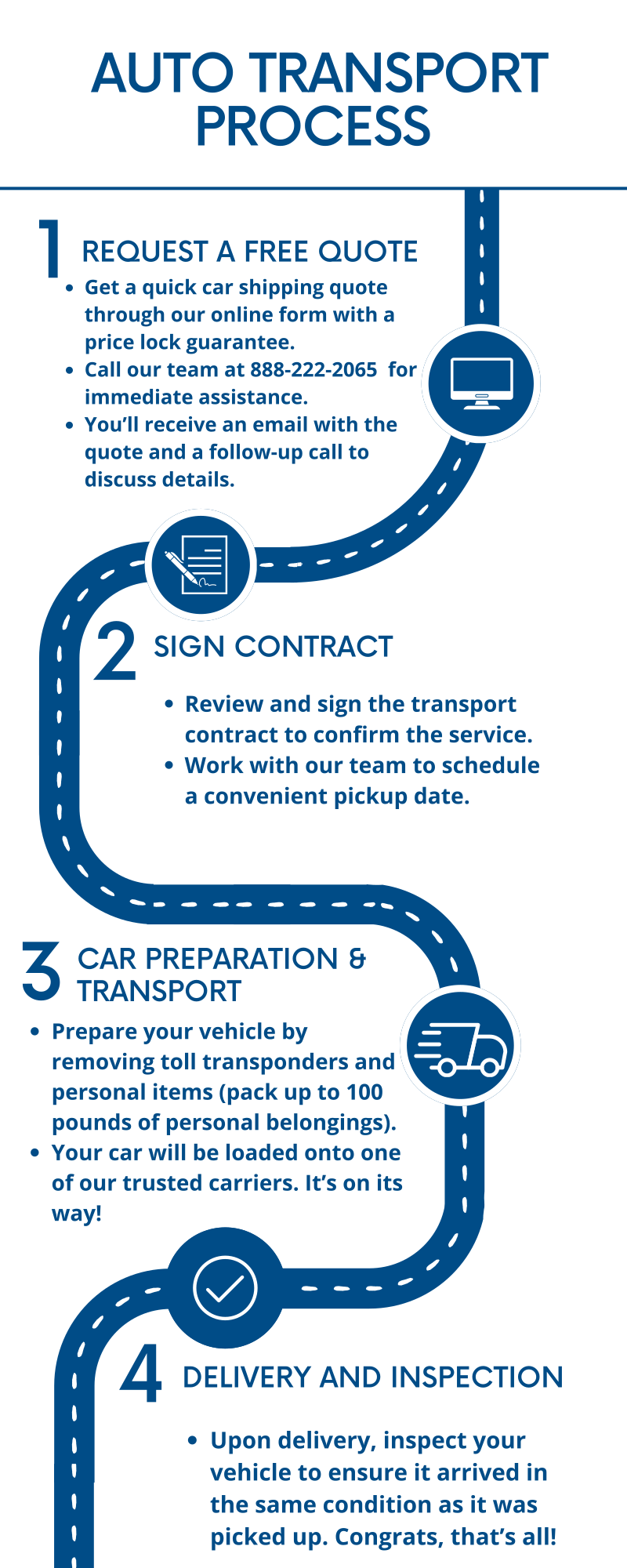
- Request a Free Quote: Use our online form or call 888-222-2065 to receive a detailed shipping estimate.
- Review and Sign Contract: Once you receive your quote, finalize the agreement to confirm your shipment.
- Schedule Pickup: Work with our team to set a pickup date that fits your schedule.
- Prepare Your Vehicle: Remove personal belongings, deactivate toll tags, and ensure your vehicle is in good condition.
- Secure Transport: The driver will inspect your vehicle and have you sign off the the report to verify accuracy and release the car to him for transportation. Next your car will be loaded onto the car carrier trailer and transported safely to its destination.
- Delivery and Inspection: Inspect your vehicle upon delivery to ensure it arrived in the same condition before signing off. Please note your car will most likely be dirty when transporting on an open carrier.
Types of Auto Transport Services in Vermont
- Open Car Transport: A cost-effective option for most vehicles.
- Enclosed Auto Shipping: Ideal for luxury, classic, or high-value vehicles, offering protection from weather and road debris. This service offers a much higher cargo insurance limit to ensure that expensive vehicles are properly covered.
- Heavy Equipment Transport: From RVs to construction vehicles, we offer equipment shipping services for various machines.
Payment Options and Pricing Transparency
ATP provides flexible payment options, including deposits and COD (cash on delivery), allowing you to avoid additional fees. Please note, if you choose to pay by credit card, a 3% processing fee may apply. All car transport quotes from our company are backed by a Price Lock Guarantee!
Top Vehicle Shipping Routes from Vermont
Car Shipping Vermont to Florida: 1,400 miles | ETA: 4–6 days
Vehicle Transport Vermont to California: 3,100 miles | ETA: 7–10 days
Auto Shipping Vermont to Texas: 2,000 miles | ETA: 5–7 days
Car Hauling Vermont to New York: 200 miles | ETA: 1–2 days
Vehicle Delivery Vermont to Pennsylvania: 400 miles | ETA: 2–3 days
Car Transport Vermont to Illinois: 1,100 miles | ETA: 3–5 days
Auto Shipping Vermont to Arizona: 2,700 miles | ETA: 6–8 days
Vehicle Hauling Vermont to Georgia: 1,200 miles | ETA: 4–6 days
Car Transport Vermont to Nevada: 2,800 miles | ETA: 7–9 days
Vehicle Delivery Vermont to Colorado: 1,900 miles | ETA: 5–7 days
Car Delivery Timeframes: What to Expect
Short Distances (up to 1,500 miles): 2-4 days
Long Distances (over 1,500 miles): 5-9 days
Excellent communications with dispatcher and drivers. Vehicle picked up and delivered when scheduled. Will certainly use again when needed.
Tim Ryan

Tips to Save on Auto Transport Costs
- Choose Open Car Transport: Open carriers are the most affordable option for standard vehicles.
- Be Flexible with Dates: Flexibility with your pickup and delivery schedule can help reduce costs.
- Avoid Peak Seasons: Ship outside of snowbird season or high-demand times for better rates. Contact us for details.
- Ship Multiple Vehicles: Bundling multiple cars into one shipment can lead to discounts per car.
Who We Serve in Vermont
- Snowbirds: Seasonal travelers rely on ATP for car shipping Vermont to Florida, ensuring a seamless transition for winter getaways.
- Relocating Families: We simplify moves for families relocating to or from Vermont.
- Dealerships: Vermont dealerships trust ATP for efficient and timely inventory transport.
- Car Buyers and Sellers: Whether buying online or selling across state lines, we provide secure and hassle-free shipping.
- Military Personnel: Reliable vehicle shipping for service members and their families.
- College Students: Affordable and dependable car transport for students attending schools like the University of Vermont.
Get Your Free Vermont Auto Transport Quote Today!
Ready to ship your vehicle? Trust Auto Transport Professionals (ATP) for reliable, professional service. Call 888-222-2065 or request a free quote online to get started today!
Zip Codes We Service In Vermont
Southern Vermont
Major Cities: Bennington, Brattleboro, Manchester
ZIP Codes:
05101, 05141, 05142, 05143, 05146, 05148, 05149, 05150, 05151, 05152, 05153, 05154, 05155, 05156, 05158, 05159, 05161, 05201, 05250, 05251, 05252, 05253, 05254, 05255, 05257, 05260, 05261, 05262, 05301, 05302, 05303, 05304, 05340, 05341, 05342, 05343, 05344, 05345, 05346, 05350, 05351, 05352, 05353, 05354, 05355, 05356, 05357, 05358, 05359, 05360, 05361, 05362, 05363
Central Vermont
Major Cities: Montpelier, Barre, Rutland, Middlebury, Killington
ZIP Codes:
05601, 05602, 05603, 05604, 05609, 05620, 05633, 05640, 05641, 05647, 05648, 05649, 05650, 05651, 05652, 05653, 05654, 05655, 05656, 05657, 05658, 05660, 05661, 05662, 05663, 05664, 05665, 05666, 05667, 05669, 05670, 05671, 05672, 05673, 05674, 05675, 05676, 05677, 05678, 05679, 05680, 05681, 05682
05701, 05702, 05730, 05731, 05732, 05733, 05734, 05735, 05736, 05737, 05738, 05739, 05740, 05741, 05742, 05743, 05744, 05745, 05746, 05747, 05748, 05750, 05751, 05753, 05757, 05758, 05759, 05760, 05761, 05762, 05763, 05764, 05765, 05766, 05767, 05768, 05769, 05770, 05772, 05773, 05774, 05775, 05776, 05777, 05778
Northern Vermont
Major Cities: Burlington, St. Johnsbury, Newport, Stowe
ZIP Codes:
05401, 05402, 05403, 05404, 05405, 05406, 05407, 05408, 05439, 05440, 05441, 05442, 05443, 05444, 05445, 05446, 05447, 05448, 05449, 05450, 05451, 05452, 05453, 05454, 05455, 05456, 05457, 05458, 05459, 05460, 05461, 05462, 05463, 05464, 05465, 05466, 05468, 05469, 05470, 05471, 05472, 05473, 05474, 05476, 05477, 05478, 05479, 05481, 05482, 05483, 05485, 05486, 05487, 05488, 05489, 05490, 05491, 05492, 05494, 05495
05819, 05820, 05821, 05822, 05823, 05824, 05825, 05826, 05827, 05828, 05829, 05830, 05832, 05833, 05836, 05837, 05838, 05839, 05840, 05841, 05842, 05843, 05845, 05846, 05847, 05848, 05849, 05850, 05851, 05853, 05855, 05857, 05858, 05859, 05860, 05861, 05862, 05863, 05866, 05867, 05868, 05871, 05872, 05873, 05874, 05875
Northeast Kingdom
Major Cities: Derby, Lyndonville, Newport
ZIP Codes:
05819, 05820, 05821, 05822, 05823, 05824, 05825, 05826, 05827, 05828, 05829, 05830, 05832, 05833, 05836, 05837, 05838, 05839, 05840, 05841, 05842, 05843, 05845, 05846, 05847, 05848, 05849, 05850, 05851, 05853, 05855, 05857, 05858, 05859, 05860, 05861, 05862, 05863, 05866, 05867, 05868, 05871, 05872, 05873, 05874, 05875, 05901, 05902, 05903, 05904, 05905, 05906, 05907
Green Mountain National Forest Region
Major Towns: Manchester, Waitsfield, Warren
ZIP Codes:
05030, 05031, 05032, 05033, 05034, 05035, 05036, 05037, 05038, 05039, 05040, 05041, 05042, 05043, 05045, 05046, 05047, 05048, 05049, 05050, 05051, 05052, 05053, 05054, 05055, 05056, 05058, 05059, 05060, 05061, 05062, 05065, 05067, 05068, 05069, 05070, 05071, 05072, 05073, 05074, 05075, 05076, 05077, 05079, 05081, 05083, 05084, 05085, 05086, 05088, 05089, 05091
Testimonials
Had a great experience with ATP. They were able to ship my bike in 2 days from Wisconsin to Virginia when other companies said it would take 20-28 days and they did it at a lower price. ATP was in constant communication with me via phone, email, and texting. I absolutely will use ATP for all future transportation needs. I highly recommend them.
- Price Lock Guarantee
- 20+ Years Experience
- Complete Vehicle Coverage
- No Up-Front Deposit
- Door-to-Door Service
With over 20 years of experience, we are exactly what our name suggests: Professionals. When it comes to shipping your vehicle, you can rely on us to get the job done on time and hassle-free.
Your satisfaction is our success. That’s why we make it our mission to provide dependable, stress-free vehicle transport services. We understand how complicated shipping a vehicle across the country can be, so we guide you every step of the way—from pickup to delivery.
Personalized Support
At Auto Transport Professionals, we understand that every vehicle and transport situation is unique. That’s why we offer personalized car shipping solutions tailored to your needs. Whether you're arranging auto transport as a snowbird, dealer, or individual, our team is here to guide you every step of the way. We specialize in a range of auto transport services, including enclosed transport for added security and open carrier shipping for cost-effective solutions. Whether it's classic car transport, RV transport, or motorcycle shipping, we ensure your vehicle is in safe hands. With us, you're never just another customer—you're a priority.
Affordable Prices
We are committed to offering cost-effective auto transport without compromising on quality. We believe that shipping your vehicle safely and efficiently shouldn’t break the bank. Whether you're relocating across the country, need seasonal vehicle transport as a snowbird, or require specialized services like classic car transport or heavy-duty vehicle transport, we provide clear, competitive pricing tailored to your specific needs. Our nationwide car shipping solutions cover everything from enclosed transport for high-value vehicles to open carrier transport for everyday cars, ensuring your vehicle is protected at every step. With Auto Transport Professionals, you get industry-leading vehicle transport services at rates that make sense for your budget, all while ensuring the safe and timely delivery of your car.
24 hour Quoting
We understand the urgency of getting your vehicle shipped when you're in a pinch. That's why we offer 24-hour quotes for all your auto transport needs. Our streamlined process ensures that within just one day, you’ll receive a competitive, transparent price for shipping your car, truck, or SUV. Whether you’re planning a cross-country move or just need a reliable transport service for a shorter distance, our dedicated team is here to provide fast and accurate quotes, allowing you to plan with confidence and ease.