
Request a Free Quote

Montana Auto Transport
888-222-2065
- Full Insurance Coverage
- Door to Door Shipping
- Price Lock Guarantee
- No Up-Front Deposit
Montana Auto Transport Services
When it comes to finding a reliable car shipping company in Montana, Auto Transport Professionals (ATP) is your trusted choice. We specialize in providing seamless, nationwide vehicle transport services tailored to Montana’s unique terrain and weather conditions. Whether you’re relocating, purchasing a vehicle, or need to transport a car to another state, our vetted and experienced car hauler network offers car shipping services to Billings, Missoula, Bozeman, Kalispell and more! ATP is here to handle all your Montana auto transport needs!
Key Benefits
- Full Insurance Coverage
- Door to Door Shipping
- Price Lock Guarantee
- No Up-Front Deposit
Top Car Shipping Locations in Montana
- Billings: The largest city and a major hub along I-90 and I-94.
- Missoula: Located on I-90, a key city for westbound shipments.
- Bozeman: A fast growing area along I-90, popular for both new residents moving there and seasonal visitors.
- Kalispell: Gateway to Glacier National Park, though its remote location may add transit costs.
Whitefish: Just north of Kalispell, nestled in the Rocky Mountains and known for its proximity to Glacier National Park, this city attracts many seasonal residents and vacationers.
Navigating Montana: Key Routes and Highways
Montana’s expansive highways make it a critical transport corridor.
Major Highways for Auto Transport
Interstate 90 (I-90):
The state’s primary east-west corridor, connecting Billings, Bozeman, Butte, and Missoula before heading into Idaho and then Washington State.Interstate 15 (I-15):
Runs north-south, linking Montana to Idaho and Canada, passing through Helena and Great Falls.U.S. Route 2:
A northern route that crosses rural towns like Havre and Glasgow, serving areas with limited transport traffic.Highway 93:
A key route for shipments traveling to and from Missoula, extending into Idaho and offering access to Kalispell.
Challenges of Shipping a Car in Montana
Rural and Remote Locations:
Many areas in Montana, like Libby, or towns along U.S. Route 2, are off major trucking routes. This results in longer wait times and higher costs for deliveries.Weather Conditions:
Montana’s winters bring heavy snowfall, icy roads, and below-freezing temperatures, particularly in the Rocky Mountains and high-altitude regions. This can cause slowdowns and require car haulers to chain their tires for safe travels.Terrain Challenges:
Montana’s mountainous and hilly terrain can make the auto transport process slower and will require careful passage in winter, particularly in areas like Bozeman Pass or Lolo Pass.
Why Choose ATP for Montana Auto Transport
Nationwide Shipping Coverage
ATP offers reliable transport services across 48 states (excluding Alaska and Hawaii). From Montana to Florida or California to Montana, our extensive car carrier network is equipped to handle your transport needs anywhere in the continental U.S.
Honest Pricing, No Surprises
We’re committed to transparency. From the initial quote to the car delivery, you’ll know exactly what to expect with no hidden costs or fees. (2.7 fee when paying via CC) Our team is here to provide updates and answer any questions you may have along the way, call us at 888-222-2065.
Exceptional Customer Care
At ATP, we prioritize your peace of mind. Our knowledgeable support team will guide you through the entire process, addressing concerns and ensuring a stress-free experience. With timely updates and personalized service, we strive to make your car transport journey hassle-free.
How Our Montana Auto Transport Process Works
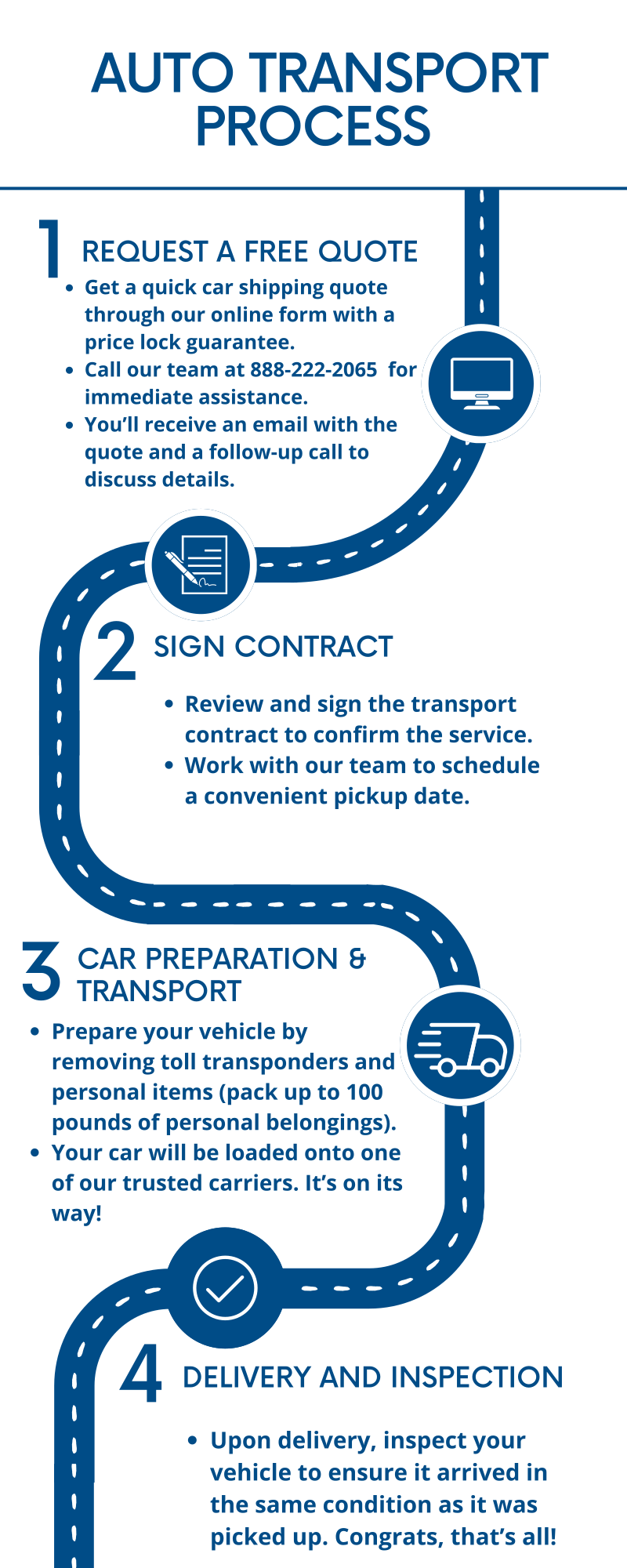
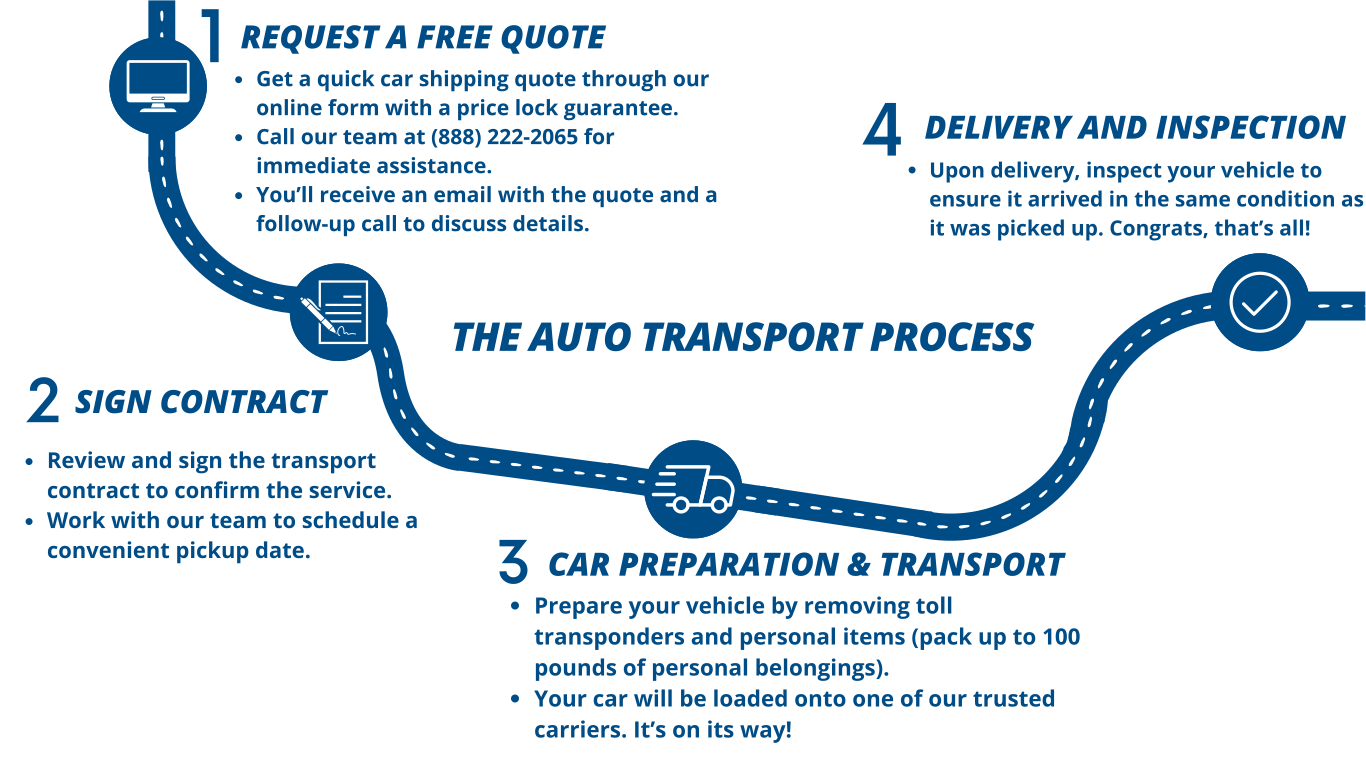
Request Your Free Quote
Start by getting an accurate online car shipping quote or by calling our team directly, 888-222-2065. Provide your vehicle details, pickup location, and destination, and we’ll send an email quote. Every quote comes with our Price Lock Guarantee, ensuring the price you see doesn’t fluctuate with the market.
Sign the Contract
Once you’ve reviewed your quote and are satisfied with the terms, finalize the agreement to lock in your rate.
Schedule Pickup
Our team will work with you to schedule a pickup date that fits your timeline. We try to offer door-to-door car delivery service in Montana when possible.
Prepare Your Vehicle
To ensure everything goes smoothly, take these essential steps to prepare your car:
- Remove personal belongings to comply with weight and safety guidelines.
- Remove toll transponders to avoid unnecessary charges during the trip.
- Confirm that the vehicle is in working condition.
- Take clear photos of your vehicle to document its condition prior to transport.
- Refer to our shipping checklist for a complete guide on pre-transport preparation.
Safe and Secure Transport
On the day of pickup, the driver will conduct a thorough inspection and complete the Bill of Lading (BOL) report, which you’ll sign to confirm the vehicle’s condition. Once loaded onto the carrier, your vehicle will be fully insured and transported securely to its destination.
Delivery and Final Inspection
At delivery, you’ll inspect your vehicle to confirm it matches the condition noted during pickup. Once satisfied, sign the final paperwork, and the transport process is complete.
Other Auto Transport Services in Montana
Enclosed Auto Transport in Montana
Protect your valuable vehicles with enclosed transport, ideal for classic cars, luxury models, or high-value assets. Enjoy maximum safety during transit within Montana or across the U.S.
Motorcycle Shipping in Montana
ATP ensures carriers have the proper equipment for secure bike transport. We offer motorcycle shipping throughout Montana.
Heavy Equipment Transport in Montana
From RVs to construction vehicles, ATP provides expert transport solutions for shipping oversized and heavy-duty equipment. Our team ensures smooth and safe transport to or from Montana.
We are very satisfied with the services provided. Our car arrived in good shape reasonably clean considering the weather. Thank you!
Michael Puckett

FAQs Montana Car Shipping
Shipping times vary based on distance and route. For example, a shipment from Billings to Seattle takes 2–4 days, while cross-country transport like Montana to Florida takes 6–9 days. Rural or off-route areas may add time.
Yes, enclosed transport is ideal for shipping luxury, classic, or exotic cars in Montana, especially in winter. It protects vehicles from snow, ice, road debris, and salt used on highways.
The main factors include:
- Distance and Route: Long distances increase costs, especially to rural areas.
- Vehicle Size and Type: Larger vehicles like trucks and SUVs cost more to ship.
- Transport Type: Enclosed carriers are pricier but offer better protection.
- Weather and Seasonality: Winter conditions and seasonal car shipping demand can drive up rates.
ATP offers door-to-door service, but extremely remote locations or off-highway areas may require meeting at a nearby accessible town or major road for smoother delivery.
Montana winters bring heavy snow, icy roads, and freezing conditions, particularly on mountain passes. This can cause delays and dangerous conditions that may require tire chains for safety. Planning ahead is essential during the winter months.
Common Routes for Montana Auto Transport
Car Shipping Montana to Florida: 2,600 miles | ETA: 7–10 days
Vehicle Transport Montana to California: 1,200 miles | ETA: 4–6 days
Auto Hauling Montana to Texas: 1,600 miles | ETA: 5–7 days
Car Hauling Montana to New York: 2,200 miles | ETA: 6–8 days
Auto Shipping Montana to Nevada: 1,000 miles | ETA: 3–5 days
Vehicle Hauling Montana to Washington: 600 miles | ETA: 2–4 days
Car Transport Montana to Oregon: 700 miles | ETA: 2–4 days
Auto Transport Montana to Arizona: 1,300 miles | ETA: 4–6 days
Car Shipping Montana to Colorado: 800 miles | ETA: 2–4 days
Vehicle Shipping Montana to Pennsylvania: 2,000 miles | ETA: 6–8 days
Short Distances (up to 1,500 miles): 2-4 days
Long Distances (over 1,500 miles): 5-9 days
Who We Can Help
Snowbirds
Montana’s harsh winters often prompt residents to move to warmer states like Arizona or Florida during that time. ATP is on of the top rated car shipping companies in seasonal vehicle transport, allowing snowbirds to enjoy their travels without the hassle of long-distance driving.
Moving to Montana
Whether relocating to Montana’s urban hubs like Billings or Bozeman, or moving out of state, ATP provides reliable auto transport services to ease your transition.
Dealerships in Montana
Montana’s remote location creates a high demand for vehicle delivery to and from dealerships. ATP offers timely car transportation to meet the bulk vehicle shipping needs of dealerships across Montana.
Buying or Selling Cars
With Montana’s open roads being perfect for recreational or classic cars, online car purchases are common. We make it simple to transport cars bought or sold across state lines.
College Students in Montana
Montana State University and the University of Montana attract students from across the country. ATP helps students have wheels once they arrive to campus!
Get a Free Montana Auto Transport Quote Today!
Ready to ship a car to Montana? Auto Transport Professionals makes it easy, reliable, and affordable. Call us at 888-222-2065 or click the button below to use our car shipping calculator.
- Price Lock Guarantee
- 20+ Years Experience
- Complete Vehicle Coverage
- No Up-Front Deposit
- Door-to-Door Service
With over 20 years of experience, we are exactly what our name suggests: Professionals. When it comes to shipping your vehicle, you can rely on us to get the job done on time and hassle-free.
Your satisfaction is our success. That’s why we make it our mission to provide dependable, stress-free vehicle transport services. We understand how complicated shipping a vehicle across the country can be, so we guide you every step of the way—from pickup to delivery.
Personalized Support
At Auto Transport Professionals, we understand that every vehicle and transport situation is unique. That’s why we offer personalized car shipping solutions tailored to your needs. Whether you're arranging auto transport as a snowbird, dealer, or individual, our team is here to guide you every step of the way. We specialize in a range of auto transport services, including enclosed transport for added security and open carrier shipping for cost-effective solutions. Whether it's classic car transport, RV transport, or motorcycle shipping, we ensure your vehicle is in safe hands. With us, you're never just another customer—you're a priority.
Affordable Prices
We are committed to offering cost-effective auto transport without compromising on quality. We believe that shipping your vehicle safely and efficiently shouldn’t break the bank. Whether you're relocating across the country, need seasonal vehicle transport as a snowbird, or require specialized services like classic car transport or heavy-duty vehicle transport, we provide clear, competitive pricing tailored to your specific needs. Our nationwide car shipping solutions cover everything from enclosed transport for high-value vehicles to open carrier transport for everyday cars, ensuring your vehicle is protected at every step. With Auto Transport Professionals, you get industry-leading vehicle transport services at rates that make sense for your budget, all while ensuring the safe and timely delivery of your car.
24 hour Quoting
We understand the urgency of getting your vehicle shipped when you're in a pinch. That's why we offer 24-hour quotes for all your auto transport needs. Our streamlined process ensures that within just one day, you’ll receive a competitive, transparent price for shipping your car, truck, or SUV. Whether you’re planning a cross-country move or just need a reliable transport service for a shorter distance, our dedicated team is here to provide fast and accurate quotes, allowing you to plan with confidence and ease.