Door-to-door car shipping with fully insured carriers. No upfront payment. Price-locked quotes.
Tell us your vehicle details, pickup and delivery locations. We send you a price-locked quote within an hour.
Once you book, we match your shipment with a fully insured FMCSA-authorized carrier heading your direction.
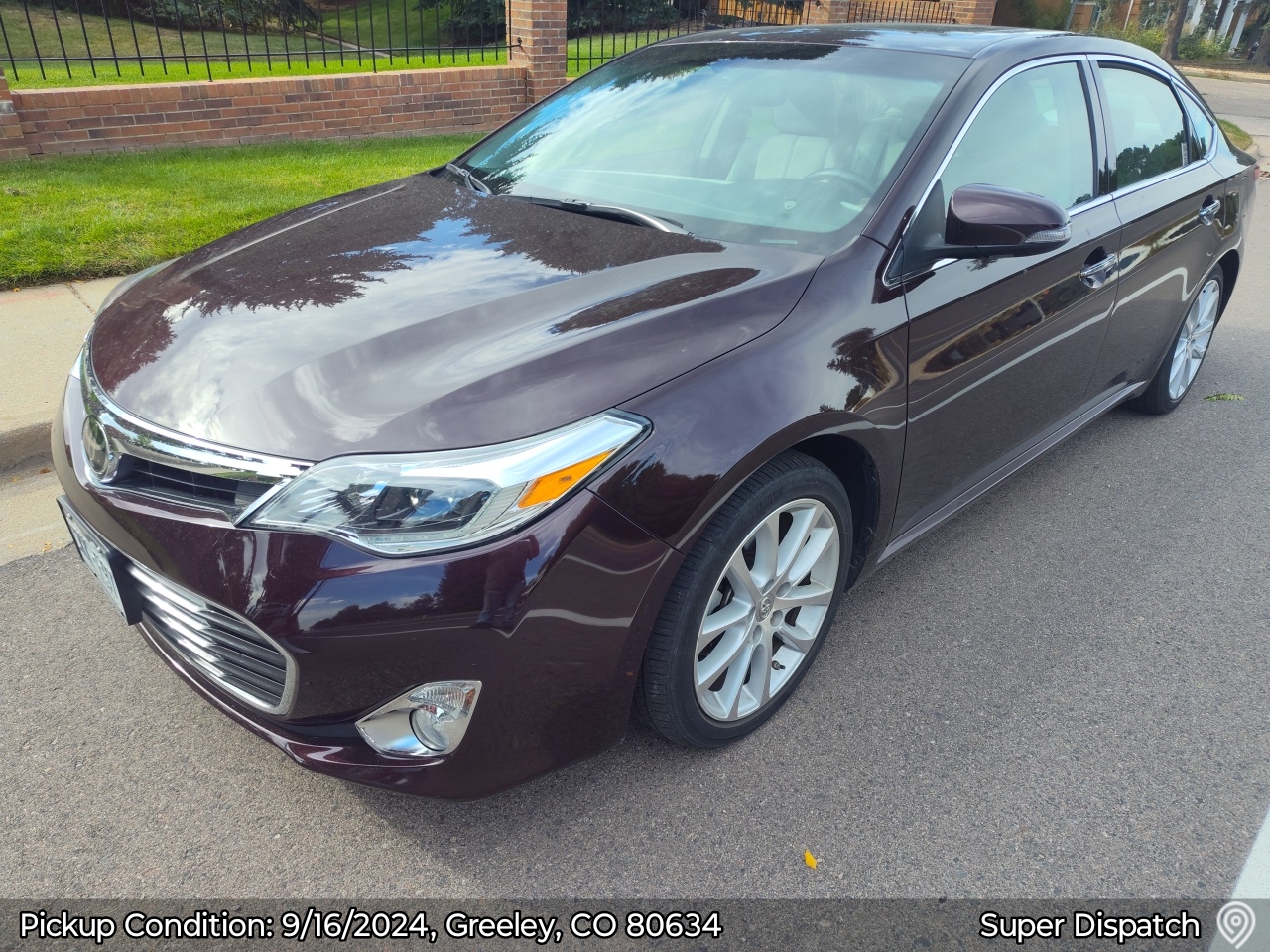
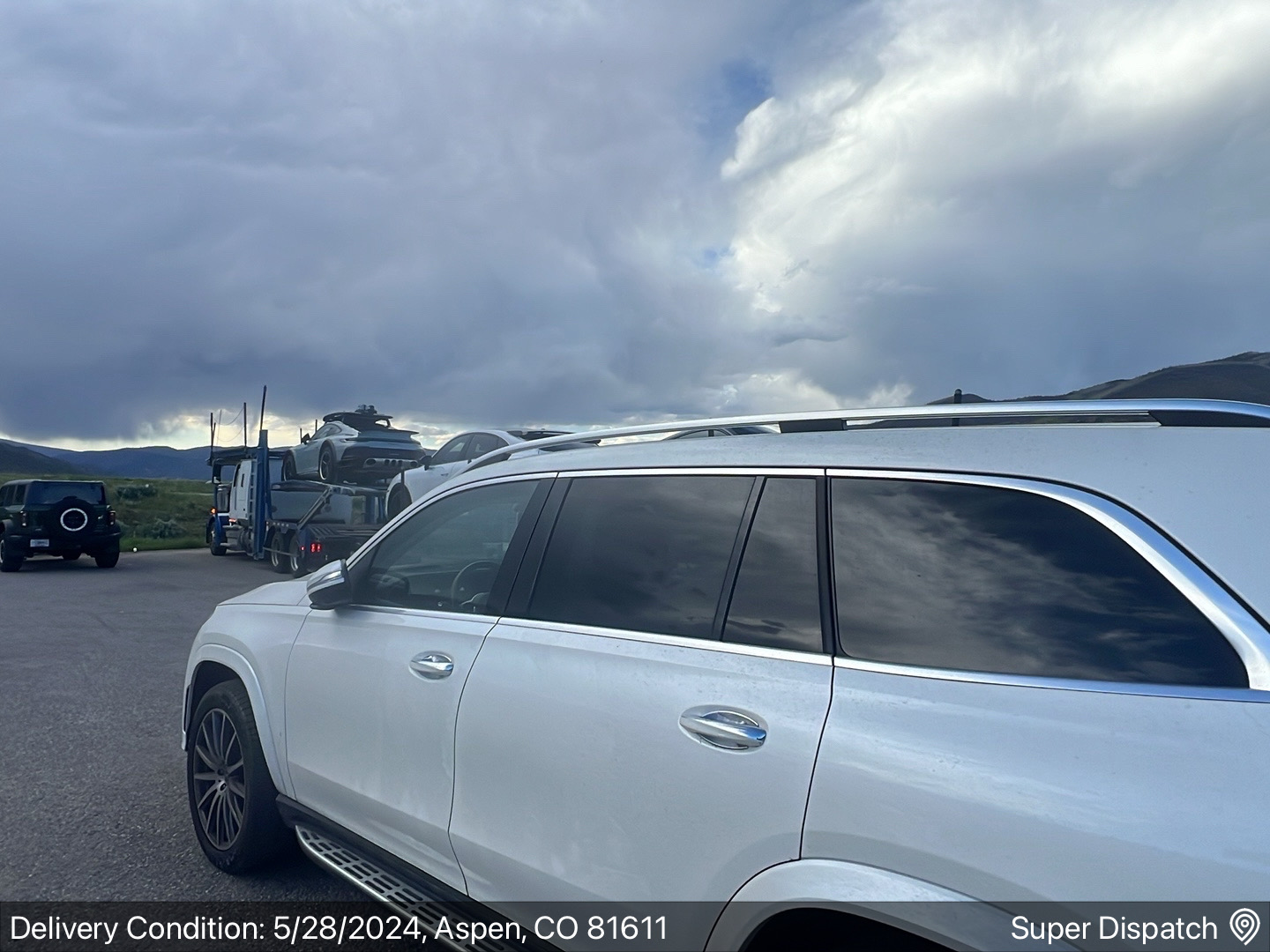
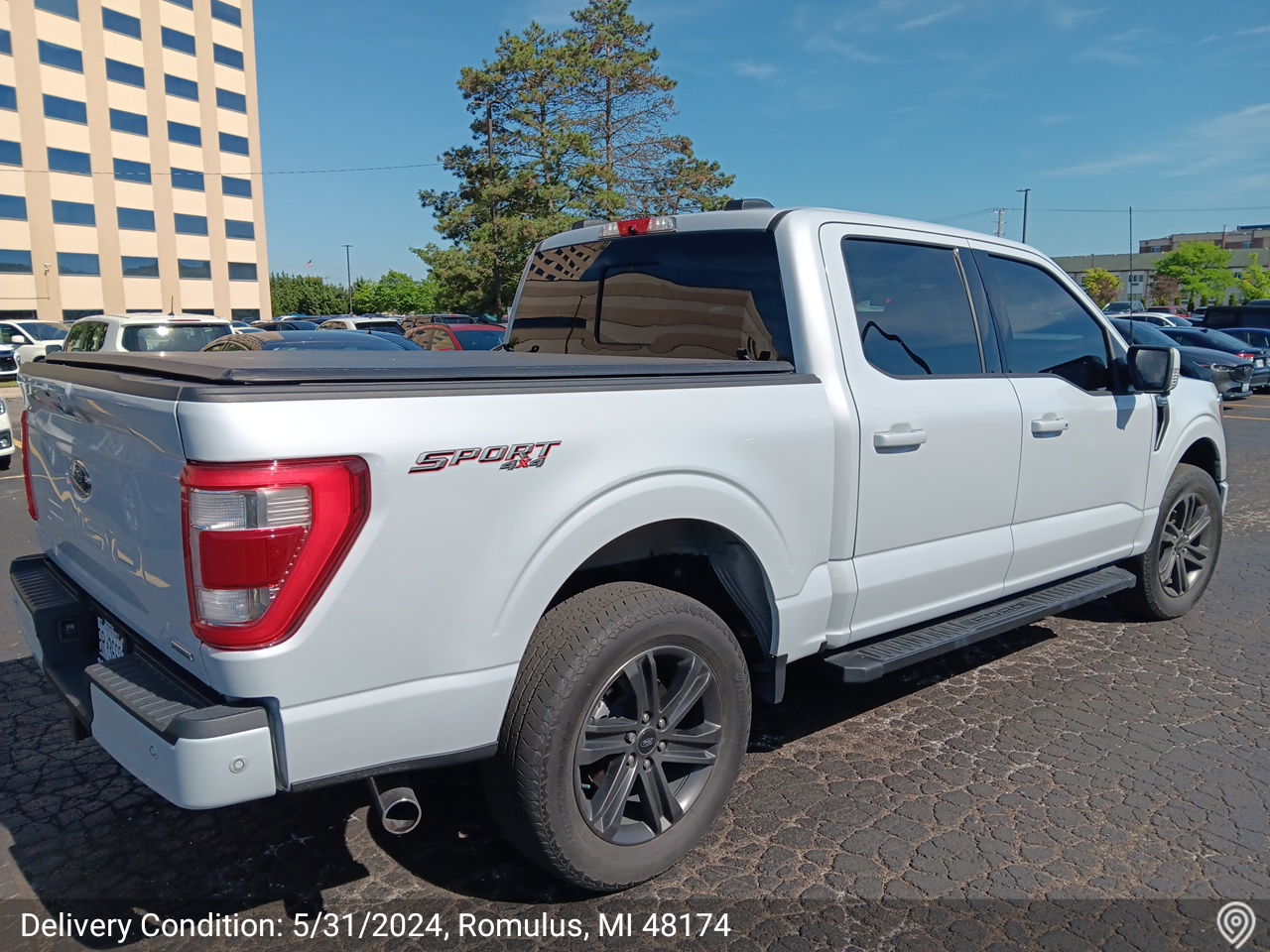
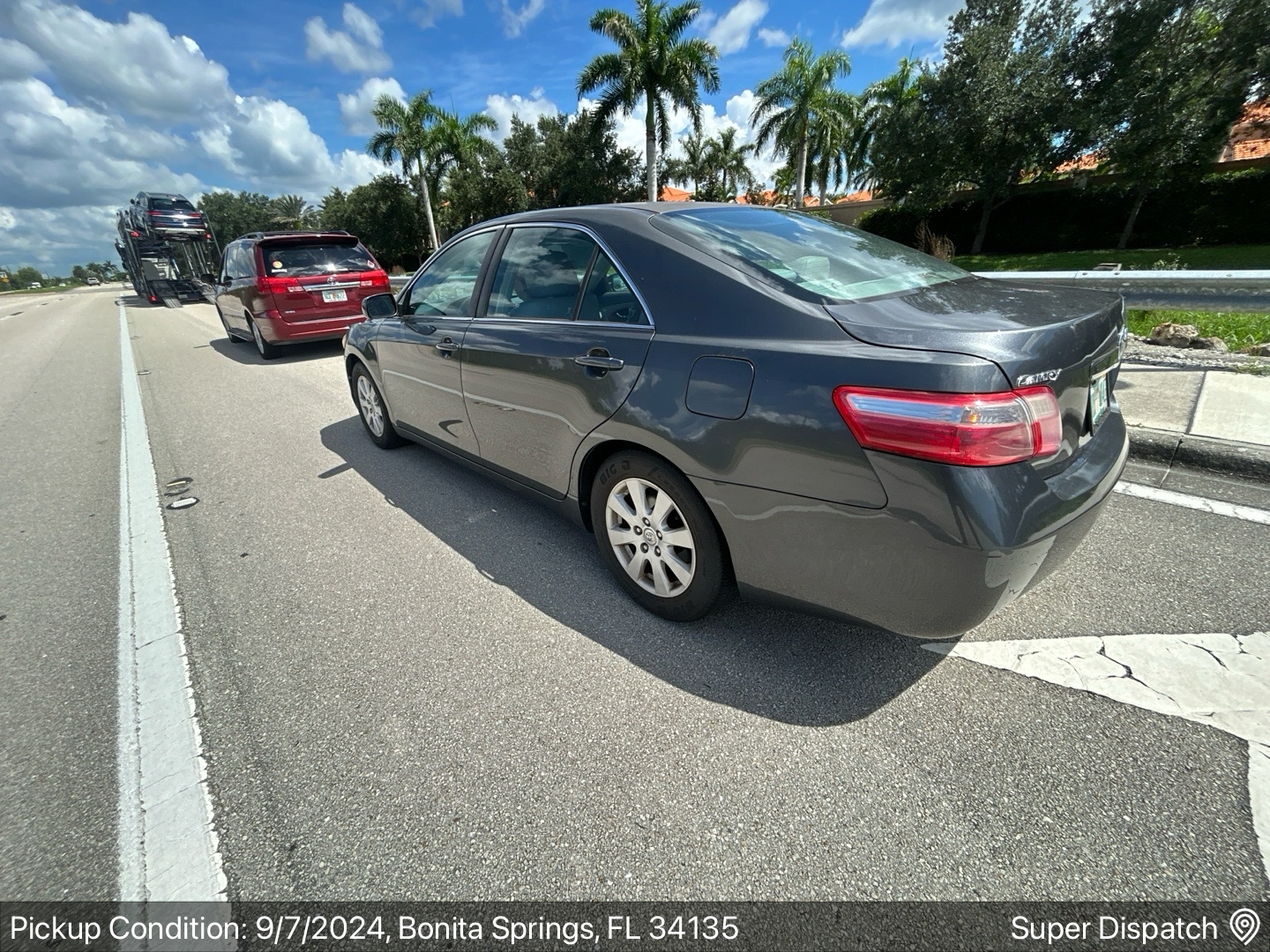
Your carrier arrives within the pickup window. You do a joint walk-around inspection and sign the Bill of Lading documenting your vehicle’s condition.
Second inspection at delivery. Compare against pickup docs and note any new damage on the Bill of Lading before signing. Damage during transport is extremely rare, but any issues should be documented before signing.
They were quick, courteous, and professional. We would happily use Auto Transport Professionals again.
Everything went smoothly. The company called us to arrange the pick up, gave us updates on status, and gave us the keys upon arrival. Absolutely hassle-free.
For a fair price we had our vehicle delivered earlier than expected. The driver went the extra mile to help my mom have a stress free experience.
Year-round demand defines Texas to California auto transport — this is one of the busiest long-haul lanes in the country, and it never really slows down. I-10 carries the bulk of carrier traffic across 1,275 to 1,500 miles from the Gulf Coast to the West Coast, with I-20 feeding loads from the Dallas–Fort Worth metroplex into the same westbound pipeline. Houston, Dallas, Austin, and San Antonio on the Texas side connect to Los Angeles, San Diego, and the Central Valley on the California end.
Carrier competition on this corridor is strong in both directions — California-to-Texas return loads keep trucks cycling back east, which means neither direction behaves like a backhaul. That bidirectional balance keeps pickup windows short and gives shippers more carrier options than most cross-country lanes offer. Car shipping Texas to California doesn't require special timing or weeks of advance booking; a few days of lead time is typically enough to lock in a carrier headed west.
Open transport on the Texas to California corridor typically runs $875 to $1,200 for a standard sedan. That range reflects real market conditions: carrier availability on this lane is strong, and consistent bidirectional demand keeps rates from spiking the way they do on thinner routes. Texas to California car shipping cost is influenced primarily by your exact pickup and delivery cities, the size and condition of your vehicle, and how flexible you are with your first available date.
Enclosed car shipping Texas to California runs approximately $1,800, which is 40 to 60 percent more than open transport. That premium covers a fully enclosed trailer that protects against road debris, weather, and visibility. Oversized vehicles, inoperable cars, and last-minute bookings all push costs toward the higher end of the range. Get a no-obligation car transport quote to see where your specific shipment lands.
Estimated from $875
Estimated from $1,800
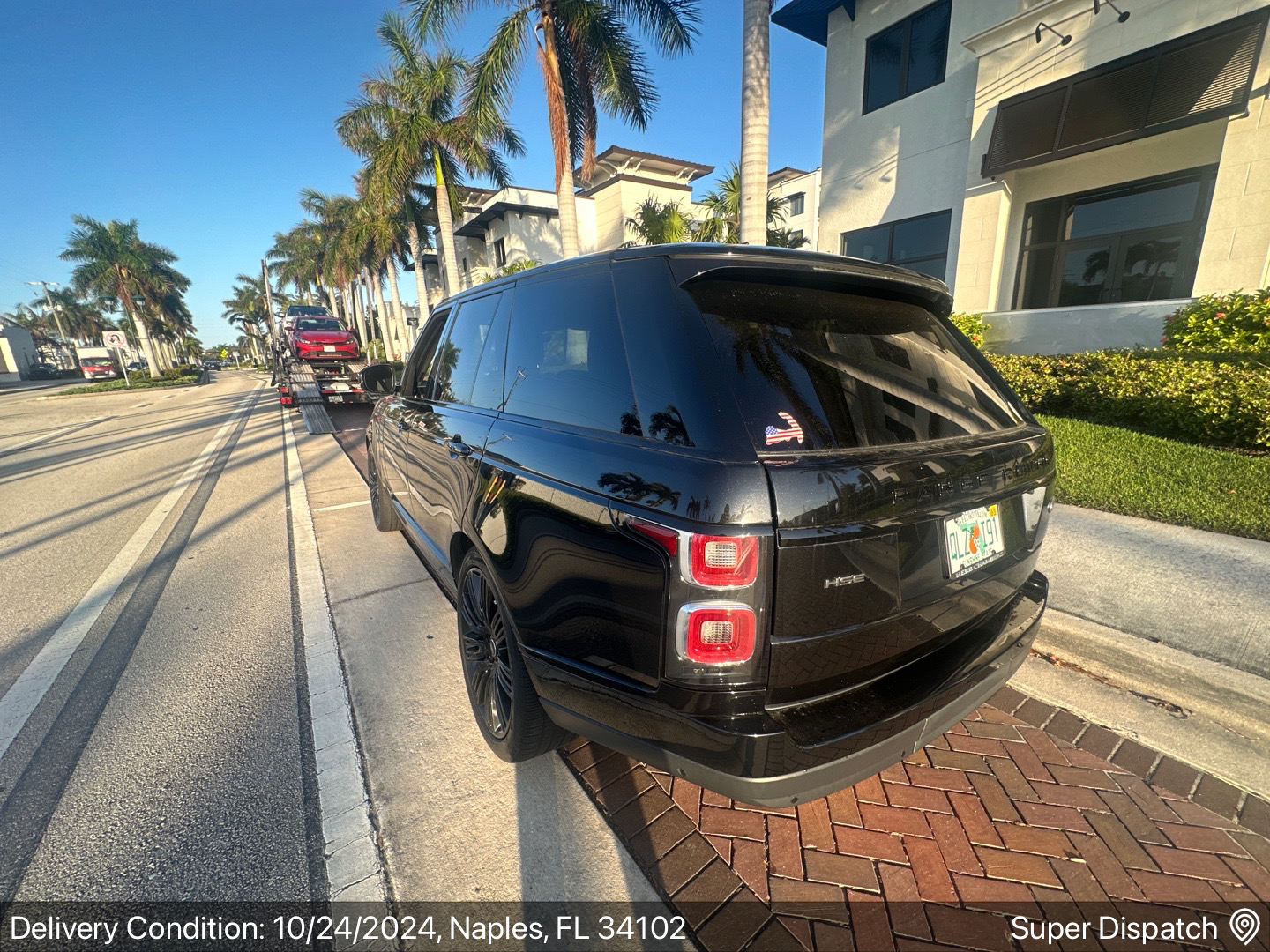
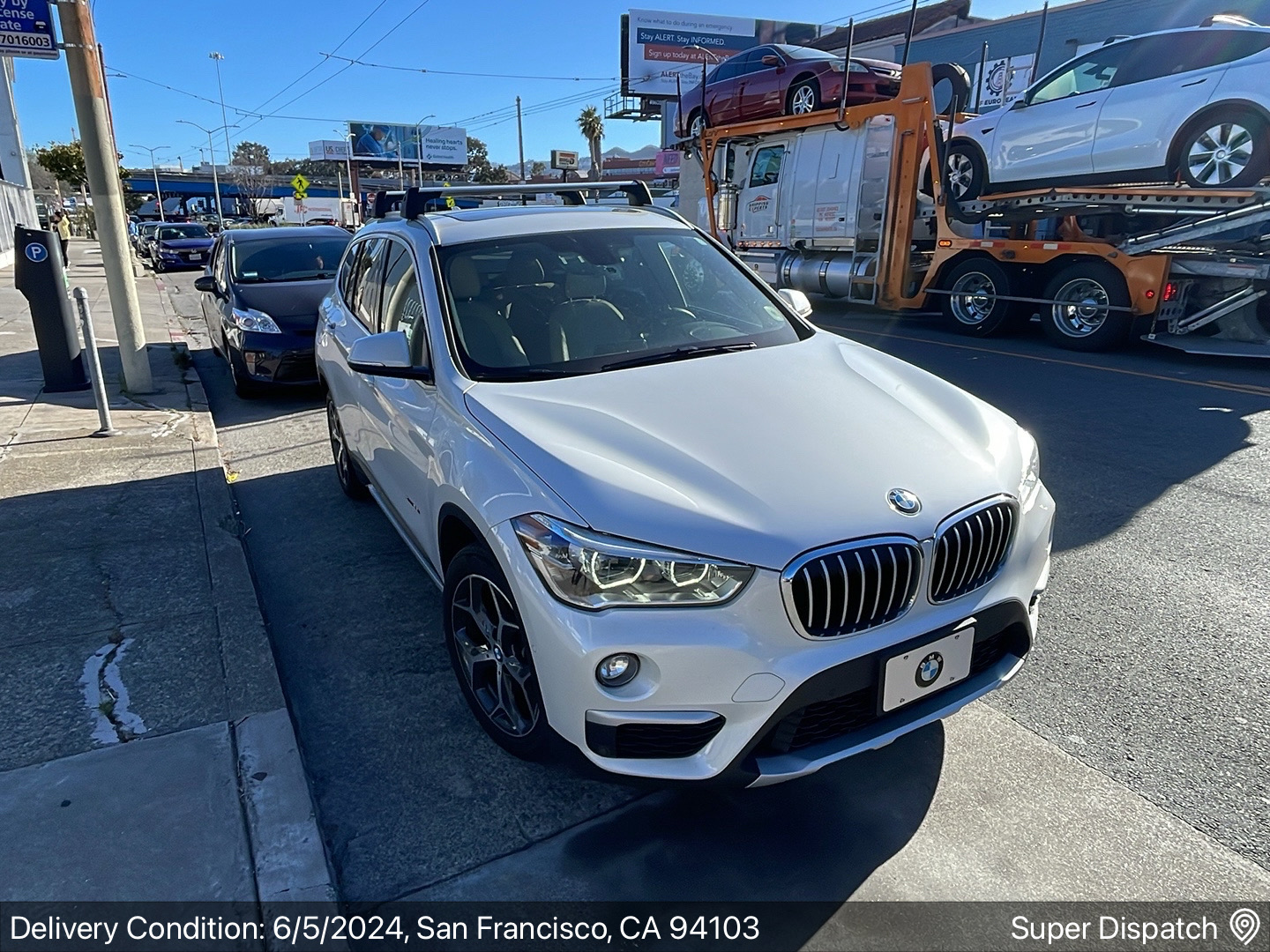
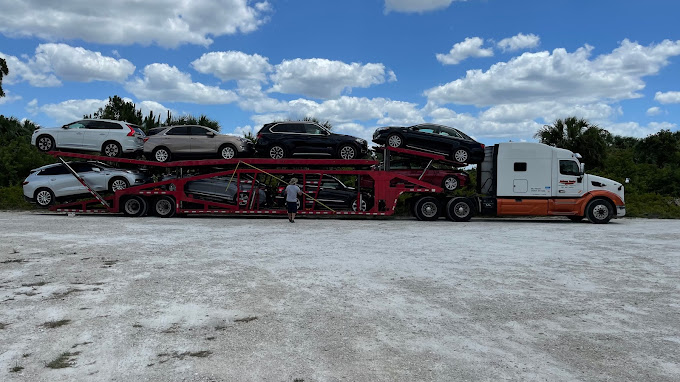
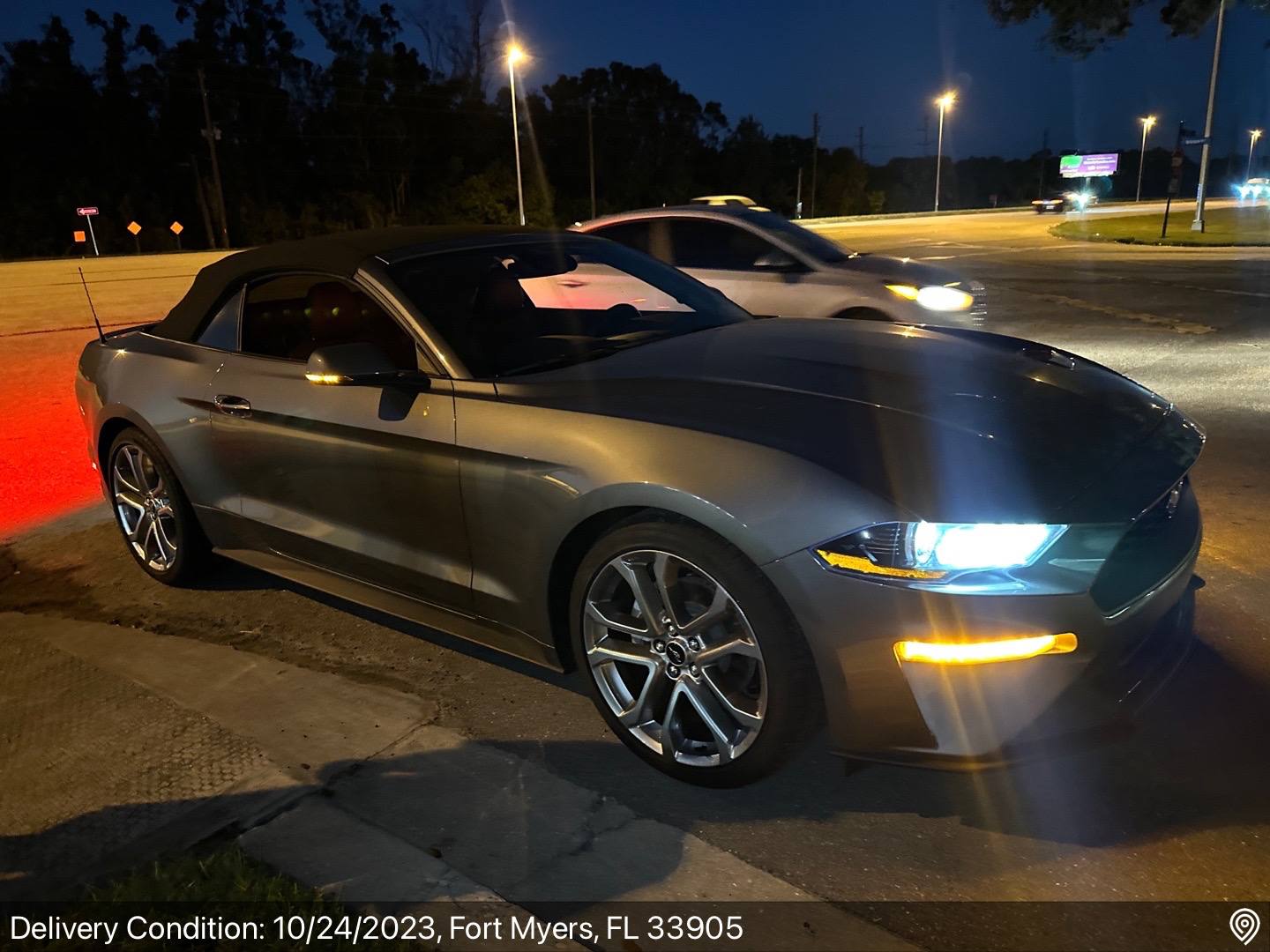
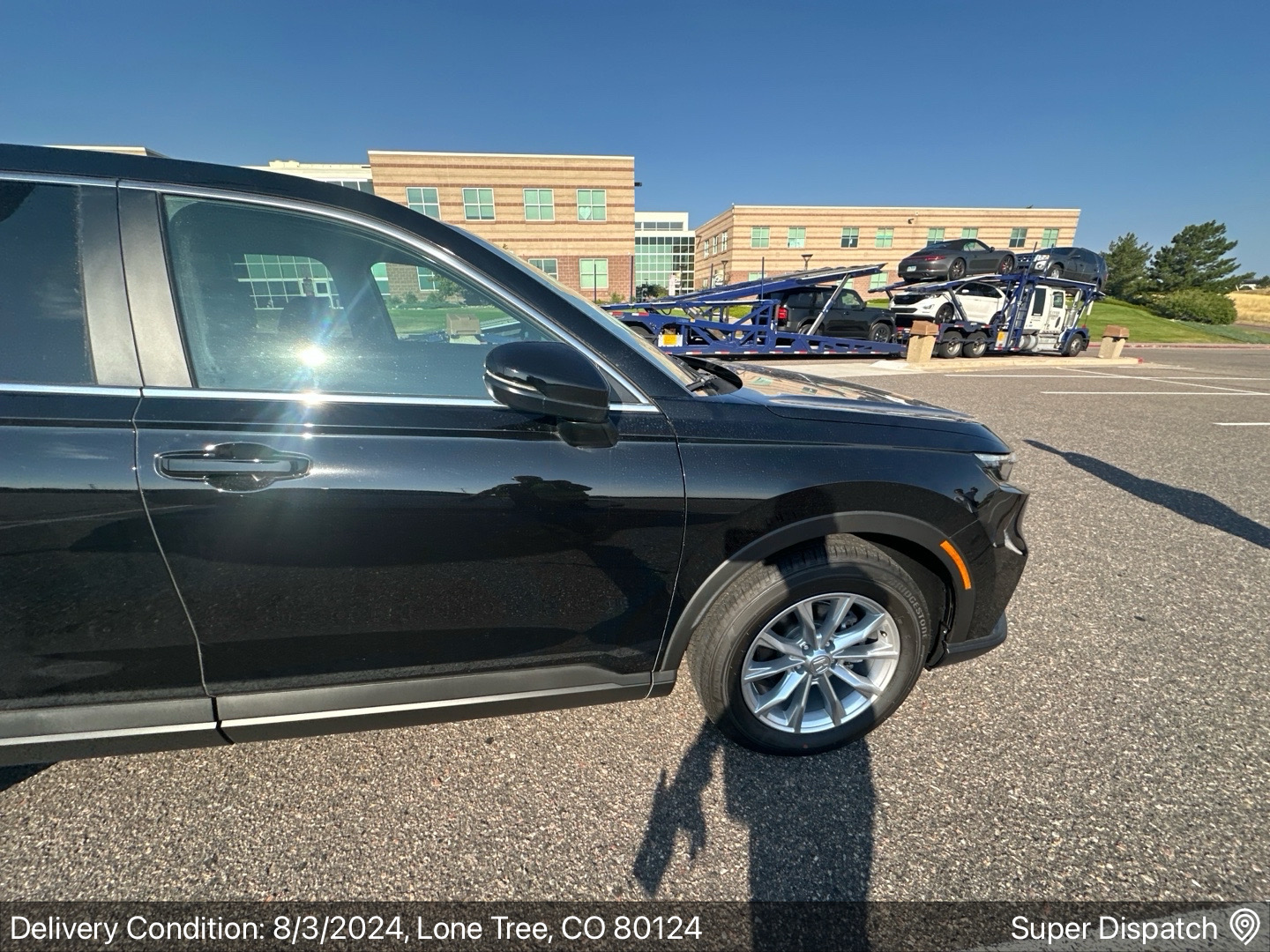
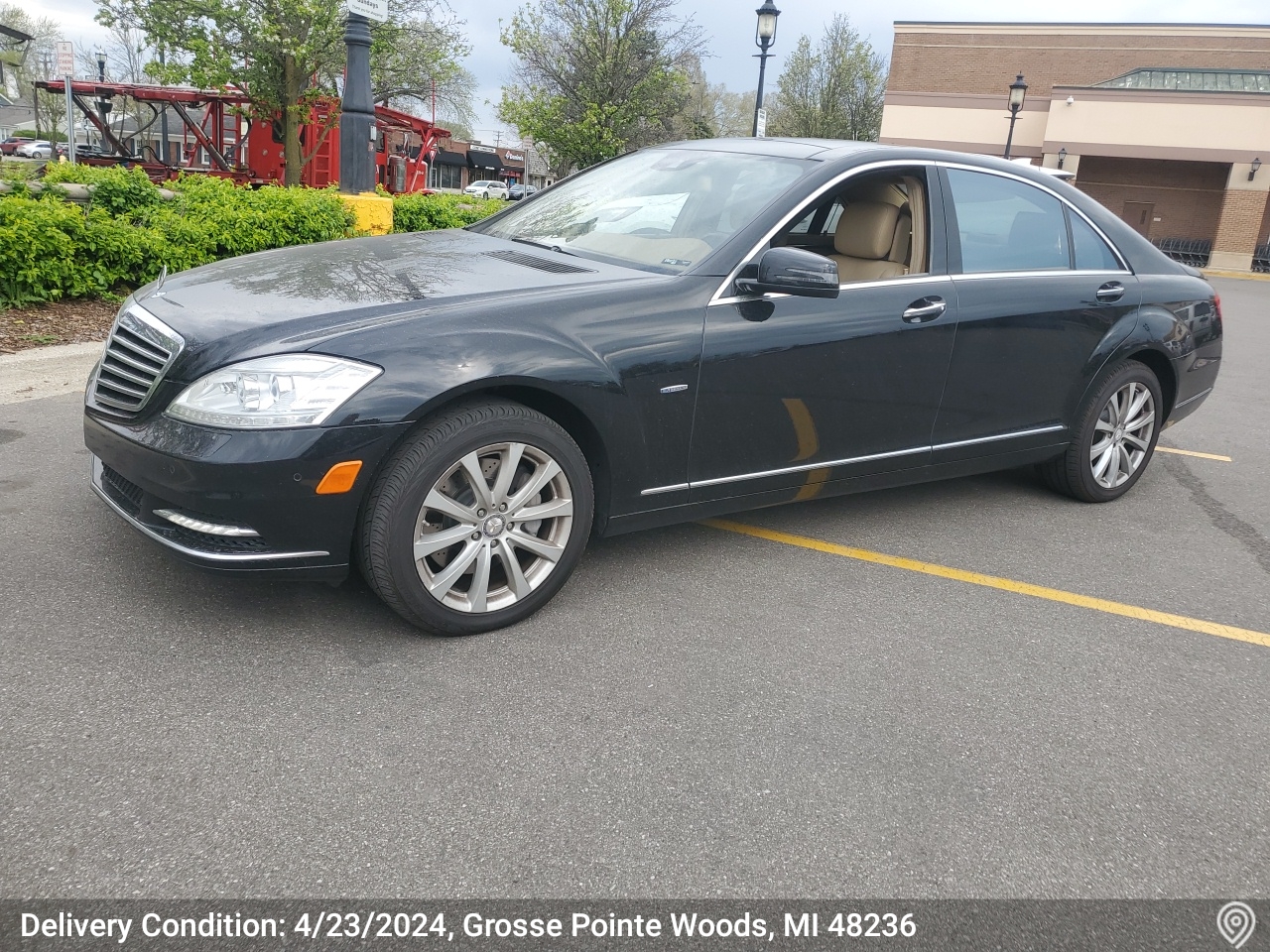
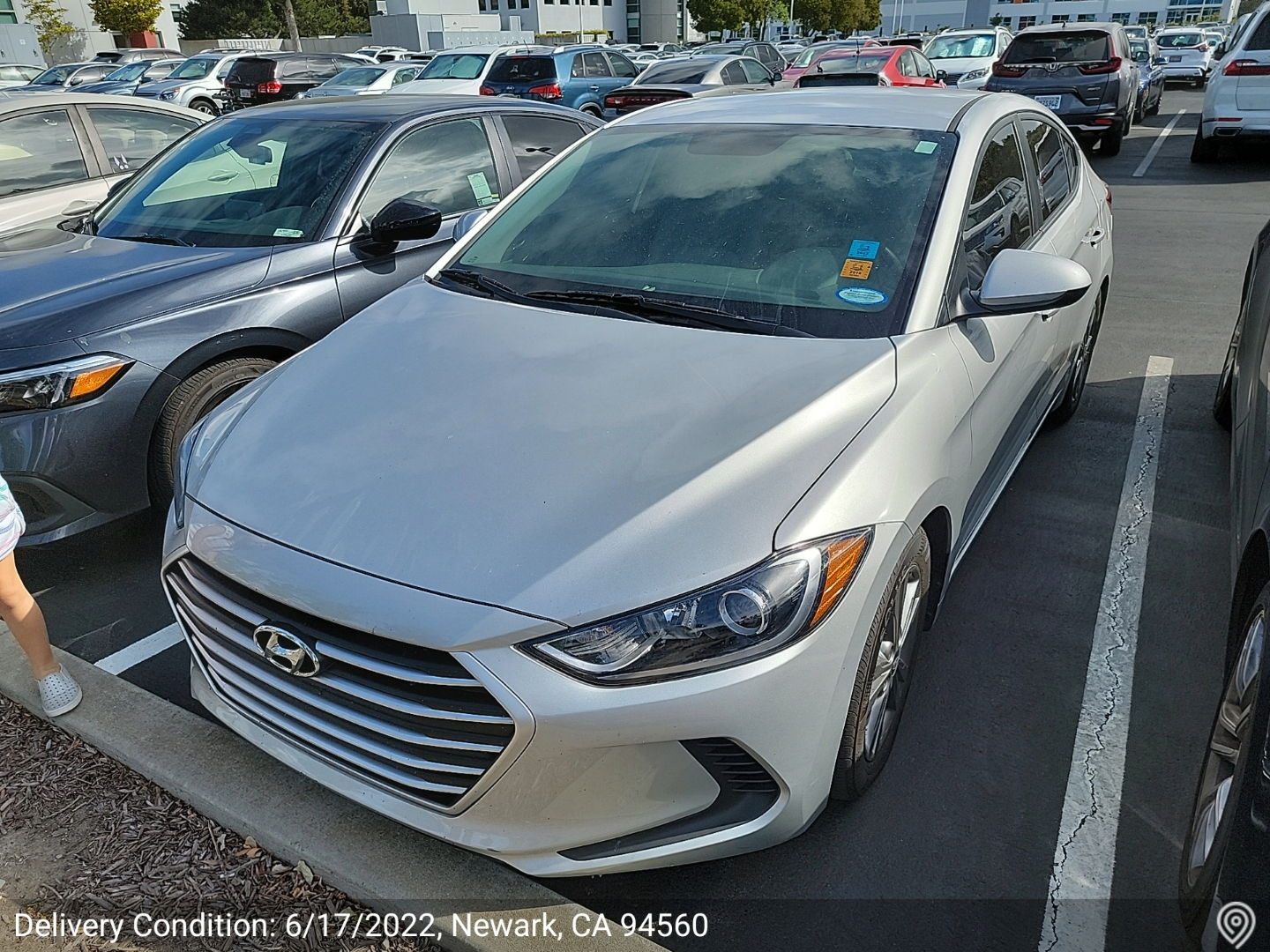
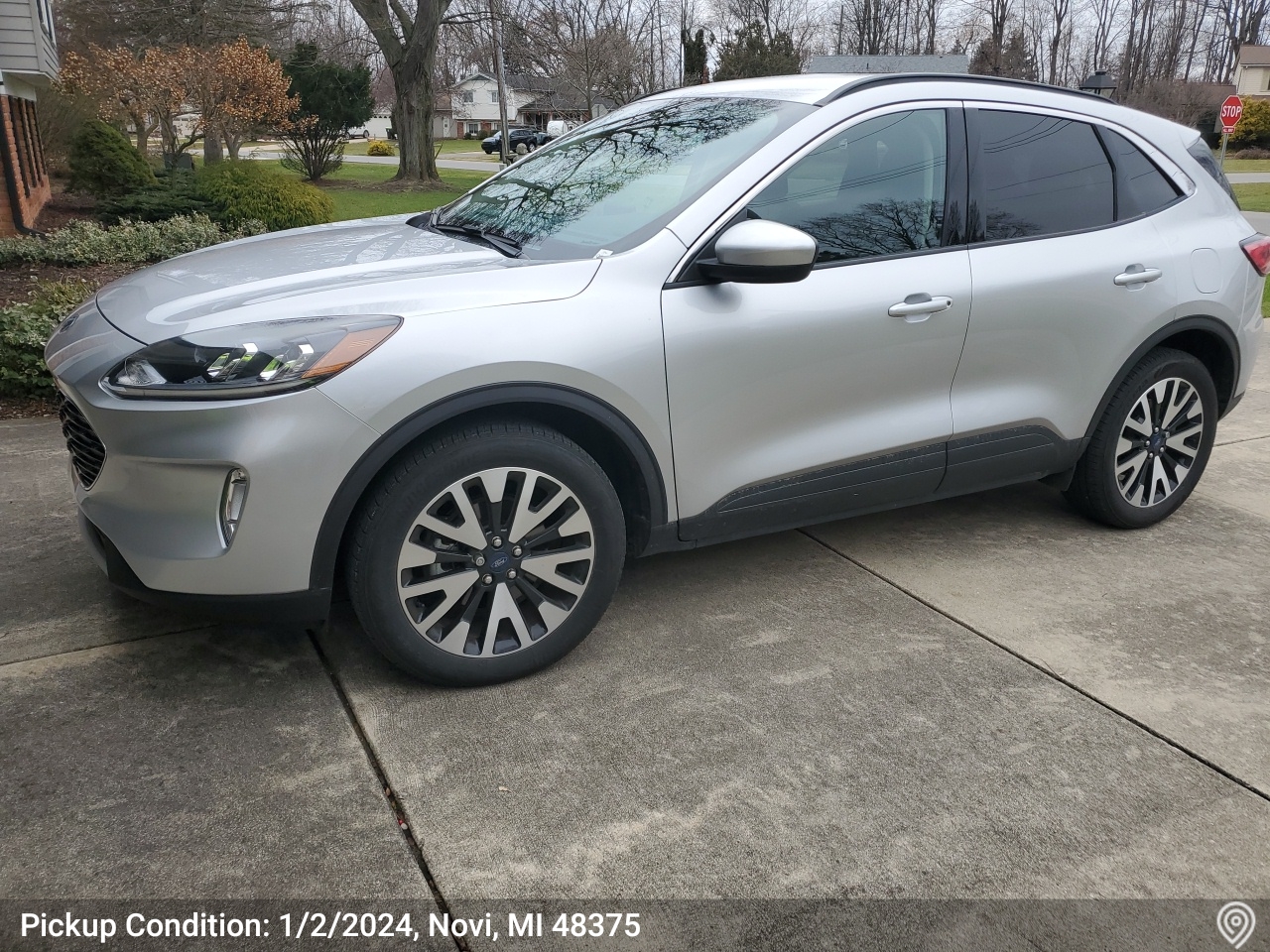
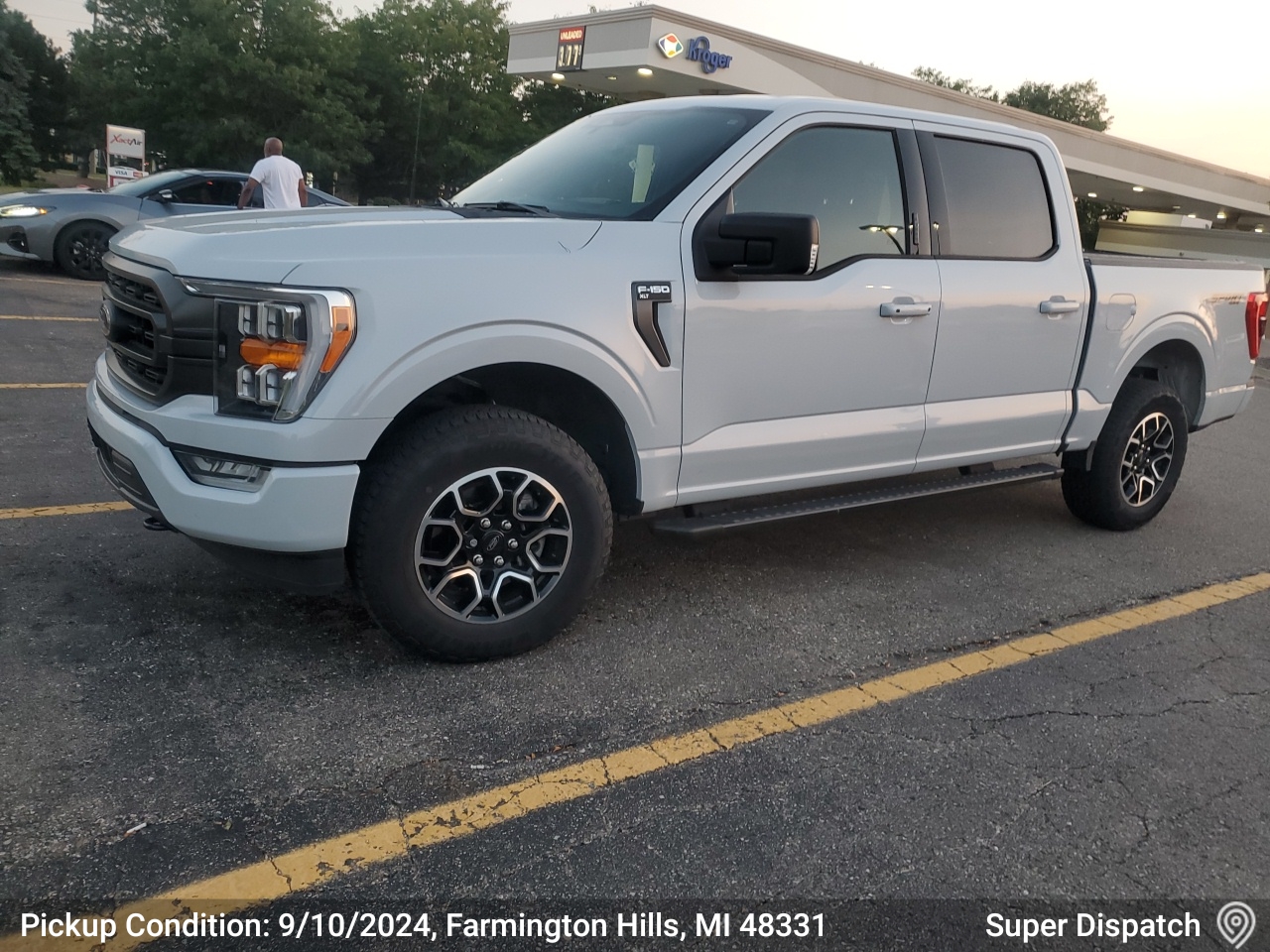
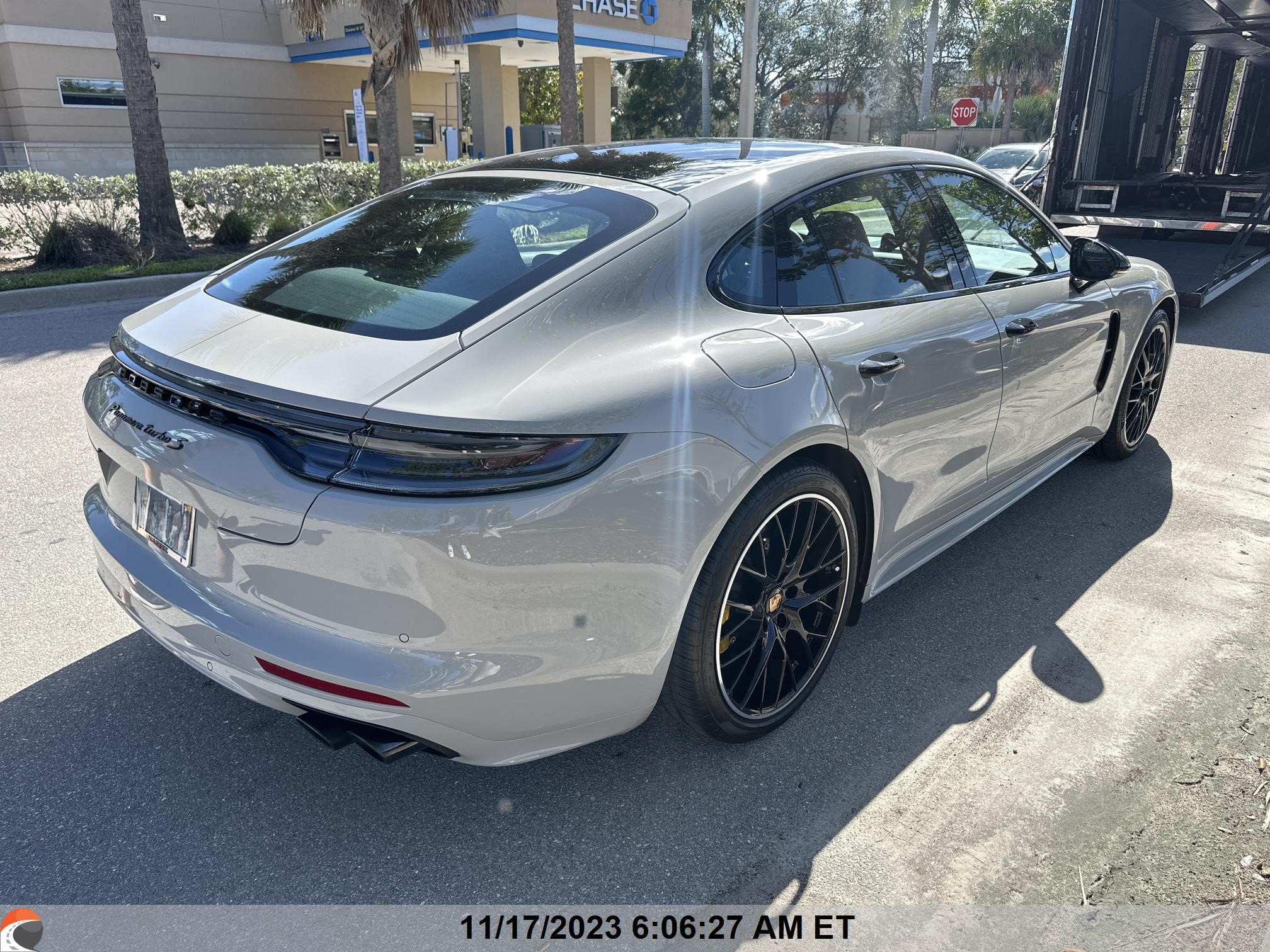
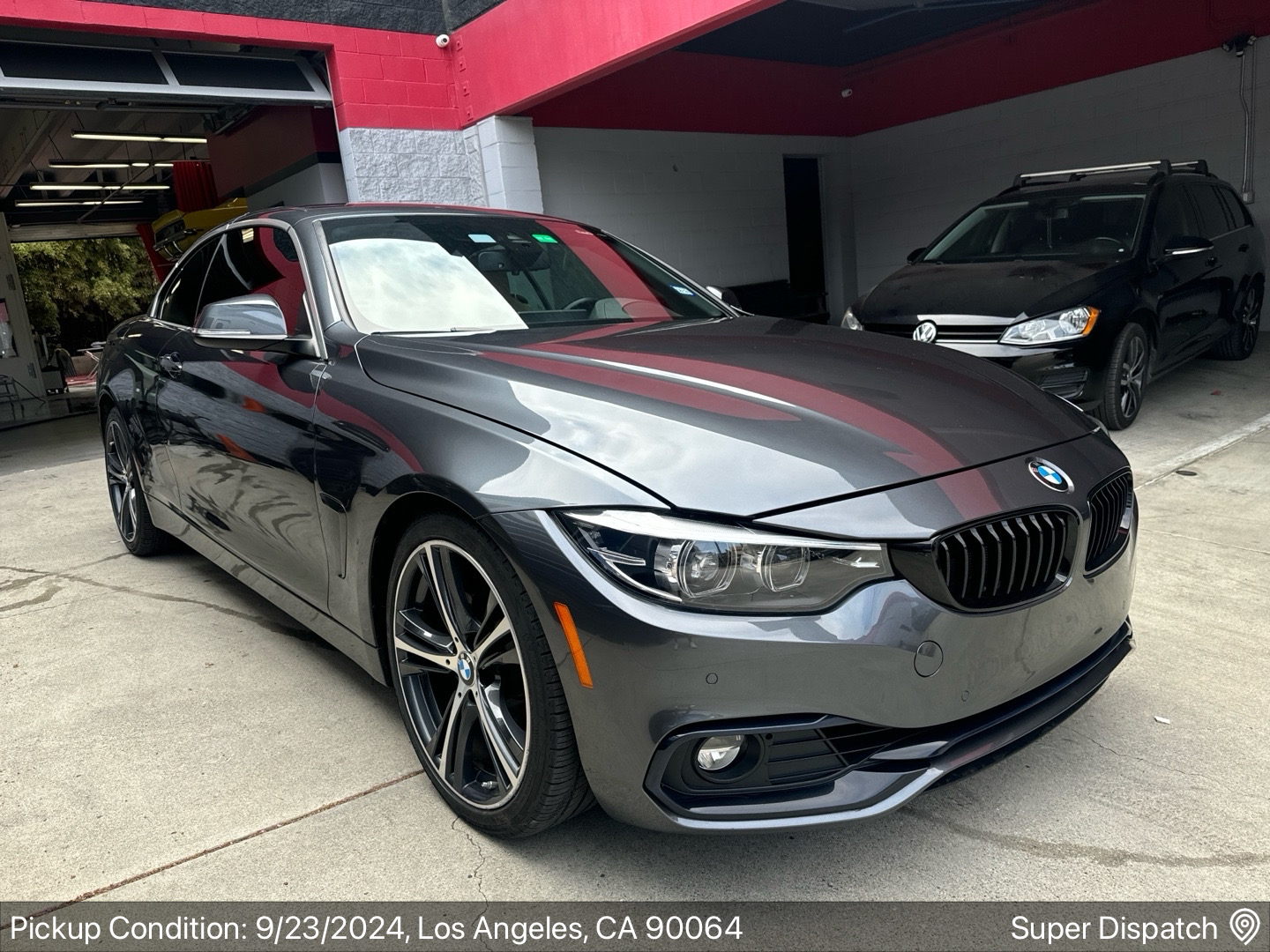
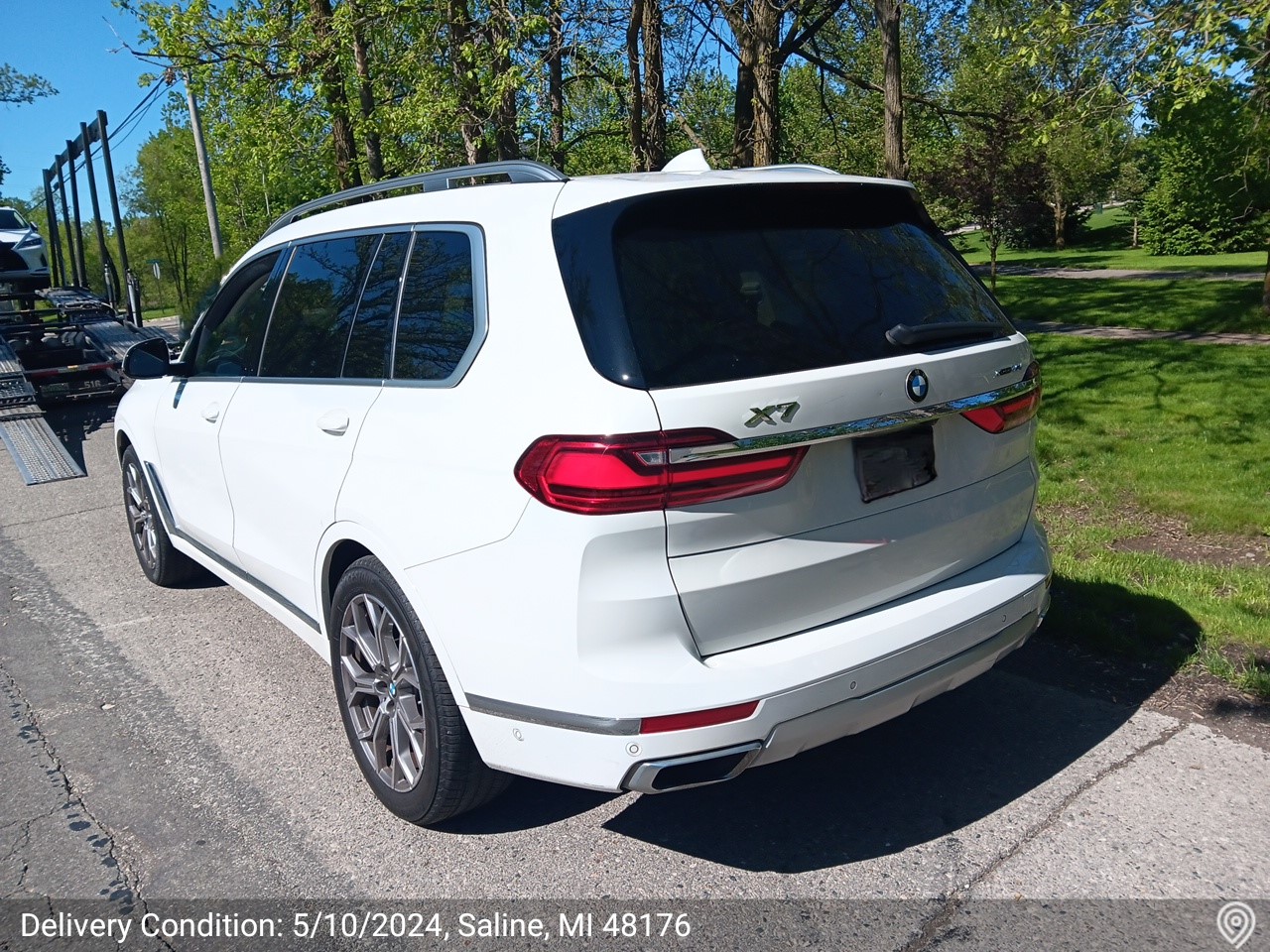
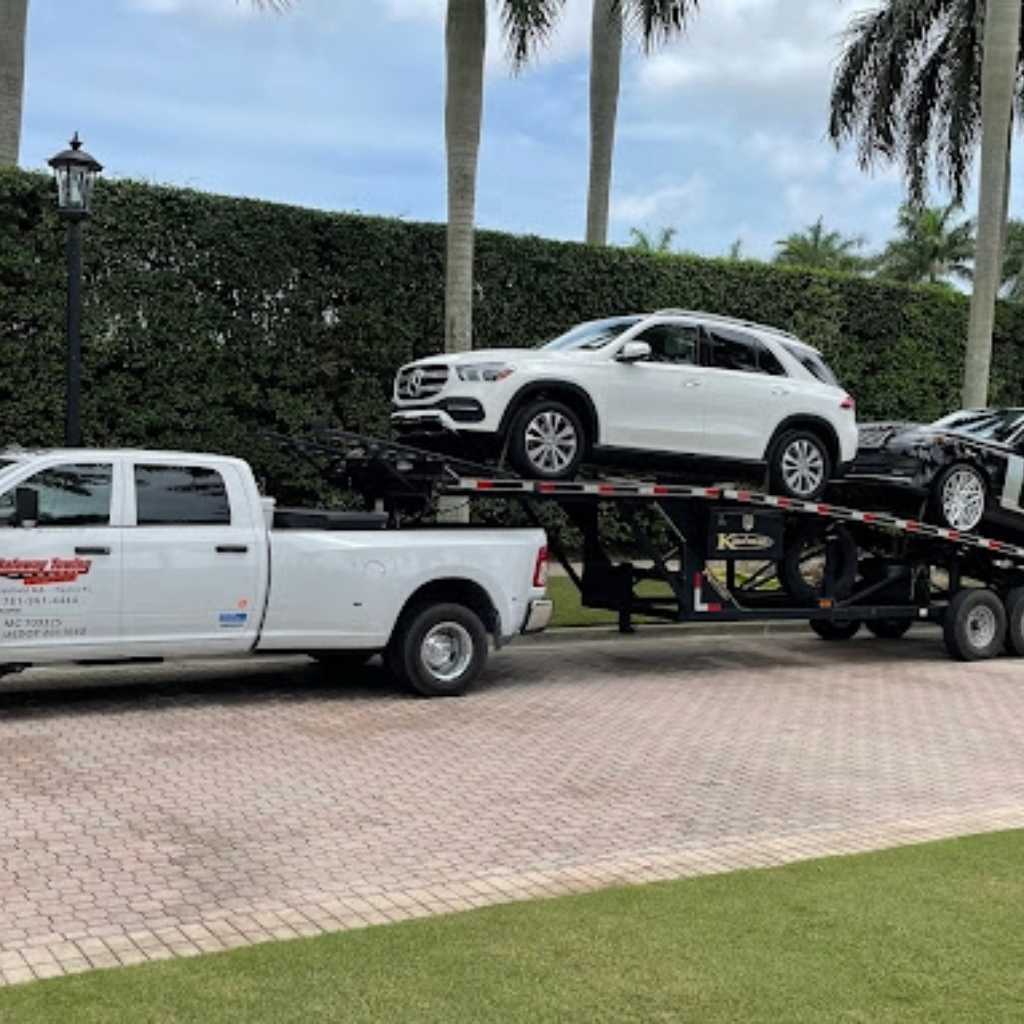
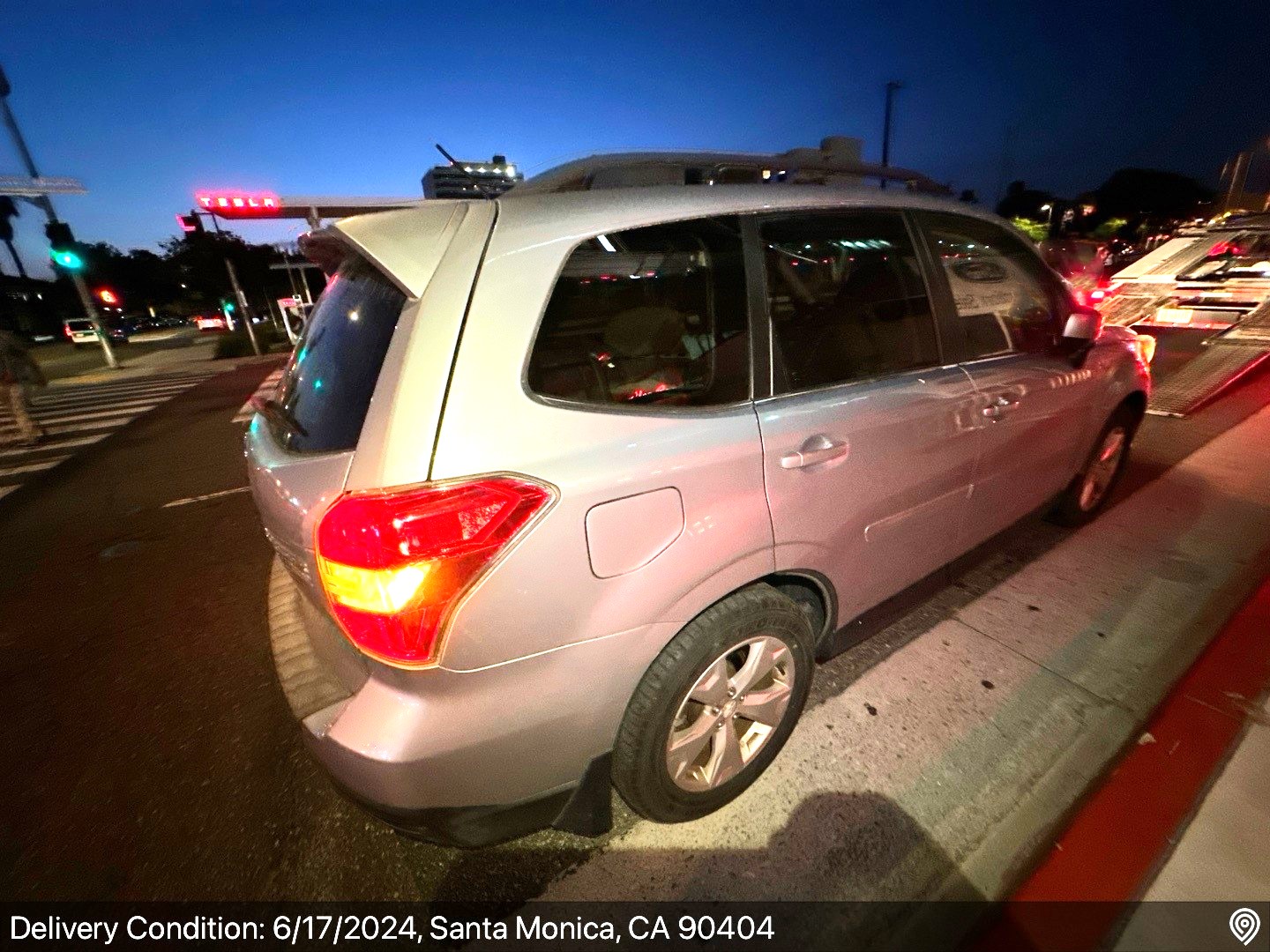
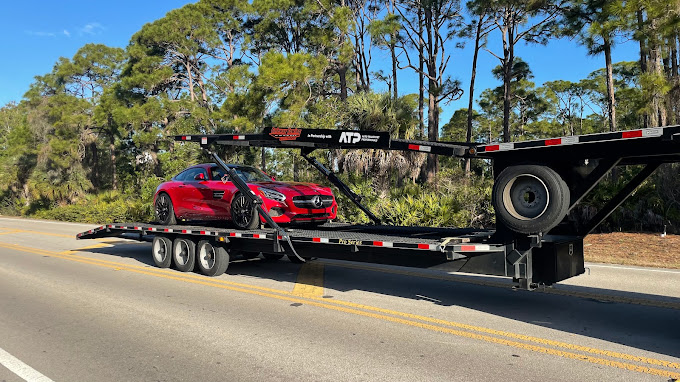
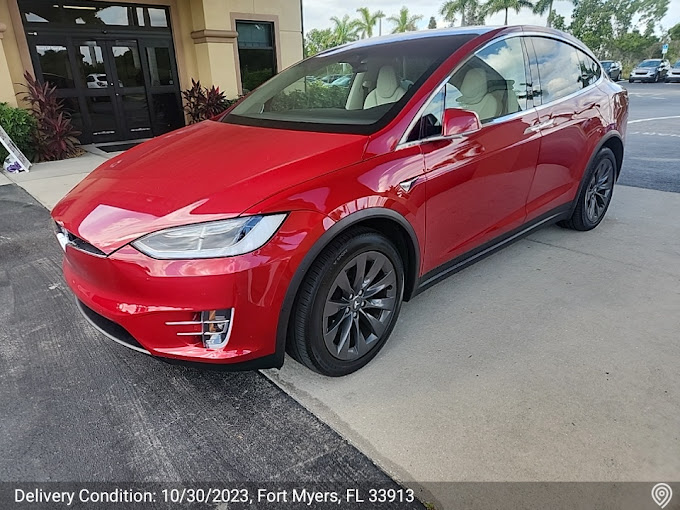
Most pickup locations in Texas's major metros involve navigating urban traffic and parking constraints. In Dallas, Houston, and San Antonio, carriers coordinate around congestion and may suggest a nearby accessible meeting point — a parking lot, side street, or business entrance — rather than a tight residential block. This is standard practice in dense urban areas and adds no time to your overall schedule.
California deliveries follow the same logic. Los Angeles and San Diego are among the most carrier-trafficked cities in the country, but urban density means vehicle shipping Texas to California often involves a short coordination call to confirm the best drop-off point near your address. Your carrier will work with you to make it straightforward.
Transit on the Texas to California corridor typically takes 3 to 4 business days after pickup. That's a fast turnaround for a 1,275 to 1,500 mile cross-country run, driven by the high carrier volume on I-10 and the frequency of scheduled westbound loads.
Typically, we request a 3-day pickup window after your first available shipping date. On this lane, carriers move quickly — most vehicles are picked up within that window without issue. How long to ship a car from Texas to California depends on your specific origin and destination cities, but the combination of strong carrier coverage and a direct interstate route keeps the overall timeline tight relative to other long-haul corridors.
Review your quote, confirm vehicle details and dates. No payment collected until a carrier is assigned.
We dispatch your order to our carrier network. You receive carrier details, insurance info, and estimated pickup window.
Carrier gives you 24 hours advance notice before pickup. Walk-around inspection together, every mark documented on the Bill of Lading, both parties sign.
Track your shipment status through your coordinator. We handle any schedule changes or logistics questions.
24-hour advance notice, then a call when close. Second walk-around inspection — damage during transport is extremely rare, but note any new issues on the Bill of Lading before signing. Once signed without exceptions, claims are extremely difficult to win.
Your carrier will contact you roughly 24 hours before arriving to confirm the pickup location and time. In Texas metro areas, that conversation often includes a quick discussion about the most accessible spot near your address. Once the carrier arrives, you and the driver walk the vehicle together, documenting any existing scratches, dents, or wear on a Bill of Lading. Both parties sign before the car goes on the trailer. This inspection is your baseline for auto shipping Texas to California claims, so take it seriously.
Expect a call roughly 24 hours before your vehicle arrives in California, followed by a second call when the carrier is close. At delivery, you compare the vehicle's condition against the Bill of Lading from pickup. Damage during transport is extremely rare, but if anything new appears, note it on the delivery Bill of Lading before signing. Signing without documenting damage makes a claim nearly impossible to pursue. In Los Angeles or San Diego, the drop-off point may be a nearby accessible location rather than your exact address — your driver will confirm this in advance. This is standard for car transport Texas to California in dense urban areas.
Every carrier in our network is required to carry cargo insurance as a condition of their FMCSA operating authority. Coverage details vary by carrier and are confirmed before your vehicle is dispatched.
At pickup, the driver and you complete a joint vehicle inspection. Every scratch, dent, and existing mark is documented on the Bill of Lading. At delivery, you must carefully compare the vehicle's condition against this record before signing the delivery receipt. If you notice any new damage, note it on the Bill of Lading before you sign. Once you sign the delivery receipt without noting damage, it becomes extremely difficult to file and win a claim. This is the single most important step in protecting yourself during the transport process.
Dealerships and Wholesale — This is one of the highest-volume lanes in the country. Texas to California auto transport moves auction purchases, dealer trades, and fleet inventory daily across I-10 and I-20 corridors. Car shipping companies run this lane in both directions consistently, so multi-vehicle and time-sensitive dealer shipments rarely wait long for capacity.
Relocations — At 1,275 to 1,500 miles depending on origin and destination cities, driving from Texas to California burns two full days and puts serious mileage on your vehicle. Reliable car shipping from Texas to California lets you fly ahead and have your vehicle delivered to your new address. Get an auto transport quote 2-3 weeks before your move date for the best carrier options.
Military and PCS Moves — PCS orders between Texas and California are among the most common in the system. Fort Cavazos, Fort Bliss, Fort Sam Houston, and Lackland AFB on the Texas side connect to Camp Pendleton, Fort Irwin, Edwards AFB, Naval Base San Diego, and MCRD San Diego in California. Book as soon as orders are confirmed; cross-country car shipping on this corridor runs frequently, but summer PCS season tightens capacity.
Online Purchases and Private Sales — Texas and California are the two largest vehicle markets in the country. Buyers on either end regularly purchase cars, trucks, and specialty vehicles across state lines, whether from a private seller in Houston, a Copart lot in Dallas, or a specialty dealer in the Inland Empire. Vehicle shipping Texas to California handles the logistics door to door. Request a free car shipping estimate before finalizing any out-of-state purchase.
Open Texas to California Auto Transport on this long-distance corridor typically costs $875 to $1,200 for a standard sedan. Routes over 1,000 miles have a lower per-mile rate but higher overall cost due to distance. Enclosed transport runs approximately $1,800. Request a free quote for your specific move.
Transit typically takes 3 to 4 business days after pickup. We work with a 3-day pickup window after your first available date. High carrier traffic on this corridor keeps most shipments moving quickly and reliably.
Yes, door-to-door Texas to California Auto Transport service is standard. In urban areas, carriers may suggest a nearby accessible meeting point if street parking or narrow roads limit truck access. Our dispatch team coordinates the most practical meeting point when truck access is limited.
Open transport works for most vehicles and starts at $875 on this corridor. Enclosed transport at approximately $1,800 is recommended for luxury, classic, or high-value vehicles that benefit from full weather and debris protection. Both options include carrier cargo insurance.
Demand on this corridor stays relatively stable year-round, so scheduling is consistent in any season. Booking 7 to 10 days ahead of your preferred pickup date gives the best carrier matching results.
Someone 18 or older must be present at both ends to authorize the shipment and sign the Bill of Lading. If you cannot attend personally, designate a trusted representative — a friend, family member, or dealership contact — to handle the vehicle inspection and paperwork on your behalf.
Yes. Every carrier in our Texas to California Auto Transport network carries cargo insurance as required by their FMCSA operating authority. Coverage specifics are confirmed before dispatch. At both pickup and delivery, you complete a joint vehicle inspection documented on a Bill of Lading — this protects you if any issue arises.
Yes, we handle non-running vehicles on this corridor. The vehicle needs to roll, steer, and brake for standard loading. Vehicles that cannot roll may require a winch or forklift at additional cost. Mention the vehicle's condition when requesting your quote so we match the right carrier and equipment.
Wash the exterior so scratches and dents are visible during inspection. Remove toll transponders, parking passes, and loose interior items. Leave roughly a quarter tank of fuel. Disable aftermarket alarms. Take dated photos of all sides, roof, and odometer before the carrier arrives for your records.
Most carriers allow personal belongings in the trunk or cargo area up to about 100 pounds. Items must stay below the window line and cannot be fragile or high-value. Personal items are not covered under carrier cargo insurance, so keep the vehicle as empty as practical.