Door-to-door car shipping with fully insured carriers. No upfront payment.
Seattle auto transport operates at the highest volume tier on the West Coast, driven by overlapping demand sources that keep carriers moving through the region every day. Amazon's headquarters and a dense tech startup ecosystem generate constant job-relocation shipments, while the University of Washington adds seasonal student moves each fall and spring. The Port of Seattle layers in dealer inventory flow for both domestic and imported vehicles. Common corridors include the I-5 run south to Portland and Los Angeles and the I-90 route east to Spokane and beyond, giving customers strong options for Seattle car shipping in virtually every direction.
That carrier volume is a genuine advantage, but downtown Seattle's steep grades, narrow one-way streets, and restricted parking zones create real access challenges for multi-car haulers. Carriers frequently stage pickups in Bellevue, Tukwila, or other suburban areas where lot access is less constrained. If you can meet the carrier outside the city core, you will typically see faster scheduling and fewer coordination delays. Book at least a week ahead to lock in your preferred window.
Seattle's role as a major tech hub anchored by Amazon and a dense startup ecosystem generates constant job-relocation demand for shipping a car from Seattle. The University of Washington adds seasonal student moves each fall and spring, while the Port of Seattle drives dealer inventory flow for both domestic and imported vehicles. These overlapping demand sources make Seattle vehicle shipping one of the busiest markets on the West Coast.
The I-5 corridor links Seattle south through Tacoma and Portland and north toward Everett and the Canadian border, while I-90 provides the primary east-west route to Spokane and beyond. This intersection of major interstates means carriers serving Seattle regularly run loads in every direction, keeping scheduling options for shipping a car to Seattle competitive. For customers looking to ship a car from Seattle or receive one, the volume of trucks passing through the region works in their favor.
Winter weather adds a logistical layer. Snoqualmie Pass along I-90 and Stevens Pass on US-2 can require chains or close temporarily during heavy snowfall, potentially affecting east-west routes between November and March. Carriers factor pass conditions into their planning, and shipments crossing the Cascades during winter months may see adjusted scheduling.
We have used ATP for several years and have been always pleased with the quality of the experience. They are our first choice for auto transport.
Delivered our F150 from NC to Marco Island, FL. Very courteous and careful with the truck.
Totally professional and on time. They arrived almost to the minute for pick-up. Our Corvette was in a covered transport. Highly recommend.
Seattle auto transport benefits from strong carrier competition that keeps rates favorable relative to smaller Pacific Northwest markets. Multiple carriers bid on loads daily through this corridor, and the sheer volume of trucks running I-5 and I-90 means you are rarely dealing with a thin market. Seattle car shipping cost tends to run at or slightly below the state average for comparable distances, particularly on the high-volume southbound lane toward California and the eastbound lane toward the Midwest.
Flexibility on pickup date is your single best lever for managing cost. Carriers filling a load quickly will often price more competitively than those building a run from scratch. Winter months can tighten east-bound availability when Snoqualmie Pass conditions affect I-90 scheduling, which can push rates modestly higher for cross-Cascades shipments between November and March. Get a no-obligation car transport quote to see current market rates for your specific route.
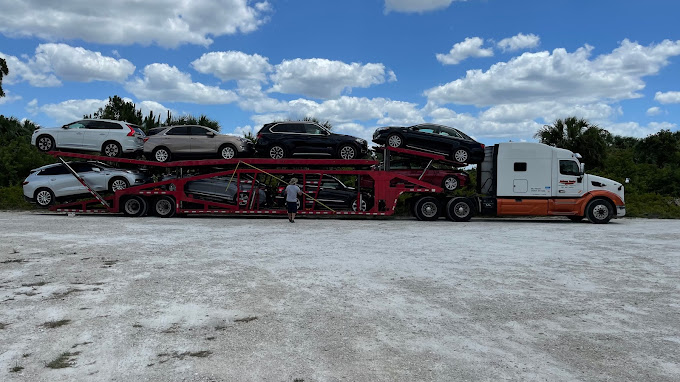
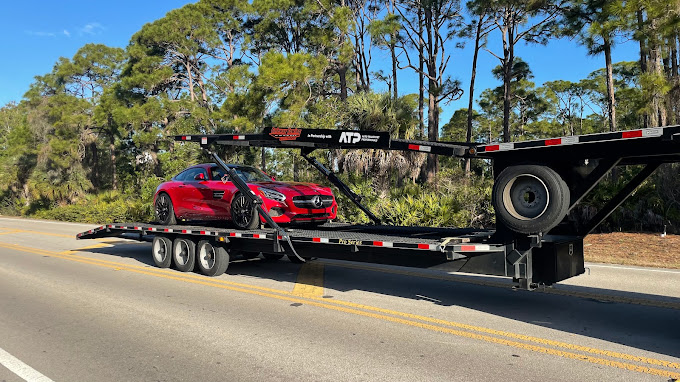
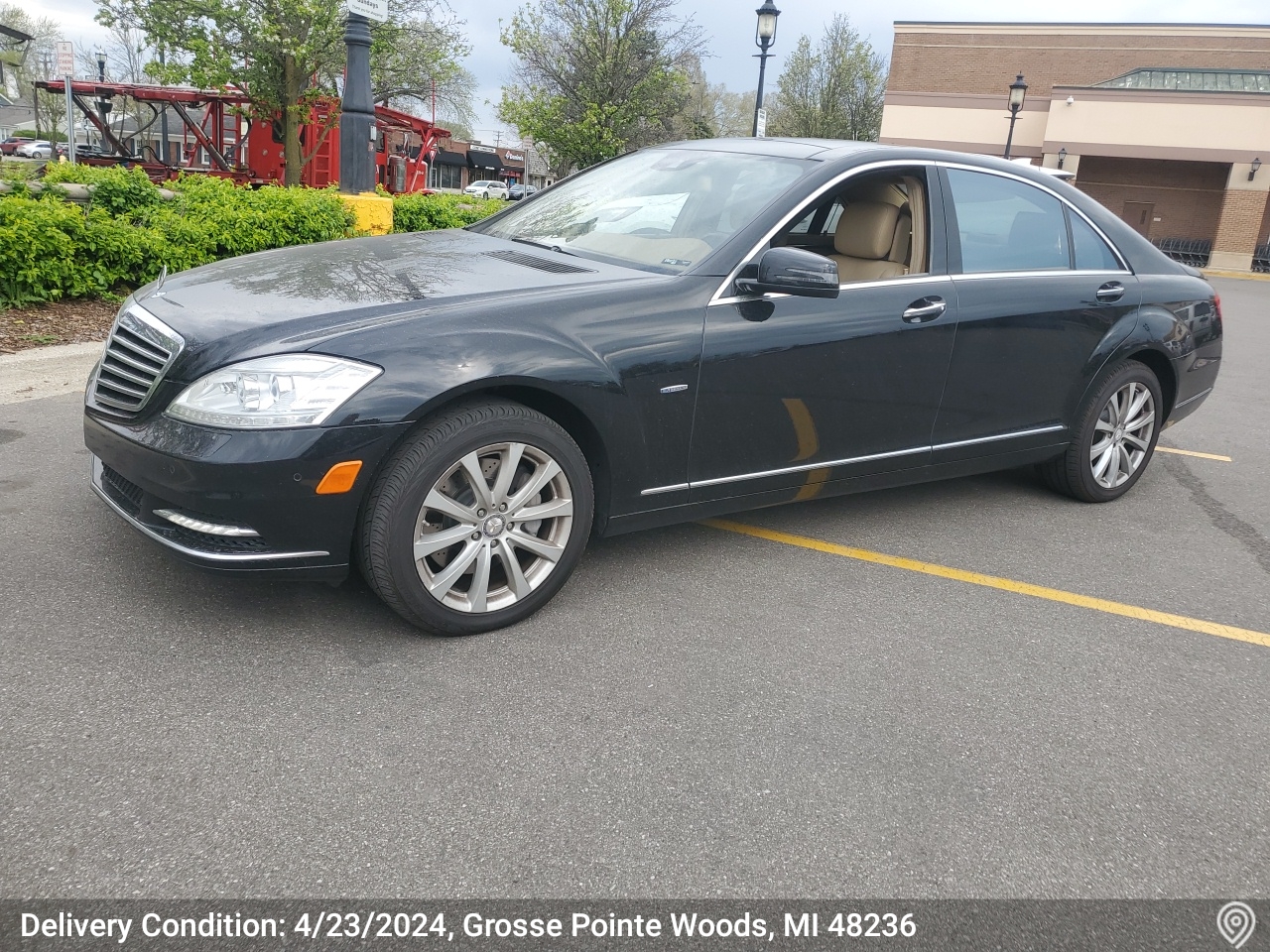
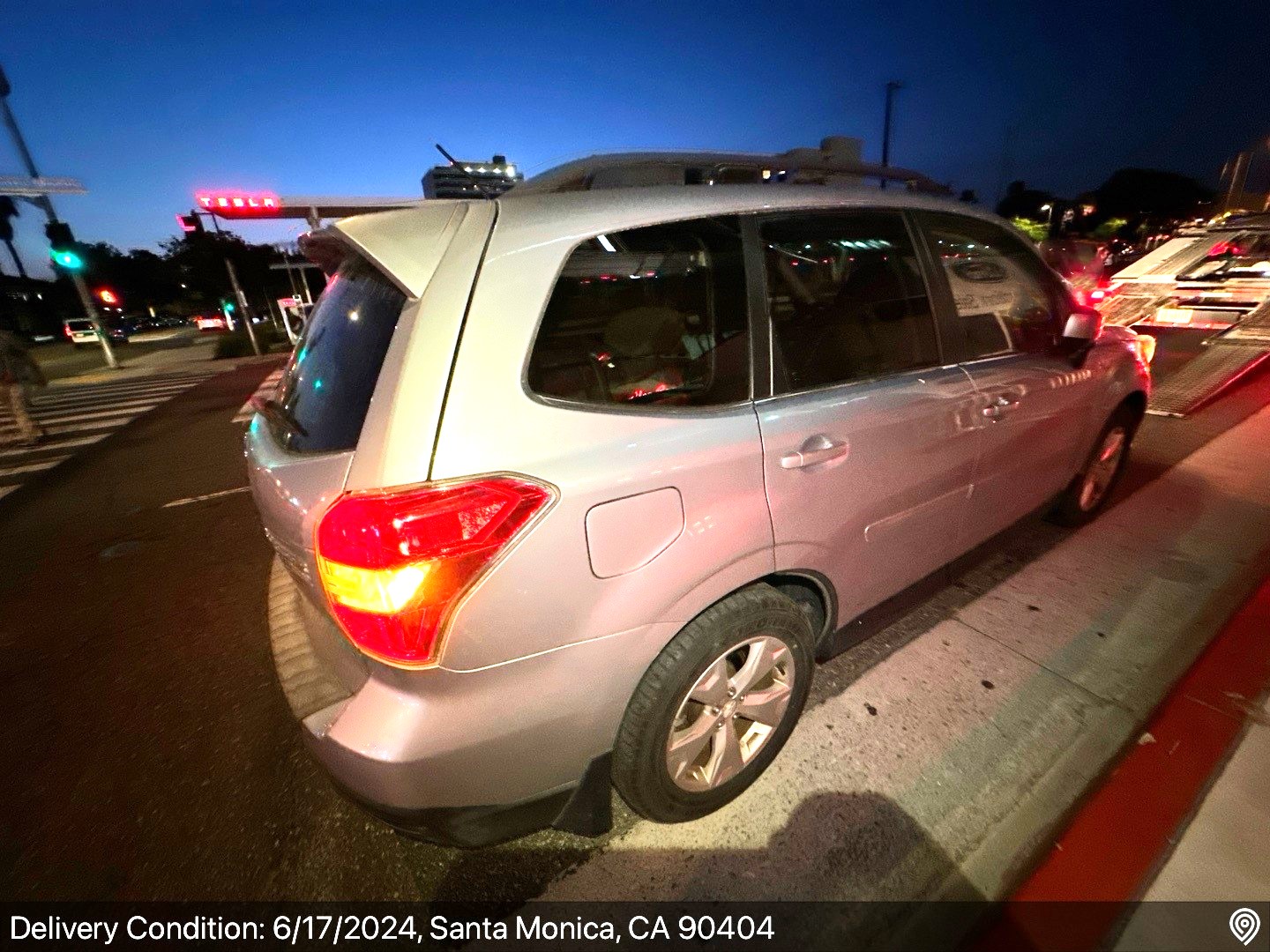
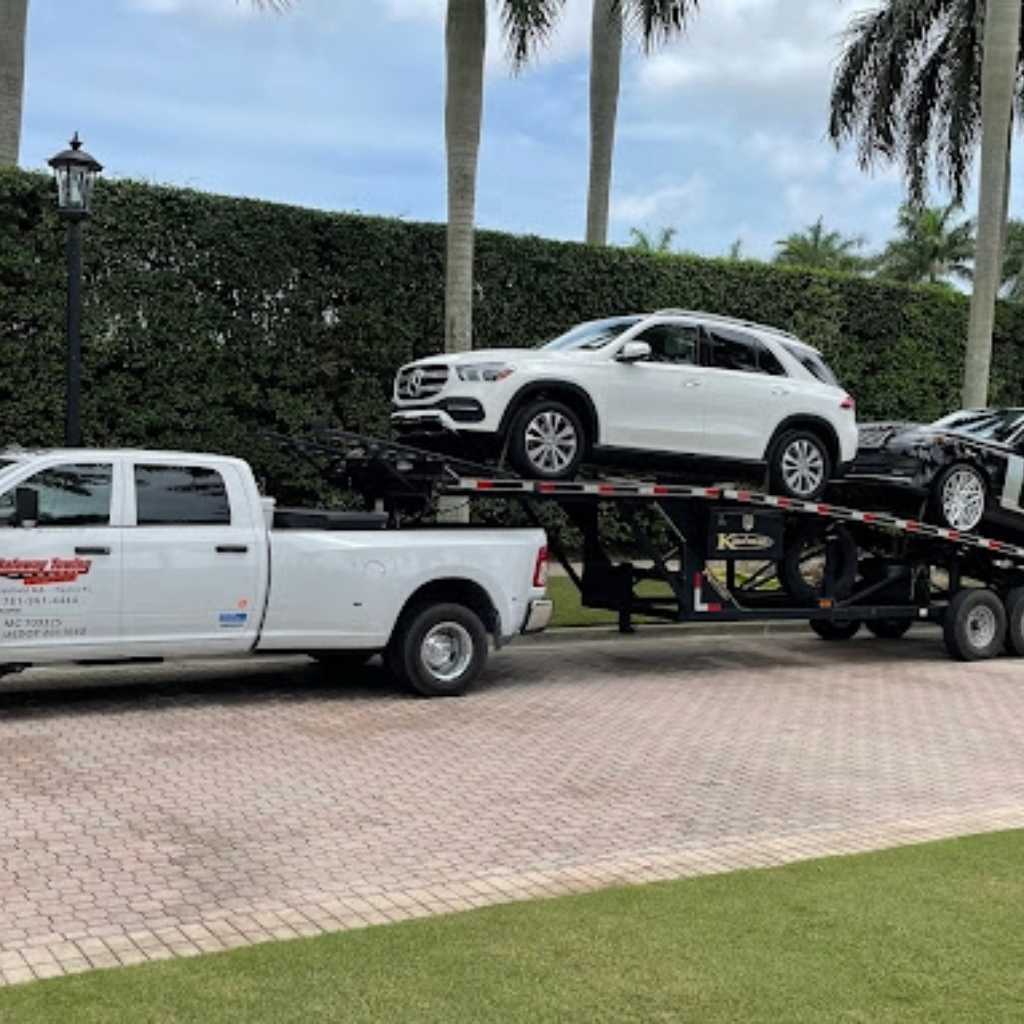
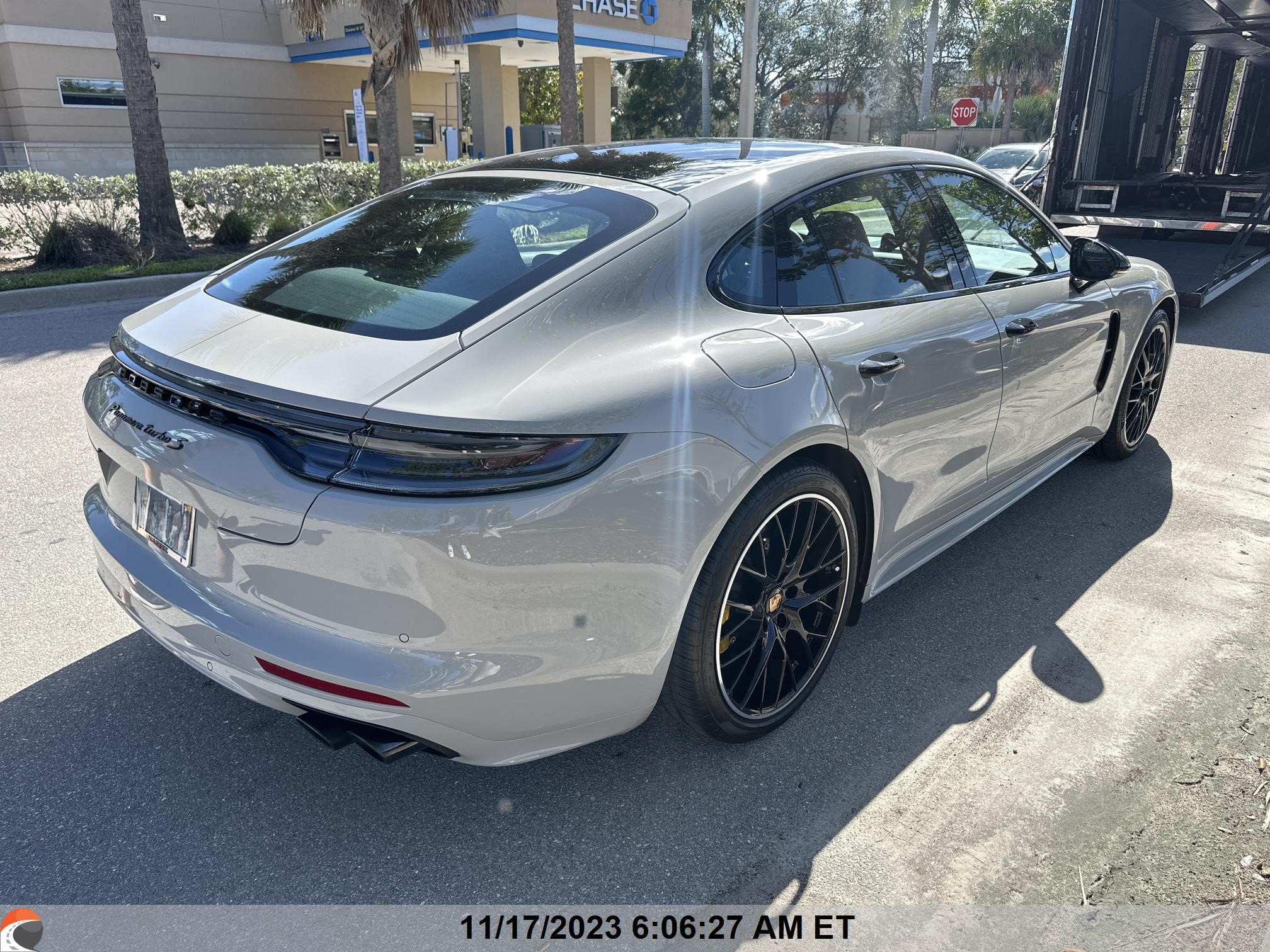
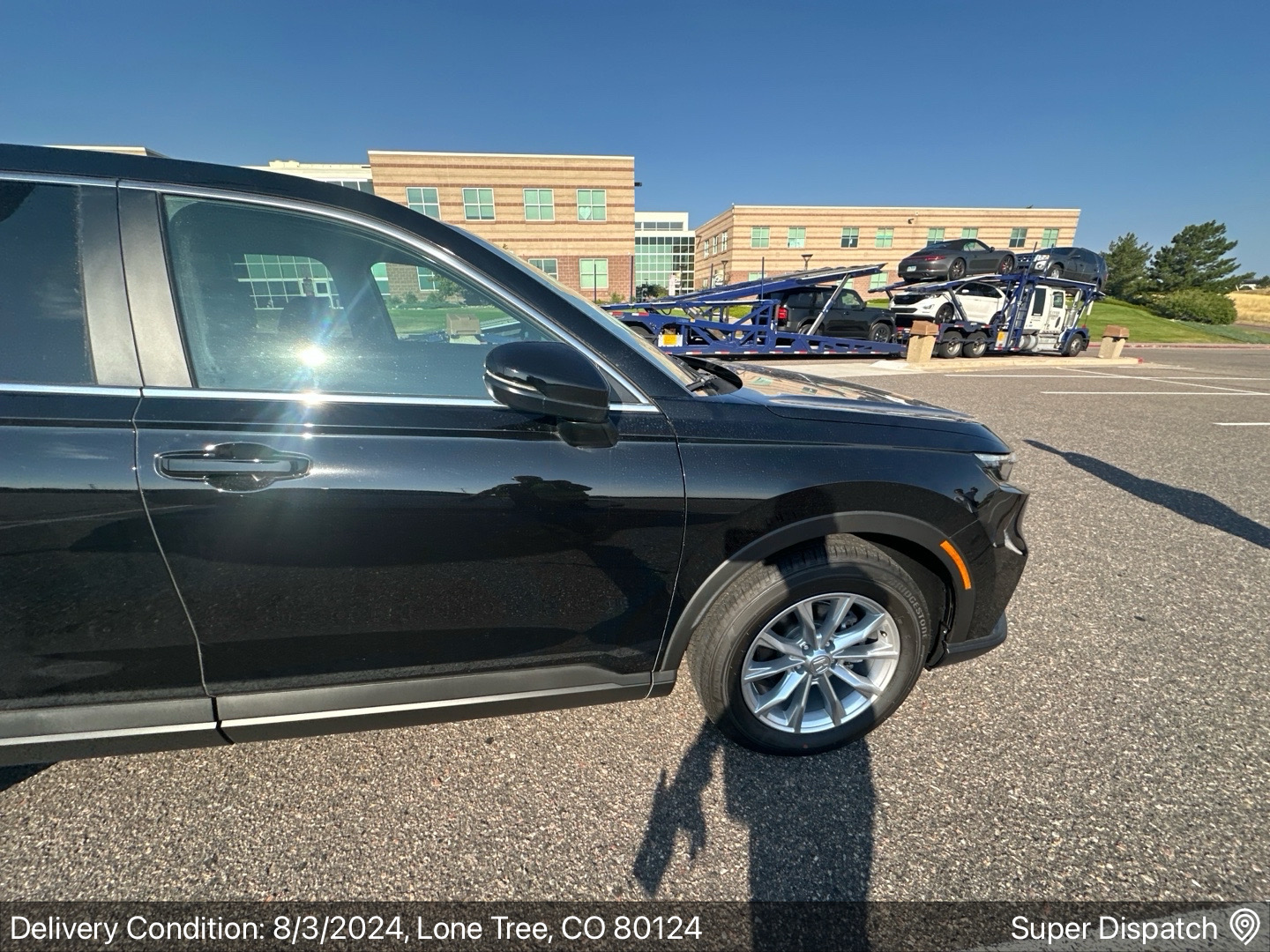
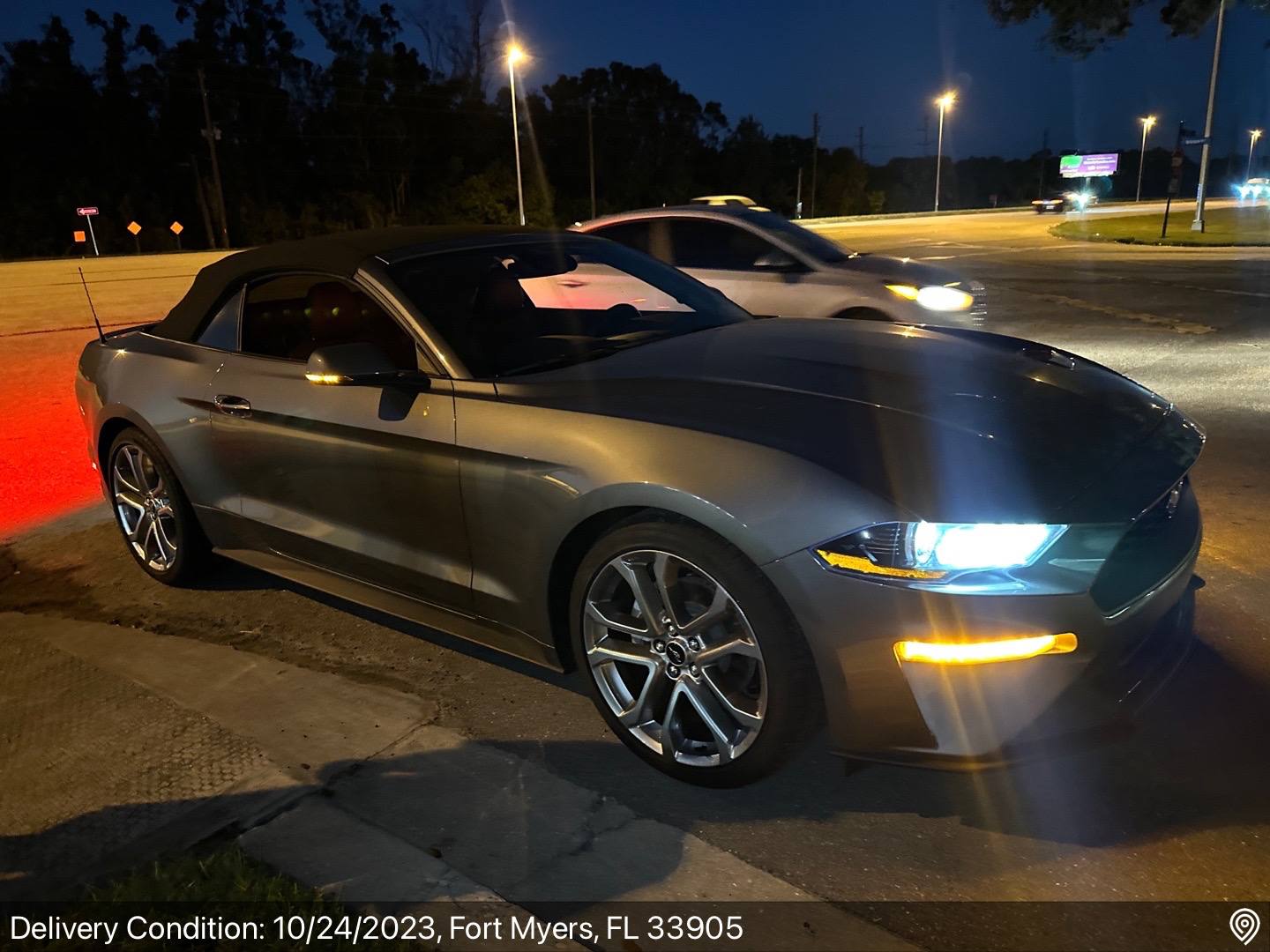
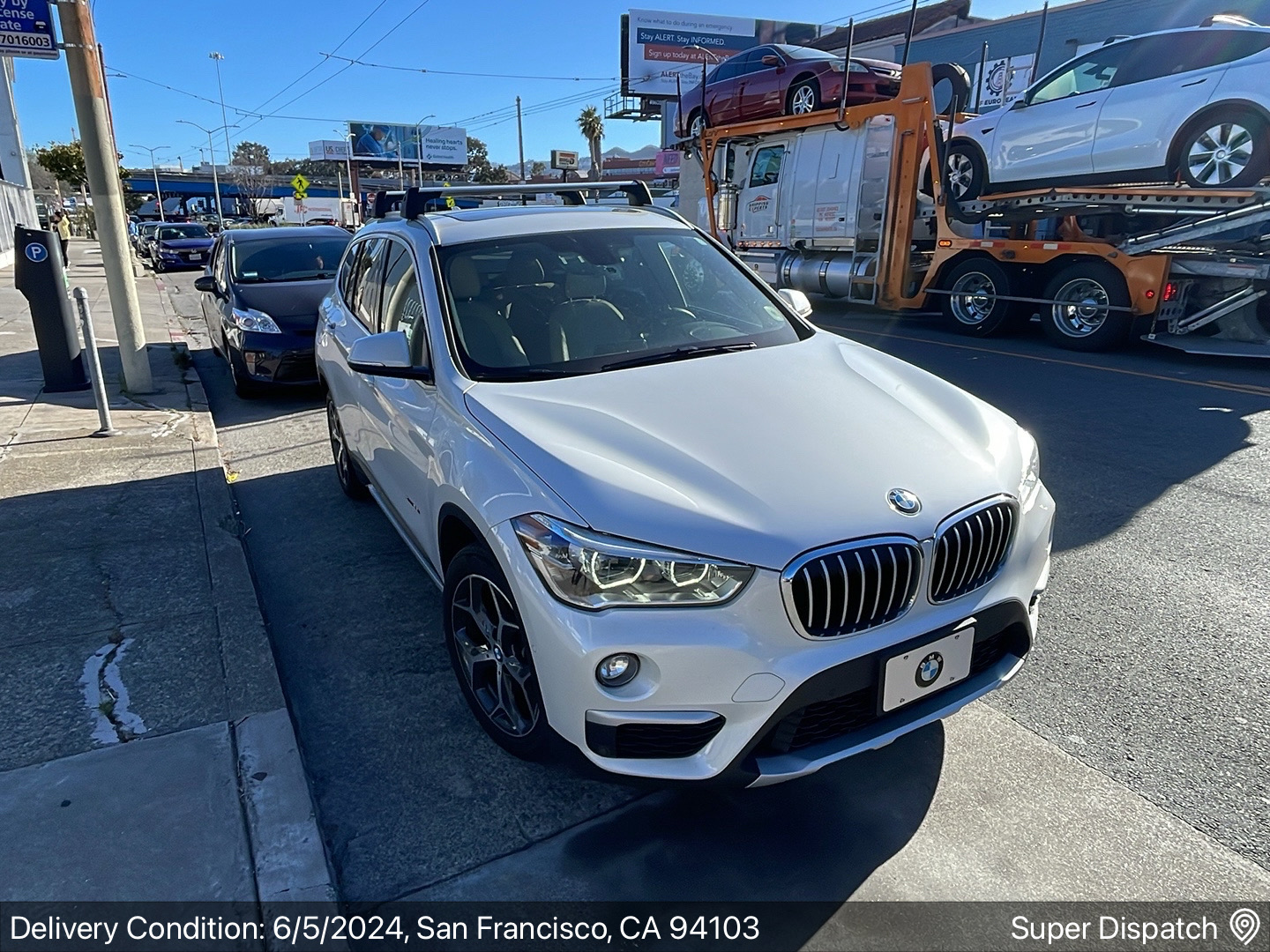
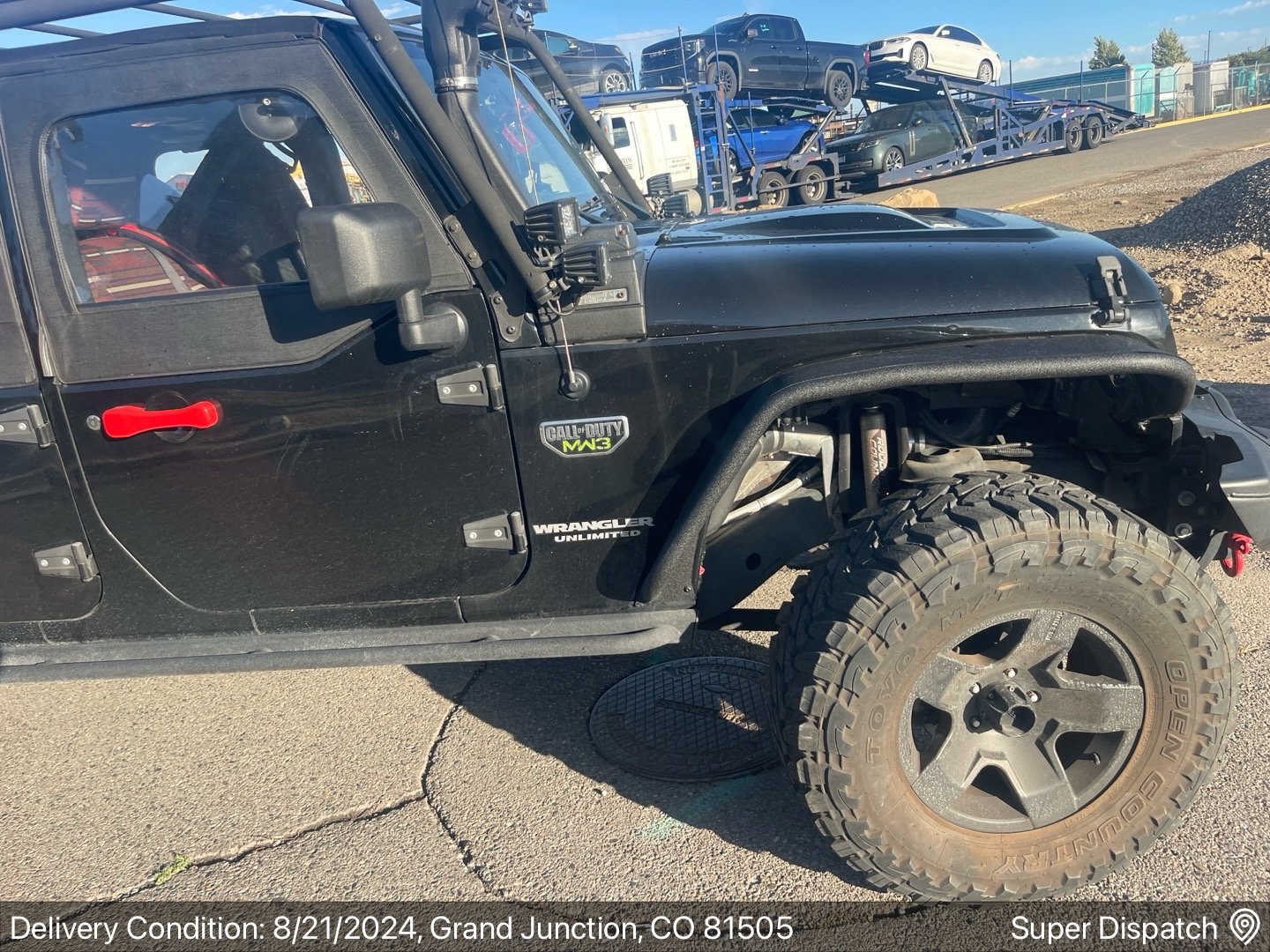
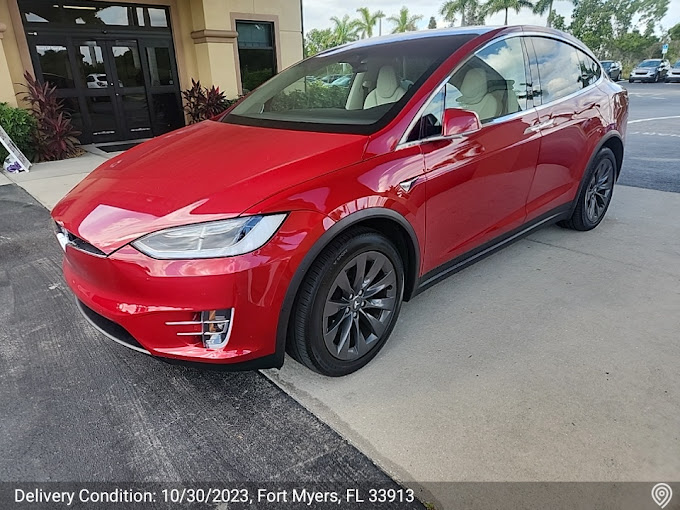
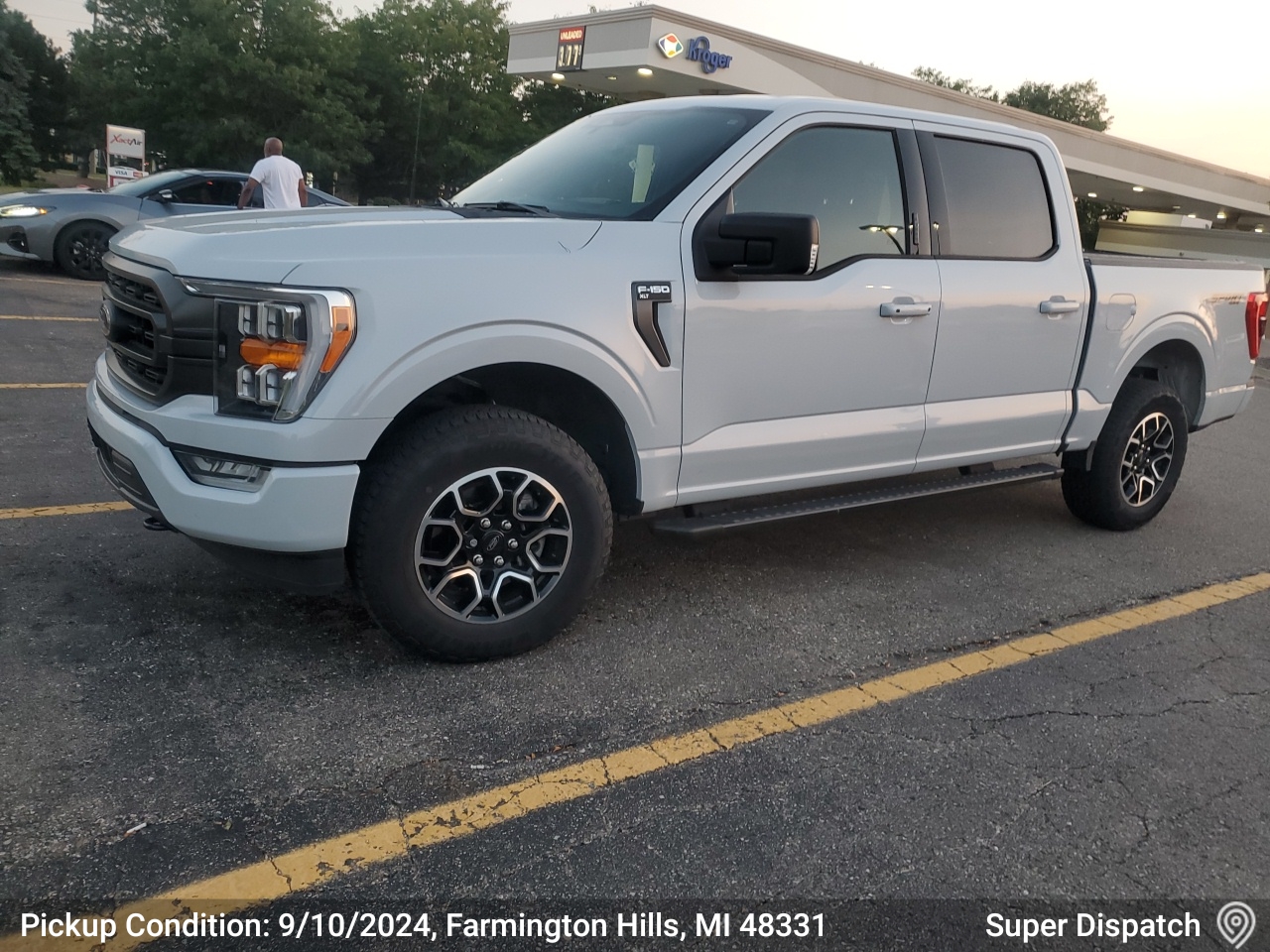
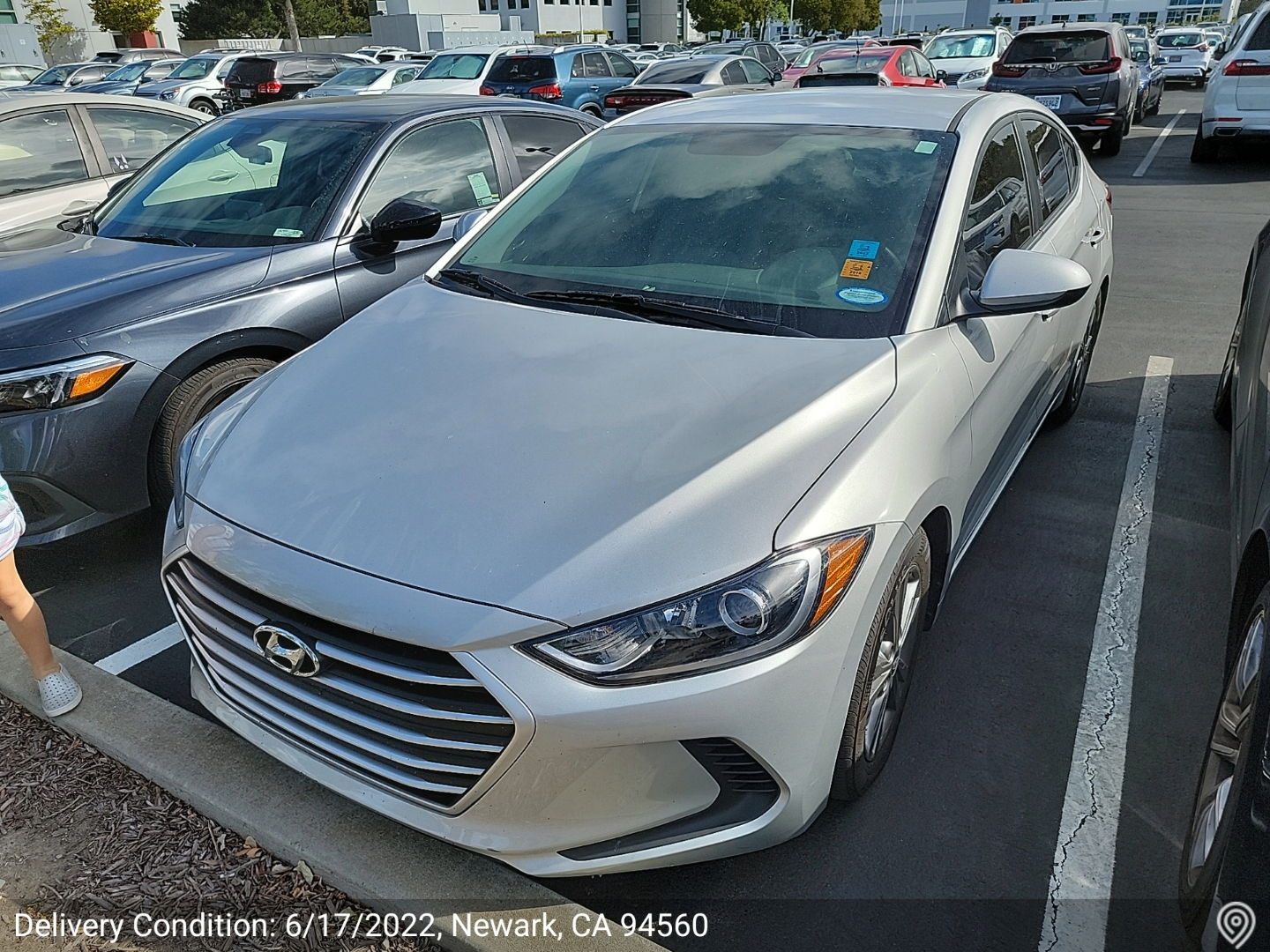
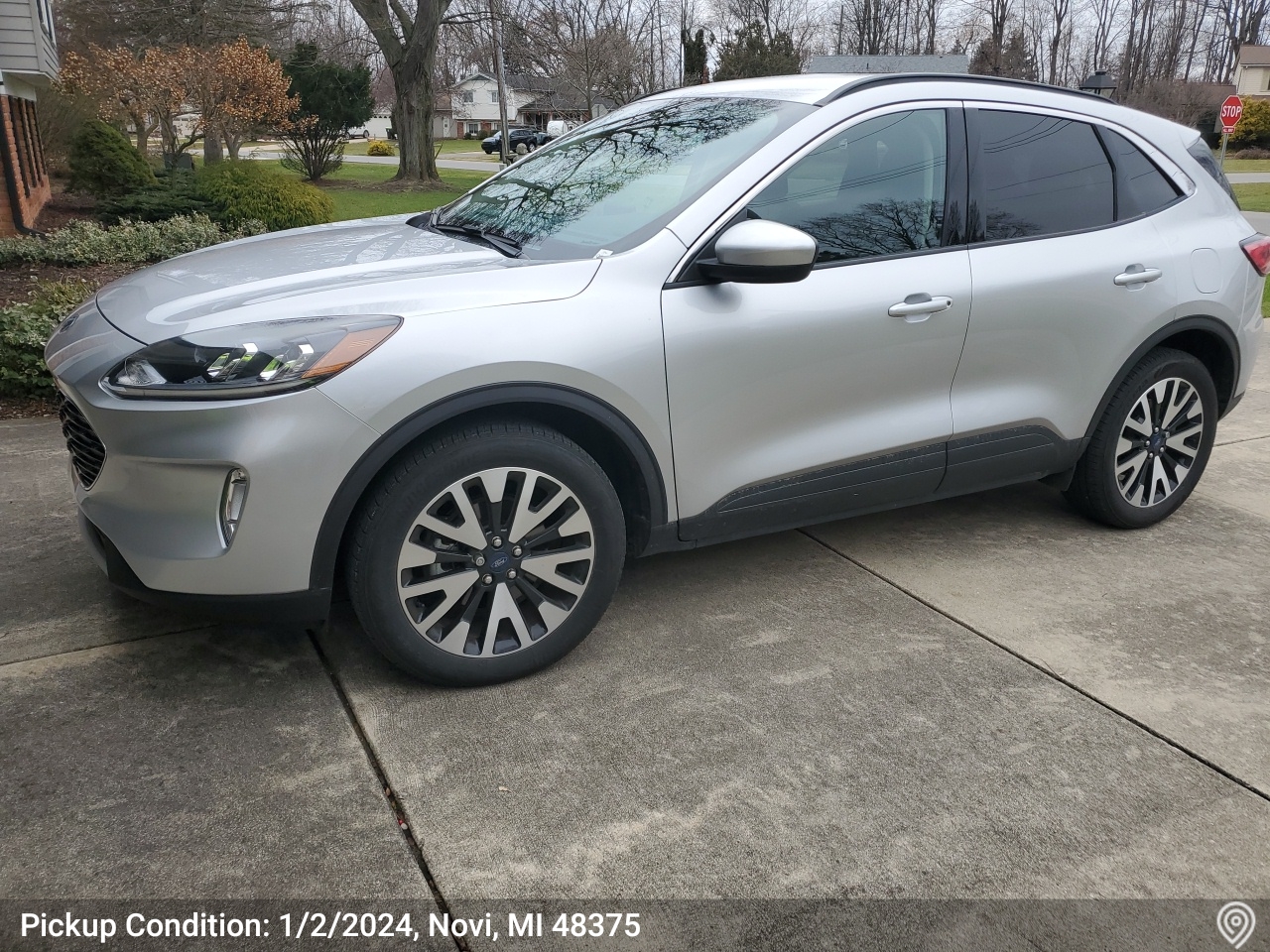
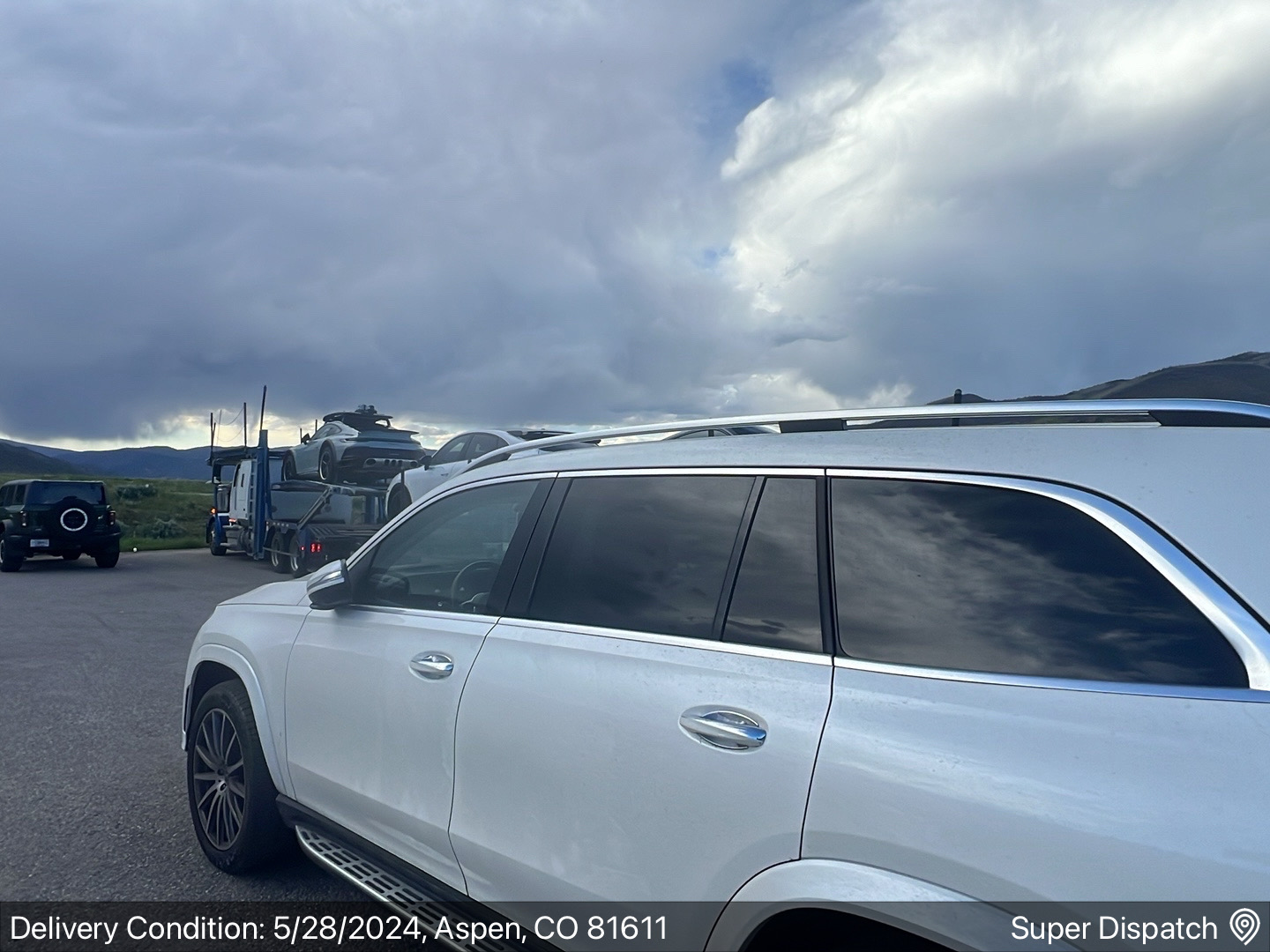
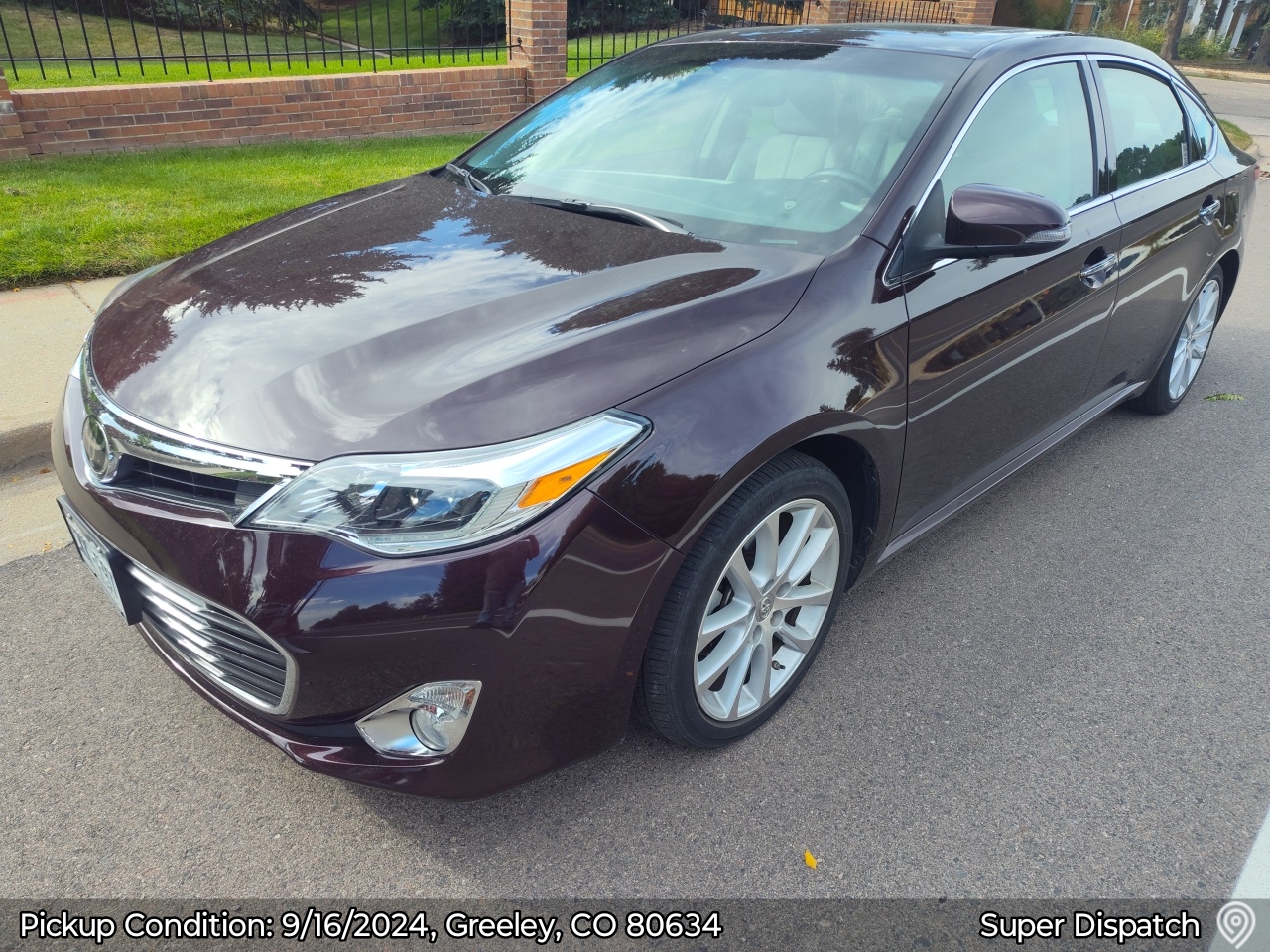
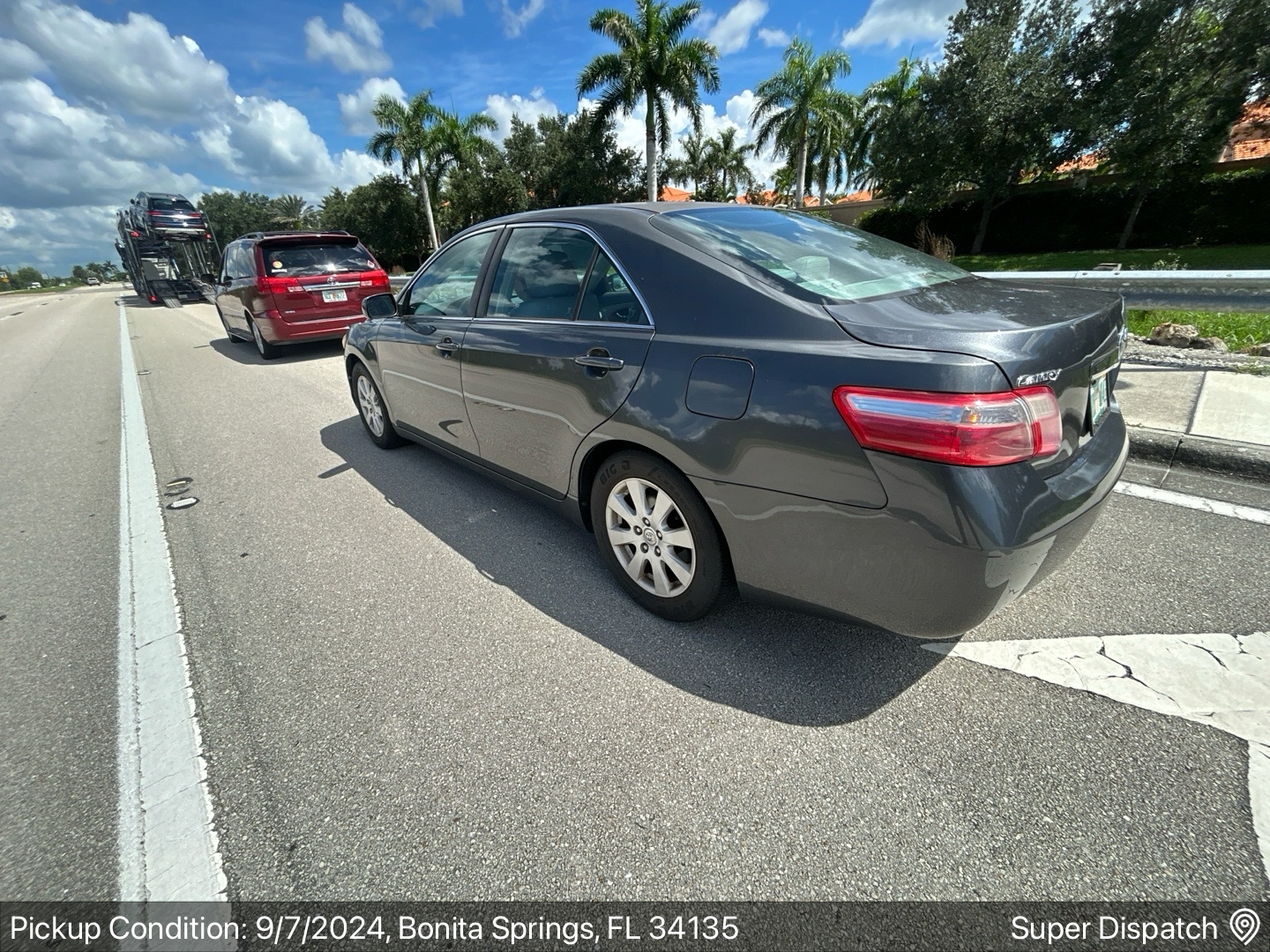
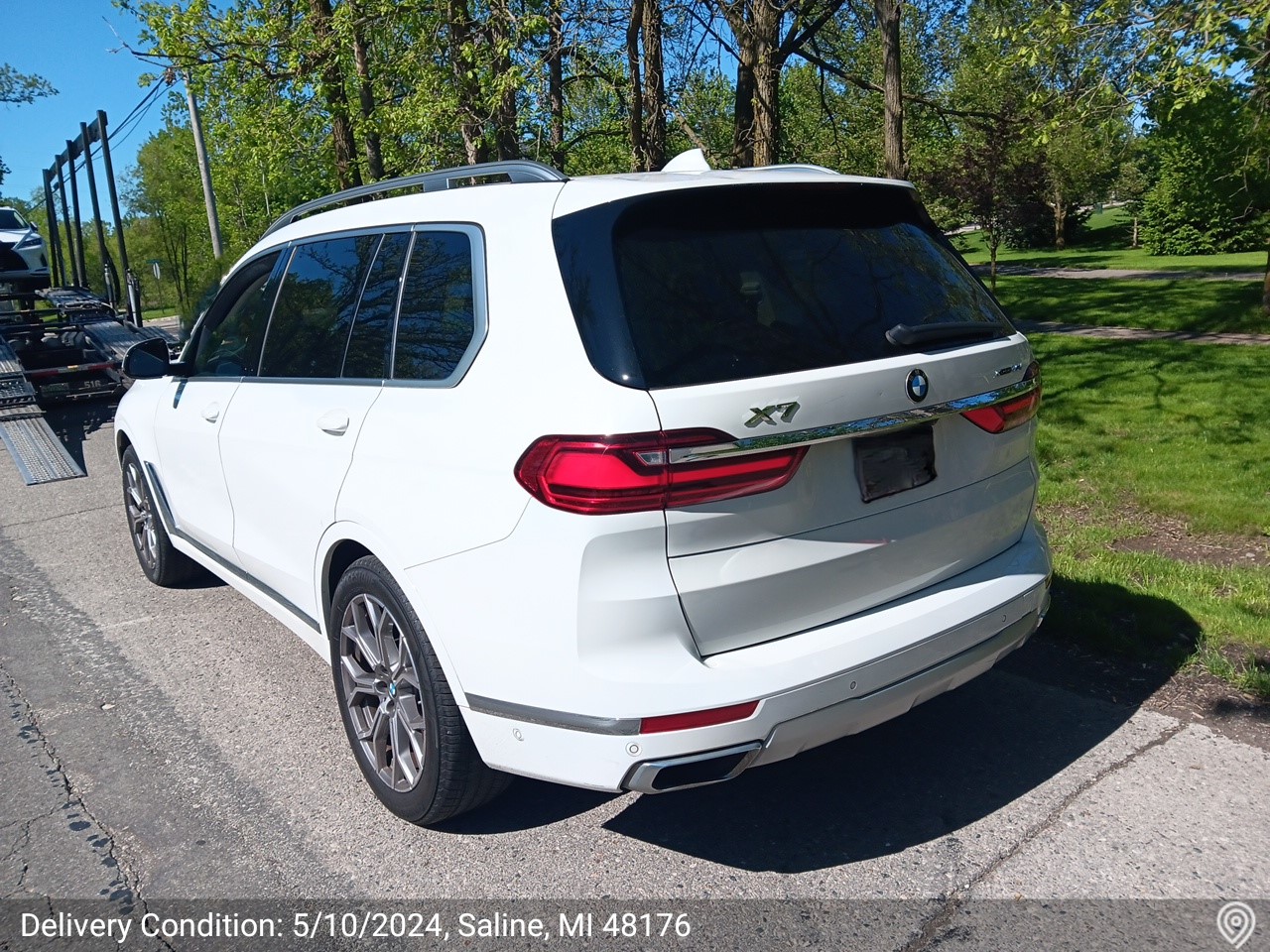
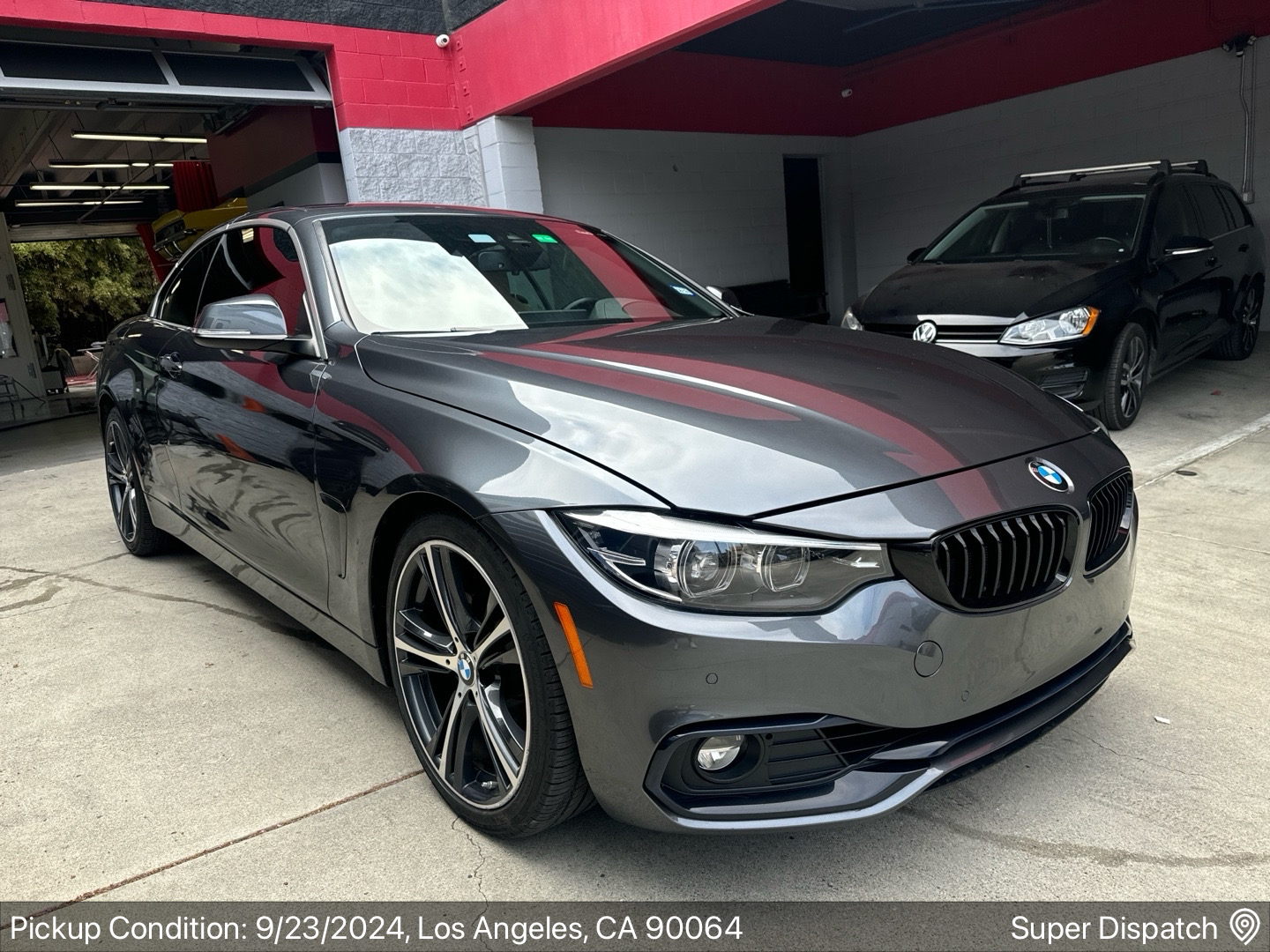
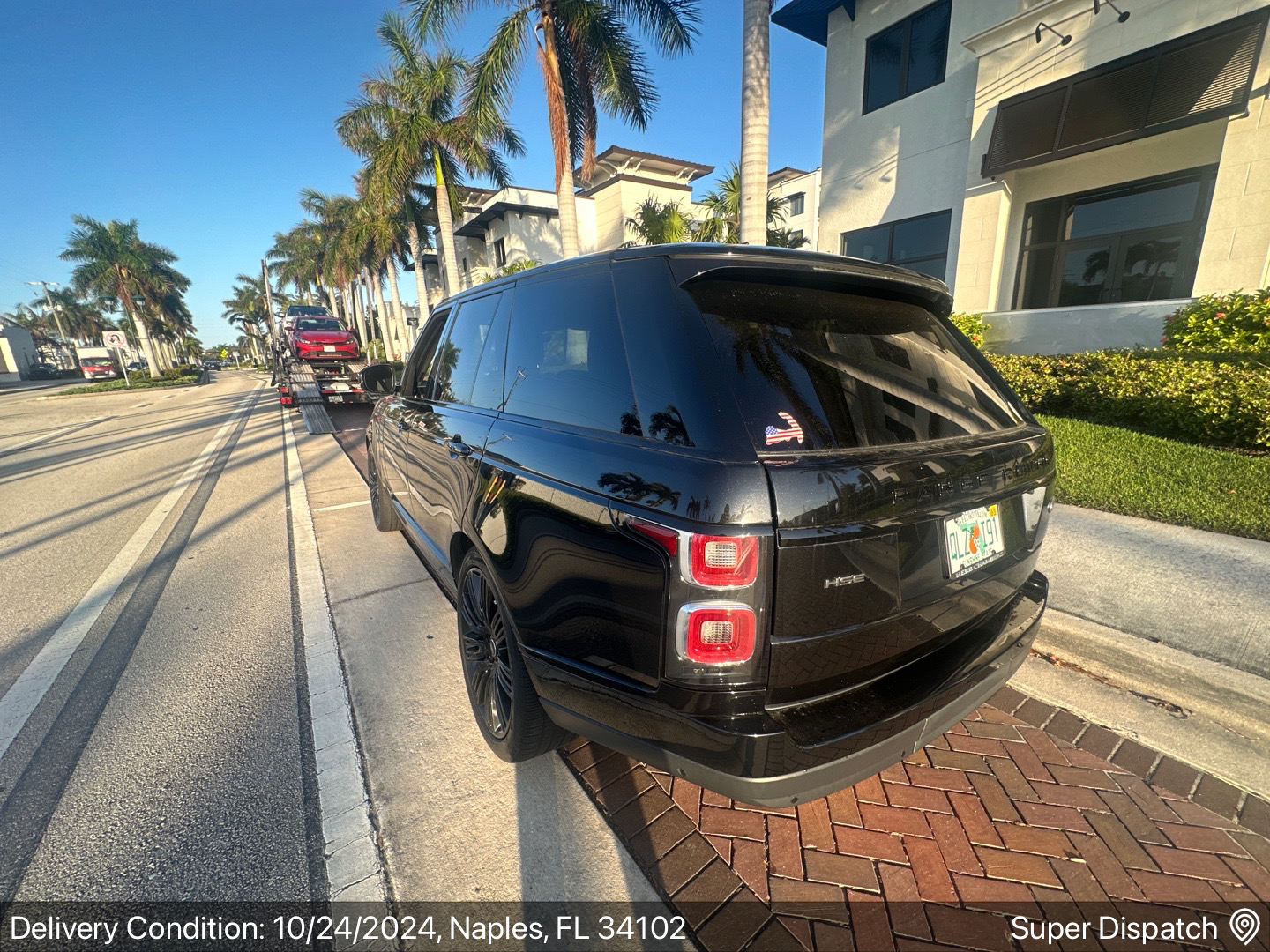
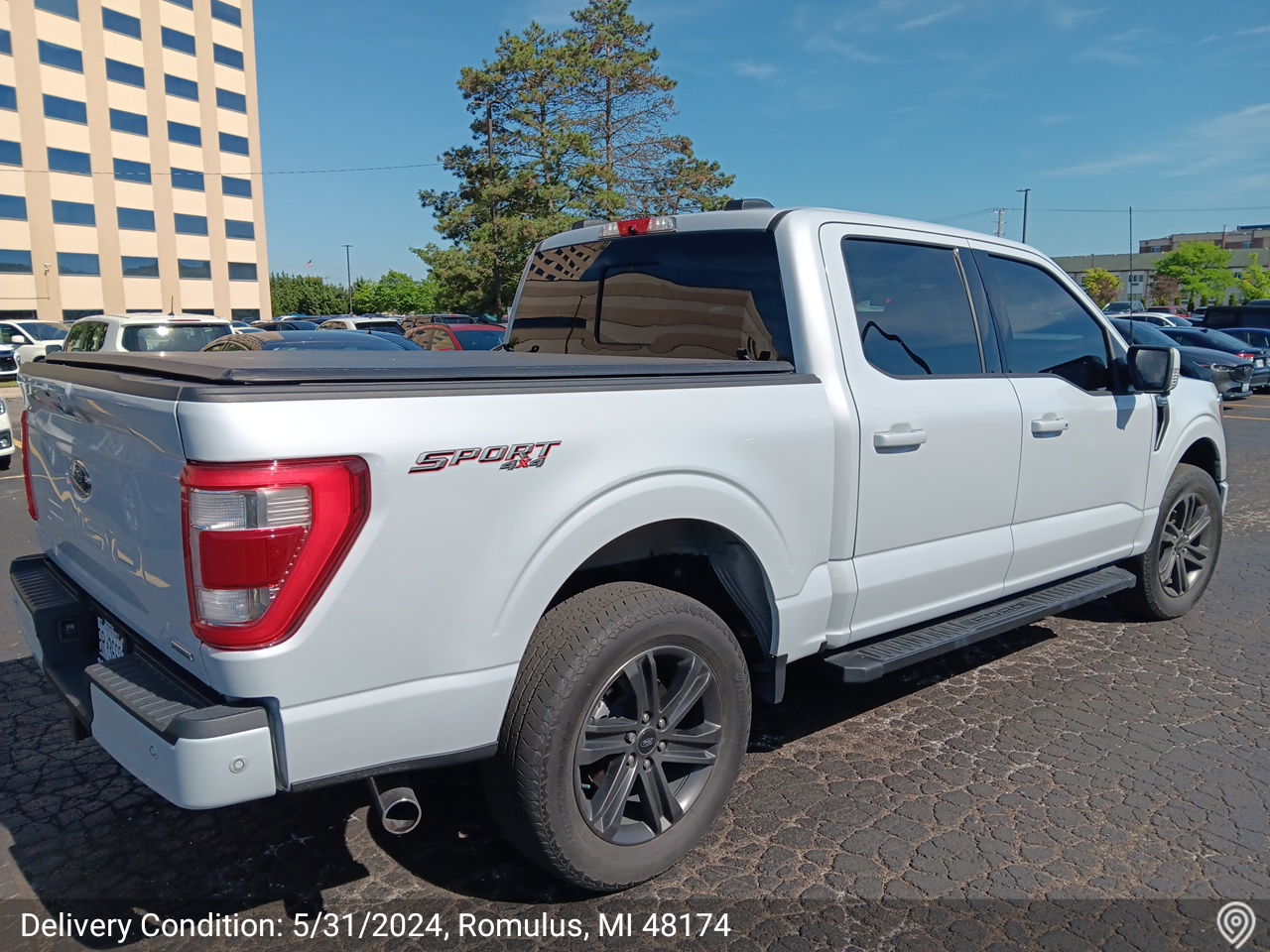
Pickup scheduling for Seattle auto transport requires more coordination than a typical metro market. Downtown's traffic congestion and parking restrictions mean carriers often cannot stop a multi-car hauler at a standard residential address. Expect your carrier to propose a nearby staging area — a parking lot in Bellevue, a commercial strip in Tukwila, or a similar accessible location. We build a 3-day pickup window around your first available date, which gives the carrier enough flexibility to route efficiently without adding significant delay.
Winter weather introduces a secondary timing variable. Snoqualmie Pass along I-90 can require chains or close temporarily between November and March, affecting east-west shipments crossing the Cascades. Carriers factor pass conditions into their planning, so cross-mountain transit may see adjusted scheduling during heavy snowfall periods.
Review your quote, confirm vehicle details and dates. No payment collected until a carrier is assigned.
We dispatch your order to our carrier network. You receive carrier details, insurance info, and estimated pickup window.
Carrier gives you 24 hours advance notice before pickup. Walk-around inspection together, every mark documented on the Bill of Lading, both parties sign.
Track your shipment status through your coordinator. We handle any schedule changes or logistics questions.
24-hour advance notice, then a call when close. Second walk-around inspection — damage during transport is extremely rare, but note any new issues on the Bill of Lading before signing. Once signed without exceptions, claims are extremely difficult to win.
Your carrier will contact you roughly 24 hours before arriving to confirm the meeting location. For most customers using auto shipping Seattle, that means a suburban staging area rather than a downtown address. At pickup, the driver conducts a walk-around inspection, documenting any existing scratches, dents, or chips on the Bill of Lading. Review that documentation carefully and confirm it matches what you see before signing. You will receive a copy, which becomes your reference point at delivery.
When your vehicle is close, the driver will call ahead with roughly 24 hours notice to confirm the delivery location and timing. At drop-off, conduct your own walk-around and compare the vehicle's condition against the pickup Bill of Lading. Damage during transport is extremely rare, but if you notice anything new, note it on the Bill of Lading before signing. Once you sign without documenting a discrepancy, filing a claim becomes significantly harder. This step applies whether you are shipping a car to Seattle or receiving one anywhere in the country.
Every carrier in our network is required to carry cargo insurance as a condition of their FMCSA operating authority. Coverage details vary by carrier and are confirmed before your vehicle is dispatched.
At pickup, the driver and you complete a joint vehicle inspection. Every scratch, dent, and existing mark is documented on the Bill of Lading. At delivery, you must carefully compare the vehicle's condition against this record before signing the delivery receipt. If you notice any new damage, note it on the Bill of Lading before you sign. Once you sign the delivery receipt without noting damage, it becomes extremely difficult to file and win a claim. This is the single most important step in protecting yourself during the transport process.
Seattle's urban layout creates genuine logistical constraints for multi-car haulers. Downtown streets run narrow and one-way in many sections, steep grades limit where a loaded transport trailer can safely maneuver, and restricted parking zones make curbside loading impractical. Carriers serving this market know these limitations and plan accordingly.
The practical solution is straightforward: arrange pickup or delivery at a location with open lot access. Suburban areas like Bellevue, Tukwila, Renton, and Lynnwood all offer the kind of wide-access parking that makes car transport Seattle efficient. If you live or work downtown, a short drive to a nearby commercial lot is usually all it takes to keep your schedule on track. Coordinate the meeting point with your carrier during the 24-hour pre-pickup call.
Job Relocations — Seattle's tech economy moves people in and out constantly. Whether you are arriving for a new role at a major employer or departing for another market, ship a car from Seattle rather than adding miles to a vehicle you just drove cross-country. Request a free car shipping quote to get started.
University of Washington Students — Fall move-in and spring move-out create predictable demand spikes. Book early — carrier slots fill quickly around those windows, and Seattle vehicle shipping rates reflect that seasonal pressure.
Dealerships and Wholesalers — The Port of Seattle drives steady dealer inventory flow. Auto transport Seattle wa handles both domestic redistribution and imported vehicle delivery efficiently given the carrier volume on I-5 and I-90.
Snowbirds and Seasonal Movers — Washington's winter weather pushes some residents south each year. Enclosed car shipping Seattle is available for high-value vehicles that need protection from road conditions during the transition.
Car shipping Seattle WA pricing reflects the city's high carrier volume and interstate connectivity, but rates shift with route distance, vehicle size, and seasonal demand. East-west shipments crossing Cascade mountain passes can carry different pricing than north-south I-5 corridor moves. Request a Seattle car shipping quote for your specific route.
Seattle sits at the junction of I-5 and I-90, giving carriers direct highway access to both coasts and inland routes. High truck volume through Washington means pickups are scheduled frequently, though winter pass closures on I-90 can affect eastbound timing. For auto transport Seattle WA timing, select your route above for details.
Yes, where access allows. Seattle's hilly terrain, narrow residential streets in neighborhoods like Capitol Hill and Queen Anne, and downtown parking restrictions can limit where a 75-foot car hauler can safely operate. Carriers may request a nearby meeting point—such as a commercial parking lot—when your address isn't accessible. We handle both inbound and outbound moves, including when you ship a car to Seattle.
Open transport Seattle carriers handle the vast majority of car shipping in Seattle and suit most vehicles well. Enclosed car shipping Seattle providers offer added protection from road debris and Washington's frequent rain, making them worth considering for luxury, classic, or high-value vehicles. However, enclosed availability is more limited than open transport, and pricing is typically higher.
Seattle sees year-round auto transport demand with no dramatic seasonal dropoff. Winter months may complicate eastbound routes over the Cascades, while late summer aligns with peak University of Washington move-in traffic. Spring and early fall often balance steady demand with smoother mountain-pass conditions across Washington. Planning around these months works well if you need to ship a car from Seattle.
Someone 18 or older must be present at both ends to authorize the shipment and sign the Bill of Lading. If you cannot attend personally, designate a trusted representative — a friend, family member, or dealership contact — to handle the vehicle inspection and paperwork on your behalf.
Yes. Every carrier in our network carries cargo insurance as required by their FMCSA operating authority. Coverage specifics are confirmed before dispatch. At both pickup and delivery, you complete a joint vehicle inspection documented on a Bill of Lading — this protects you if any issue arises.
Yes, we transport non-running vehicles to Seattle. The vehicle needs to roll, steer, and brake for standard loading. Vehicles that cannot roll may require a winch or forklift at additional cost. Mention the vehicle's condition when requesting your quote.
Wash the exterior so scratches and dents are visible during inspection. Remove toll transponders, parking passes, and loose interior items. Leave roughly a quarter tank of fuel. Disable aftermarket alarms. Take dated photos of all sides, roof, and odometer before the carrier arrives for your records.
Most carriers allow personal belongings in the trunk or cargo area up to about 100 pounds. Items must stay below the window line and cannot be fragile or high-value. Personal items are not covered under carrier cargo insurance, so keep the vehicle as empty as practical.