Door-to-door car shipping with fully insured carriers. No upfront payment.
San Francisco auto transport operates at the highest volume tier in the country, with multiple carriers running daily routes in and out of the Bay Area along I-80 eastbound toward Sacramento and Reno, and connecting south through the dense coastal corridor toward Los Angeles. Tech and finance sector relocations drive consistent demand year-round, with workers moving between Silicon Valley, South Bay campuses, and competing metros like Austin and Seattle generating steady shipping volume. UCSF Medical Center and the University of San Francisco layer in academic and medical relocation traffic that keeps carrier interest high regardless of season.
That carrier density is a real advantage for customers. San Francisco car shipping options are broad, with multiple trucks competing for loads daily. The practical challenge is access: 75-foot multi-car haulers cannot navigate Nob Hill switchbacks or Pacific Heights one-way streets safely, so carriers typically coordinate a nearby staging location. Book with that coordination in mind, and scheduling moves quickly.
San Francisco auto transport demand is heavily driven by tech and finance sector relocations. Workers moving to or from Silicon Valley, South Bay campuses, and competing metros like Austin and Seattle generate consistent shipping volume. The University of San Francisco and UCSF Medical Center add academic and medical relocation traffic throughout the year. High outbound volume reflects an ongoing migration pattern as residents leave California for lower-cost cities.
I-80 connects San Francisco eastbound through Sacramento and onward to Reno, while I-5 runs the state's central north-south spine. Carriers serving the dense Bay Area coastal corridor pass through frequently, and the city's Tier 1 market status means multiple trucks operate on routes in and out daily. This concentration gives customers shipping a car from San Francisco or receiving one a broad selection of scheduling windows and transport options, giving customers shipping a car to San Francisco more options to choose from.
They were quick, courteous, and professional. We would happily use Auto Transport Professionals again.
Everything went smoothly. The company called us to arrange the pick up, gave us updates on status, and gave us the keys upon arrival. Absolutely hassle-free.
For a fair price we had our vehicle delivered earlier than expected. The driver went the extra mile to help my mom have a stress free experience.
San Francisco car shipping cost sits in a favorable position relative to smaller California markets, largely because carrier competition here is intense. Multiple operators bid on Bay Area loads daily, which keeps rates from inflating the way they do in lower-volume corridors. Auto transport San Francisco ca benefits from the same I-80 and coastal I-5 carrier flow that makes California one of the most active shipping states in the country. Distance, vehicle size, and transport type are the primary variables that move your rate.
Enclosed car shipping San Francisco runs 40 to 60 percent more than open transport, a premium driven by the specialized equipment and lower carrier count. Flexible pickup dates give carriers more scheduling room and can work in your favor on pricing. San Francisco's high outbound migration volume means carriers are actively seeking loads leaving the city, which supports competitive rates on departing shipments. Get a no-obligation car transport quote to see current market pricing for your specific route.
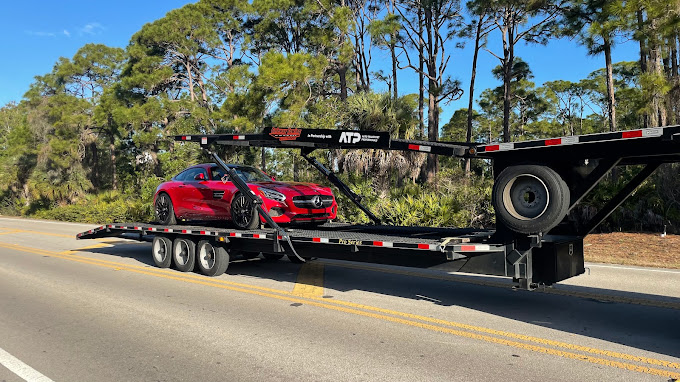
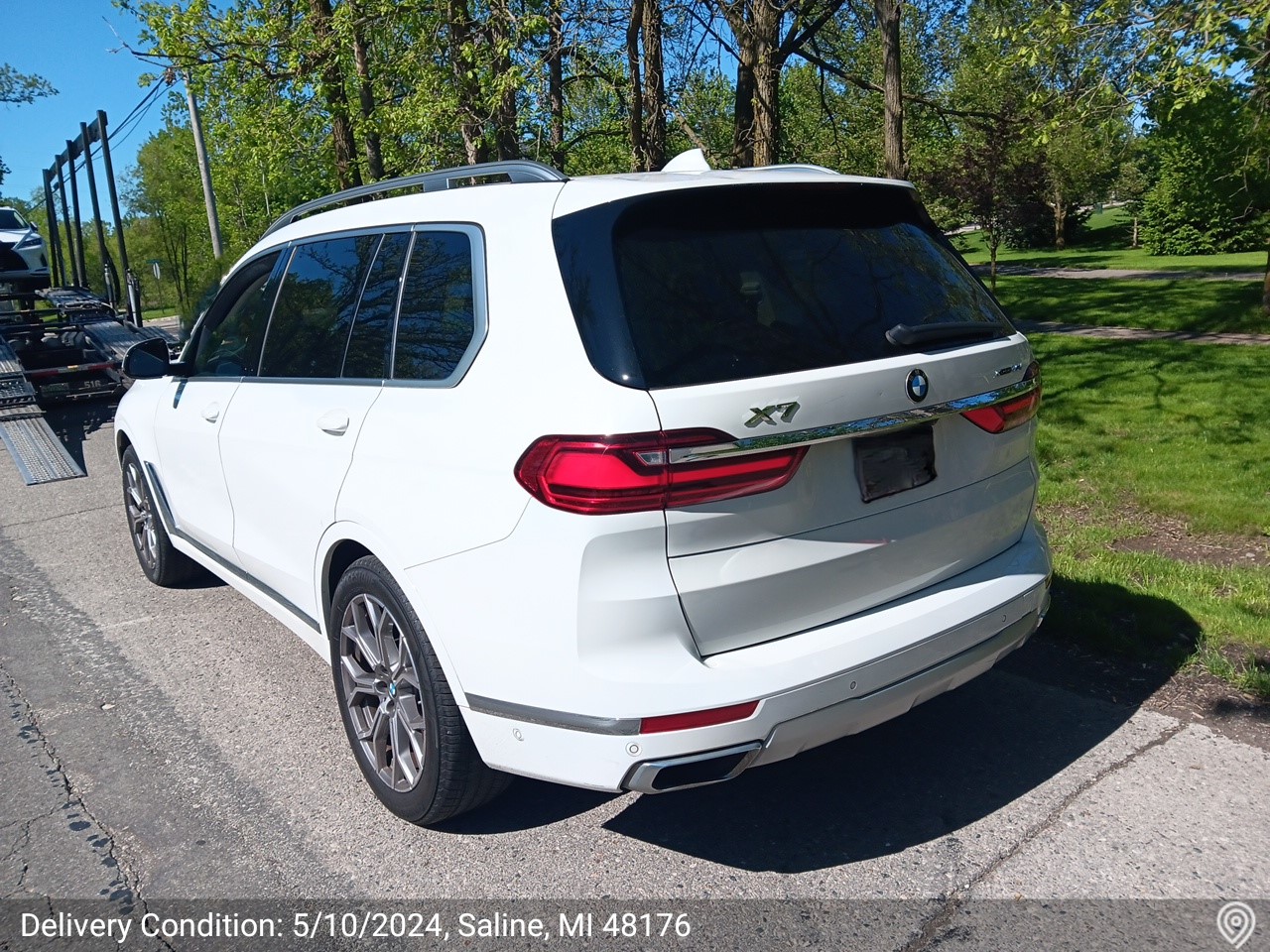
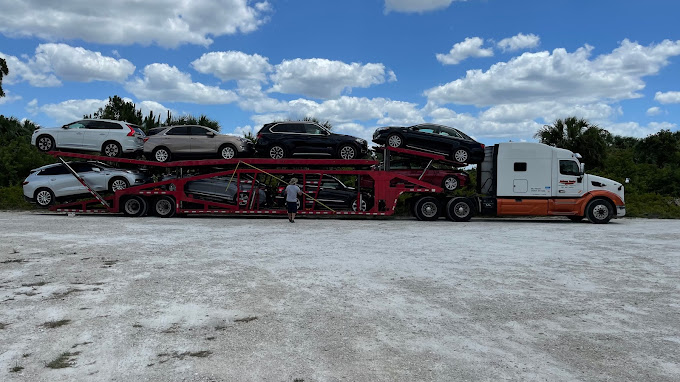
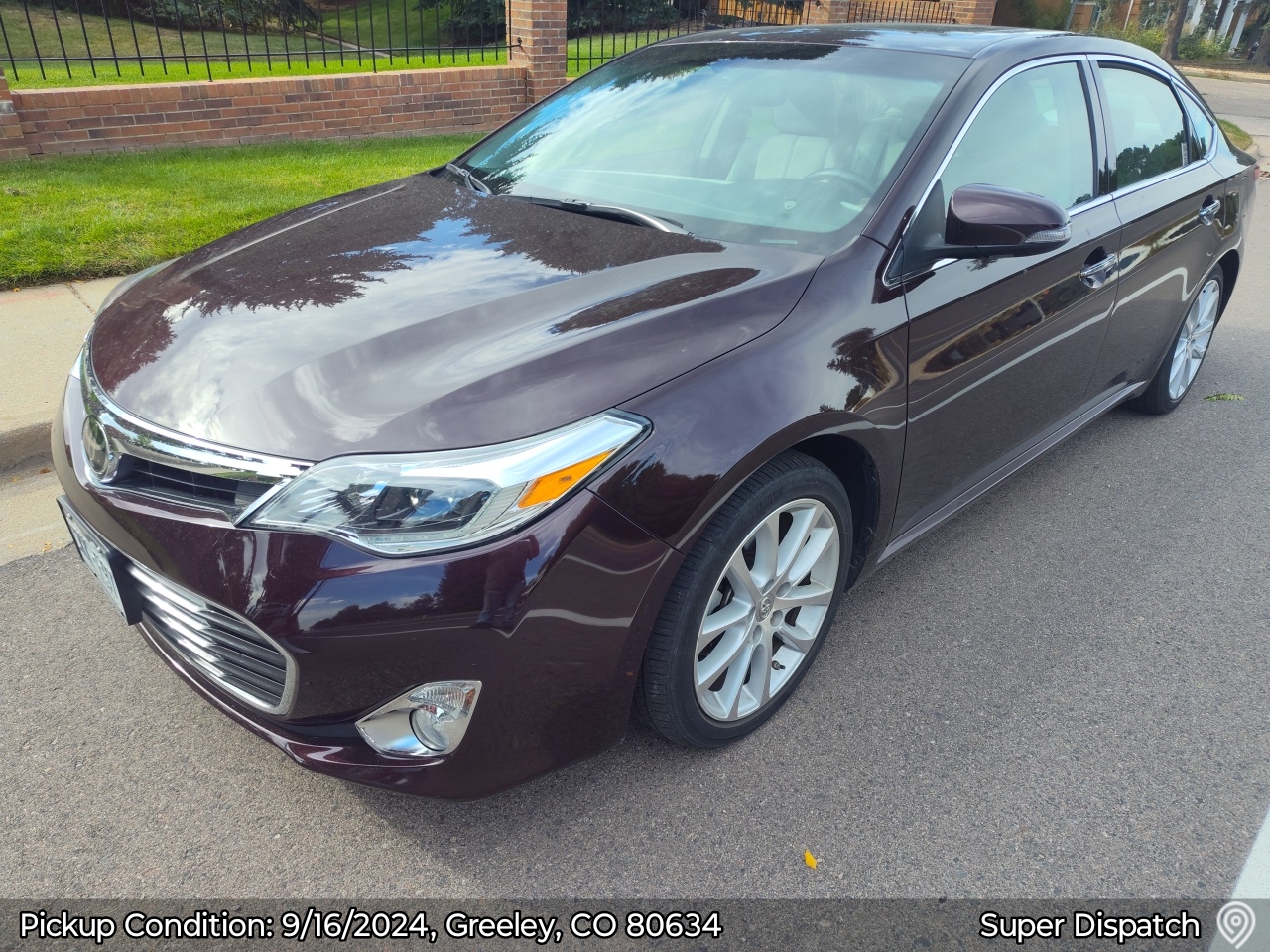
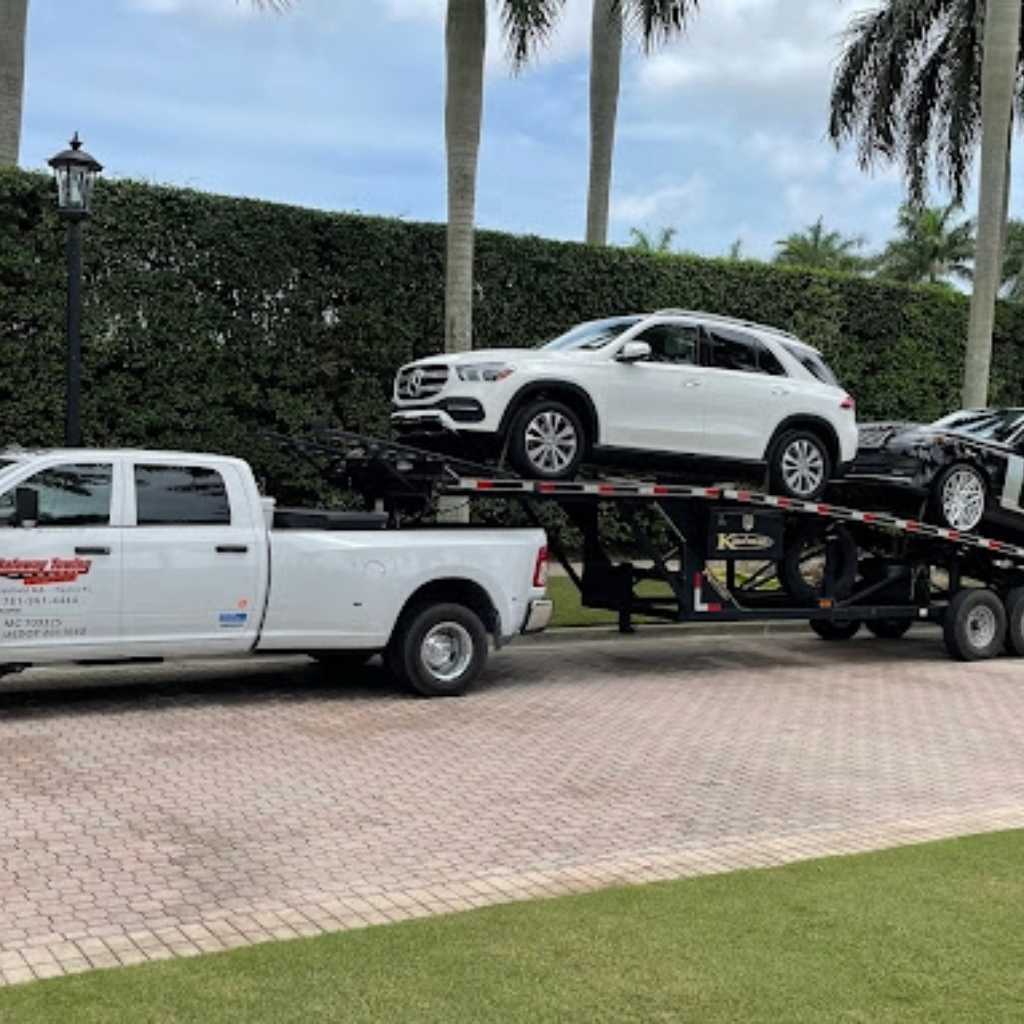
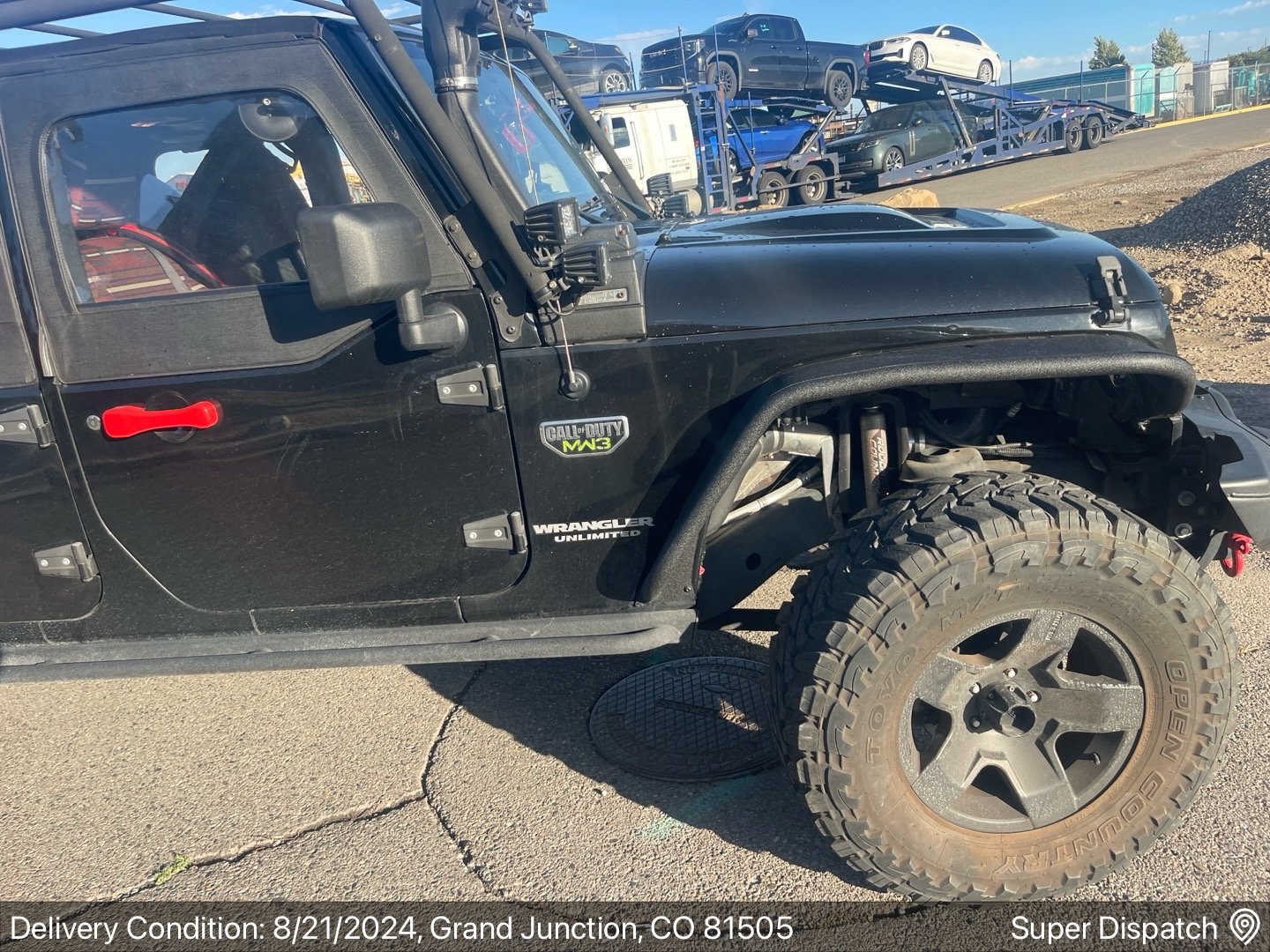
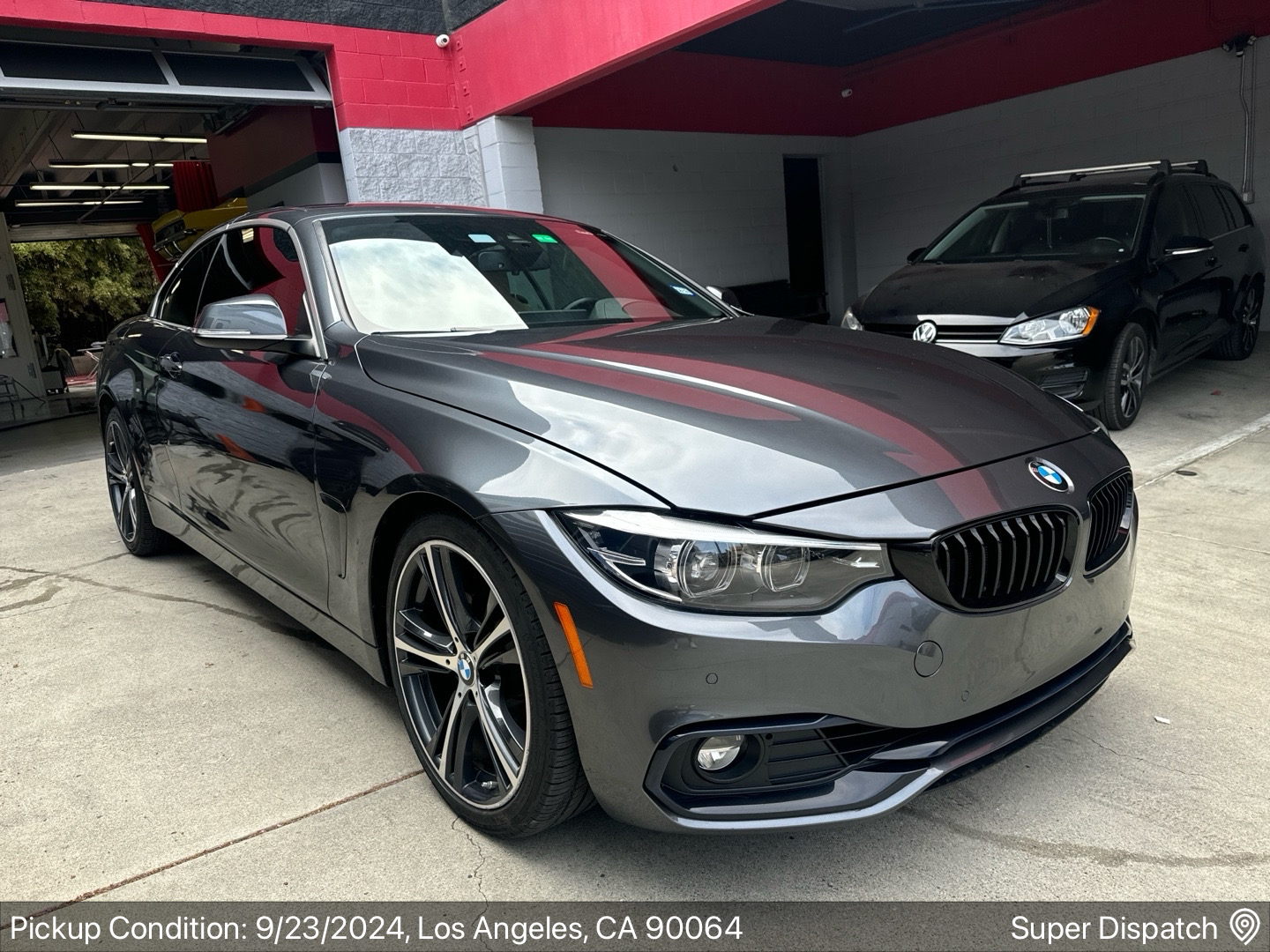
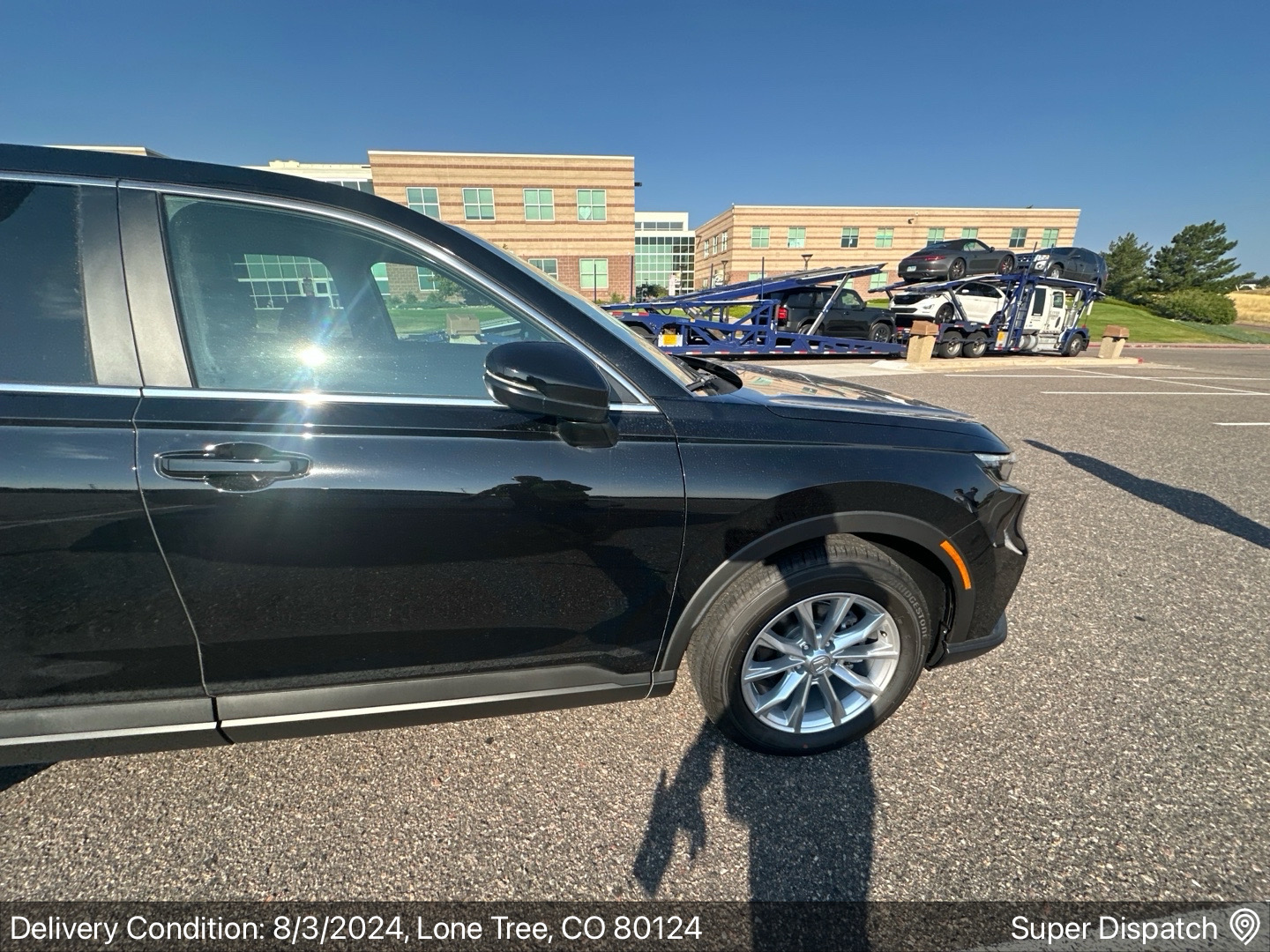
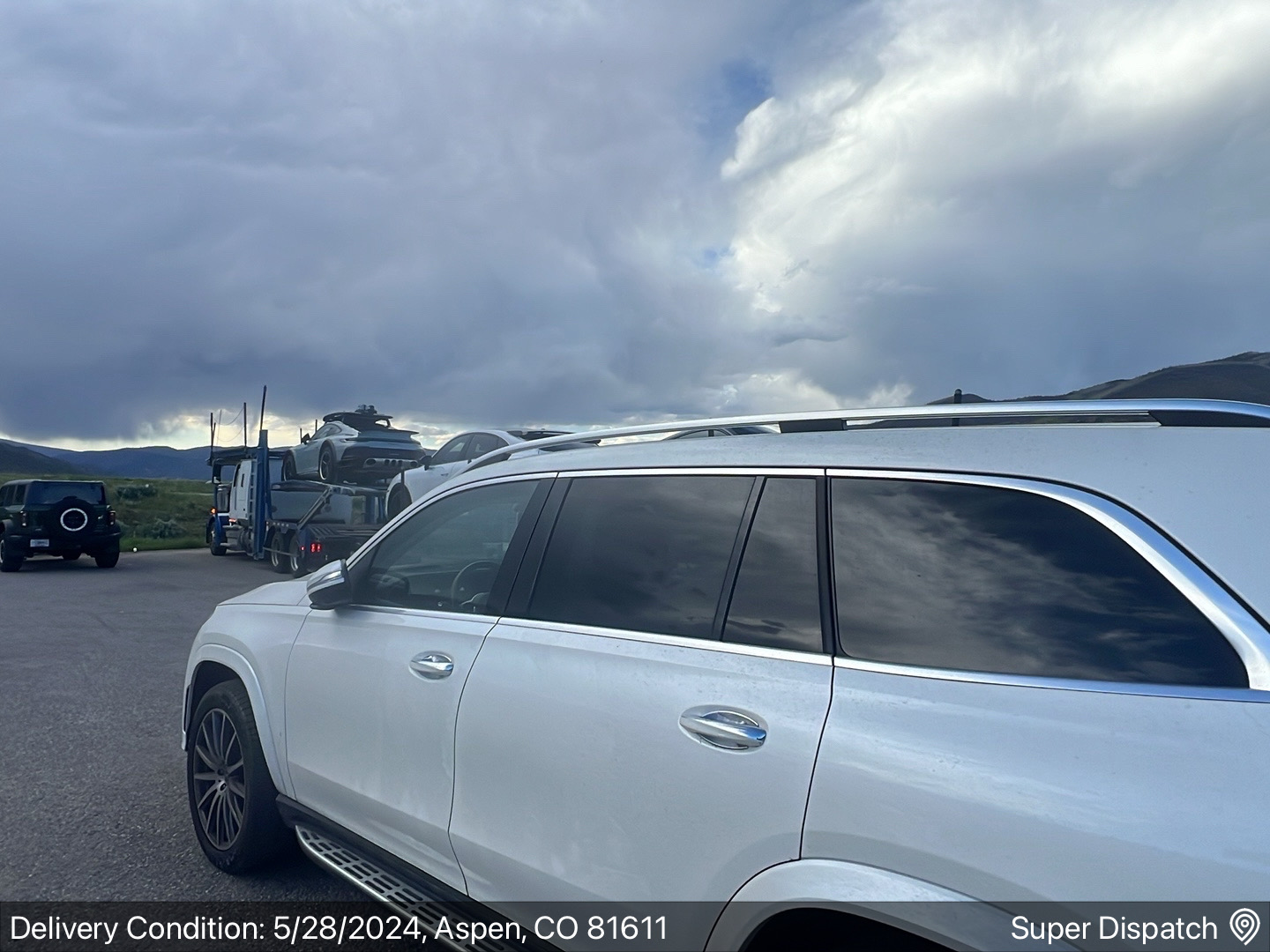
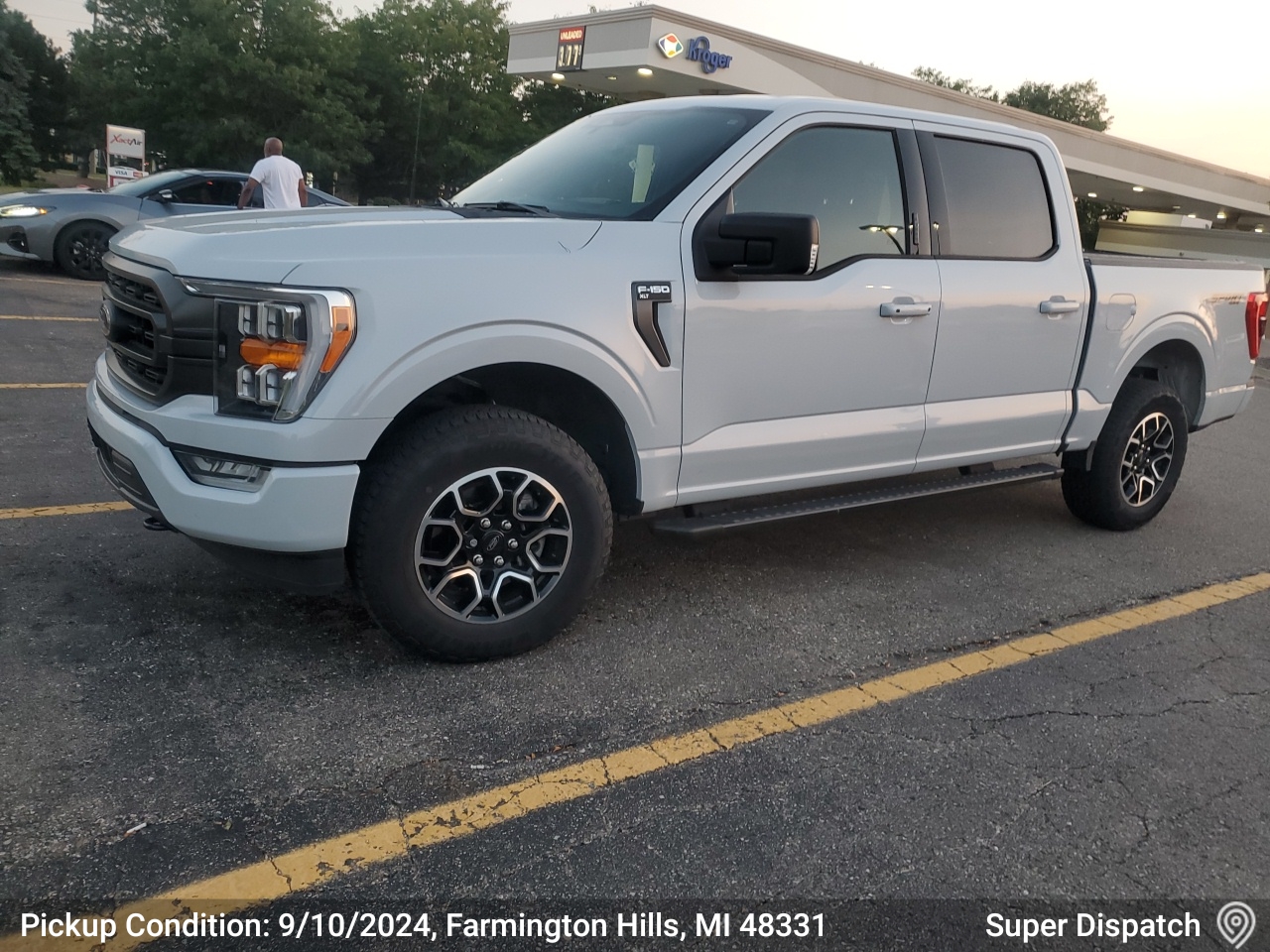
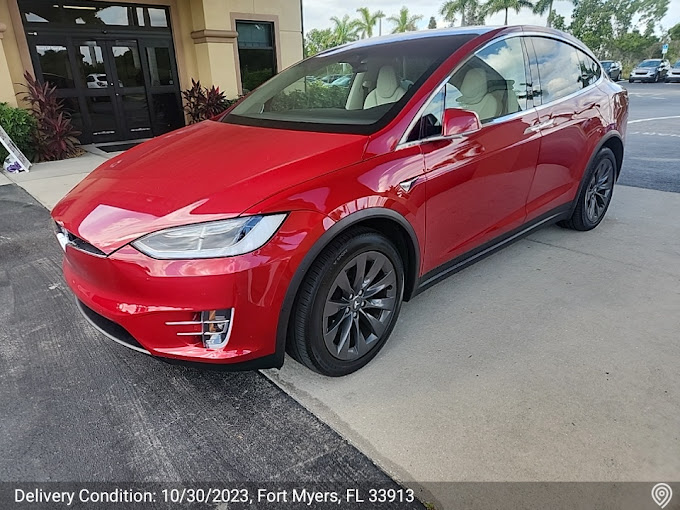
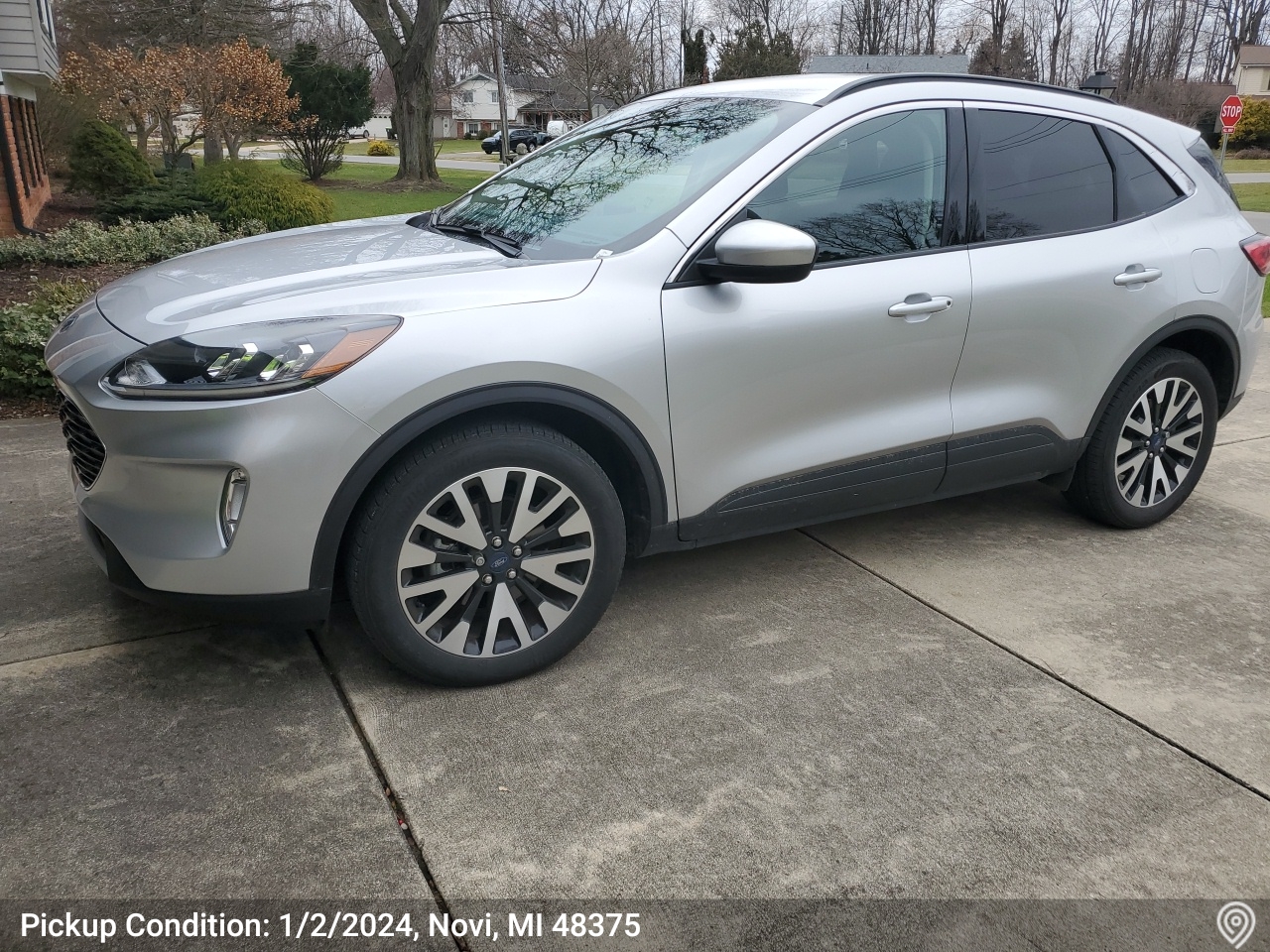
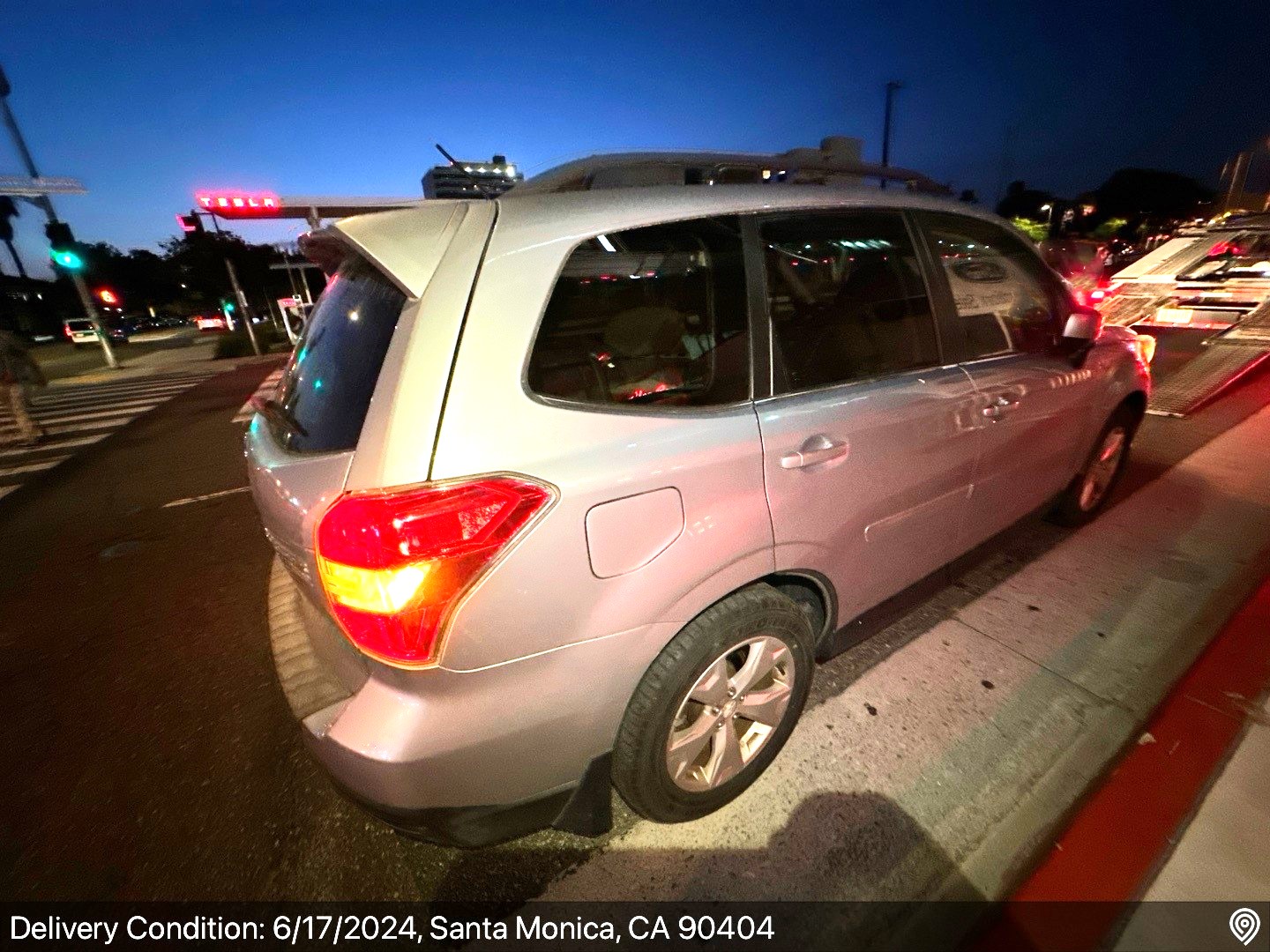
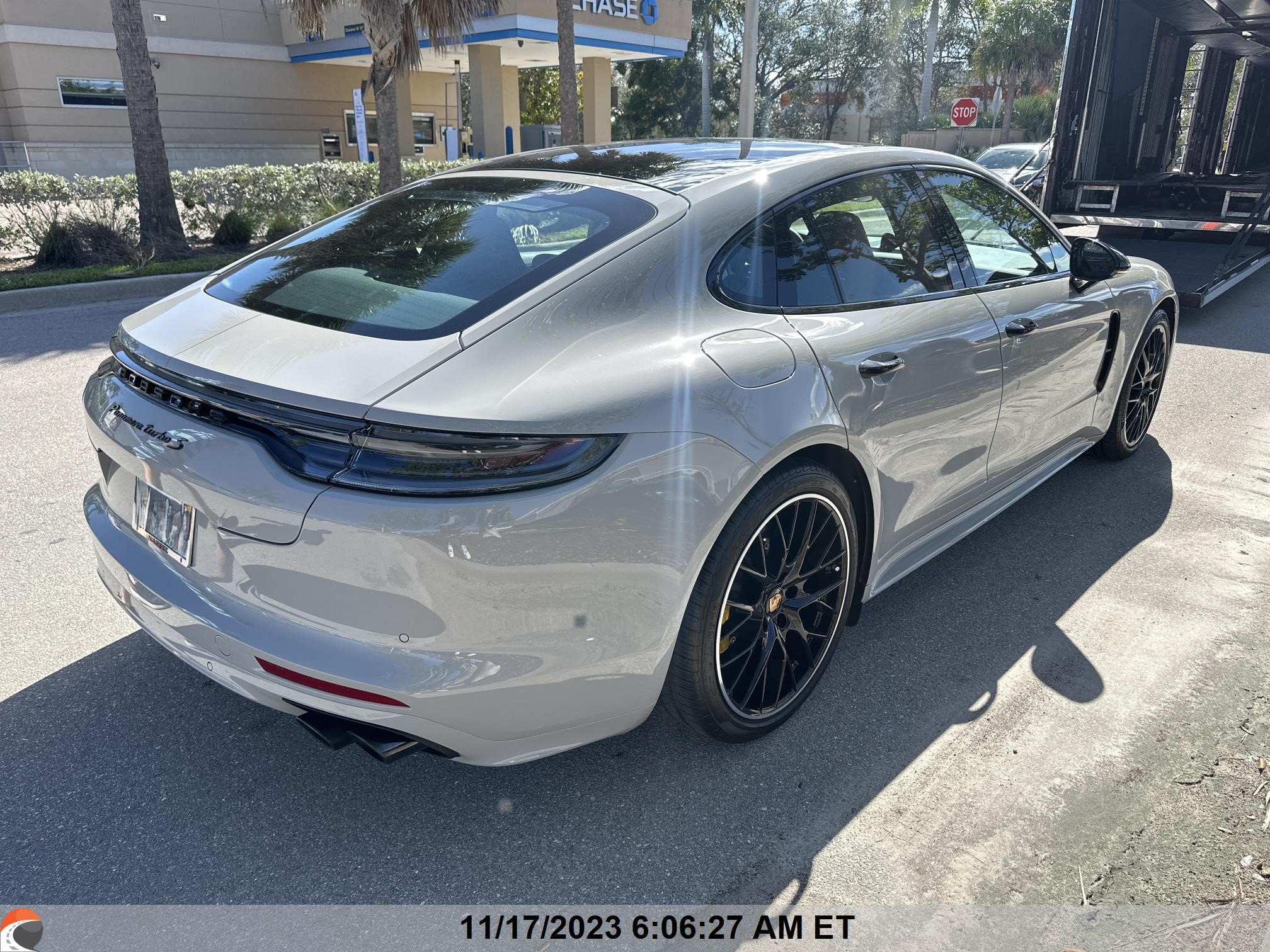
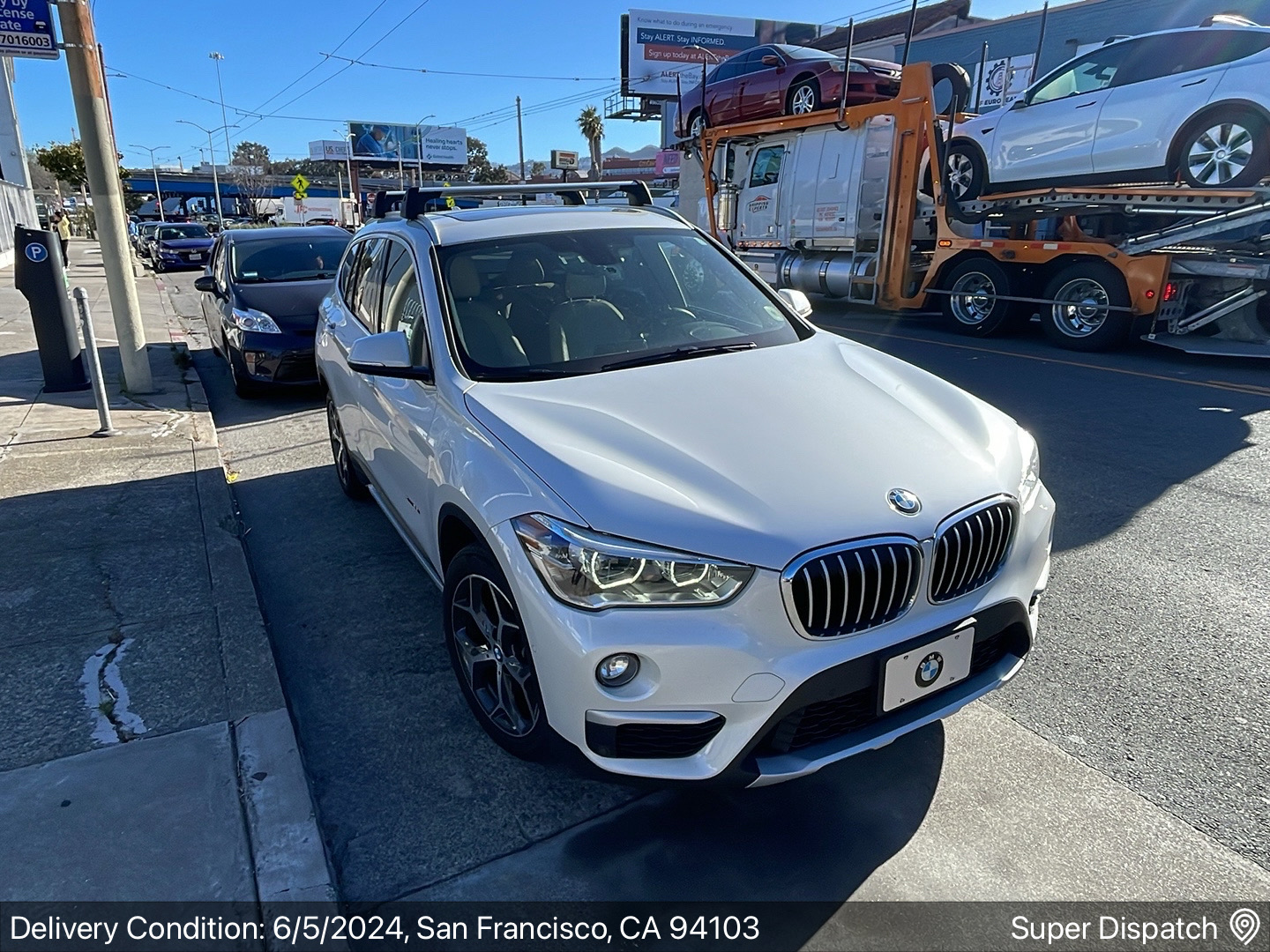
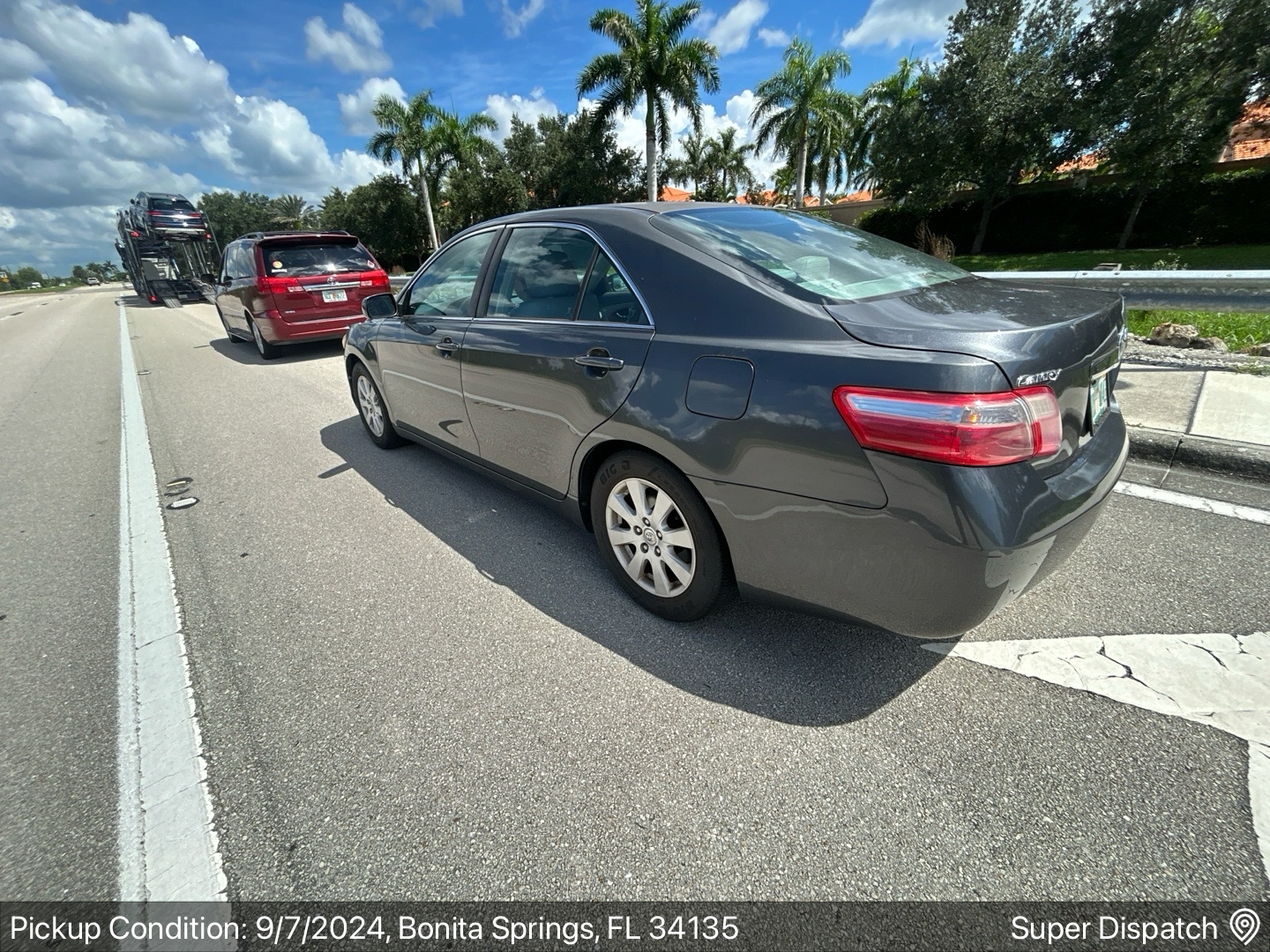
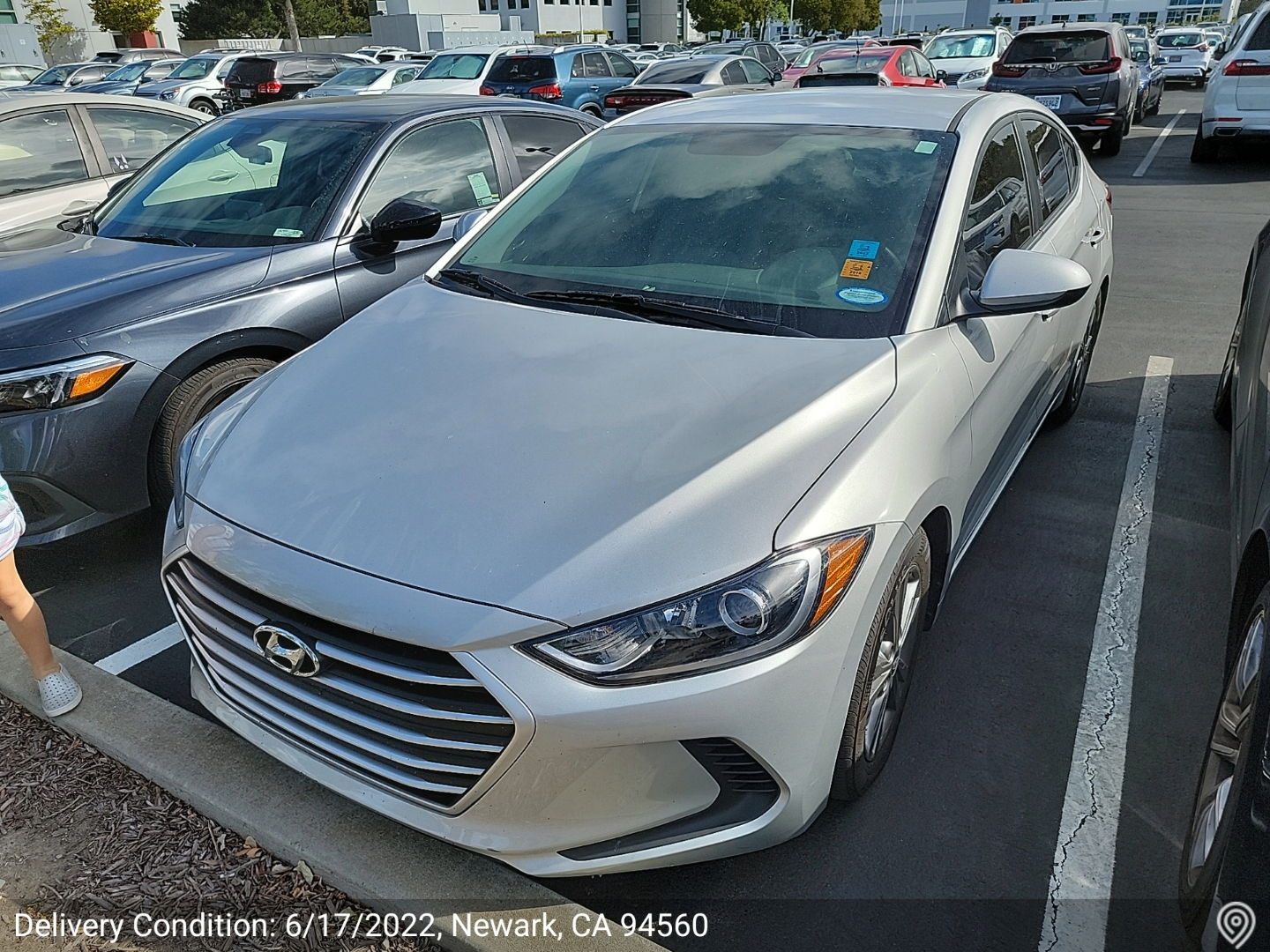
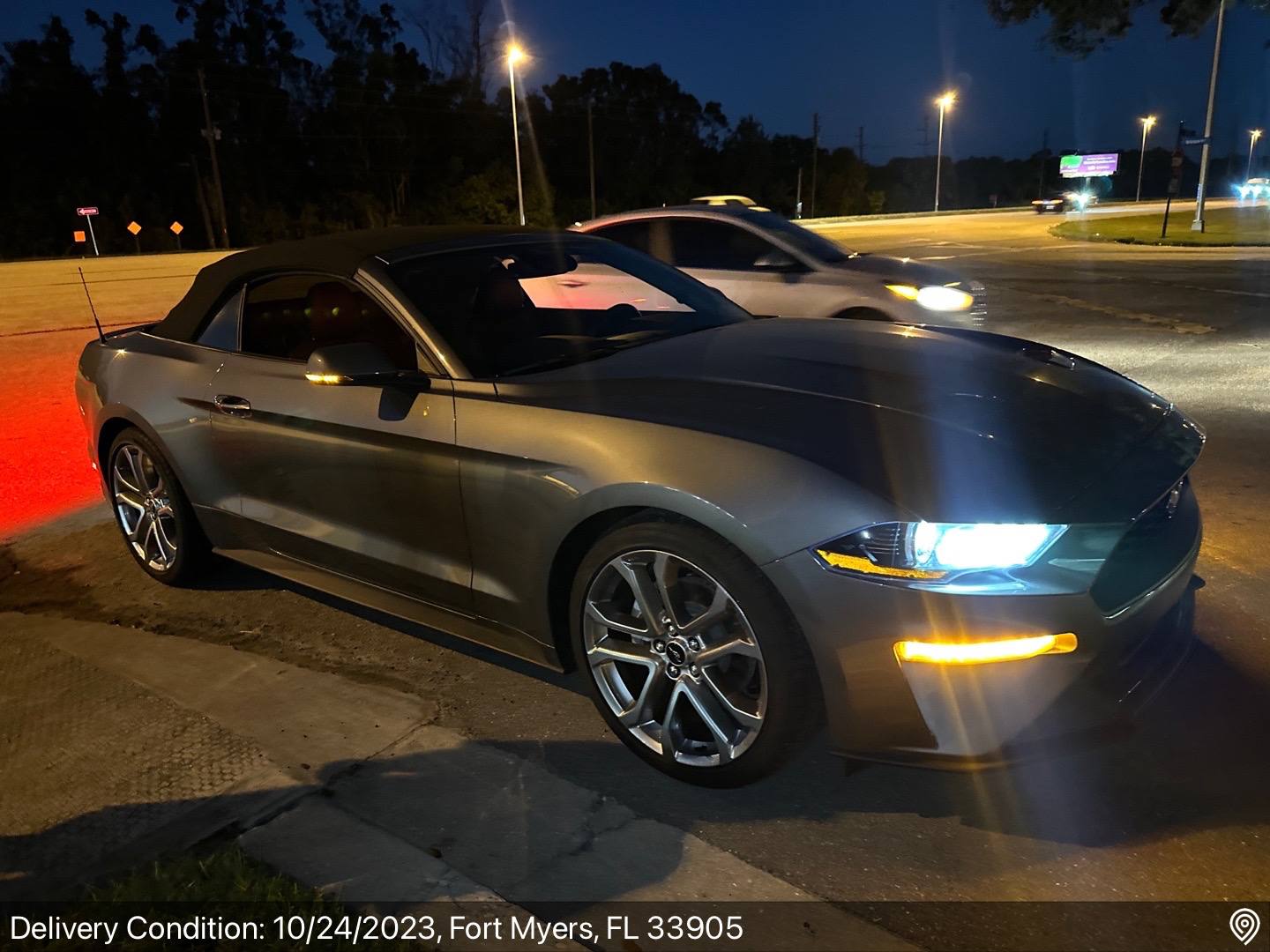
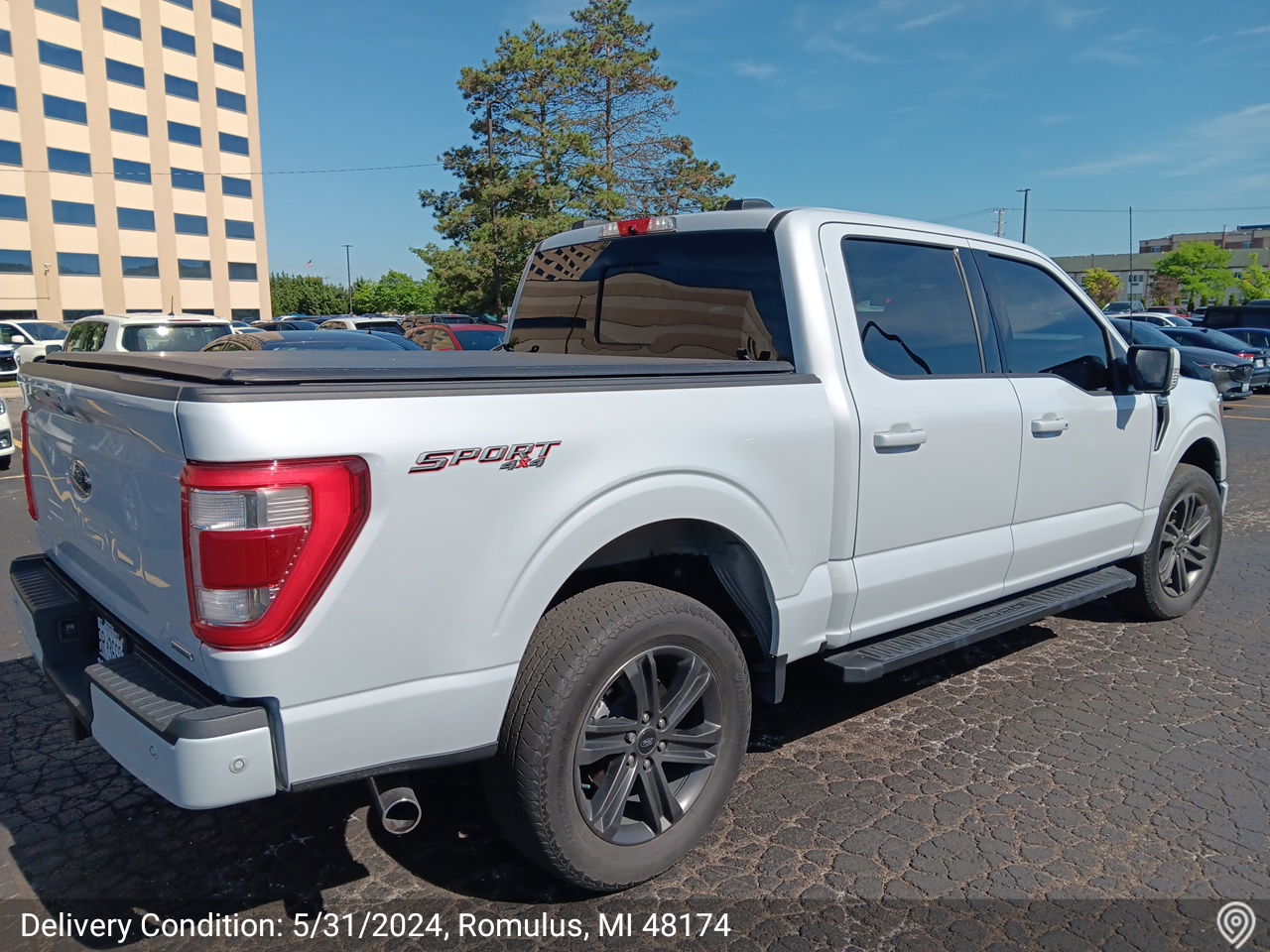
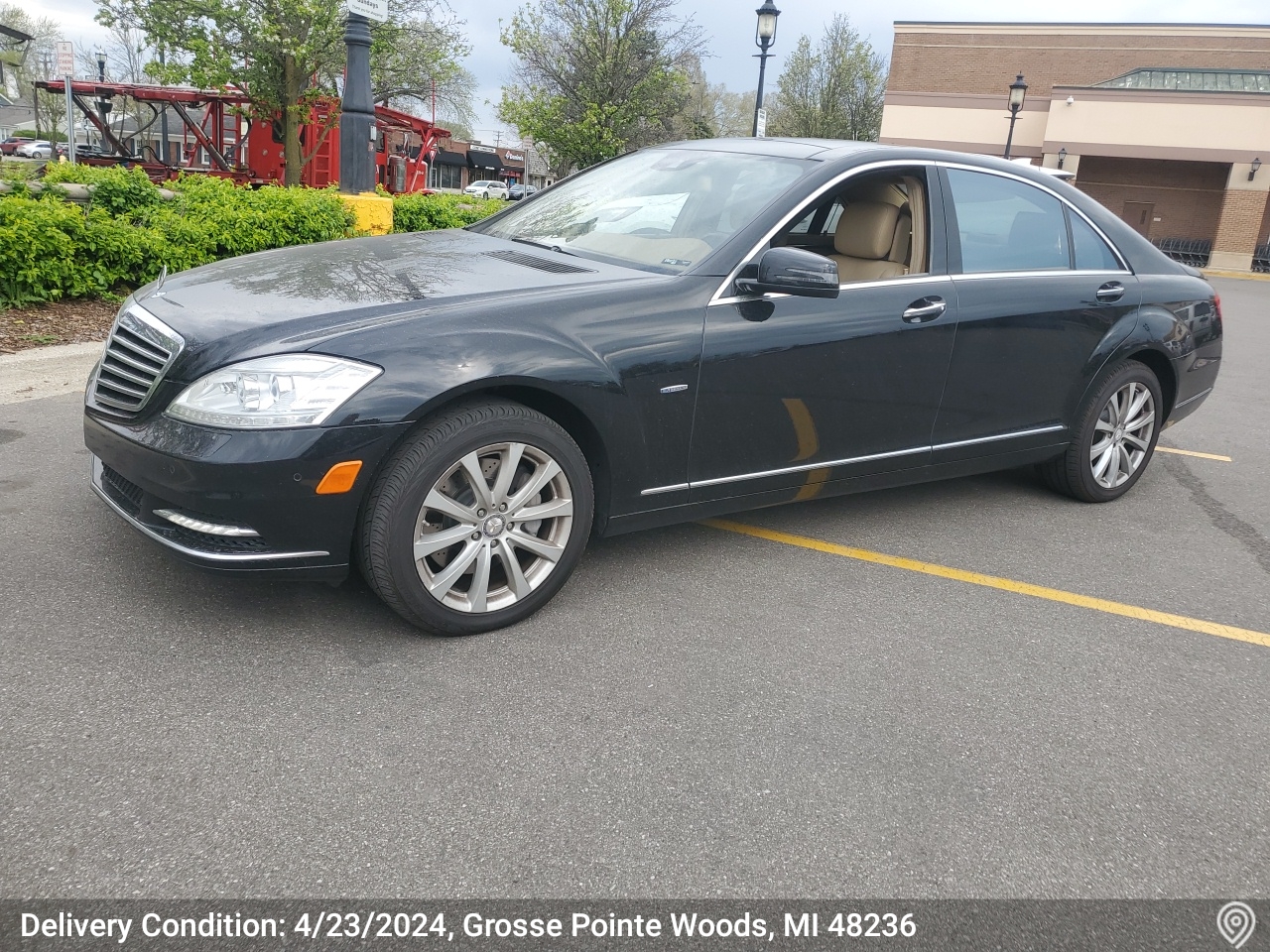
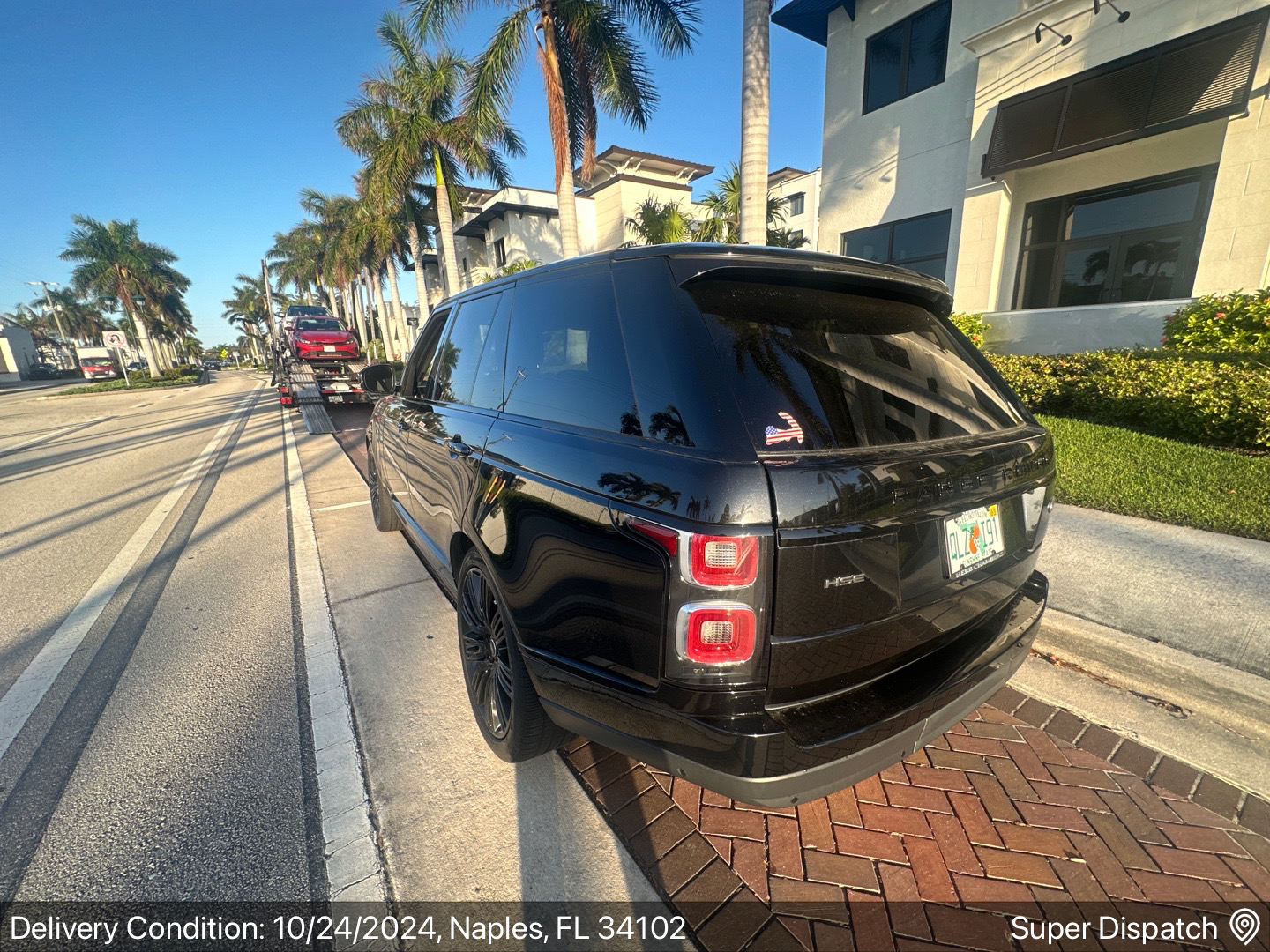
Pickup scheduling for San Francisco auto transport requires more coordination than most cities. Carriers serving the Bay Area are plentiful, but the metro's parking restrictions, traffic patterns, and narrow residential streets mean your vehicle often needs to meet the truck at an accessible staging point rather than at your front door. A parking lot near a wide arterial or a commercial block with truck clearance is the typical solution. We build a 3-day pickup window around your first available date, and with the city's carrier volume, that window is usually sufficient. Transit time after pickup depends on your destination.
Review your quote, confirm vehicle details and dates. No payment collected until a carrier is assigned.
We dispatch your order to our carrier network. You receive carrier details, insurance info, and estimated pickup window.
Carrier gives you 24 hours advance notice before pickup. Walk-around inspection together, every mark documented on the Bill of Lading, both parties sign.
Track your shipment status through your coordinator. We handle any schedule changes or logistics questions.
24-hour advance notice, then a call when close. Second walk-around inspection — damage during transport is extremely rare, but note any new issues on the Bill of Lading before signing. Once signed without exceptions, claims are extremely difficult to win.
Your carrier will give you roughly 24 hours advance notice before arriving. Because San Francisco's dense neighborhoods limit where large haulers can safely park, expect to confirm a nearby meeting point when you book. At pickup, the driver conducts a walk-around inspection, documents your vehicle's condition on the Bill of Lading, and you both sign off. Keep a copy. This record is your baseline for any comparison at delivery. Auto shipping San Francisco pickups typically run smoothly once the staging location is confirmed.
Your driver will call approximately 24 hours before reaching the delivery location. At drop-off, conduct a thorough inspection of your vehicle and compare its condition against the original Bill of Lading from pickup. Damage during transport is extremely rare, but if you notice anything new, note it on the Bill of Lading before signing. Once you sign without documenting damage, filing a claim becomes extremely difficult. San Francisco vehicle shipping deliveries follow the same process whether you're receiving at a residence or a commercial address.
Every carrier in our network is required to carry cargo insurance as a condition of their FMCSA operating authority. Coverage details vary by carrier and are confirmed before your vehicle is dispatched.
At pickup, the driver and you complete a joint vehicle inspection. Every scratch, dent, and existing mark is documented on the Bill of Lading. At delivery, you must carefully compare the vehicle's condition against this record before signing the delivery receipt. If you notice any new damage, note it on the Bill of Lading before you sign. Once you sign the delivery receipt without noting damage, it becomes extremely difficult to file and win a claim. This is the single most important step in protecting yourself during the transport process.
San Francisco's geography creates real constraints for multi-car haulers. Steep grades in neighborhoods like Nob Hill and Pacific Heights, combined with narrow one-way streets and aggressive parking enforcement, make it impractical for 75-foot transport trailers to operate door-to-door in most residential areas. I-80's Bay Bridge approach is the primary eastern entry point, and carriers typically stage near wider commercial corridors in SoMa, the Embarcadero, or along 19th Avenue where truck access is manageable.
When you schedule San Francisco auto transport with us, we identify a workable staging point during booking so there are no surprises on pickup day. Customers near the outer neighborhoods or the Sunset District may need to drive a few blocks to meet the carrier. This is standard practice in dense urban markets and does not affect transit time or the quality of service.
Tech and Corporate Relocations — The dominant segment in San Francisco. Workers moving between Bay Area campuses and cities like Austin, Seattle, or New York ship vehicles regularly. Ship a car from San Francisco with a flexible pickup date and carriers compete for your load. Request a free car shipping quote to get started.
Residents Leaving California — High outbound migration toward lower-cost states keeps departing carrier capacity strong. San Francisco car shipping companies actively seek loads heading east and south, which supports competitive rates on one-way moves out of the city.
Dealerships and Wholesale Buyers — Bay Area dealer volume is significant. Auto transport San Francisco CA handles both retail and wholesale moves, with open transport the standard for dealer inventory.
Academic and Medical Professionals — UCSF and USF generate relocation traffic throughout the year. Vehicle transport San Francisco accommodates moves on academic calendars with the same scheduling flexibility as any other shipment.
San Francisco car shipping cost depends on distance, route demand, vehicle dimensions, and transport type. Cross-country routes to East Coast cities carry higher rates than shorter runs to Los Angeles or Portland. The city's high outbound volume can influence pricing on departure routes differently than on inbound lanes. Request a quote for your specific route.
San Francisco sits at the western terminus of I-80 with direct access to major north-south and east-west corridors across California. Frequent carrier traffic through the Bay Area supports regular departure schedules. Actual transit depends on destination distance and route. For auto transport San Francisco CA timing, select your route above for details.
Yes, where access allows. Many San Francisco neighborhoods feature steep hills, narrow streets, and residential parking restrictions that prevent large carriers from reaching the exact address. In areas like the Tenderloin, SoMa, or Russian Hill, carriers may request a nearby meeting point with adequate clearance. Terminal-to-terminal service is also available as an alternative. We handle both inbound and outbound moves, including when you ship a car to San Francisco.
Open transport handles the vast majority of San Francisco vehicle shipping and works well for standard cars, SUVs, and trucks. Enclosed carriers offer added protection for high-value, classic, or luxury vehicles—worth considering given the city's concentration of collectible and premium automobiles. Enclosed availability is more limited than open transport, and pricing is typically higher, so book early if you need it.
San Francisco sees year-round auto transport demand with no major seasonal dropoff, thanks to California's mild climate and the city's steady relocation activity. Summer months bring slightly higher volume as academic moves from UCSF and USF overlap with peak corporate relocation season, which can tighten capacity on popular routes. Planning around these months works well if you need to ship a car from San Francisco.
Someone 18 or older must be present at both ends to authorize the shipment and sign the Bill of Lading. If you cannot attend personally, designate a trusted representative — a friend, family member, or dealership contact — to handle the vehicle inspection and paperwork on your behalf.
Yes. Every carrier in our network carries cargo insurance as required by their FMCSA operating authority. Coverage specifics are confirmed before dispatch. At both pickup and delivery, you complete a joint vehicle inspection documented on a Bill of Lading — this protects you if any issue arises.
Yes, we transport non-running vehicles to San Francisco. The vehicle needs to roll, steer, and brake for standard loading. Vehicles that cannot roll may require a winch or forklift at additional cost. Mention the vehicle's condition when requesting your quote.
Wash the exterior so scratches and dents are visible during inspection. Remove toll transponders, parking passes, and loose interior items. Leave roughly a quarter tank of fuel. Disable aftermarket alarms. Take dated photos of all sides, roof, and odometer before the carrier arrives for your records.
Most carriers allow personal belongings in the trunk or cargo area up to about 100 pounds. Items must stay below the window line and cannot be fragile or high-value. Personal items are not covered under carrier cargo insurance, so keep the vehicle as empty as practical.