Door-to-door car shipping with fully insured carriers. No upfront payment.
Raleigh auto transport operates from one of North Carolina's strongest carrier corridors, with I-40 and I-440 converging directly in the city and placing it at the center of east-west traffic across the state. As the state capital and a Research Triangle anchor, Raleigh generates consistent shipping volume from corporate relocations, university moves, and government workforce transfers year-round. Common corridors include Raleigh to Charlotte along I-85 and Raleigh to the Northeast via I-95, both of which see regular carrier runs. That frequency translates to competitive route options and reliable scheduling for anyone shipping a car to Raleigh or out of it.
Wide streets and standard commercial access throughout the metro make door-to-door pickup and delivery straightforward for most neighborhoods. Carrier availability here is strong, meaning most customers can secure a pickup slot without extended lead times. Book at least a week out during fall and spring university move cycles, when demand from NC State and surrounding campuses adds volume to an already active market. Auto shipping Raleigh customers benefit from this infrastructure more than smaller North Carolina markets do.
As North Carolina's state capital and a cornerstone of the Research Triangle, Raleigh generates consistent demand for auto transport Raleigh NC services. North Carolina State University drives seasonal student vehicle moves each fall and spring, while the region's expanding tech and biotech sectors—alongside a large state government workforce—fuel year-round corporate relocations. Many customers ship a car to Raleigh when accepting positions in the Triangle or ship a car from Raleigh when transferring to other metro areas. This activity keeps shipping a car from Raleigh a steady market.
Raleigh's position along I-40 gives carriers a direct east-west artery connecting the city to Durham, Greensboro, and beyond to Asheville. Car shipping Raleigh NC routes also benefit from proximity to I-95, the primary north-south corridor along the Eastern Seaboard. This highway network supports regular carrier frequency and competitive route options for Raleigh vehicle shipping, an advantage for anyone shipping a car to Raleigh.
North Carolina's hurricane season runs from June through November, and tropical systems can disrupt carrier schedules across the eastern part of the state. Carriers may adjust pickup and delivery windows when storms threaten the region, so customers planning moves during these months should monitor weather developments and maintain communication with their broker.
Totally professional and on time. They arrived almost to the minute for pick-up. Our Corvette was in a covered transport. Highly recommend.
They picked it up on time and delivered it when they said they would. Great service for a great price.
The transport of the vehicle went according to plan. Vehicle was delivered on time and in good condition.
Raleigh car shipping cost sits in the standard market range for North Carolina, reflecting solid carrier competition across both the I-40 and I-95 corridors. As a Tier 1 metro, Raleigh attracts enough carrier traffic that rates stay predictable rather than inflated by scarcity. Customers shipping between Raleigh and major Eastern Seaboard cities will generally find pricing comparable to other well-connected metros, without the premium that applies to smaller or rural North Carolina markets. Raleigh auto transport companies compete actively on this volume, which benefits customers on both ends of the move.
Seasonal demand does create modest pricing shifts. Fall and spring university cycles add load volume, and the broader hurricane season from June through November can tighten carrier availability across eastern North Carolina, occasionally pushing rates upward when storms disrupt regional schedules. Enclosed car shipping Raleigh customers should expect to pay 40 to 60 percent more than open transport rates regardless of season. Get your free auto transport quote today.
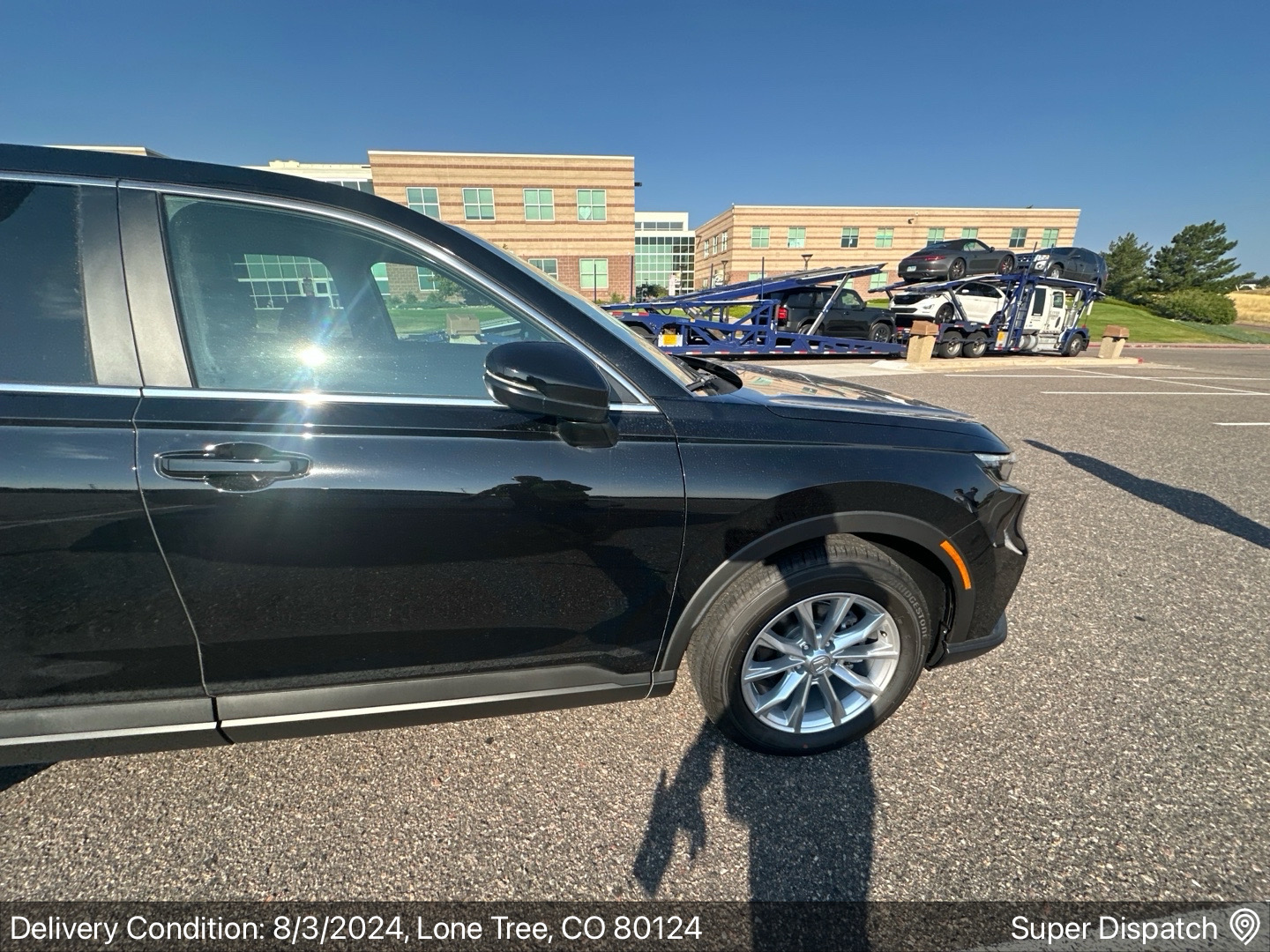
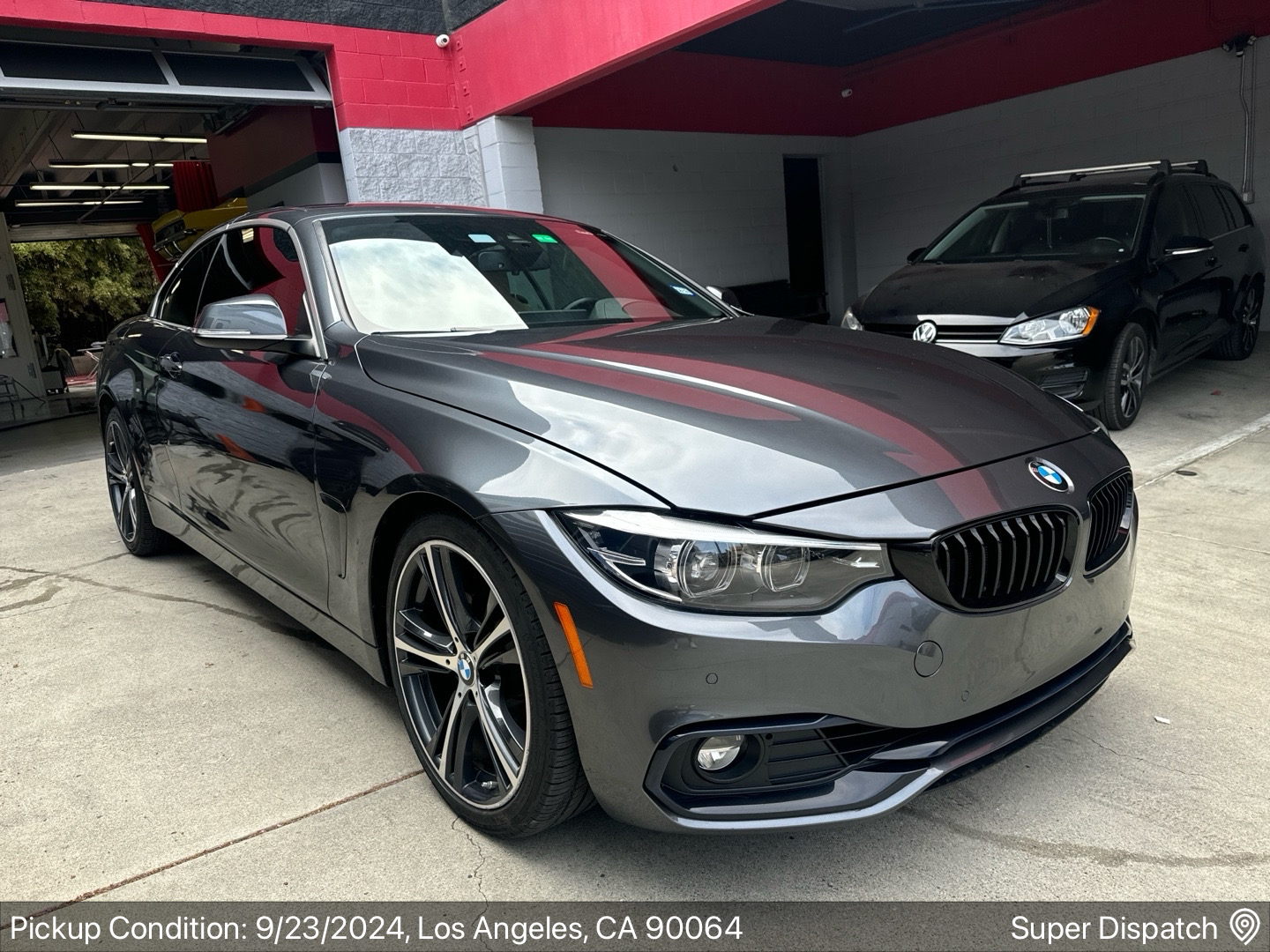
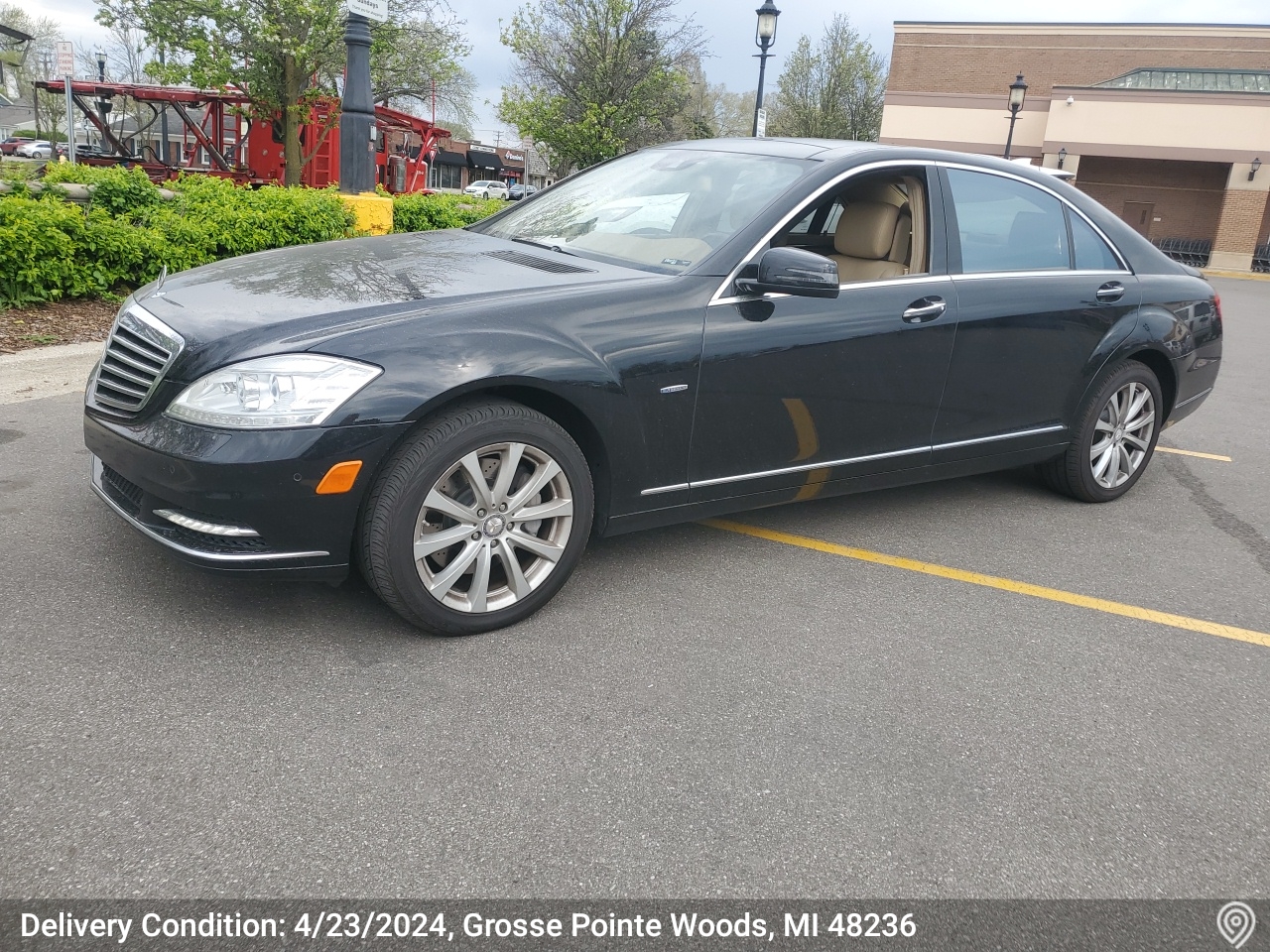
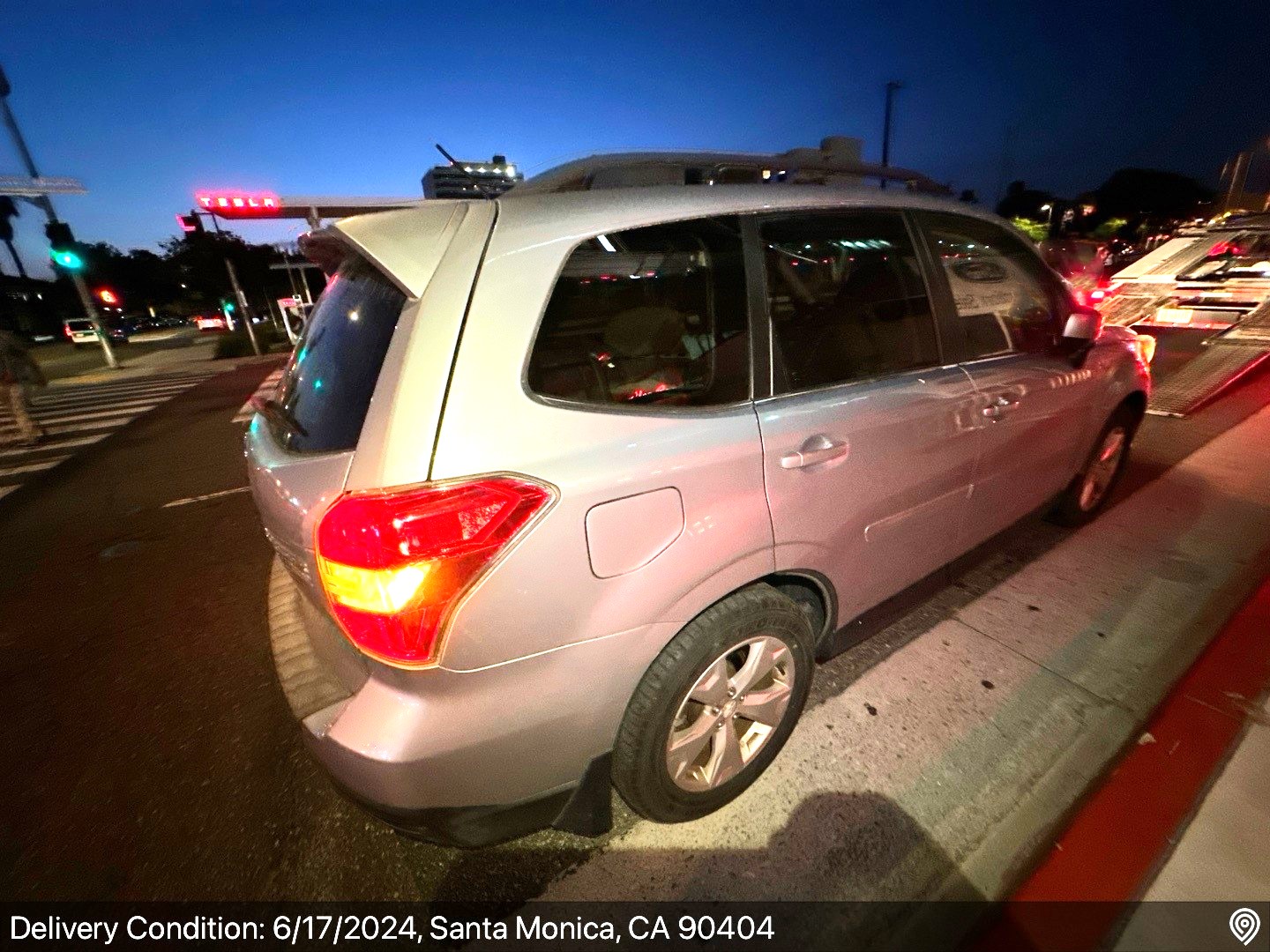
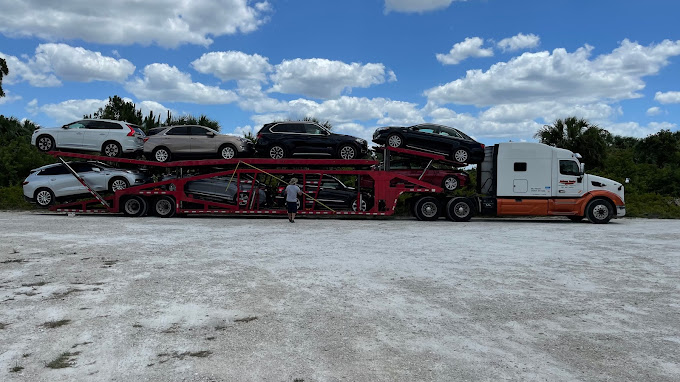
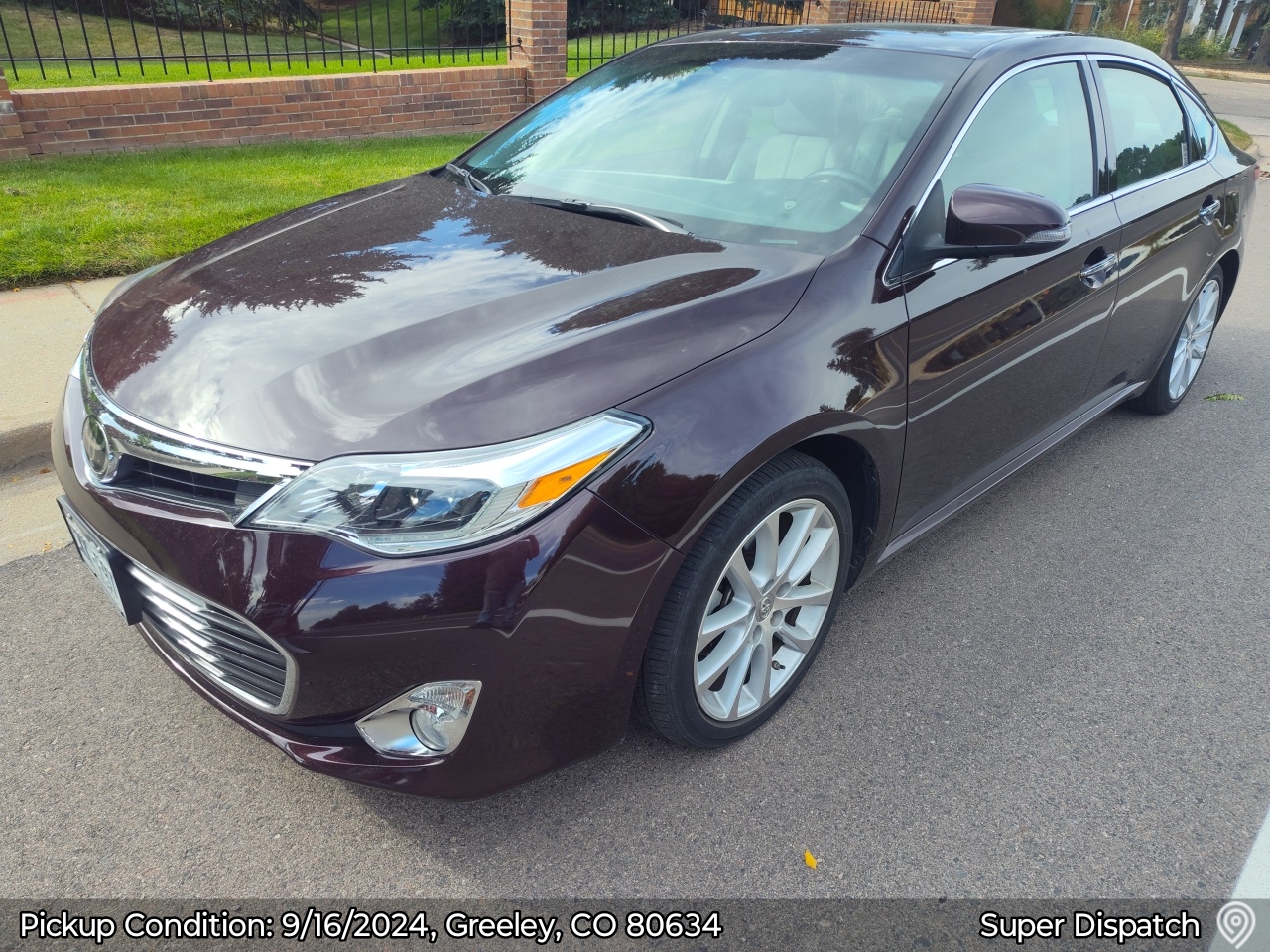
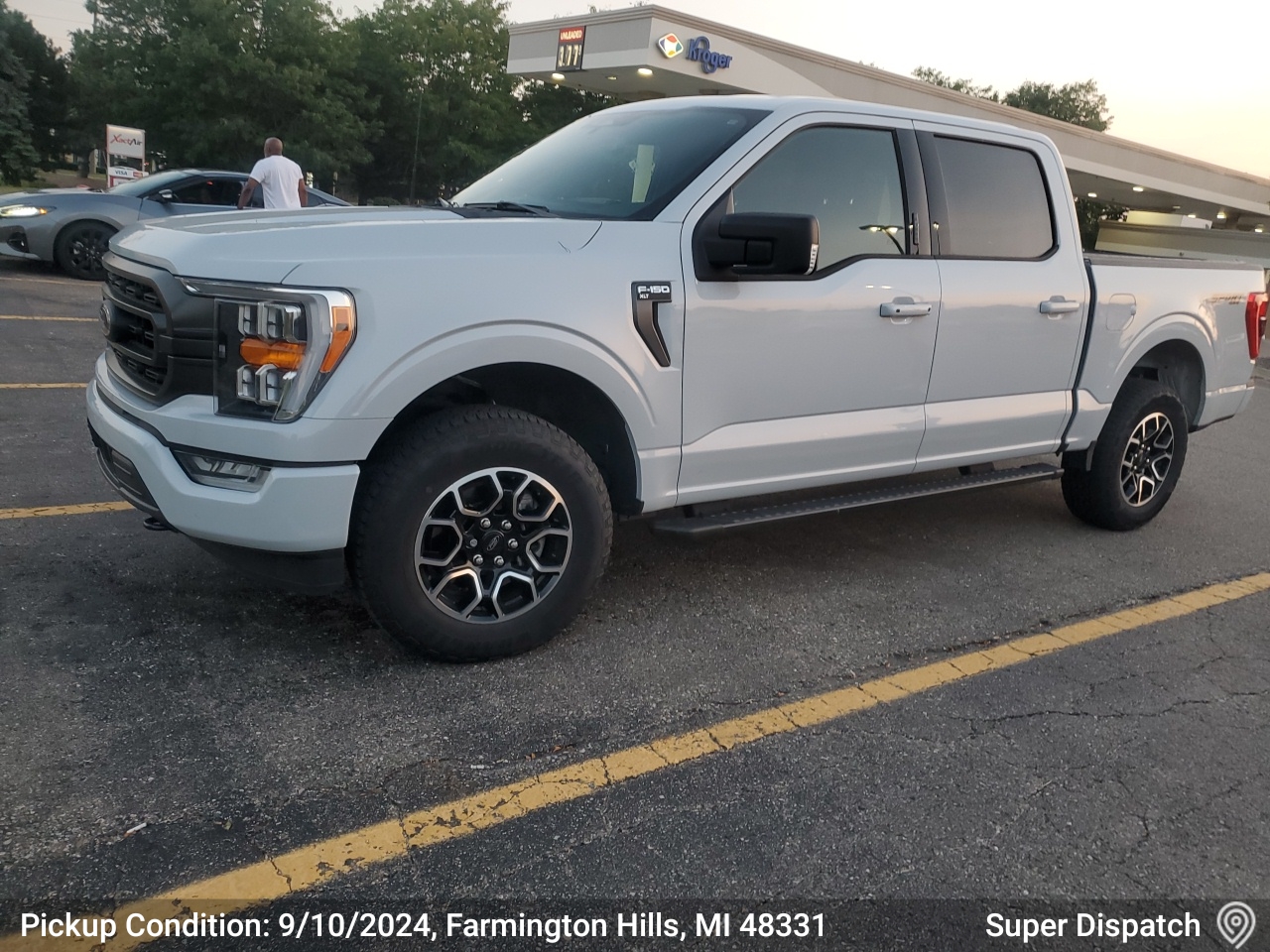
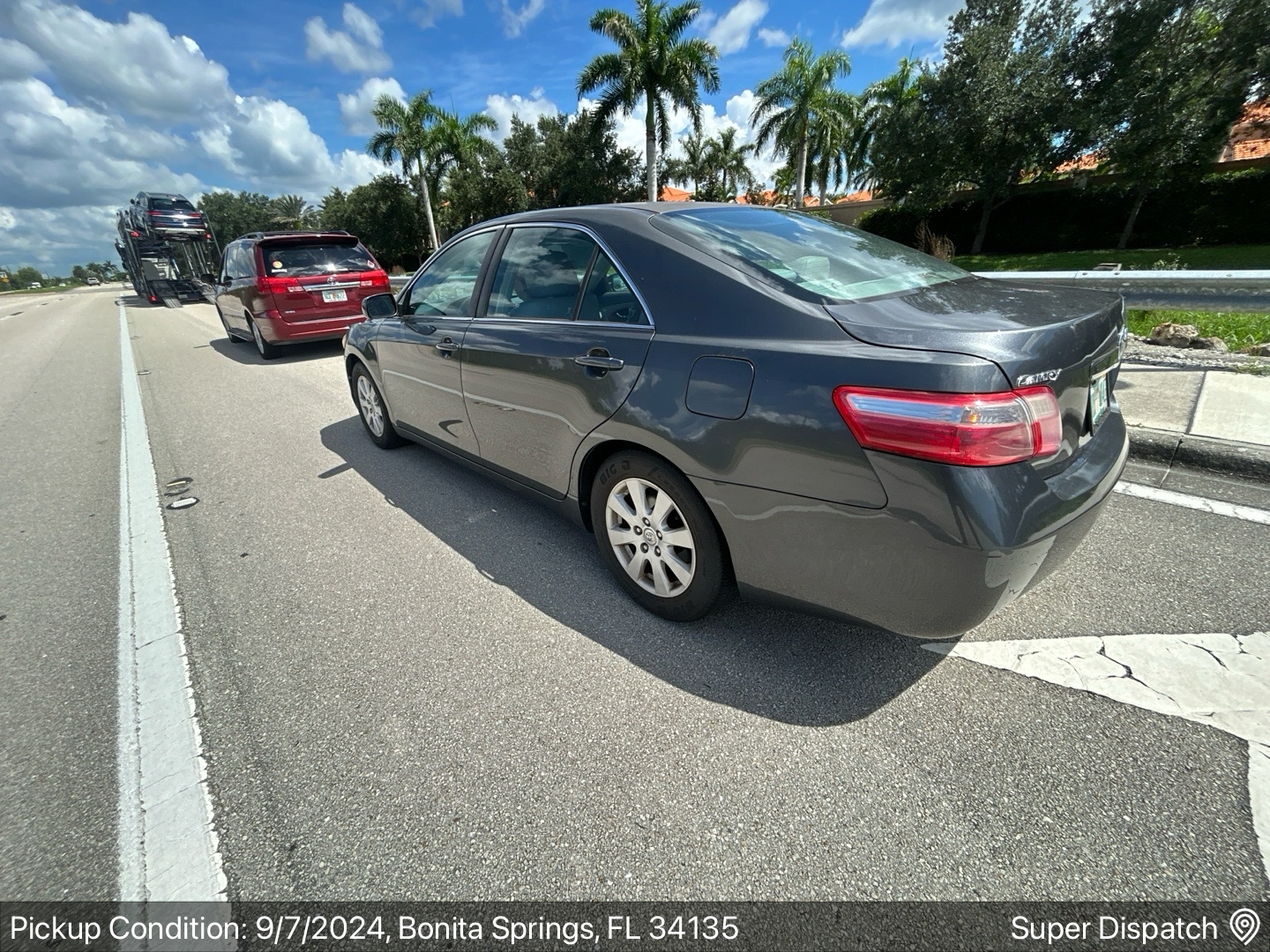
Most Raleigh auto transport pickups happen within the standard 3-day window we build around your first available date. Strong carrier availability across the I-40 corridor supports consistent dispatch, and wide residential streets mean carriers rarely need to coordinate special staging. Transit times vary by destination — Northeast runs via I-95 typically move faster than cross-country shipments. Hurricane season is the primary scheduling variable: tropical systems tracking toward eastern North Carolina can delay carrier movement across the region, so customers with firm delivery deadlines during June through November should communicate early and stay in contact with their broker throughout the process.
Raleigh's position as a military hub shapes a portion of its auto transport demand throughout the year. Fort Liberty (formerly Fort Bragg), roughly 60 miles southwest, generates PCS relocation traffic that flows through the Triangle on a rolling basis. Military families shipping a car to Raleigh or departing for new duty stations tend to cluster moves around the summer PCS season, typically May through August, which adds load volume to an already active market. Booking early during those months gives you better carrier options and more scheduling flexibility.
Beyond PCS cycles, North Carolina's hurricane season runs from June through November and can affect carrier availability across the eastern part of the state. Raleigh auto transport schedules generally hold unless a storm tracks directly toward the region, but customers planning moves during peak hurricane months should build in buffer time and monitor forecasts. Vehicle transport Raleigh customers with flexible pickup dates navigate these disruptions more easily than those locked into tight windows.
Review your quote, confirm vehicle details and dates. No payment collected until a carrier is assigned.
We dispatch your order to our carrier network. You receive carrier details, insurance info, and estimated pickup window.
Carrier gives you 24 hours advance notice before pickup. Walk-around inspection together, every mark documented on the Bill of Lading, both parties sign.
Track your shipment status through your coordinator. We handle any schedule changes or logistics questions.
24-hour advance notice, then a call when close. Second walk-around inspection — damage during transport is extremely rare, but note any new issues on the Bill of Lading before signing. Once signed without exceptions, claims are extremely difficult to win.
Your carrier will contact you roughly 24 hours before arriving to confirm the pickup window. At pickup, both you and the driver conduct a walk-around inspection of the vehicle, documenting any existing scratches, dents, or chips on the Bill of Lading. Raleigh's open street access means most residential and commercial locations work without issue. Sign the BOL only after confirming the condition notes are accurate — that document is the baseline for any future claim. Keep a copy for your records.
The driver will call approximately 24 hours before reaching the destination to coordinate timing. At delivery, conduct a thorough inspection against the original Bill of Lading before signing anything. Damage during transport is extremely rare, but if you notice anything new, note it on the BOL immediately and photograph it before the driver leaves. Signing the delivery BOL without documenting damage makes filing a claim significantly harder. Car transport Raleigh customers should treat that final inspection as a required step, not a formality.
Every carrier in our network is required to carry cargo insurance as a condition of their FMCSA operating authority. Coverage details vary by carrier and are confirmed before your vehicle is dispatched.
At pickup, the driver and you complete a joint vehicle inspection. Every scratch, dent, and existing mark is documented on the Bill of Lading. At delivery, you must carefully compare the vehicle's condition against this record before signing the delivery receipt. If you notice any new damage, note it on the Bill of Lading before you sign. Once you sign the delivery receipt without noting damage, it becomes extremely difficult to file and win a claim. This is the single most important step in protecting yourself during the transport process.
Raleigh's road network is well-suited for transport carriers. Wide residential streets, accessible commercial zones, and the convergence of I-40 and I-440 near the city center give drivers multiple approach options for most neighborhoods. Standard carrier trailers — including multi-car open haulers — can navigate the majority of Raleigh addresses without requiring a staging location or special coordination.
The one exception worth noting: if you're in a newer subdivision with narrow cul-de-sacs or gated access, let your coordinator know in advance. In those cases, meeting the carrier at a nearby shopping center or open parking area is a simple solution that keeps the pickup on schedule. Auto transport services Raleigh customers in dense downtown blocks may also find a nearby surface lot more practical than curbside pickup on a busy street.
Corporate Relocations — Raleigh's expanding tech and biotech sectors, combined with a large state government workforce, make corporate relocation the dominant driver of Raleigh auto transport volume. Employees accepting Triangle positions regularly need to ship a car to Raleigh on tight timelines. Request a free car shipping quote.
Military and PCS Moves — Fort Liberty's proximity means military families frequently route PCS shipments through the Raleigh area. Raleigh car shipping companies experienced with military moves understand the documentation and timing requirements that come with government-ordered relocations.
Students — NC State and nearby universities generate predictable fall and spring vehicle shipping cycles. Shipping a car to Raleigh at the start of a semester is common, as is shipping it home at year's end.
Dealerships and Wholesale — Dealer transfers between Raleigh and Charlotte or the coast move regularly on established carrier routes, keeping Raleigh vehicle shipping options competitive for wholesale buyers and sellers alike.
Raleigh car shipping cost depends on distance, vehicle type, route demand, and time of year. The city's strong carrier traffic along I-40 and proximity to I-95 help keep pricing competitive for most routes. Oversized vehicles or inoperable units require additional equipment and typically command higher rates. Request a quote for your specific route.
Raleigh sits on the I-40 corridor with regular carrier movement through North Carolina, which supports efficient scheduling for auto transport Raleigh NC routes. Transit duration varies by destination distance and current route demand. Select your route above for timing details.
Yes. Raleigh's suburban layout and wide residential streets throughout neighborhoods like North Hills, Brier Creek, and areas near NC State make door-to-door pickup and delivery accessible across most of the city. We coordinate service directly to your address where road conditions permit. This coverage extends to customers who ship a car to Raleigh as well.
Open transport Raleigh works well for most vehicles shipped to or from Raleigh and accounts for the majority of carrier capacity on North Carolina routes. Enclosed car shipping Raleigh provides added protection for luxury, classic, or high-value vehicles—particularly useful during hurricane season when weather exposure increases. Enclosed availability is more limited than open transport, and pricing is typically higher.
NC State's academic calendar creates demand spikes in August and May for student vehicle moves. Summer months also bring higher volume from corporate relocations into the Triangle. Booking outside these peaks—late fall or early winter—often means more flexible scheduling and less competition for Raleigh car shipping routes, which works well if you plan to ship a car from Raleigh.
Someone 18 or older must be present at both ends to authorize the shipment and sign the Bill of Lading. If you cannot attend personally, designate a trusted representative — a friend, family member, or dealership contact — to handle the vehicle inspection and paperwork on your behalf.
Yes. Every carrier in our network carries cargo insurance as required by their FMCSA operating authority. Coverage specifics are confirmed before dispatch. At both pickup and delivery, you complete a joint vehicle inspection documented on a Bill of Lading — this protects you if any issue arises.
Yes, we transport non-running vehicles to Raleigh. The vehicle needs to roll, steer, and brake for standard loading. Vehicles that cannot roll may require a winch or forklift at additional cost. Mention the vehicle's condition when requesting your quote.
Wash the exterior so scratches and dents are visible during inspection. Remove toll transponders, parking passes, and loose interior items. Leave roughly a quarter tank of fuel. Disable aftermarket alarms. Take dated photos of all sides, roof, and odometer before the carrier arrives for your records.
Most carriers allow personal belongings in the trunk or cargo area up to about 100 pounds. Items must stay below the window line and cannot be fragile or high-value. Personal items are not covered under carrier cargo insurance, so keep the vehicle as empty as practical.