Door-to-door car shipping with fully insured carriers. No upfront payment.
Pueblo auto transport operates through a mid-market city with direct I-25 access, connecting northbound runs toward Colorado Springs and Denver with southbound routes into New Mexico. That interstate corridor draws carriers already running the Front Range, which creates steady but not abundant coverage. Retirees relocating along the Front Range, snowbird departures heading south for winter, and workforce moves tied to the Pueblo Chemical Depot all generate consistent demand for car shipping companies in Pueblo year-round.
The practical challenge is that many residential areas outside the city core sit on rural two-lane roads where large transport trailers cannot safely maneuver. Door-to-door pickup is not always possible, and meeting the carrier at a staging point near I-25 is often the more reliable path. For auto transport Pueblo CO customers, booking one to two weeks ahead gives dispatchers enough time to match your vehicle with a carrier already running this stretch of the corridor.
Pueblo's lower cost of living compared to the Front Range corridor draws retirees and relocators from across Colorado and beyond, generating steady demand for Pueblo auto transport. Seasonal snowbird traffic adds volume as older residents ship vehicles to warmer destinations for winter months. The city's steel industry heritage and the Pueblo Chemical Depot also contribute to periodic transport needs tied to workforce moves, which drives regular volume for shipping a car from Pueblo.
While I-25 provides a direct north-south corridor through the city, Pueblo sits below the higher-traffic Colorado Springs and Denver markets. Carriers running the I-25 route between New Mexico and northern Colorado do pass through, but scheduling flexibility is narrower than in those larger hubs. Booking at least one to two weeks ahead improves the chances of matching with a carrier already running this stretch. This carrier volume supports flexible scheduling when shipping a car to Pueblo.
Winter weather in southern Colorado can disrupt car shipping Pueblo CO schedules, particularly when storms affect I-25 through Raton Pass to the south or the Palmer Divide to the north. Rural roads outside city limits may become impassable during heavy snow events, making meeting-point coordination along the interstate a practical alternative for pickups during colder months.
Communication was fantastic, arrived early. Customer service was great from start to finish.
Could not have been happier with the delivery of my classic Mustang. Easy engagement and setup, great communication and delivery.
No problems. Everything as promised. Pickup and delivery time as promised.
Pueblo car shipping cost reflects the city's position below the higher-traffic Denver and Colorado Springs markets. Carrier competition here is steady but not intense, which means rates typically run close to Colorado averages rather than the discounted levels you see in major metro hubs. Demand from snowbird departures and Front Range relocations keeps the market active, but thinner carrier volume means pricing does not compress the way it does in cities with daily multi-carrier runs.
Winter weather adds a pricing variable specific to southern Colorado. When storms hit Raton Pass or the Palmer Divide, carriers reroute or delay, which can tighten available capacity and push rates upward during peak storm months. Shipments booked in spring and fall typically move under more favorable conditions. Get a no-obligation car transport quote to see current rates for your specific route.
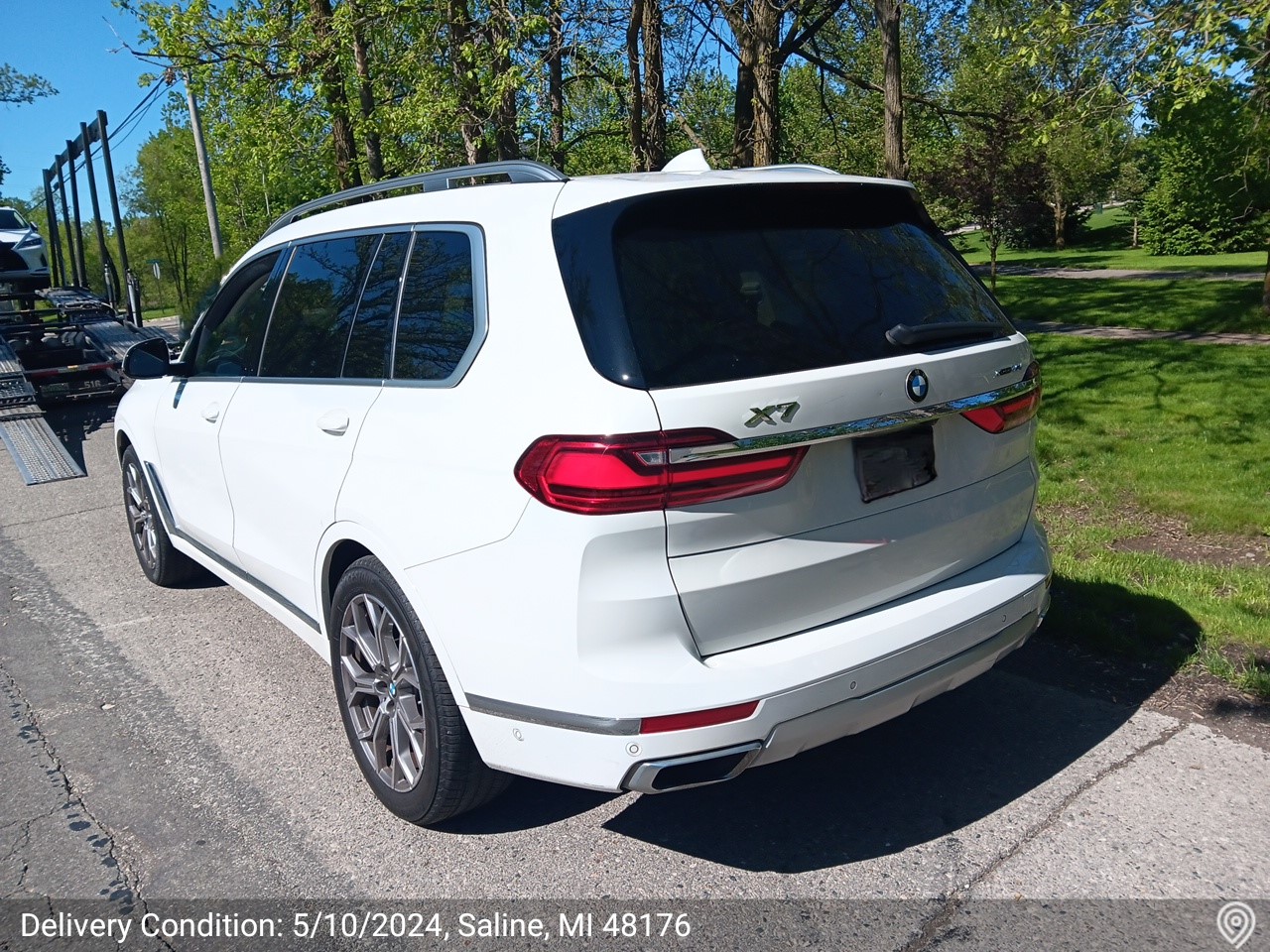
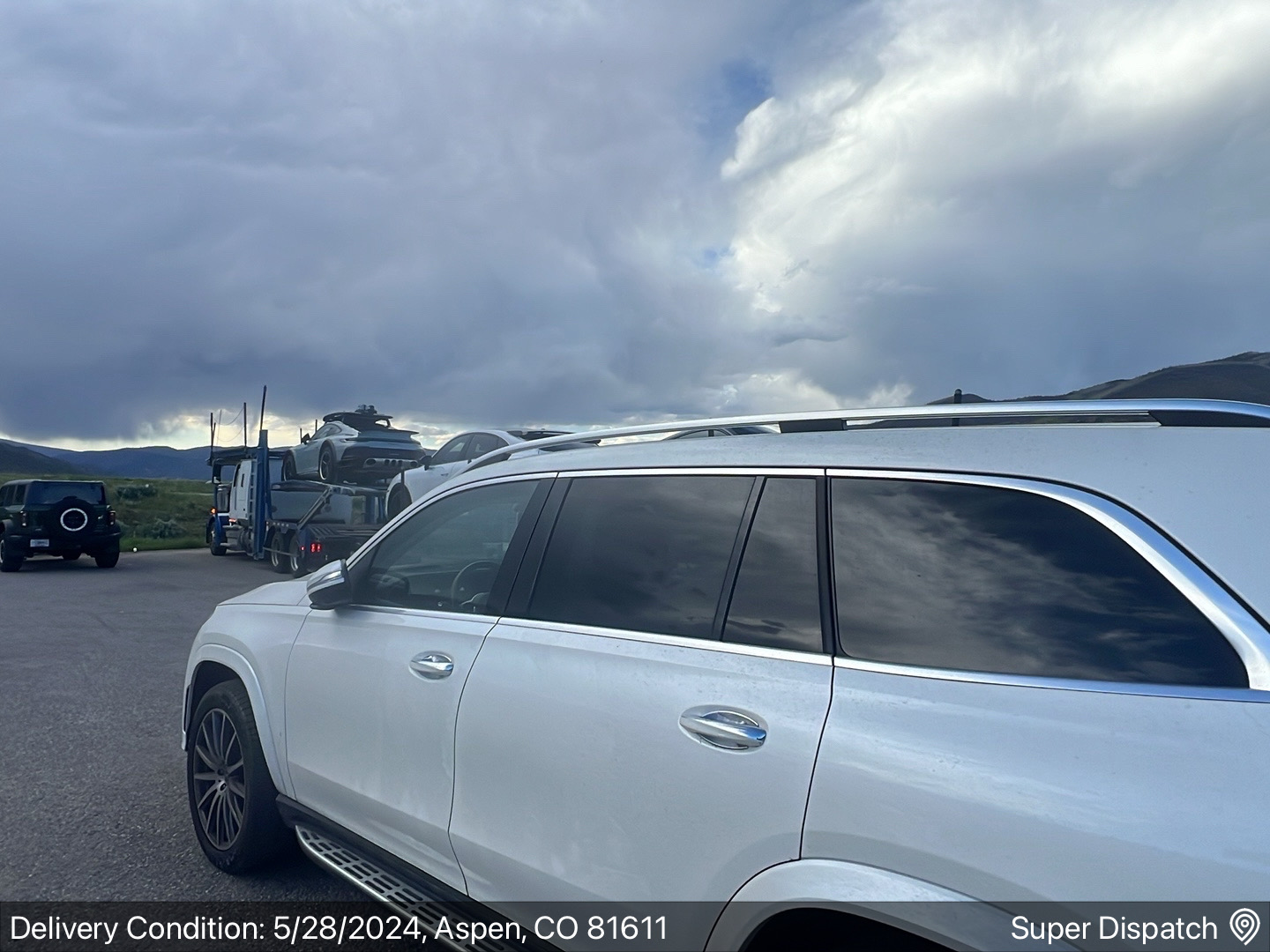
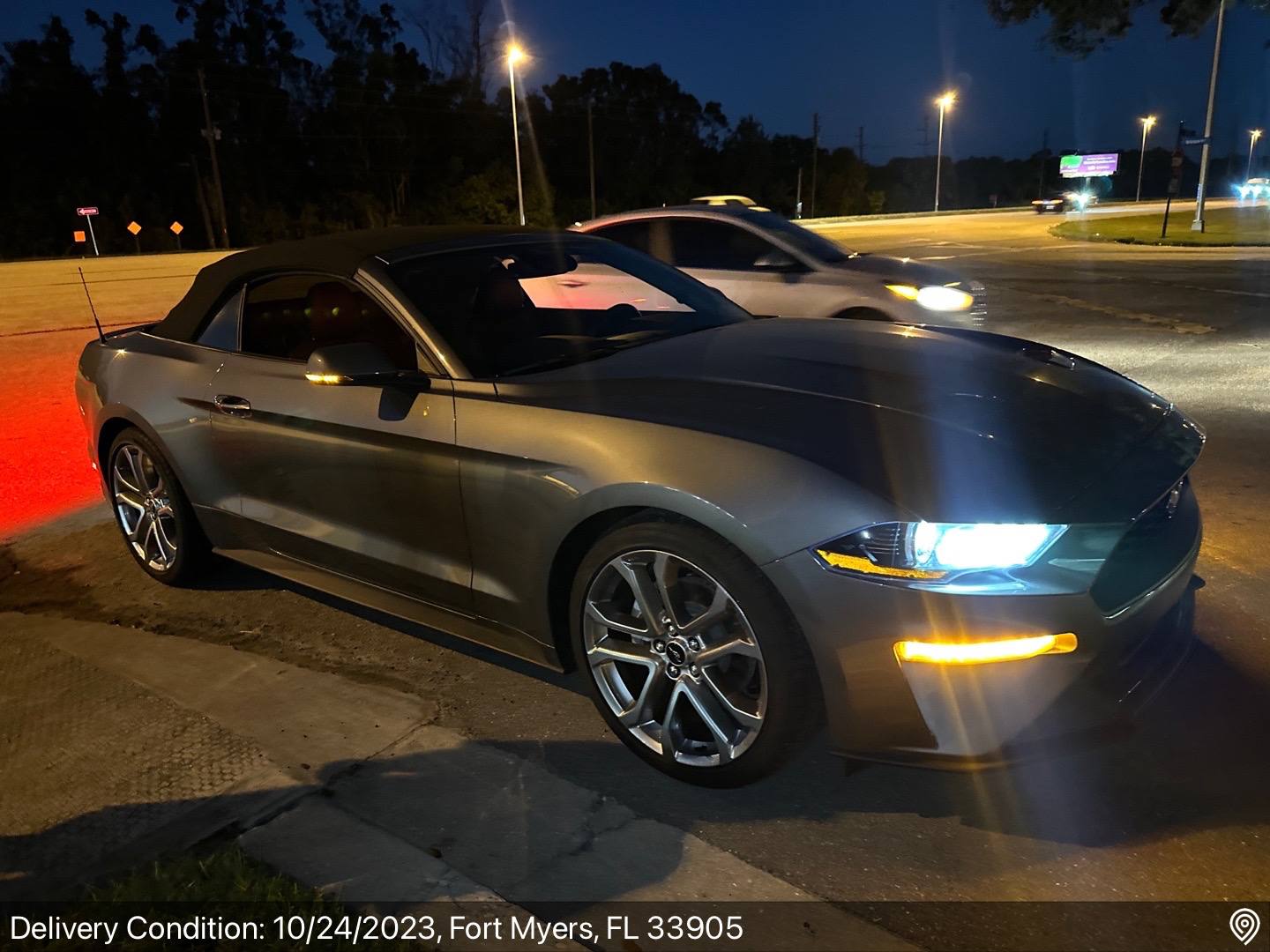
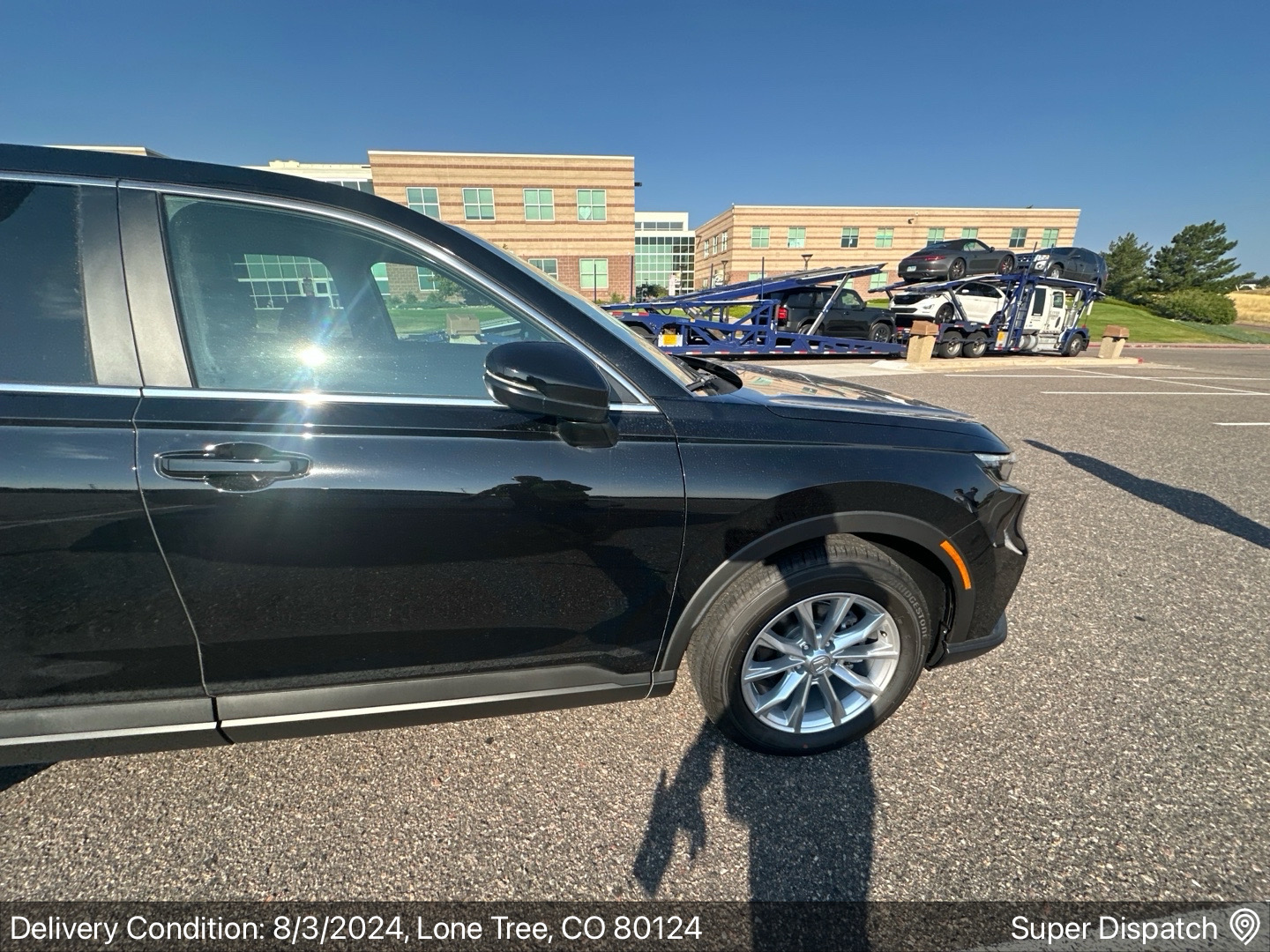
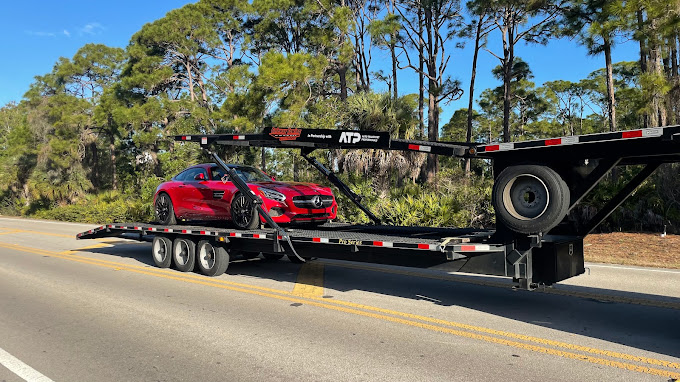
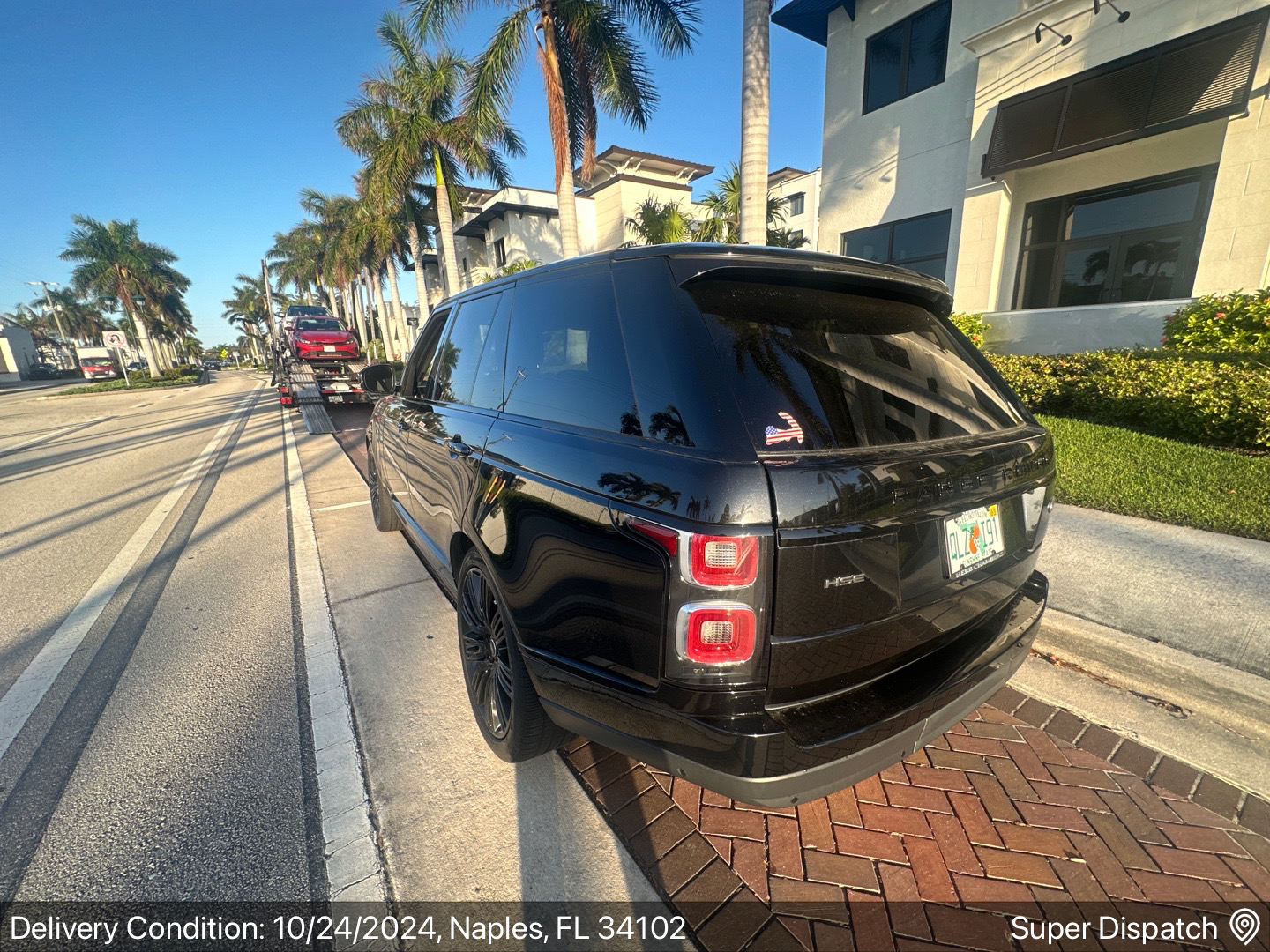
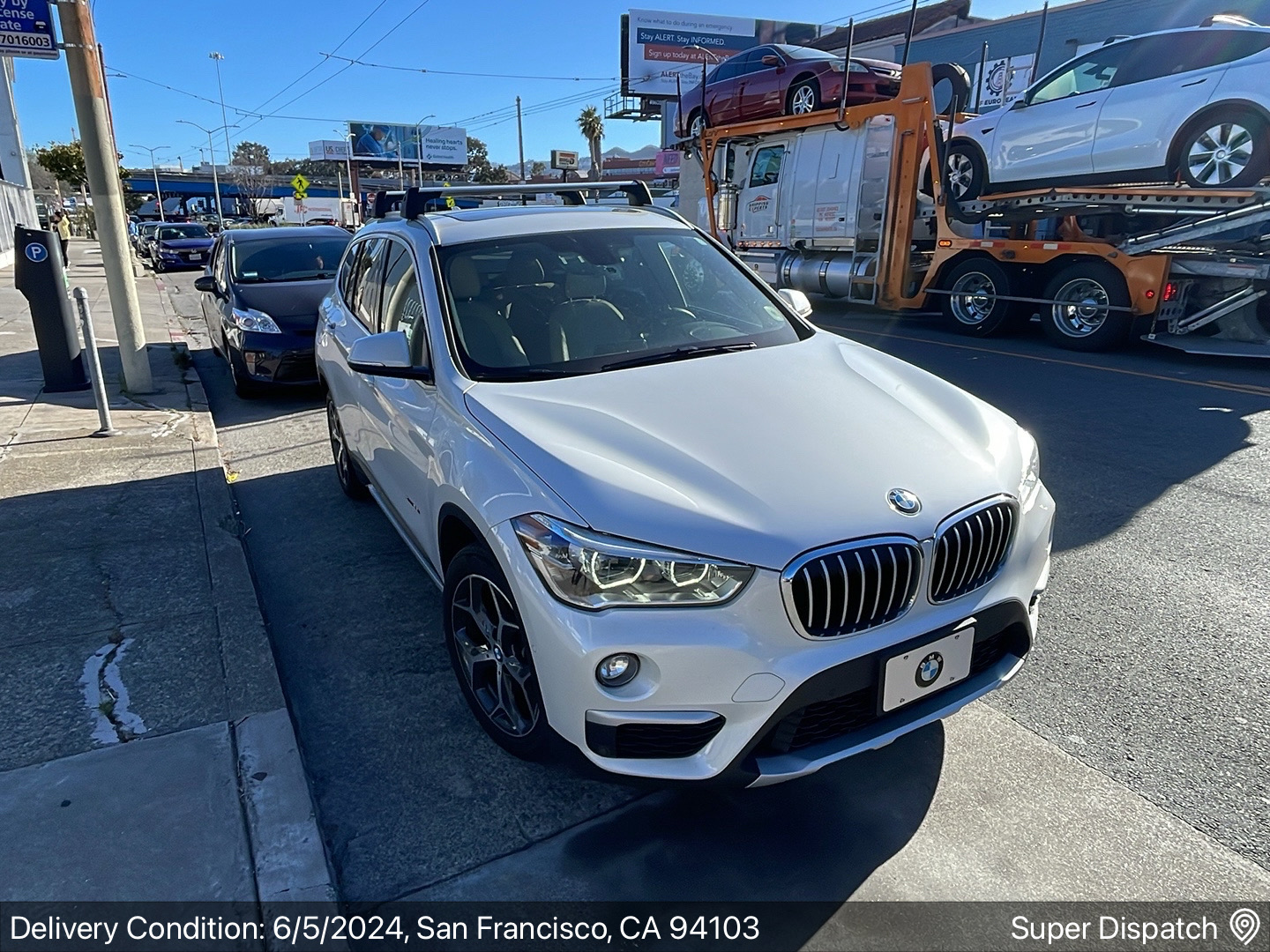
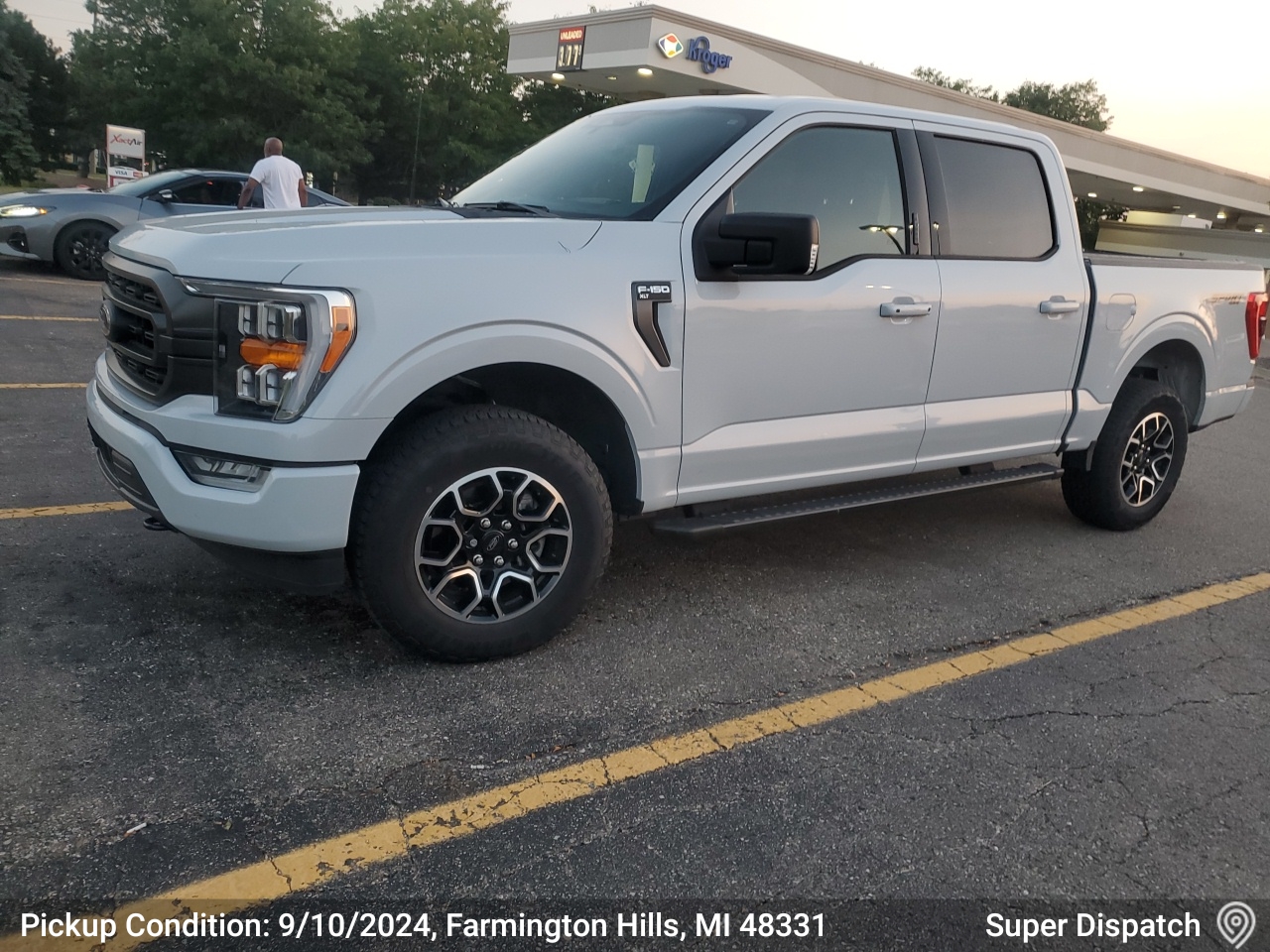
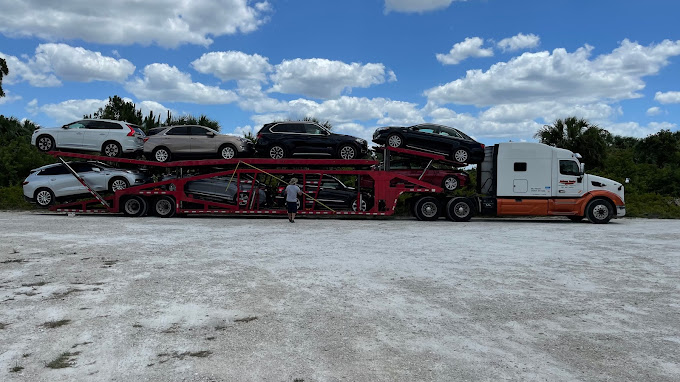
Scheduling Pueblo auto transport requires accounting for two distinct factors: carrier frequency and road access. Carriers running I-25 through Pueblo do so on established schedules, but the city sits below the volume thresholds of Colorado Springs and Denver, so available slots are narrower. Booking one to two weeks in advance is the practical standard here.
Rural roads outside the city limits compound the timing picture. When a carrier cannot reach a residential address directly, coordinating a meeting point near the interstate adds a step to scheduling. Winter weather on I-25 through Raton Pass can also push dispatch timelines beyond the standard 3-day pickup window we build around your first available date.
Pueblo sits squarely in snowbird-origin territory. Older residents and retirees drawn by the city's lower cost of living relative to the Front Range regularly ship vehicles south to Arizona and Florida between October and February, generating a seasonal surge in outbound auto shipping from Pueblo. That volume concentrates demand on southbound I-25 carriers, and booking early in the fall migration window gives you the best shot at matching with a carrier already running that lane.
The northbound return from March through June follows the same pattern. Carriers repositioning vehicles back north after winter create opportunities for competitive pricing on inbound shipments to Pueblo. Winter weather between November and March remains the primary scheduling risk regardless of direction, particularly when storms affect the Raton Pass corridor south of the city.
Review your quote, confirm vehicle details and dates. No payment collected until a carrier is assigned.
We dispatch your order to our carrier network. You receive carrier details, insurance info, and estimated pickup window.
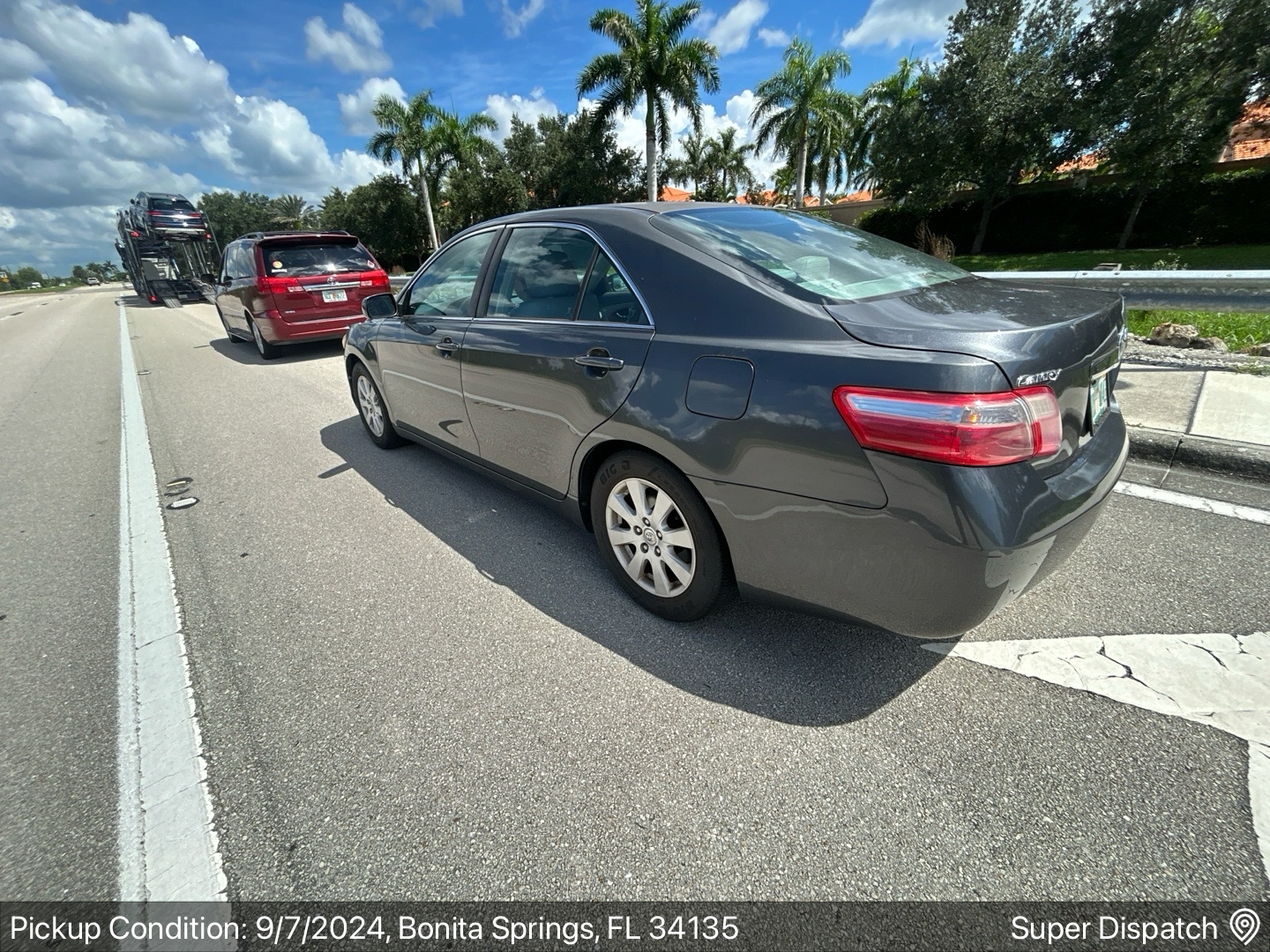
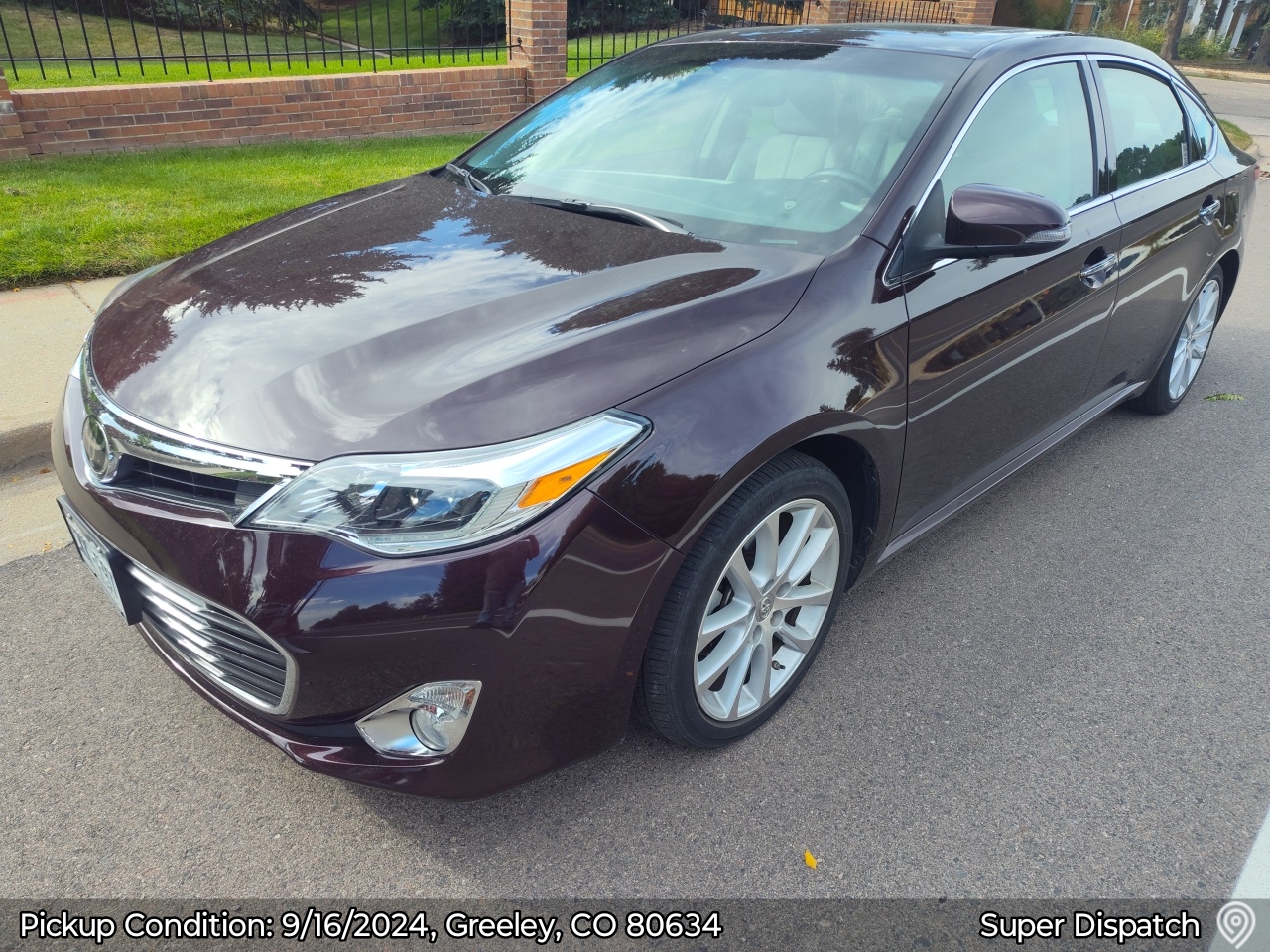
Carrier gives you 24 hours advance notice before pickup. Walk-around inspection together, every mark documented on the Bill of Lading, both parties sign.
Track your shipment status through your coordinator. We handle any schedule changes or logistics questions.
24-hour advance notice, then a call when close. Second walk-around inspection — damage during transport is extremely rare, but note any new issues on the Bill of Lading before signing. Once signed without exceptions, claims are extremely difficult to win.
Your carrier will contact you roughly 24 hours before arriving to confirm the pickup location and time. For many addresses in Pueblo, that location will be a meeting point near I-25 rather than your driveway, since large transport trailers cannot always navigate rural two-lane roads safely. At pickup, the driver conducts a walk-around inspection, documents existing condition on the Bill of Lading, and you both sign before the vehicle is loaded. Keep a copy of that document.
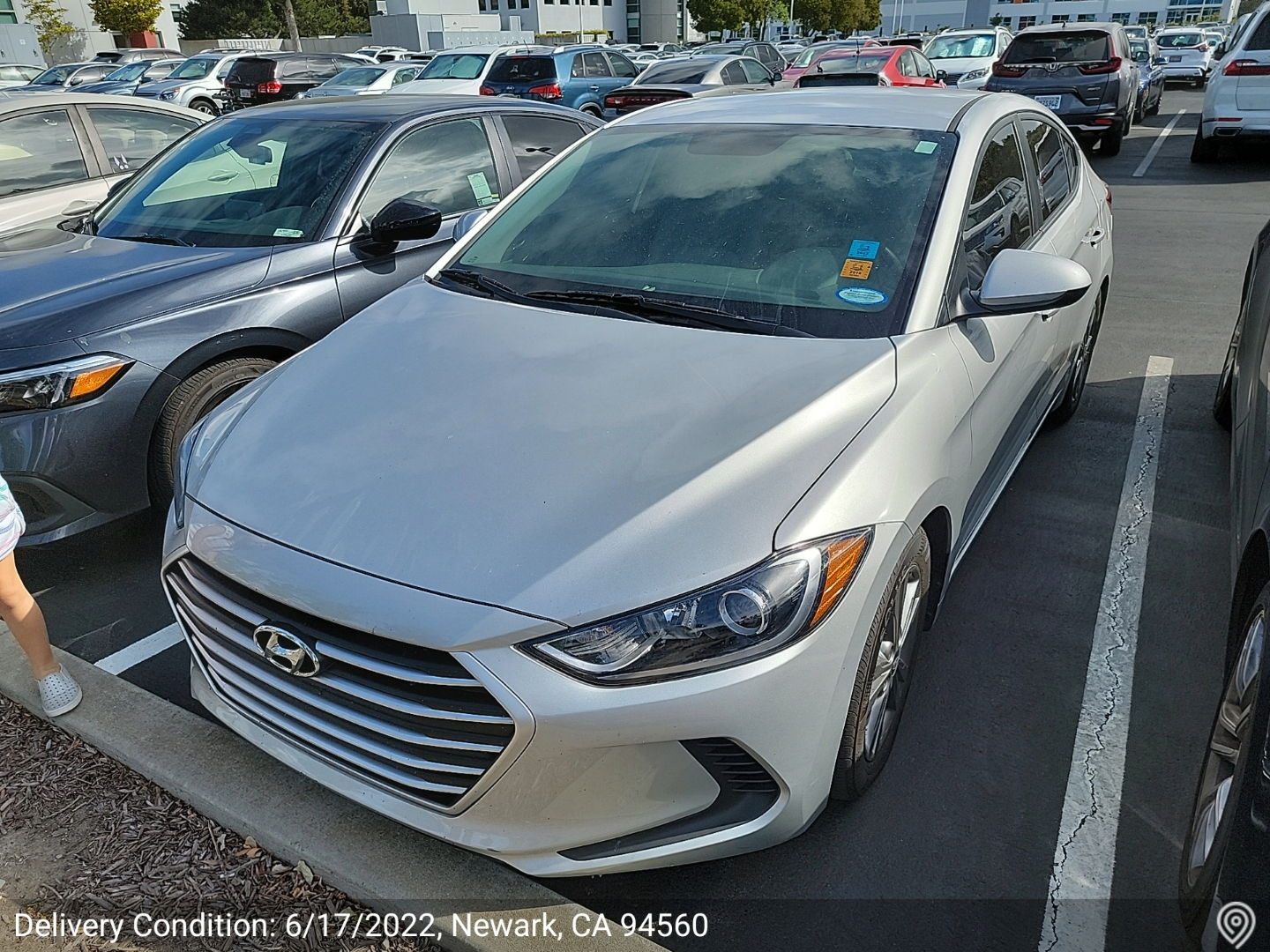
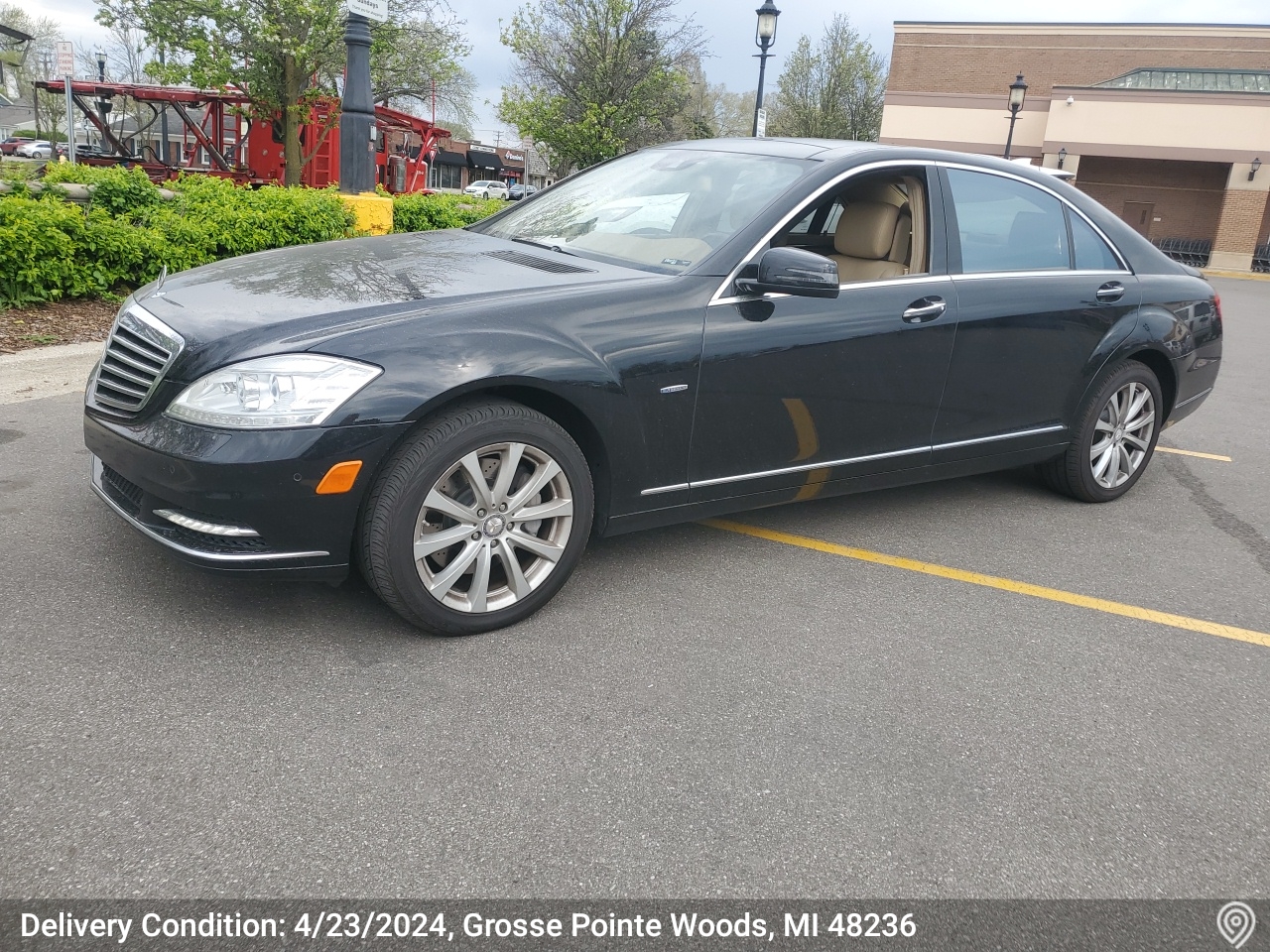
As your vehicle approaches its destination, the carrier will call with roughly 24 hours notice to confirm delivery timing and location. A second inspection follows at drop-off, comparing the vehicle's condition against the original pickup documentation. Damage during transport is extremely rare, but if anything new is noted, it must be recorded on the Bill of Lading before you sign. Signing without noting damage makes filing a claim significantly harder after the fact.
Every carrier in our network is required to carry cargo insurance as a condition of their FMCSA operating authority. Coverage details vary by carrier and are confirmed before your vehicle is dispatched.
At pickup, the driver and you complete a joint vehicle inspection. Every scratch, dent, and existing mark is documented on the Bill of Lading. At delivery, you must carefully compare the vehicle's condition against this record before signing the delivery receipt. If you notice any new damage, note it on the Bill of Lading before you sign. Once you sign the delivery receipt without noting damage, it becomes extremely difficult to file and win a claim. This is the single most important step in protecting yourself during the transport process.
I-25 runs directly through Pueblo, which gives carriers a clear north-south path into the city. The challenge is the last mile. Residential neighborhoods on the city's edges and surrounding rural areas often sit on narrow two-lane roads that large car-hauling trailers cannot safely navigate. This is not unique to Pueblo, but it is more common here than in larger Front Range cities where street infrastructure is built for higher traffic volumes.
For vehicle transport in Pueblo, the practical solution is identifying a staging point near the interstate, such as a large parking lot or commercial area, where the carrier can maneuver safely. In winter, this coordination becomes more important when snow and ice make rural roads impassable. Discussing your address with your transport coordinator before booking avoids last-minute scheduling complications.
Relocating Residents — Pueblo's affordability draws steady inbound and outbound relocators from across Colorado. Whether you are moving to the Front Range or leaving it, Pueblo auto transport connects you to carriers already running I-25. Request a free vehicle shipping estimate to plan your move.
Snowbirds — Retirees shipping vehicles south to Arizona or Florida between October and February represent the city's highest-volume seasonal segment. Book early in the fall to secure a southbound carrier slot before peak migration demand builds on the I-25 corridor.
Military and Workforce — Periodic workforce relocations tied to the Pueblo Chemical Depot generate consistent demand for car shipping Pueblo CO. Advance booking aligns well with scheduled reporting dates and base transition timelines.
Dealerships — Dealer and wholesale vehicle moves through Pueblo benefit from the I-25 corridor's north-south reach, though open transport Pueblo capacity is tighter here than in Denver or Colorado Springs.
Pricing for auto transport Pueblo CO routes depends heavily on distance, vehicle size, and seasonal demand. Pueblo's position as a mid-volume market on I-25 means rates reflect moderate carrier traffic rather than the competitive pricing seen in Denver. Snowbird-season shipments south often see higher demand. Request a Pueblo vehicle shipping quote for your specific route.
Pueblo's I-25 access connects to major north-south carrier lanes, but moderate traffic volume through this market means pickups may take longer to schedule than from Colorado Springs or Denver. Routes heading east require carriers to first travel north to reach I-70 or I-76. For auto transport Pueblo CO timing, select your route above for details.
Yes, on paved roads within Pueblo's city limits. Many surrounding areas feature narrow rural roads or unpaved surfaces where multi-car carriers cannot safely operate. In those cases, we coordinate a meeting point along I-25 or at an accessible location within the city to complete pickup or delivery. This coverage extends to customers who ship a car to Pueblo as well.
Open transport Pueblo works well for most vehicles shipped to or from Pueblo and matches the majority of carrier equipment running I-25. Enclosed car shipping Pueblo provides added protection from road debris and Colorado's variable weather—useful for classic cars or high-value vehicles. Enclosed availability is more limited than open transport, and pricing is typically higher, so plan accordingly.
Spring and fall offer the smoothest scheduling for Pueblo vehicle shipping. Winter storms along I-25—especially through Raton Pass and the Palmer Divide—can delay carriers or force route detours. Snowbird demand peaks in late fall as residents ship vehicles south, which can tighten capacity on southbound routes from Colorado. Late fall is often the best window to ship a car from Pueblo.
Someone 18 or older must be present at both ends to authorize the shipment and sign the Bill of Lading. If you cannot attend personally, designate a trusted representative — a friend, family member, or dealership contact — to handle the vehicle inspection and paperwork on your behalf.
Yes. Every carrier in our network carries cargo insurance as required by their FMCSA operating authority. Coverage specifics are confirmed before dispatch. At both pickup and delivery, you complete a joint vehicle inspection documented on a Bill of Lading — this protects you if any issue arises.
Yes, we transport non-running vehicles to Pueblo. The vehicle needs to roll, steer, and brake for standard loading. Vehicles that cannot roll may require a winch or forklift at additional cost. Mention the vehicle's condition when requesting your quote.
Wash the exterior so scratches and dents are visible during inspection. Remove toll transponders, parking passes, and loose interior items. Leave roughly a quarter tank of fuel. Disable aftermarket alarms. Take dated photos of all sides, roof, and odometer before the carrier arrives for your records.
Most carriers allow personal belongings in the trunk or cargo area up to about 100 pounds. Items must stay below the window line and cannot be fragile or high-value. Personal items are not covered under carrier cargo insurance, so keep the vehicle as empty as practical.