Door-to-door car shipping with fully insured carriers. No upfront payment.
Newport auto transport moves through one of the most carrier-dense corridors on the East Coast. Rhode Island sits directly on the I-95 spine between Boston and New York, and that constant carrier flow through Providence gives Newport access to frequent route traffic despite sitting on Aquidneck Island. Naval Station Newport generates year-round military shipping volume, while the city's seasonal second-home market adds a distinct wave of luxury, classic, and collector vehicles each spring and fall. Common corridors include Newport to Florida for winter departures and Newport to New York for shorter regional moves.
Car shipping companies Newport customers use can reach Aquidneck Island via RI-138 across the Claiborne Pell Bridge, connecting to US-1 and the broader I-95 network roughly 30 miles north in Providence. Standard road access across the island keeps door-to-door service straightforward for most residential and commercial locations. We build a 3-day pickup window around your first available date, and with strong carrier availability in this market, most shipments stay on schedule.
Naval Station Newport generates steady demand for Newport auto transport as military personnel coordinate vehicle shipments around PCS orders. The city's role as a summer destination for seasonal residents and second-home owners drives additional volume—luxury vehicles, classic cars, and collector automobiles move in and out each year as owners arrive for the warmer months and depart before winter.
Newport's connection to the I-95 corridor runs through Providence, about 30 miles north via RI-138 and US-1. Carriers servicing the Boston-to-New York stretch regularly pass through Providence, giving Newport access to frequent route traffic despite its island geography. Car shipping companies Newport customers work with can typically reach the area without major detours, though the single bridge access point to Aquidneck Island is worth noting when scheduling.
Rhode Island winters bring snow and ice that can affect pickup and delivery windows between December and March. Carriers may adjust schedules around nor'easters and winter storms. Meanwhile, demand spikes in late spring as seasonal residents ship cars to Newport and again in early fall when those vehicles head south—a pattern consistent with the state's snowbird-origin profile.
They were quick, courteous, and professional. We would happily use Auto Transport Professionals again.
Everything went smoothly. The company called us to arrange the pick up, gave us updates on status, and gave us the keys upon arrival. Absolutely hassle-free.
For a fair price we had our vehicle delivered earlier than expected. The driver went the extra mile to help my mom have a stress free experience.
Newport car shipping costs sit at a favorable position relative to smaller New England markets, largely because carrier competition along the I-95 corridor keeps rates from climbing the way they do in more remote areas. Newport's tier-3 market size means it draws less direct carrier traffic than Providence or Boston, but its connection to that high-volume corridor offsets much of that gap. Newport auto transport rates reflect the bridge access factor — carriers make a deliberate run to Aquidneck Island rather than passing through incidentally — but that adds minimal cost given the short detour from US-1.
Seasonal demand shifts do affect pricing. Spring and fall see higher volume as seasonal residents ship vehicles in and out, which can tighten carrier availability and nudge rates upward during those windows. Flexibility on your pickup date by even a day or two can make a meaningful difference. Get your free auto transport quote today.
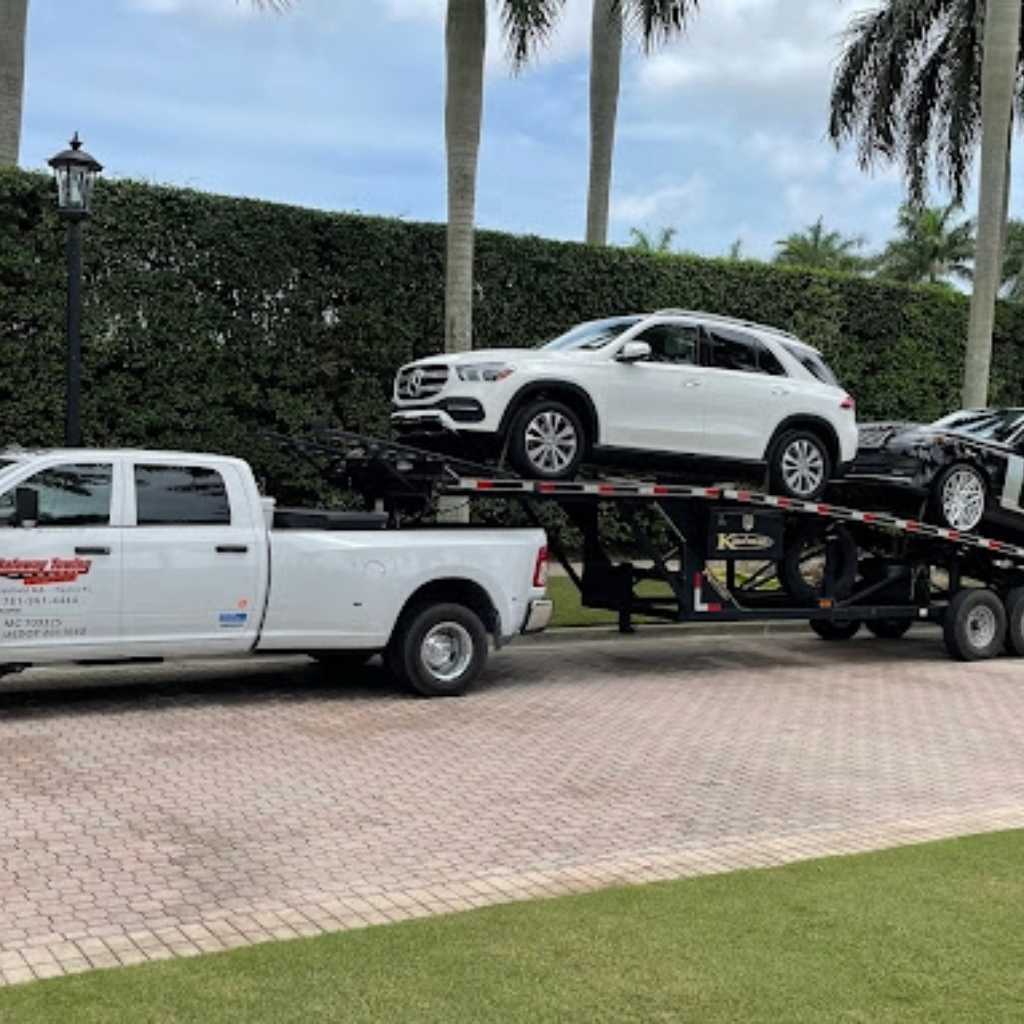
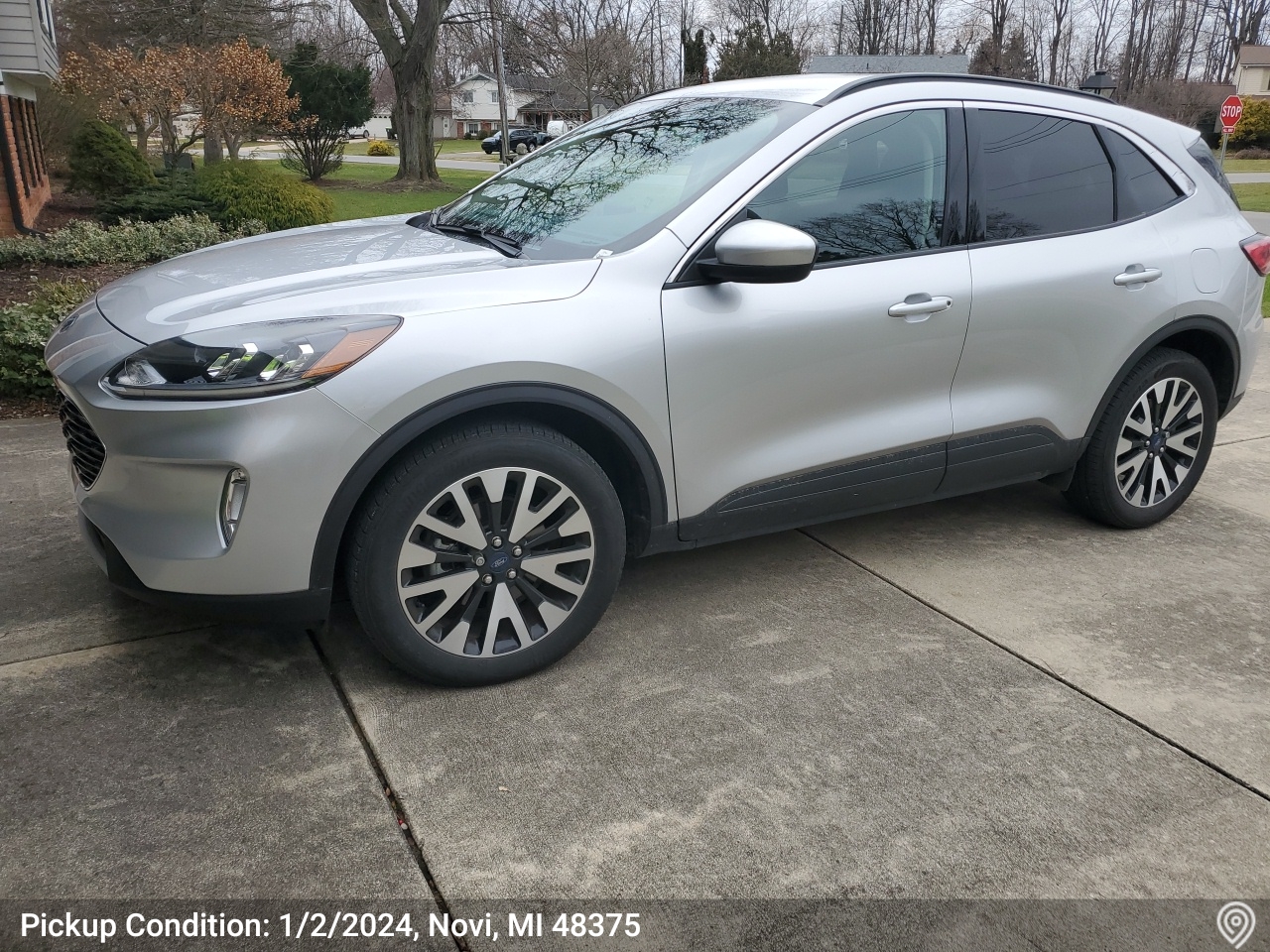
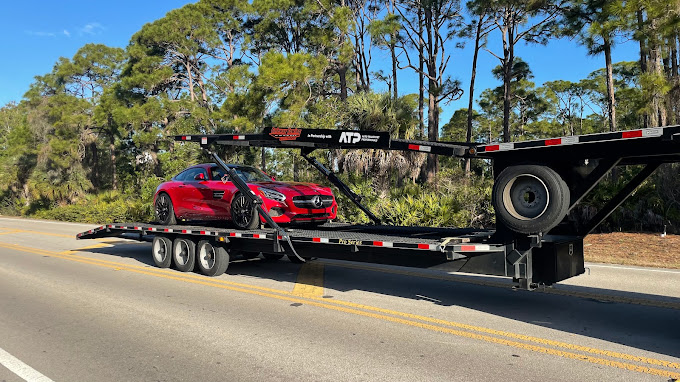
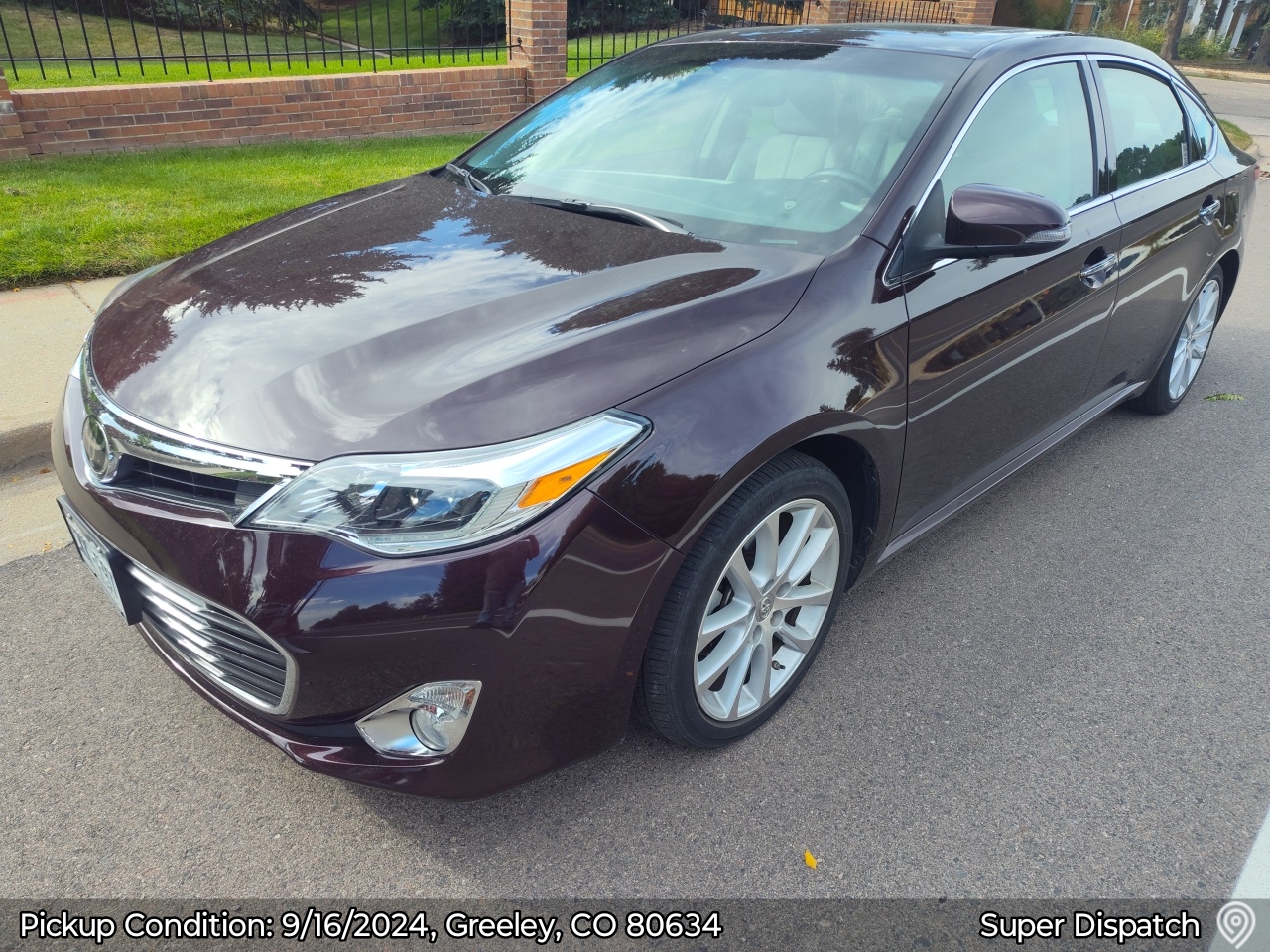
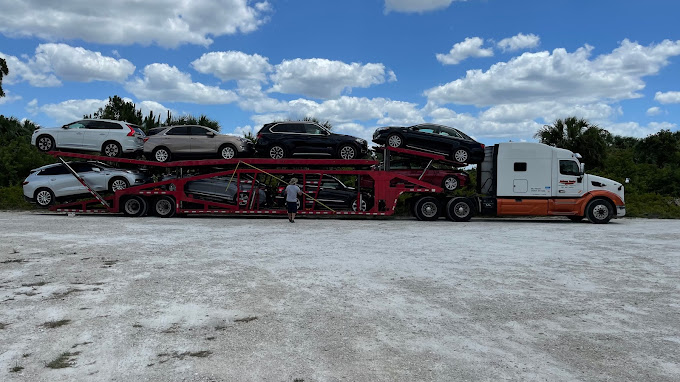
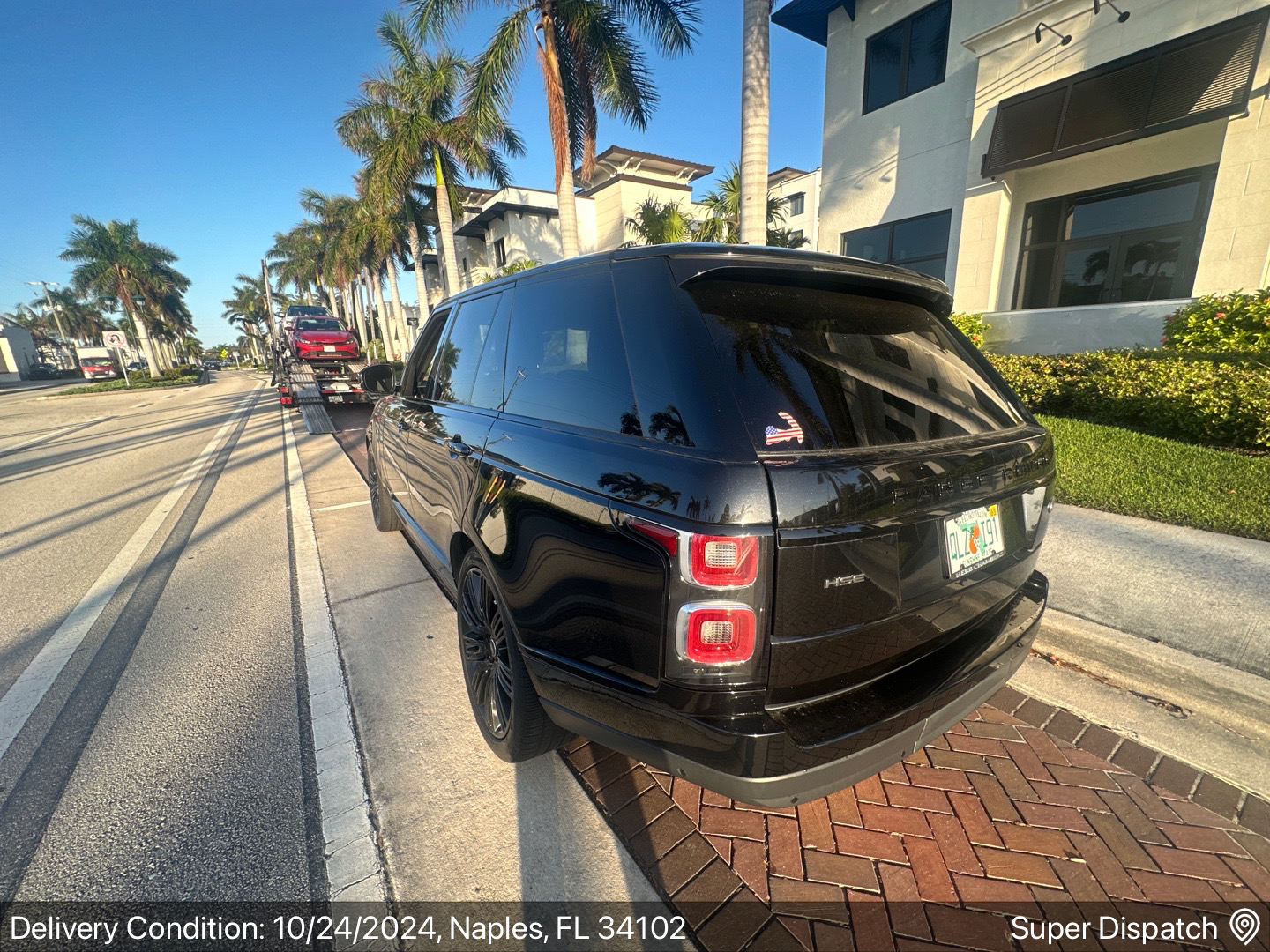
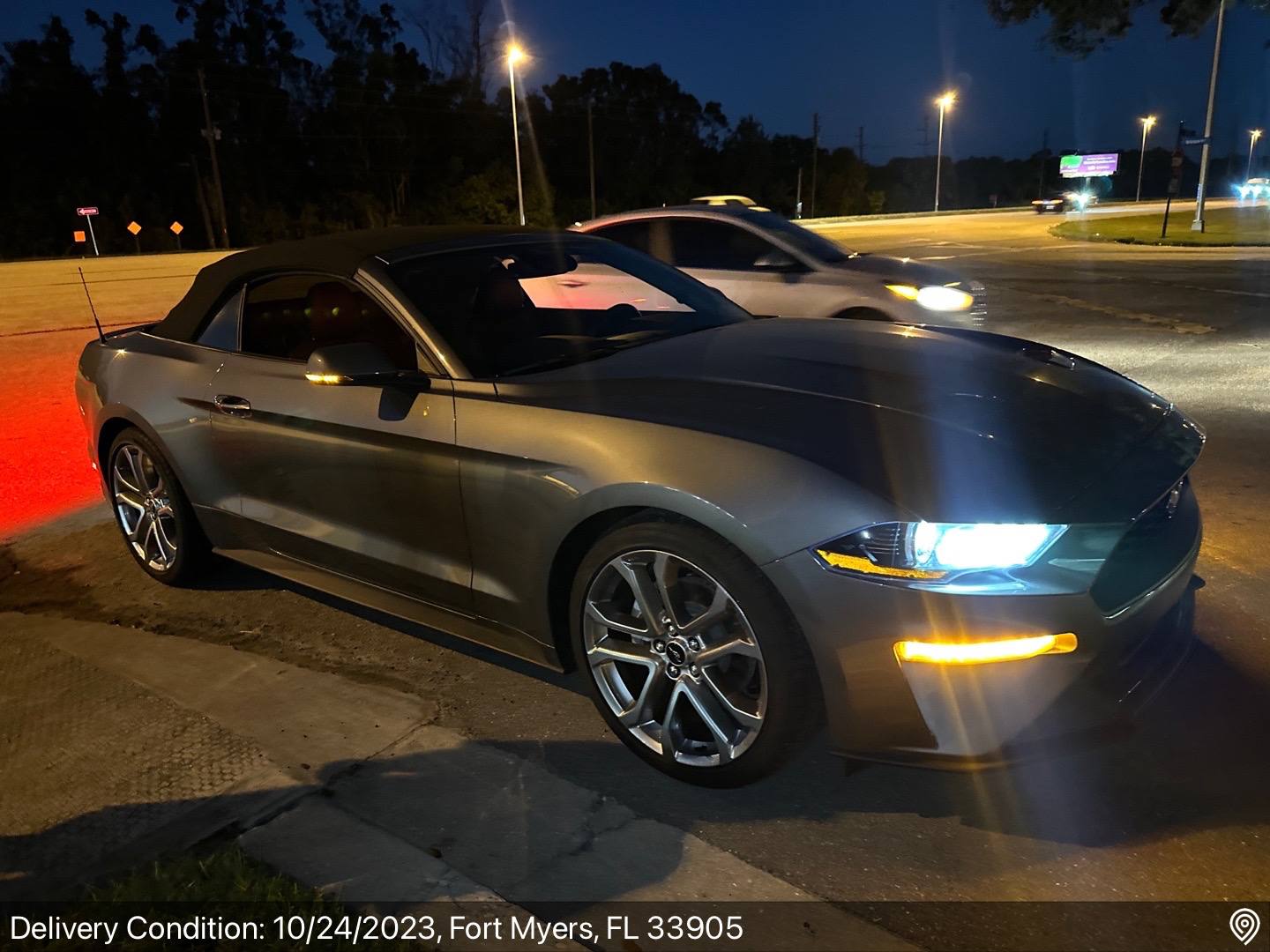
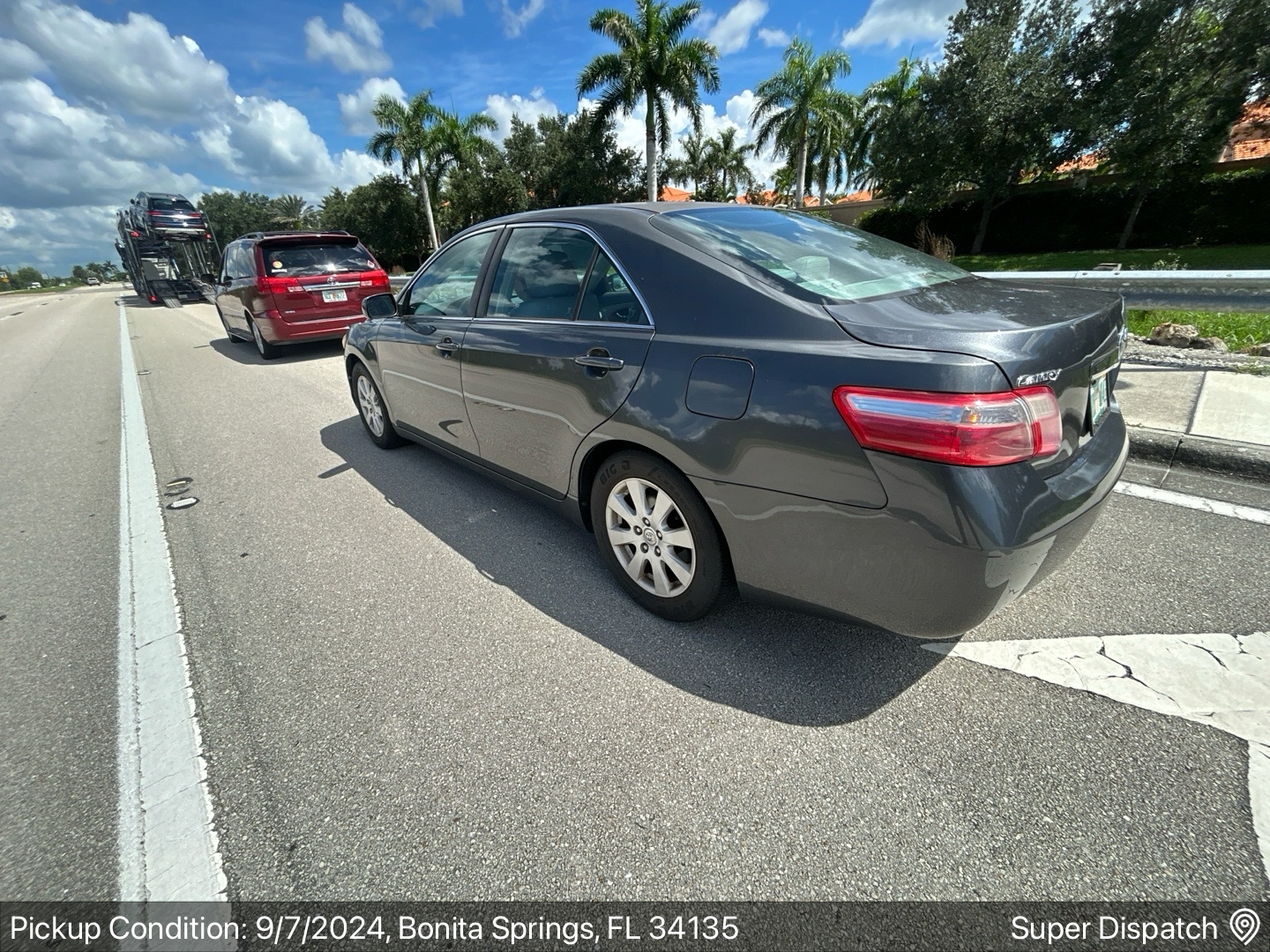
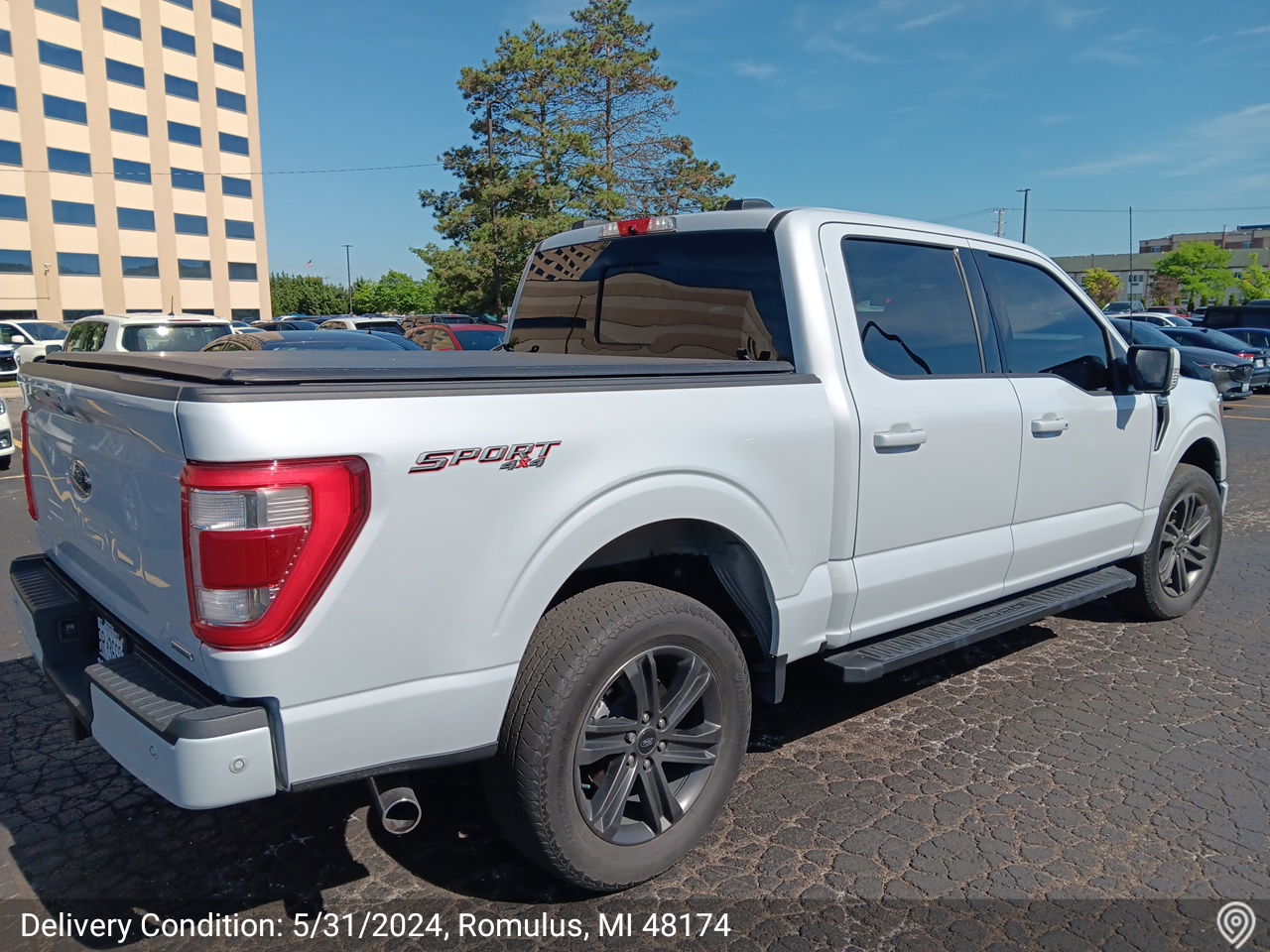
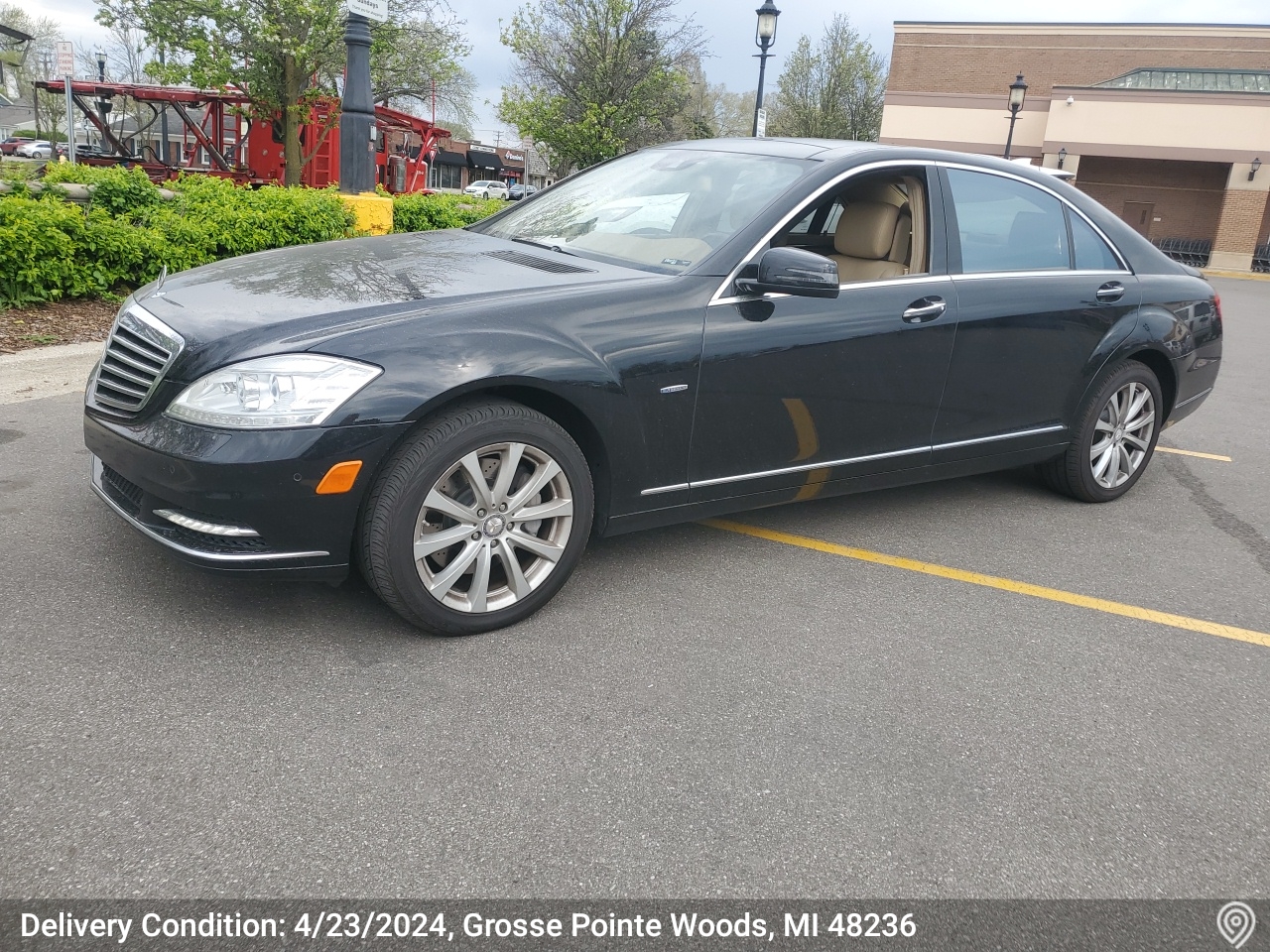
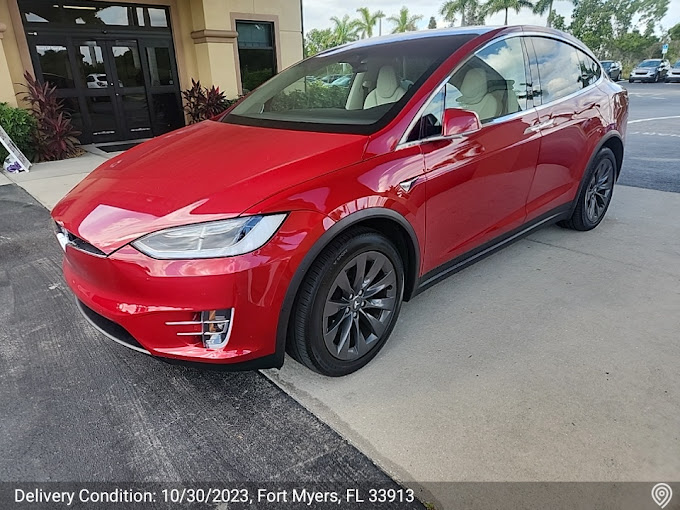
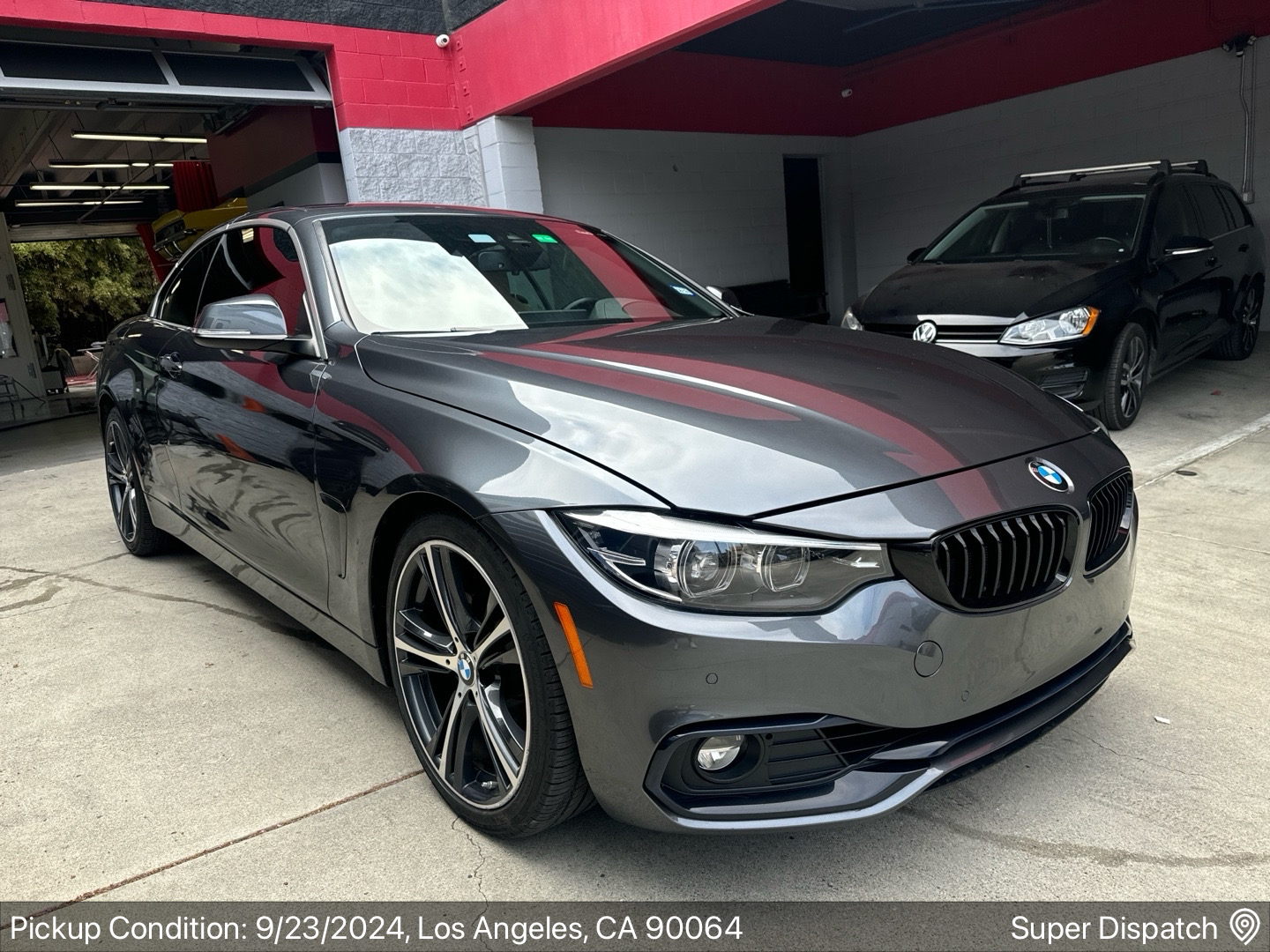
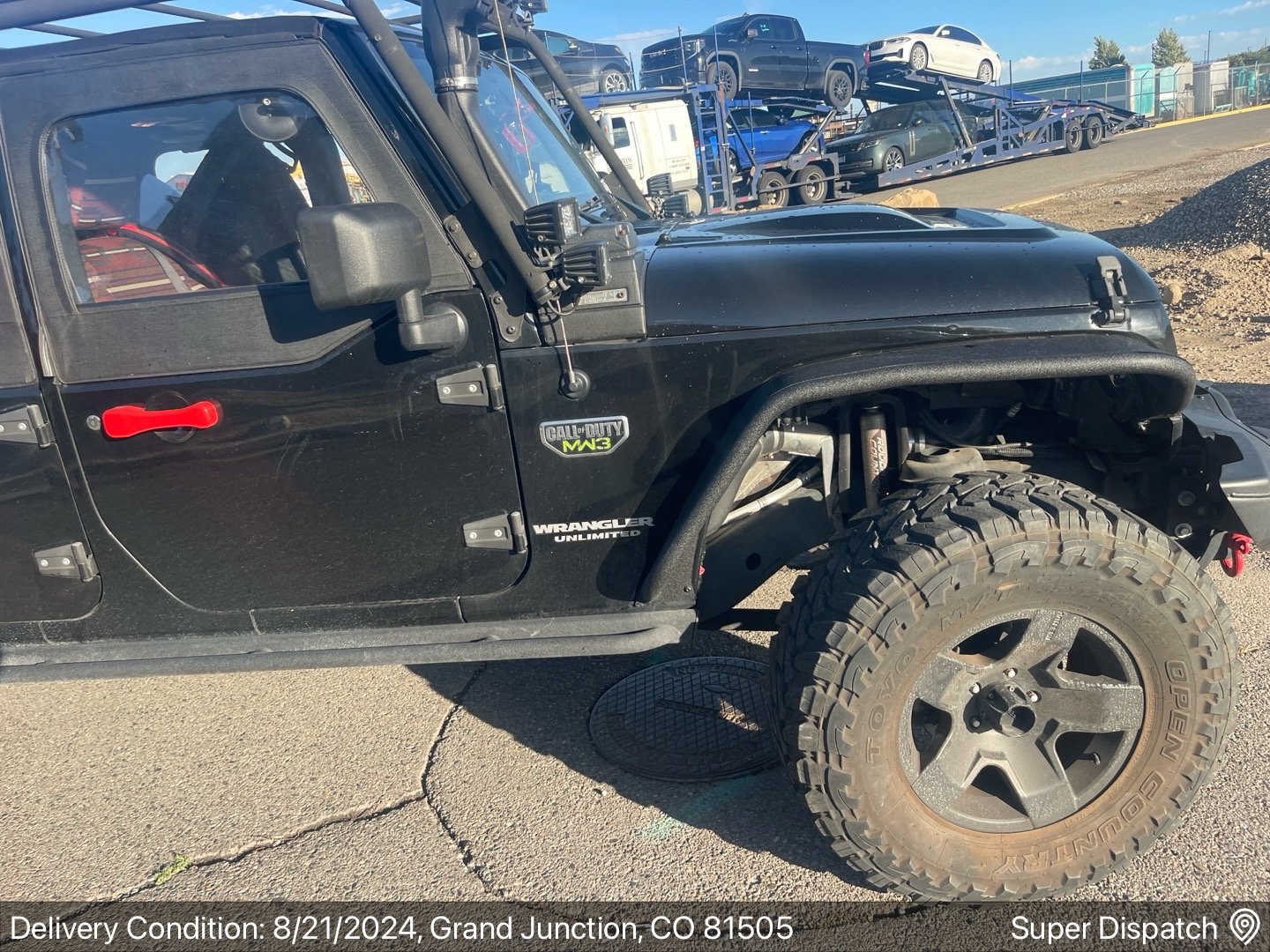
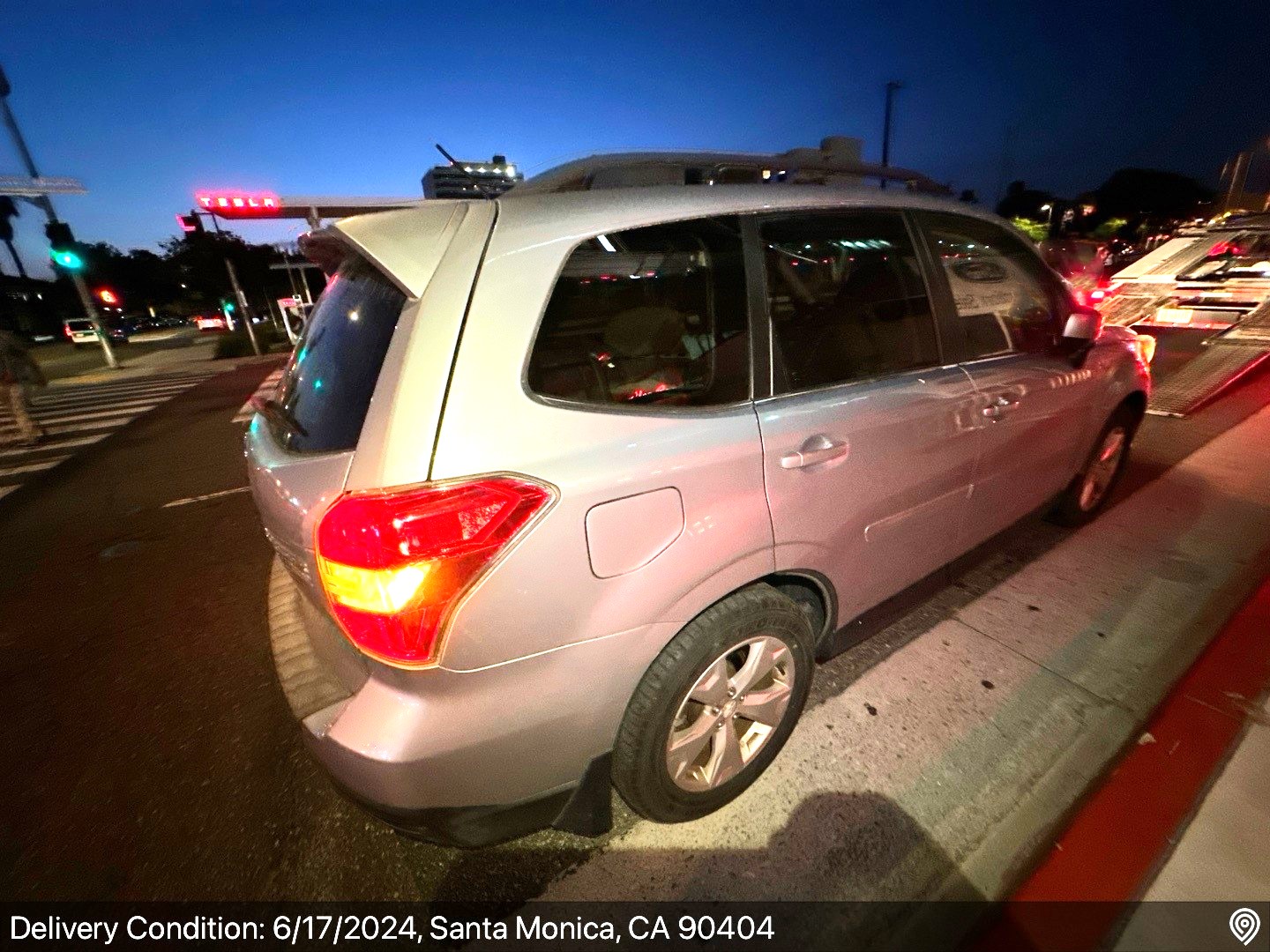
Newport auto transport benefits from strong carrier availability tied to the Providence-to-Boston and Providence-to-New York runs that operate daily. Most pickups fall within the standard 3-day window we build around your first available date. The Claiborne Pell Bridge is the single access point onto Aquidneck Island, so carriers do factor that into routing, but it rarely causes delays under normal conditions.
Winter is the exception. Snow and ice between December and March can prompt carriers to adjust schedules around nor'easters, occasionally pushing pickups a day or two beyond the standard window. If you're shipping during that stretch, build in a buffer when planning your departure.
Newport follows a clear snowbird-origin pattern. Seasonal residents and second-home owners begin shipping vehicles south in September and October, with the heaviest northbound return flow running March through June. That cycle aligns with the broader New England migration to Florida and other warm-weather destinations. During peak fall and spring windows, carrier slots fill faster than the rest of the year.
Naval Station Newport adds a separate but steady layer of demand through PCS orders, which can arrive at any time of year and often require quick turnaround. If you're shipping a car from Newport during the fall southbound peak or the spring return, booking two to three weeks ahead gives you the best shot at securing your preferred pickup window. Last-minute requests during those months are harder to accommodate at standard rates.
Review your quote, confirm vehicle details and dates. No payment collected until a carrier is assigned.
We dispatch your order to our carrier network. You receive carrier details, insurance info, and estimated pickup window.
Carrier gives you 24 hours advance notice before pickup. Walk-around inspection together, every mark documented on the Bill of Lading, both parties sign.
Track your shipment status through your coordinator. We handle any schedule changes or logistics questions.
24-hour advance notice, then a call when close. Second walk-around inspection — damage during transport is extremely rare, but note any new issues on the Bill of Lading before signing. Once signed without exceptions, claims are extremely difficult to win.
Your carrier will contact you roughly 24 hours before arriving to confirm the pickup window. At pickup, both you and the driver conduct a walk-around inspection of the vehicle, documenting any existing marks, scratches, or dents on the Bill of Lading. Newport's open road access and wide residential streets make this process straightforward — no special staging or meeting-point coordination is typically needed. Sign the BOL only after the condition report accurately reflects your vehicle.
Expect a call from your driver roughly 24 hours before delivery. At drop-off, conduct a second inspection and compare the vehicle's condition against the original Bill of Lading from pickup. Damage during transport is extremely rare, but if you notice anything new, note it on the BOL before signing. Once you sign without documenting damage, pursuing a claim becomes significantly more difficult. Auto shipping Newport customers should keep their copy of the pickup BOL accessible until the vehicle is in hand.
Every carrier in our network is required to carry cargo insurance as a condition of their FMCSA operating authority. Coverage details vary by carrier and are confirmed before your vehicle is dispatched.
At pickup, the driver and you complete a joint vehicle inspection. Every scratch, dent, and existing mark is documented on the Bill of Lading. At delivery, you must carefully compare the vehicle's condition against this record before signing the delivery receipt. If you notice any new damage, note it on the Bill of Lading before you sign. Once you sign the delivery receipt without noting damage, it becomes extremely difficult to file and win a claim. This is the single most important step in protecting yourself during the transport process.
Newport's road network across Aquidneck Island handles transport trailers without significant complications. Wide residential streets, standard commercial access, and open parking areas mean carriers can typically complete door-to-door service without needing alternative staging locations. The one consistent logistics note is the Claiborne Pell Bridge on RI-138 — it's the single route onto the island, so carriers plan their approach from US-1 and Providence accordingly.
For vehicle transport Newport customers in tighter downtown blocks near Thames Street or the waterfront, it's worth confirming with your carrier whether a nearby open lot works better than a direct residential pickup. That's a simple coordination step, not a barrier, and most drivers are familiar with the island's layout.
Seasonal Residents and Second-Home Owners — Newport's summer colony drives significant car shipping Newport RI volume each year. Owners shipping luxury, classic, or collector vehicles south for winter and back in spring should book two to three weeks ahead during peak migration months. Request a free vehicle shipping estimate.
Military Personnel — Naval Station Newport generates consistent PCS-related shipping demand. Military members relocating on orders benefit from Newport auto transport options that accommodate tight timelines and base access requirements.
Relocating Residents — Newport to New York, Boston, and Florida are common corridors for residents moving out of state. Newport car transport fits naturally into full household relocations where driving isn't practical.
Dealerships — Auto transport services Newport dealers use for wholesale moves and auction acquisitions connect efficiently through the Providence hub to regional and national carrier networks.
Newport's island location on Aquidneck Island adds slight routing complexity compared to mainland Rhode Island cities. Seasonal demand from summer residents and military PCS shipments from Naval Station Newport also influence pricing. Vehicle type, distance, and time of year all factor into your rate. Request a quote for your specific route.
Carriers reach Newport via RI-138 from the I-95 corridor through Providence. The bridge crossing to Aquidneck Island is the sole truck access point, which can affect scheduling. Winter weather may also shift pickup windows during storm events. Select your route above for timing details.
Yes. Newport's residential streets and suburban neighborhoods on Aquidneck Island generally accommodate standard car carrier trucks. Historic areas near Bellevue Avenue or the waterfront with narrower roads may require a nearby meeting point, but most Newport addresses work for direct pickup and delivery.
Open transport handles the majority of Newport shipments efficiently. Given the city's concentration of luxury and classic vehicles—especially among seasonal estate owners—enclosed transport is worth considering for high-value automobiles. Enclosed availability is more limited than open transport and pricing is typically higher, so book early if you need that option.
Newport's shipping calendar follows its seasonal population. Demand rises sharply in April and May as summer residents ship vehicles to Rhode Island, then peaks again in September and October for southbound departures. Mid-winter offers lower demand but weather delays are more likely. Shoulder months like March or early November often balance availability and conditions.
Someone 18 or older must be present at both ends to authorize the shipment and sign the Bill of Lading. If you cannot attend personally, designate a trusted representative — a friend, family member, or dealership contact — to handle the vehicle inspection and paperwork on your behalf.
Yes. Every carrier in our network carries cargo insurance as required by their FMCSA operating authority. Coverage specifics are confirmed before dispatch. At both pickup and delivery, you complete a joint vehicle inspection documented on a Bill of Lading — this protects you if any issue arises.
Yes, we transport non-running vehicles to Newport. The vehicle needs to roll, steer, and brake for standard loading. Vehicles that cannot roll may require a winch or forklift at additional cost. Mention the vehicle's condition when requesting your quote.
Wash the exterior so scratches and dents are visible during inspection. Remove toll transponders, parking passes, and loose interior items. Leave roughly a quarter tank of fuel. Disable aftermarket alarms. Take dated photos of all sides, roof, and odometer before the carrier arrives for your records.
Most carriers allow personal belongings in the trunk or cargo area up to about 100 pounds. Items must stay below the window line and cannot be fragile or high-value. Personal items are not covered under carrier cargo insurance, so keep the vehicle as empty as practical.