Door-to-door car shipping with fully insured carriers. No upfront payment. Price-locked quotes.
Tell us your vehicle details, pickup and delivery locations. We send you a price-locked quote within an hour.
Once you book, we match your shipment with a fully insured FMCSA-authorized carrier heading your direction.
Your carrier arrives within the pickup window. You do a joint walk-around inspection and sign the Bill of Lading documenting your vehicle’s condition.
Second inspection at delivery. Compare against pickup docs and note any new damage on the Bill of Lading before signing. Damage during transport is extremely rare, but any issues should be documented before signing.
I use these guys twice a year. The communication is always open with not only the company but also with the driver.
From start to finish I had a great experience. My schedule was met and car was delivered on time, great communication.
Communication was fantastic, arrived early. Customer service was great from start to finish.
Fall and spring don't move the needle on this corridor the way they do on Florida or Arizona lanes — New York to Rhode Island auto transport runs on commuter-belt relocations and dealer inventory, not seasonal migration. That keeps demand flat across the calendar, which is good news for planning: no surge pricing windows to dodge and no dead months where carriers disappear.
The route itself covers 175 to 275 miles along I-95, one of the densest freight corridors in the country. Carriers running regional Northeast loops between New York City and Providence treat this as a quick add-on load, so availability stays strong and pickup windows are tight. Upstate origins like Buffalo and Rochester add mileage — those shipments route south on I-87 before picking up I-95 eastbound through Connecticut — but carrier access from the NYC metro is nearly immediate.
Open transport on the New York to Rhode Island corridor typically runs $300 to $450 for a standard sedan. At 175 to 275 miles, pricing is driven primarily by the carrier's minimum load fee rather than distance alone — this is a short regional haul, and carriers price it accordingly. Auto transport New York to Rhode Island stays competitively balanced because freight flows steadily in both directions.
Vehicle size, exact pickup location, and timing all move the number within that range. Oversized vehicles like trucks and SUVs cost more to load and haul. If you need enclosed car shipping New York to Rhode Island for a classic, luxury, or low-clearance vehicle, expect to pay around $675 — roughly 40 to 60 percent more than open transport. Get a no-obligation car transport quote.
Estimated from $300
Estimated from $675
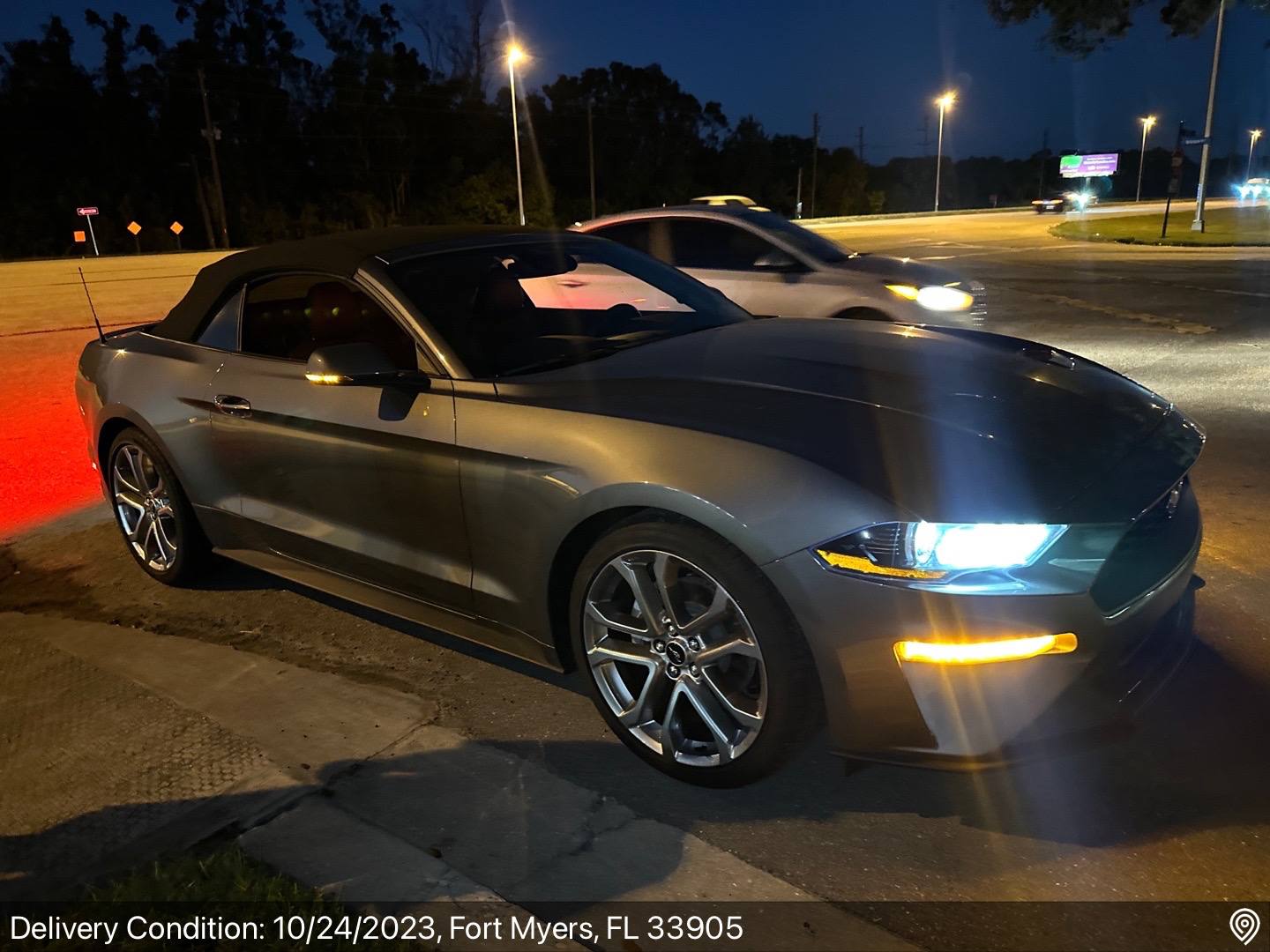
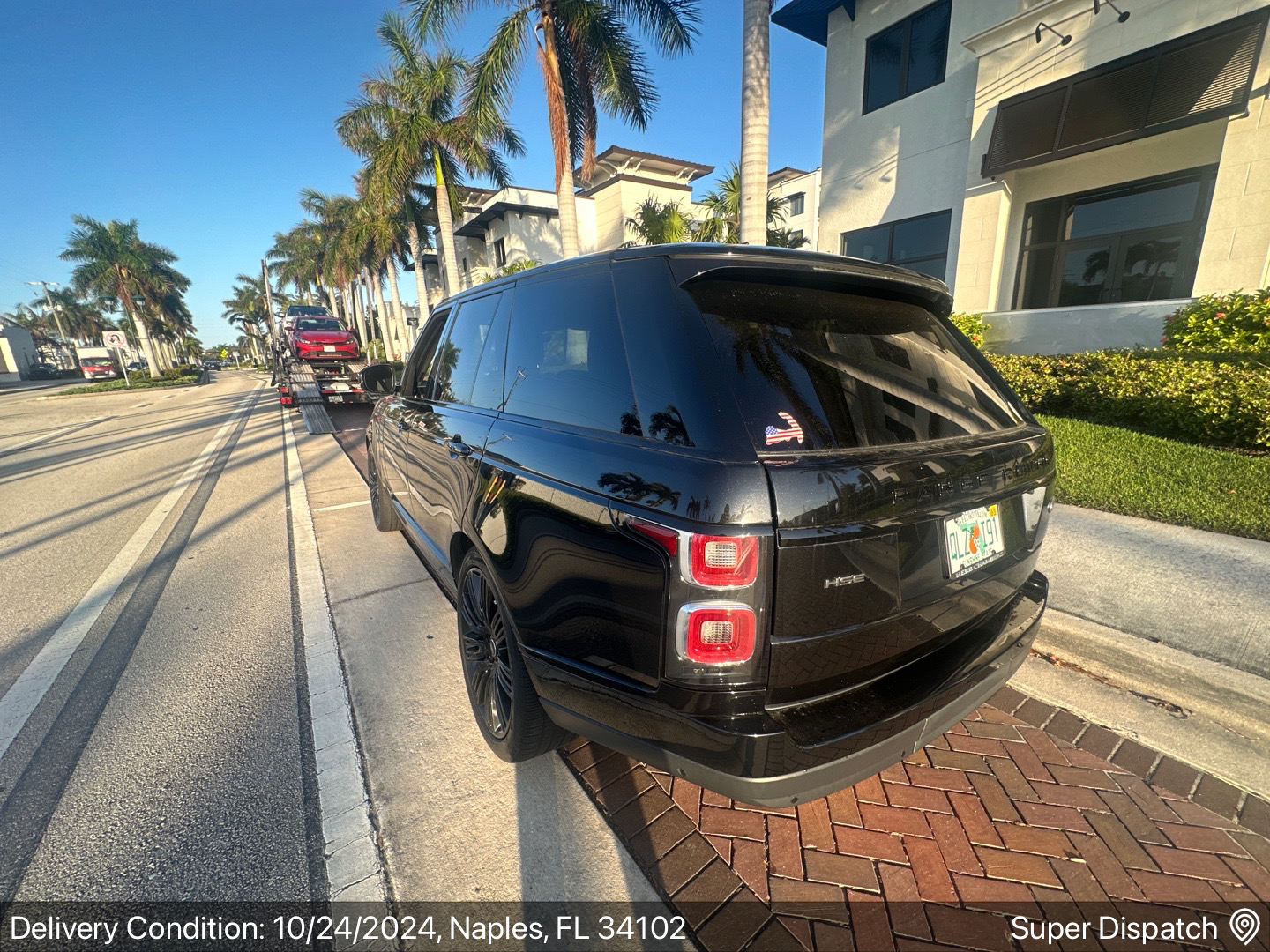
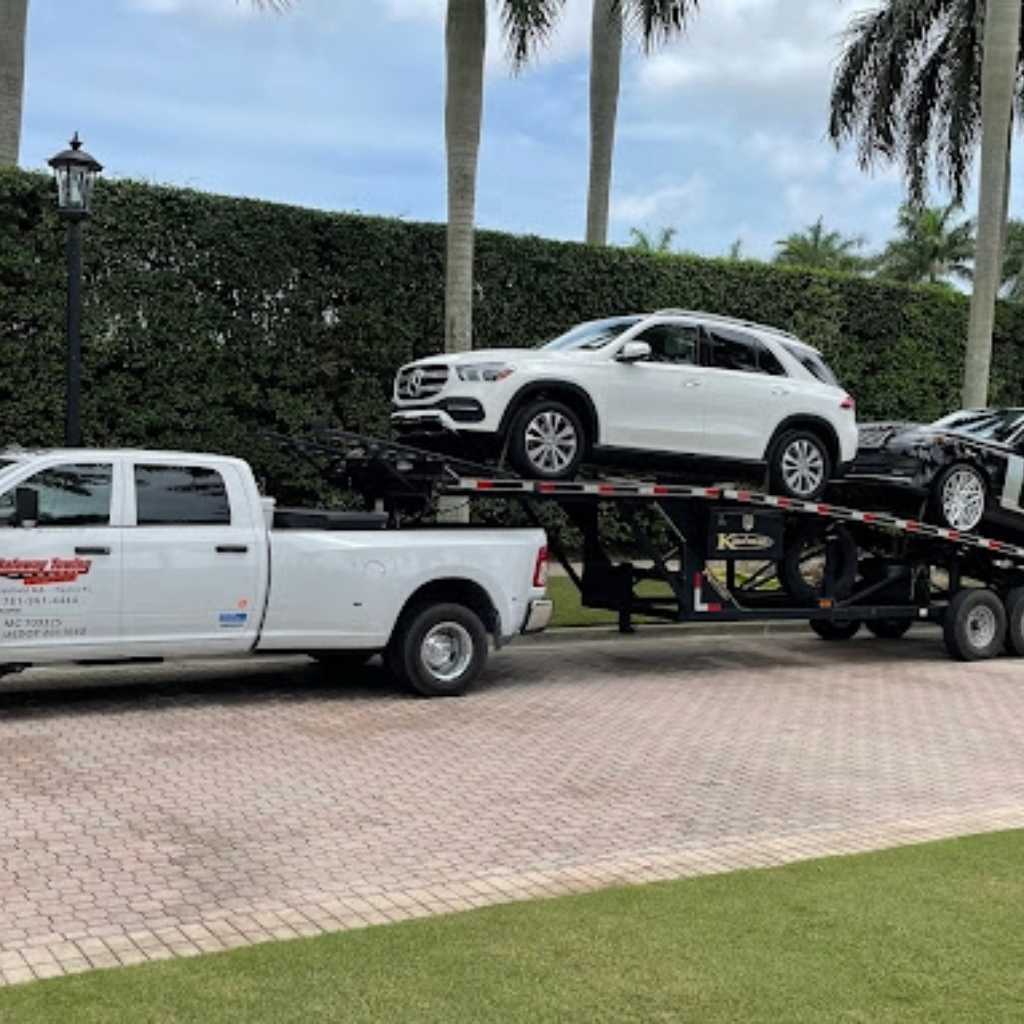
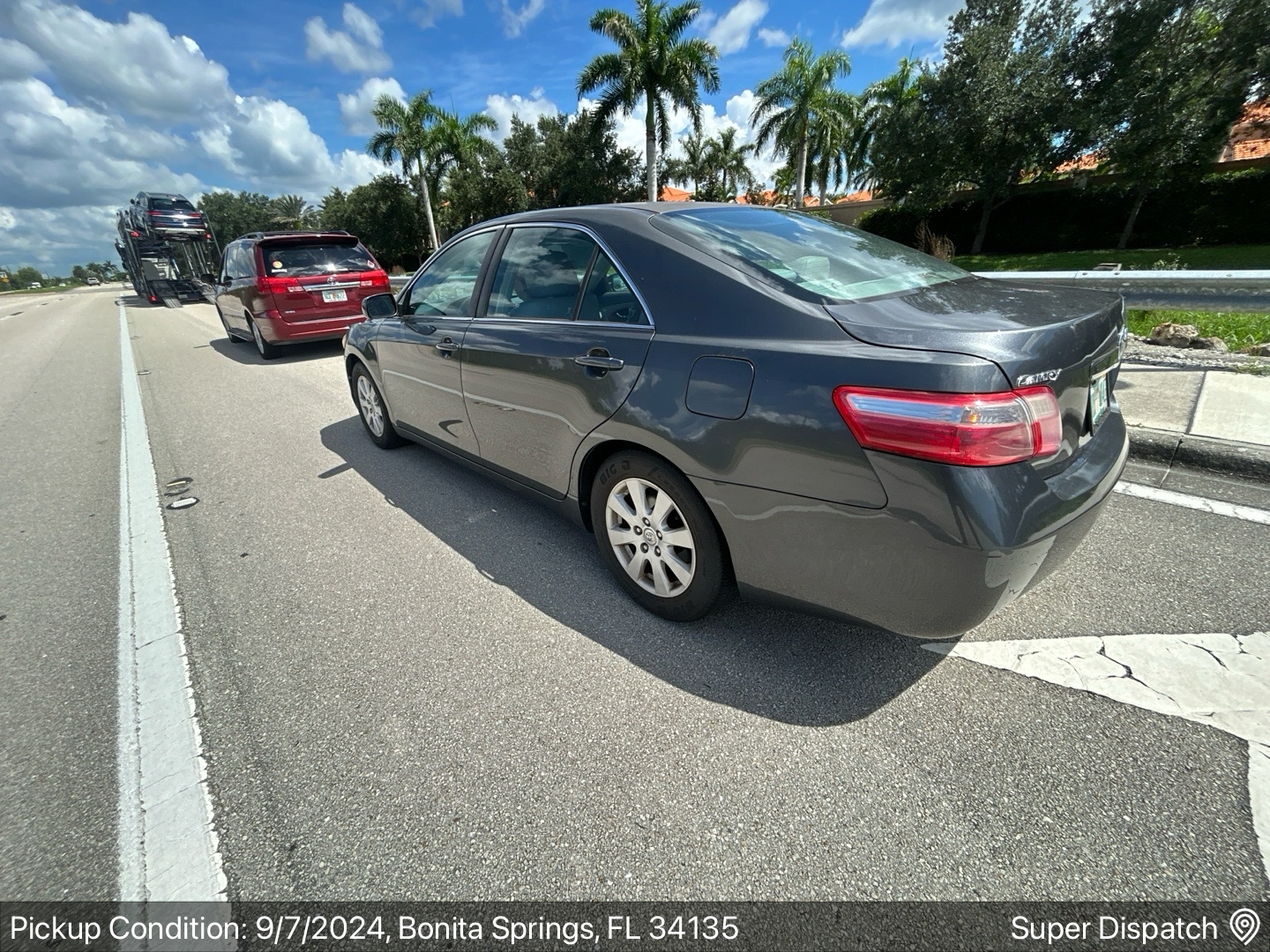
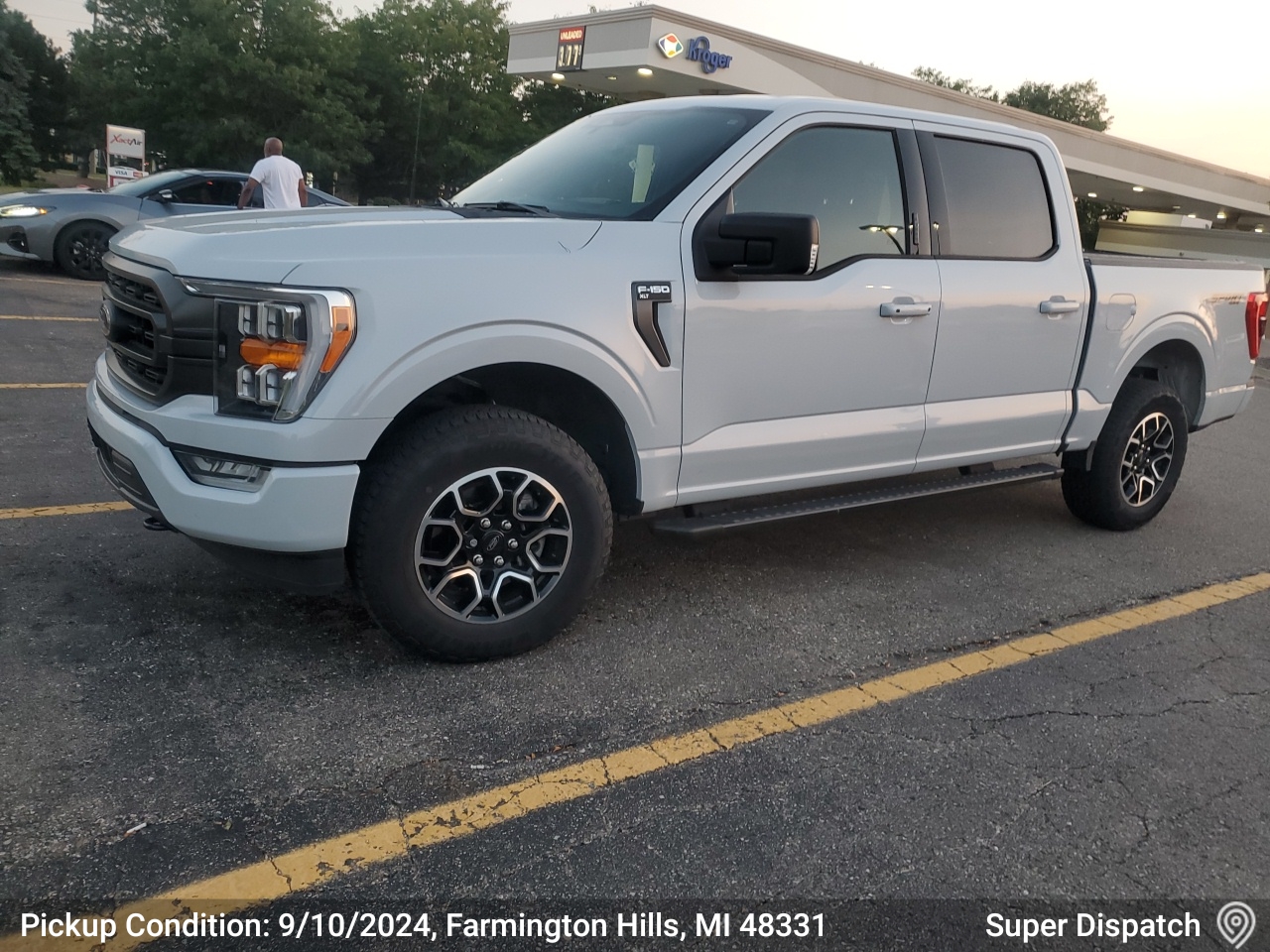
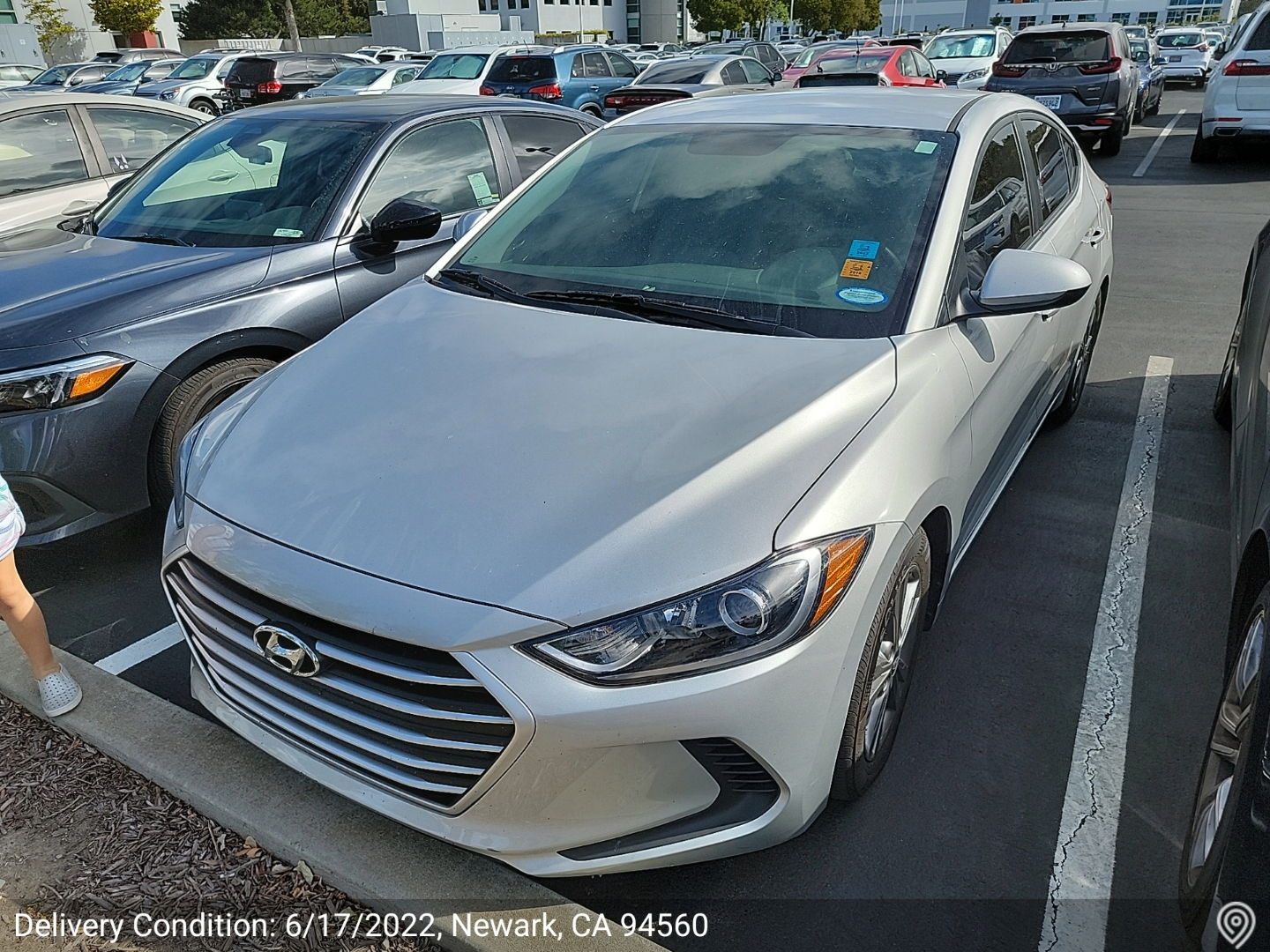
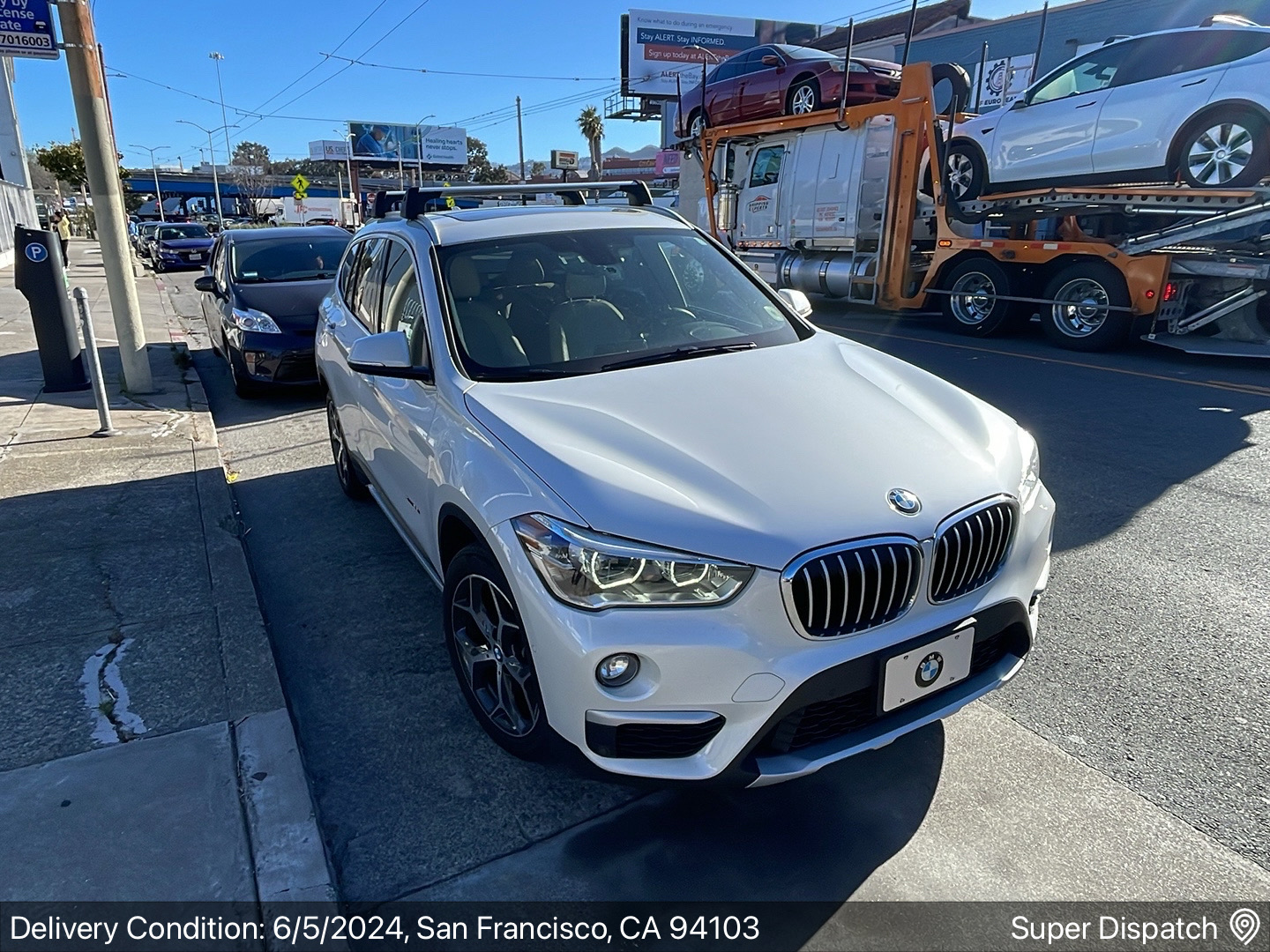
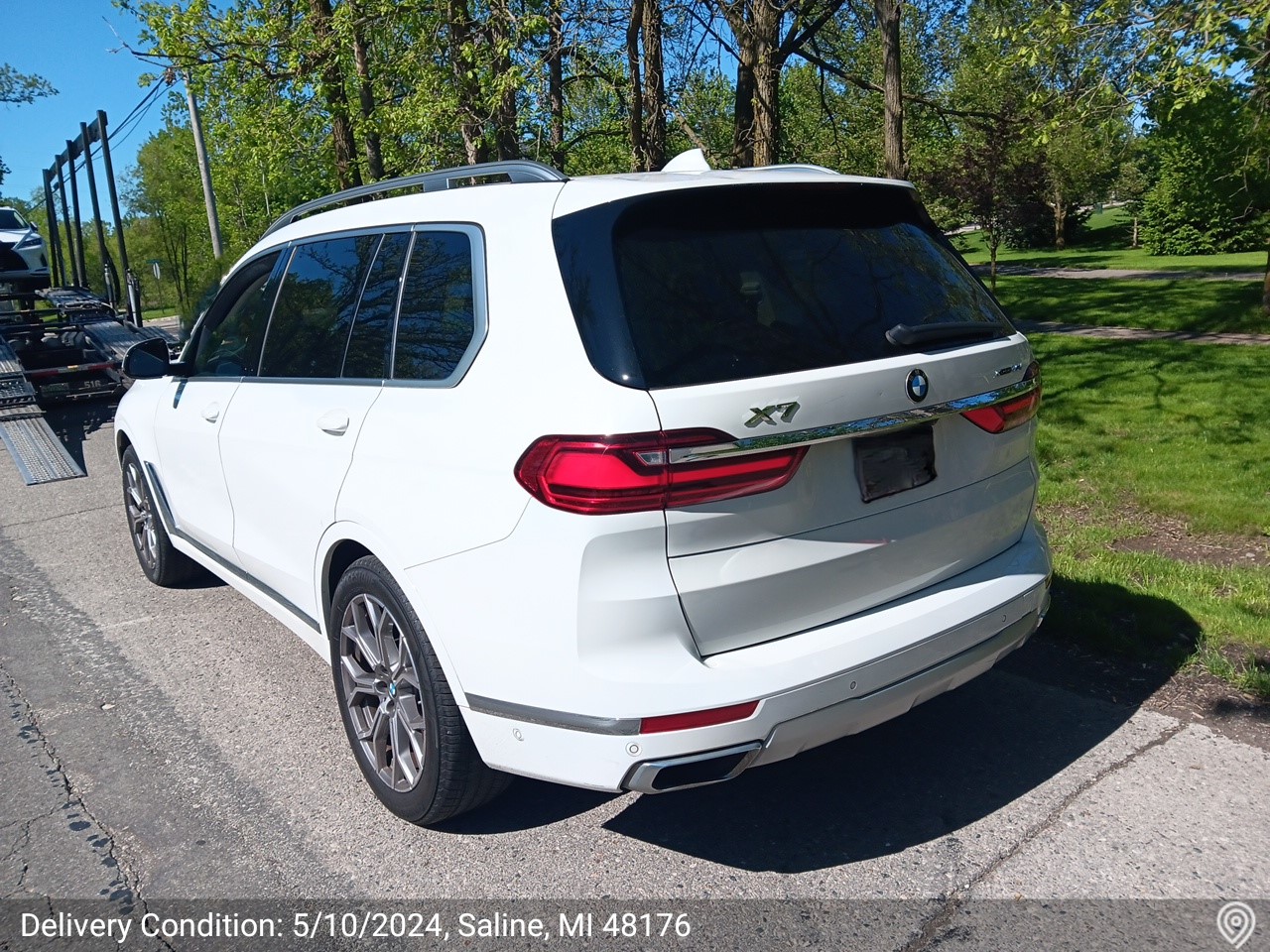
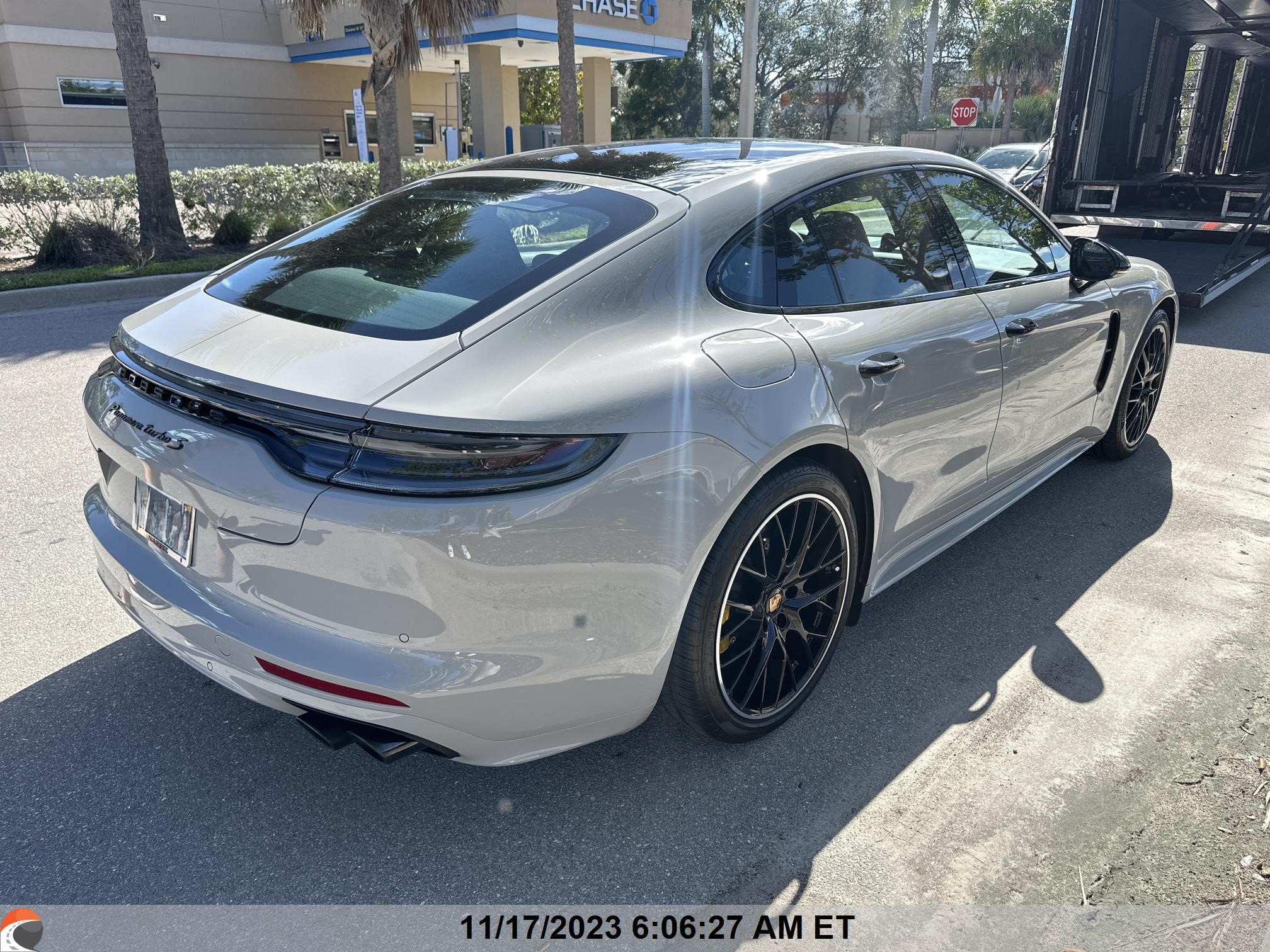
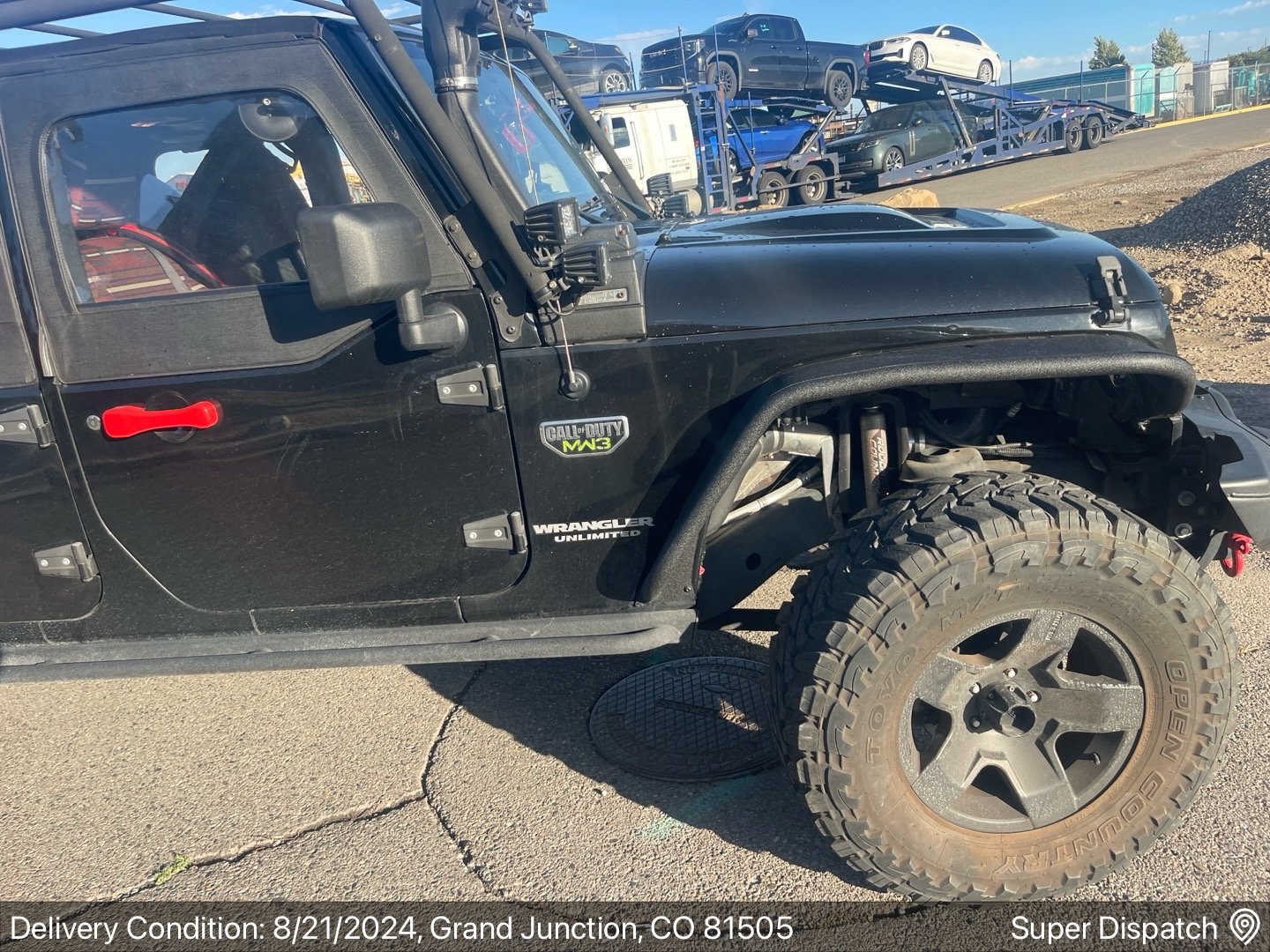
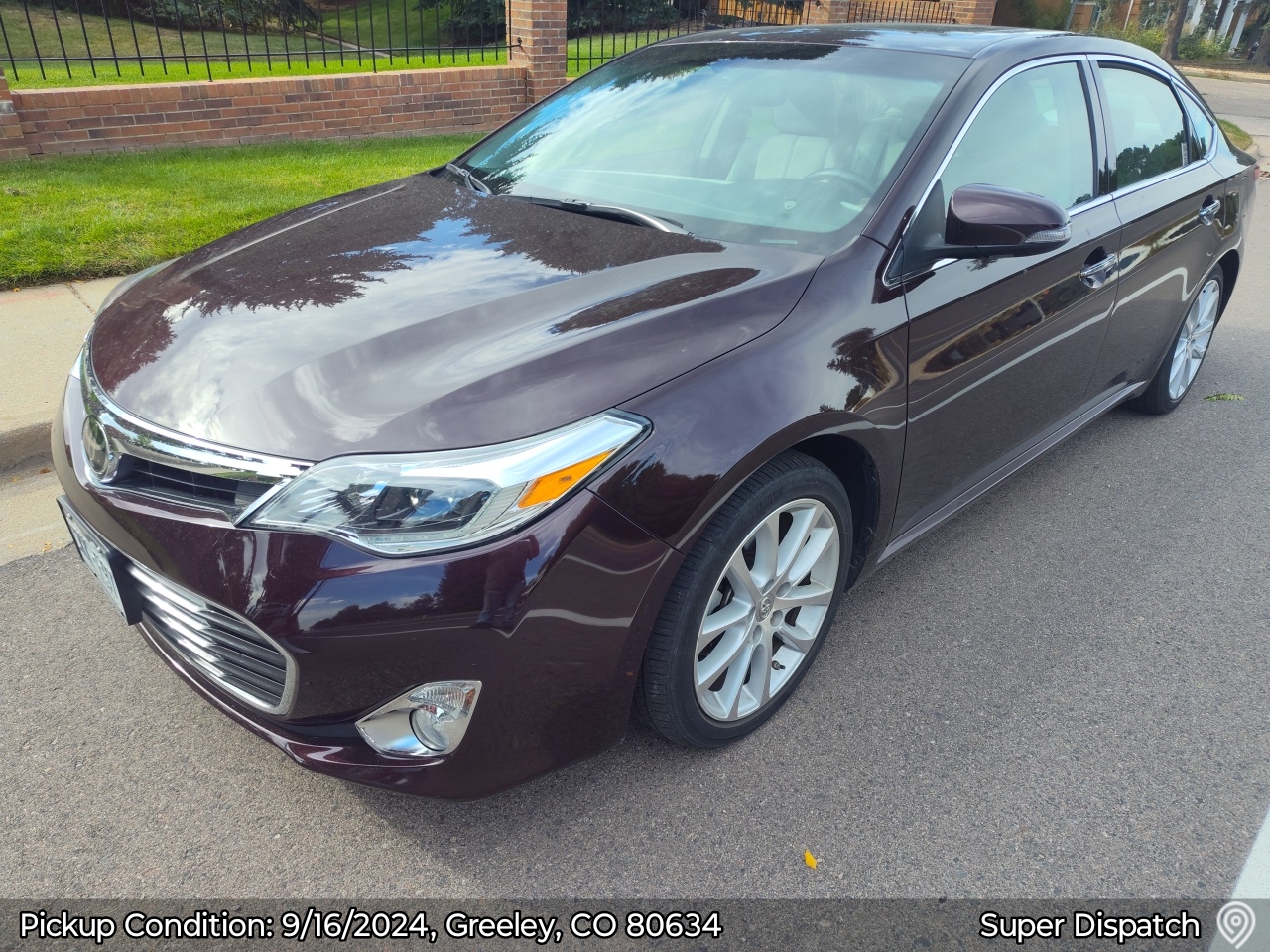
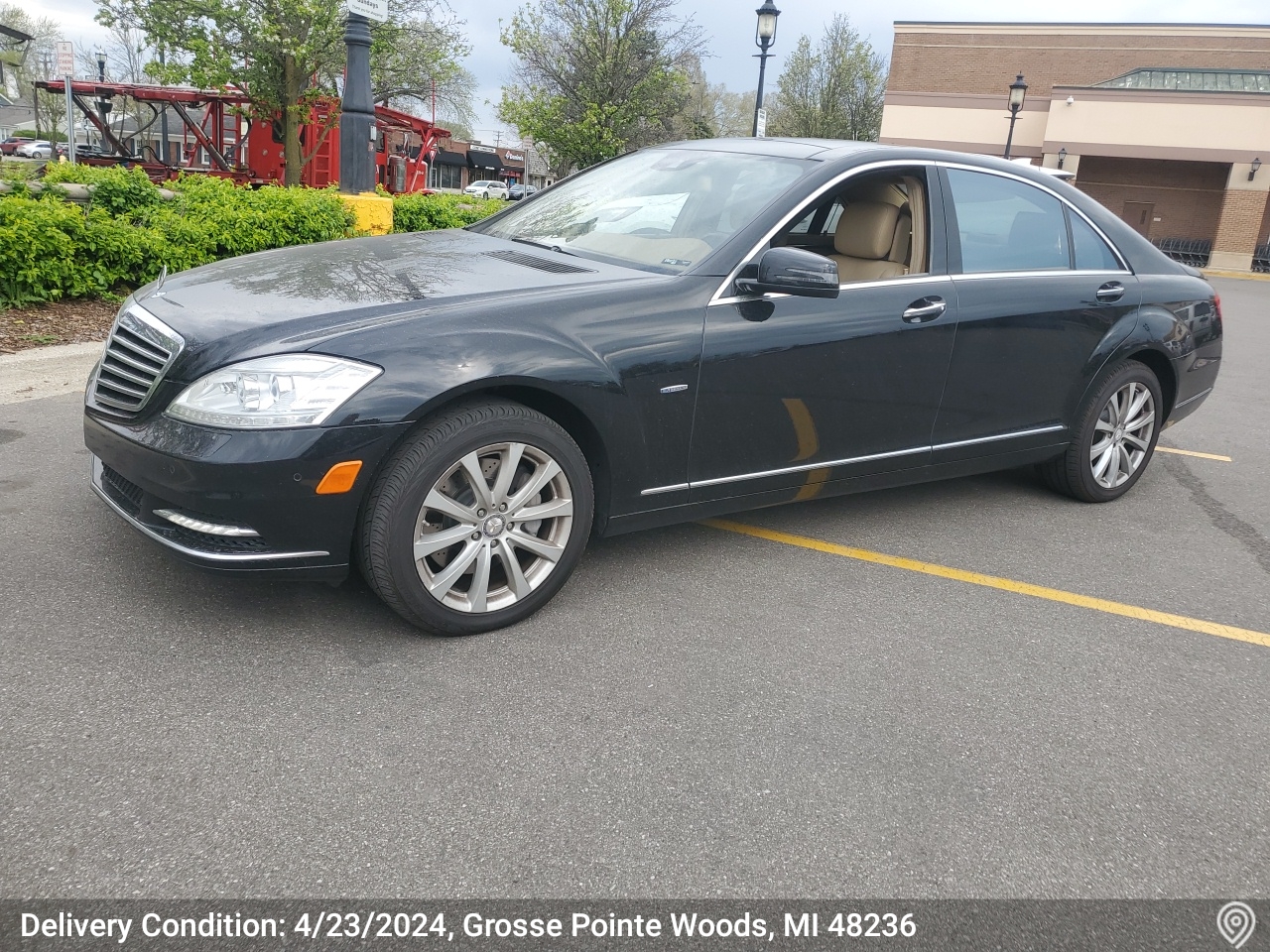
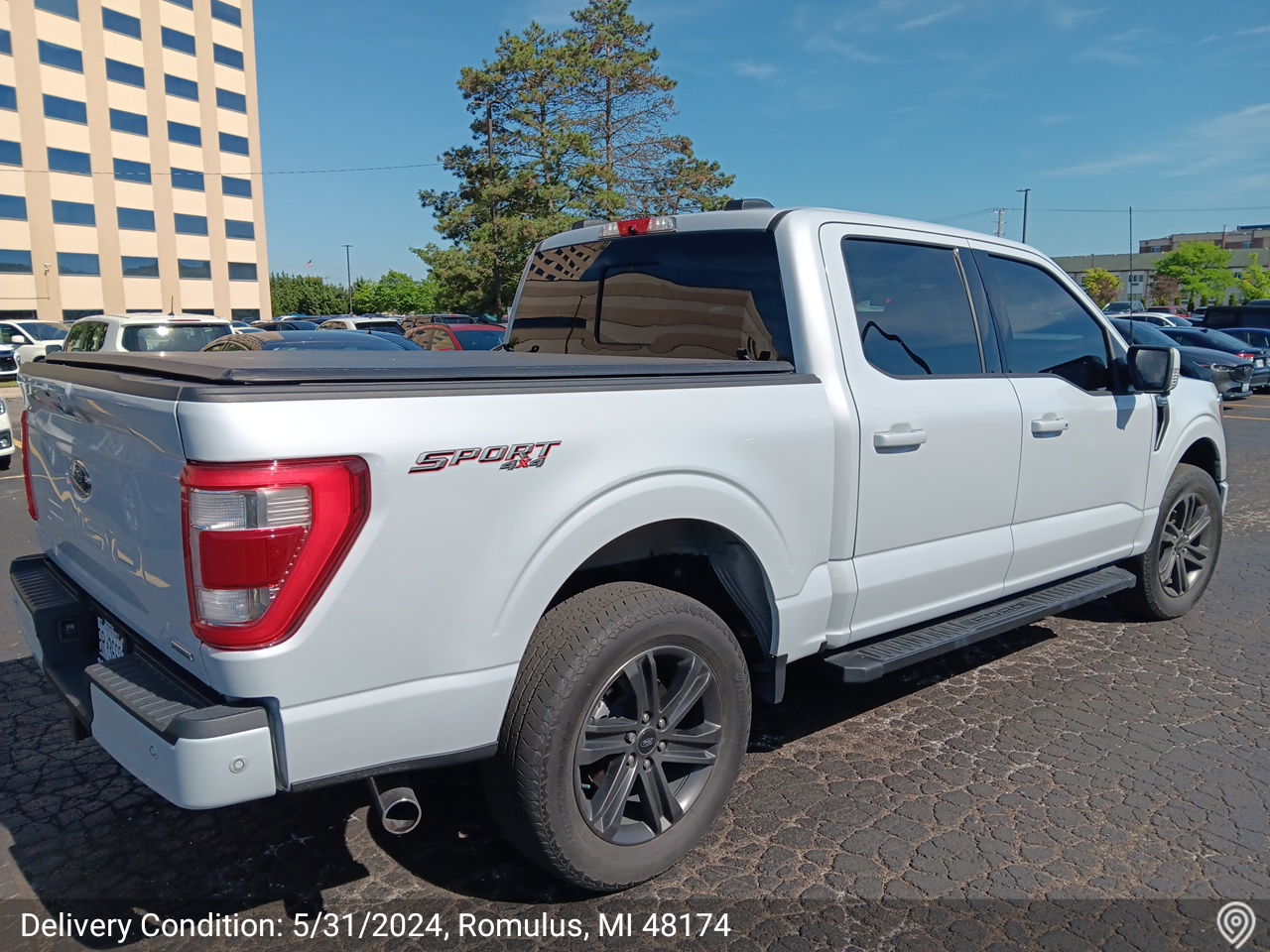
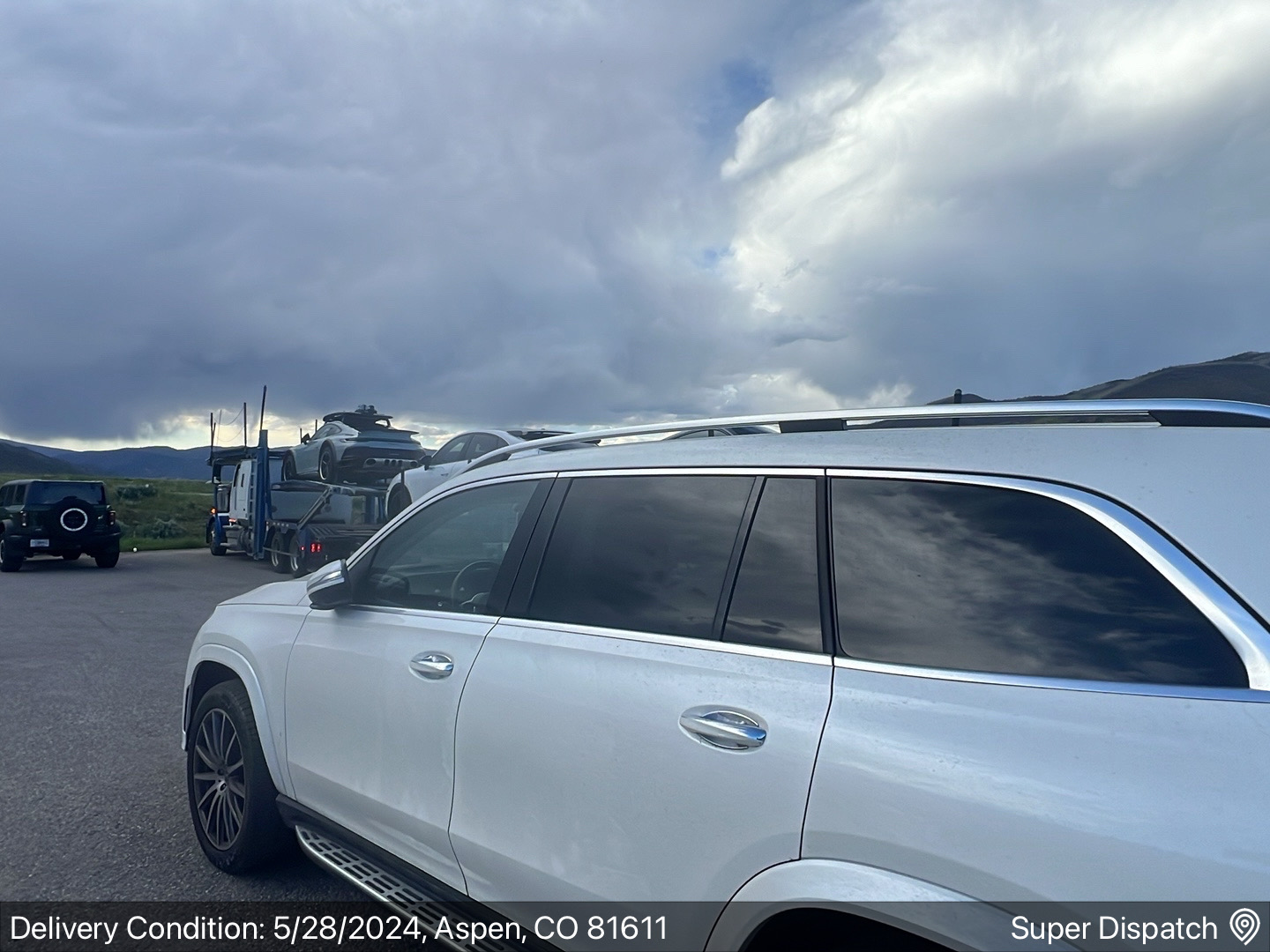
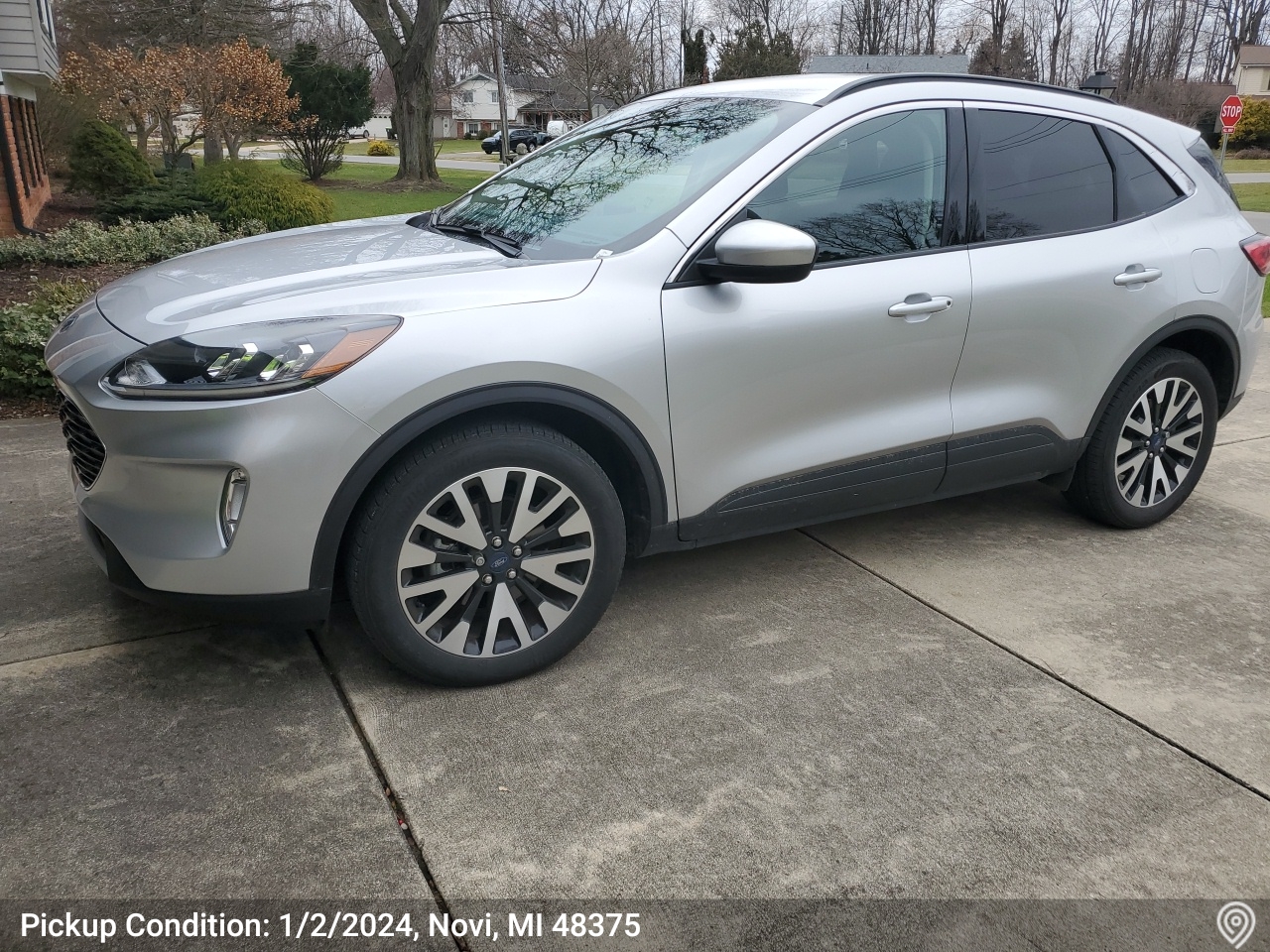
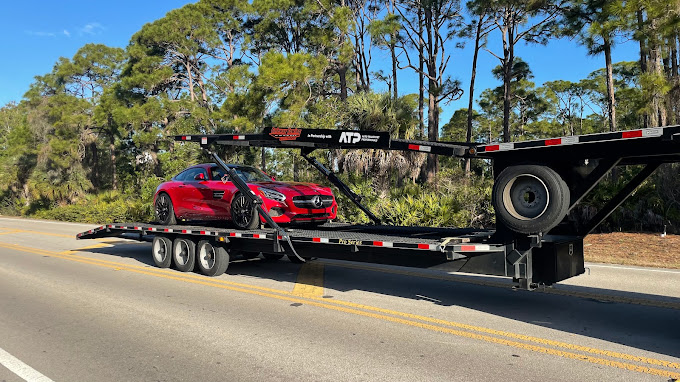
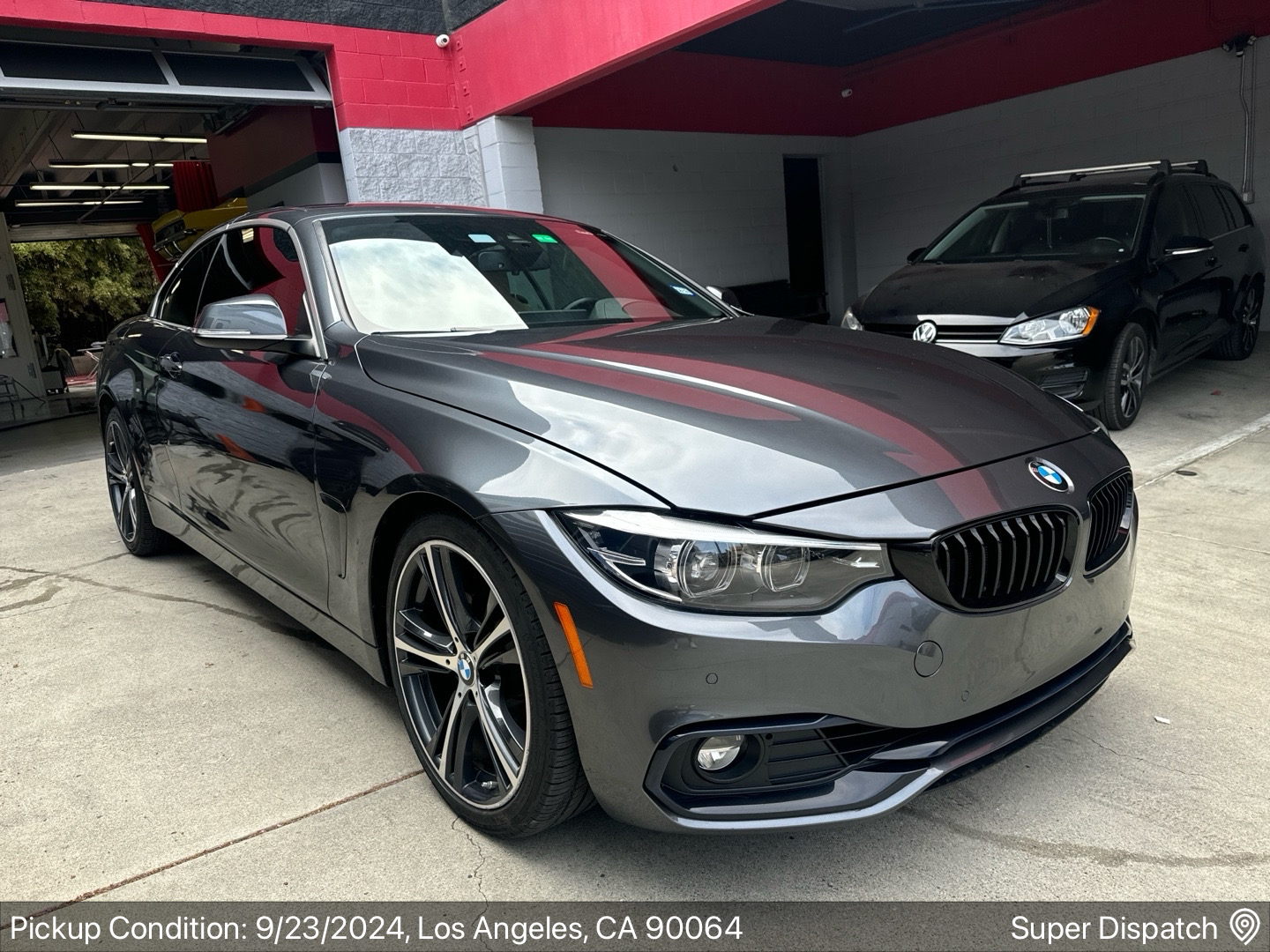
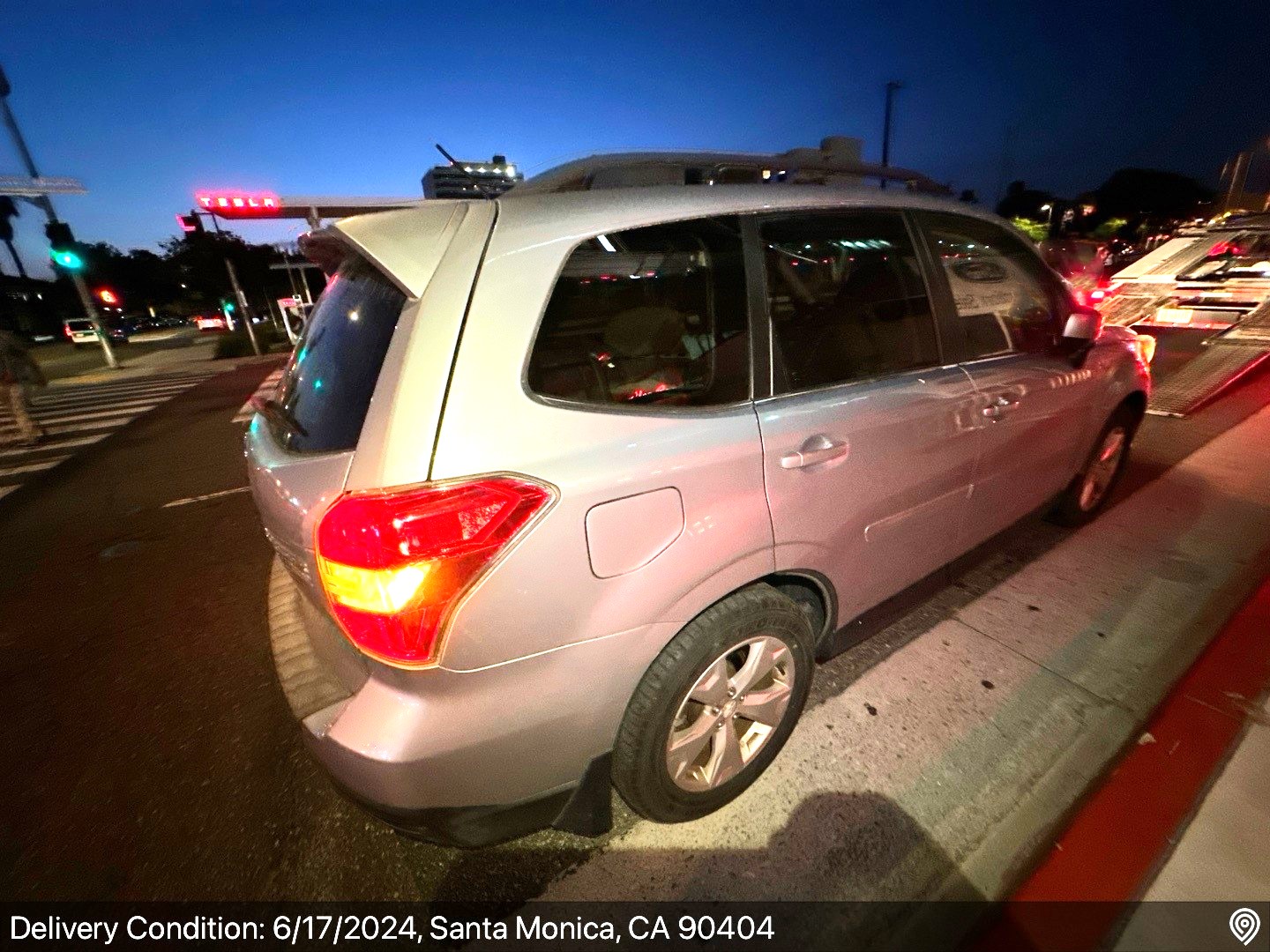
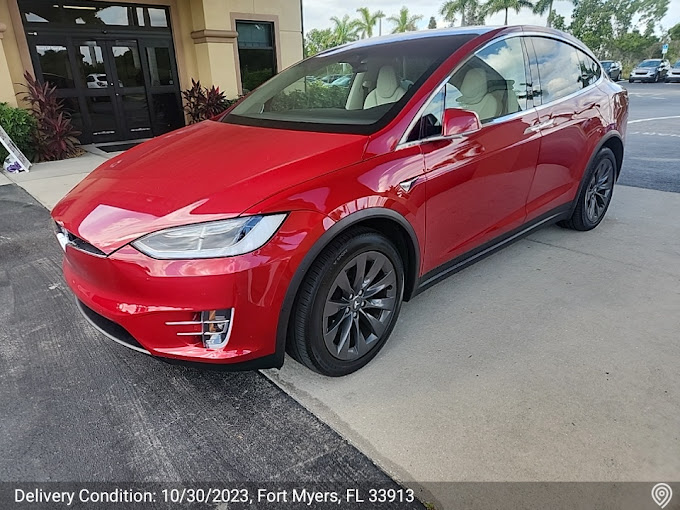
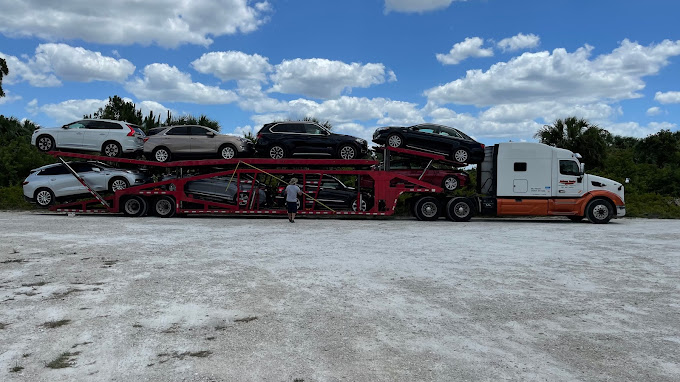
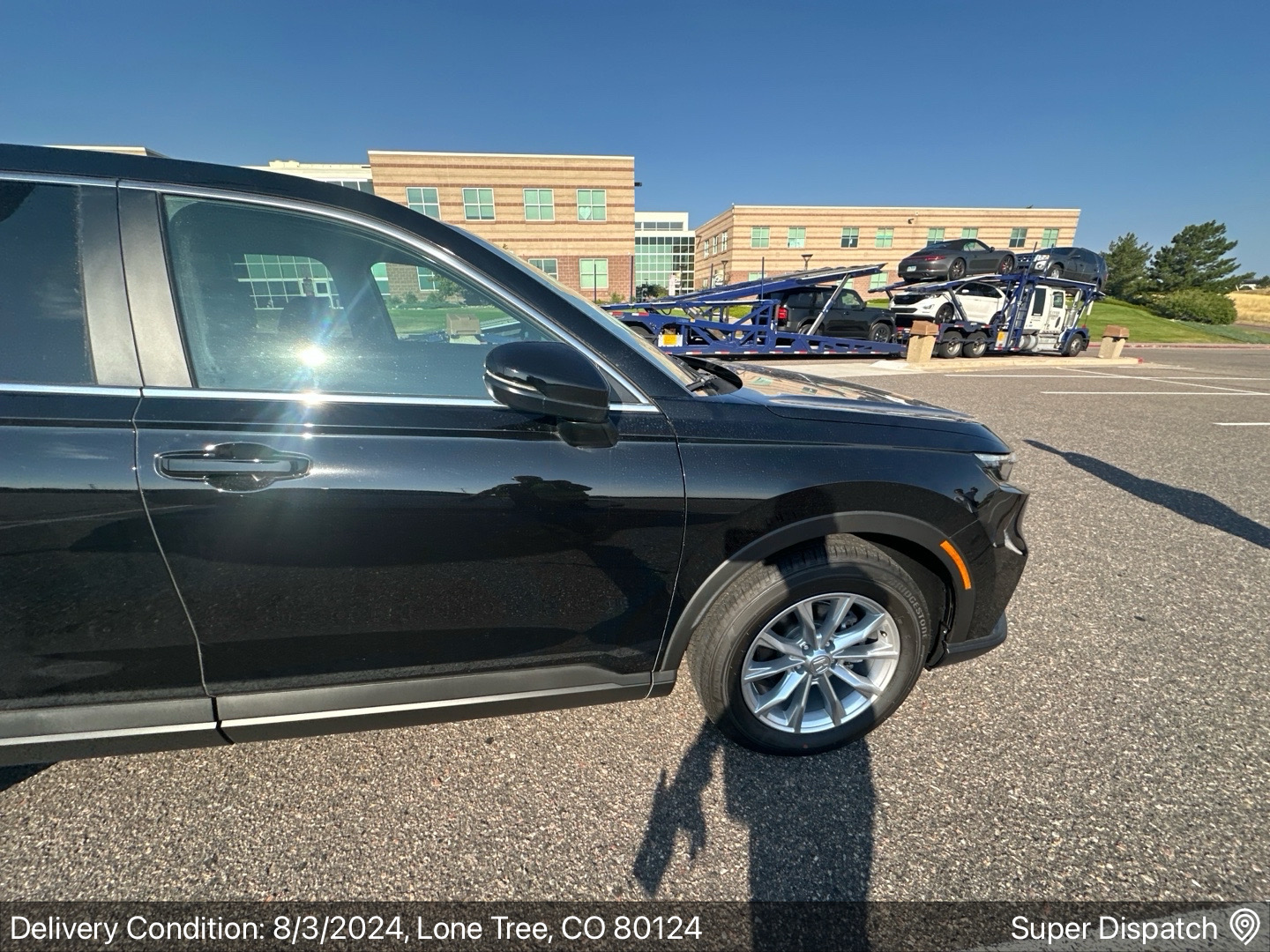
Most pickup locations in New York require some coordination. In Manhattan and the boroughs, 80-foot car haulers cannot navigate most city streets, so carriers typically arrange a staging area in Queens or the Bronx. Our dispatch team works with you to identify the most accessible spot near your address. Upstate locations in Buffalo or Rochester generally work fine from standard residential or commercial addresses.
Delivery in Rhode Island follows similar logic. Providence's downtown streets can be tight for large transport trailers, so vehicle shipping New York to Rhode Island into the city center may involve a nearby accessible handoff point. Warwick and Newport deliveries are typically more straightforward given their less congested layouts.
Transit on the New York to Rhode Island corridor typically takes 1 to 2 business days after pickup. The short haul means once your vehicle is loaded, it moves fast. Typically, we request a 3-day pickup window after your first available shipping date, and on this lane, carriers often hit that window without issue given the strong regional freight traffic.
How long to ship a car from New York to Rhode Island depends mostly on when the carrier can work your pickup into their schedule — not on the drive itself. Plan your first available date accordingly, and we'll coordinate the rest from there.
Review your quote, confirm vehicle details and dates. No payment collected until a carrier is assigned.
We dispatch your order to our carrier network. You receive carrier details, insurance info, and estimated pickup window.
Carrier gives you 24 hours advance notice before pickup. Walk-around inspection together, every mark documented on the Bill of Lading, both parties sign.
Track your shipment status through your coordinator. We handle any schedule changes or logistics questions.
24-hour advance notice, then a call when close. Second walk-around inspection — damage during transport is extremely rare, but note any new issues on the Bill of Lading before signing. Once signed without exceptions, claims are extremely difficult to win.
Your carrier will give you roughly 24 hours advance notice before arriving. For New York City pickups, expect to meet at an agreed staging location rather than curbside — our team confirms that spot with you during dispatch. At pickup, you and the driver walk the vehicle together, noting any existing scratches, dents, or wear on a Bill of Lading. Both parties sign it. That document is your baseline for the entire shipment on this auto shipping New York to Rhode Island move.
You'll receive roughly 24 hours advance notice before delivery, followed by a call when the driver is close. At drop-off, compare your vehicle's condition against the Bill of Lading from pickup. Damage during transport is extremely rare, but if anything new is present, note it on the Bill of Lading before signing. Signing without documenting damage makes a claim extremely difficult to pursue. For Providence deliveries, the driver may coordinate a nearby accessible drop point — the same practical approach used at origin for car transport New York to Rhode Island.
Every carrier in our network is required to carry cargo insurance as a condition of their FMCSA operating authority. Coverage details vary by carrier and are confirmed before your vehicle is dispatched.
At pickup, the driver and you complete a joint vehicle inspection. Every scratch, dent, and existing mark is documented on the Bill of Lading. At delivery, you must carefully compare the vehicle's condition against this record before signing the delivery receipt. If you notice any new damage, note it on the Bill of Lading before you sign. Once you sign the delivery receipt without noting damage, it becomes extremely difficult to file and win a claim. This is the single most important step in protecting yourself during the transport process.
Relocations — This is a short-haul corridor, roughly 180 miles between Manhattan and Providence, but it's one of the more common Northeast relocations. Reliable car shipping lets you fly or handle the move without adding a drive to your checklist. New York to Rhode Island auto transport is a well-traveled lane with solid carrier availability year-round. Get an auto transport quote early to lock in your preferred pickup window.
Dealerships and Wholesale Buyers — Dealer inventory moves constantly between New York's metro lots and Rhode Island's smaller market. Vehicle shipping companies handle cars from New York to Rhode Island between dealerships or from auction purchases out of the Long Island and northern New Jersey rings. Short-haul minimums apply on this lane, so factor that into acquisition math. Reputable vehicle shipping on this corridor keeps your inventory turning without tying up driver hours.
Online Vehicle Purchases — Private buyers picking up vehicles from New York sellers, especially through Craigslist, Facebook Marketplace, or dealer sites, use car shipping New York to Rhode Island rather than coordinating a round trip into the city. It keeps miles off the vehicle and simplifies the transaction. Work with top rated car shipping companies that run this corridor regularly.
Open New York to Rhode Island Auto Transport on this short-haul corridor typically costs $300 to $450 for a standard sedan. Regional routes under 500 miles benefit from faster transit and competitive per-mile rates. Enclosed transport runs approximately $675. Request a free quote for your specific move.
Transit typically takes 1 to 2 business days after pickup. We work with a 3-day pickup window after your first available date. Strong carrier traffic on this corridor means scheduling is reliable for most origin and destination locations.
Yes, door-to-door New York to Rhode Island Auto Transport service is standard. In urban areas, carriers may suggest a nearby accessible meeting point if street parking or narrow roads limit truck access. Our dispatch team coordinates the most practical meeting point when truck access is limited.
Open transport works for most vehicles and starts at $300 on this corridor. Enclosed transport at approximately $675 is recommended for luxury, classic, or high-value vehicles that benefit from full weather and debris protection. Both options include carrier cargo insurance.
Demand on this corridor stays relatively stable year-round, so scheduling is consistent in any season. Booking 7 to 10 days ahead of your preferred pickup date gives the best carrier matching results.
Someone 18 or older must be present at both ends to authorize the shipment and sign the Bill of Lading. If you cannot attend personally, designate a trusted representative — a friend, family member, or dealership contact — to handle the vehicle inspection and paperwork on your behalf.
Yes. Every carrier in our New York to Rhode Island Auto Transport network carries cargo insurance as required by their FMCSA operating authority. Coverage specifics are confirmed before dispatch. At both pickup and delivery, you complete a joint vehicle inspection documented on a Bill of Lading — this protects you if any issue arises.
Yes, we handle non-running vehicles on this corridor. The vehicle needs to roll, steer, and brake for standard loading. Vehicles that cannot roll may require a winch or forklift at additional cost. Mention the vehicle's condition when requesting your quote so we match the right carrier and equipment.
Wash the exterior so scratches and dents are visible during inspection. Remove toll transponders, parking passes, and loose interior items. Leave roughly a quarter tank of fuel. Disable aftermarket alarms. Take dated photos of all sides, roof, and odometer before the carrier arrives for your records.
Most carriers allow personal belongings in the trunk or cargo area up to about 100 pounds. Items must stay below the window line and cannot be fragile or high-value. Personal items are not covered under carrier cargo insurance, so keep the vehicle as empty as practical.