Fully insured carriers. Quote valid for 7 days. Price locked at booking. No upfront payment.
New Hampshire auto transport moves on a seasonal rhythm shaped by the state's role as a snowbird origin market, with outbound shipments peaking each fall as residents head south toward Florida and the Carolinas. I-93 is the primary artery connecting the state to the broader New England carrier network, while I-95 along the seacoast and I-89 running northwest toward Vermont provide secondary access points. Those corridors make New Hampshire a reasonable pickup state for carriers already running Massachusetts-to-Florida lanes.
Carrier coverage is steady near Manchester and Nashua, where most trucks enter the state from the south. Manchester, as the largest city, sees the most consistent scheduling. Concord and Dover also fall within reasonable reach of active carrier lanes. New Hampshire car shipping gets more complicated farther north — towns like Littleton and Berlin sit well off the main corridor, and drivers there may need to meet a carrier closer to I-93 rather than expecting door-to-door service.
Have used Auto Transport Professionals for the past 4 years shipping cars between Naples and Cape Cod. Our cars arrive quickly and in the same condition.
All was smooth, Alex was great to communicate with. The car was sent enclosed and at a good rate.
My car was picked up and delivered as promised. No issues. High integrity by owner and operator.
New Hampshire car shipping cost runs above the national average, driven by the state's position as a moderate-density market where carrier supply doesn't always keep pace with demand. Outbound fall shipments face the sharpest pricing pressure, as snowbird-season demand surges while available trucks are already committed to high-volume southern lanes. New Hampshire vehicle shipping rates reflect that imbalance directly — when carriers have options, they prioritize routes with the most load density.
Rates ease somewhat in late winter and spring, when northbound return traffic picks up and carriers actively seek loads heading back into New England. Scheduling flexibility of even a few days can make a meaningful difference in what you're quoted. Get a no-obligation car transport quote to see how your specific dates and pickup location affect your rate.
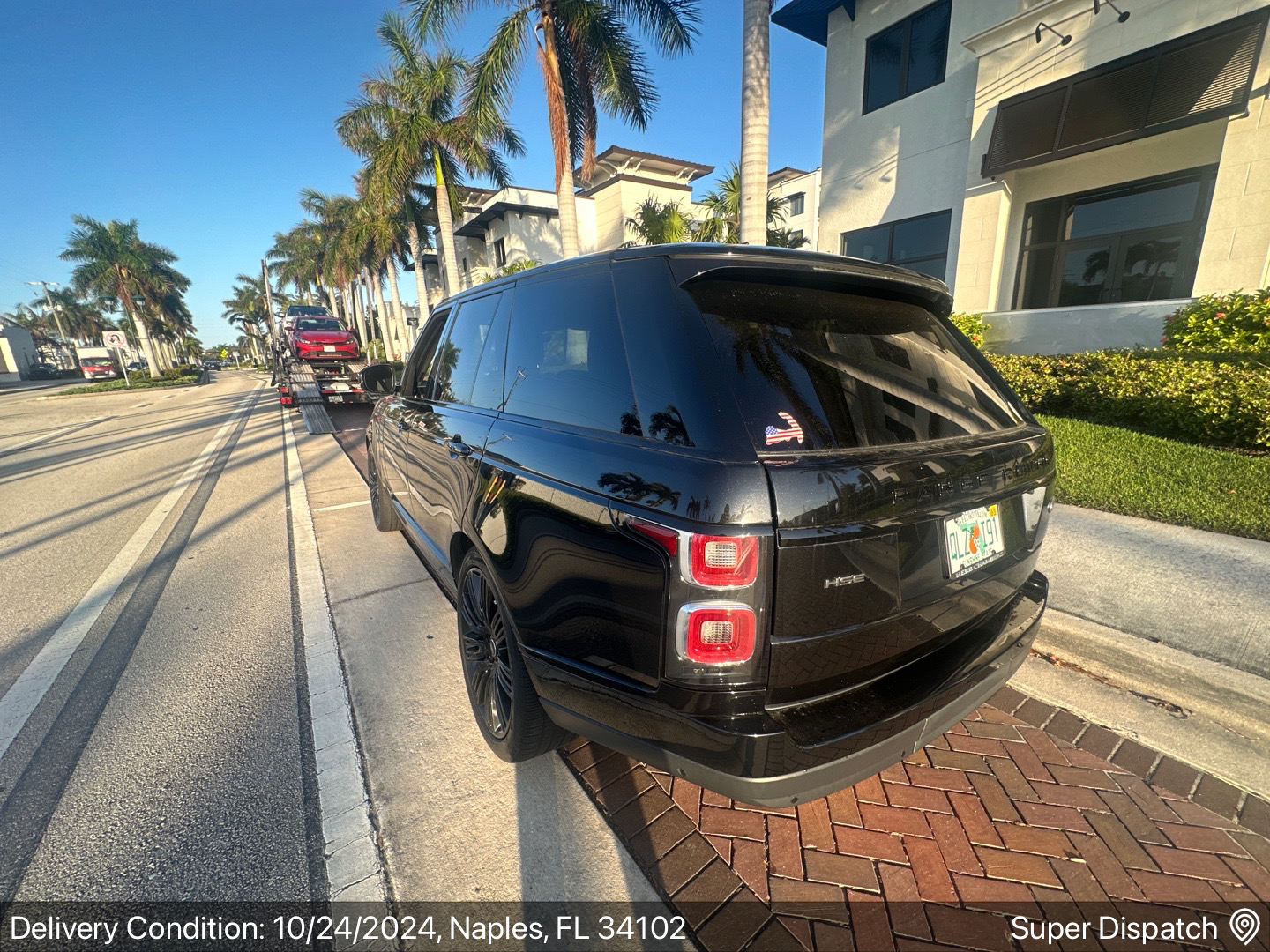
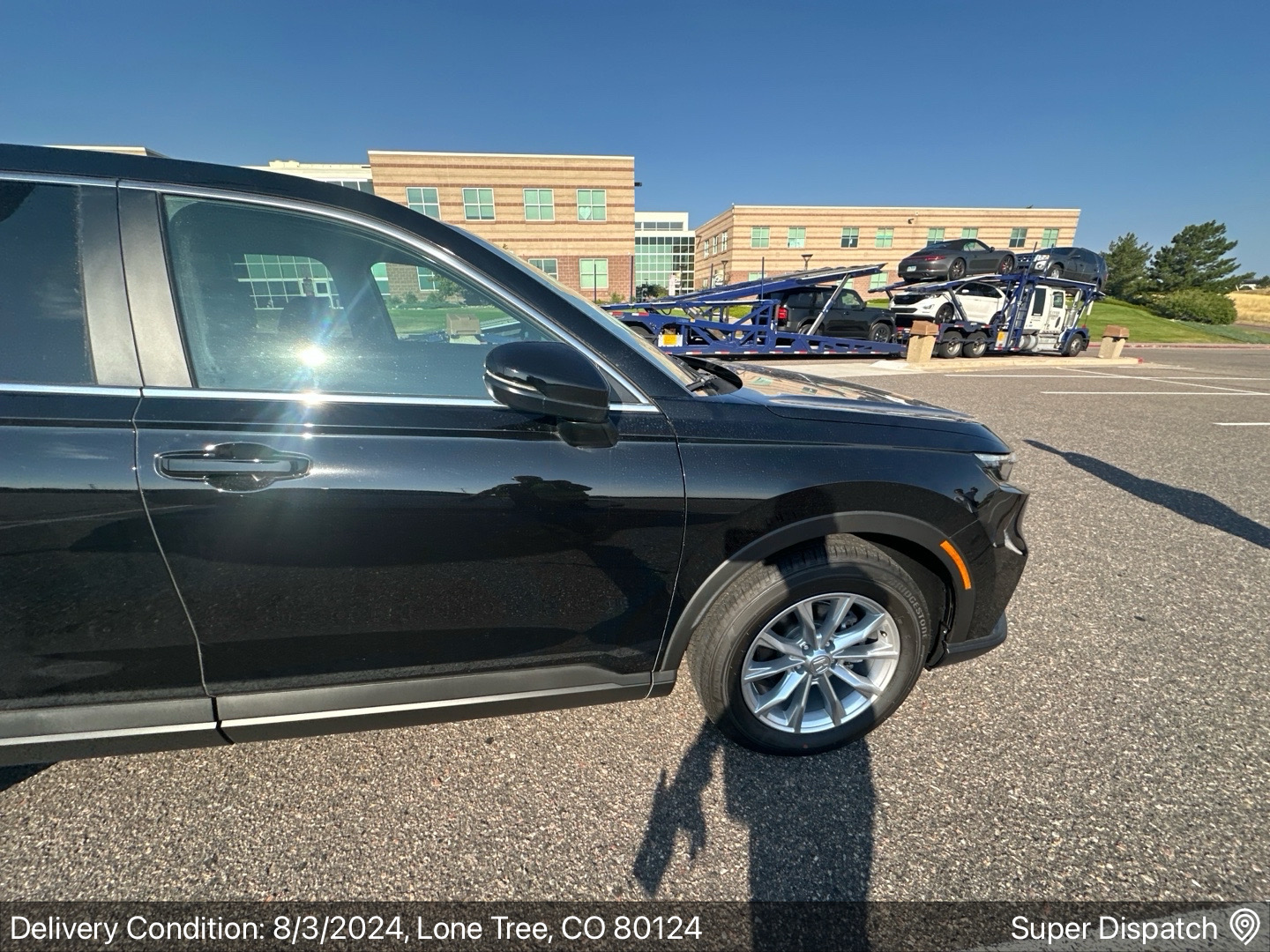
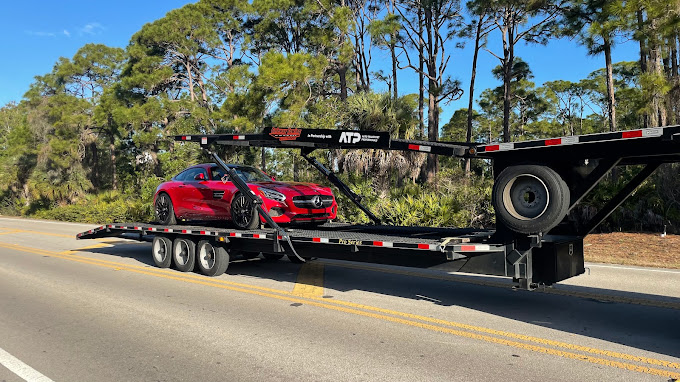
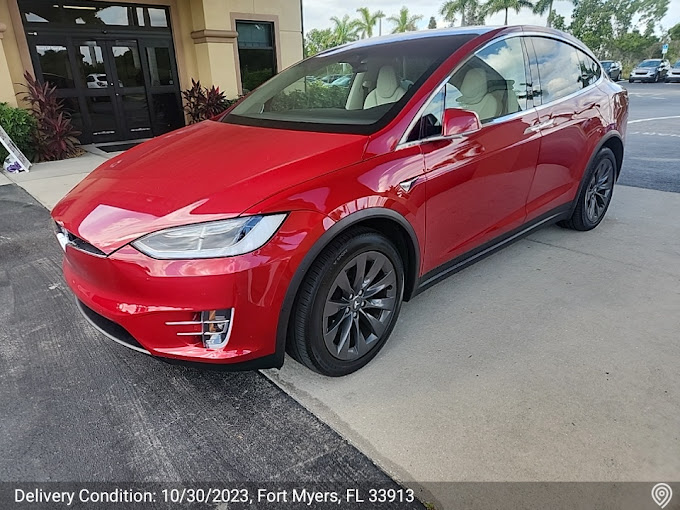
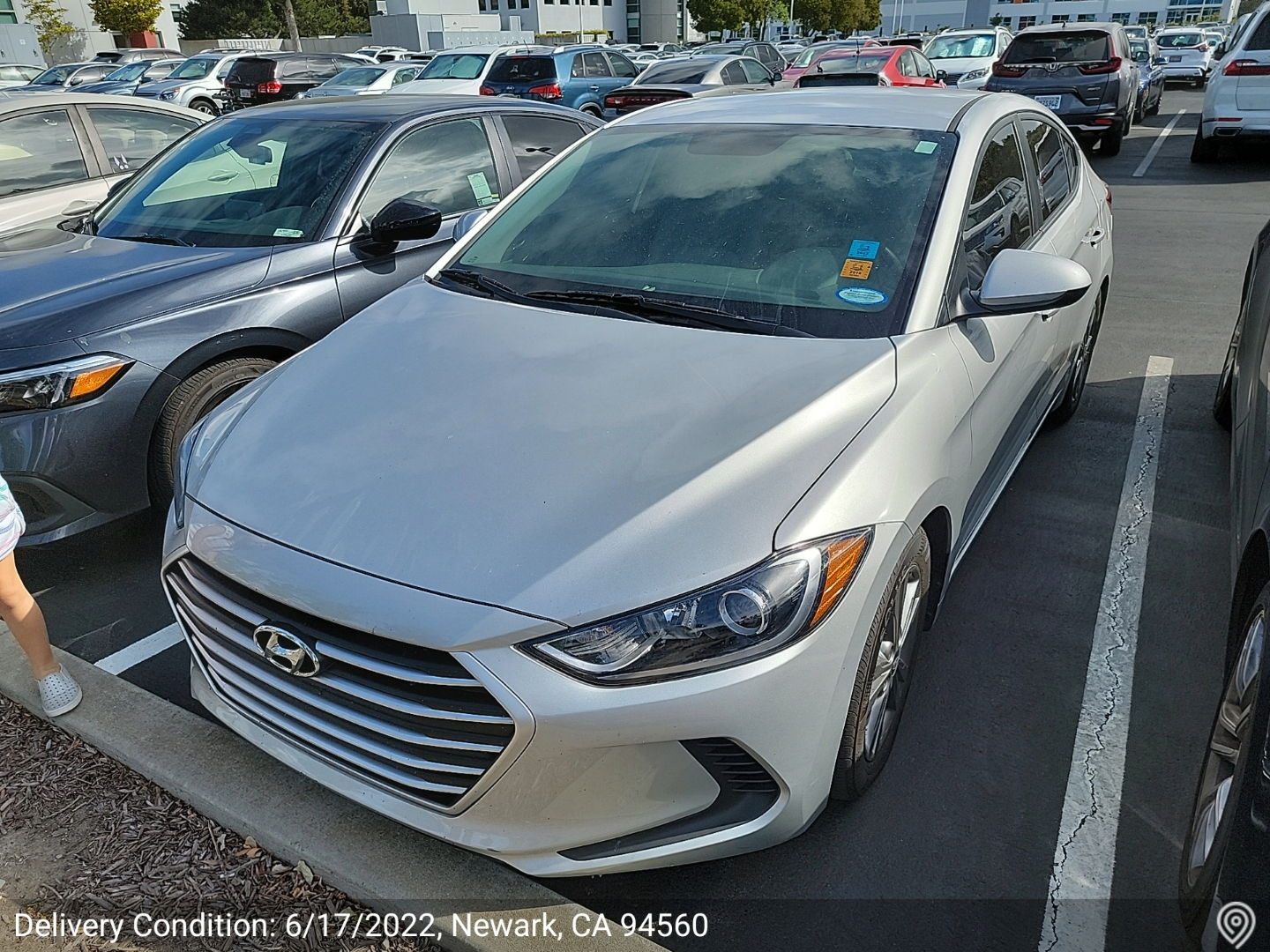
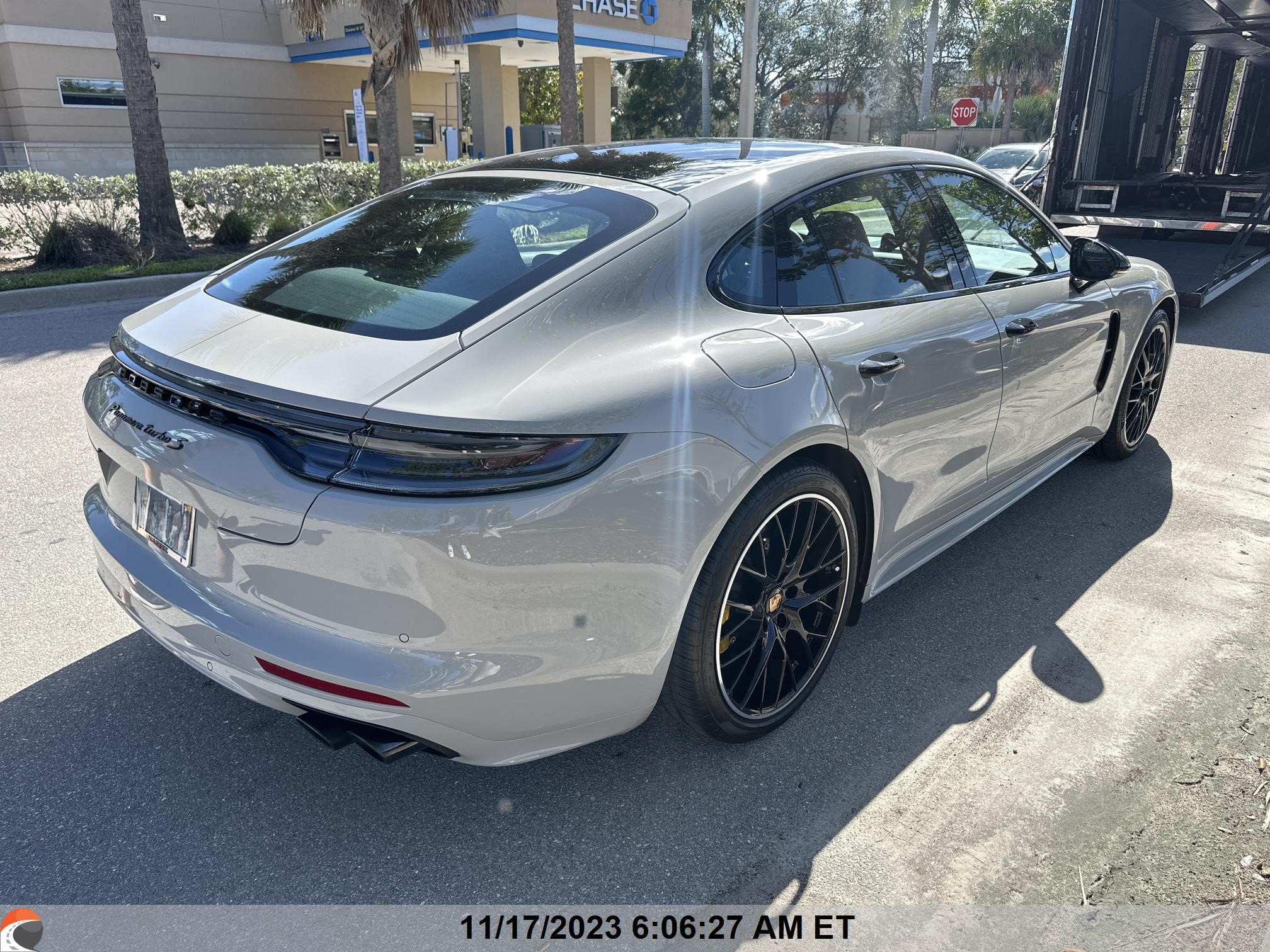
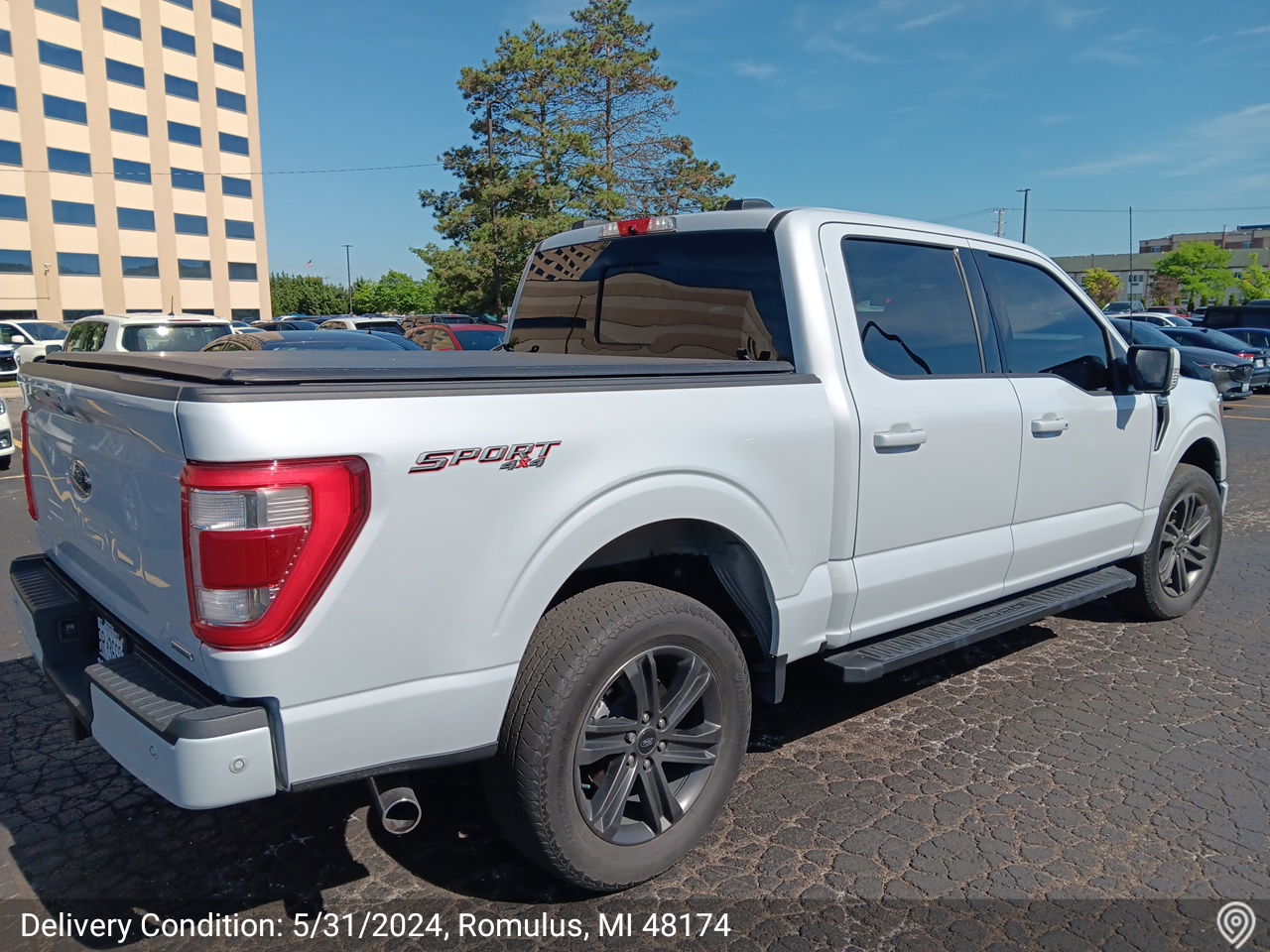
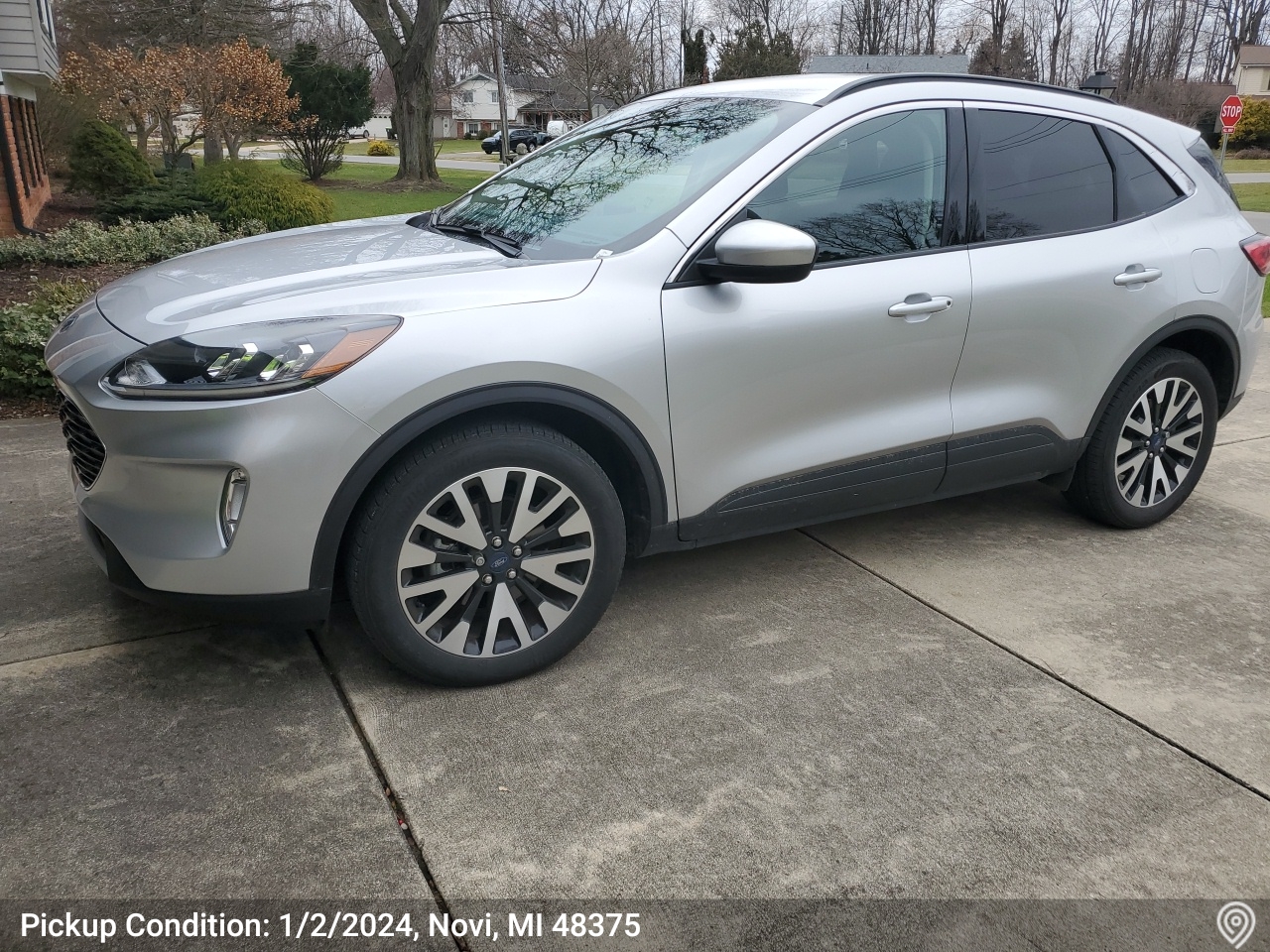
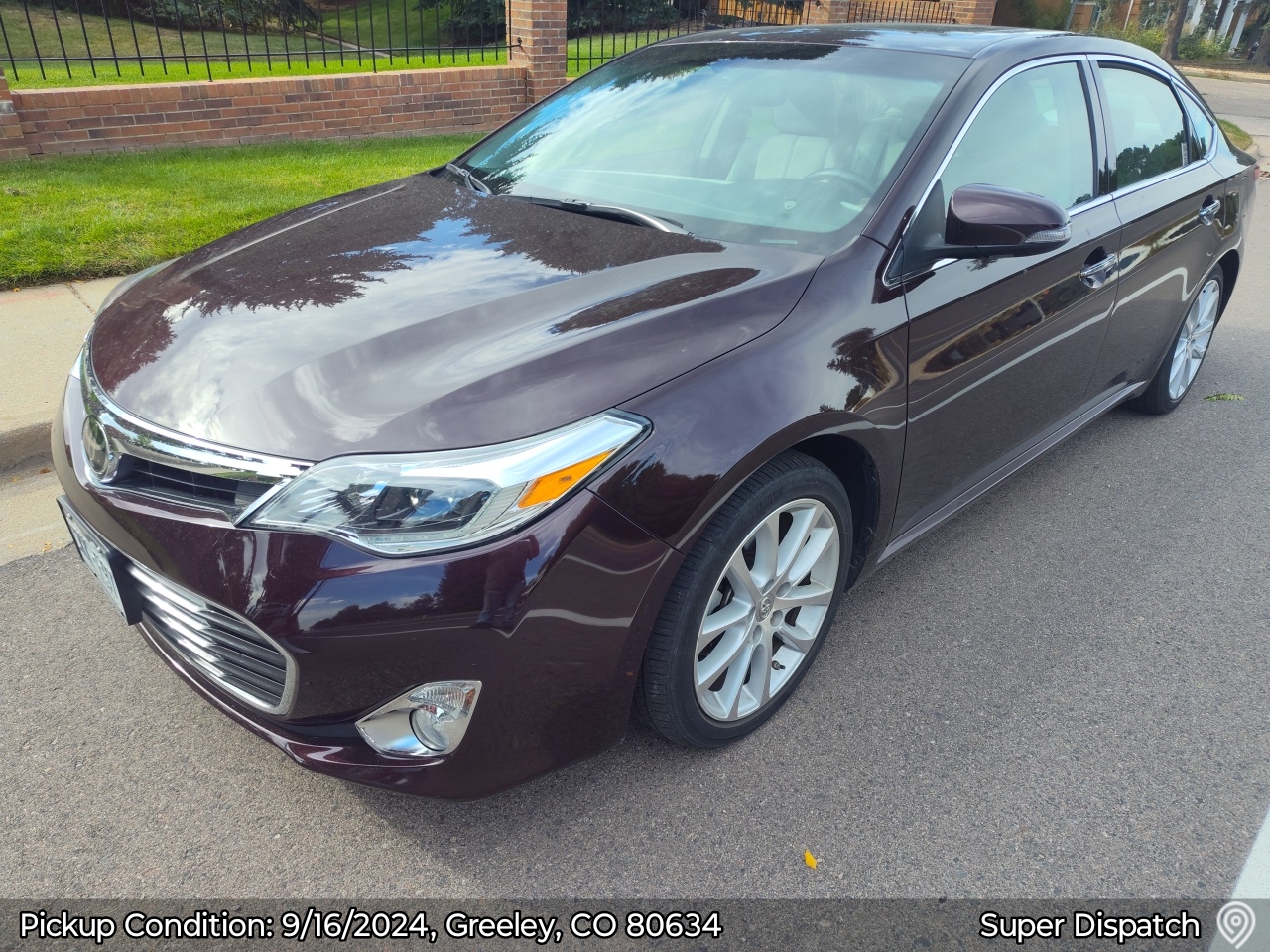
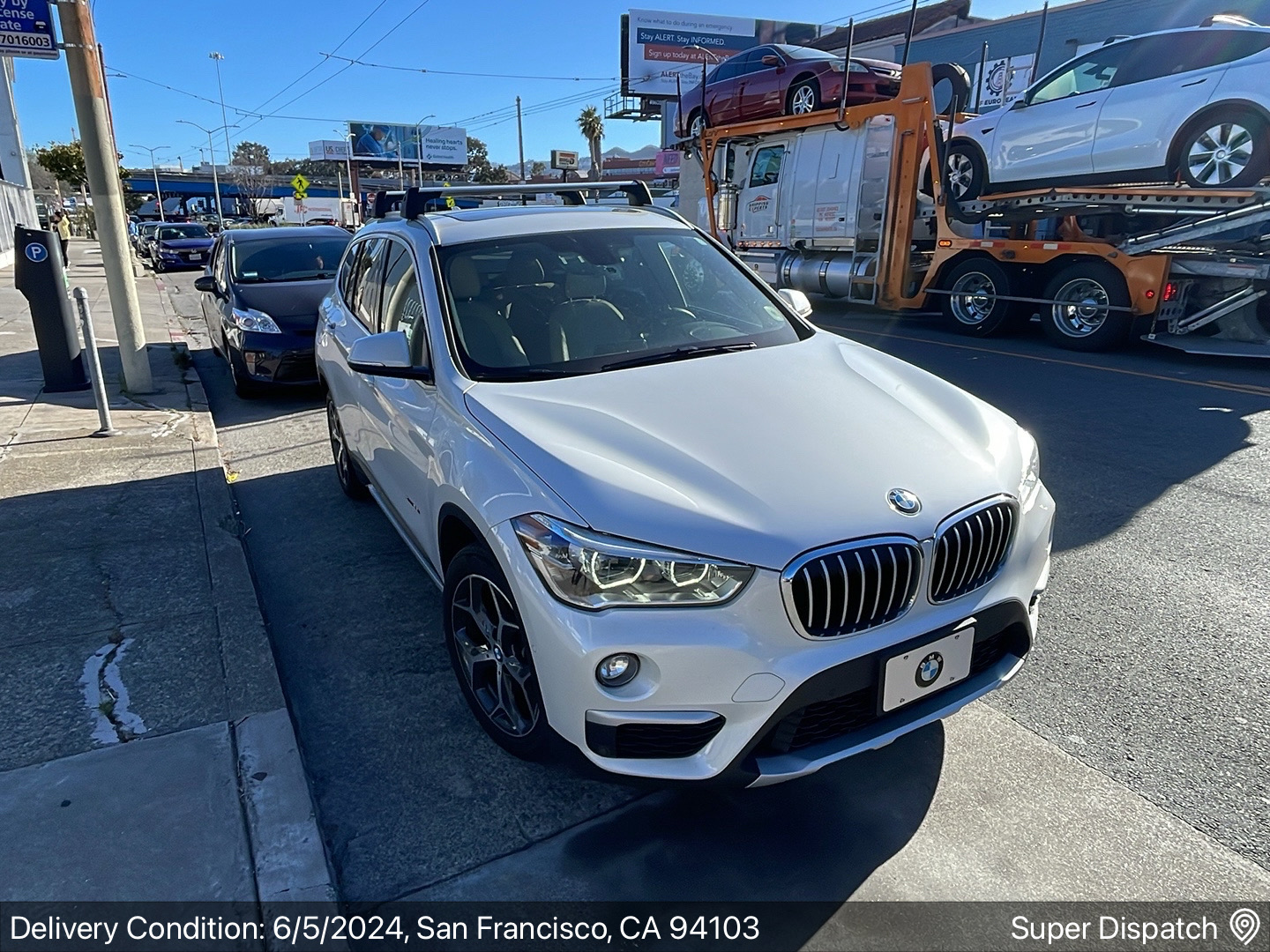
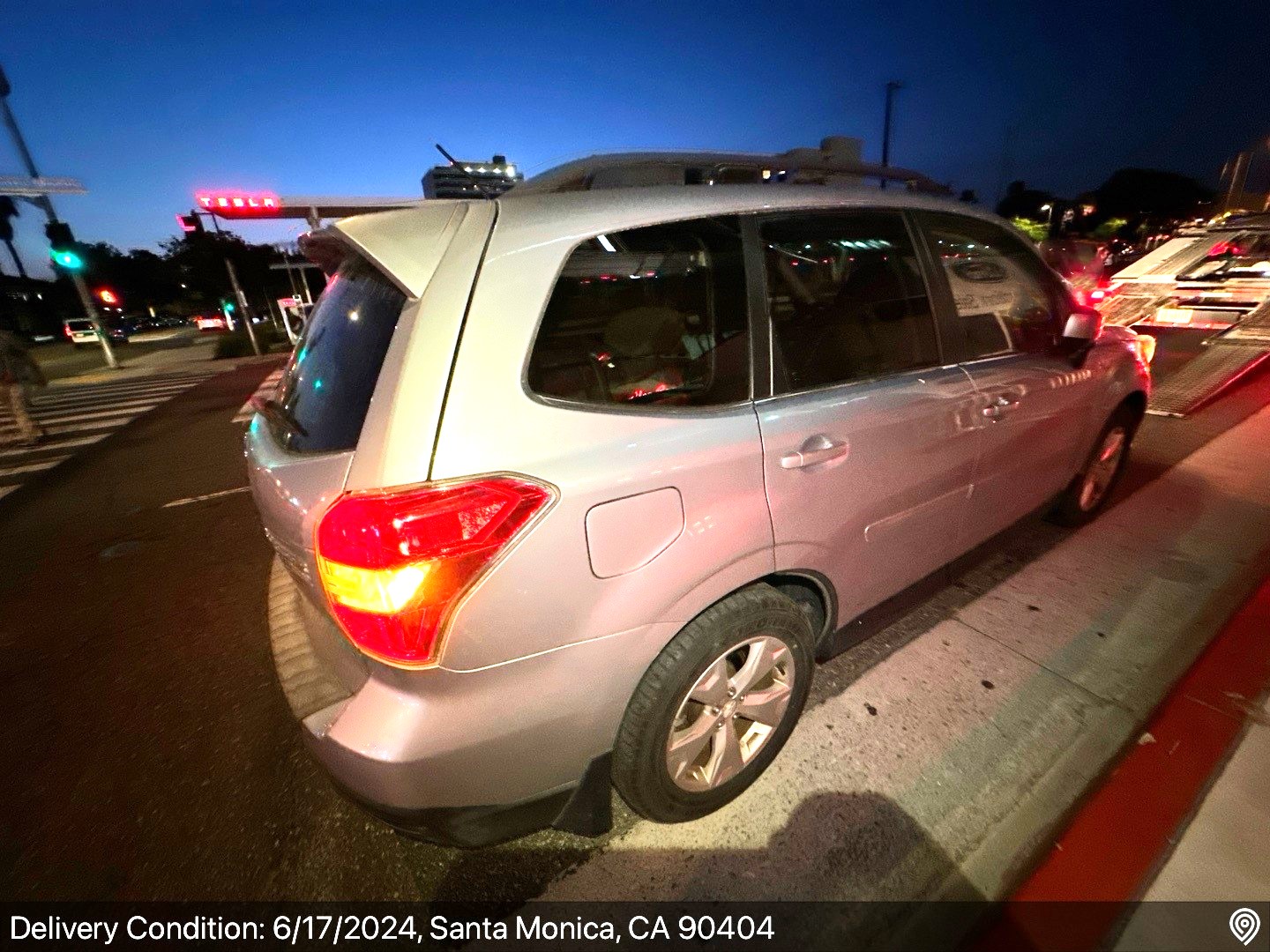
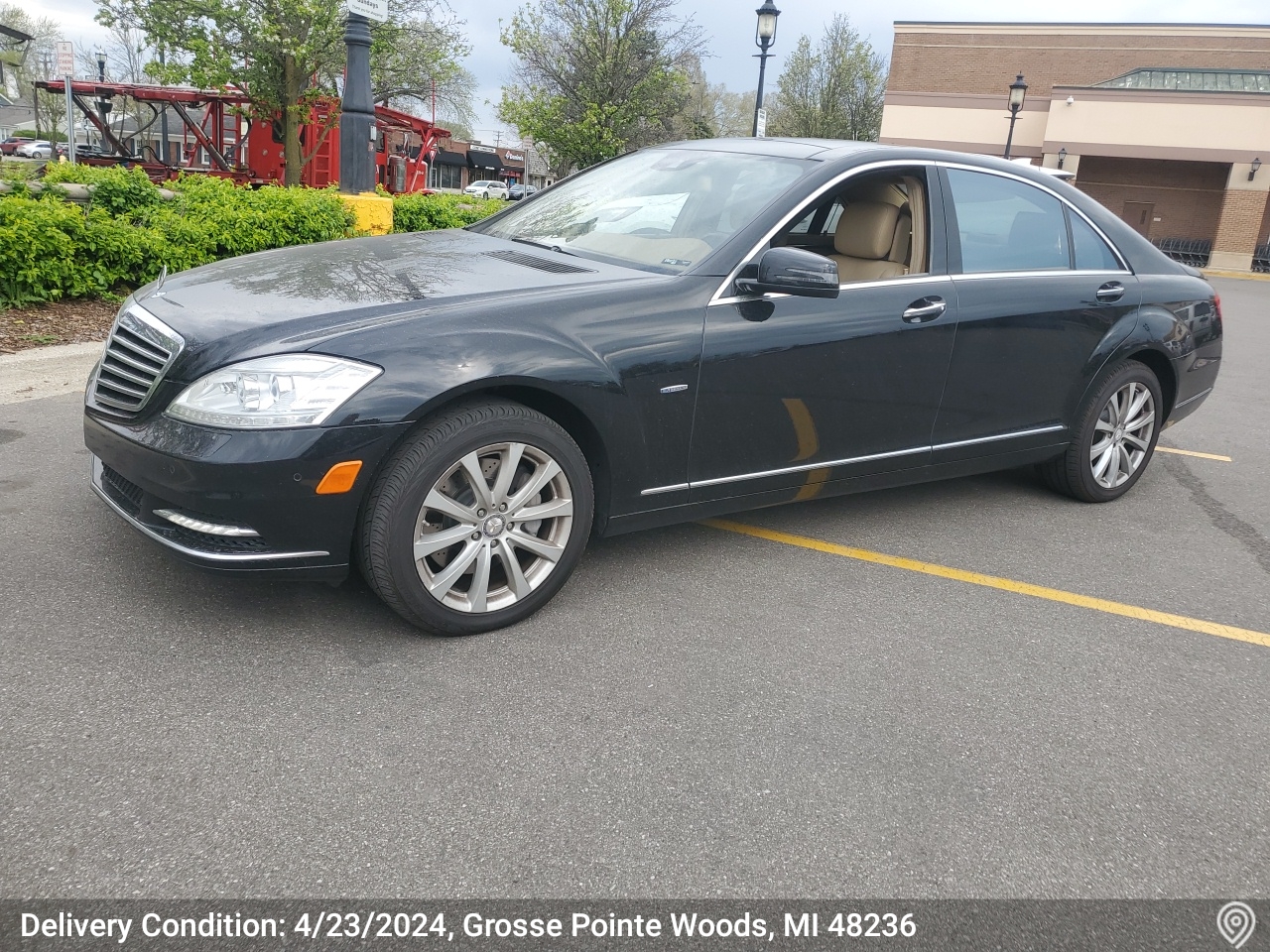
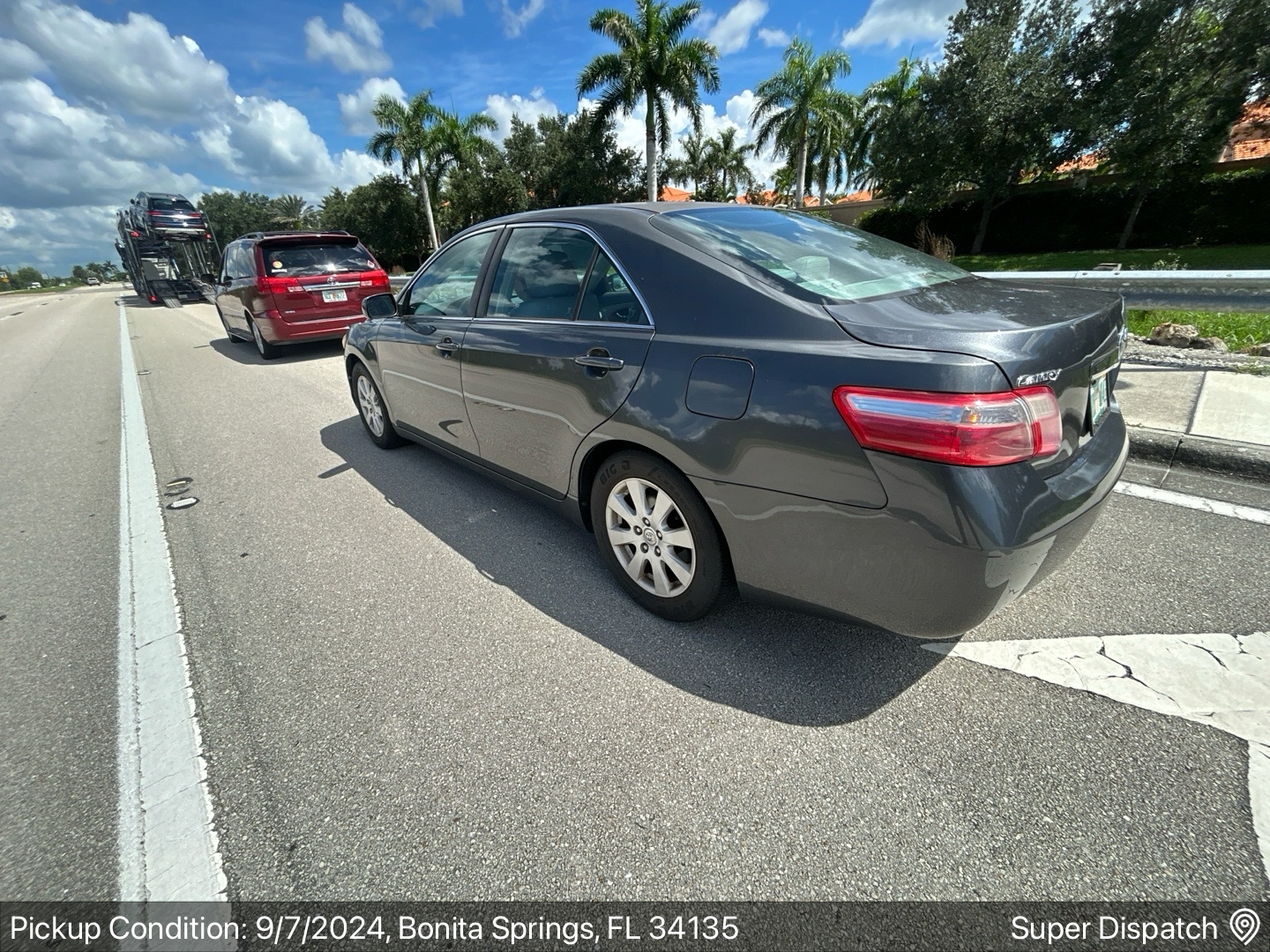
Winter weather is a real scheduling factor for New Hampshire auto transport between November and March. Snow and ice can delay pickups, slow transit through mountain passes, and occasionally force route adjustments around storm systems. Carriers running through northern New Hampshire face the most exposure to these conditions. If your shipment falls within that window, build in extra lead time and stay in contact with your coordinator as your pickup date approaches. Spring and summer offer the most predictable scheduling across the state.
Review your quote, confirm vehicle details and dates. No payment collected until a carrier is assigned.
We dispatch your order to our carrier network. You receive carrier details, insurance info, and estimated pickup window.
Carrier gives you 24 hours advance notice before pickup. Walk-around inspection together, every mark documented on the Bill of Lading, both parties sign.
Track your shipment status through your coordinator. We handle any schedule changes or logistics questions.
24-hour advance notice, then a call when close. Second walk-around inspection — damage during transport is extremely rare, but note any new issues on the Bill of Lading before signing. Once signed without exceptions, claims are extremely difficult to win.
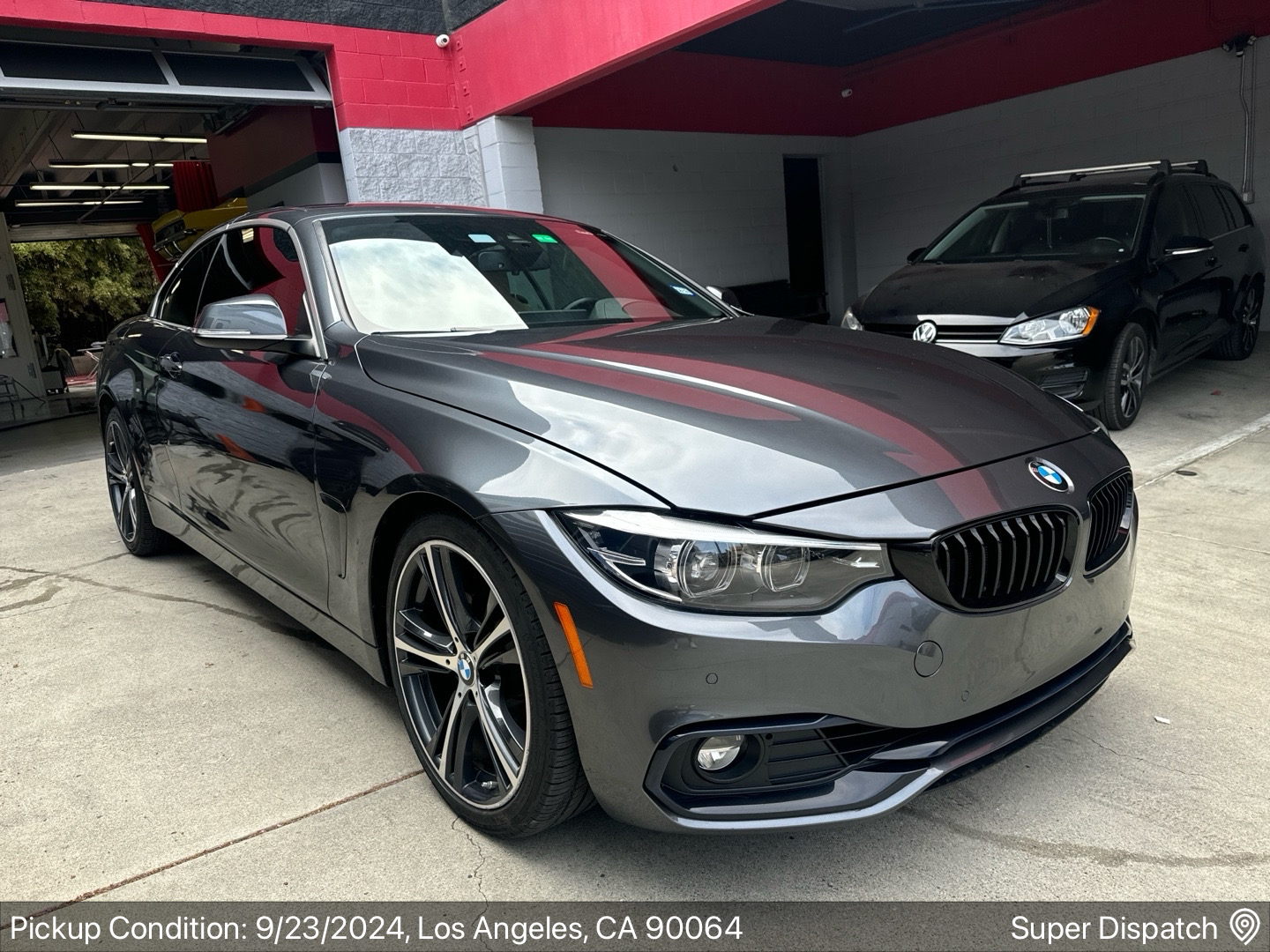
Most pickups in Manchester, Nashua, and Concord follow a straightforward process. Your carrier will give roughly 24 hours advance notice before arrival. At pickup, both you and the driver complete a walk-around inspection, document the vehicle's condition, and sign the Bill of Lading. For auto shipping New Hampshire locations north of Concord, particularly in smaller towns off I-93, plan for the possibility of meeting the driver at a more accessible point near the highway.
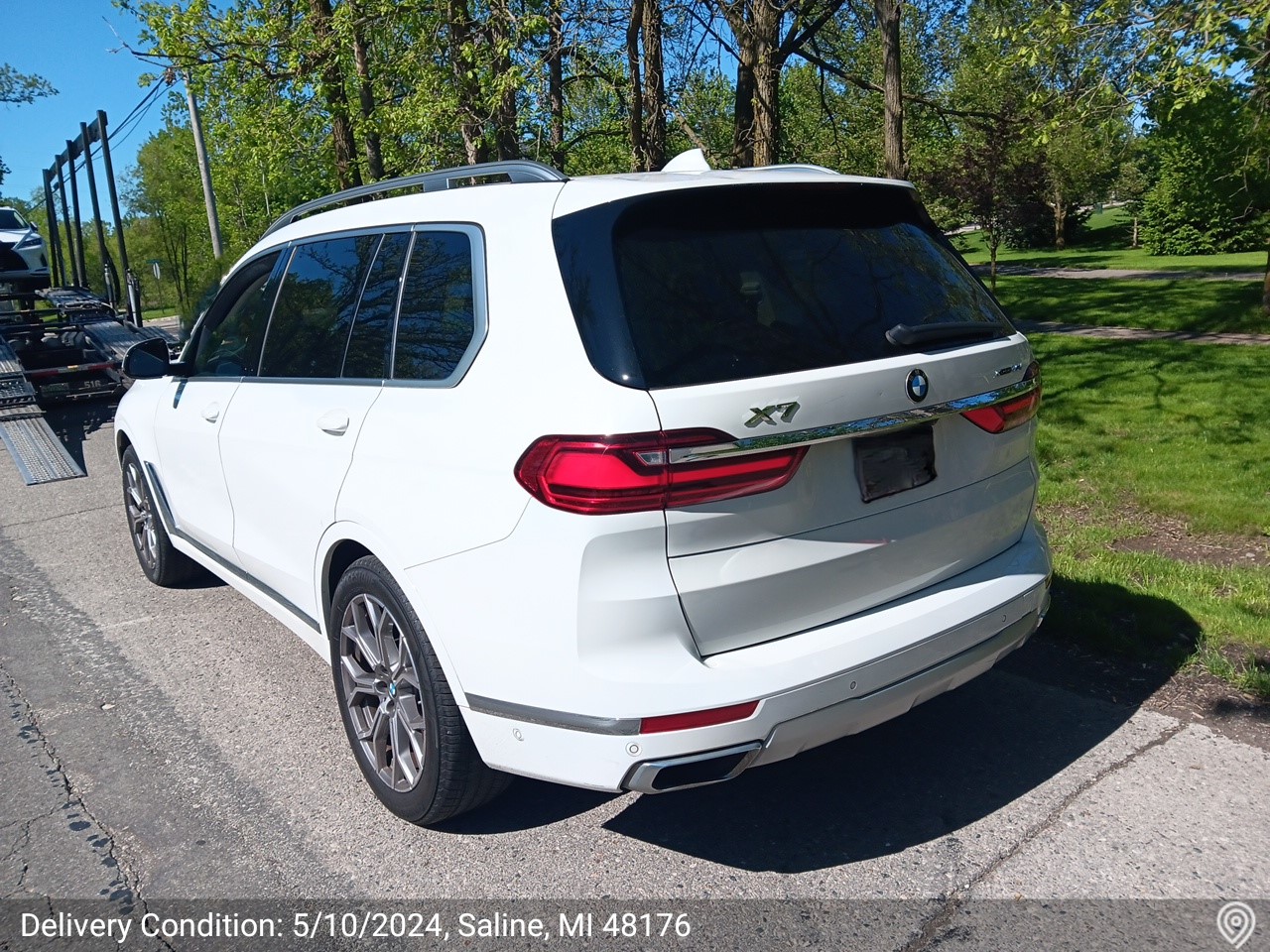
At delivery, your carrier will call when they're close — typically with about 24 hours notice. Conduct a second walk-around and compare the vehicle's condition against the original pickup documentation. Damage during transport is extremely rare, but if anything new is present, note it on the Bill of Lading before you sign. Signing without documenting damage makes filing a claim significantly harder. Vehicle transport New Hampshire deliveries follow the same process whether you're receiving a car at a residence or a commercial location.
Every carrier in our network is required to carry cargo insurance as a condition of their FMCSA operating authority. Coverage details vary by carrier and are confirmed before your vehicle is dispatched.
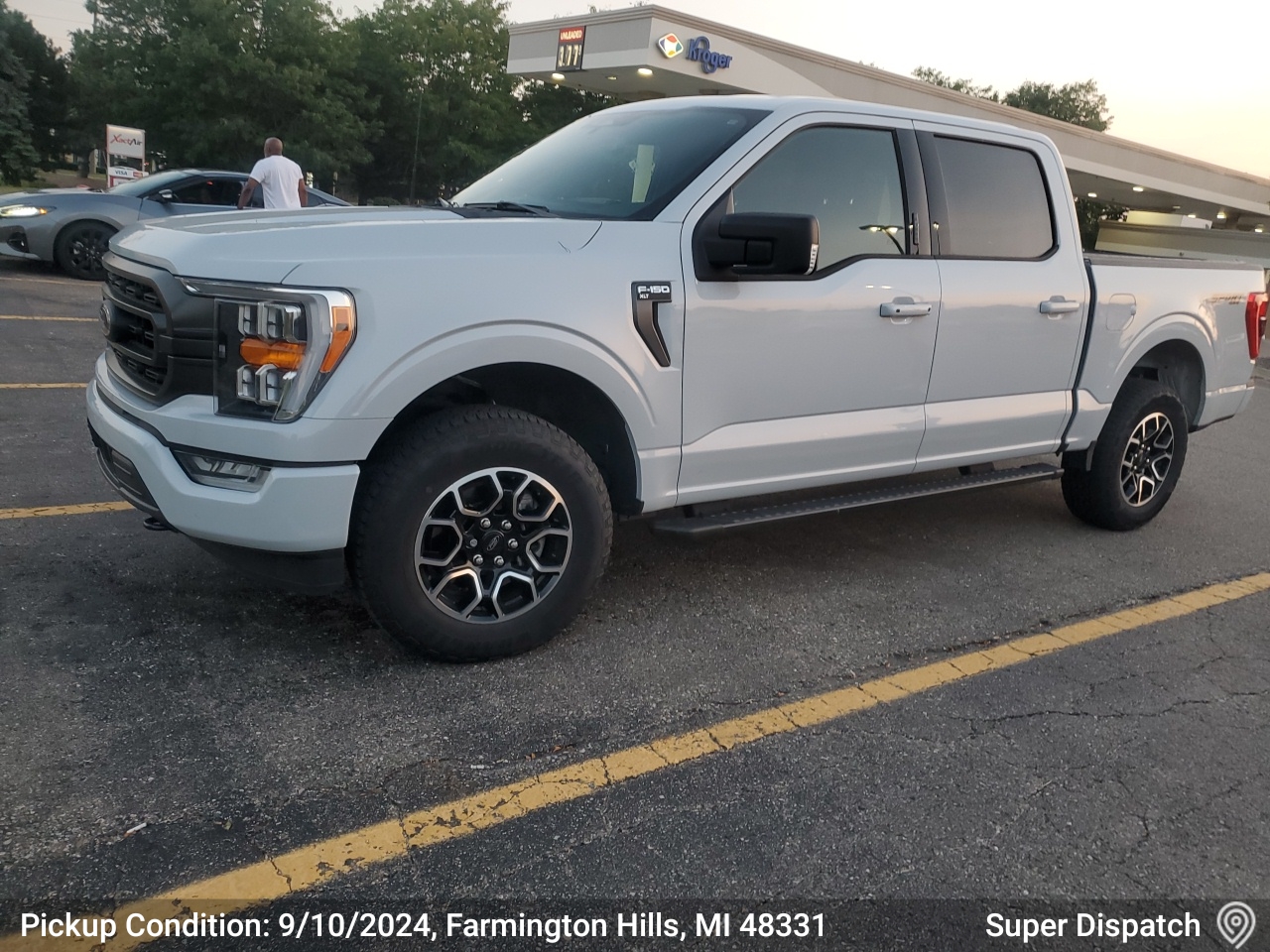
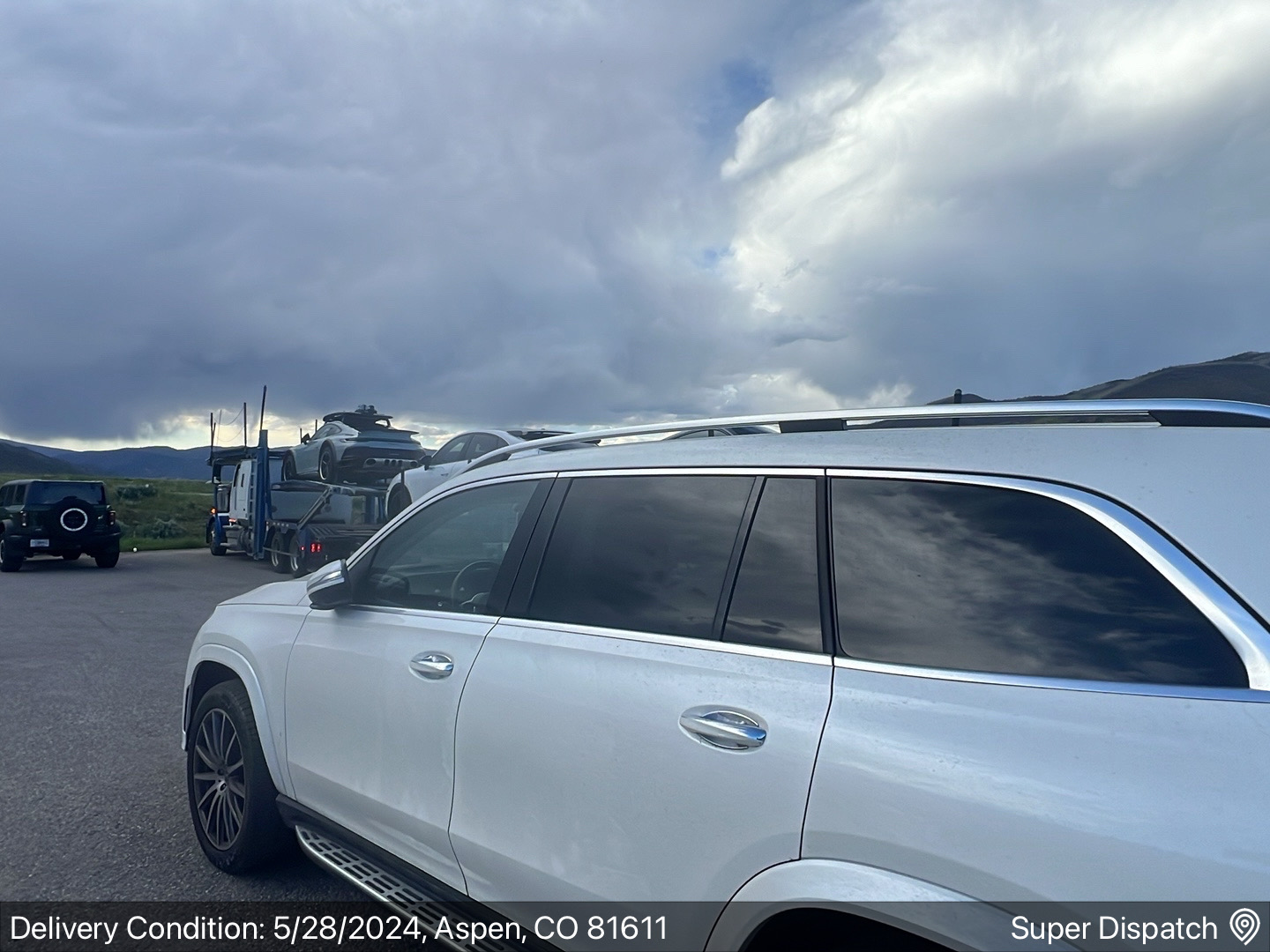
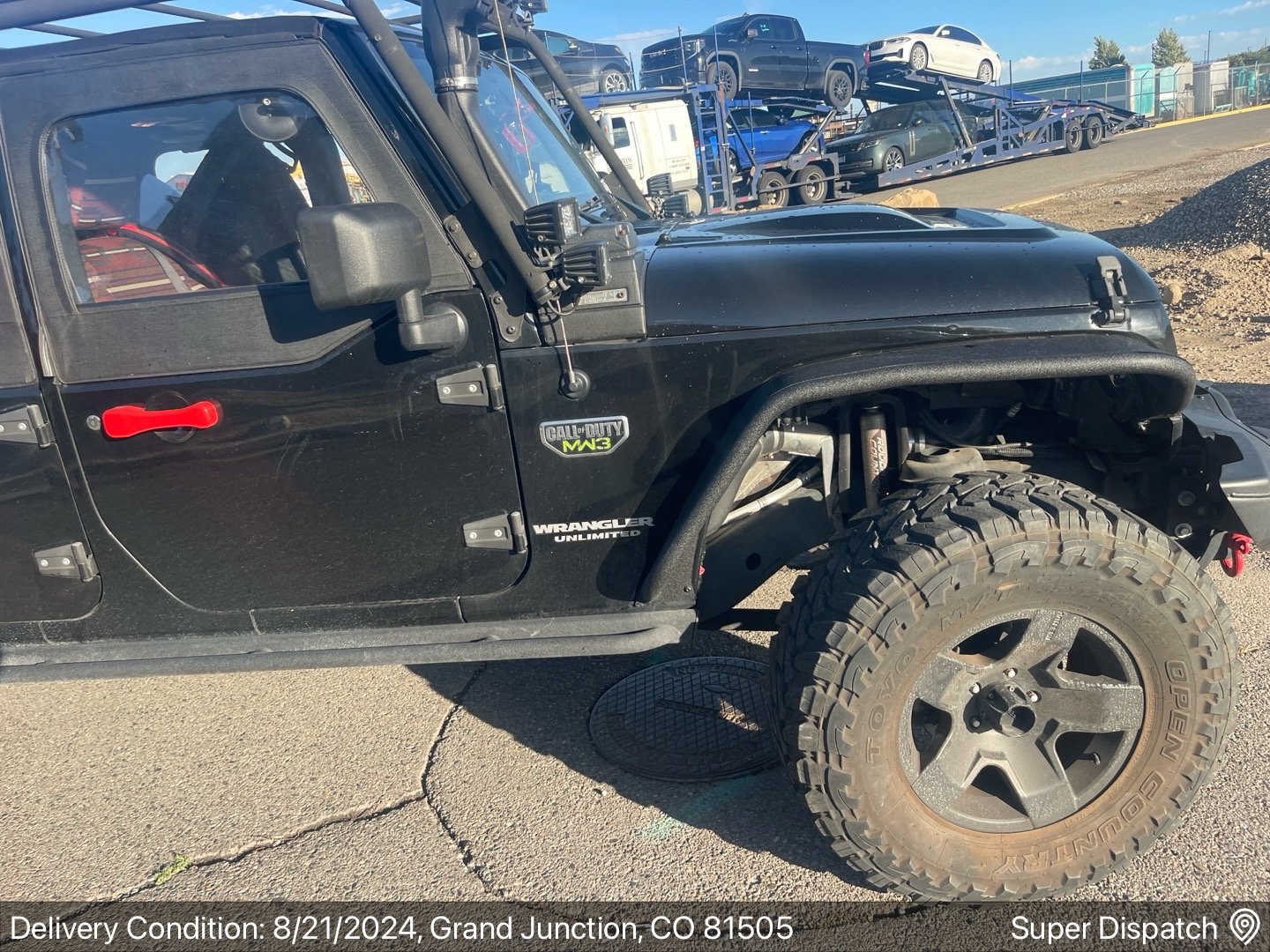
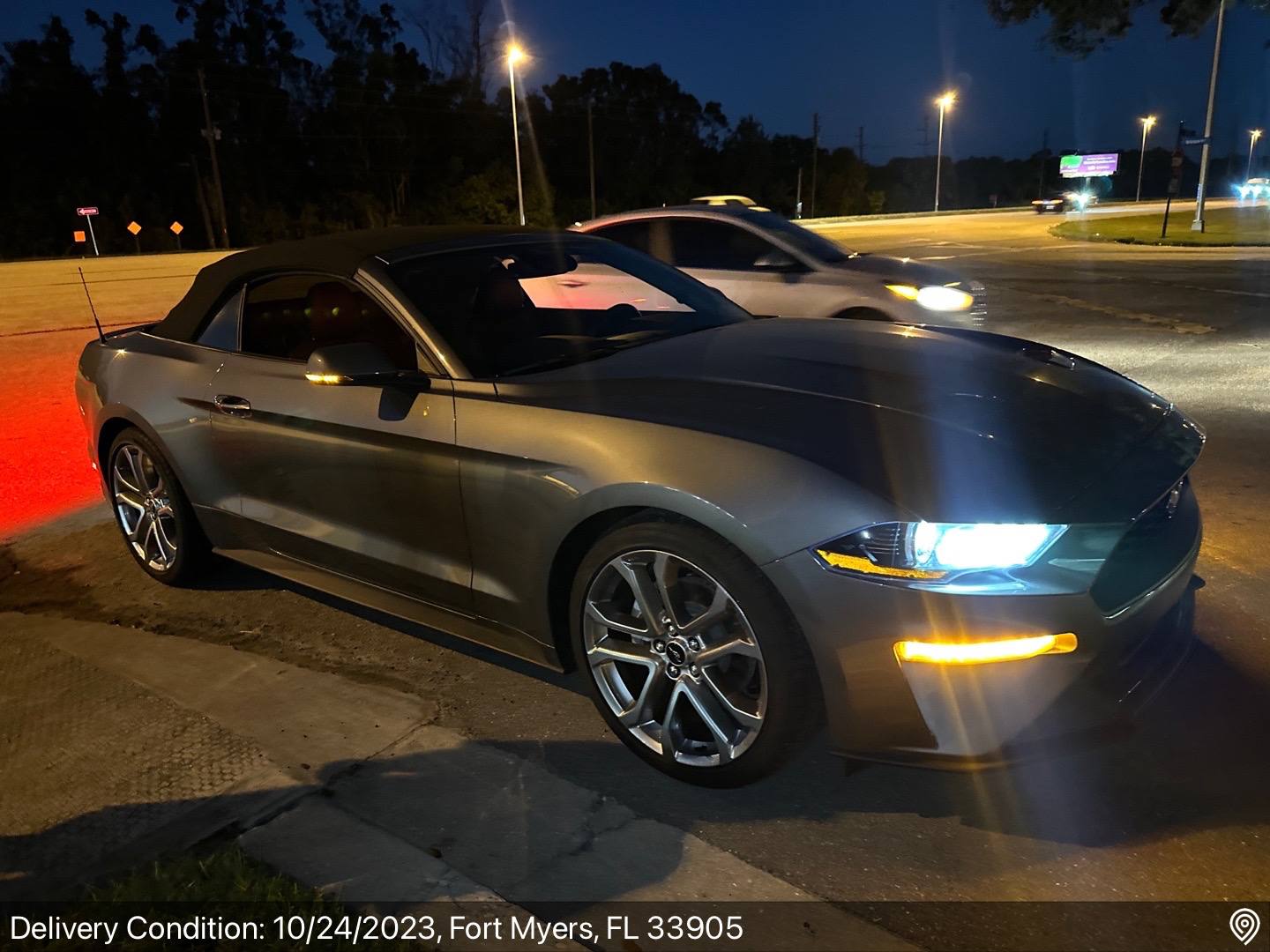
At pickup, the driver and you complete a joint vehicle inspection. Every scratch, dent, and existing mark is documented on the Bill of Lading. At delivery, you must carefully compare the vehicle's condition against this record before signing the delivery receipt. If you notice any new damage, note it on the Bill of Lading before you sign. Once you sign the delivery receipt without noting damage, it becomes extremely difficult to file and win a claim. This is the single most important step in protecting yourself during the transport process.
Snowbirds — New Hampshire's largest seasonal shipping group. Residents heading south for the winter drive fall outbound volume on snowbird auto transport New Hampshire routes. Southbound demand peaks October through February. Book early to lock in a carrier slot before the rush. Request a free car shipping quote.
Relocations — Corporate moves and lifestyle relocations generate steady year-round demand for New Hampshire auto transport, particularly in and around Manchester and Nashua where employment centers are concentrated.
Dealerships — Auto dealers across the state use car shipping companies New Hampshire relies on to move inventory between auctions, wholesale sources, and retail lots, especially during high-turnover spring and fall seasons.
Military/PCS — Service members transferring through or out of New Hampshire use vehicle shipping to manage PCS moves, coordinating pickups around reporting dates with flexible scheduling when possible.
New Hampshire Auto Transport costs vary by distance, vehicle size, and exact locations. Based on current routes into New Hampshire, open transport ranges from approximately $300 to $2,575 for a standard sedan. Enclosed transport adds 40 to 60 percent. Request a free quote for your specific route.
Transit times to New Hampshire depend on distance and origin. Regional shipments typically arrive in 1 to 3 business days, while cross-country moves take 4 to 7 business days. We work with a 3-day pickup window after your first available date.
Yes, door-to-door New Hampshire Auto Transport service is standard across New Hampshire. Most residential and commercial addresses offer straightforward truck access for pickup and delivery. Our dispatch team coordinates the nearest accessible meeting point when truck access is limited at a particular address.
Open transport is the most common option, suitable for most standard vehicles shipping to New Hampshire. Enclosed transport costs 40 to 60 percent more and is recommended for luxury, classic, exotic, or high-value vehicles that need full weather and debris protection. Both include carrier cargo insurance.
New Hampshire winter weather can affect carrier scheduling November through March. Roads may close or slow transit on northern routes. Booking with extra lead time during winter months helps account for potential weather-related delays. In regards to pricing its best to ship off season, contact us for more details about when your route sees lower car shipping costs.
Someone 18 or older must be present at both ends to authorize the shipment and sign the Bill of Lading. If you cannot attend personally, designate a trusted representative — a friend, family member, or dealership contact — to handle the vehicle inspection and paperwork on your behalf.
Yes. Every carrier in our New Hampshire Auto Transport network carries cargo insurance as required by their FMCSA operating authority. Coverage specifics are confirmed before dispatch. At both pickup and delivery, you complete a joint vehicle inspection documented on a Bill of Lading — this protects you if any issue arises.
Yes, we transport non-running vehicles to New Hampshire. The vehicle needs to roll, steer, and brake for standard loading. Vehicles that cannot roll may require a winch or forklift at additional cost. Mention the vehicle's condition when requesting your quote so we match the right equipment.
Wash the exterior so scratches and dents are visible during inspection. Remove toll transponders, parking passes, and loose interior items. Leave roughly a quarter tank of fuel. Disable aftermarket alarms. Take dated photos of all sides, roof, and odometer before the carrier arrives for your records.
Most carriers allow personal belongings in the trunk or cargo area up to about 100 pounds. Items must stay below the window line and cannot be fragile or high-value. Personal items are not covered under carrier cargo insurance, so keep the vehicle as empty as practical.