Door-to-door car shipping with fully insured carriers. No upfront payment.
Lake Charles auto transport runs along one of the Gulf Coast's most active freight corridors — I-10 connects the city directly to Houston roughly 140 miles west and New Orleans roughly 200 miles east, two of the region's dominant carrier hubs. That positioning gives Lake Charles car shipping steady route volume in both directions, with carriers moving between Texas and Louisiana passing through regularly. Common corridors include the Houston-to-New Orleans run and northbound moves toward Shreveport via I-49, both of which generate consistent carrier traffic through the area.
As a mid-market city, Lake Charles sees adequate carrier coverage rather than the daily saturation you'd find in a major metro. Booking one to two weeks ahead gives you solid carrier selection and keeps your schedule on track. The city's open street layout and wide access points make pickup and delivery straightforward for transport trailers, with no unusual coordination required. Terminal-to-terminal service is also available when scheduling flexibility is limited.
Lake Charles auto transport demand is driven largely by workforce relocations tied to the petrochemical refining sector and ongoing LNG export facility construction along the Calcasieu Ship Channel. McNeese State University also generates seasonal student vehicle shipping each fall and spring semester. These overlapping demand sources keep car shipping Lake Charles LA activity steady year-round, contributing to consistent year-round demand for shipping a car from Lake Charles.
The I-10 corridor gives Lake Charles a direct link to Houston (roughly 140 miles west) and New Orleans (roughly 200 miles east), two major carrier hubs. This positioning means vehicles moving along the Gulf Coast often pass through the area, though Lake Charles is a mid-volume market—planning ahead by a week or two helps secure preferred pickup windows. Terminal-to-terminal service is available as an alternative when scheduling flexibility is limited. Strong route coverage on these corridors helps when shipping a car to Lake Charles.
Louisiana's hurricane season runs June through November, and Lake Charles sits in a historically active zone. Tropical weather events can temporarily disrupt carrier schedules, delay pickups, and shift route availability. If you're coordinating Lake Charles vehicle shipping during these months, building extra lead time into your plans is practical. We provide shipment status updates from pickup through delivery so you can track any weather-related adjustments.
Totally professional and on time. They arrived almost to the minute for pick-up. Our Corvette was in a covered transport. Highly recommend.
They picked it up on time and delivered it when they said they would. Great service for a great price.
The transport of the vehicle went according to plan. Vehicle was delivered on time and in good condition.
Lake Charles auto transport pricing reflects the city's position as a mid-volume market on a high-traffic interstate. Rates here are generally in line with Louisiana averages — more favorable than isolated smaller markets, but without the deep carrier competition you'd see in New Orleans or Houston. Lake Charles car shipping cost is shaped primarily by route direction, vehicle size, and how far in advance you book. Carriers running the I-10 Gulf Coast corridor keep this lane reasonably competitive in both directions.
Seasonal demand from petrochemical workforce relocations and university student moves can tighten carrier availability at certain times of year, nudging rates upward when volume spikes. Hurricane season, June through November, occasionally disrupts carrier schedules and can affect short-term pricing if route capacity tightens. Building lead time into your booking is the most reliable way to avoid premium last-minute rates. Get a no-obligation car transport quote.
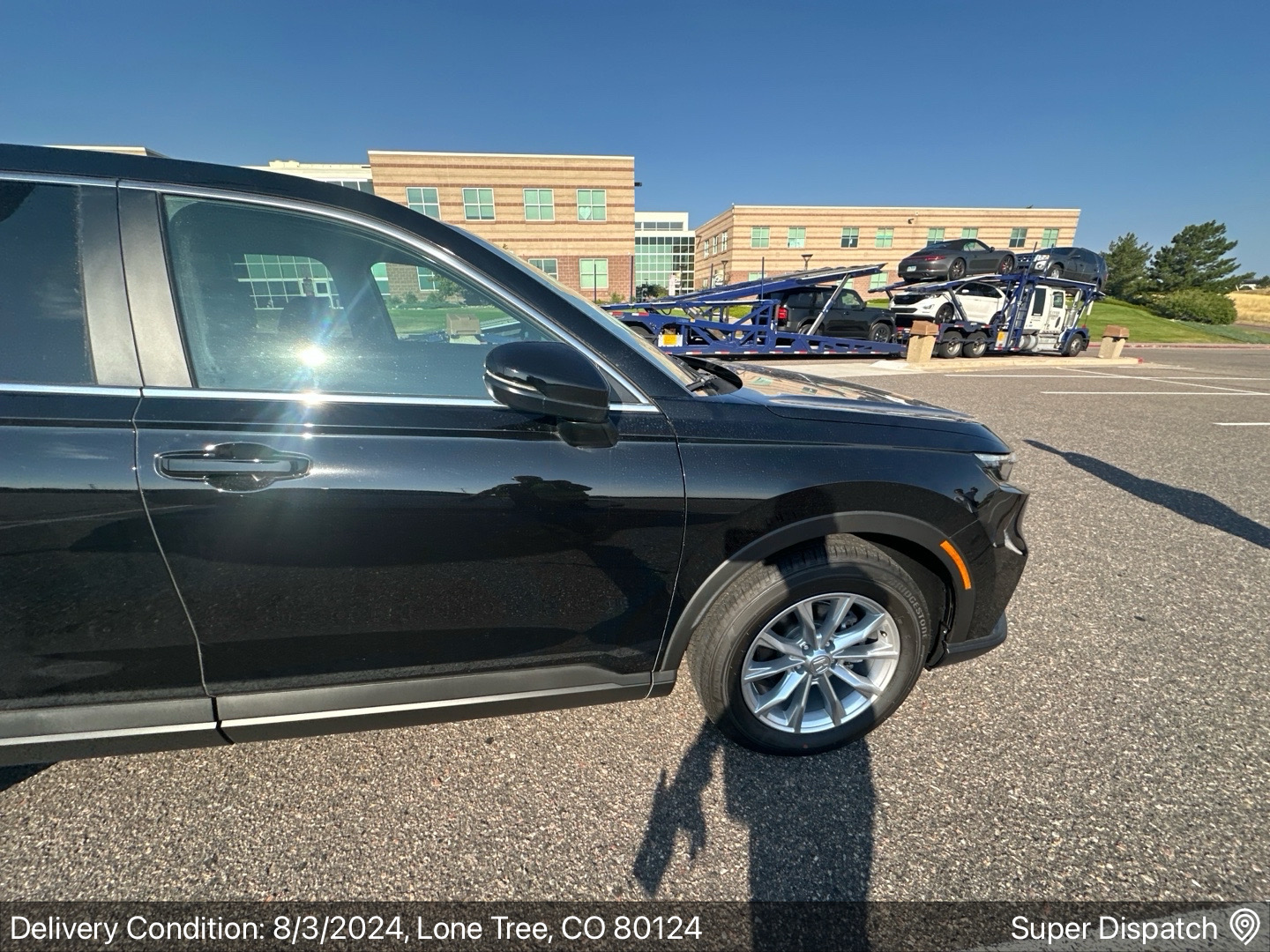
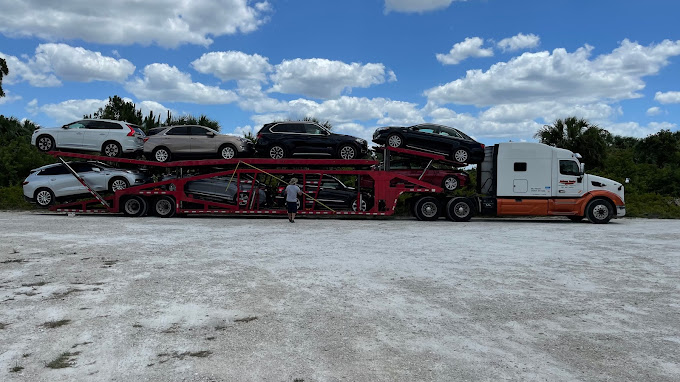
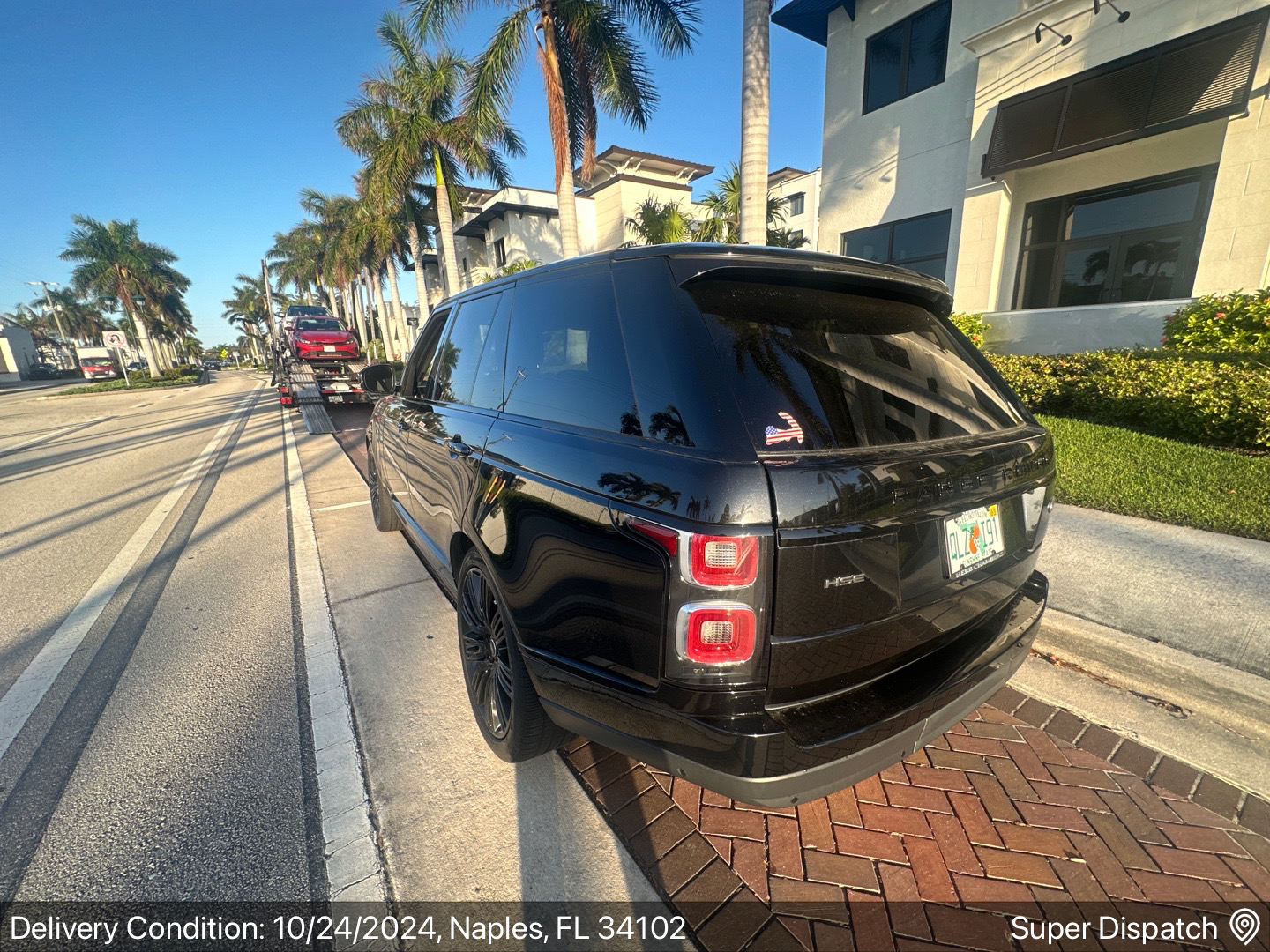
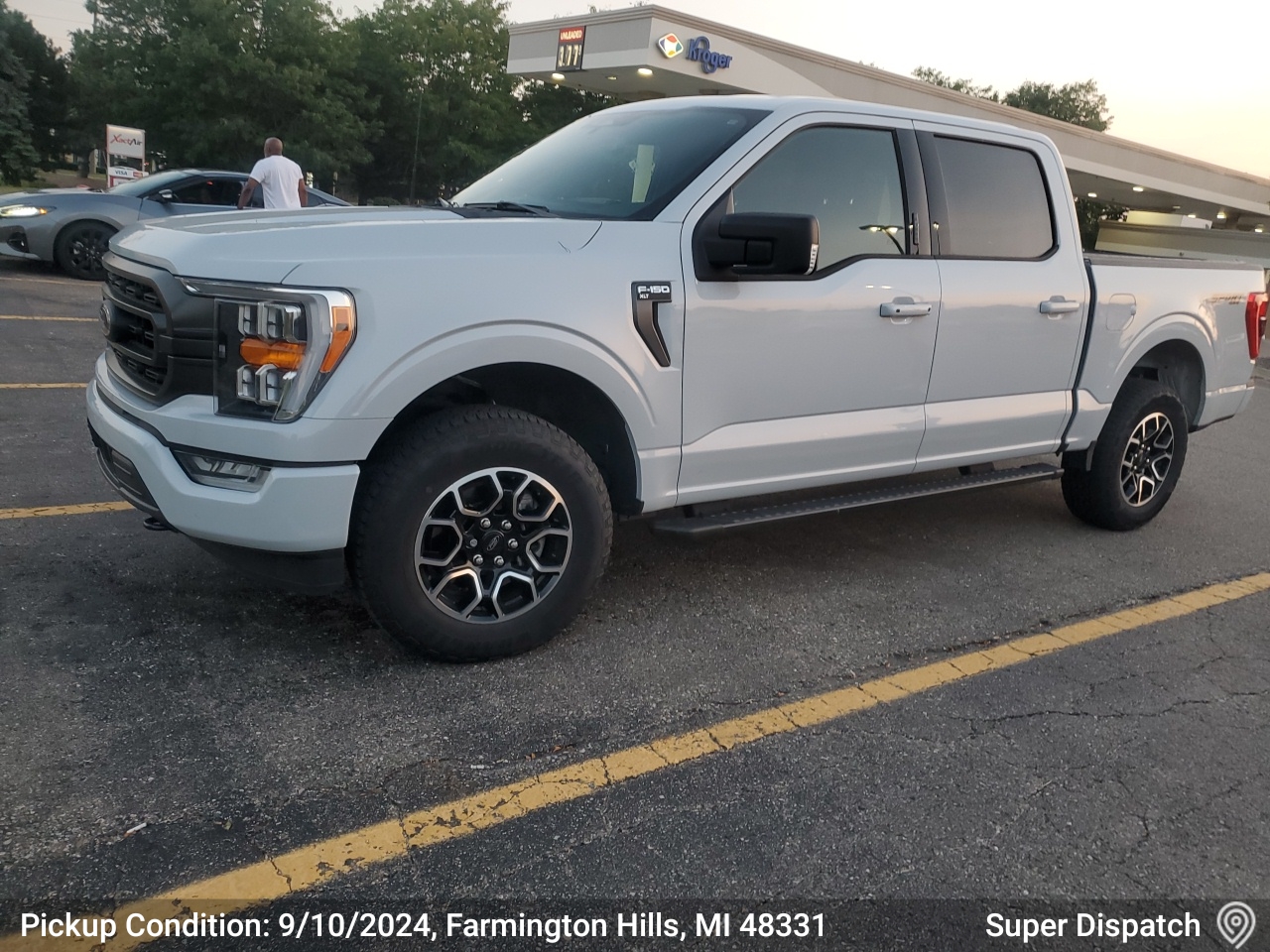
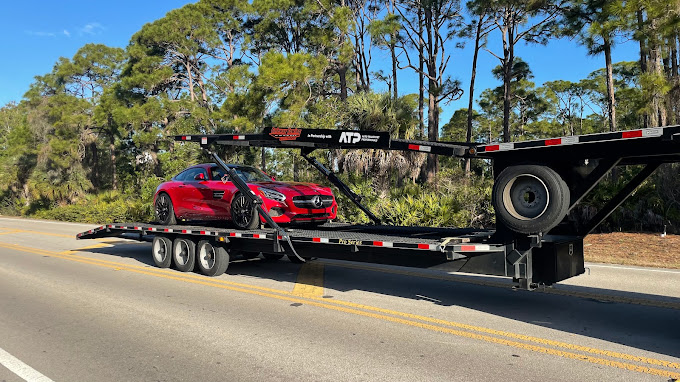
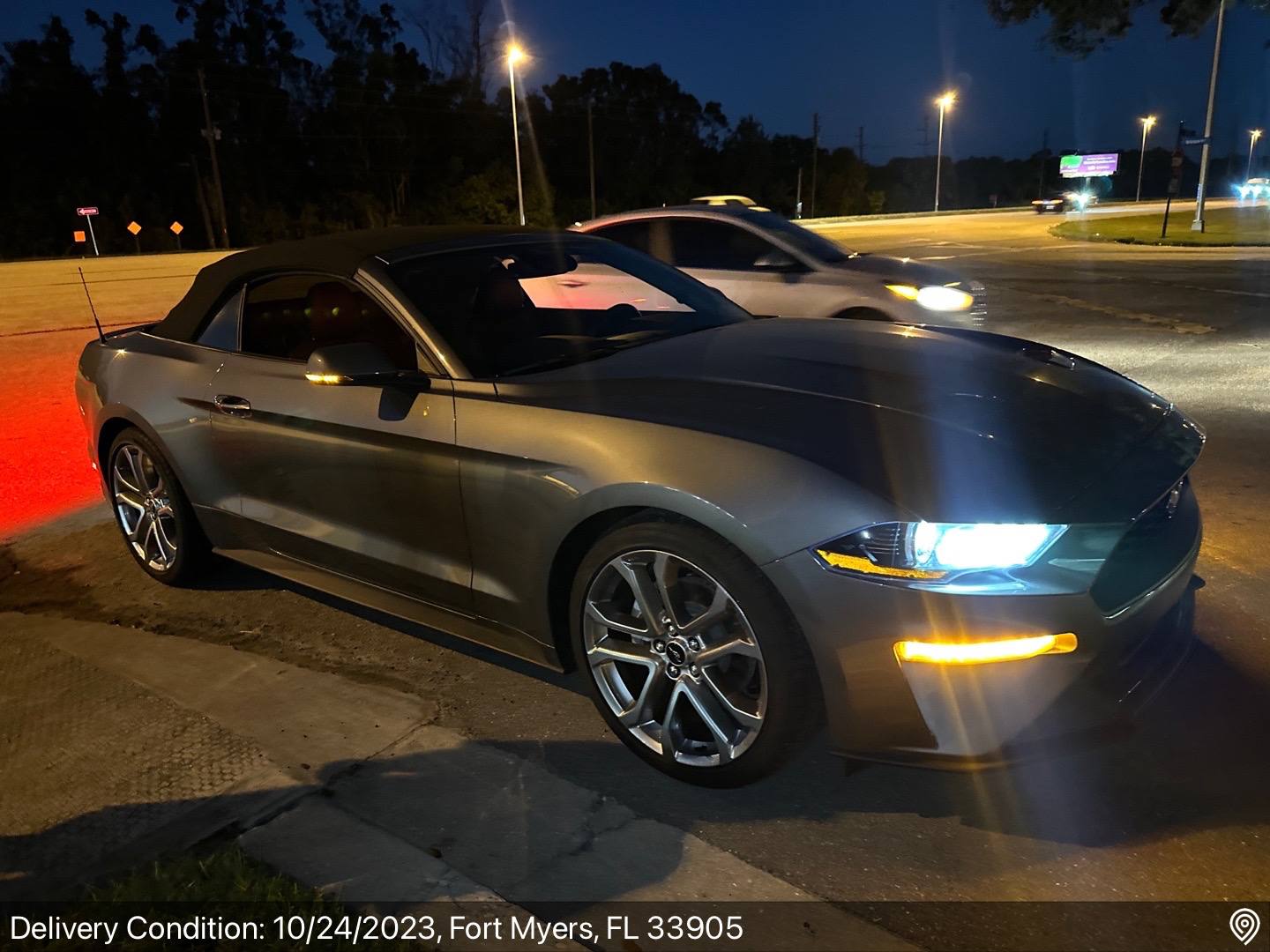
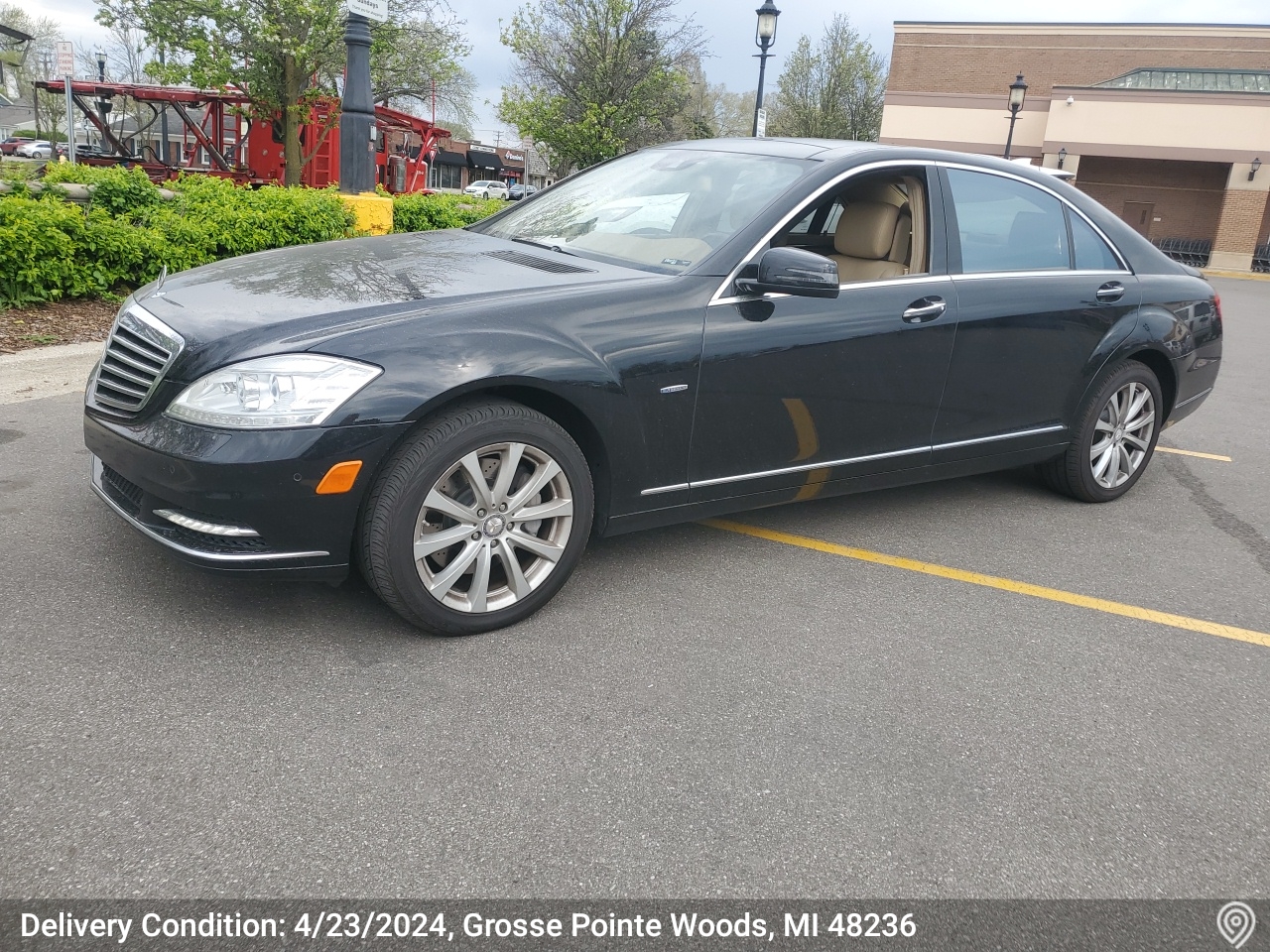
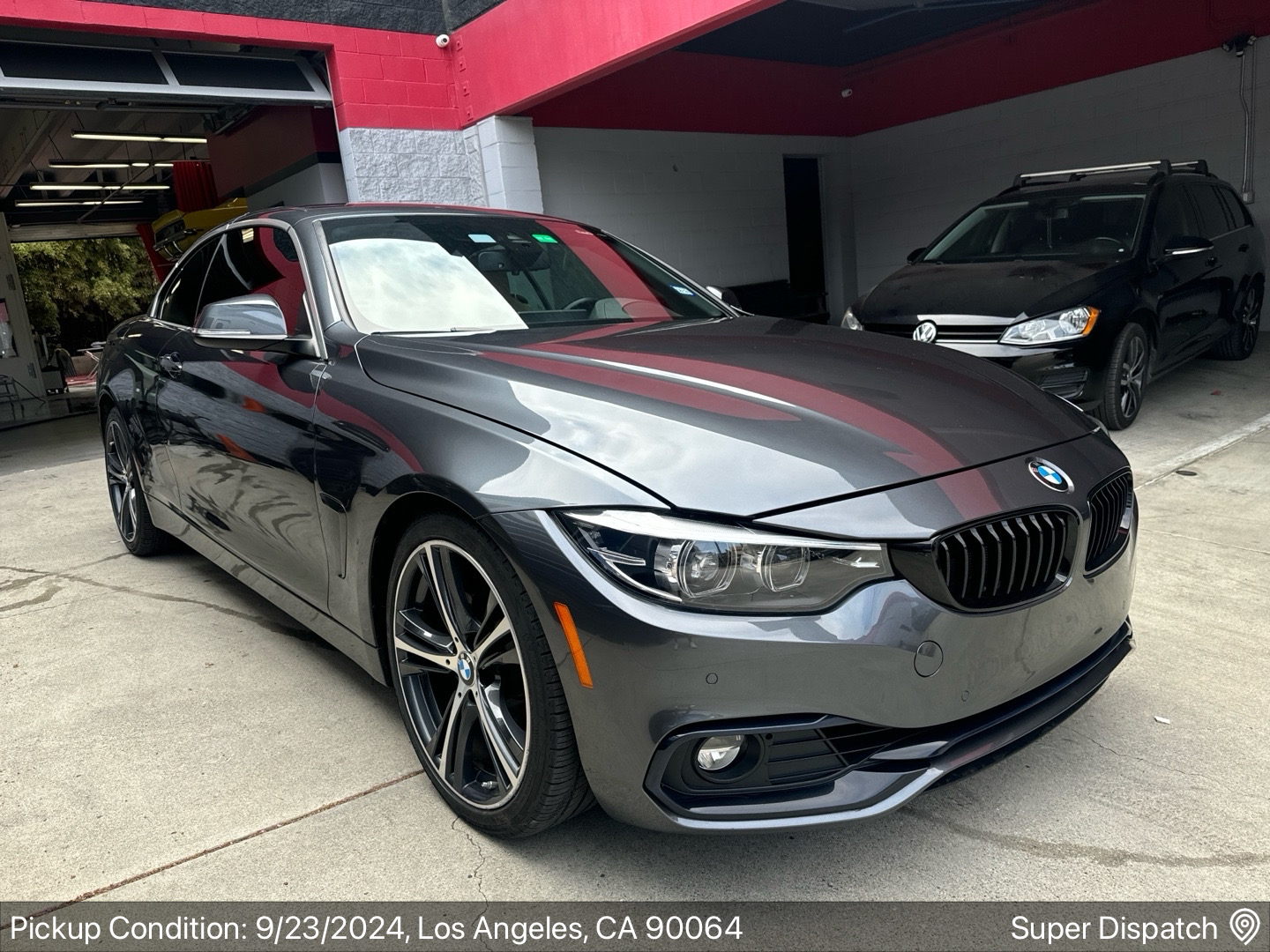
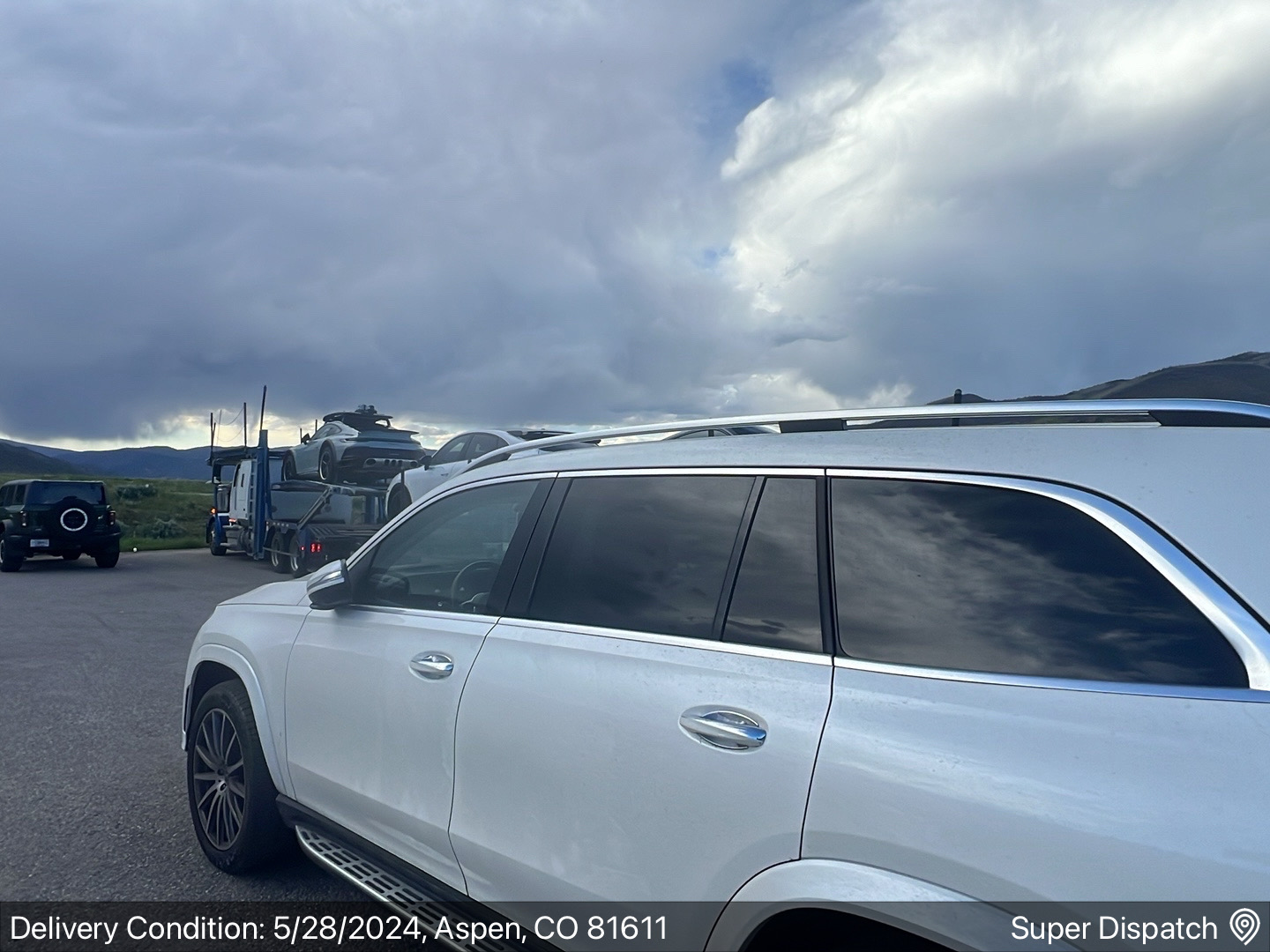
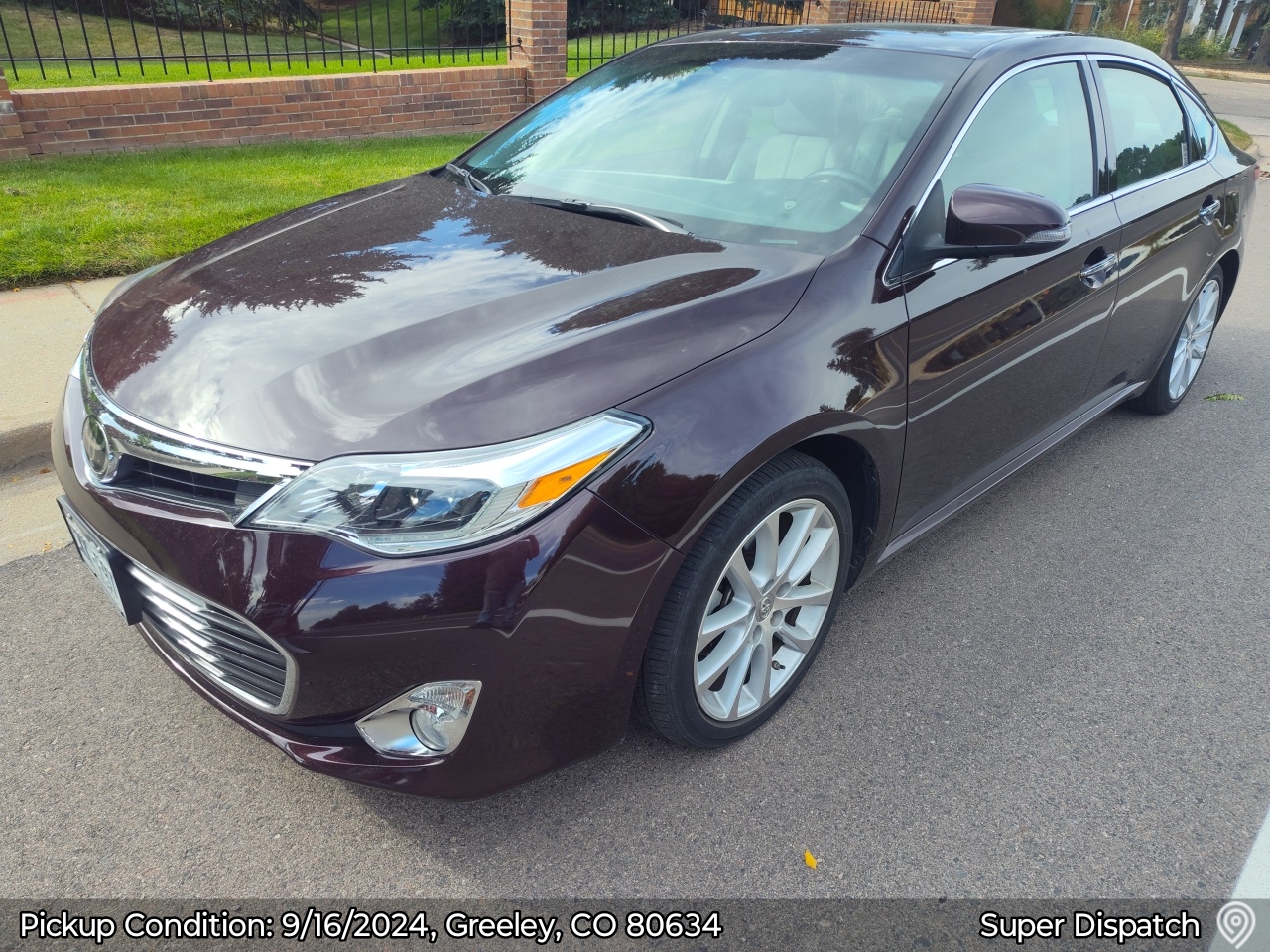
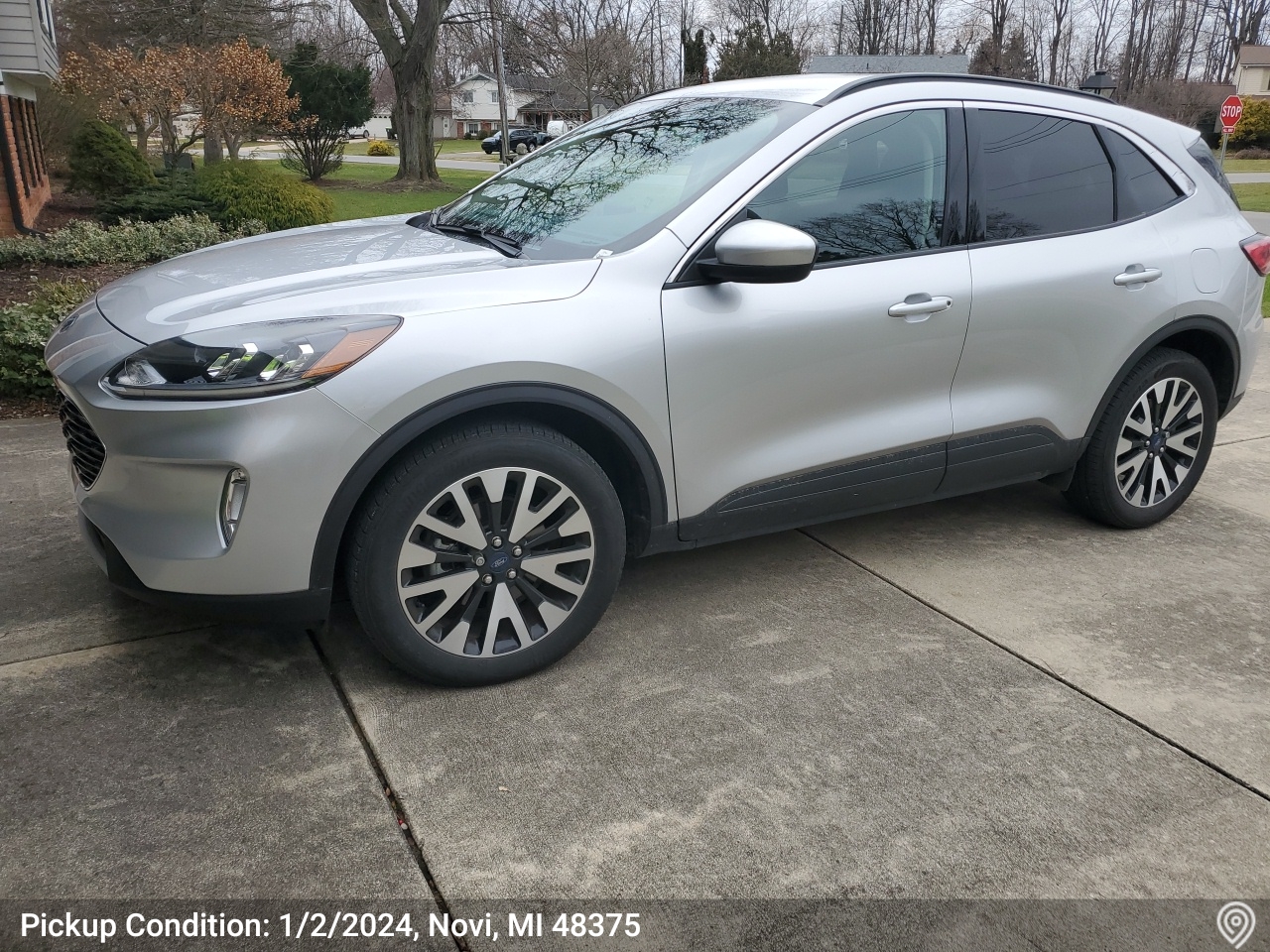
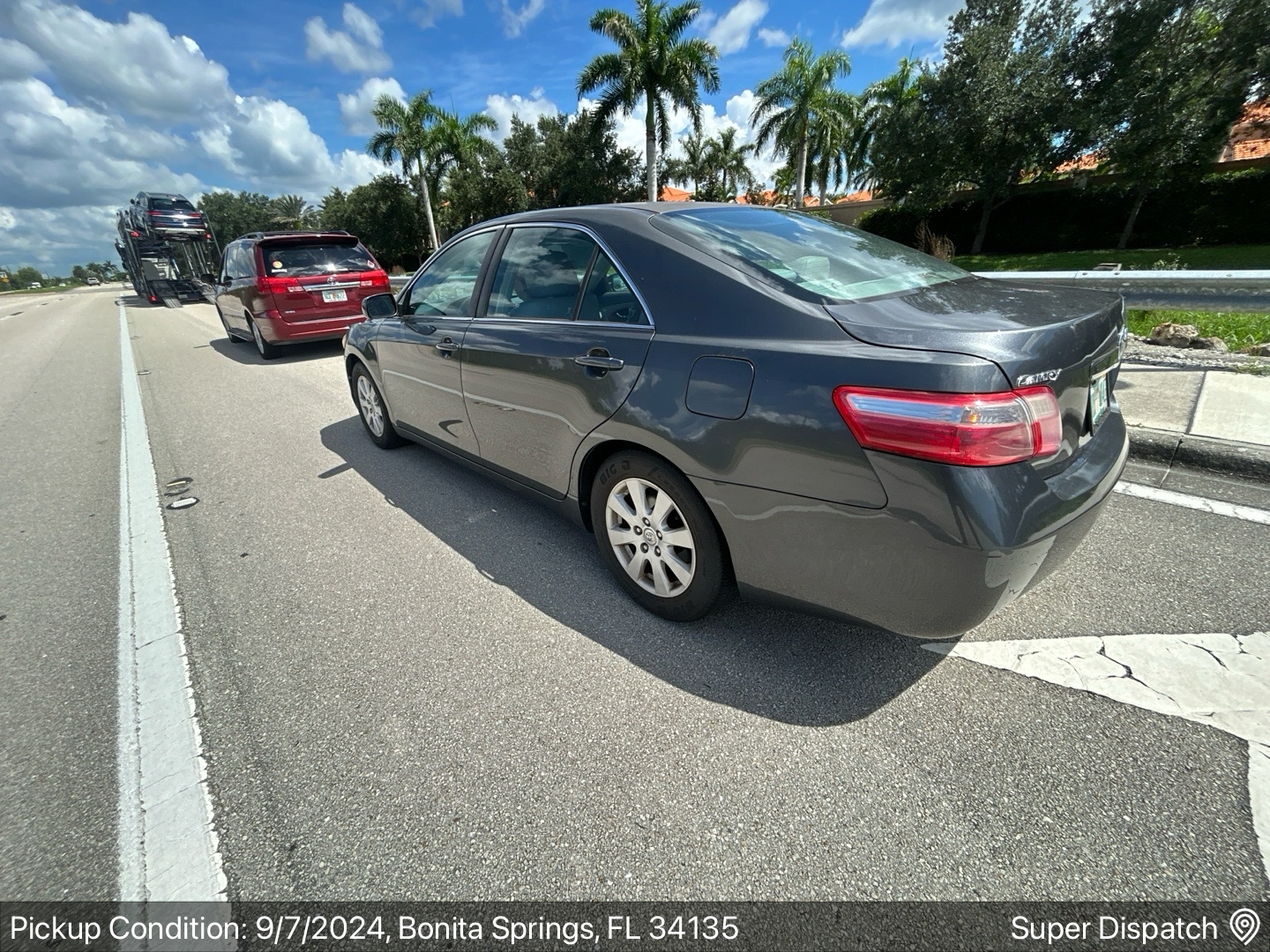
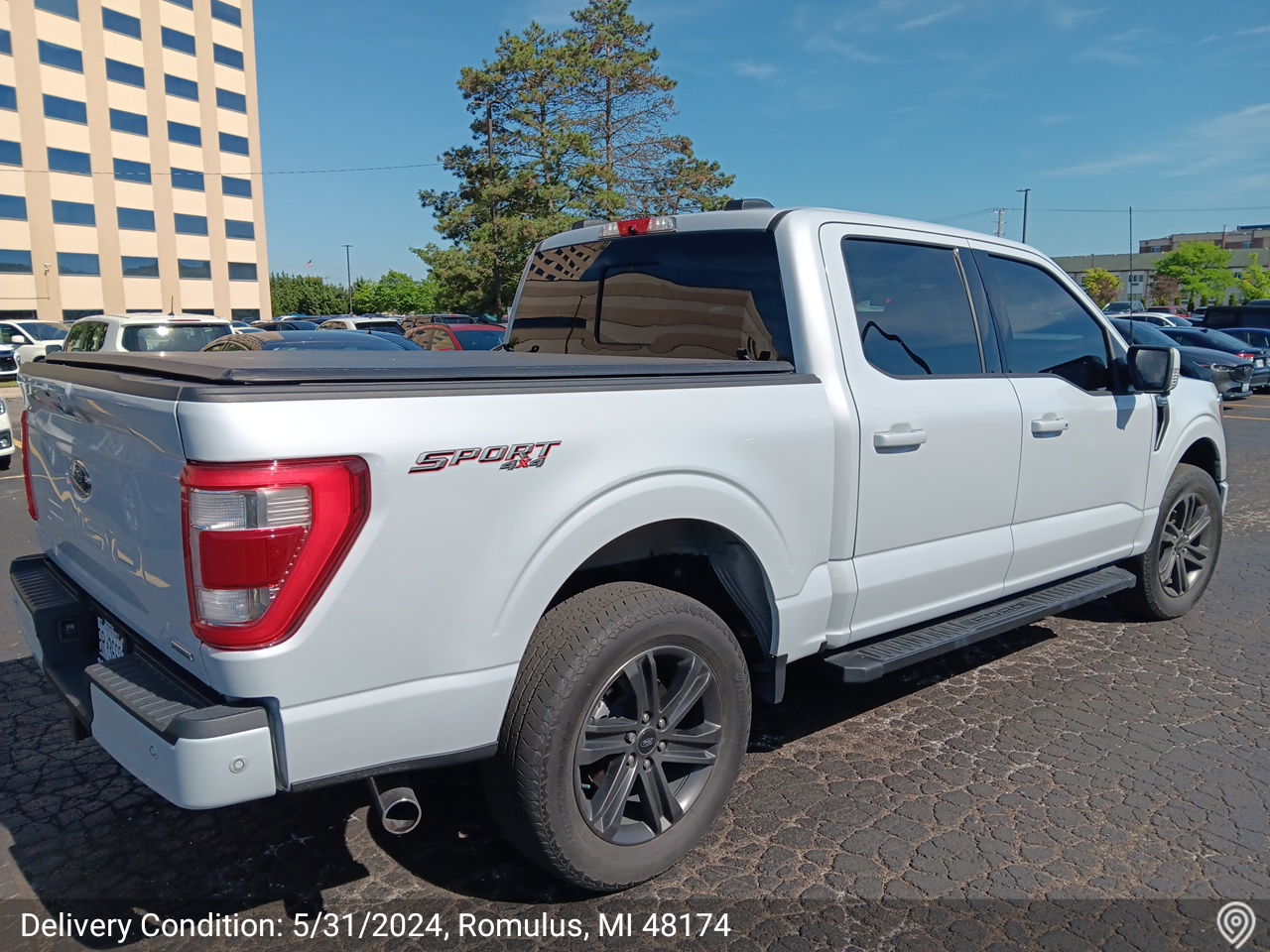
Lake Charles auto transport scheduling benefits from the city's location directly on I-10, which carriers travel daily between Texas and Louisiana. We build a 3-day pickup window around your first available date, and most shipments in this market are picked up within that window. Carriers moving the Gulf Coast corridor pass through consistently, which supports reliable dispatch for both eastbound and westbound moves.
That said, Lake Charles is a mid-volume market. If your dates are firm or your route is less common — say, a northbound move toward Arkansas or the Midwest — allow a few extra days beyond the standard window. Hurricane season adds another variable from June through November, when weather events can temporarily shift carrier availability and delay pickups.
Review your quote, confirm vehicle details and dates. No payment collected until a carrier is assigned.
We dispatch your order to our carrier network. You receive carrier details, insurance info, and estimated pickup window.
Carrier gives you 24 hours advance notice before pickup. Walk-around inspection together, every mark documented on the Bill of Lading, both parties sign.
Track your shipment status through your coordinator. We handle any schedule changes or logistics questions.
24-hour advance notice, then a call when close. Second walk-around inspection — damage during transport is extremely rare, but note any new issues on the Bill of Lading before signing. Once signed without exceptions, claims are extremely difficult to win.
Your carrier will contact you roughly 24 hours before arriving to confirm the pickup location and time. At pickup, both you and the driver conduct a walk-around inspection of the vehicle, documenting any existing scratches, dents, or paint issues on the Bill of Lading. Lake Charles's open road access makes this process straightforward — transport trailers can maneuver easily at most residential and commercial locations. Sign the BOL only after confirming the condition notes are accurate, and keep your copy.
As your vehicle approaches its destination, the driver will call with roughly 24 hours notice before arrival. At delivery, conduct a thorough inspection and compare the vehicle's condition against the pickup Bill of Lading. Damage during transport is extremely rare, but if you notice anything new, note it on the BOL before signing. Once you sign without documenting damage, filing a claim becomes significantly harder. Auto shipping Lake Charles customers should keep their pickup BOL accessible throughout transit.
Every carrier in our network is required to carry cargo insurance as a condition of their FMCSA operating authority. Coverage details vary by carrier and are confirmed before your vehicle is dispatched.
At pickup, the driver and you complete a joint vehicle inspection. Every scratch, dent, and existing mark is documented on the Bill of Lading. At delivery, you must carefully compare the vehicle's condition against this record before signing the delivery receipt. If you notice any new damage, note it on the Bill of Lading before you sign. Once you sign the delivery receipt without noting damage, it becomes extremely difficult to file and win a claim. This is the single most important step in protecting yourself during the transport process.
Lake Charles presents no unusual logistics challenges for transport carriers. Wide streets, standard commercial access, and proximity to I-10 make most residential and business locations easy to reach with a full-size transport trailer. Carriers can typically load and unload directly at your address without requiring a staging location or alternate meeting point.
The one variable worth planning around is the Calcasieu Ship Channel industrial corridor, where heavy truck traffic near refinery and LNG construction zones can create localized congestion. If your pickup or delivery is near that area, a brief coordination call with your carrier helps confirm the best approach. For vehicle transport Lake Charles moves in or out of the broader metro, standard scheduling applies.
Workforce Relocations — The petrochemical and LNG construction sectors drive consistent relocation volume in and out of Lake Charles. If your employer is moving you to or from the Calcasieu area, Lake Charles auto transport fits naturally into a corporate relocation timeline. Request a free car shipping quote.
Military and PCS — Lake Charles does not host a major military installation, but regional PCS moves through Louisiana occasionally route through the area. Standard military shipping timelines and documentation apply.
Dealerships and Wholesale — Dealers moving inventory along the I-10 Gulf Coast corridor find ship a car to Lake Charles straightforward, with consistent carrier runs between Houston and New Orleans supporting regular dealer transport volume.
Students — McNeese State University generates seasonal car shipping Lake Charles la demand each fall and spring. Booking two weeks ahead of move-in or move-out dates keeps student shipments on schedule.
Pricing for auto transport Lake Charles LA routes depends on distance, vehicle type, route demand, and seasonality. The city's position on I-10 between Houston and New Orleans means Gulf Coast routes tend to see competitive carrier interest, while shipments to less-trafficked corridors may carry higher rates. Request a Lake Charles car shipping quote for your specific route.
Lake Charles sits directly on I-10, giving carriers efficient highway access toward Texas, Florida, and points east along the Gulf Coast. Transit depends on destination distance and carrier routing. Mid-volume markets like Lake Charles may require slightly more scheduling lead time than major hubs. For auto transport Lake Charles LA timing, select your route above for details.
Yes. Lake Charles features suburban-style residential streets and wide roadways that accommodate standard car haulers. We coordinate door-to-door service when you ship a car to Lake Charles where road conditions and vehicle access permit, covering neighborhoods throughout the city and surrounding areas like Sulphur and Westlake.
Open transport Lake Charles works well for most vehicles shipped to or from Lake Charles and is the most widely available option. For high-value, classic, or luxury vehicles, enclosed car shipping Lake Charles provides added protection from road debris and Gulf Coast humidity. Enclosed availability is more limited than open transport, and pricing is typically higher, so book early if you need it.
Lake Charles sees relatively steady demand year-round thanks to ongoing industrial workforce relocations. Hurricane season (June through November) can cause temporary scheduling disruptions, so shipping outside those months reduces weather-related risk. Late fall through early spring typically offers more predictable carrier schedules along the I-10 corridor. Planning around these months works well if you need to ship a car from Lake Charles.
Someone 18 or older must be present at both ends to authorize the shipment and sign the Bill of Lading. If you cannot attend personally, designate a trusted representative — a friend, family member, or dealership contact — to handle the vehicle inspection and paperwork on your behalf.
Yes. Every carrier in our network carries cargo insurance as required by their FMCSA operating authority. Coverage specifics are confirmed before dispatch. At both pickup and delivery, you complete a joint vehicle inspection documented on a Bill of Lading — this protects you if any issue arises.
Yes, we transport non-running vehicles to Lake Charles. The vehicle needs to roll, steer, and brake for standard loading. Vehicles that cannot roll may require a winch or forklift at additional cost. Mention the vehicle's condition when requesting your quote.
Wash the exterior so scratches and dents are visible during inspection. Remove toll transponders, parking passes, and loose interior items. Leave roughly a quarter tank of fuel. Disable aftermarket alarms. Take dated photos of all sides, roof, and odometer before the carrier arrives for your records.
Most carriers allow personal belongings in the trunk or cargo area up to about 100 pounds. Items must stay below the window line and cannot be fragile or high-value. Personal items are not covered under carrier cargo insurance, so keep the vehicle as empty as practical.