Door-to-door car shipping with fully insured carriers. No upfront payment. Price-locked quotes.
Tell us your vehicle details, pickup and delivery locations. We send you a price-locked quote within an hour.
Once you book, we match your shipment with a fully insured FMCSA-authorized carrier heading your direction.
Your carrier arrives within the pickup window. You do a joint walk-around inspection and sign the Bill of Lading documenting your vehicle’s condition.
Second inspection at delivery. Compare against pickup docs and note any new damage on the Bill of Lading before signing. Damage during transport is extremely rare, but any issues should be documented before signing.
They were quick, courteous, and professional. We would happily use Auto Transport Professionals again.
Everything went smoothly. The company called us to arrange the pick up, gave us updates on status, and gave us the keys upon arrival. Absolutely hassle-free.
For a fair price we had our vehicle delivered earlier than expected. The driver went the extra mile to help my mom have a stress free experience.
Denver to Salt Lake City anchors the Colorado to Utah auto transport corridor at roughly 525 miles, with I-70 carrying most loads west through the Rockies before connecting to I-15 for the final stretch into the Wasatch Front. Carriers also serve Colorado Springs, Aurora, Provo, and West Valley City. This is a moderate-volume lane — both metros generate enough traffic to keep trucks moving, but it's not a daily-departure corridor. Book at least two weeks out for best carrier matching.
Winter weather defines the scheduling calendar on this corridor more than demand patterns do. I-70 through Glenwood Canyon and the Eisenhower Tunnel can slow or shut down between November and March, and carriers factor that into their route planning. Spring and fall are the smoothest windows for Colorado to Utah car shipping, with fewer weather-related delays and more flexible pickup scheduling. Neither state is a snowbird destination, so volume doesn't swing with the calendar — it's the mountain passes, not the market, that create the seasonal difference.
Open transport on the Colorado to Utah corridor typically runs $550 to $850 for a standard sedan. At 300 to 400 miles, pricing on this route is shaped less by distance and more by carrier minimums — trucks running short regional hauls need to cover fixed operating costs regardless of mileage. Colorado to Utah car shipping cost also reflects the limited number of carriers actively running this westbound lane, which keeps rates from dropping the way they might on a higher-volume corridor.
Vehicle size, pickup location, and season all move the number within that range. Shipping during winter months adds scheduling complexity that can push rates higher. Enclosed car shipping Colorado to Utah runs approximately $1,275, which falls within the 40 to 60 percent premium typical for enclosed transport. If you're west of the Continental Divide, meeting a carrier in Denver or Colorado Springs can improve both availability and cost to ship a car from Colorado to Utah. Get a no-obligation car transport quote.
Estimated from $550
Estimated from $1,275
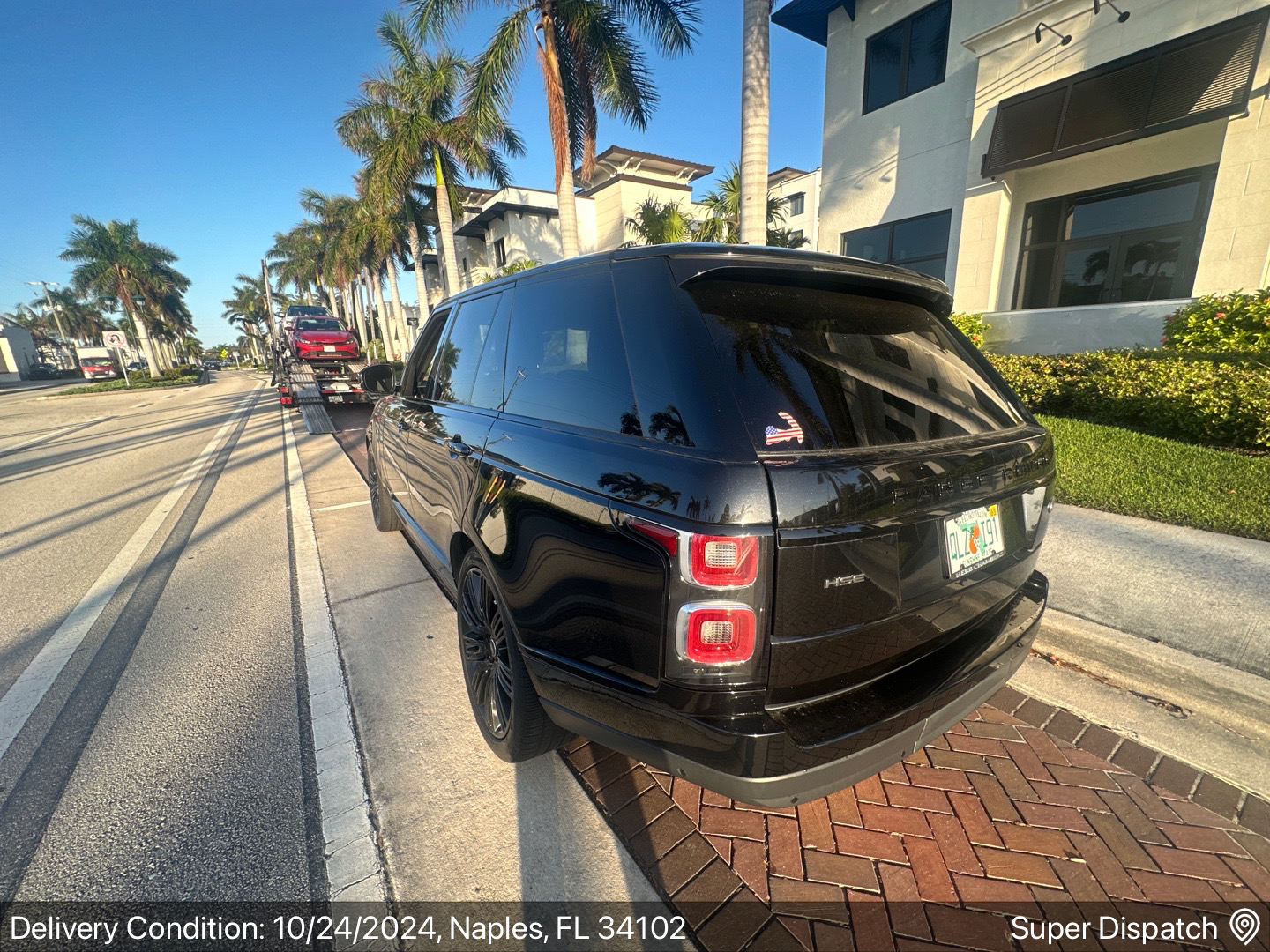
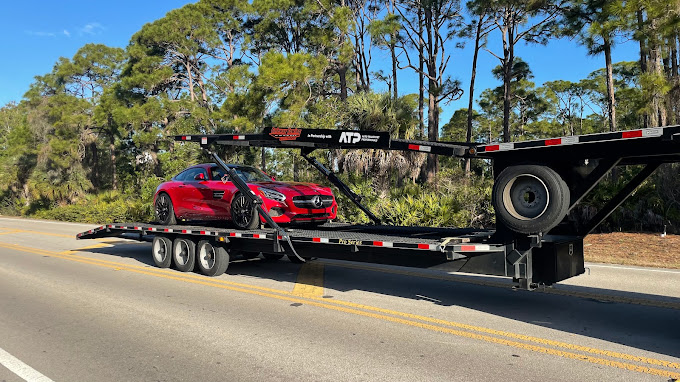
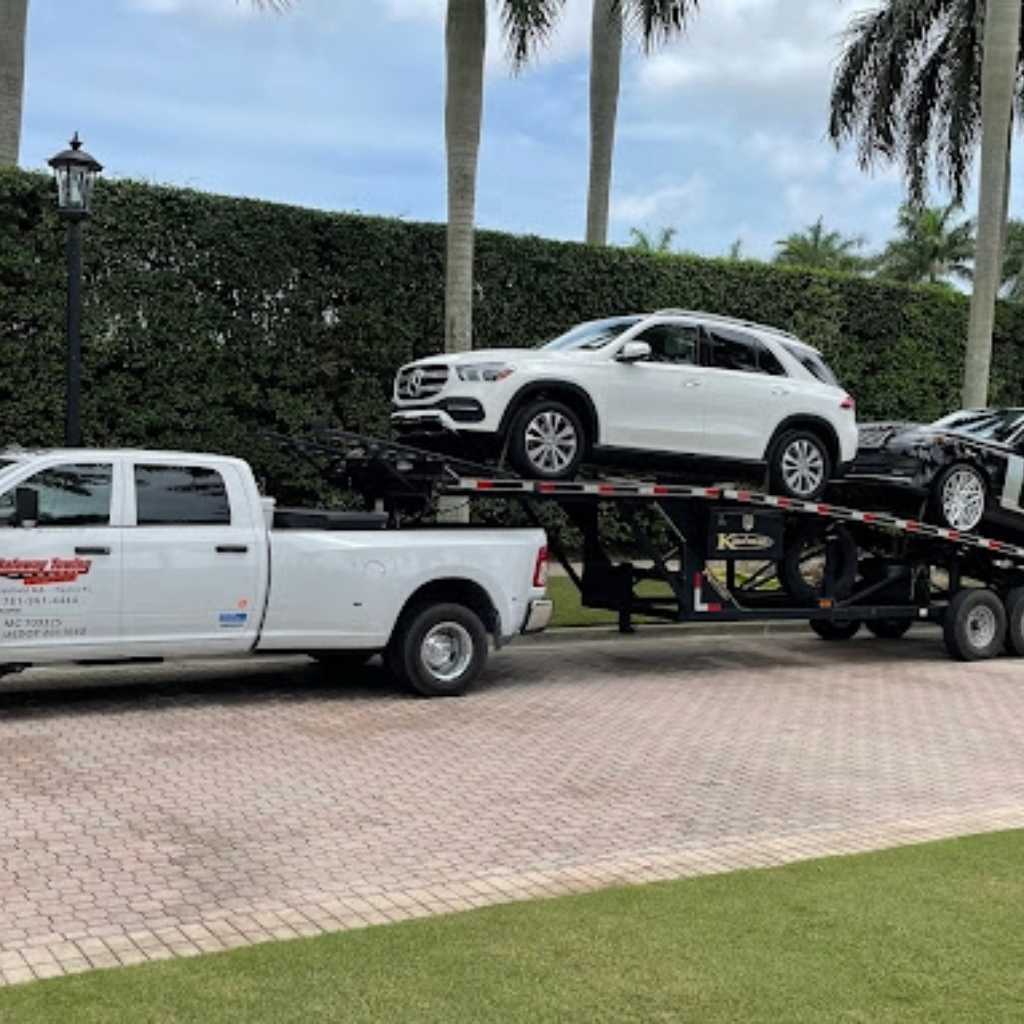
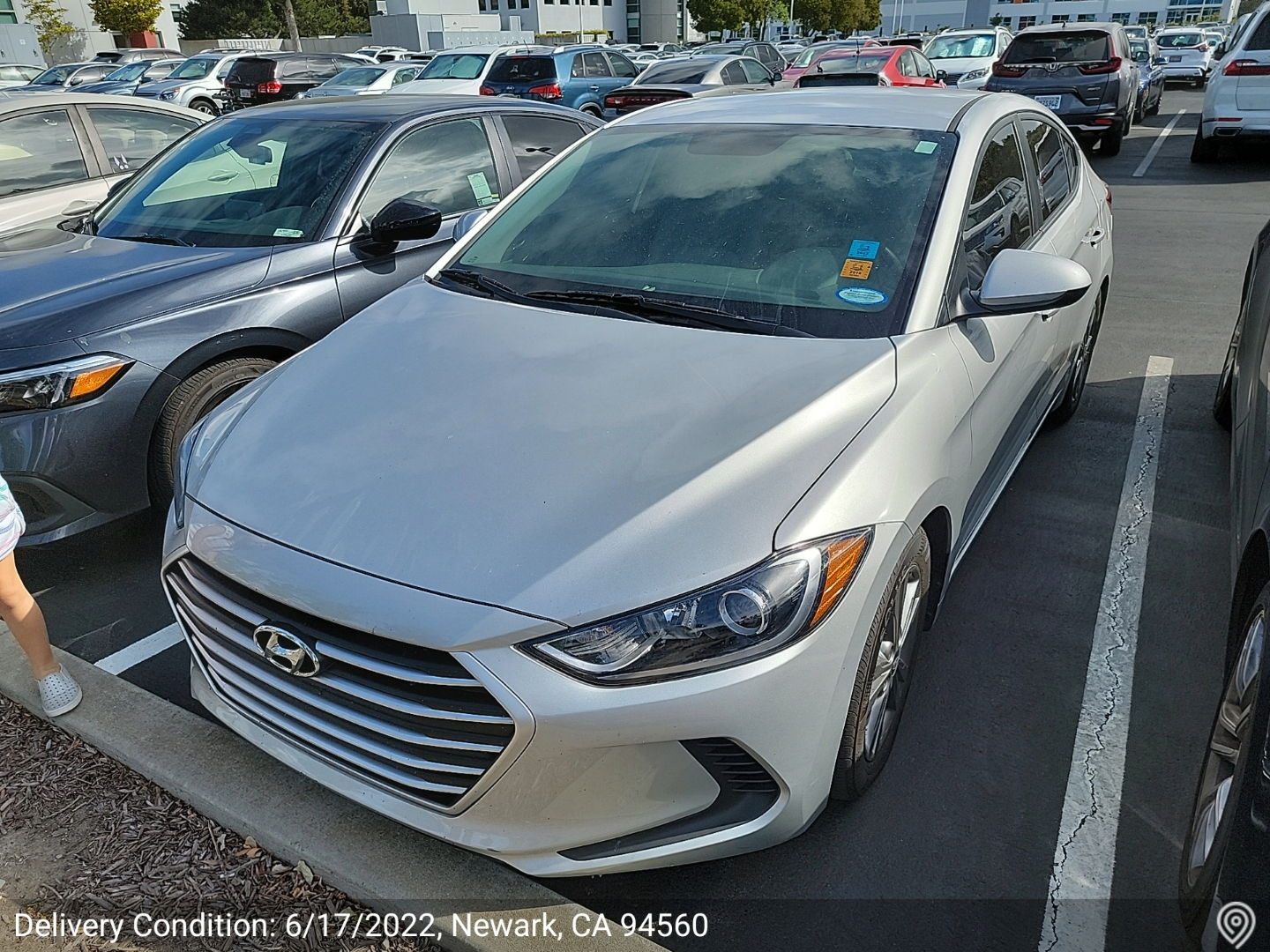
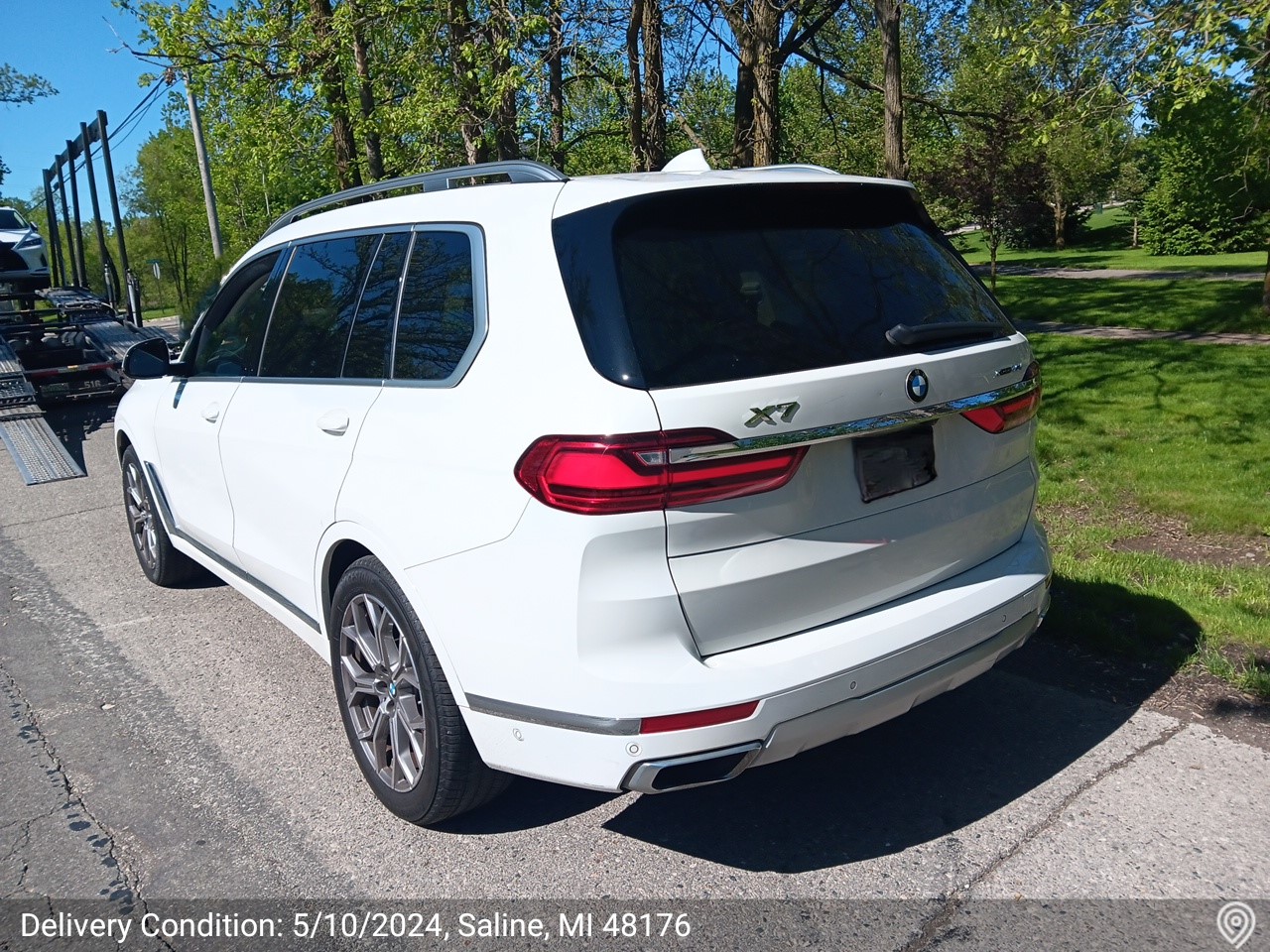
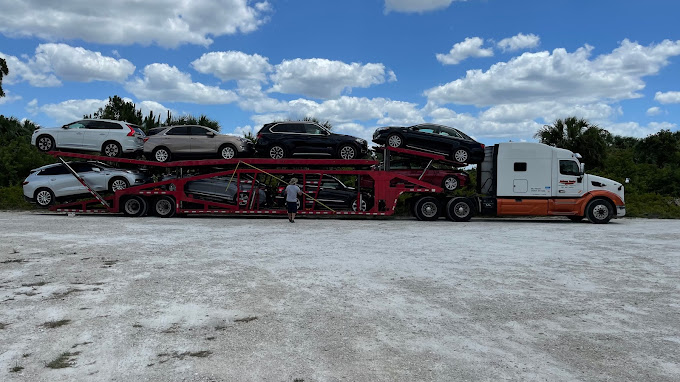
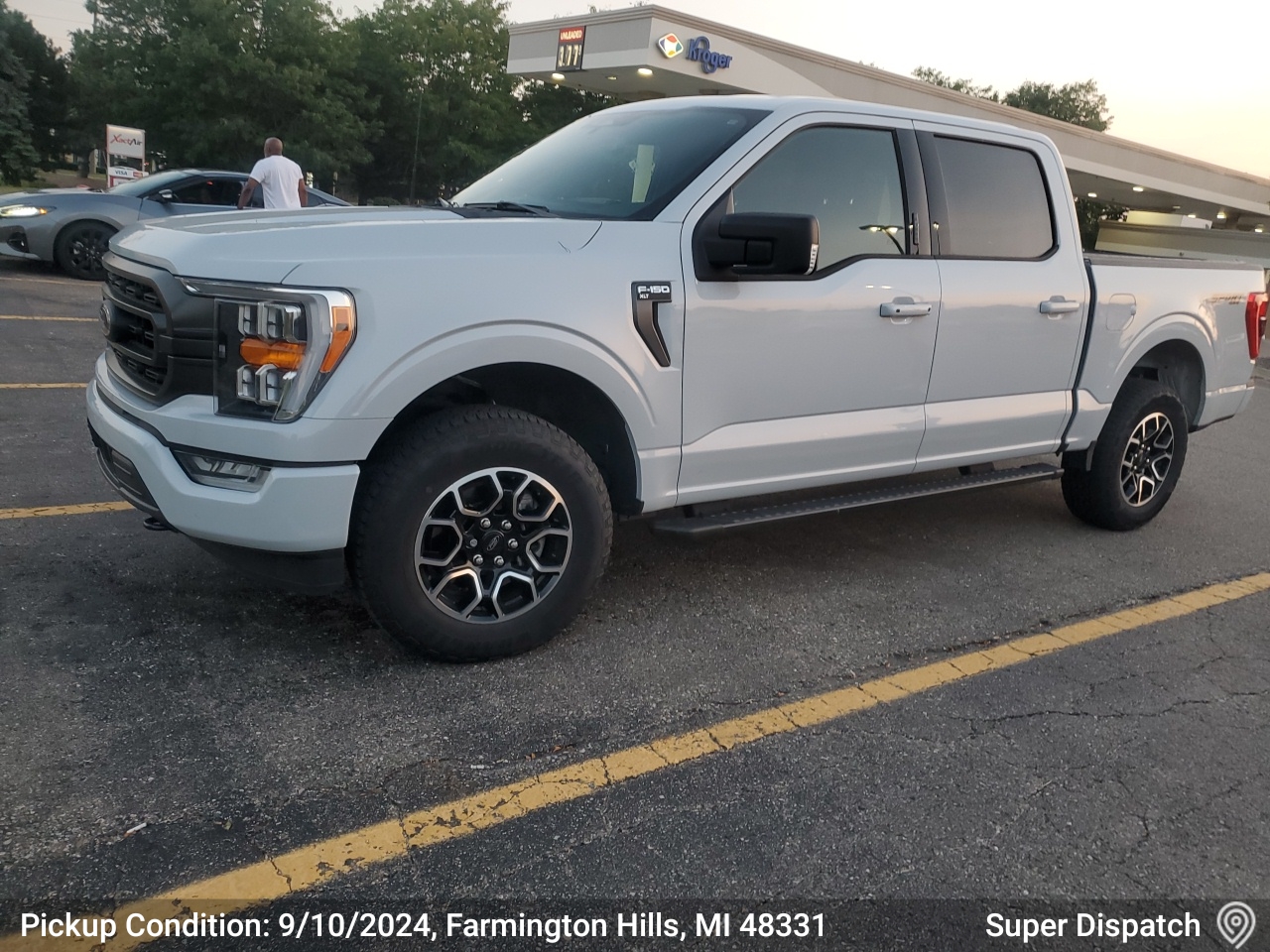
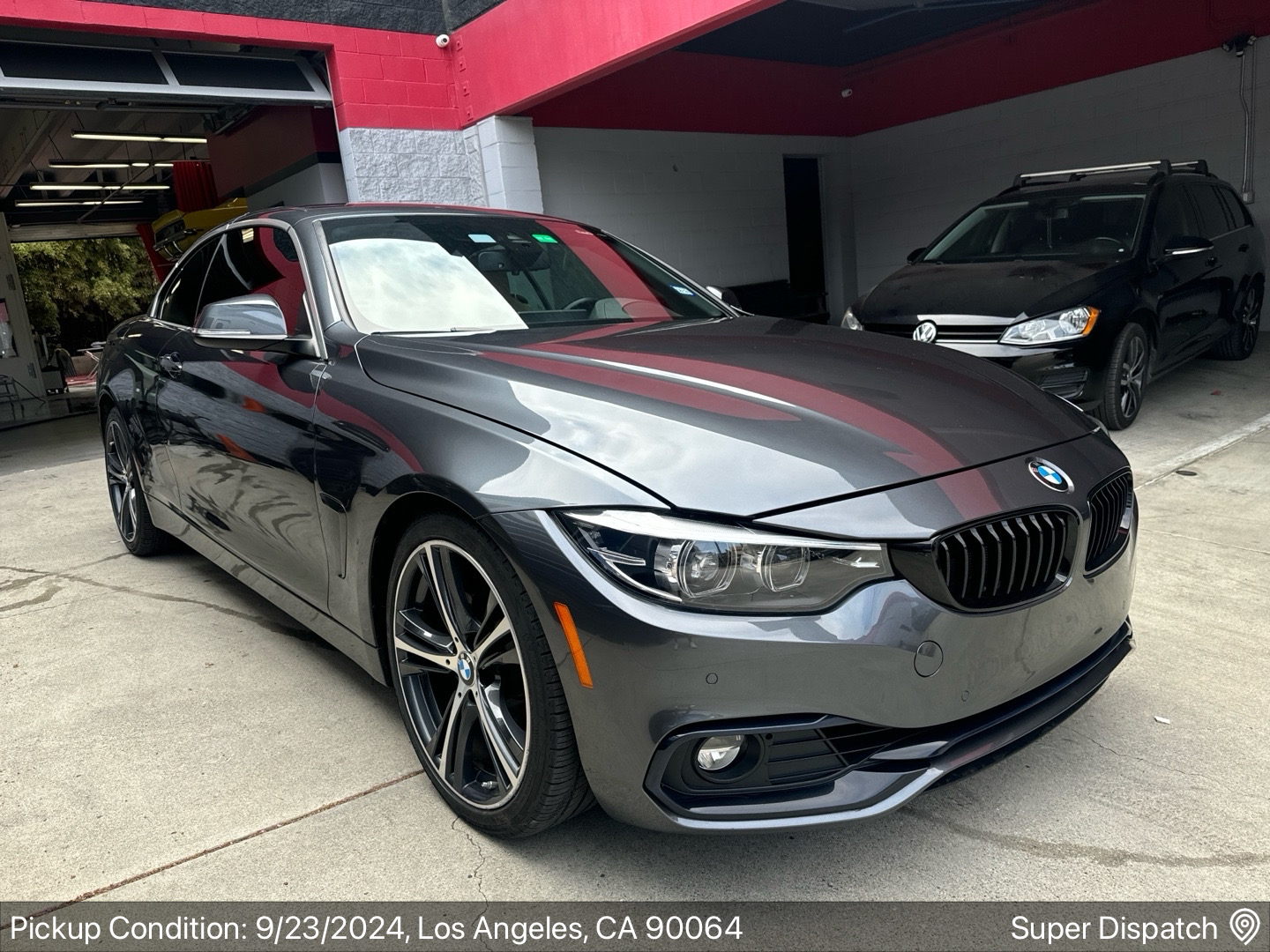
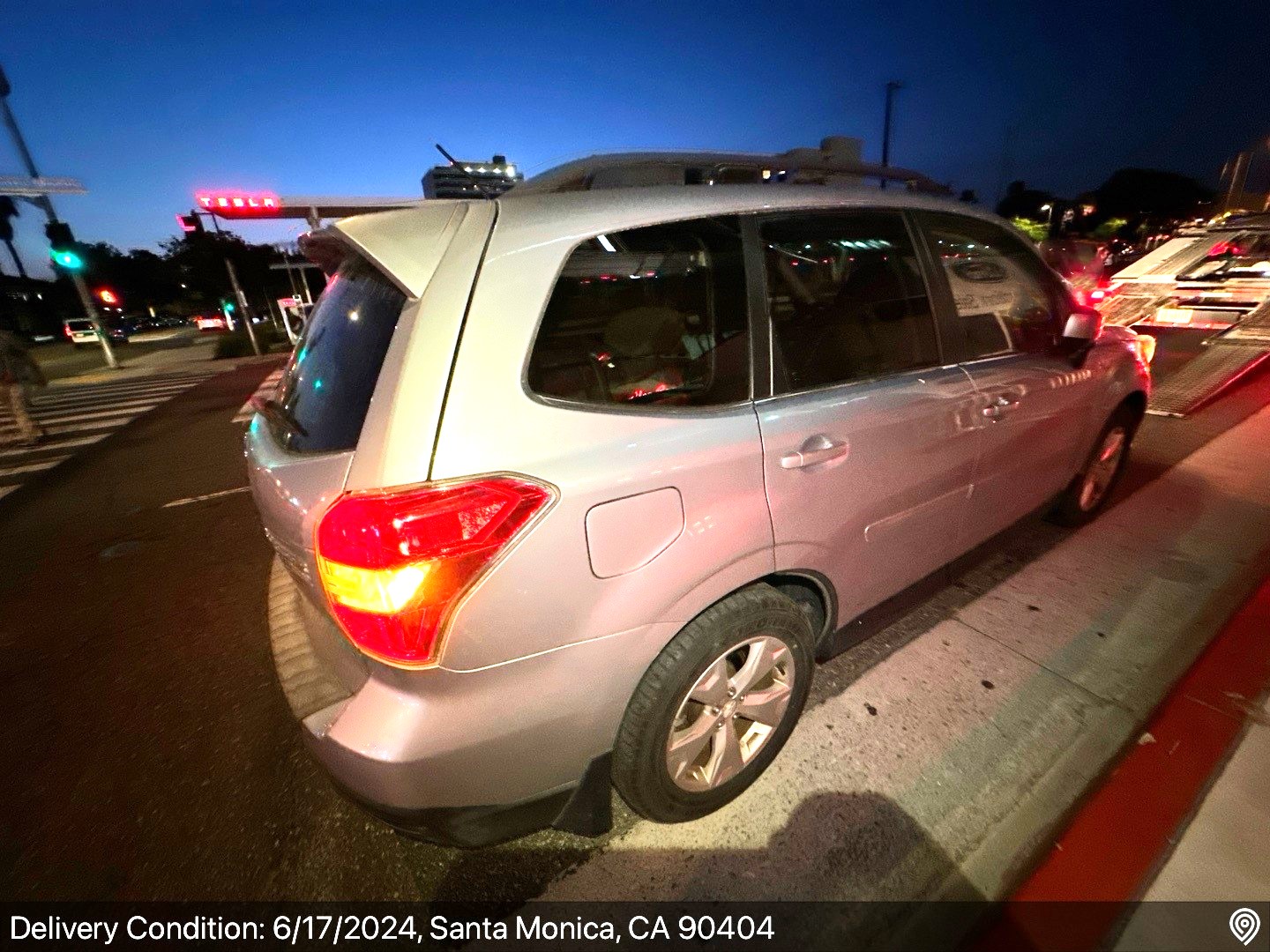
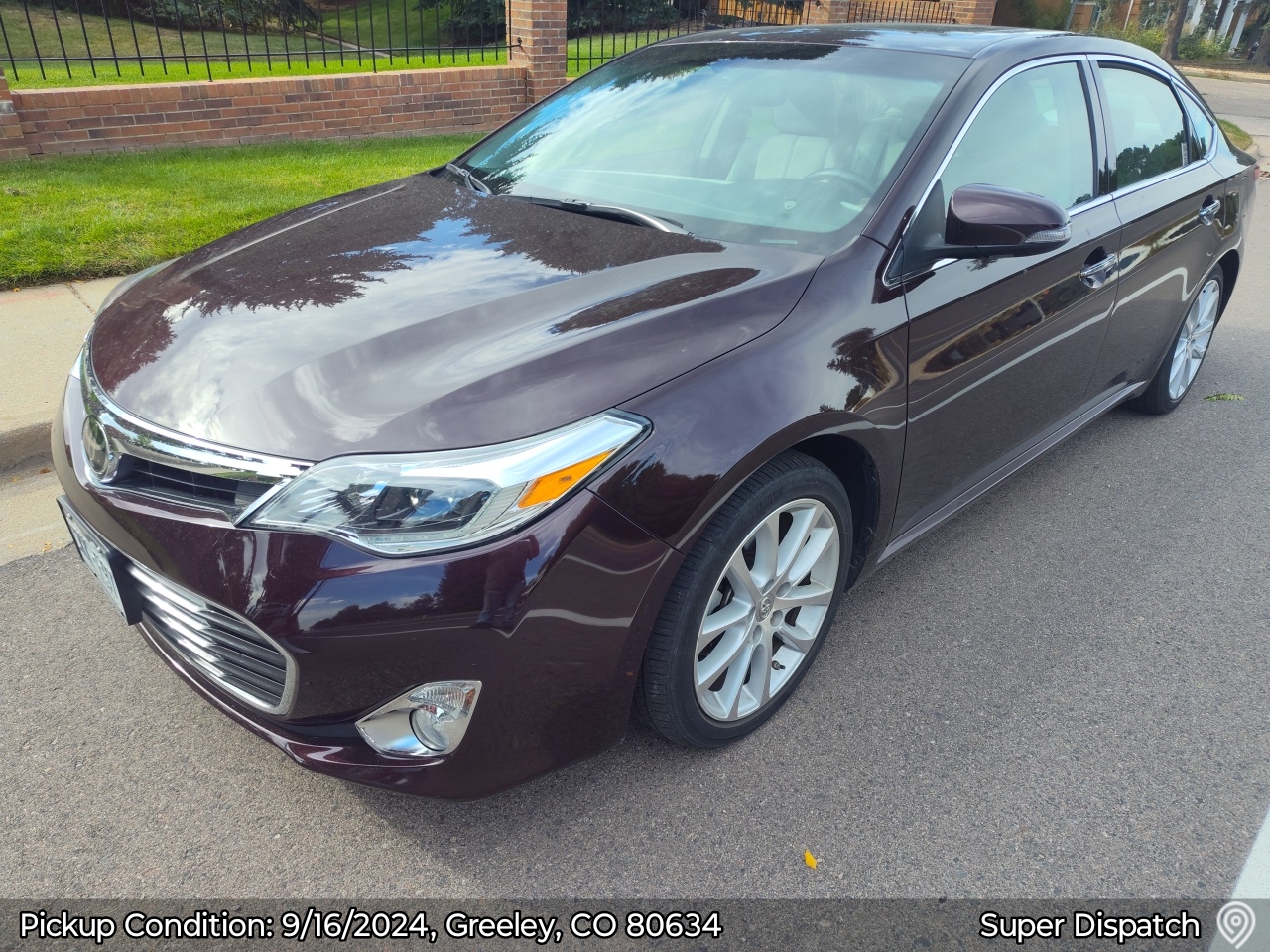
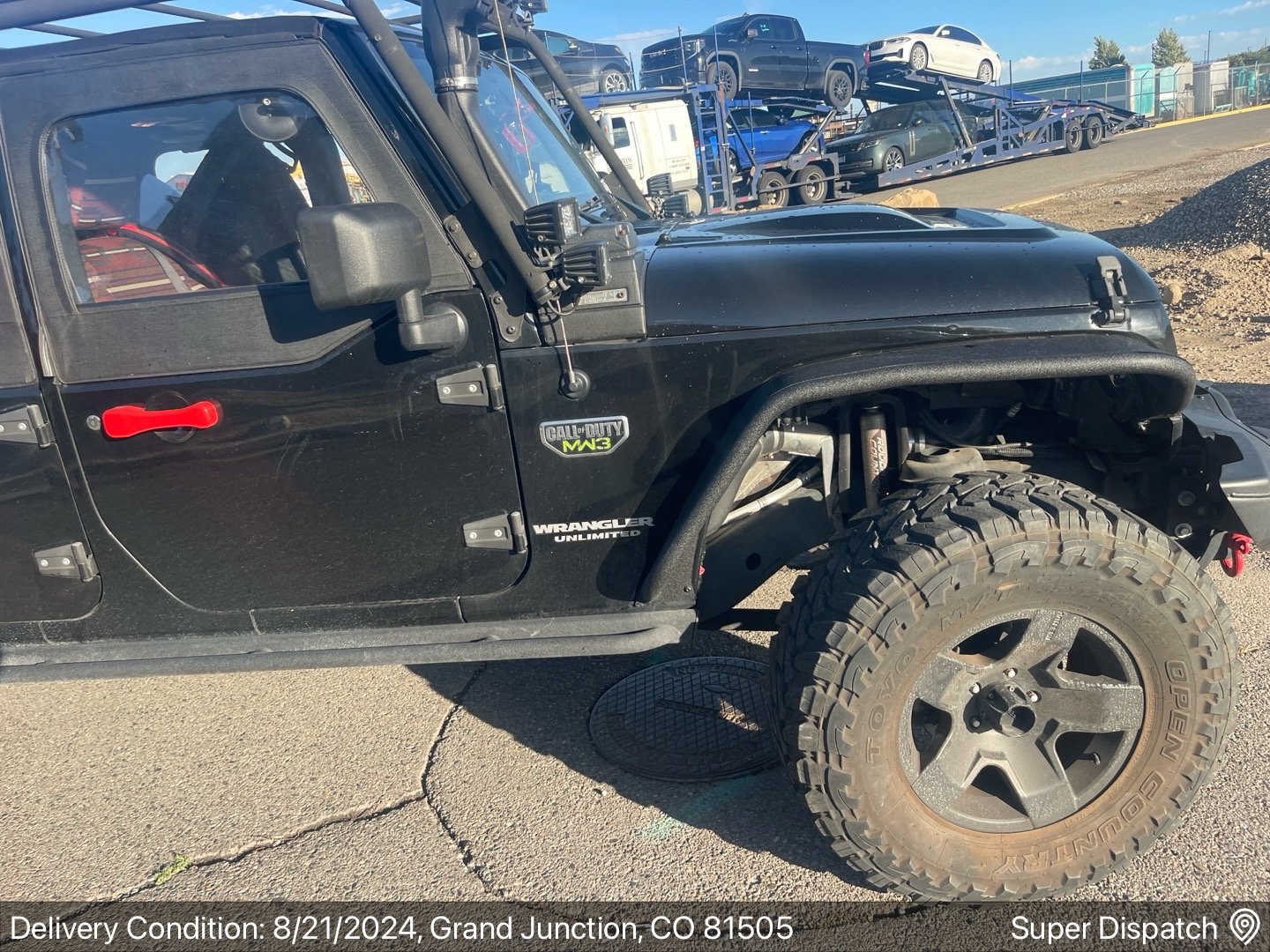
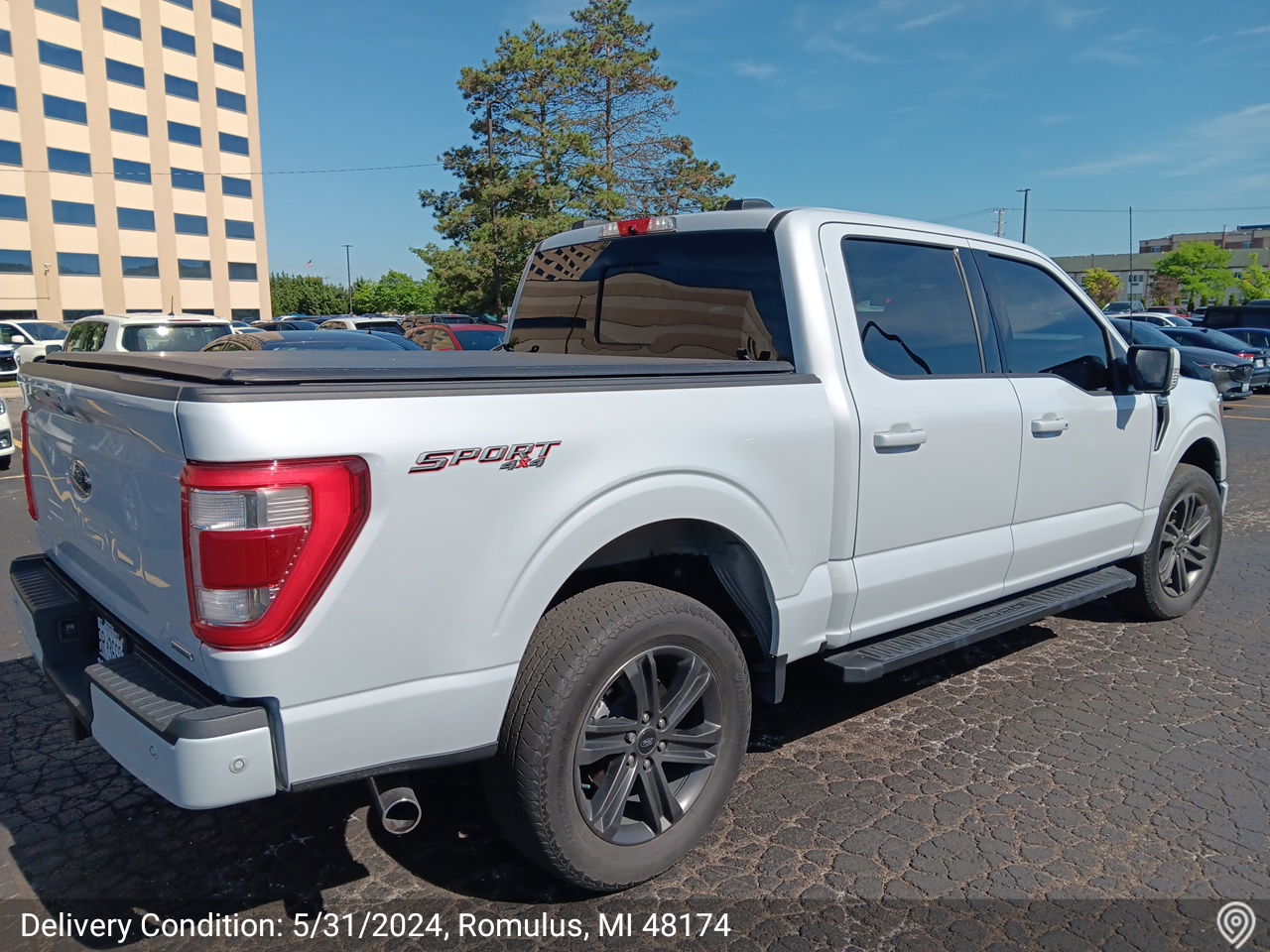
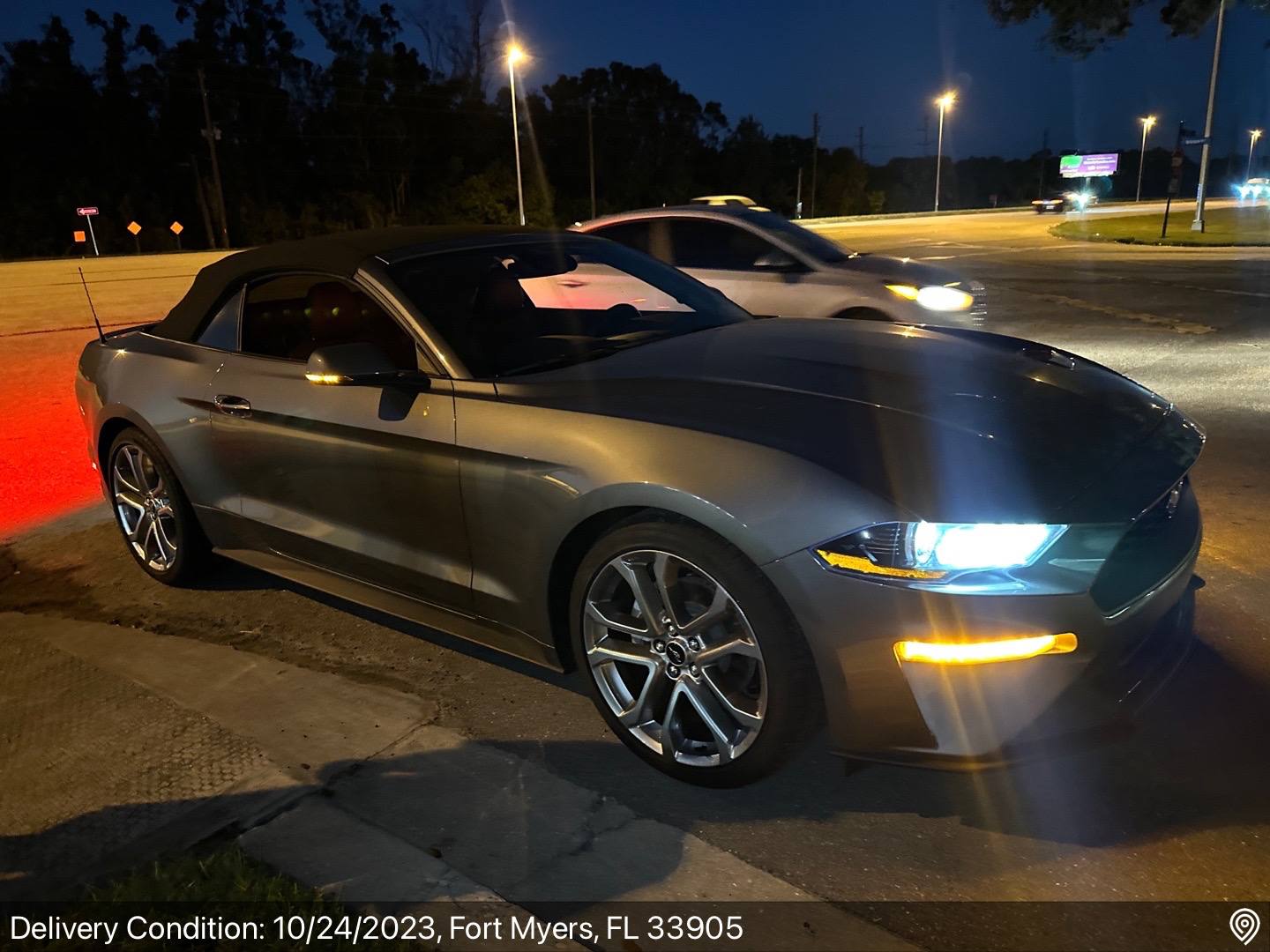
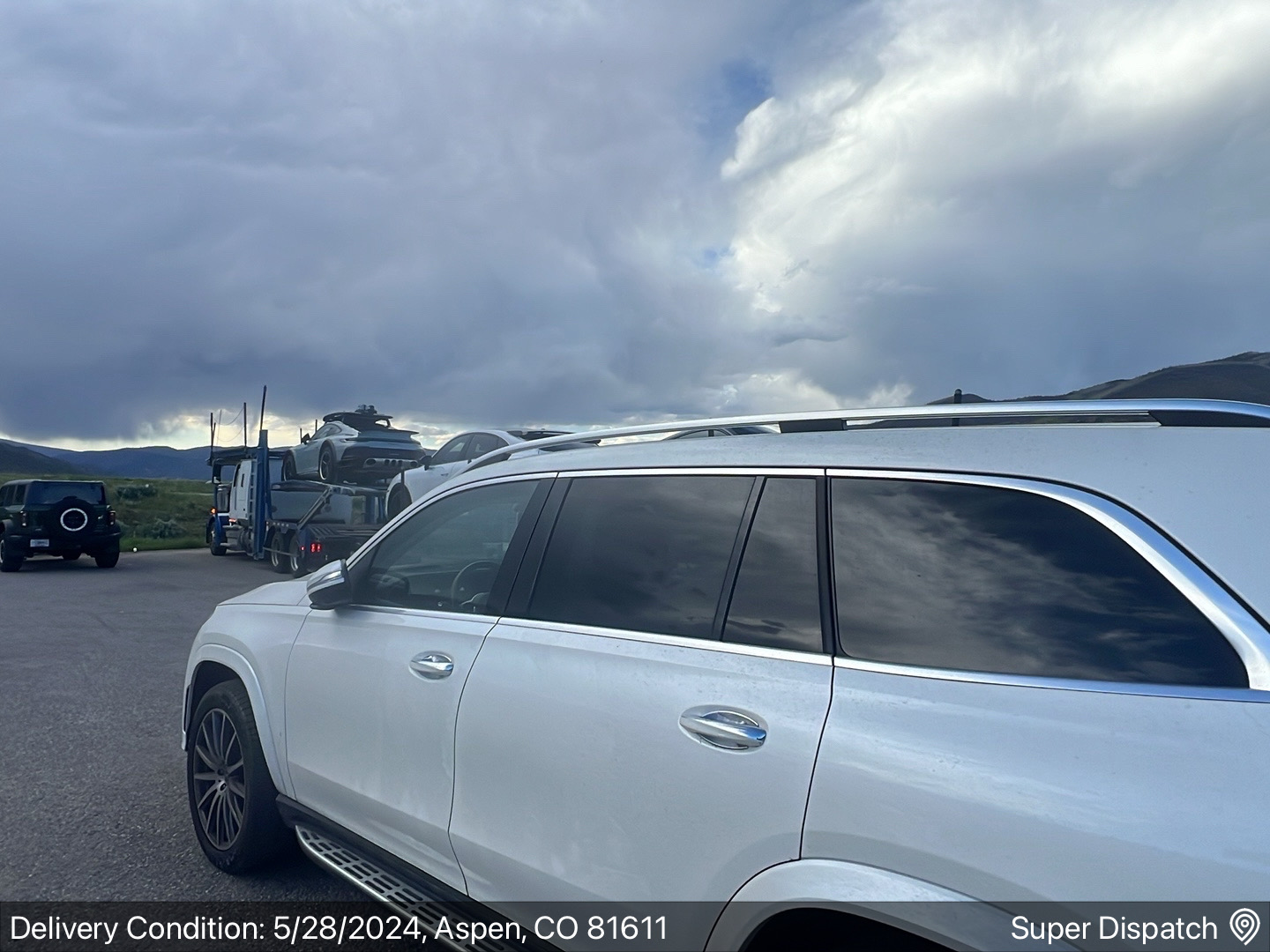
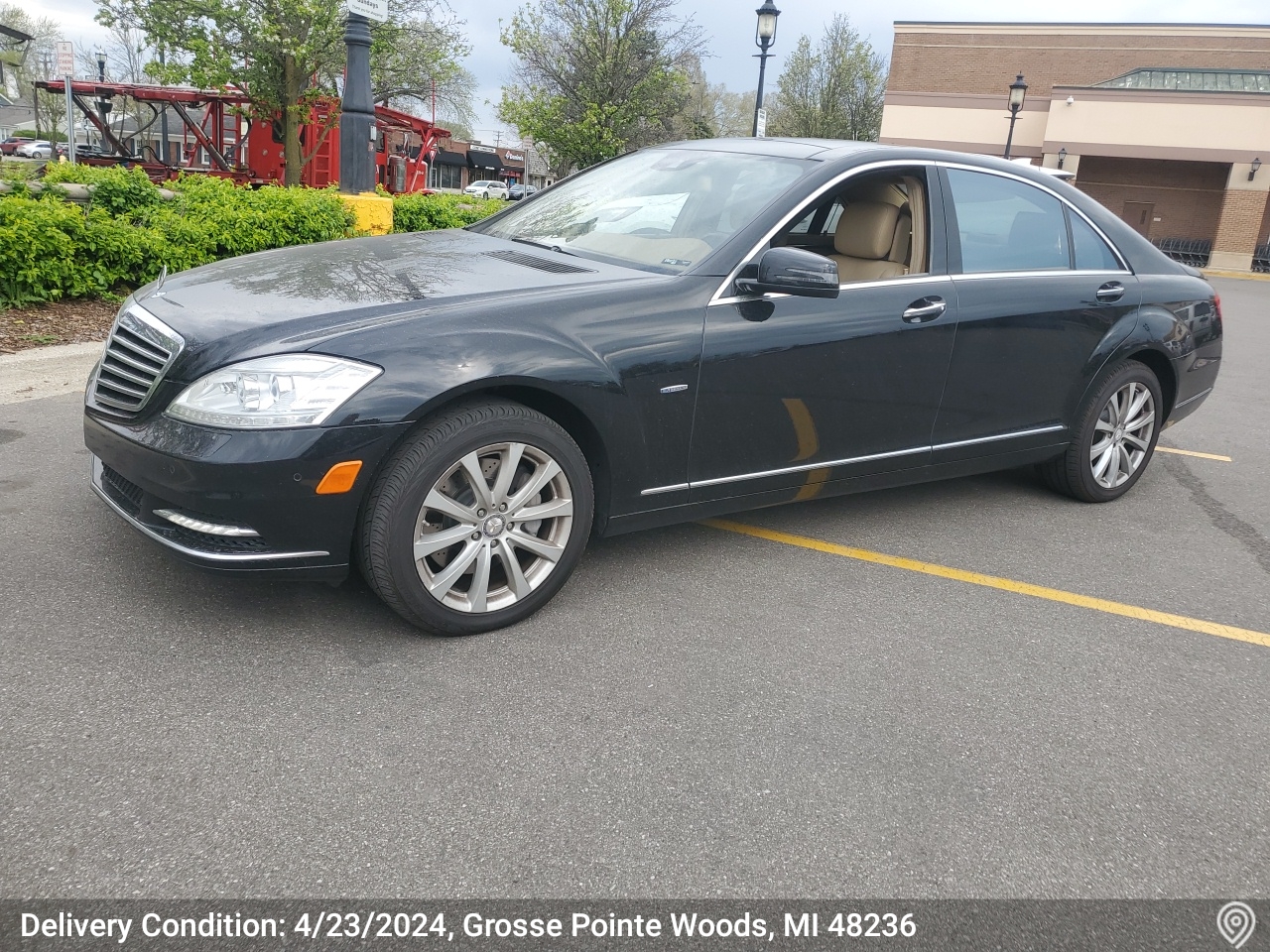
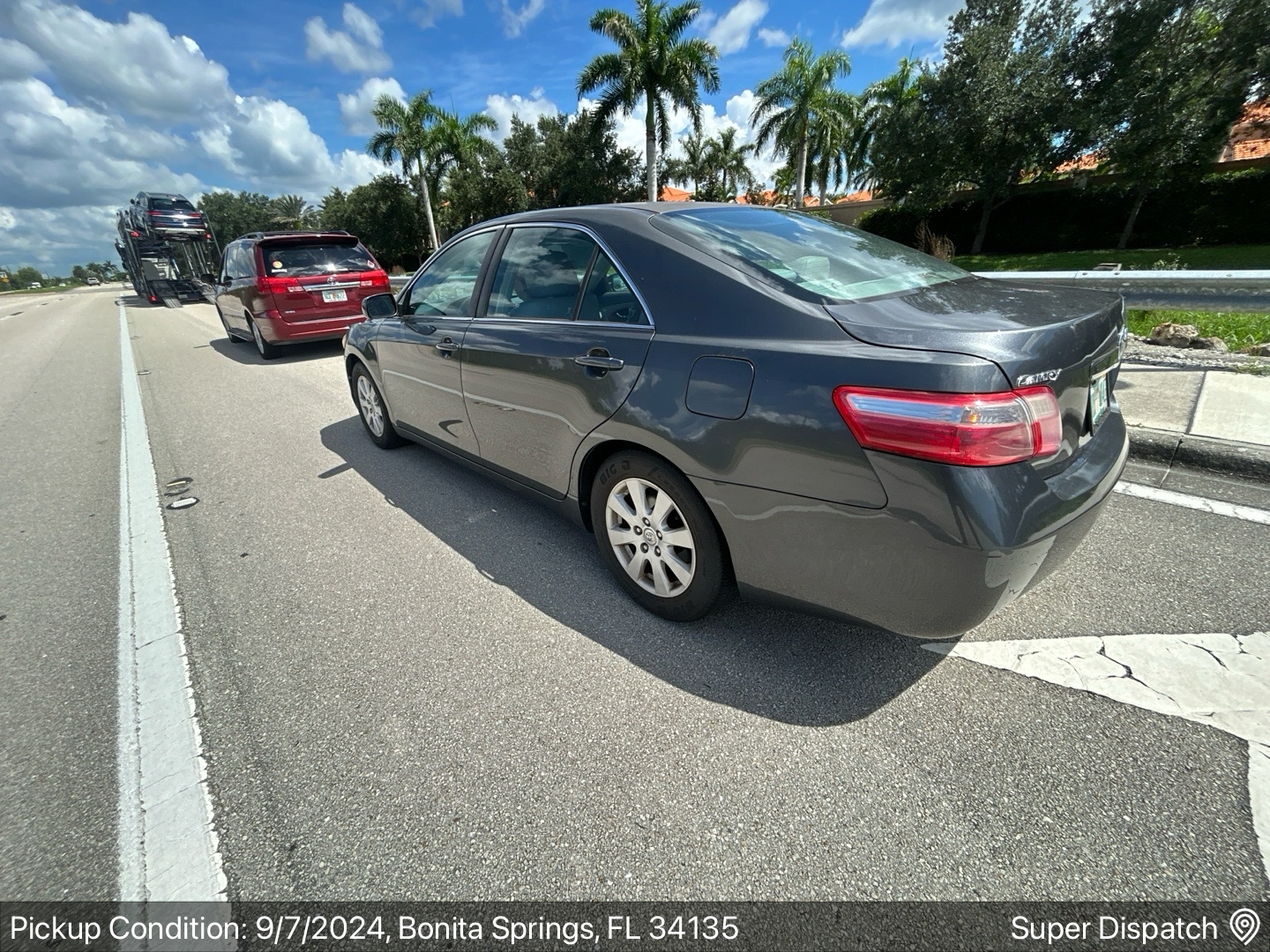
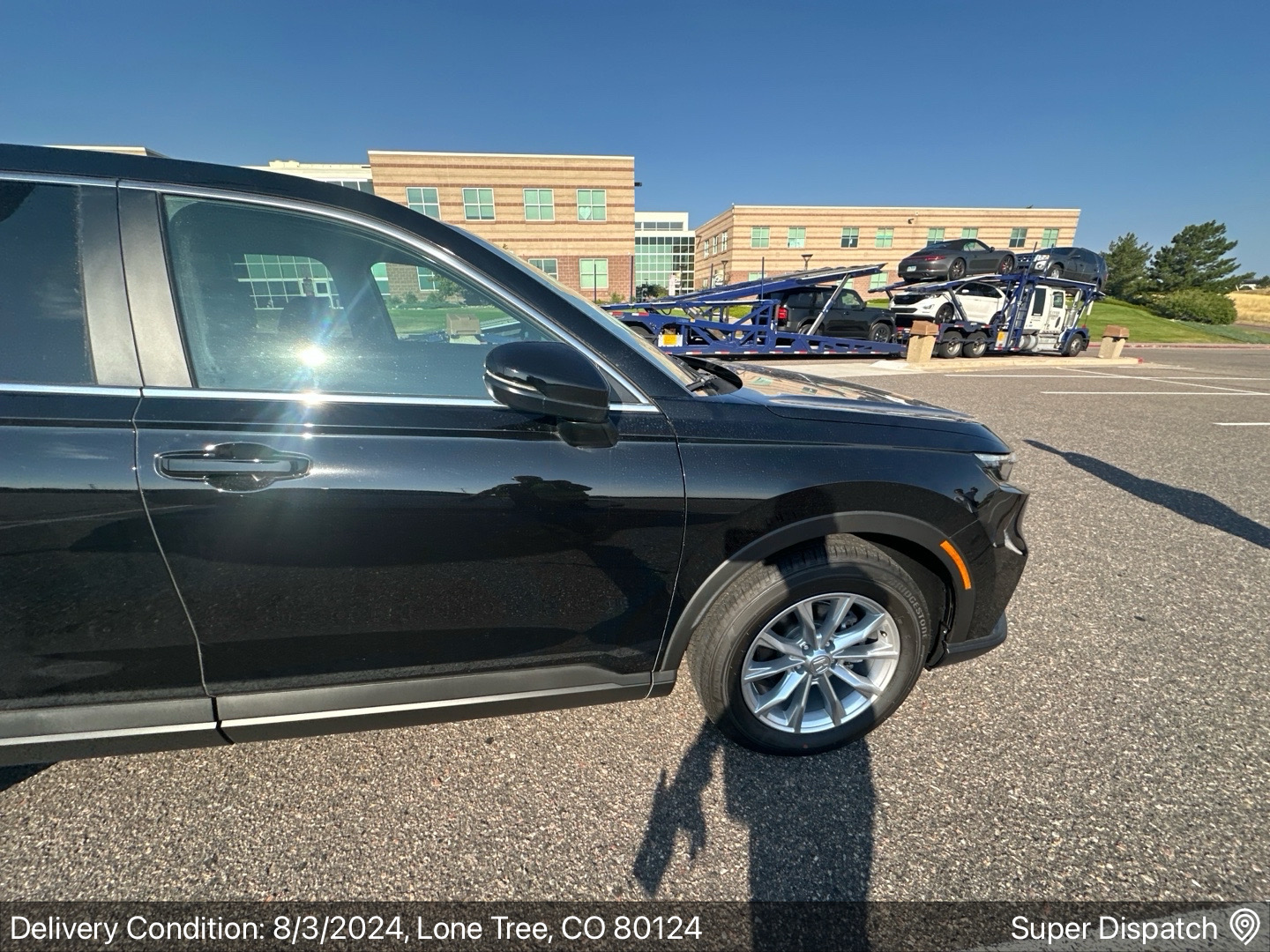
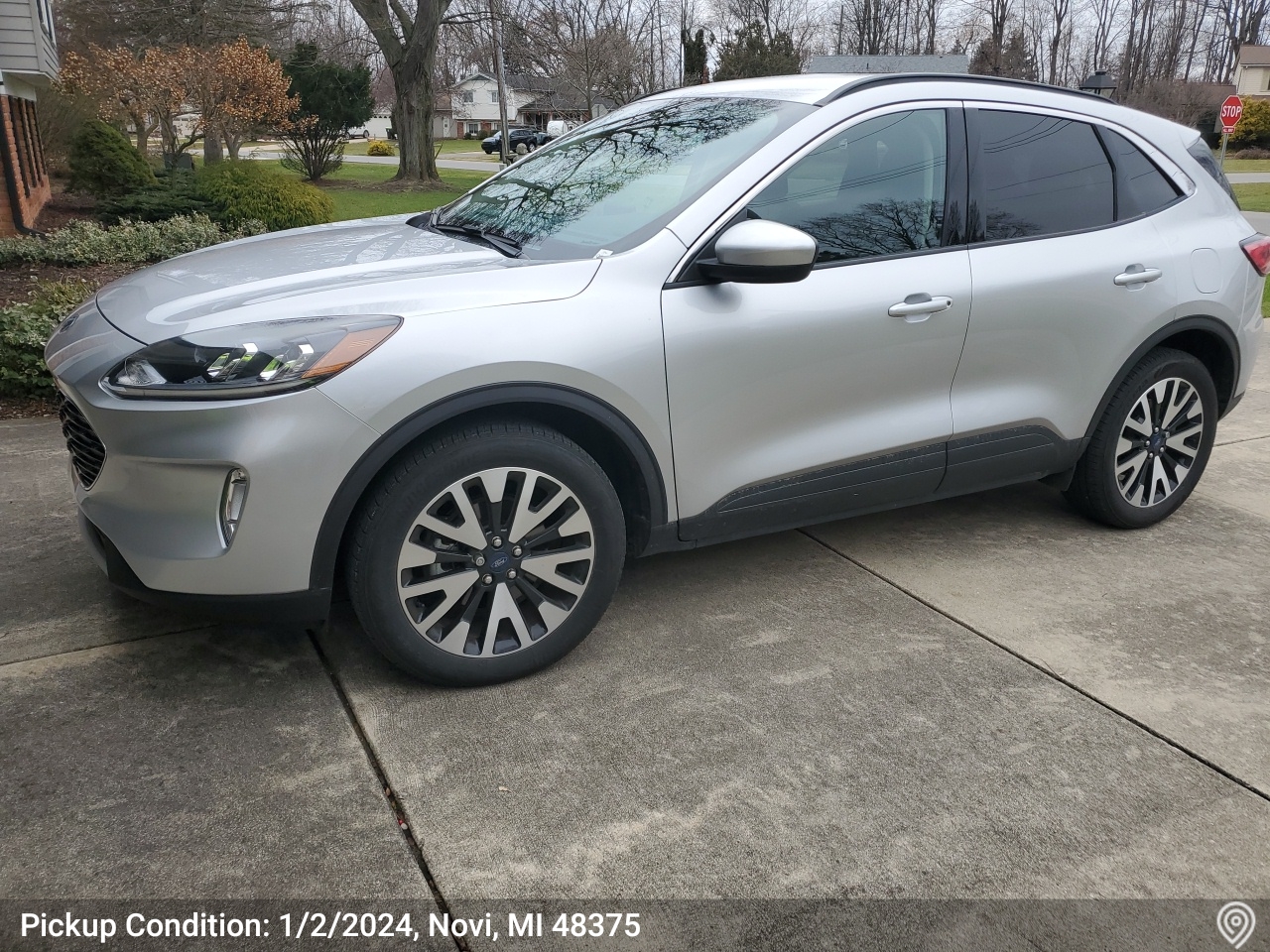
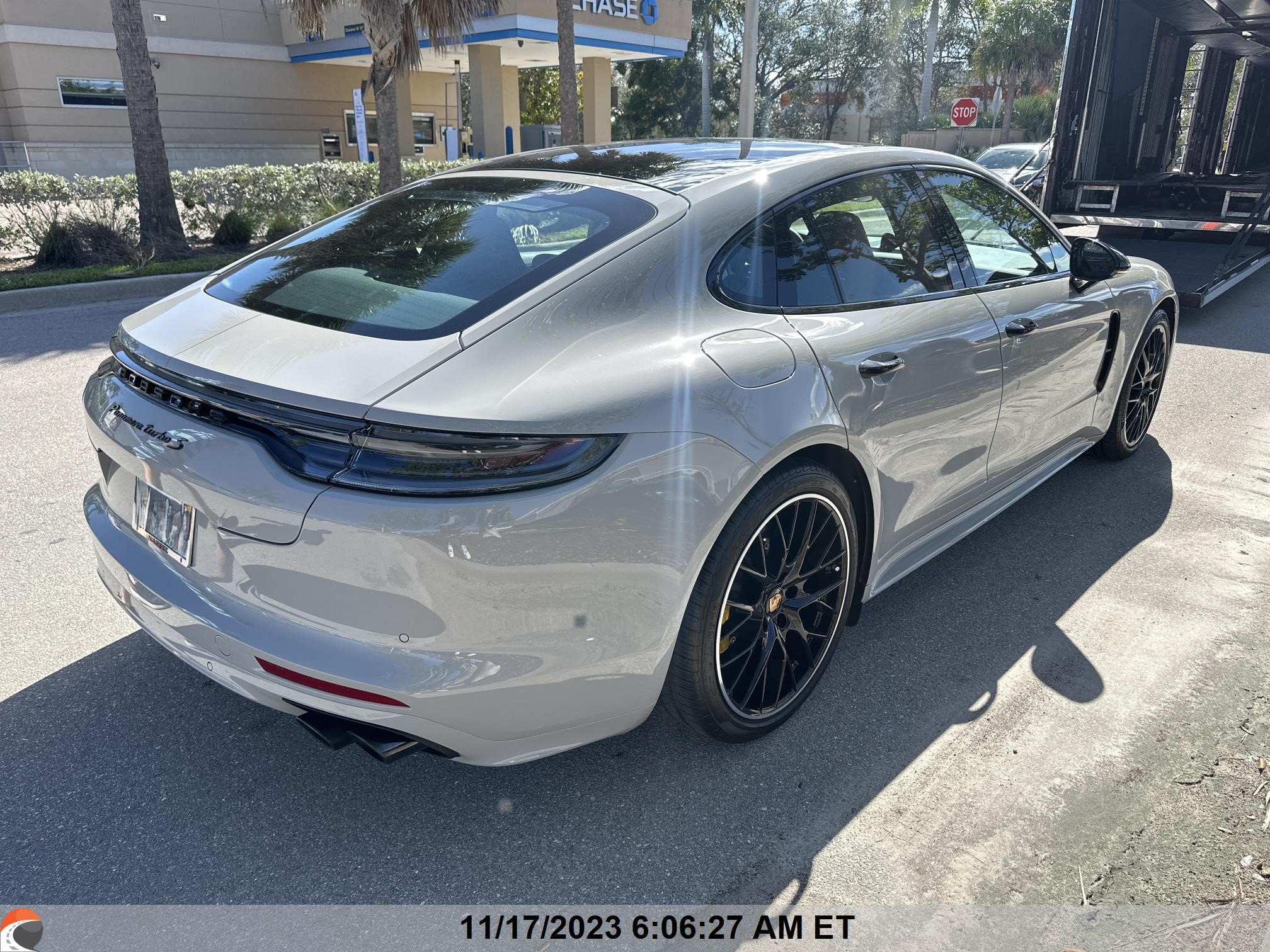
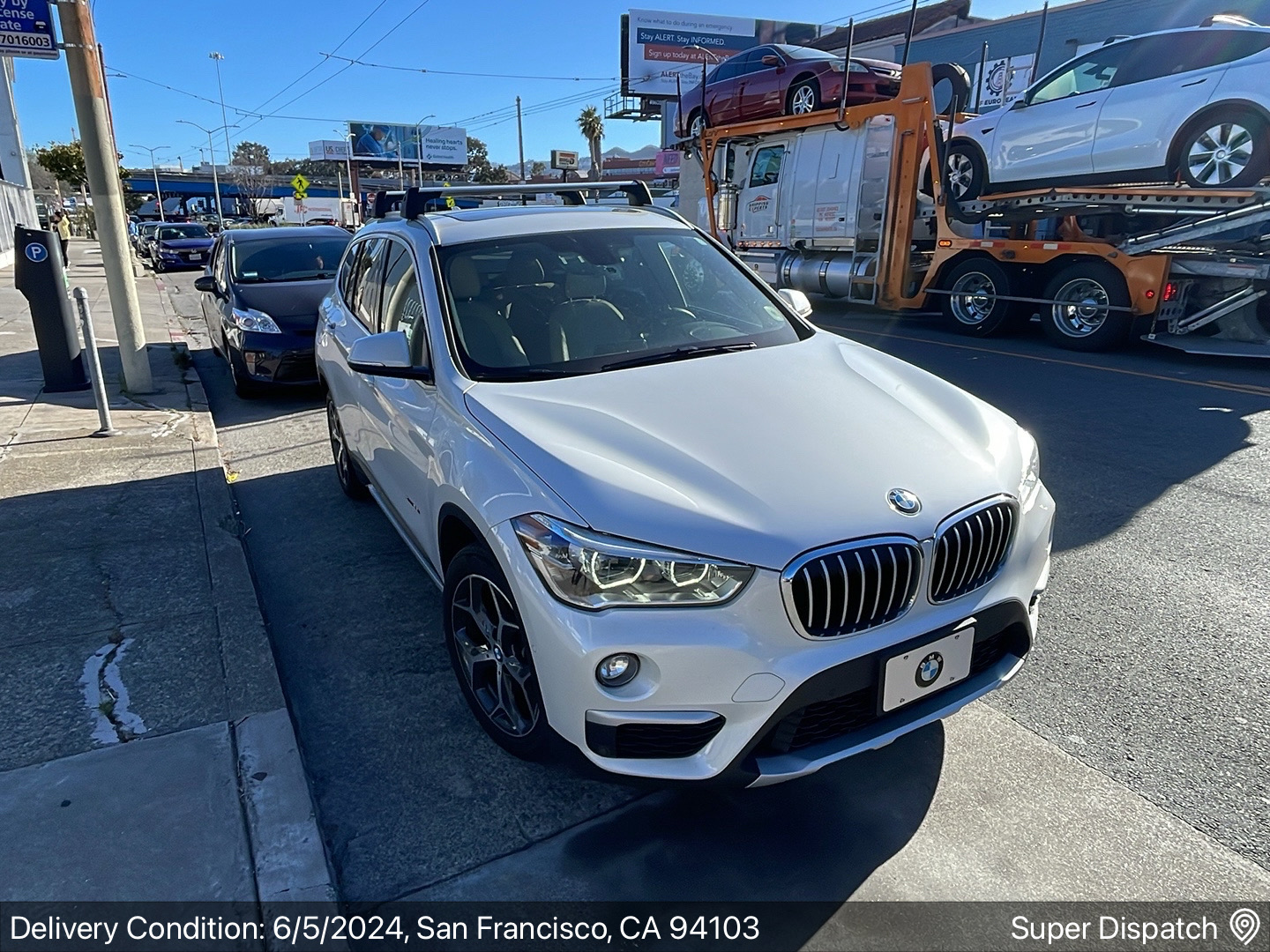
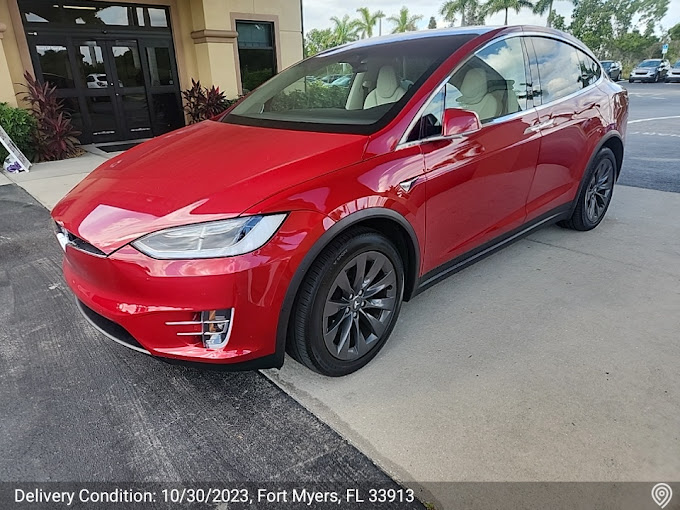
Most pickup locations in Colorado's metro areas — Denver, Aurora, Colorado Springs — involve urban traffic and limited street access for large transport trailers. Our dispatch team works with you to identify the most accessible spot near your address, whether that's a nearby parking lot, a side street with clearance, or another convenient location. If you're in a mountain community west of the Divide, meeting the carrier closer to the Front Range typically opens up more options for auto transport Colorado to Utah.
Delivery in Utah is generally more straightforward. Most residential and commercial addresses along the Wasatch Front — Salt Lake City, Provo, West Valley City — offer standard street access that carriers can navigate without issue. Your driver will confirm the drop-off point when they call ahead, and adjustments are easy to make if your specific address presents any access challenges.
Transit on the Colorado to Utah corridor typically takes 2 to 3 business days after pickup. The drive itself is short — the wait comes from matching your vehicle to a carrier heading in the right direction on a lane with limited truck traffic. Typically, we request a 3-day pickup window after your first available shipping date, though on this route carriers may occasionally need a day or two beyond that window before a westbound truck becomes available.
Winter weather between November and March adds another variable. How long to ship a car from Colorado to Utah can stretch during periods of heavy snow or icy mountain passes, when carriers adjust routes or hold loads until conditions improve. Building in extra flexibility during ski season is the practical move.
Review your quote, confirm vehicle details and dates. No payment collected until a carrier is assigned.
We dispatch your order to our carrier network. You receive carrier details, insurance info, and estimated pickup window.
Carrier gives you 24 hours advance notice before pickup. Walk-around inspection together, every mark documented on the Bill of Lading, both parties sign.
Track your shipment status through your coordinator. We handle any schedule changes or logistics questions.
24-hour advance notice, then a call when close. Second walk-around inspection — damage during transport is extremely rare, but note any new issues on the Bill of Lading before signing. Once signed without exceptions, claims are extremely difficult to win.
Your carrier will give you roughly 24 hours advance notice before arriving. At pickup, you and the driver conduct a walk-around inspection of the vehicle, documenting any existing scratches, dents, or wear on a Bill of Lading that both parties sign. In Denver and other urban Colorado pickup locations, the driver may ask you to meet at a nearby accessible spot rather than your exact address — this is standard practice for open transport Colorado to Utah and keeps the process moving efficiently.
Expect a call roughly 24 hours before your vehicle arrives in Utah, followed by another when the carrier is close. At delivery, you'll do a second walk-around comparing the vehicle's condition against the Bill of Lading signed at pickup. Damage during transport is extremely rare, but if you notice anything new, note it on the delivery paperwork before signing. Signing without documenting damage makes any subsequent claim extremely difficult to pursue. Along the Wasatch Front, most delivery locations present no access complications for auto shipping Colorado to Utah.
Every carrier in our network is required to carry cargo insurance as a condition of their FMCSA operating authority. Coverage details vary by carrier and are confirmed before your vehicle is dispatched.
At pickup, the driver and you complete a joint vehicle inspection. Every scratch, dent, and existing mark is documented on the Bill of Lading. At delivery, you must carefully compare the vehicle's condition against this record before signing the delivery receipt. If you notice any new damage, note it on the Bill of Lading before you sign. Once you sign the delivery receipt without noting damage, it becomes extremely difficult to file and win a claim. This is the single most important step in protecting yourself during the transport process.
Relocations — Professionals and families moving between the Front Range and the Wasatch Front make up the bulk of this corridor's volume. Denver to Salt Lake City runs about 525 miles through I-70 and I-15, close enough to drive but worth shipping when you're juggling a household move. Get an auto transport quote 2-3 weeks ahead and fly out while your vehicle follows. Auto transport companies with experience on this corridor know the mountain passes and seasonal conditions.
Dealerships and Wholesale Buyers — Dealer transfers between Colorado and Utah move consistently on this lane. Car transport services on the Colorado to Utah lane shift inventory between Front Range lots and the Salt Lake/Provo market without adding highway miles through mountain passes. Multi-unit loads run regularly given the corridor's steady dealer activity. Work with reputable vehicle shipping providers that run this route on a set schedule.
Online Vehicle Purchases — Buyers in either state purchasing vehicles across state lines ship a car from Colorado to Utah rather than making the round trip through the Rockies. Vehicle shipping Colorado to Utah keeps the transaction simple: the carrier handles pickup, transport, and delivery while you handle the paperwork. Request a free car shipping estimate before finalizing your purchase to factor transport into the total cost.
Open Colorado to Utah Auto Transport on this short-haul corridor typically costs $550 to $850 for a standard sedan. Regional routes under 500 miles benefit from faster transit and competitive per-mile rates. Enclosed transport runs approximately $1,275. Request a free quote for your specific move.
Transit typically takes 2 to 3 business days after pickup. We work with a 3-day pickup window after your first available date. Lighter carrier traffic on this route means booking two to three weeks ahead gives the best scheduling results.
Yes, door-to-door Colorado to Utah Auto Transport service is standard. In urban areas, carriers may suggest a nearby accessible meeting point if street parking or narrow roads limit truck access. Most residential and commercial addresses offer straightforward truck access for pickup and delivery. Our dispatch team coordinates the most practical meeting point when truck access is limited.
Open transport works for most vehicles and starts at $550 on this corridor. Enclosed transport at approximately $1,275 is recommended for luxury, classic, or high-value vehicles that benefit from full weather and debris protection. Both options include carrier cargo insurance.
Carrier availability on this corridor is limited year-round, so timing your booking matters more than the season. Book at least two to three weeks ahead of your preferred pickup date for the best results. Flexibility on your exact pickup window by a few days also helps significantly on thinner lanes like this one.
Someone 18 or older must be present at both ends to authorize the shipment and sign the Bill of Lading. If you cannot attend personally, designate a trusted representative — a friend, family member, or dealership contact — to handle the vehicle inspection and paperwork on your behalf.
Yes. Every carrier in our Colorado to Utah Auto Transport network carries cargo insurance as required by their FMCSA operating authority. Coverage specifics are confirmed before dispatch. At both pickup and delivery, you complete a joint vehicle inspection documented on a Bill of Lading — this protects you if any issue arises.
Yes, we handle non-running vehicles on this corridor. The vehicle needs to roll, steer, and brake for standard loading. Vehicles that cannot roll may require a winch or forklift at additional cost. Mention the vehicle's condition when requesting your quote so we match the right carrier and equipment.
Wash the exterior so scratches and dents are visible during inspection. Remove toll transponders, parking passes, and loose interior items. Leave roughly a quarter tank of fuel. Disable aftermarket alarms. Take dated photos of all sides, roof, and odometer before the carrier arrives for your records.
Most carriers allow personal belongings in the trunk or cargo area up to about 100 pounds. Items must stay below the window line and cannot be fragile or high-value. Personal items are not covered under carrier cargo insurance, so keep the vehicle as empty as practical.