Fully insured carriers. Quote valid for 7 days. Price locked at booking. No upfront payment.
Colorado auto transport runs along one of the country's most geographically demanding networks, with I-25 serving as the primary north-south spine and I-70 cutting east-west through the Rockies. That combination of major interstates and high-altitude terrain shapes how carriers plan routes and schedule pickups across the state. Colorado contributes meaningfully to the seasonal snowbird migration pattern, with strong outbound car shipping volume each fall as residents head toward warmer climates in Florida, Arizona, and Texas. Carrier activity on these corridors is steady, though not as dense as coastal markets, so booking ahead during peak migration windows gives you more options.
Within Colorado, Denver and Colorado Springs anchor the strongest carrier coverage. Aurora, Fort Collins, and Lakewood benefit from proximity to the metro core and see reliable service. Boulder and Pueblo are accessible but may require a bit more lead time. For Colorado auto transport customers located west of the Continental Divide, meeting a carrier in Denver or Colorado Springs typically means better rates and more available pickup dates than scheduling from a mountain address.
The transport of the vehicle went according to plan. Vehicle was delivered on time and in good condition.
Dependable, professional, and quick. Never a Surprise and I've used this company 5 times for shipping my car back and forth from Massachusetts to Florida.
I use these guys twice a year. The communication is always open with not only the company but also with the driver.
Colorado car shipping cost reflects average national market conditions. The state sits in a B-moderate pricing tier, meaning carrier competition is stable and rates don't swing dramatically outside of seasonal peaks. The main exception is fall, when outbound snowbird demand nudges rates upward as more vehicles compete for southbound carrier space. Mountain and rural locations west of Denver can also push costs higher, since carriers factor in road difficulty and limited backhaul options when pricing those pickups.
The most favorable rates typically appear in late winter and early summer, when snowbird migration has settled and carrier capacity is more available. Scheduling flexibility helps. Customers who can work within a 3-day pickup window rather than requiring a fixed date tend to see better outcomes. Get your free auto transport quote today.
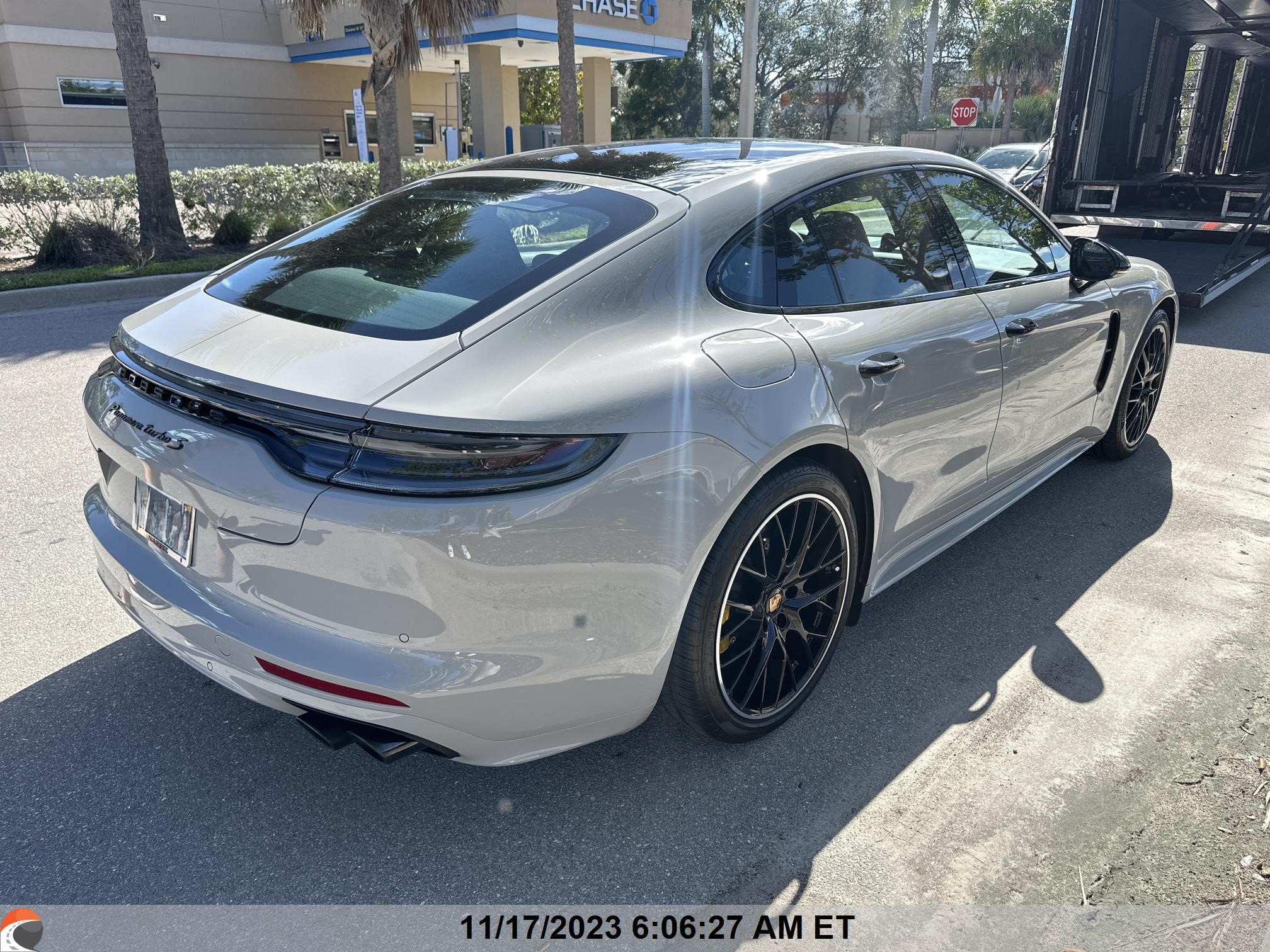
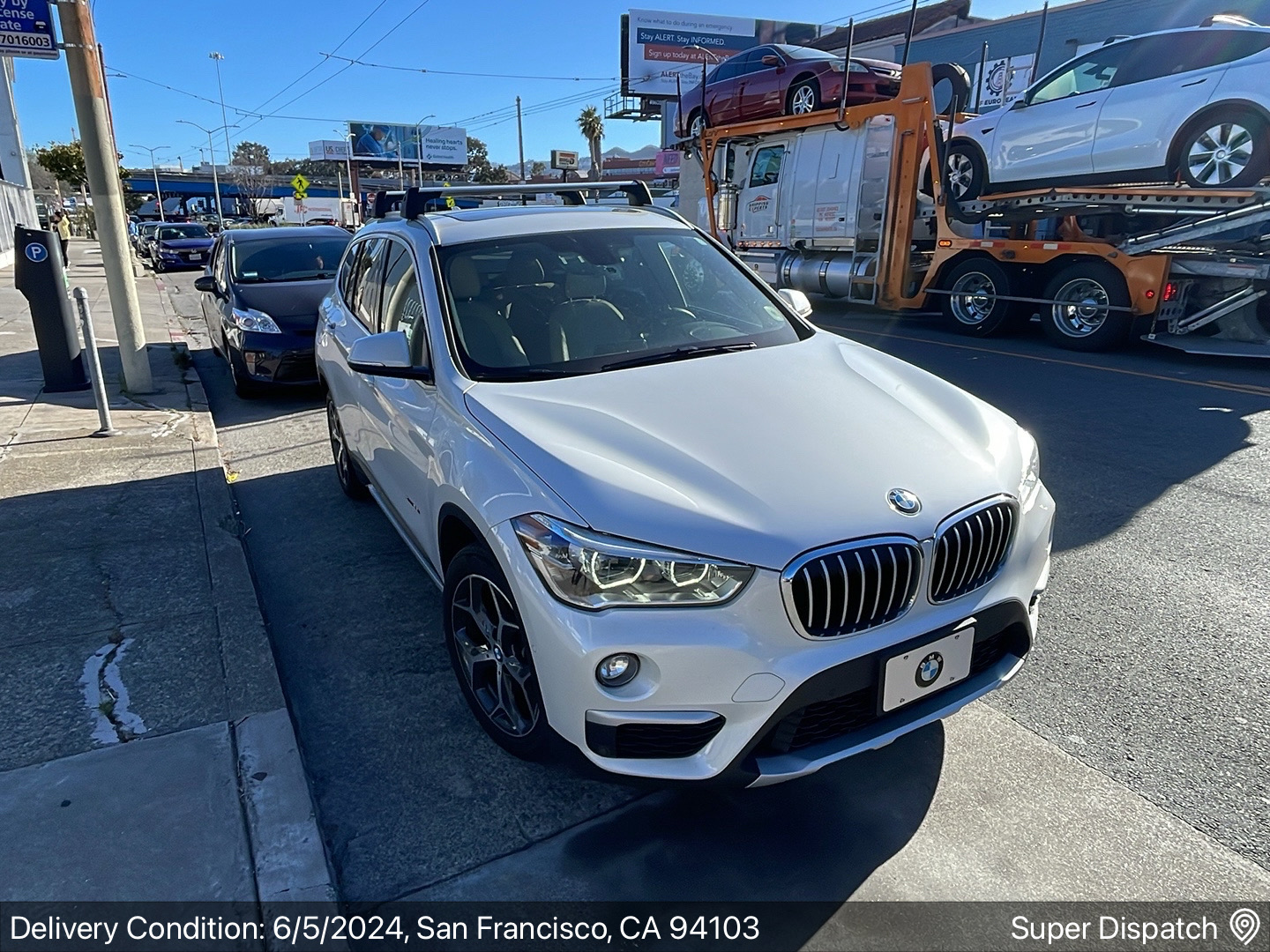
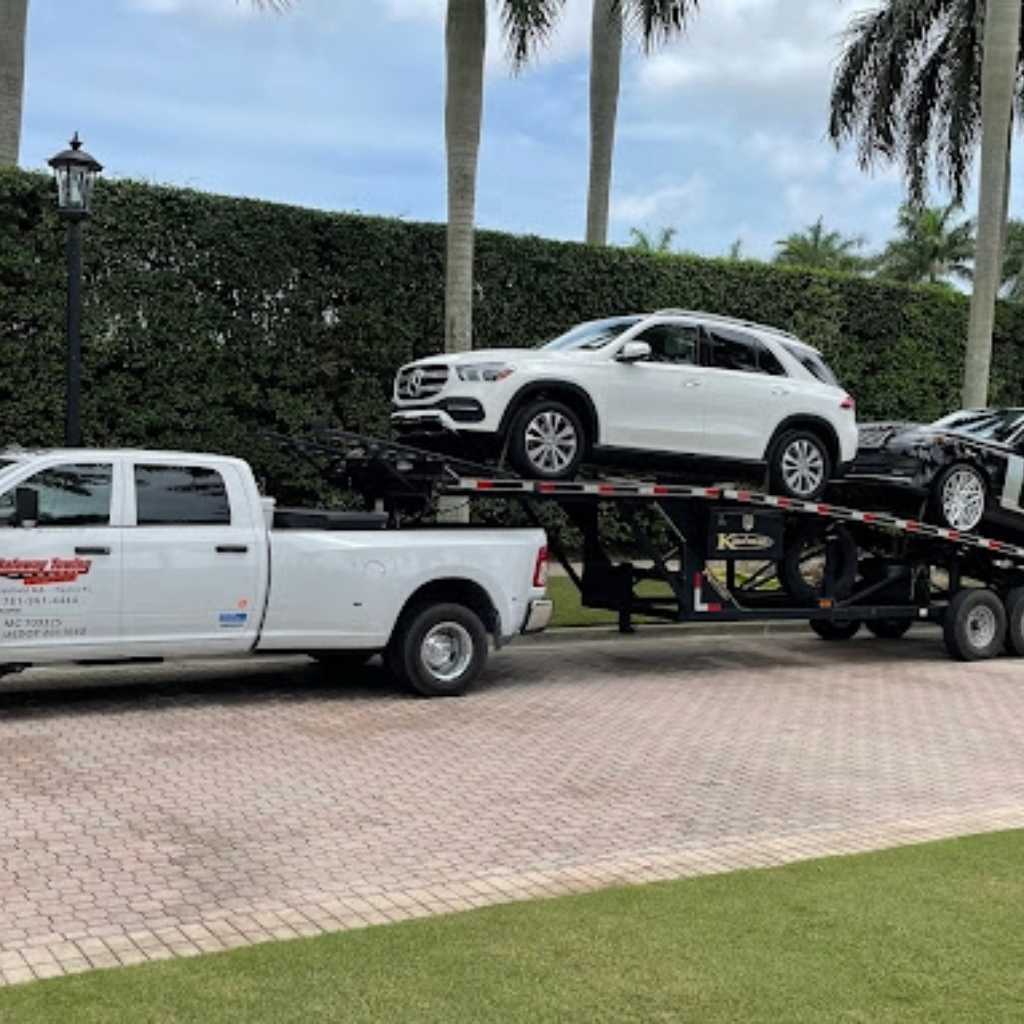
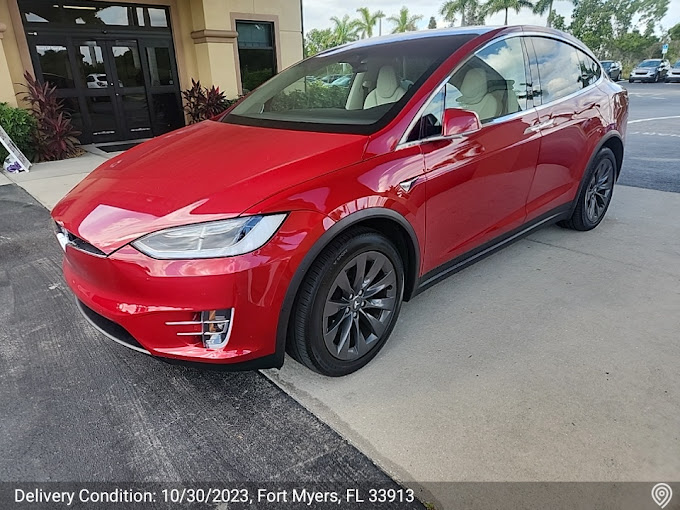
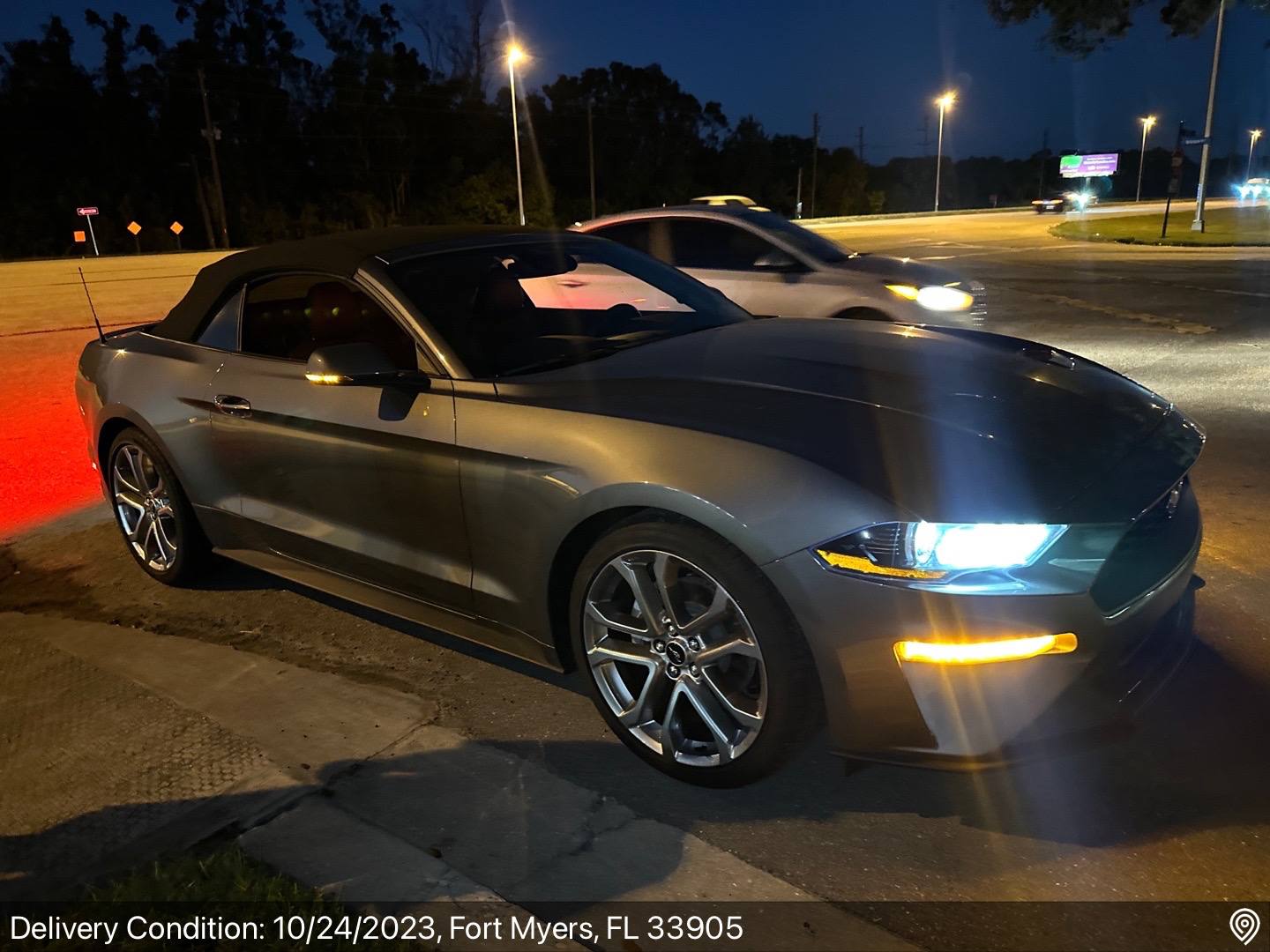
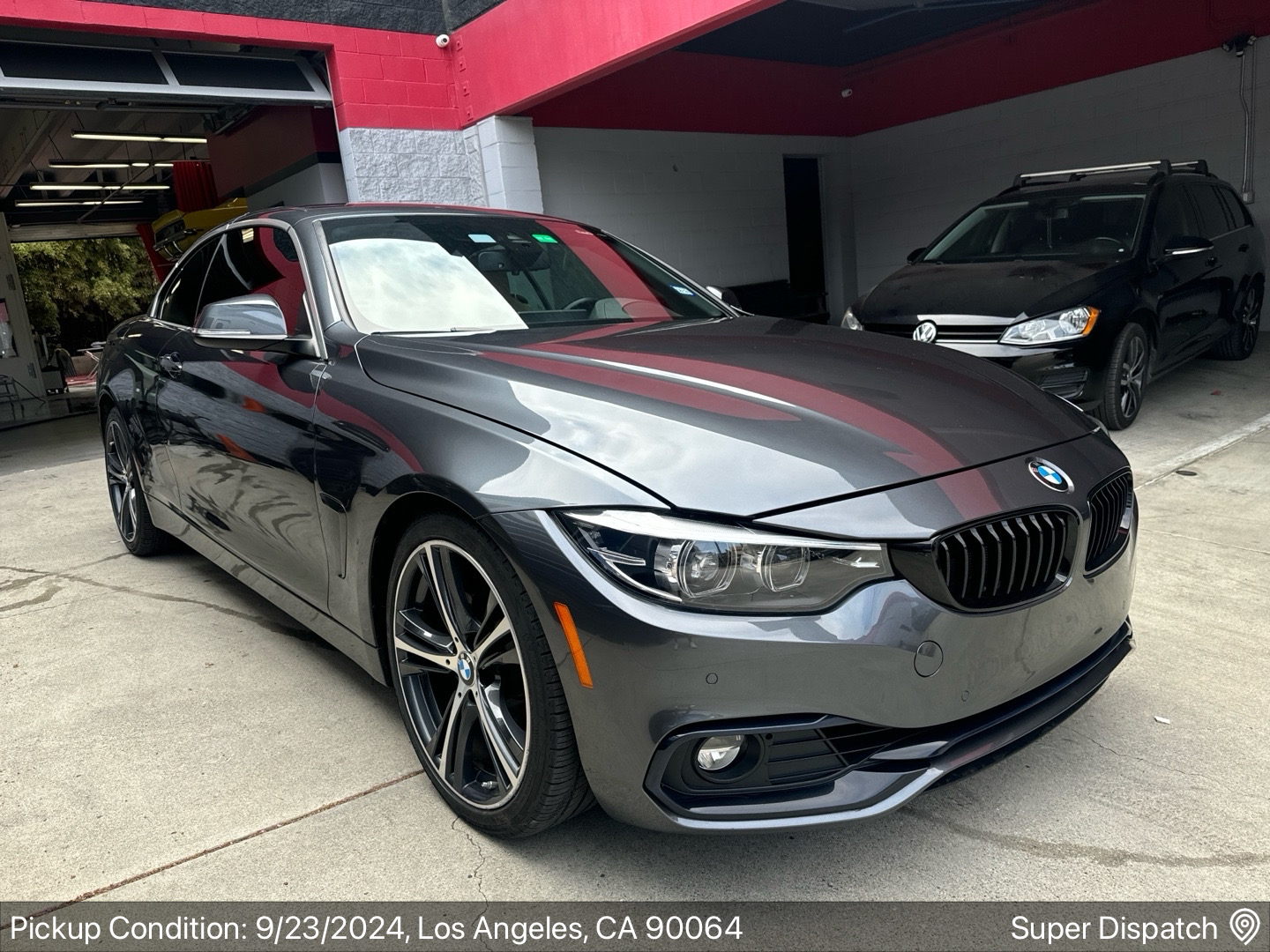
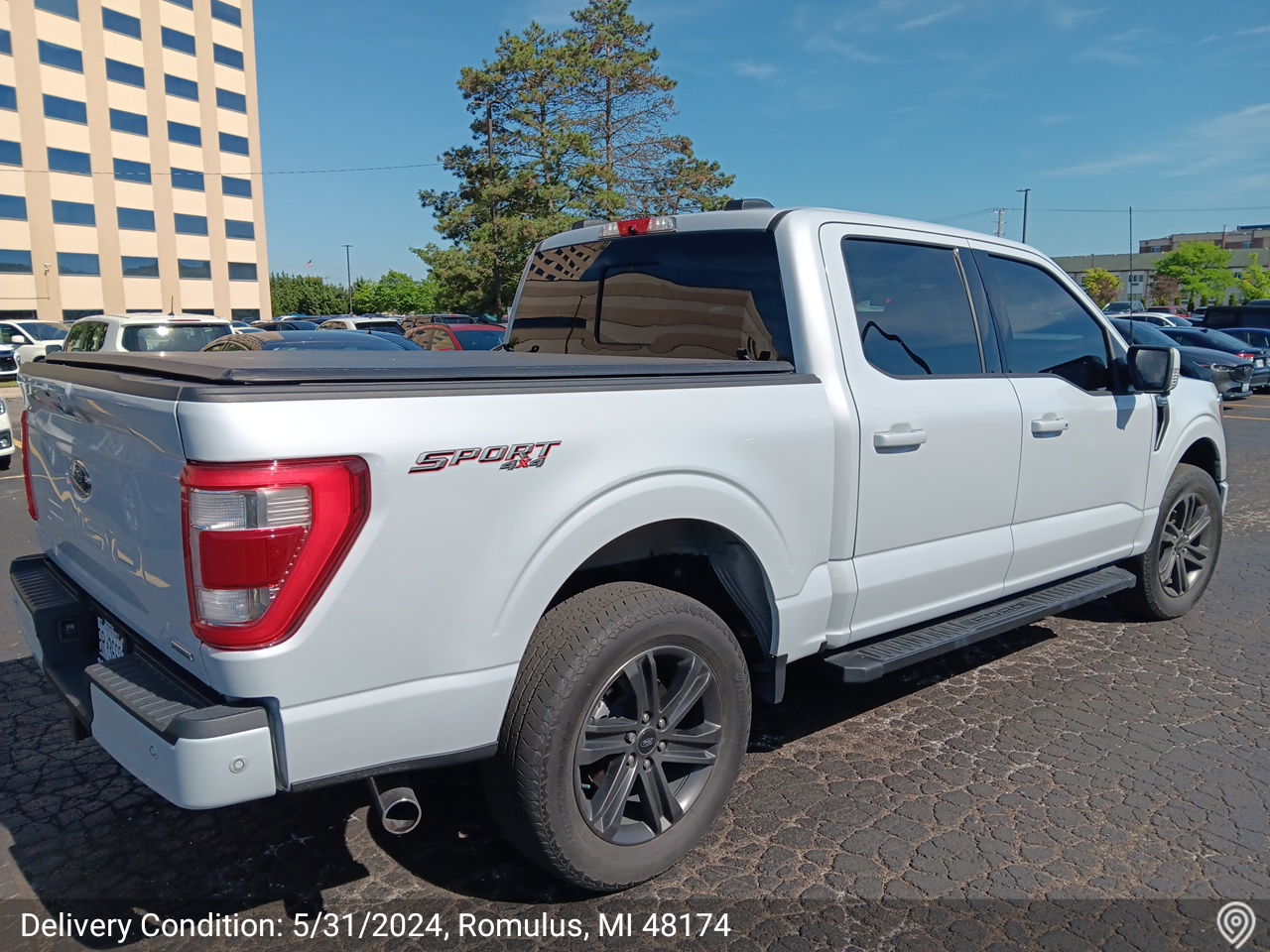
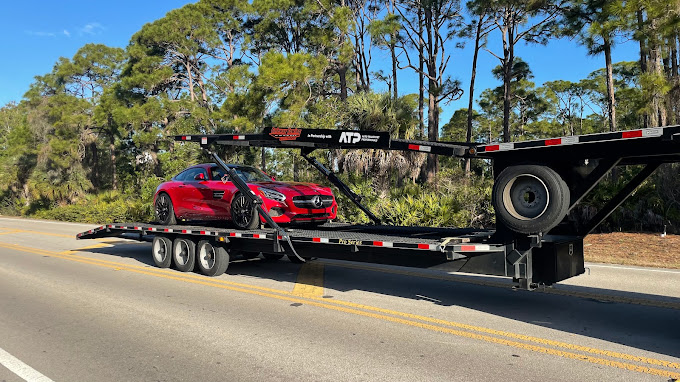
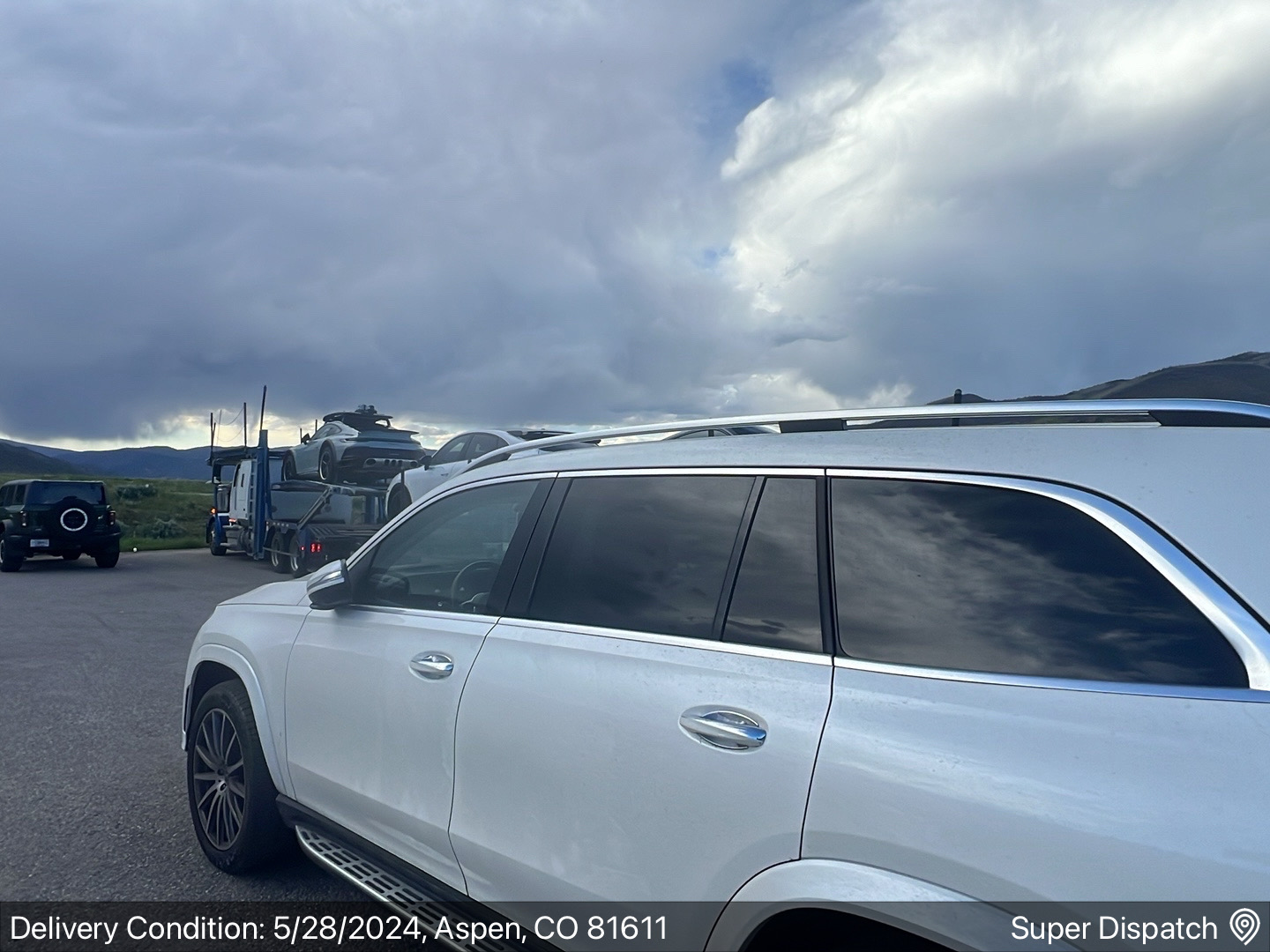
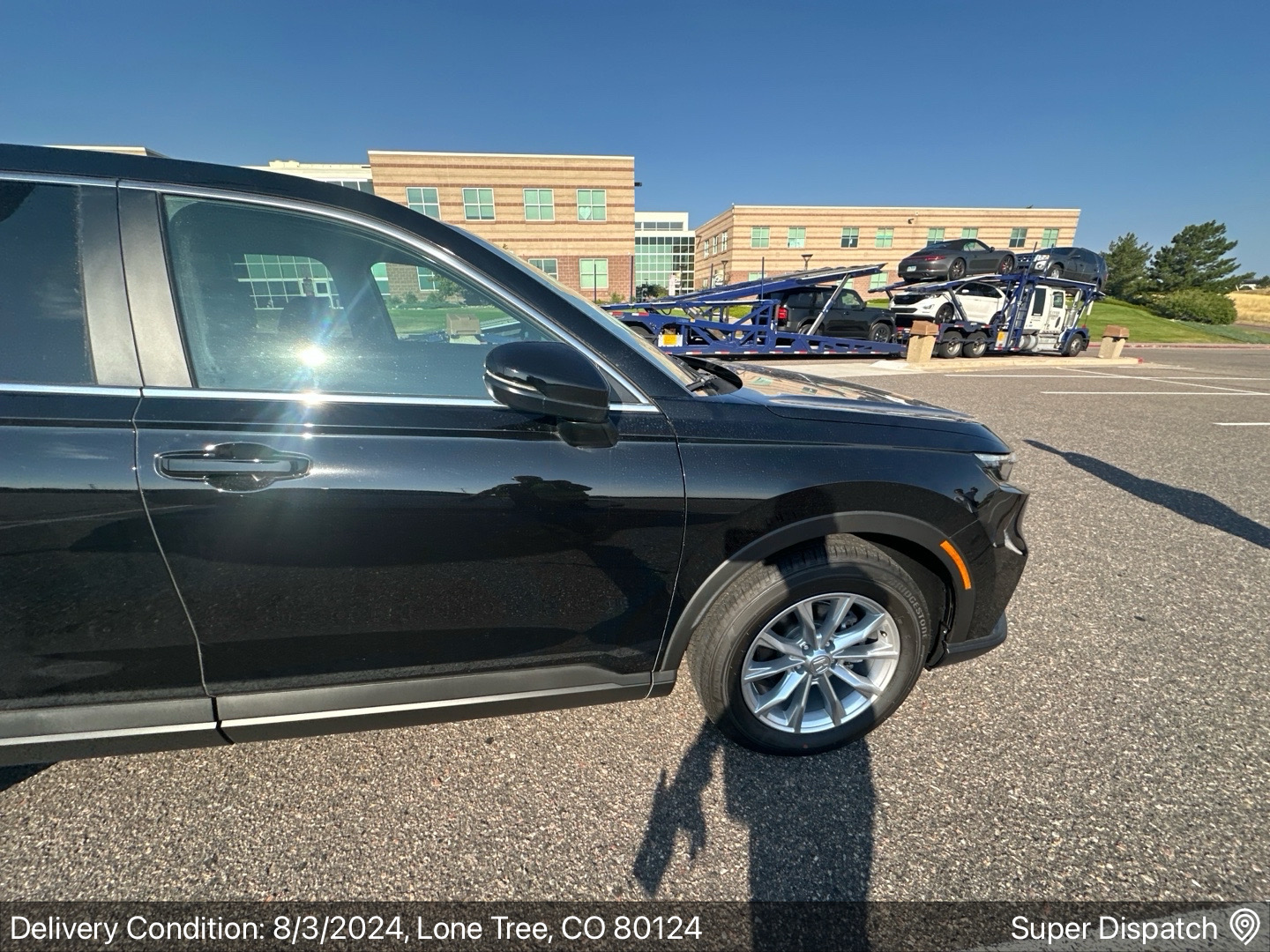
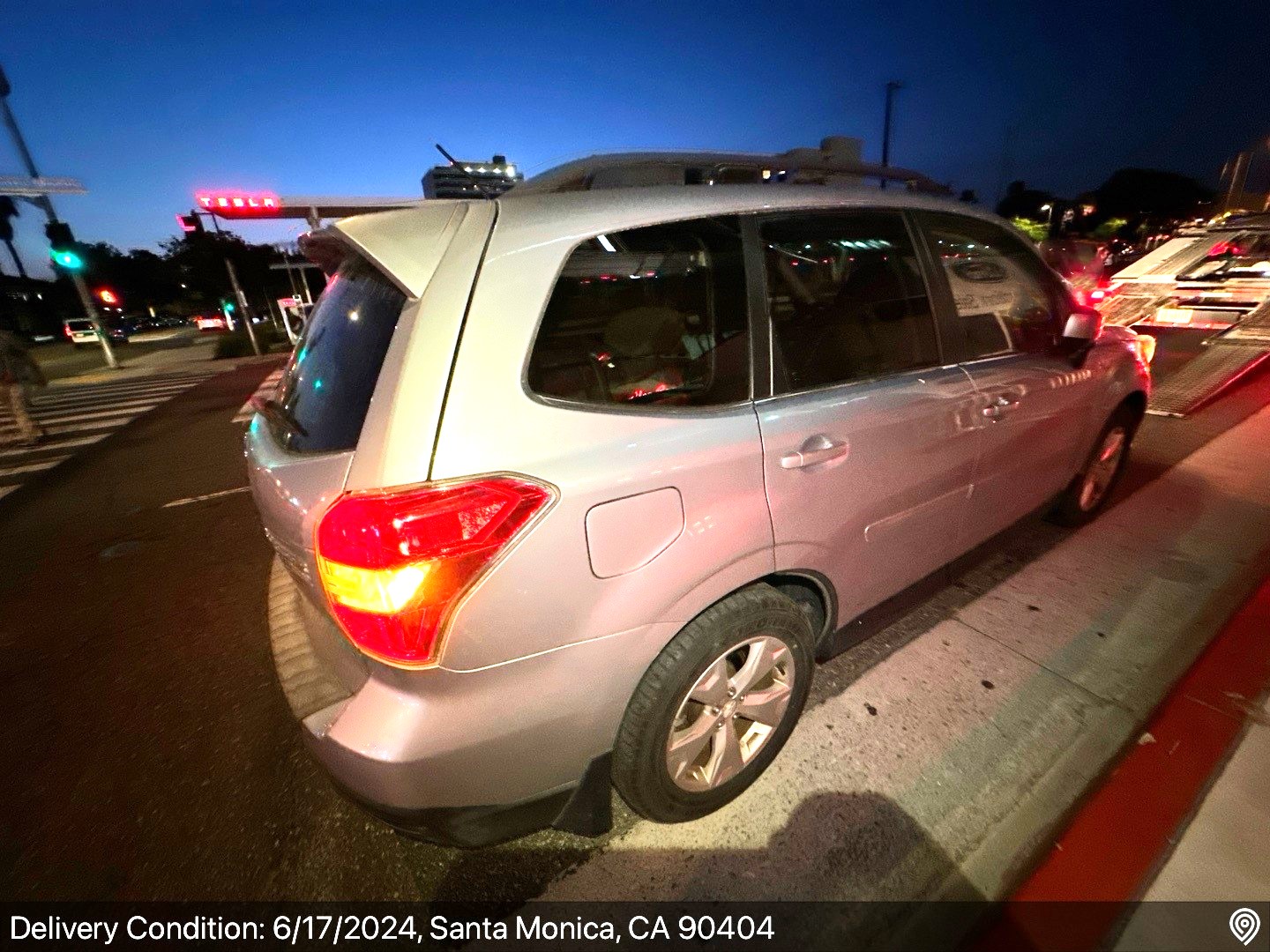
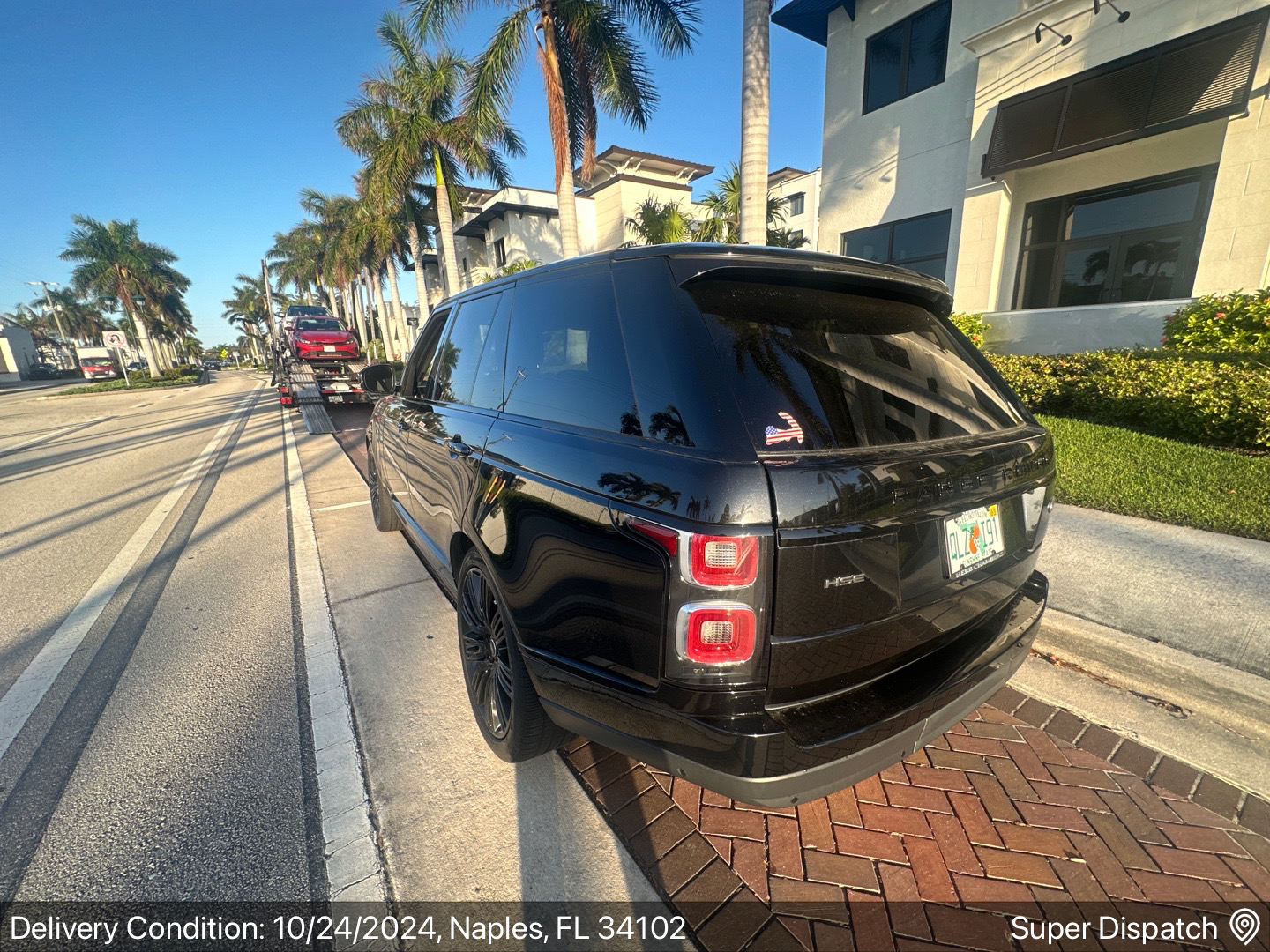
Winter weather is the single biggest scheduling variable for Colorado auto transport. Between November and March, snow, ice, and mountain pass closures can delay pickups or force carriers to reroute entirely. I-70 through the Rockies is particularly vulnerable to closures during heavy storms. Spring and fall are the most predictable shipping windows, with carriers moving efficiently and transit times staying consistent. If your timeline falls in the winter months, build in extra buffer and stay in close contact with your transport coordinator as your pickup date approaches.
Review your quote, confirm vehicle details and dates. No payment collected until a carrier is assigned.
We dispatch your order to our carrier network. You receive carrier details, insurance info, and estimated pickup window.
Carrier gives you 24 hours advance notice before pickup. Walk-around inspection together, every mark documented on the Bill of Lading, both parties sign.
Track your shipment status through your coordinator. We handle any schedule changes or logistics questions.
24-hour advance notice, then a call when close. Second walk-around inspection — damage during transport is extremely rare, but note any new issues on the Bill of Lading before signing. Once signed without exceptions, claims are extremely difficult to win.
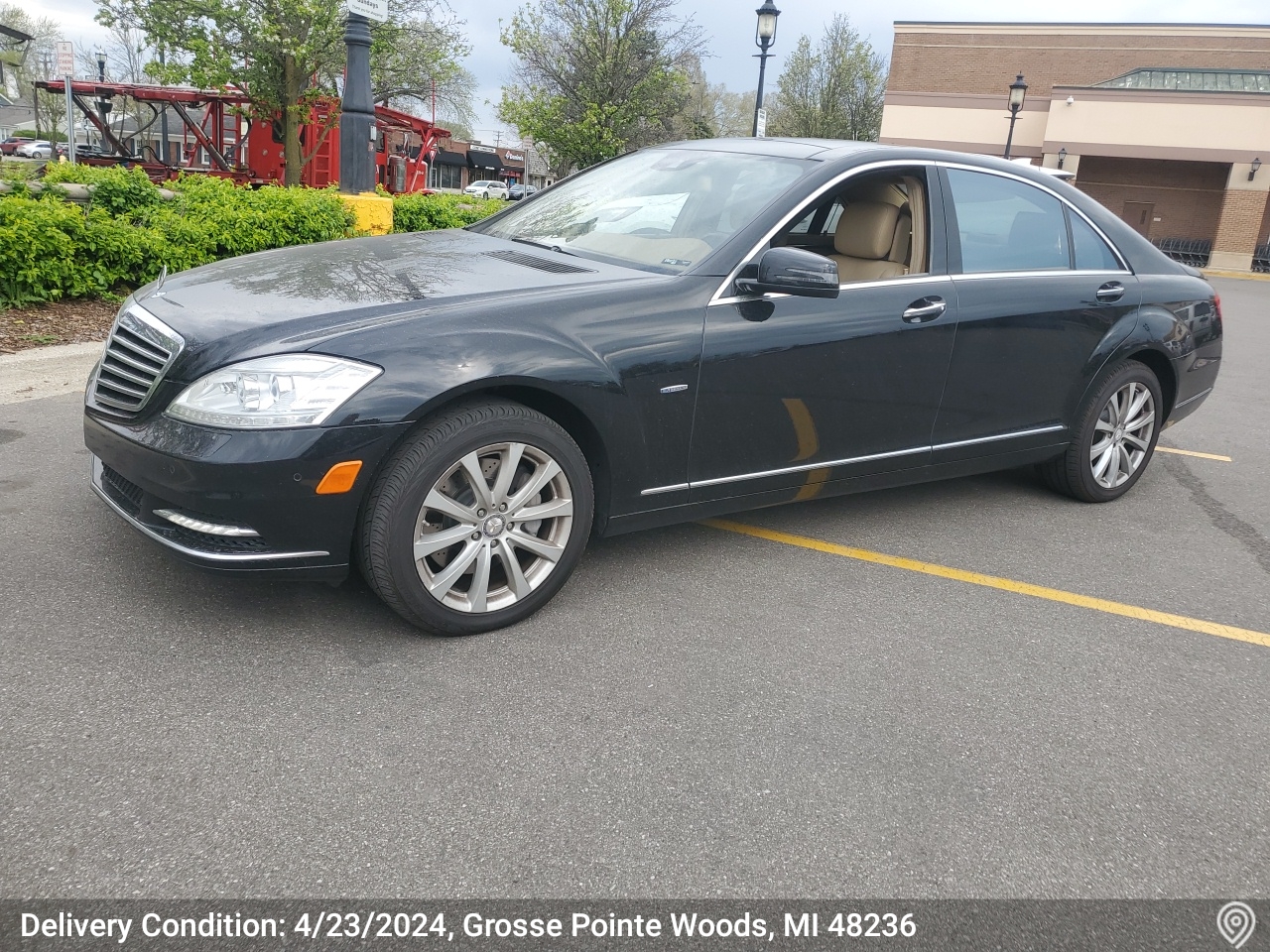
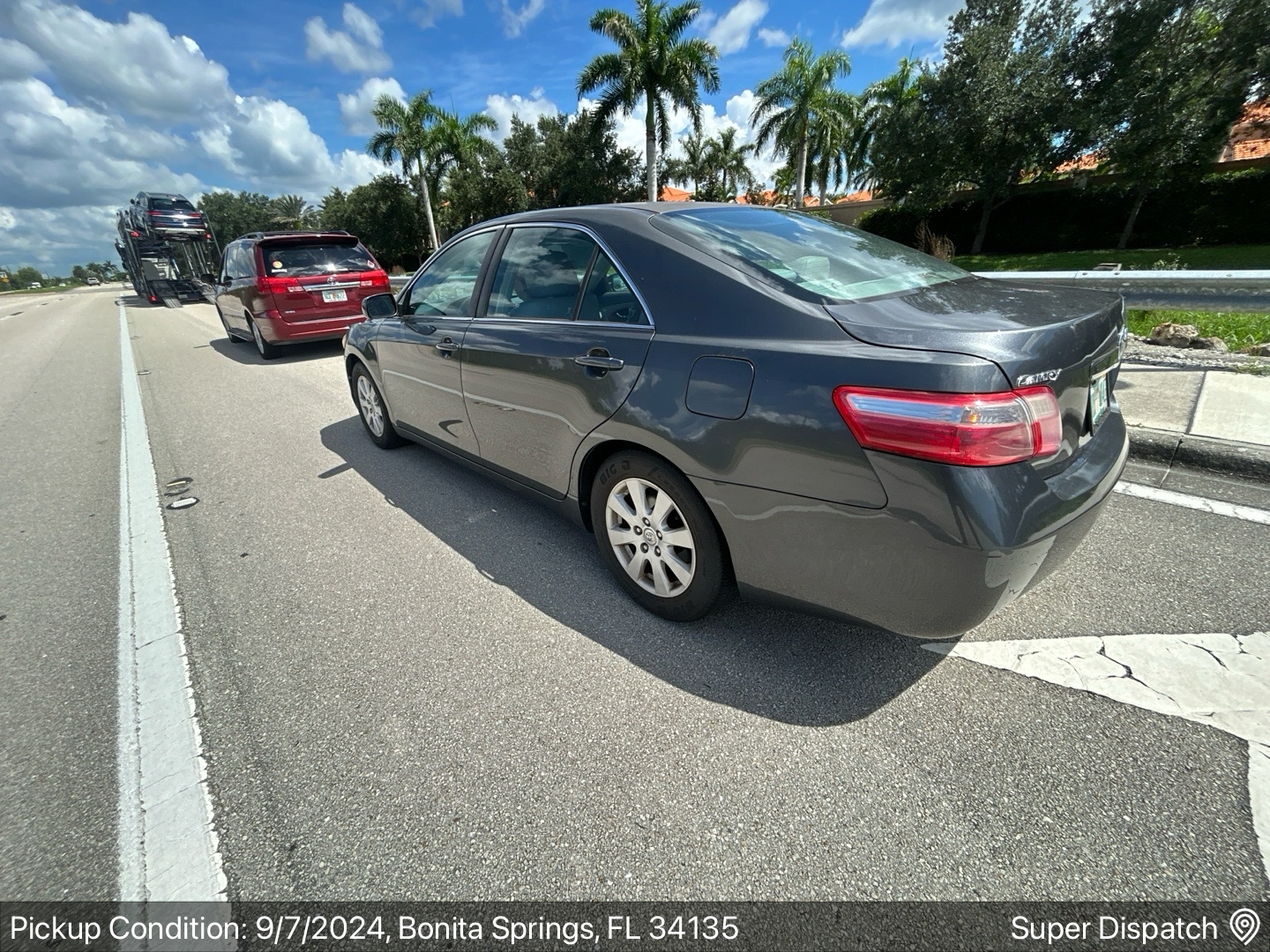
Pickup logistics across Colorado vary considerably by location. Denver metro areas involve urban coordination where carriers may ask you to meet at a nearby accessible point rather than a tight residential street. Suburban and front-range cities like Fort Collins, Thornton, and Westminster are generally straightforward. Your carrier will give roughly 24 hours advance notice before arrival. At pickup, you and the driver complete a walk-around inspection, document the vehicle's condition, and sign the Bill of Lading. That document is your record for the entire shipment.
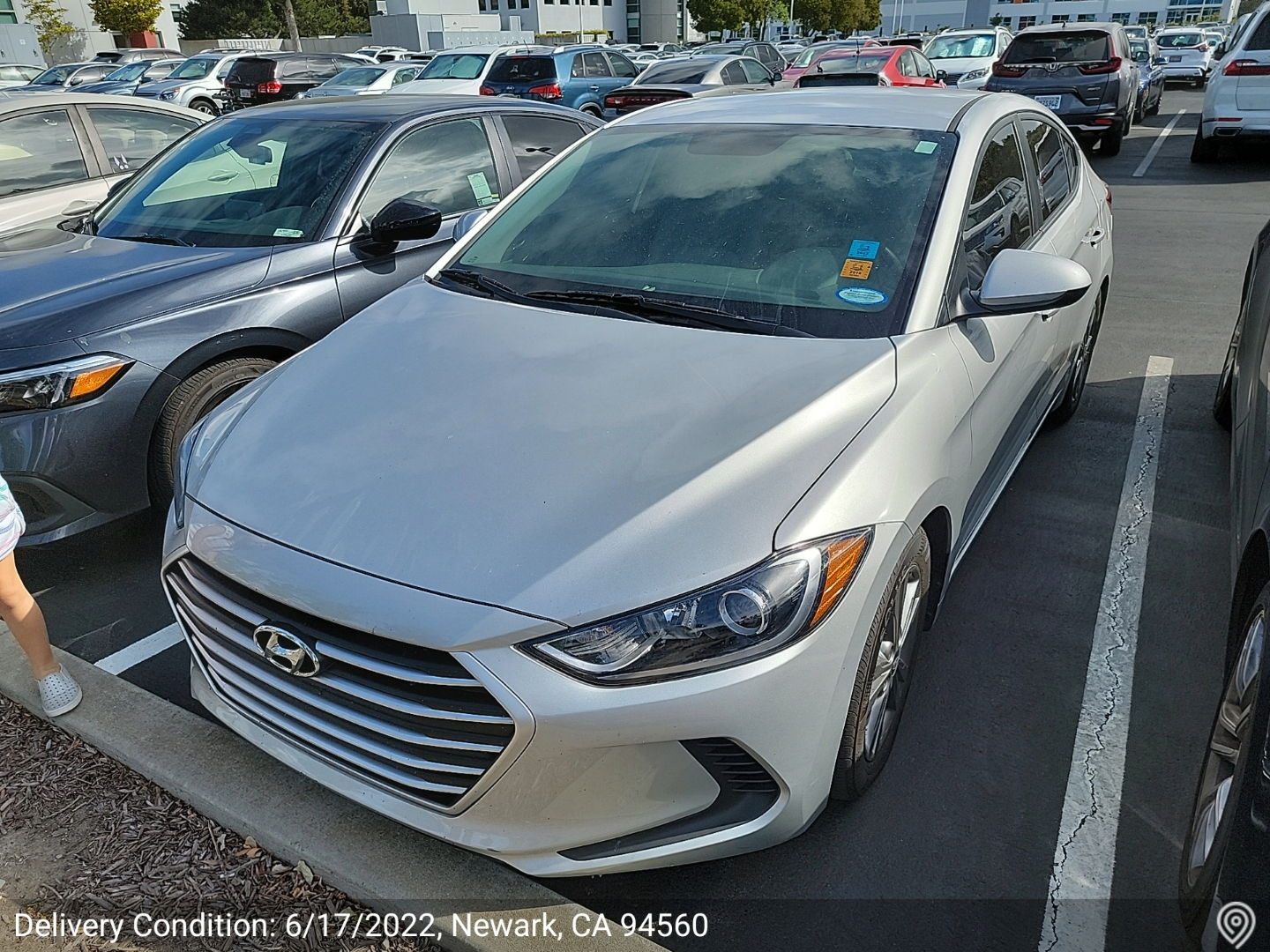
Delivery follows the same documentation process as pickup. Your carrier will call when they're close, typically with around 24 hours notice. When the vehicle arrives, inspect it carefully against the condition noted at pickup before signing anything. Damage during transport is extremely rare, but if you notice anything new, note it on the Bill of Lading before you sign. Signing without noting damage makes filing a claim significantly harder. Delivery environments across Colorado range from open suburban driveways to tighter urban blocks, so confirm access with your driver in advance.
Every carrier in our network is required to carry cargo insurance as a condition of their FMCSA operating authority. Coverage details vary by carrier and are confirmed before your vehicle is dispatched.
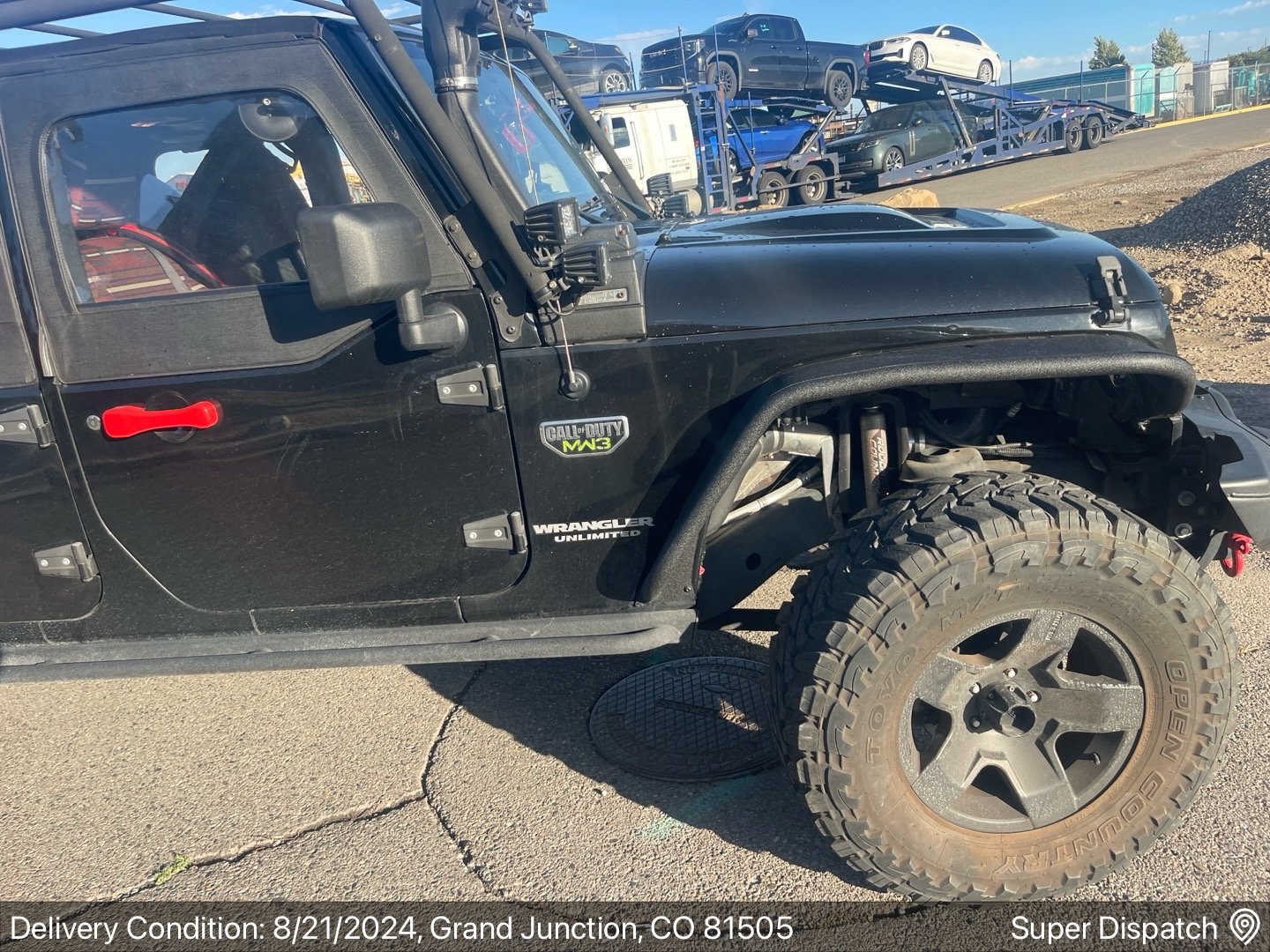
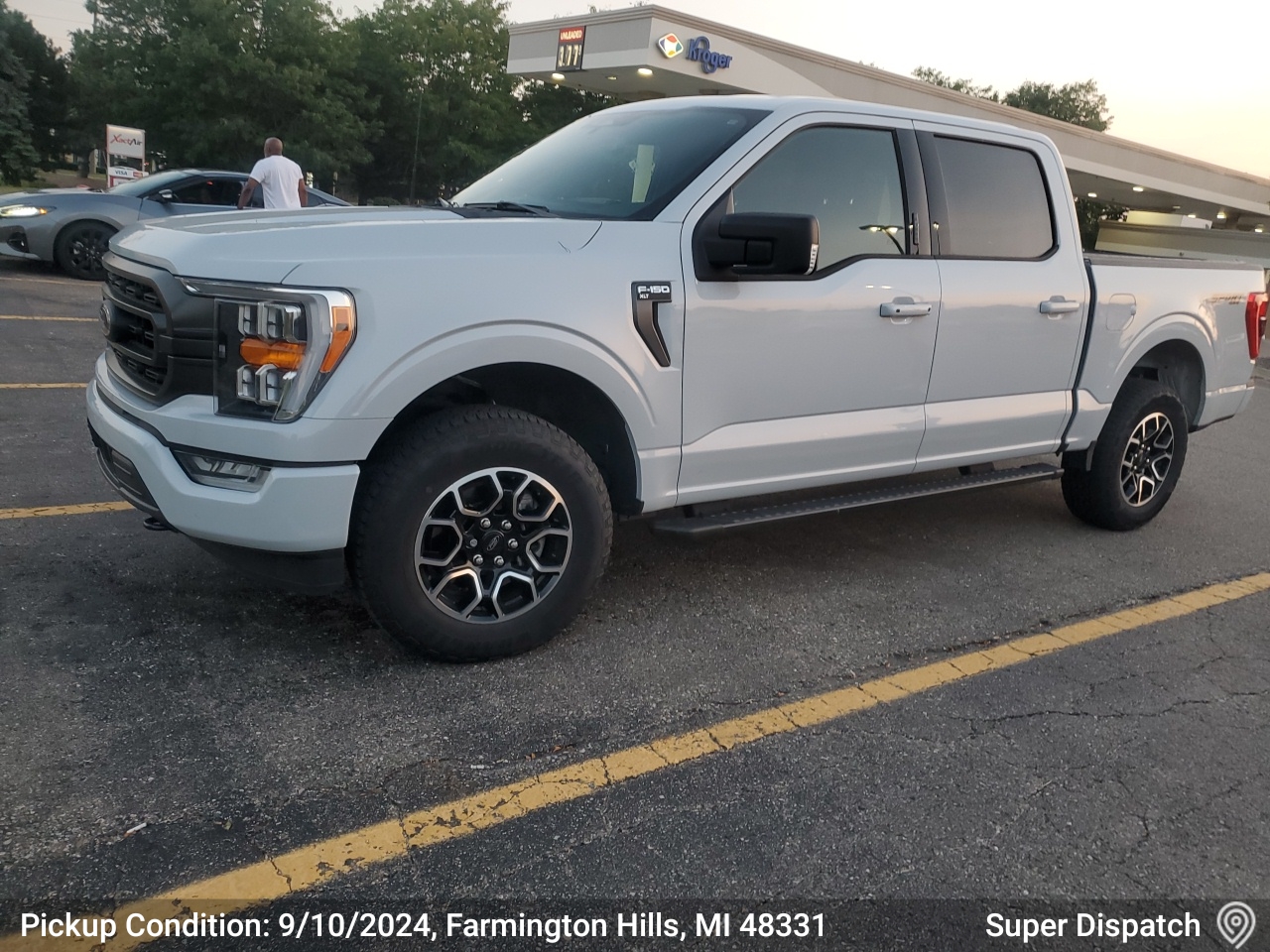
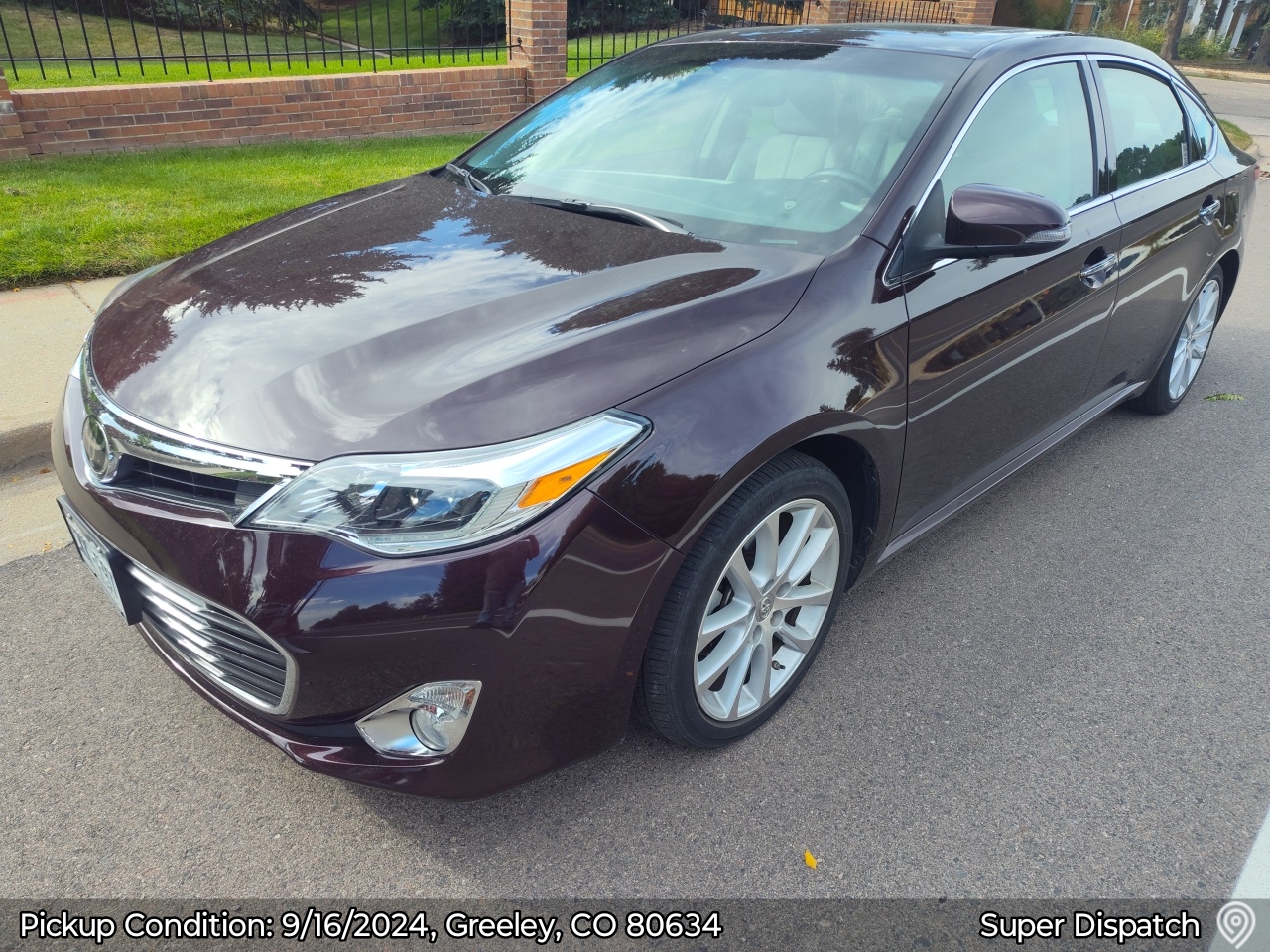
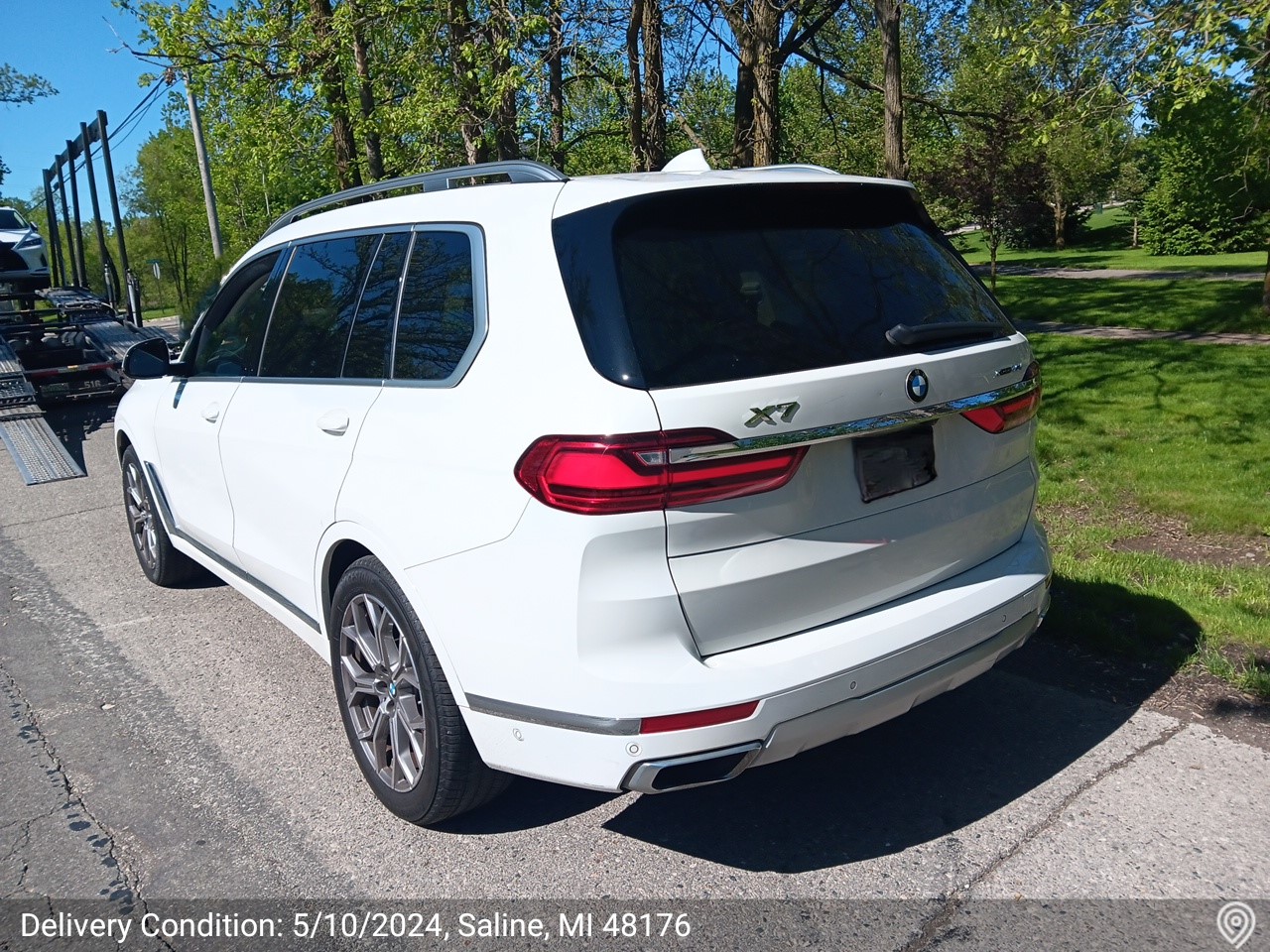
At pickup, the driver and you complete a joint vehicle inspection. Every scratch, dent, and existing mark is documented on the Bill of Lading. At delivery, you must carefully compare the vehicle's condition against this record before signing the delivery receipt. If you notice any new damage, note it on the Bill of Lading before you sign. Once you sign the delivery receipt without noting damage, it becomes extremely difficult to file and win a claim. This is the single most important step in protecting yourself during the transport process.
Snowbirds and Seasonal Movers — Colorado is a strong snowbird origin market. Residents heading south each fall drive consistent outbound volume toward Arizona and Florida. Book early in September or October to secure your slot before peak demand. Request a free car shipping quote.
Relocations — Colorado auto transport handles a steady flow of corporate and personal relocations, particularly in and out of Denver, Boulder, and Colorado Springs. Long-distance moves to California, Texas, and the Midwest are common corridors.
Dealerships and Wholesale Buyers — Colorado car shipping companies move dealer inventory and auction purchases regularly along the I-25 and I-70 corridors. Multi-vehicle pricing is available for dealers shipping in volume.
Military and PCS Moves — Colorado's military installations generate consistent vehicle transport Colorado demand year-round, with service members relocating to and from bases across the state on standard PCS timelines.
Colorado Auto Transport costs vary by distance, vehicle size, and exact locations. Based on current routes into Colorado, open transport ranges from approximately $475 to $1,975 for a standard sedan. Enclosed transport adds 40 to 60 percent. Request a free quote for your specific route.
Transit times to Colorado depend on distance and origin. Regional shipments typically arrive in 1 to 3 business days, while cross-country moves take 4 to 7 business days. We work with a 3-day pickup window after your first available date.
Yes, door-to-door Colorado Auto Transport service is standard across Colorado. In urban areas, carriers may suggest a nearby accessible meeting point if street parking or narrow roads limit truck access. Our dispatch team coordinates the nearest accessible meeting point when truck access is limited at a particular address.
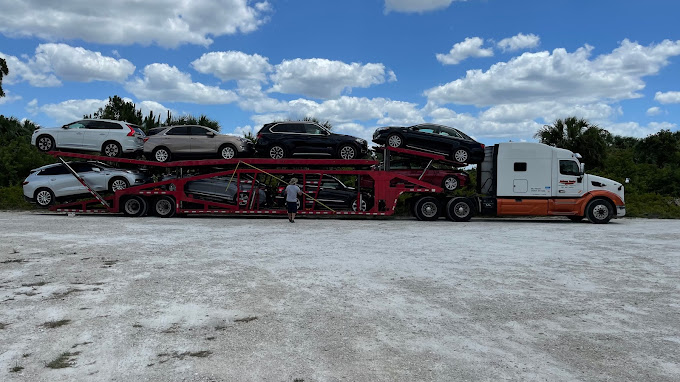
Open transport is the most common option, suitable for most standard vehicles shipping to Colorado. Enclosed transport costs 40 to 60 percent more and is recommended for luxury, classic, exotic, or high-value vehicles that need full weather and debris protection. Both include carrier cargo insurance.
Colorado winter weather can affect carrier scheduling November through March. Roads may close or slow transit on northern routes. Booking with extra lead time during winter months helps account for potential weather-related delays. In regards to pricing its best to ship off season, contact us for more details about when your route sees lower car shipping costs.
Someone 18 or older must be present at both ends to authorize the shipment and sign the Bill of Lading. If you cannot attend personally, designate a trusted representative — a friend, family member, or dealership contact — to handle the vehicle inspection and paperwork on your behalf.
Yes. Every carrier in our Colorado Auto Transport network carries cargo insurance as required by their FMCSA operating authority. Coverage specifics are confirmed before dispatch. At both pickup and delivery, you complete a joint vehicle inspection documented on a Bill of Lading — this protects you if any issue arises.
Yes, we transport non-running vehicles to Colorado. The vehicle needs to roll, steer, and brake for standard loading. Vehicles that cannot roll may require a winch or forklift at additional cost. Mention the vehicle's condition when requesting your quote so we match the right equipment.
Wash the exterior so scratches and dents are visible during inspection. Remove toll transponders, parking passes, and loose interior items. Leave roughly a quarter tank of fuel. Disable aftermarket alarms. Take dated photos of all sides, roof, and odometer before the carrier arrives for your records.
Most carriers allow personal belongings in the trunk or cargo area up to about 100 pounds. Items must stay below the window line and cannot be fragile or high-value. Personal items are not covered under carrier cargo insurance, so keep the vehicle as empty as practical.