Door-to-door car shipping with fully insured carriers. No upfront payment.
Carmel auto transport runs through one of the Midwest's most well-connected suburban corridors. Positioned just north of the I-465 loop with direct access to I-65 and I-69, Carmel sits on carrier routes that link Indianapolis to Chicago and the Southeast daily. That highway access supports steady shipping volume, though Carmel itself is a mid-market rather than a terminal hub. Common corridors include Carmel to Florida for snowbird shipments and Carmel to Chicago for corporate relocations driven by the city's executive-heavy economy.
Carrier availability in Carmel is adequate for most standard routes, but less-traveled destinations may require additional lead time to match with the right carrier. Wide suburban streets throughout Carmel's neighborhoods give transport trucks room to maneuver without the coordination challenges common in denser urban areas. For car shipping companies in Carmel, the suburban layout keeps logistics straightforward. Booking 1 to 2 weeks ahead is the standard recommendation, and 2 to 3 weeks for specialty or enclosed transport.
Carmel, Indiana ranks among the highest-income suburbs in the Midwest, and that wealth translates directly into Carmel auto transport demand. Corporate headquarters for companies like CNO Financial and a growing tech sector generate steady executive relocations. Many residents also maintain winter homes in Florida and Arizona, creating recurring seasonal shipments of luxury and specialty vehicles between Carmel and Sun Belt destinations. This activity keeps shipping a car from Carmel a steady market.
As a mid-volume market for car shipping companies, Carmel residents should plan ahead when booking. Carmel sits just north of the I-465 loop with direct access to I-65 and I-69, so carriers traveling between the Southeast and Chicago regularly pass through the corridor. However, Carmel is not a major terminal hub, meaning routes to less common destinations may require additional lead time to match with a suitable carrier, an advantage for anyone shipping a car to Carmel.
Indiana winters bring snow, ice, and road salt that can affect pickup scheduling between December and February. Carriers may adjust routes or timing during winter storms. For snowbird shipments to Florida or Arizona, fall bookings tend to see higher demand as residents ship vehicles south ahead of the cold season.
Very professional from start to finish. Very cost effective.
They came when they said they were going to come, they kept us informed throughout the process, they did their utmost to meet our needs.
They were quick, courteous, and professional. We would happily use Auto Transport Professionals again.
Carmel auto transport pricing reflects the city's position as a mid-volume suburban market. Rates here are generally in line with Indianapolis-area averages, benefiting from the corridor traffic on I-65 and I-69 without the premium sometimes added for remote or off-route pickups. Carmel car shipping cost tends to be favorable compared to smaller Indiana markets with fewer carrier options, though it runs slightly below the rates seen in major terminal cities like Chicago or Atlanta where carrier competition is highest.
Seasonal demand shifts pricing noticeably. Fall southbound shipments to Florida and Arizona see increased competition for carrier space as snowbird season ramps up, which can push rates higher from October through February. Booking early in the fall cycle gives you better carrier selection and more stable pricing. Get a no-obligation car transport quote to see current rates for your specific route and vehicle type.

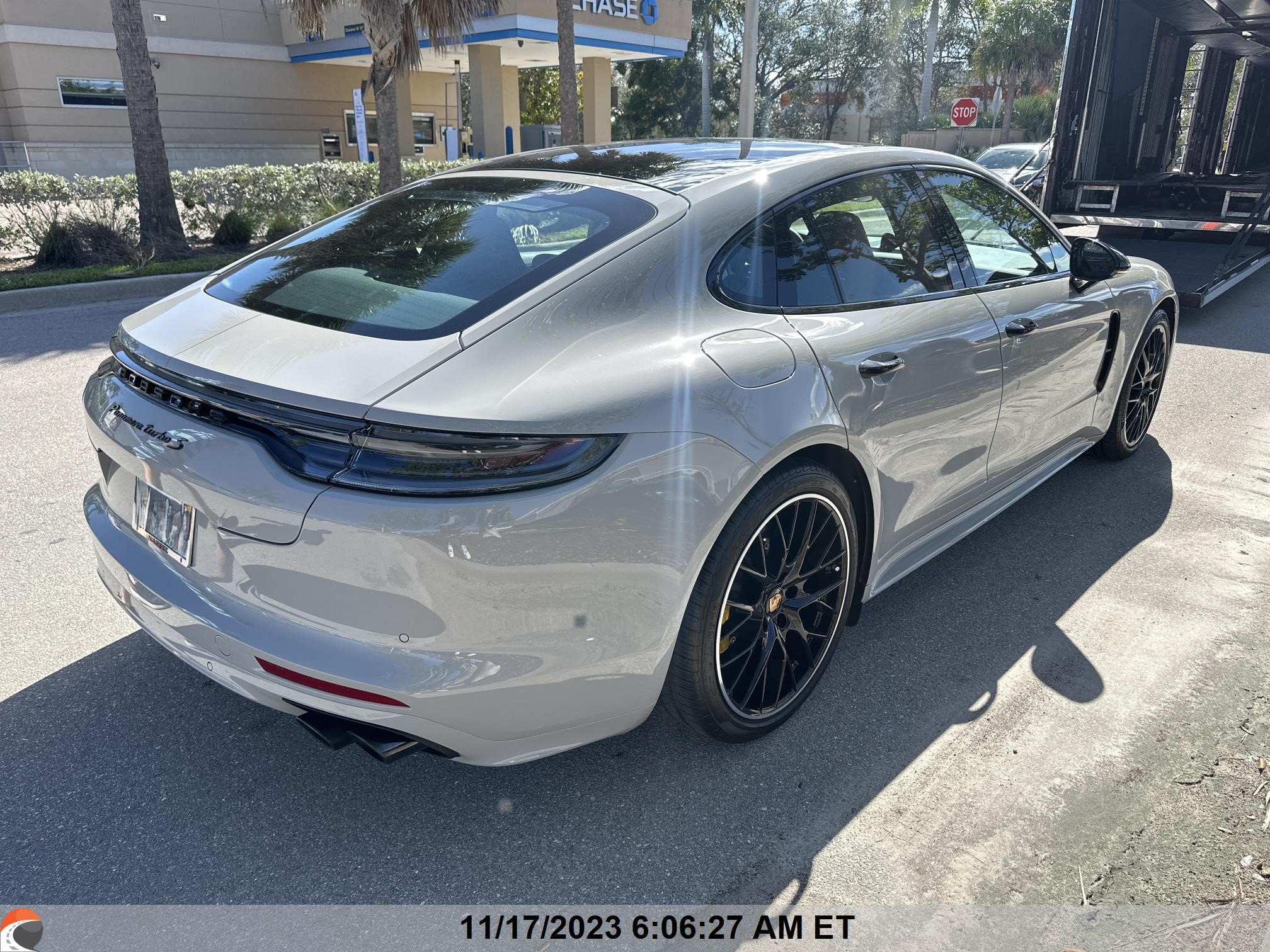
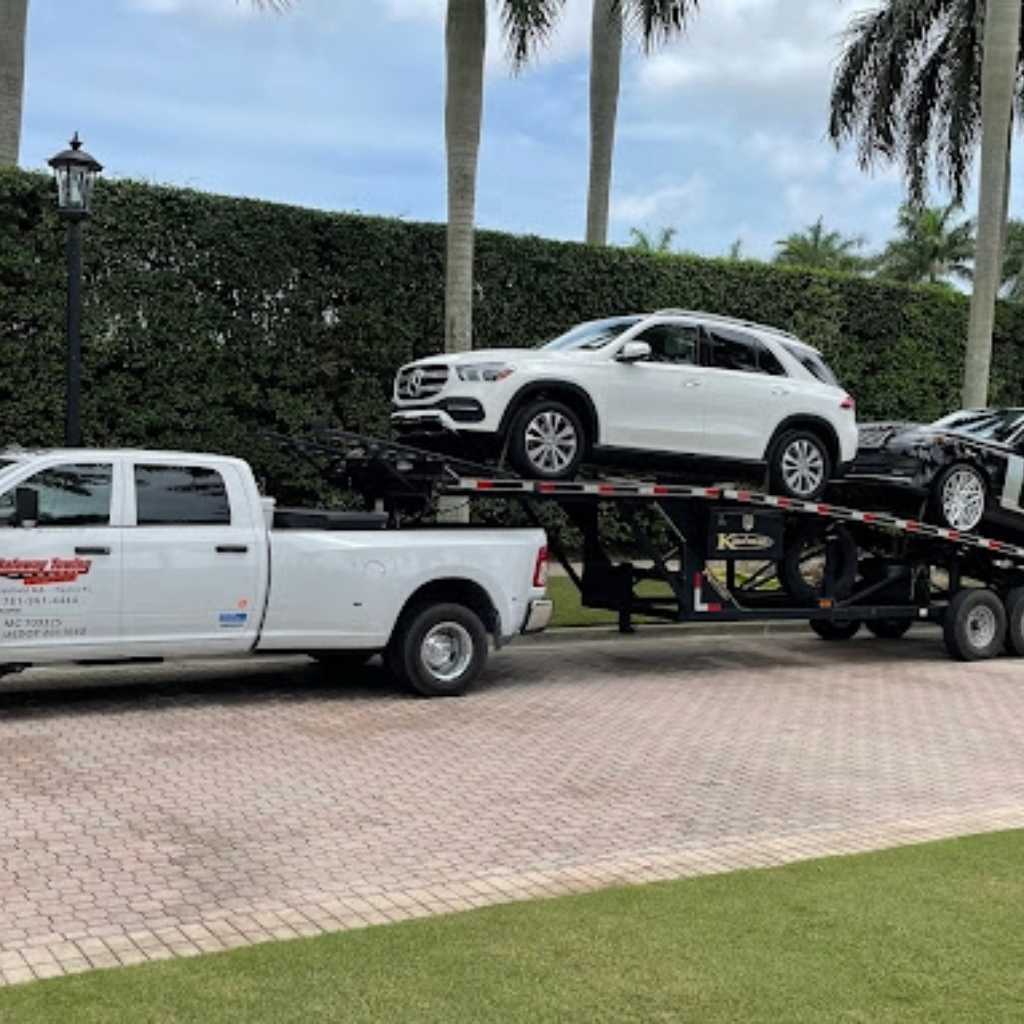
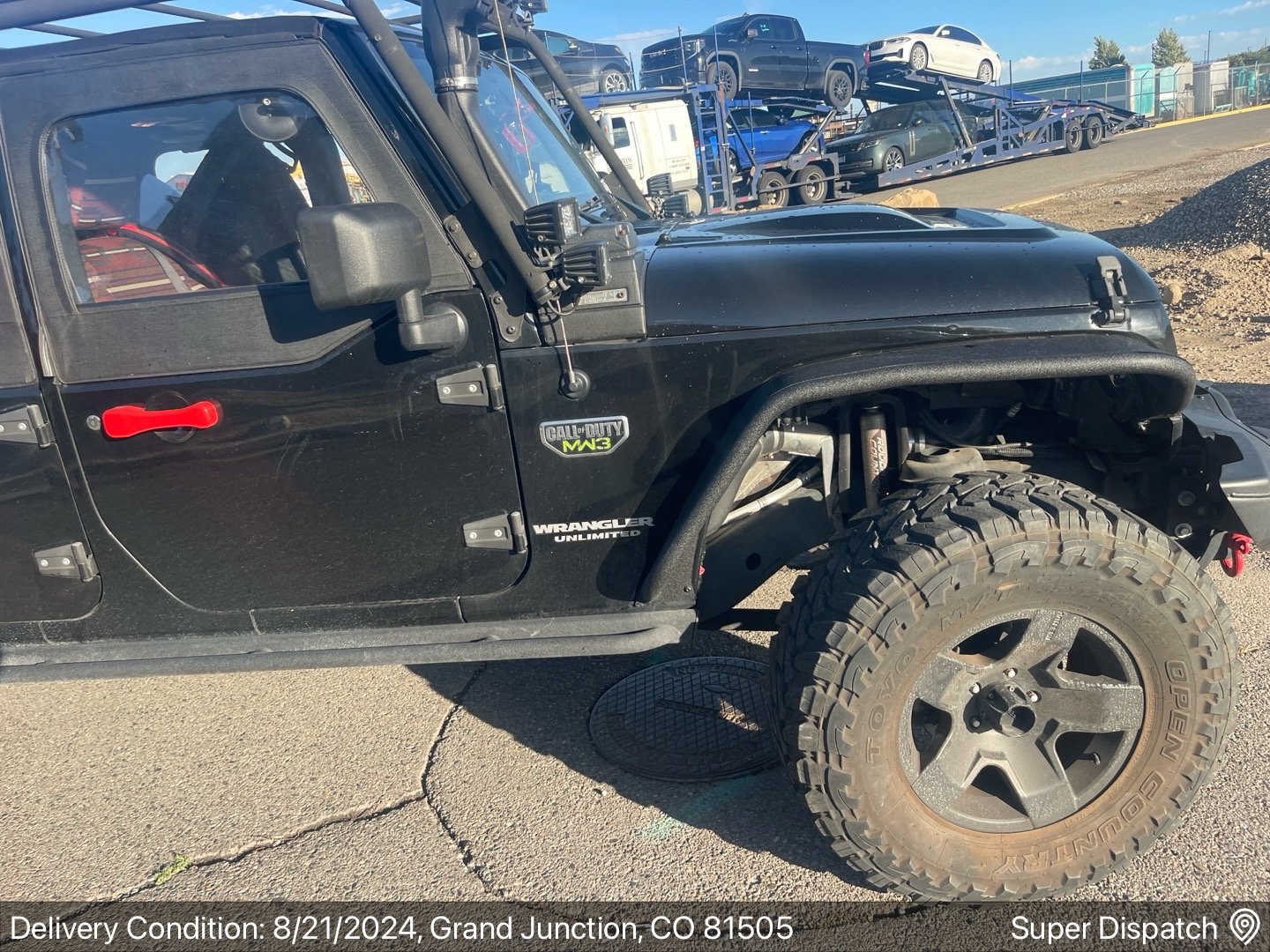
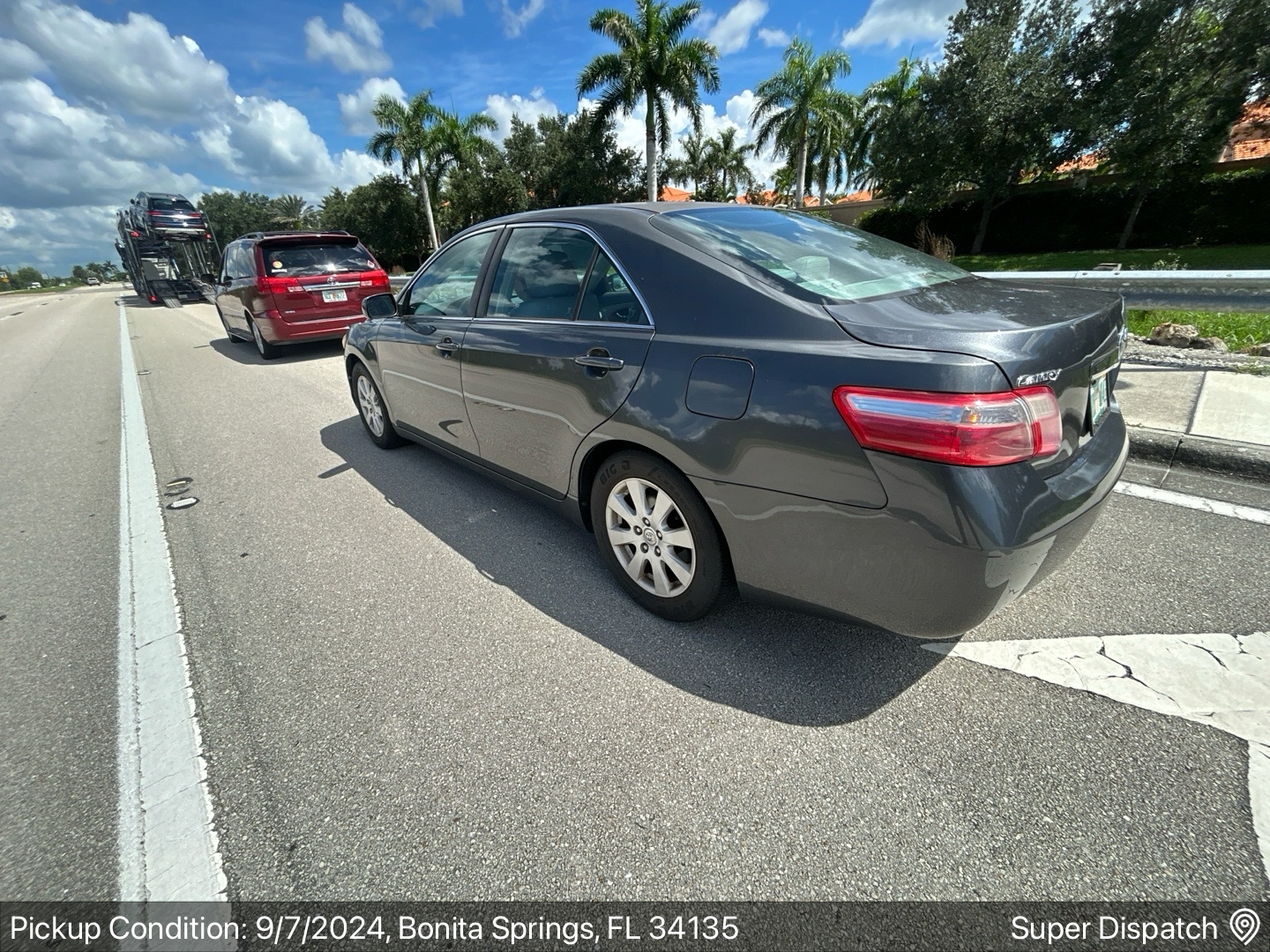
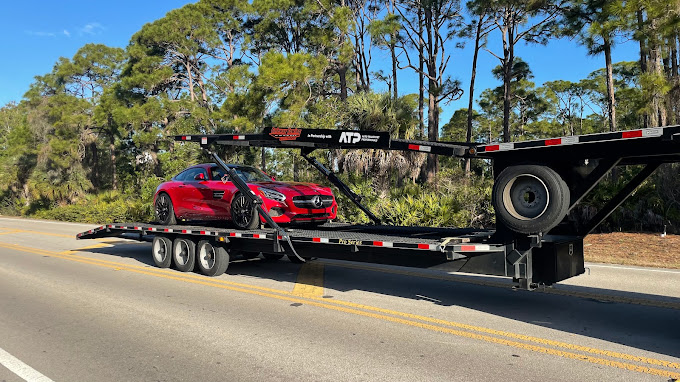
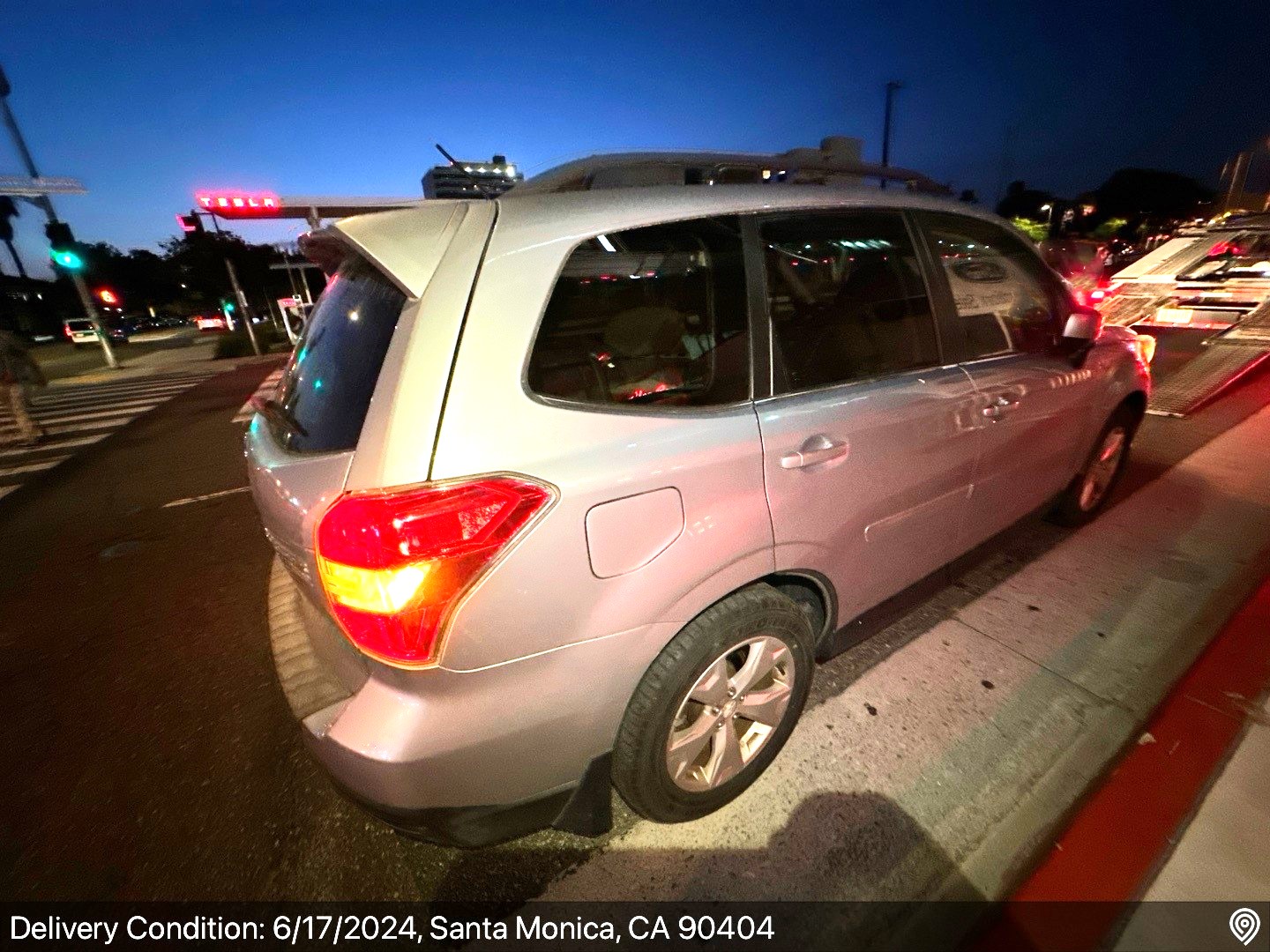
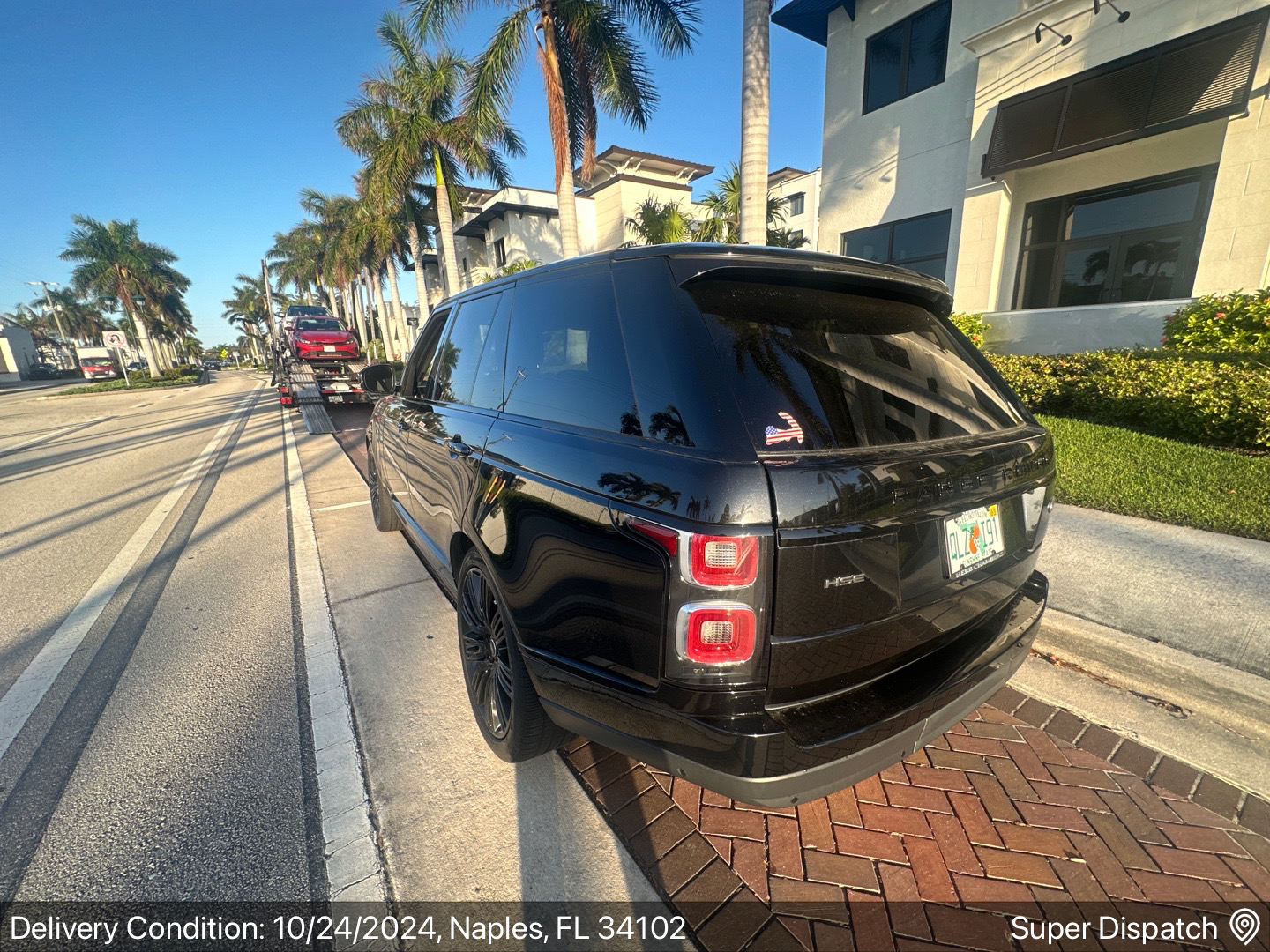
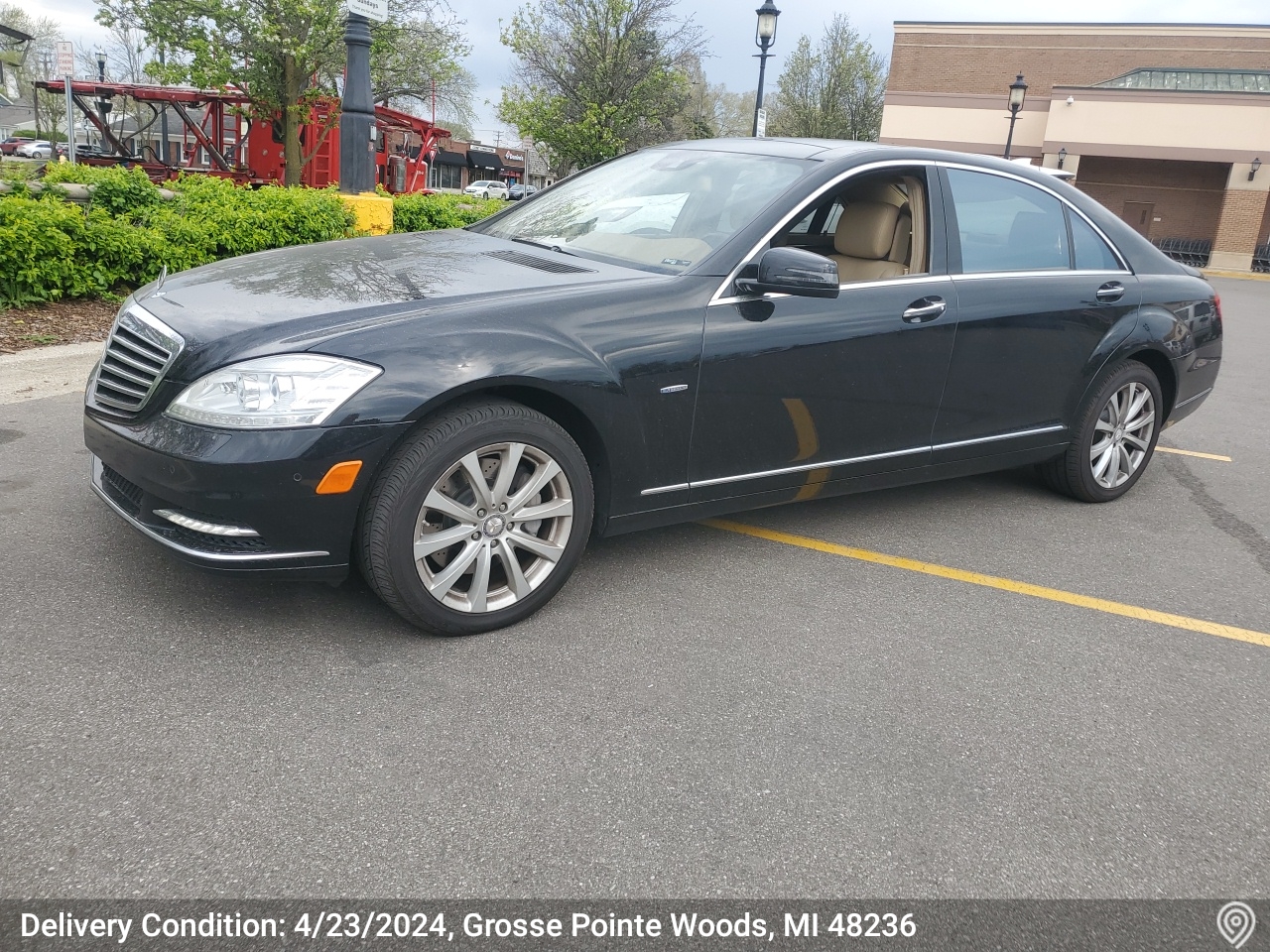

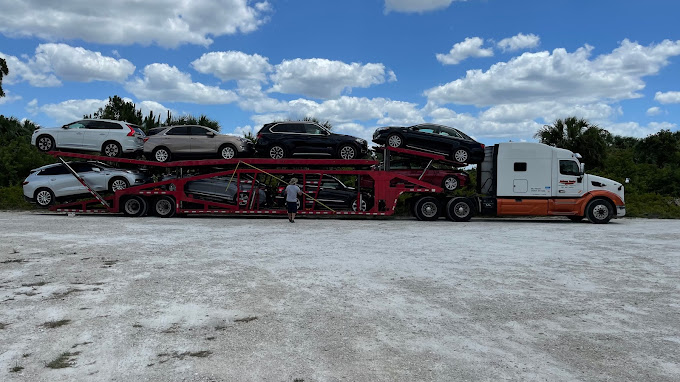
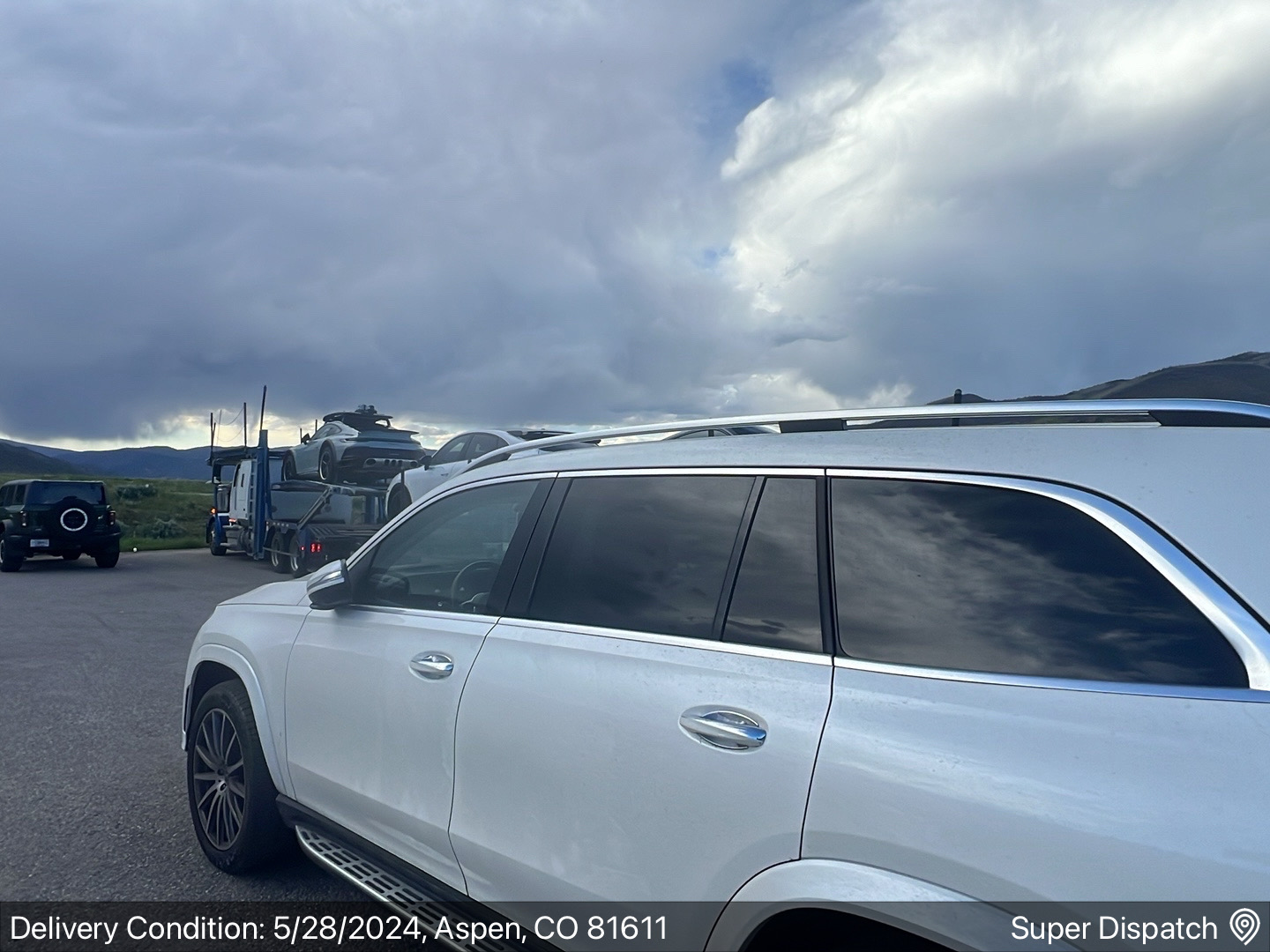
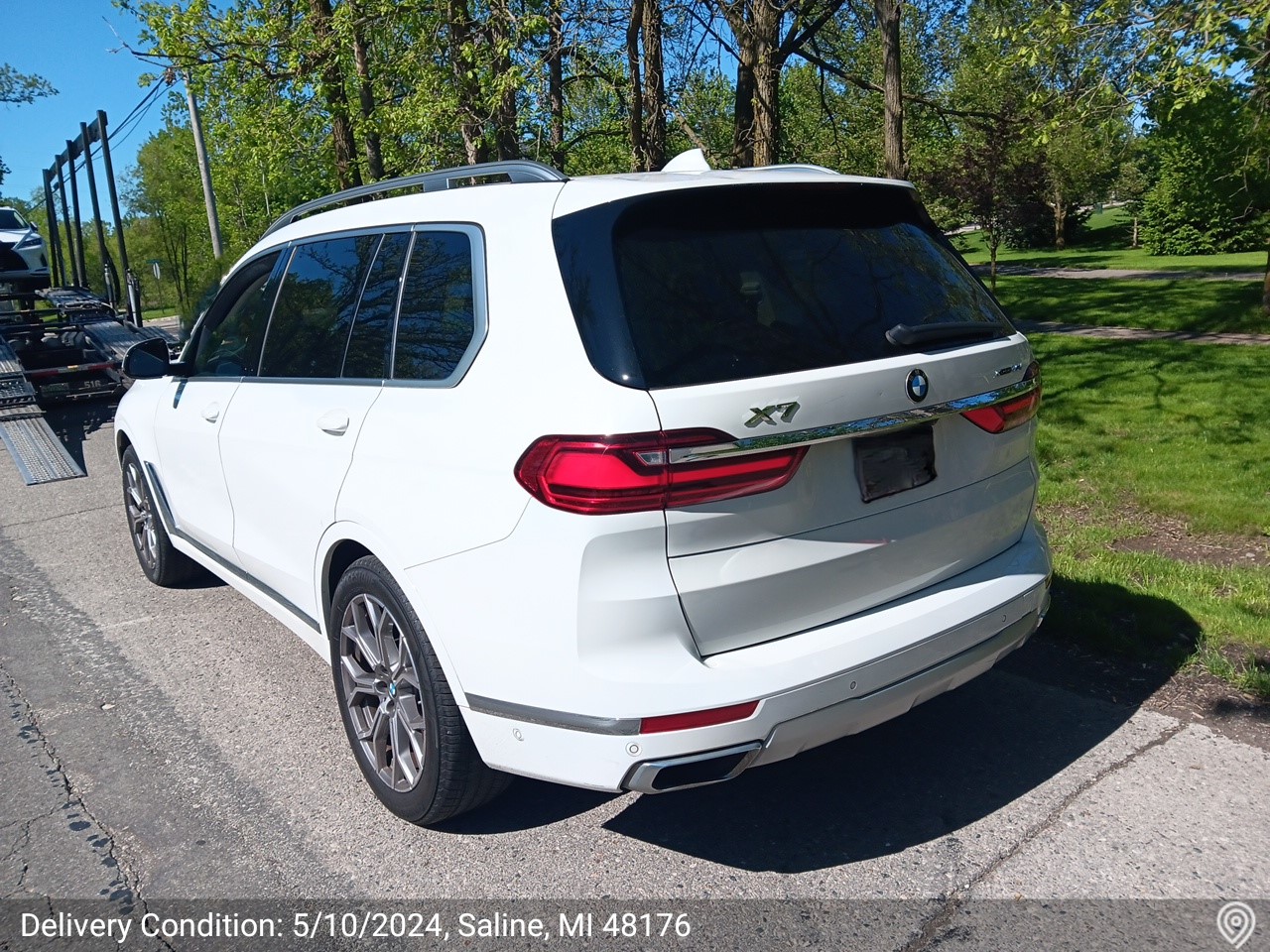
Pickup scheduling for Carmel auto transport benefits from the city's open suburban layout. Carriers can access most residential and commercial locations without the staging coordination required in denser metros. Standard pickup windows of 3 days apply, centered on your first available date. Carrier availability in Carmel is moderate, meaning most routes are covered reliably, though less common destinations may occasionally need a day or two beyond the standard window.
Indiana winters are a real scheduling factor. Snow and ice between December and February can cause carriers to adjust routes or timing. Building a few extra days of flexibility into your schedule during winter months is practical, particularly for auto shipping Carmel residents planning southbound snowbird trips.
Carmel, Indiana follows a clear snowbird pattern. Many residents maintain winter homes in Florida and Arizona, and that creates two predictable shipping cycles each year. Southbound demand builds from October through February as residents ship vehicles ahead of the cold season. Northbound demand peaks from March through June as those same vehicles return for summer.
For ship a car from Carmel shipments heading south in the fall, carrier space fills faster than most residents expect. The I-65 corridor to Florida is one of the busiest snowbird lanes in the country, and Carmel's high concentration of luxury and specialty vehicles means enclosed transport slots are particularly competitive. Book southbound shipments by late September and northbound returns by late February to avoid the tightest availability windows.
Review your quote, confirm vehicle details and dates. No payment collected until a carrier is assigned.
We dispatch your order to our carrier network. You receive carrier details, insurance info, and estimated pickup window.
Carrier gives you 24 hours advance notice before pickup. Walk-around inspection together, every mark documented on the Bill of Lading, both parties sign.
Track your shipment status through your coordinator. We handle any schedule changes or logistics questions.
24-hour advance notice, then a call when close. Second walk-around inspection — damage during transport is extremely rare, but note any new issues on the Bill of Lading before signing. Once signed without exceptions, claims are extremely difficult to win.
Your carrier will contact you roughly 24 hours before arriving. At pickup, both you and the driver complete a vehicle inspection, documenting any existing scratches, dents, or paint chips on a Bill of Lading. Carmel's wide residential streets handle standard multi-car haulers without issue, so most pickups happen at your home or a nearby parking lot. Sign the BOL only after confirming the inspection notes are accurate — that document is your record for the entire shipment.
Before your vehicle arrives, the carrier will call with roughly 24 hours notice. At delivery, conduct a thorough walk-around and compare the vehicle's condition against your original pickup inspection notes. Damage during transport is extremely rare, but if you notice anything new, note it on the Bill of Lading before signing. Once you sign without documenting damage, filing a claim becomes significantly harder. Car transport service records begin and end with that document.
Every carrier in our network is required to carry cargo insurance as a condition of their FMCSA operating authority. Coverage details vary by carrier and are confirmed before your vehicle is dispatched.
At pickup, the driver and you complete a joint vehicle inspection. Every scratch, dent, and existing mark is documented on the Bill of Lading. At delivery, you must carefully compare the vehicle's condition against this record before signing the delivery receipt. If you notice any new damage, note it on the Bill of Lading before you sign. Once you sign the delivery receipt without noting damage, it becomes extremely difficult to file and win a claim. This is the single most important step in protecting yourself during the transport process.
Carmel's suburban layout is one of the more carrier-friendly environments in Indiana. Wide streets, generous cul-de-sac radii, and low traffic density mean standard multi-car haulers can reach most neighborhoods without the detours or staging required in tighter urban settings. Carriers serving Carmel auto transport rarely need to arrange alternative meeting points.
For pickups in newer residential developments on Carmel's north and west sides, the access is equally straightforward. If your home sits on a particularly narrow private drive, a nearby commercial parking lot works as a simple alternative. The I-465 north side runs just minutes from most Carmel addresses, keeping carrier transit in and out of the area efficient for vehicle transport Carmel customers on both ends of the shipment.
Corporate Relocations — Carmel's concentration of corporate headquarters and tech sector growth drives consistent executive relocation volume. Shipping a car from Carmel to a new assignment is a routine part of that process. Request a free car shipping quote to plan your move.
Snowbirds — Residents with winter homes in Florida or Arizona rely on Carmel auto transport for recurring seasonal shipments. Fall southbound and spring northbound cycles are predictable, and early booking is the single most effective way to secure carrier space and stable pricing on these high-demand routes.
Dealerships — Carmel's high-income market supports active dealer inventory movement. Carmel car shipping companies handle both auction acquisitions and dealer-to-dealer transfers on a regular basis, with I-65 and I-69 providing direct access to major auction markets.
Military and PCS — While Carmel has no major installation, Indiana's broader military community uses auto transport Carmel IN services for PCS moves connecting to bases across the Southeast and Midwest.
Pricing for Carmel vehicle shipping depends on distance, vehicle type, and seasonal demand. The high concentration of luxury and specialty vehicles in Carmel can influence rates, as heavier or larger vehicles require more trailer space. Snowbird routes to Florida and Arizona see price fluctuations tied to seasonal volume. Request a Carmel car shipping quote for your specific route.
Carmel's proximity to I-65 and I-69 connects it to major carrier corridors running north toward Chicago and south through Louisville. Transit times vary by destination distance and current route demand. Booking ahead helps secure placement on a carrier matching your timeline. For auto transport Carmel IN timing, select your route above for details.
Yes. Carmel's suburban layout — with wide residential streets in neighborhoods like Clay Terrace, Westfield Boulevard, and the Arts & Design District area — accommodates standard car haulers. We coordinate door-to-door service when you ship a car to Carmel, where road width and cul-de-sac access in Indiana permit.
Open transport Carmel works well for most standard vehicles and is the more widely available option. Given Carmel's concentration of luxury sedans, SUVs, and specialty cars, enclosed car shipping Carmel may be worth considering for high-value shipments — especially during Indiana's winter months when road salt and precipitation are factors. Enclosed availability is more limited than open transport, and pricing is typically higher.
Ship a car from Carmel to Florida or Arizona in early fall before peak snowbird season drives up demand. Spring and summer offer milder Indiana weather and more predictable scheduling. Corporate relocations into Carmel tend to cluster around mid-year, so auto transport Carmel IN routes may see elevated volume from May through August.
Someone 18 or older must be present at both ends to authorize the shipment and sign the Bill of Lading. If you cannot attend personally, designate a trusted representative — a friend, family member, or dealership contact — to handle the vehicle inspection and paperwork on your behalf.
Yes. Every carrier in our network carries cargo insurance as required by their FMCSA operating authority. Coverage specifics are confirmed before dispatch. At both pickup and delivery, you complete a joint vehicle inspection documented on a Bill of Lading — this protects you if any issue arises.
Yes, we transport non-running vehicles to Carmel. The vehicle needs to roll, steer, and brake for standard loading. Vehicles that cannot roll may require a winch or forklift at additional cost. Mention the vehicle's condition when requesting your quote.
Wash the exterior so scratches and dents are visible during inspection. Remove toll transponders, parking passes, and loose interior items. Leave roughly a quarter tank of fuel. Disable aftermarket alarms. Take dated photos of all sides, roof, and odometer before the carrier arrives for your records.
Most carriers allow personal belongings in the trunk or cargo area up to about 100 pounds. Items must stay below the window line and cannot be fragile or high-value. Personal items are not covered under carrier cargo insurance, so keep the vehicle as empty as practical.