Door-to-door car shipping with fully insured carriers. No upfront payment.
Cape Coral auto transport operates in one of Florida's most active shipping corridors, driven by a rapidly growing population, steady retiree migration, and a strong snowbird cycle that brings seasonal residents south each fall and sends them north each spring. I-75 runs through neighboring Fort Myers, connecting this Southwest Florida market northward through Tampa, Ocala, and into Georgia — a corridor that sees carrier traffic in both directions throughout the year. Common routes include Cape Coral to Chicago, Cape Coral to New York, and the reverse, all well-served by carriers who run these lanes regularly.
Cape Coral vehicle shipping benefits from wide streets, open residential layouts, and easy bridge access across the Caloosahatchee River to Lee County's mainland highway network. Carrier availability here ranks among the highest in the state, which means scheduling is typically fast and competitive. We build a 3-day pickup window around your first available date, and in this market, carriers often confirm within that window without difficulty.
Cape Coral, Florida ranks among the state's most rapidly growing cities, and that growth fuels steady auto transport demand. Snowbird auto transport peaks each fall as seasonal residents from the Midwest and Northeast ship vehicles south, then reverse the process each spring. Permanent relocations driven by retiree migration and relatively affordable housing keep Cape Coral auto transport active even outside peak snowbird months, fueling ongoing demand for shipping a car from Cape Coral.
Carrier routes through Southwest Florida benefit from proximity to I-75, which connects Cape Coral's metro area northward through Tampa, Ocala, and into Georgia. This corridor sees frequent carrier traffic in both directions, meaning shippers looking to ship a car to Cape Coral or schedule pickups from the area typically find strong scheduling options for shipping a car to Cape Coral. The high volume of competing carriers on this route gives flexibility when coordinating Cape Coral vehicle shipping.
Cape Coral sits within Florida's hurricane zone, active from June through November. Tropical weather events can temporarily disrupt carrier schedules and affect road access across Southwest Florida. During active storm threats, carriers may delay pickups or deliveries until conditions stabilize. Planning seasonal car shipping around early fall—the statistical peak of hurricane season—may require additional scheduling flexibility.
Picked up and delivered as scheduled. Driver kept me posted along the way and was most helpful and courteous.
Very professional from start to finish. Very cost effective.
They came when they said they were going to come, they kept us informed throughout the process, they did their utmost to meet our needs.
Cape Coral car shipping rates reflect a market with strong carrier competition and high load volume. Multiple carriers bid on Southwest Florida loads daily, which keeps pricing favorable compared to smaller Florida markets or rural areas farther from I-75. Cape Coral car shipping cost varies based on vehicle size, transport type, distance, and the flexibility of your pickup dates — but the depth of carrier competition here works in your favor.
Seasonal demand does affect pricing. Southbound rates from October through February and northbound rates from March through June tend to firm up as snowbird auto transport volume peaks. Booking a few weeks ahead during those windows gives you more carrier options and better rate stability. Hurricane season, active June through November, can occasionally create short-term disruptions that affect scheduling and pricing. Get a no-obligation car transport quote.
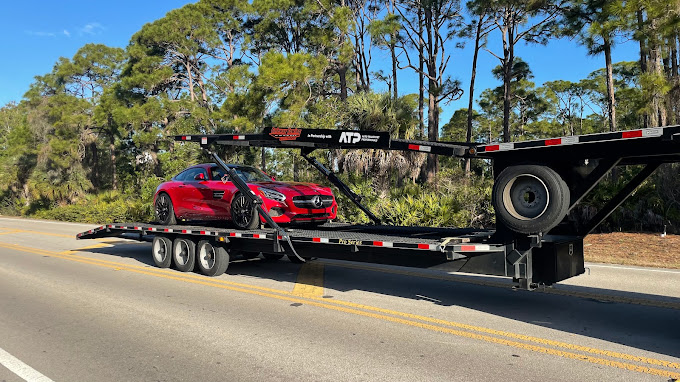
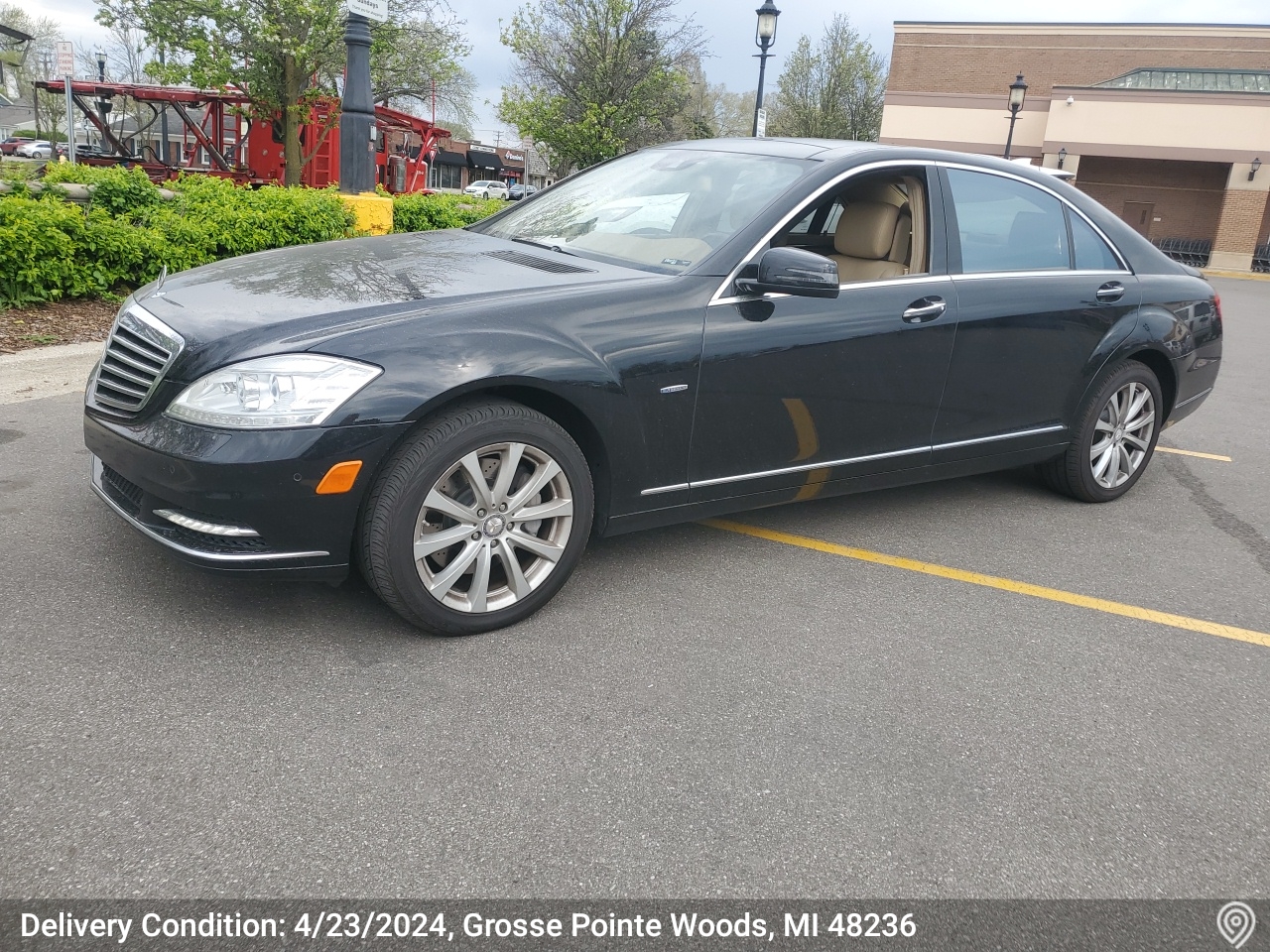
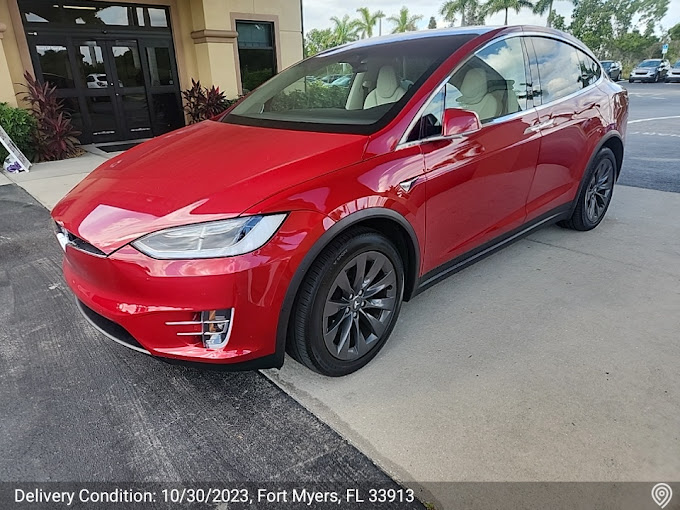
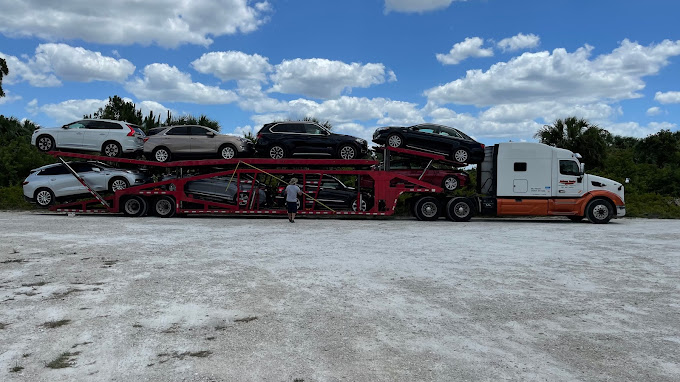
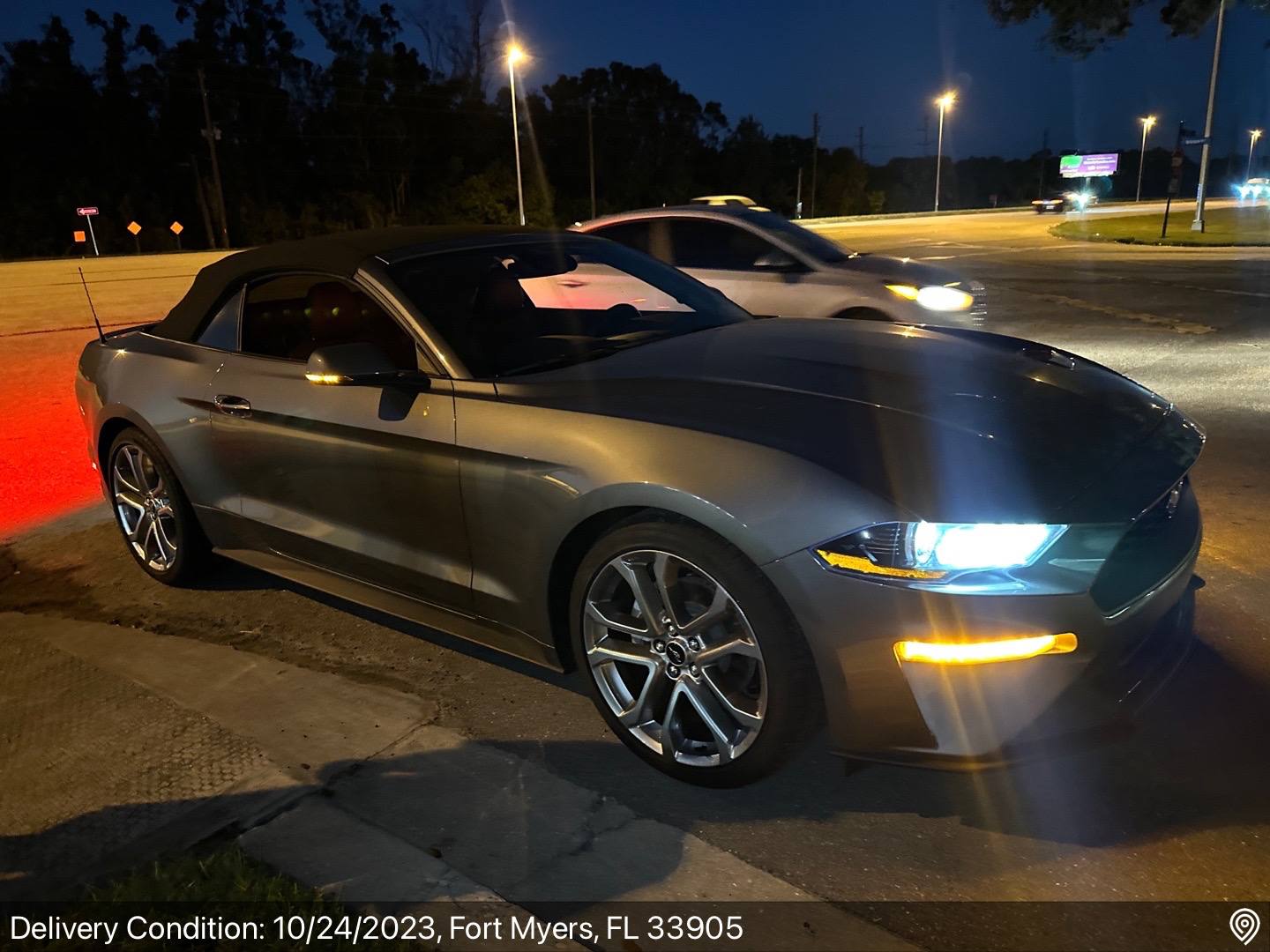
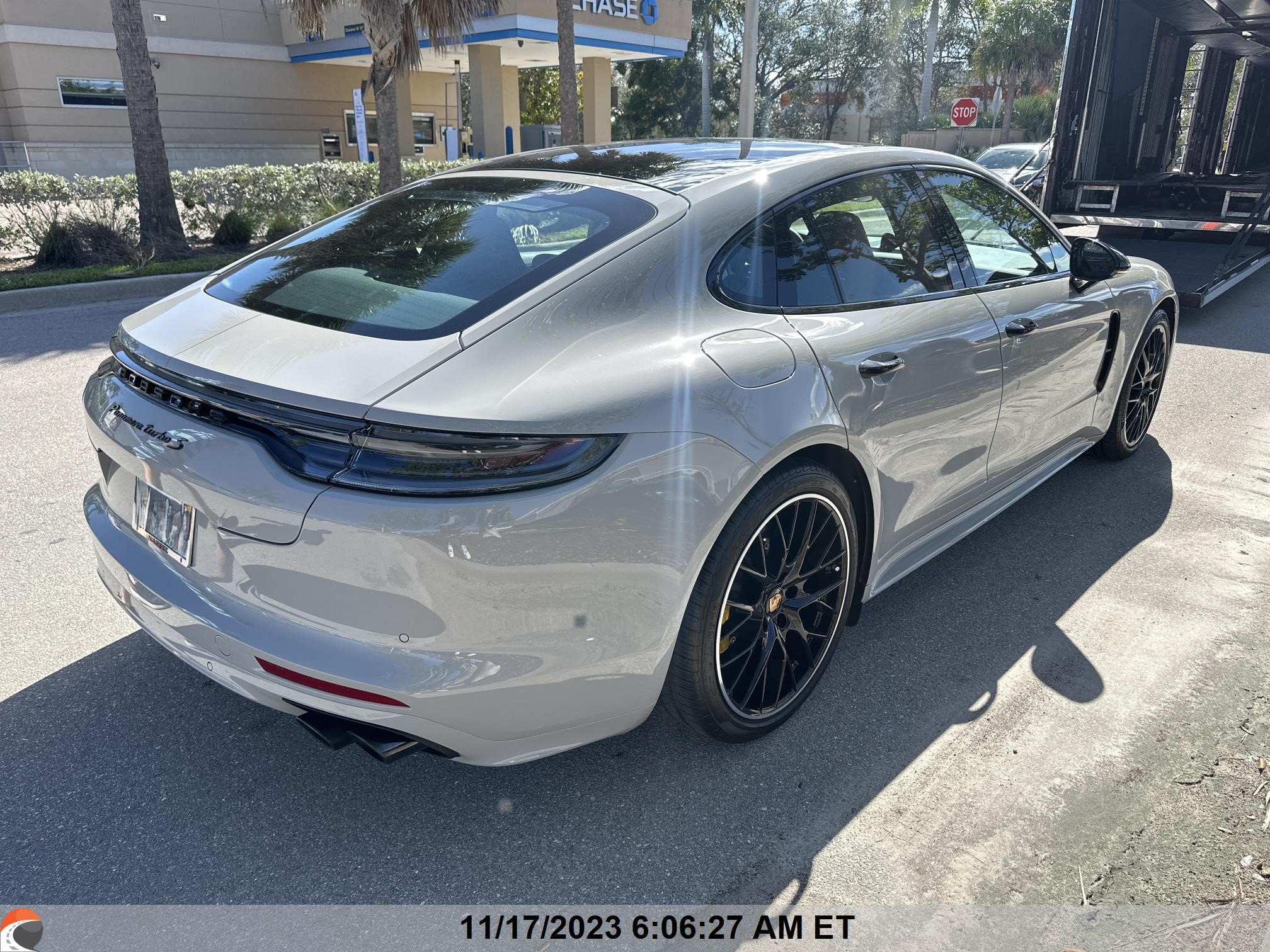
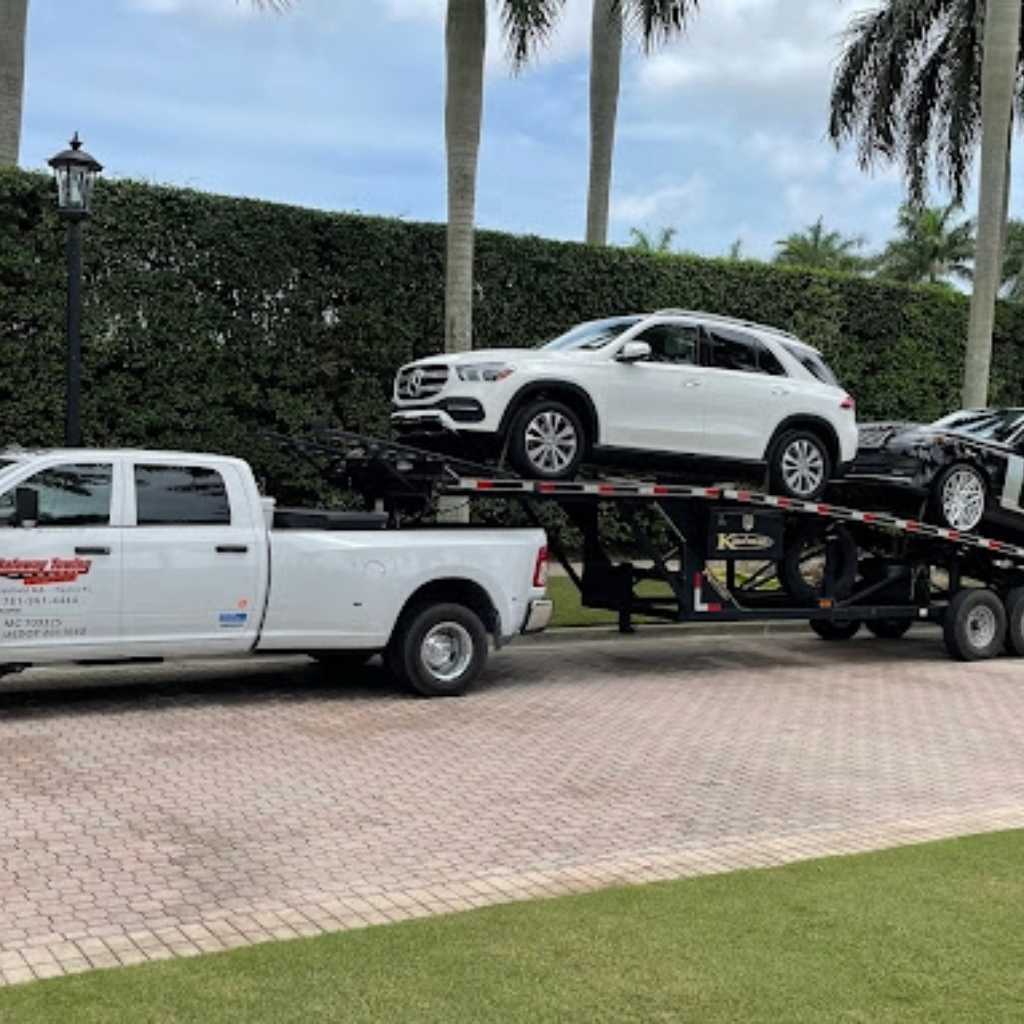
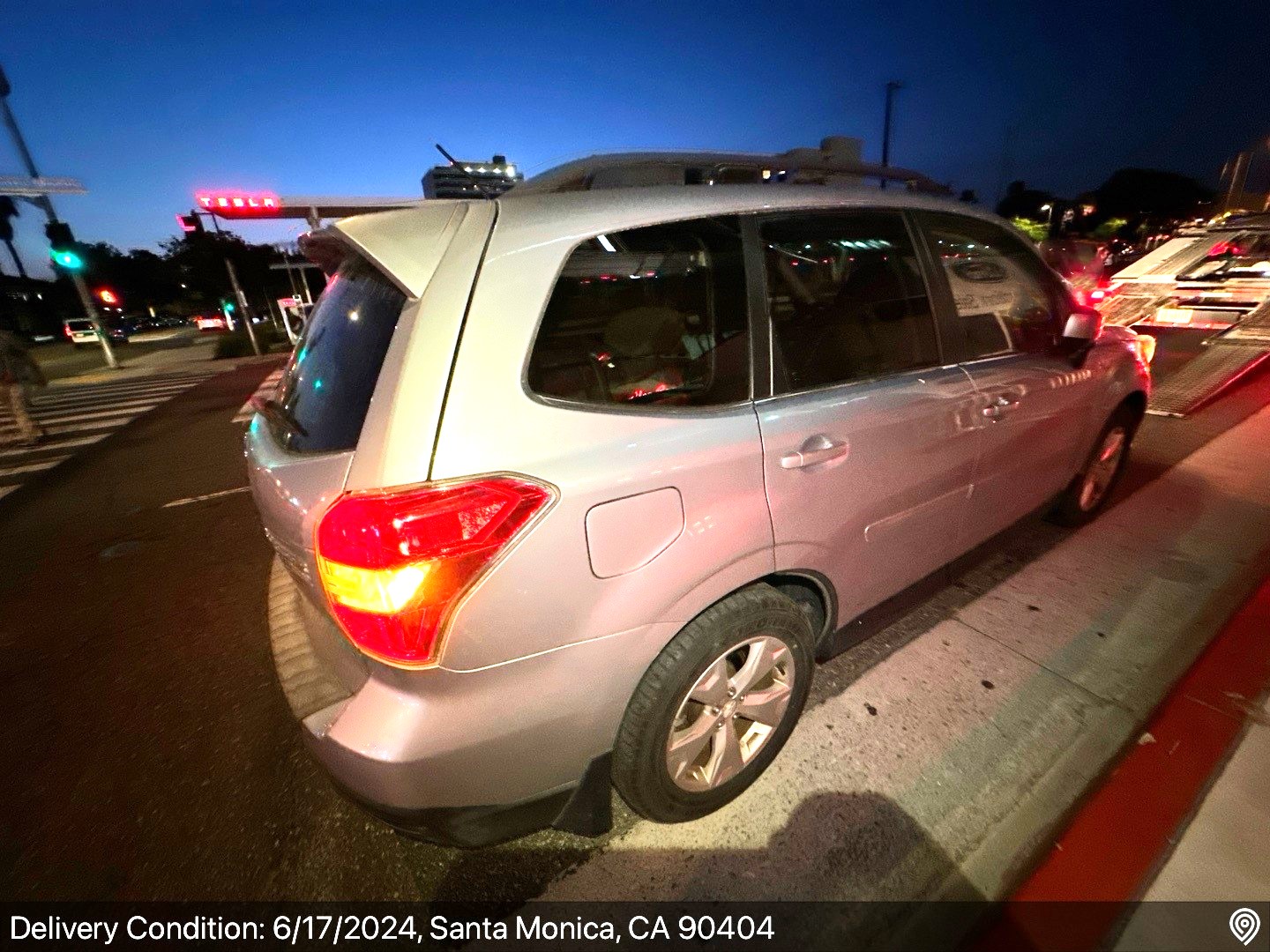
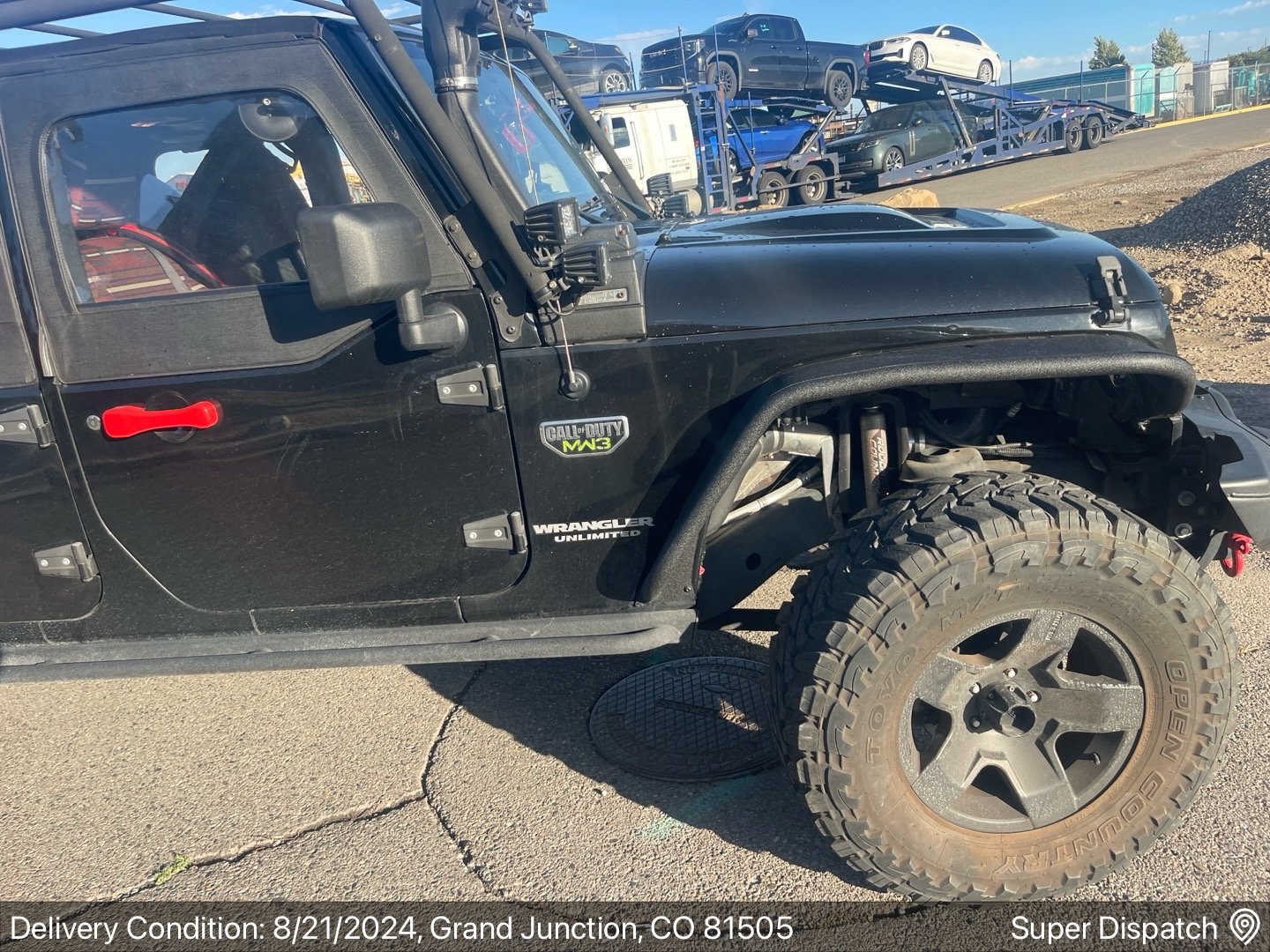
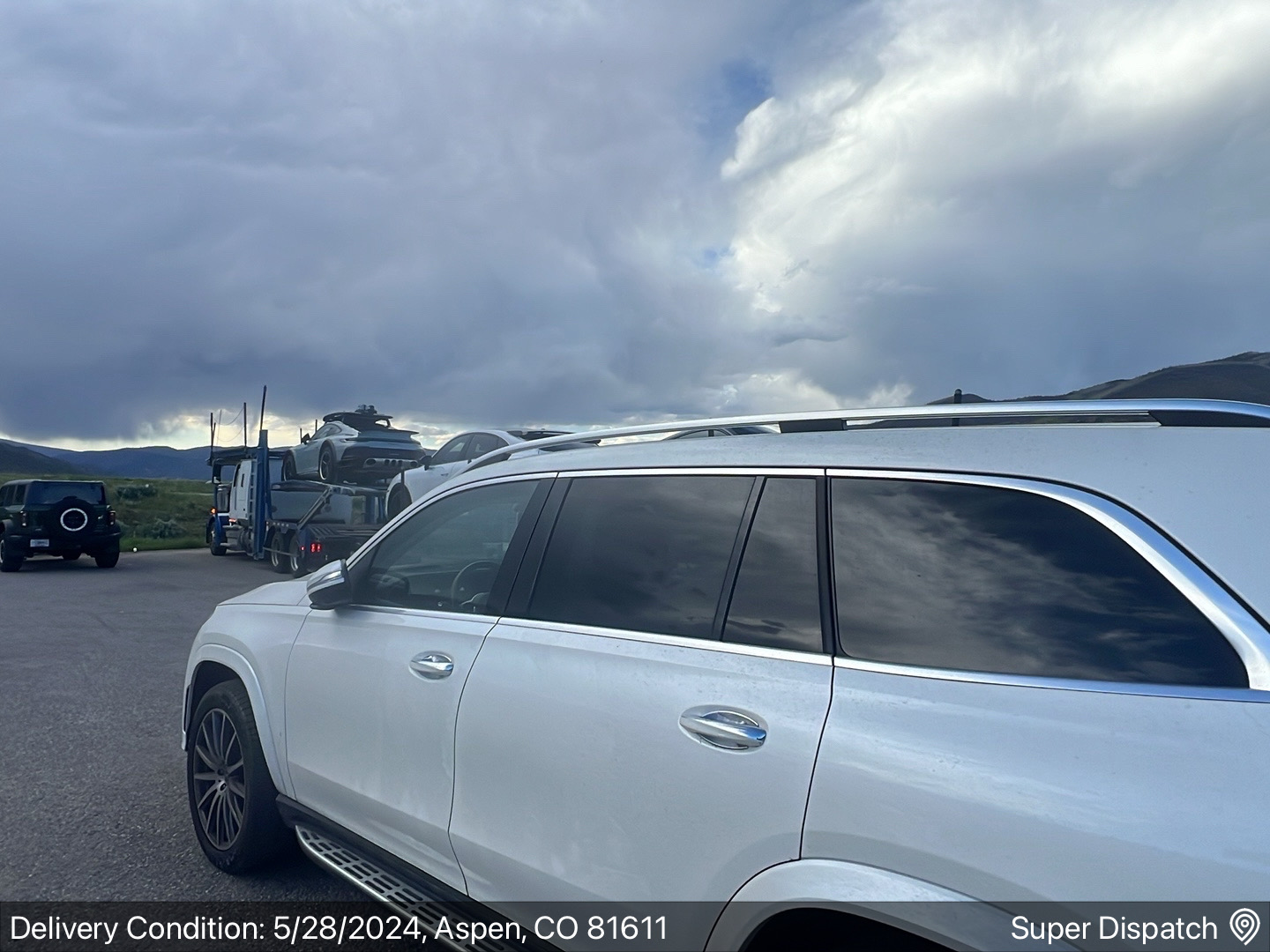
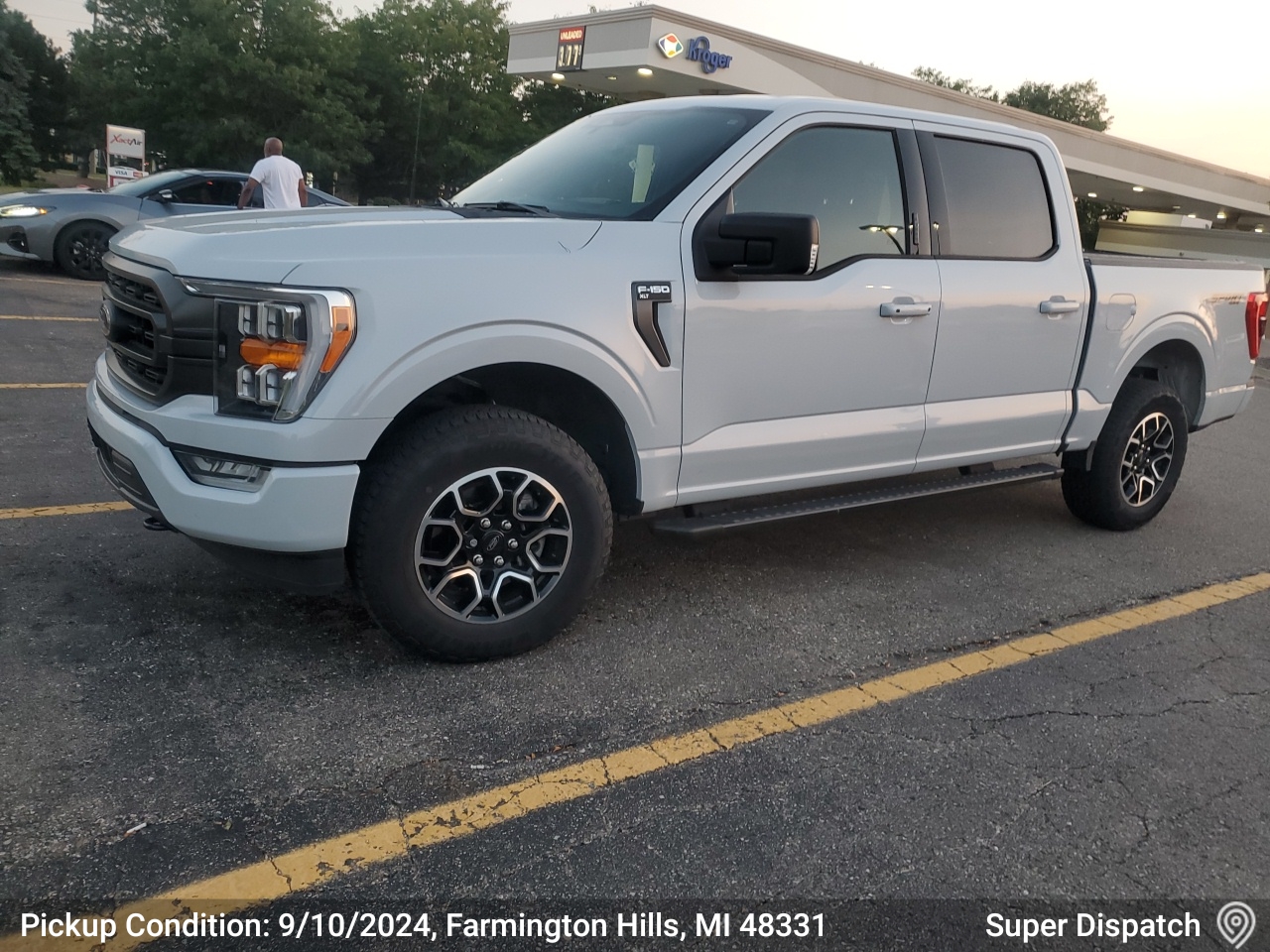
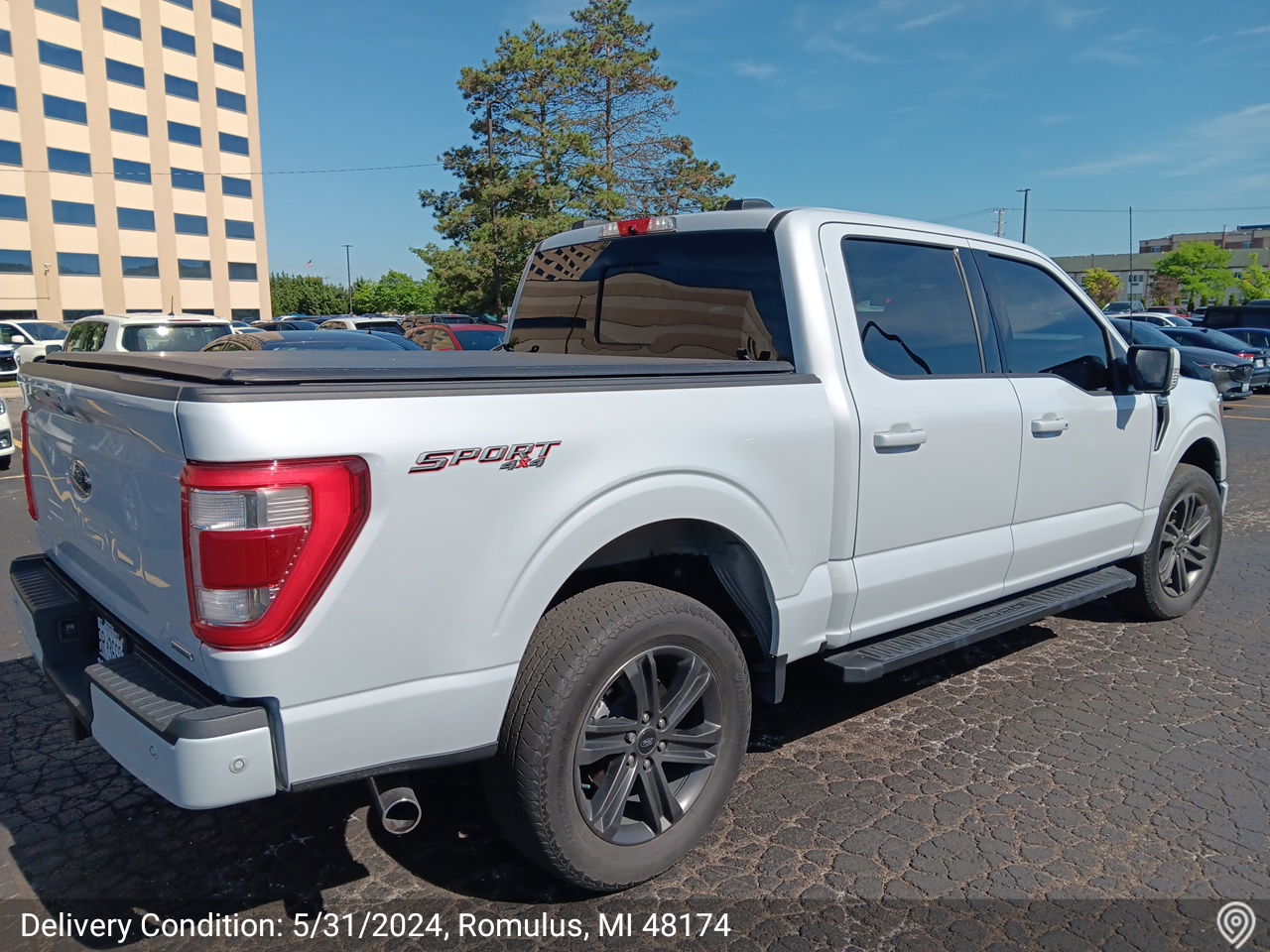
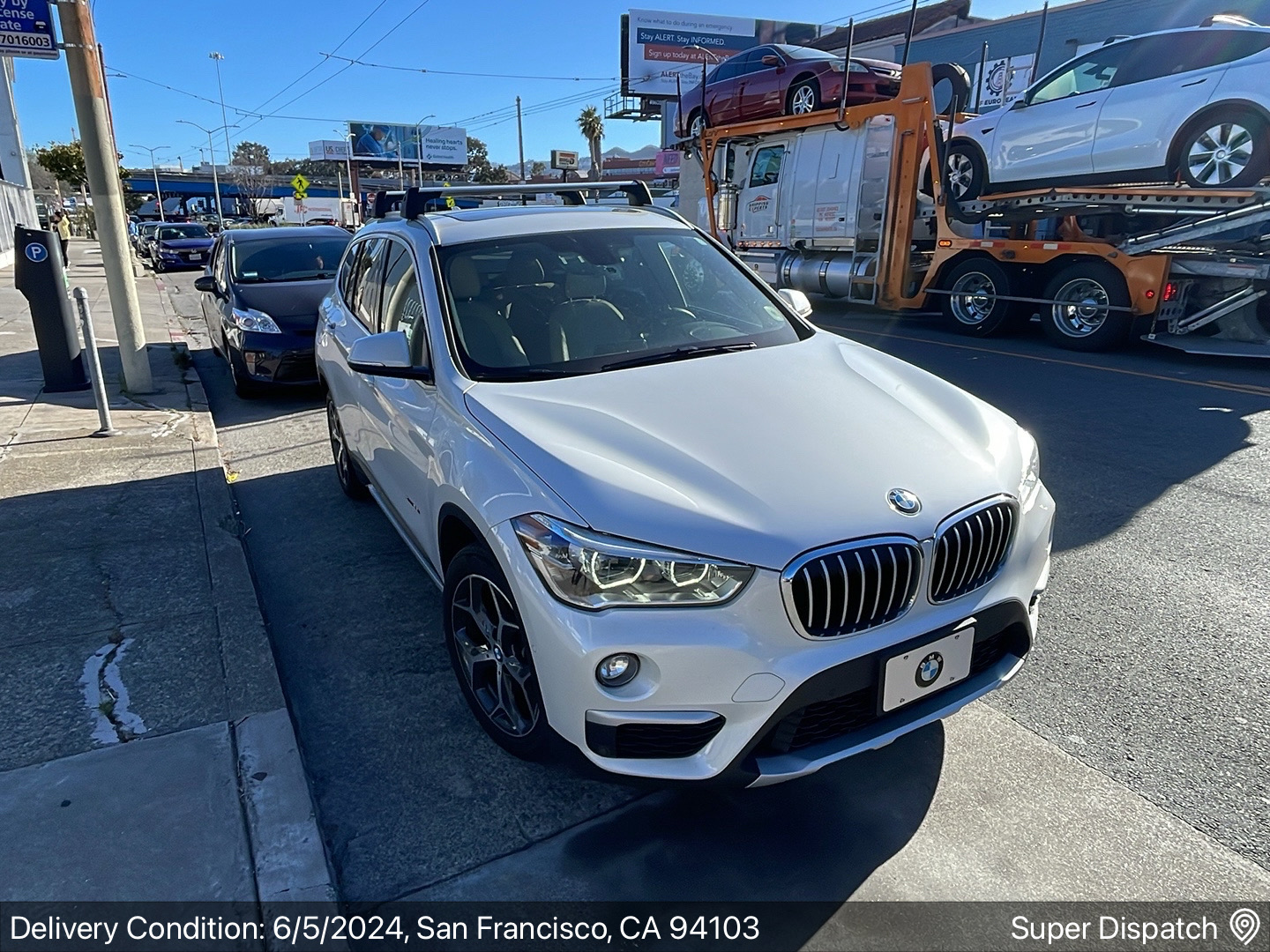
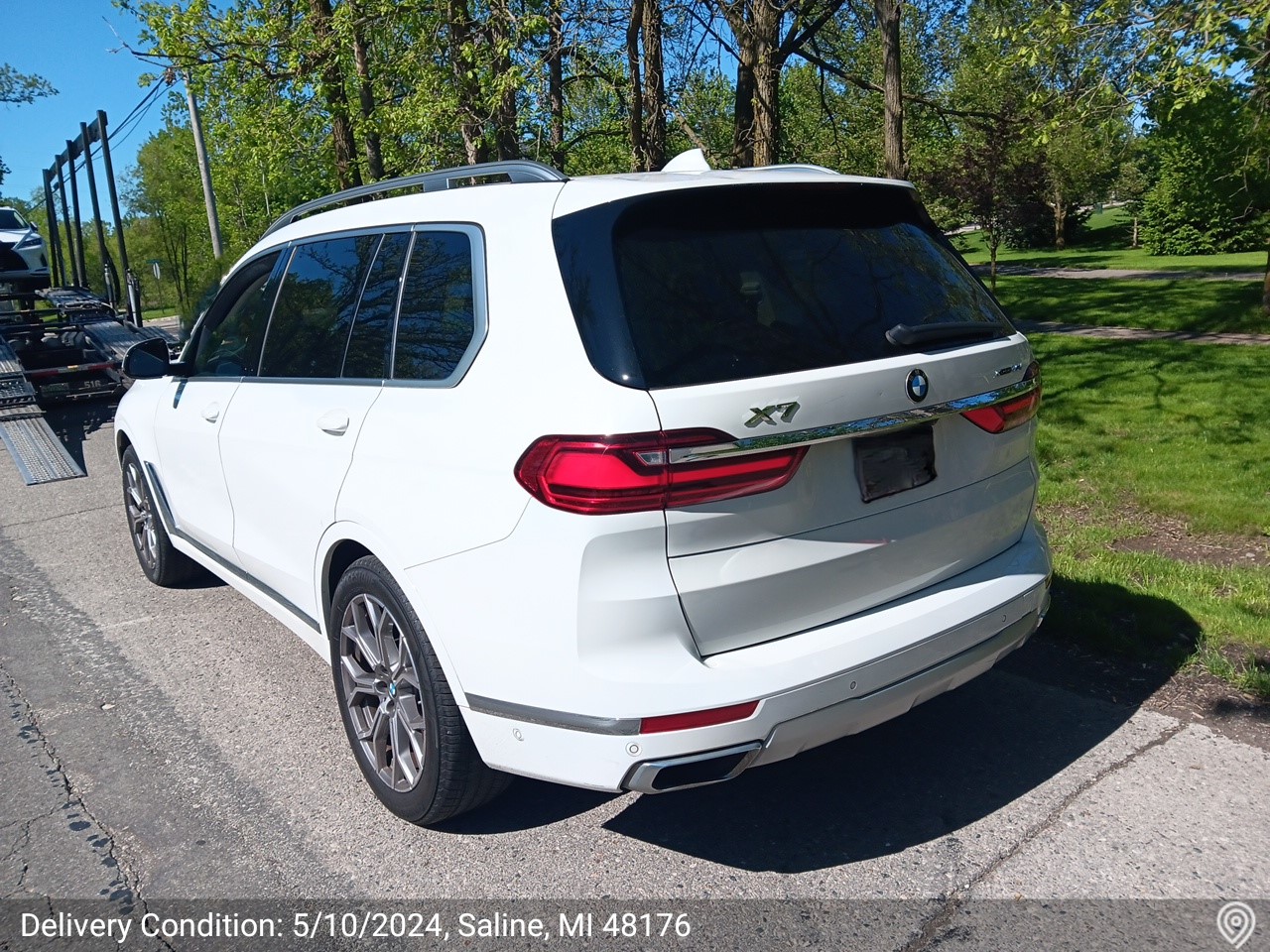
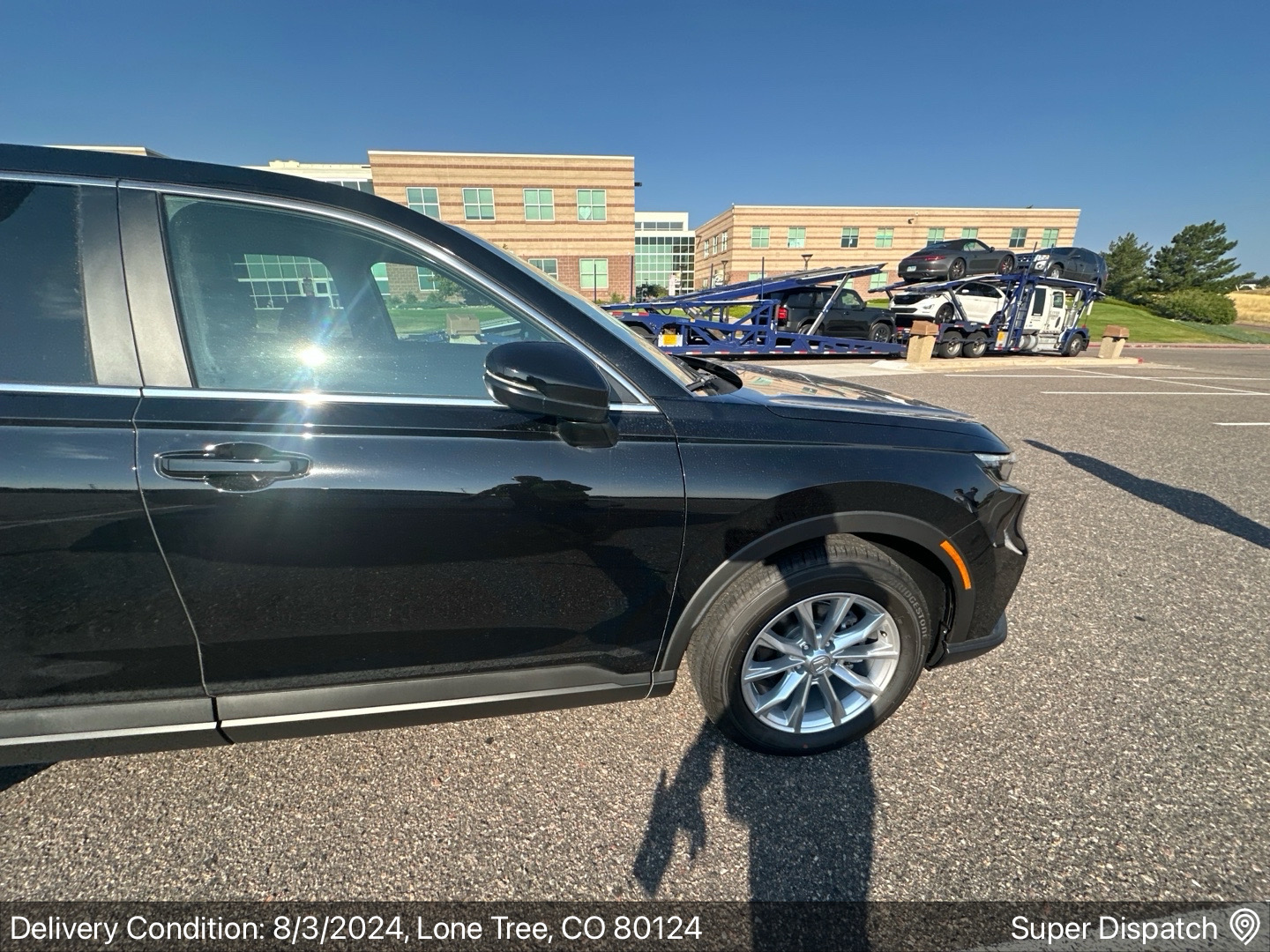
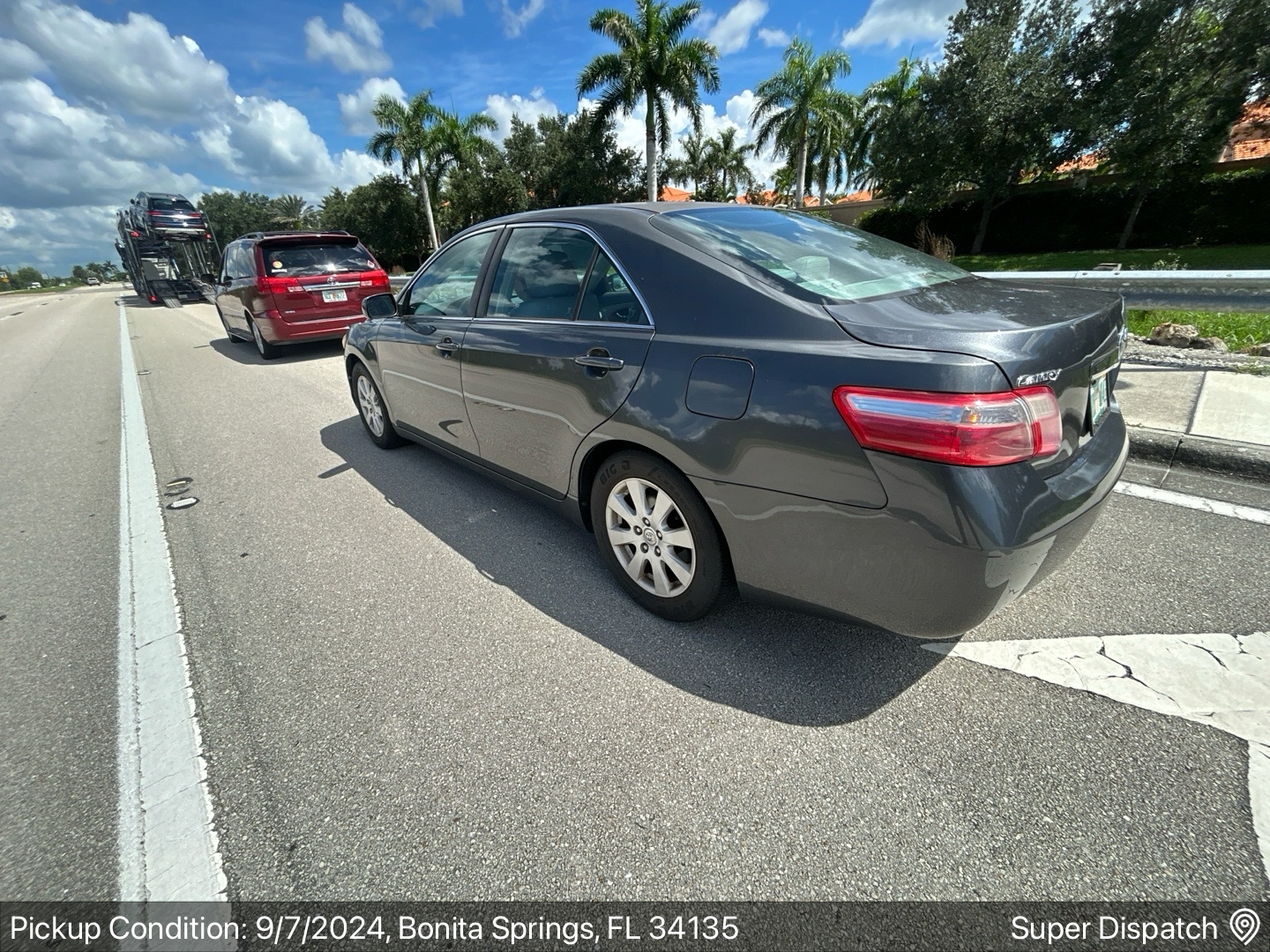
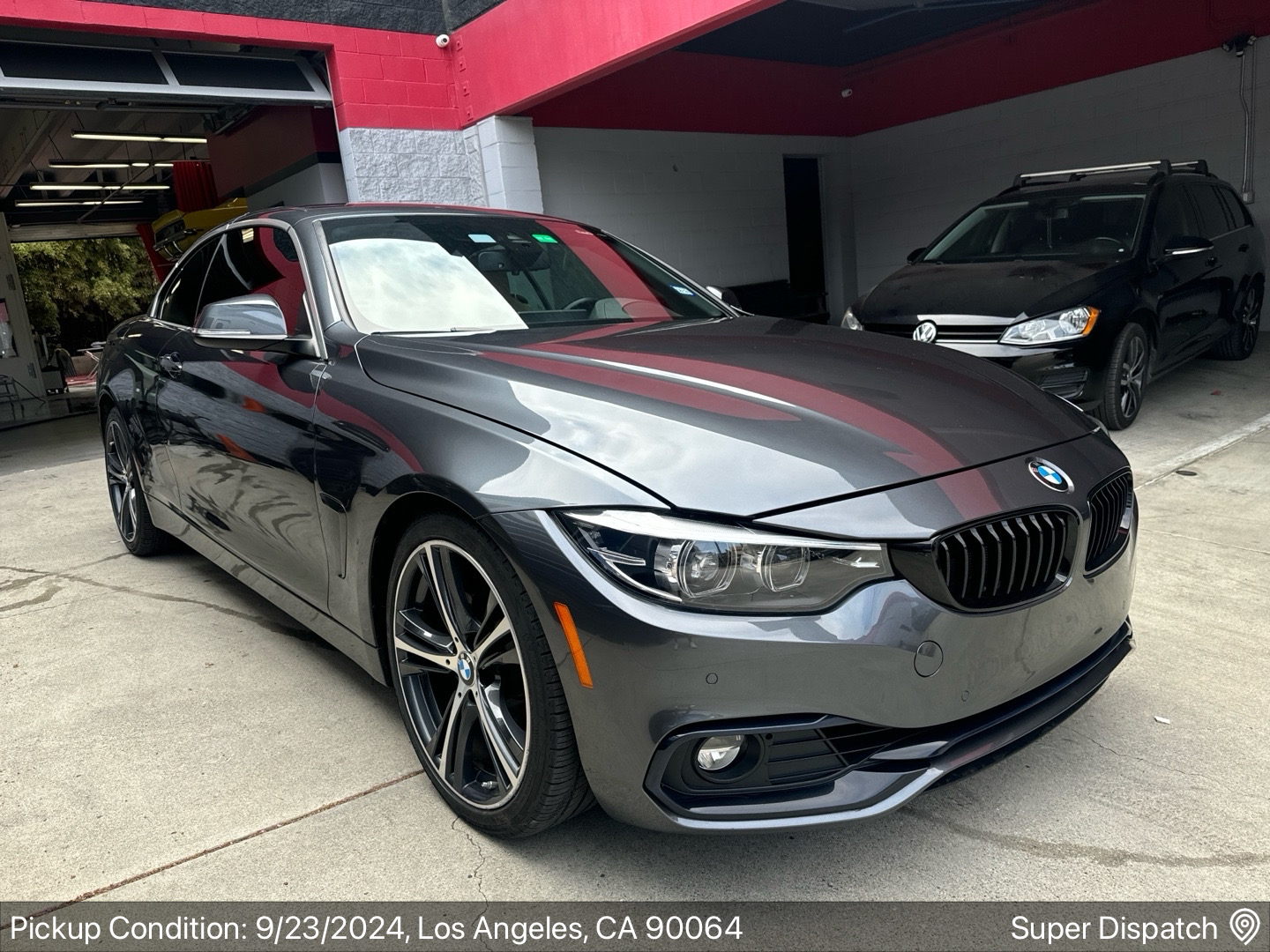
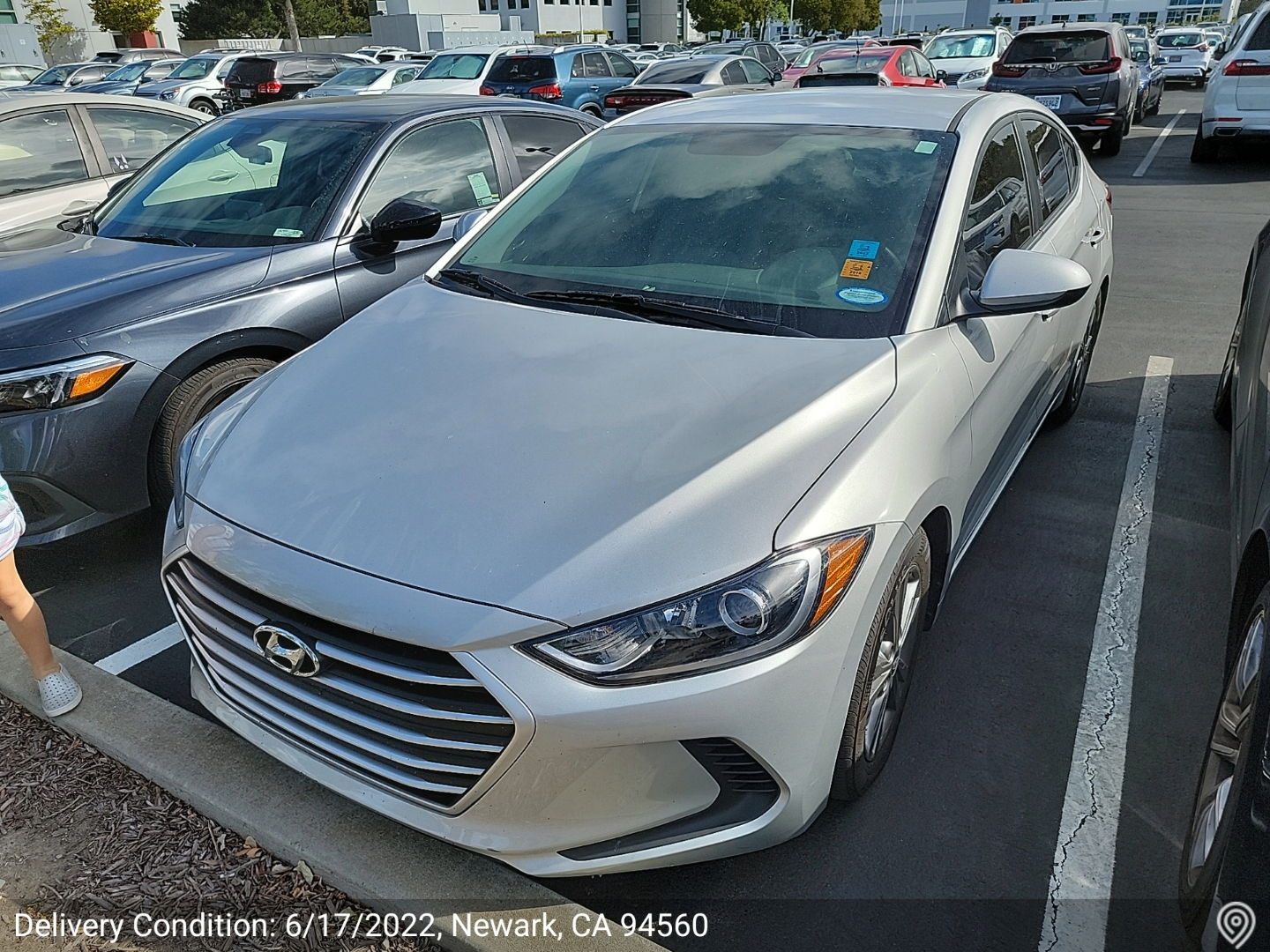
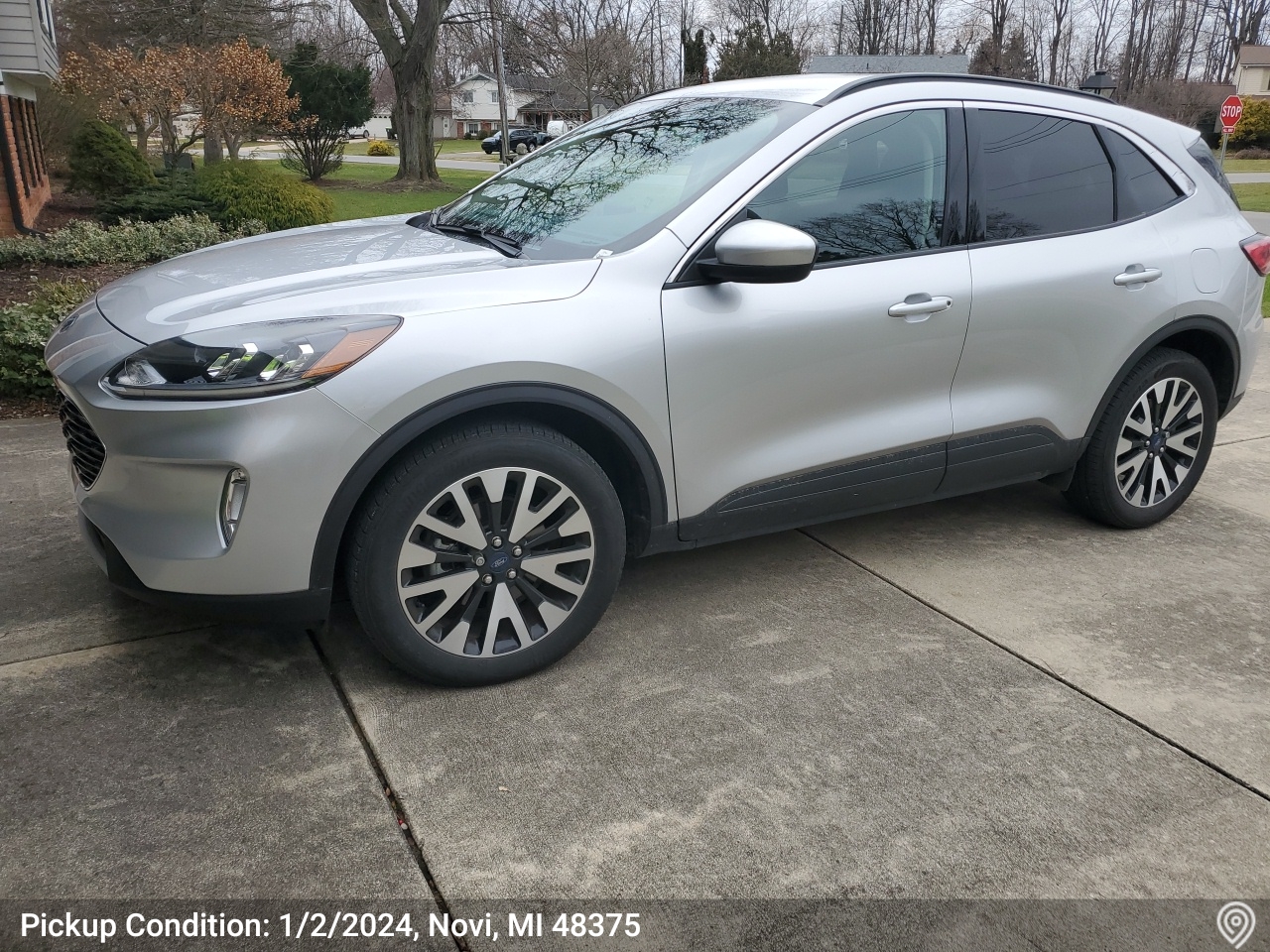
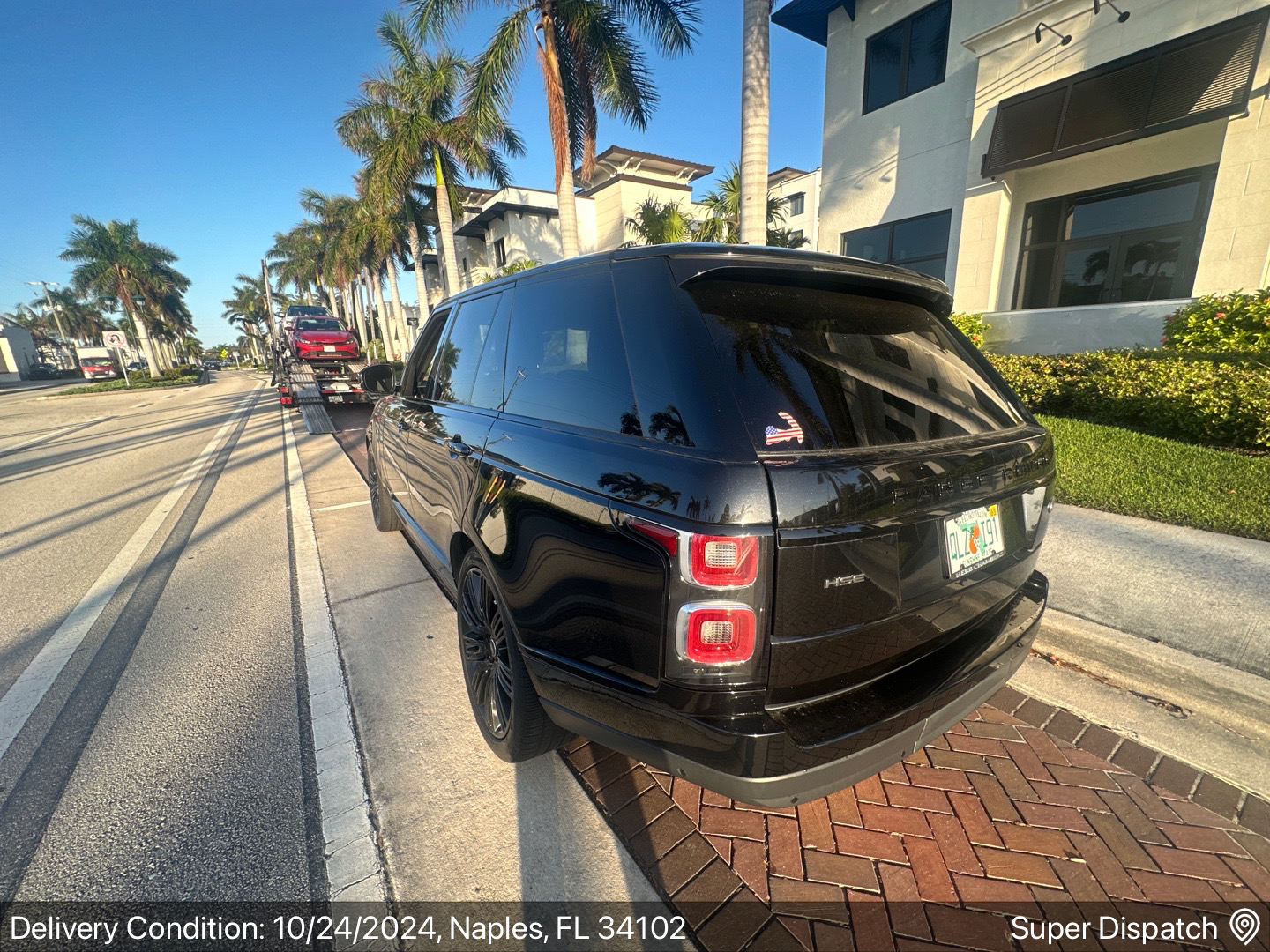
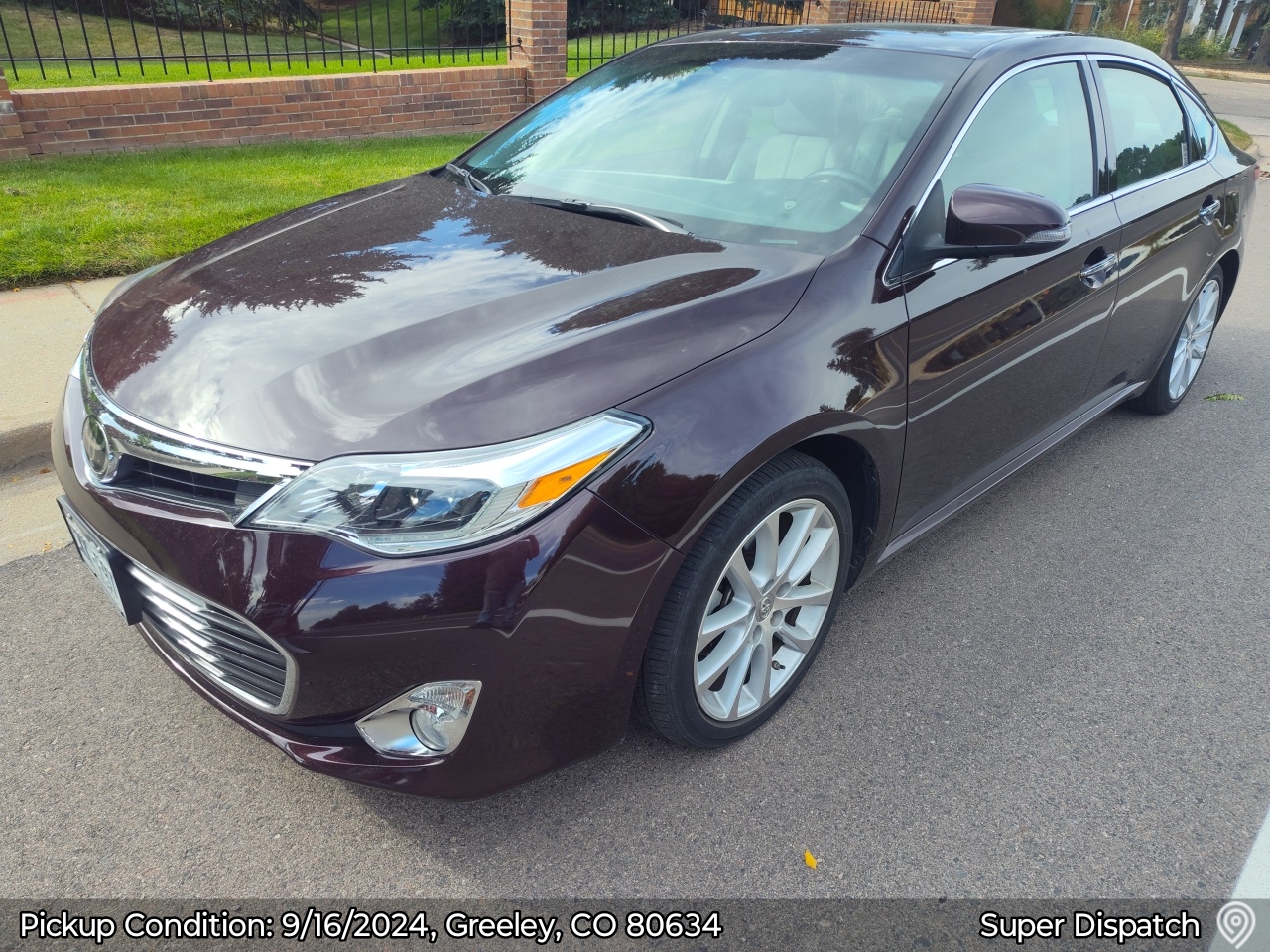
Auto transport Cape Coral FL moves quickly relative to most Florida markets. Wide streets and open access mean carriers can reach most neighborhoods without staging or coordination delays. Combined with the high volume of carriers running the I-75 corridor, dispatch typically falls within the standard 3-day pickup window we build around your first available date.
During peak snowbird months — October through February southbound, March through June northbound — demand increases but carrier volume rises to match. The one scheduling variable to watch is hurricane season: active storm threats can temporarily pause carrier operations across Southwest Florida until road conditions stabilize.
Cape Coral sits at the center of Florida's snowbird auto transport cycle. From October through February, seasonal residents from the Midwest and Northeast ship vehicles south, filling carrier loads on the I-75 corridor heading into Southwest Florida. That southbound flow reverses from March through June, when the same residents schedule pickups to send vehicles back north. Both directions see strong carrier traffic during these windows.
Outside the snowbird peaks, permanent relocation demand keeps auto shipping Cape Coral active year-round. Retirees moving to Cape Coral for affordable housing and warm weather generate consistent shipping volume even in the summer months. If you're planning a seasonal shipment, booking two to three weeks ahead of your target date gives you the best carrier selection during the busiest migration periods.
Review your quote, confirm vehicle details and dates. No payment collected until a carrier is assigned.
We dispatch your order to our carrier network. You receive carrier details, insurance info, and estimated pickup window.
Carrier gives you 24 hours advance notice before pickup. Walk-around inspection together, every mark documented on the Bill of Lading, both parties sign.
Track your shipment status through your coordinator. We handle any schedule changes or logistics questions.
24-hour advance notice, then a call when close. Second walk-around inspection — damage during transport is extremely rare, but note any new issues on the Bill of Lading before signing. Once signed without exceptions, claims are extremely difficult to win.
At pickup, your carrier will give you roughly 24 hours advance notice before arriving. Cape Coral's open residential streets and wide lots make access straightforward for transport trailers — no special staging is typically needed. The driver will conduct a walk-around inspection, document your vehicle's condition on the Bill of Lading, and ask you to review and sign before loading. Keep a copy of that document for your records.
Your driver will call approximately 24 hours before arrival at the destination. At delivery, a second inspection compares your vehicle's condition against the pickup documentation. Damage during transport is extremely rare, but if you notice anything new, note it on the Bill of Lading before signing. Once you sign without noting a concern, filing a claim becomes significantly harder. Cape Coral car shipping companies operating through ATP use insured carriers, but your diligence at delivery protects you.
Every carrier in our network is required to carry cargo insurance as a condition of their FMCSA operating authority. Coverage details vary by carrier and are confirmed before your vehicle is dispatched.
At pickup, the driver and you complete a joint vehicle inspection. Every scratch, dent, and existing mark is documented on the Bill of Lading. At delivery, you must carefully compare the vehicle's condition against this record before signing the delivery receipt. If you notice any new damage, note it on the Bill of Lading before you sign. Once you sign the delivery receipt without noting damage, it becomes extremely difficult to file and win a claim. This is the single most important step in protecting yourself during the transport process.
Cape Coral's layout works well for vehicle transport. The city's wide residential streets and open driveways accommodate transport trailers without the maneuvering challenges common in denser urban markets. The Cape Coral and Midpoint Memorial bridges provide reliable access across the Caloosahatchee River, connecting the city to Fort Myers and the broader Lee County highway network.
From there, I-75 gives carriers a direct northbound route toward Tampa and beyond. For most pickups and deliveries in Cape Coral, no special meeting point coordination is needed. Standard residential or commercial locations work without issue, which is one reason car transport Cape Coral scheduling tends to move faster than in more congested Florida metros.
Relocating Residents — Cape Coral's rapid growth draws retirees and remote workers from across the country. If you're shipping a car to Cape Coral as part of a permanent move, strong carrier availability means you can coordinate your vehicle arrival close to your own move-in date. Request a free car shipping quote.
Snowbirds — Seasonal residents shipping vehicles south each fall and north each spring are the backbone of snowbird auto transport Cape Coral demand. Book two to three weeks ahead during peak migration months to lock in your preferred pickup window.
Military and PCS — Cape Coral sits near several Southwest Florida installations. Cape Coral auto transport handles PCS moves with flexible scheduling to align with reporting dates.
Dealerships — Auto dealers moving inventory in and out of Southwest Florida benefit from the high carrier volume on the I-75 corridor, which supports consistent vehicle transport Cape Coral scheduling for wholesale and retail loads.
Cape Coral car shipping cost depends on distance, vehicle size, transport type, and seasonal demand. The snowbird cycle significantly influences pricing—rates on routes between the Midwest and Southwest Florida climb during October through December and again in March through April when demand surges. Summer months typically see softer demand on inbound routes. Request a quote for your specific route.
Cape Coral's connection to I-75 through Fort Myers places it on a major north-south carrier corridor with frequent truck movement. Routes heading to the Northeast or Midwest follow well-traveled lanes. Cross-country shipments to the West Coast involve longer distances and additional routing. For auto transport Cape Coral FL timing, select your route above for details.
Yes. Cape Coral's wide residential streets and suburban grid layout accommodate standard car carrier trucks throughout most neighborhoods. Many communities feature broad canal-side roads with ample space for loading and unloading. We coordinate door-to-door service when you ship a car to Cape Coral where road conditions and vehicle access permit.
Open transport handles the vast majority of Cape Coral vehicle shipping and works well for everyday cars, trucks, and SUVs. Enclosed car shipping Cape Coral offers added protection from road debris and weather exposure—worth considering for luxury vehicles, classics, or convertibles in Florida's rain-heavy summer months. Enclosed availability is more limited than open transport Cape Coral, and pricing is typically higher.
Cape Coral's snowbird population creates sharp seasonal swings. Inbound demand peaks from October through December as seasonal residents arrive, while outbound volume rises March through April. Shipping outside these windows—particularly late spring or summer—often means less route competition and more flexible scheduling for car shipping companies Cape Coral, FL. Scheduling during this stretch gives you the best options to ship a car from Cape Coral.
Someone 18 or older must be present at both ends to authorize the shipment and sign the Bill of Lading. If you cannot attend personally, designate a trusted representative — a friend, family member, or dealership contact — to handle the vehicle inspection and paperwork on your behalf.
Yes. Every carrier in our network carries cargo insurance as required by their FMCSA operating authority. Coverage specifics are confirmed before dispatch. At both pickup and delivery, you complete a joint vehicle inspection documented on a Bill of Lading — this protects you if any issue arises.
Yes, we transport non-running vehicles to Cape Coral. The vehicle needs to roll, steer, and brake for standard loading. Vehicles that cannot roll may require a winch or forklift at additional cost. Mention the vehicle's condition when requesting your quote.
Wash the exterior so scratches and dents are visible during inspection. Remove toll transponders, parking passes, and loose interior items. Leave roughly a quarter tank of fuel. Disable aftermarket alarms. Take dated photos of all sides, roof, and odometer before the carrier arrives for your records.
Most carriers allow personal belongings in the trunk or cargo area up to about 100 pounds. Items must stay below the window line and cannot be fragile or high-value. Personal items are not covered under carrier cargo insurance, so keep the vehicle as empty as practical.