Door-to-door car shipping with fully insured carriers. No upfront payment.
Buffalo auto transport operates from a strong mid-market position, with I-90 serving as the primary artery connecting the city east to Albany, Syracuse, and Boston, and west toward Cleveland and Chicago. Carriers running these corridors pass through Erie County regularly, which keeps car shipping Buffalo NY options reliable in both directions. The Peace Bridge border crossing with Canada adds cross-border freight volume that further supports carrier activity on this lane. Common corridors include Buffalo to New York City via I-90 and I-87, and Buffalo to Florida for the seasonal snowbird market.
Residential neighborhoods throughout Erie County offer wide streets and straightforward access for car haulers, so door-to-door pickup and delivery is the standard here. Buffalo's carrier availability is strong, and most customers can expect pickup within a 3-day window around their first available date. Book at least one to two weeks ahead during peak snowbird season or winter months when scheduling tightens.
Buffalo auto transport demand stems from several distinct sources. University at Buffalo generates seasonal student moves as tens of thousands of students arrive and depart each academic year. Healthcare institutions and manufacturing employers throughout Erie County drive job-related relocations. Cross-border proximity to Ontario, Canada, also creates shipping activity tied to international moves, which drives regular volume for shipping a car from Buffalo.
I-90 serves as the primary east-west corridor linking Buffalo to Rochester, Syracuse, Albany, and Boston, giving carriers a well-traveled route with regular freight volume. This highway position supports strong car shipping Buffalo NY options in both directions. Carriers heading southeast toward New York City or south toward Pennsylvania via I-90 and connecting routes pass through frequently. This carrier volume supports flexible scheduling when shipping a car to Buffalo.
Buffalo's harsh winters directly affect auto transport scheduling. Lake-effect snow and icy conditions between November and March can delay pickups and require flexible timing. Many Buffalo residents ship vehicles to Florida or the Carolinas as snowbirds, creating a pronounced seasonal surge in outbound demand each fall and return shipments each spring.
They picked it up on time and delivered it when they said they would. Great service for a great price.
The transport of the vehicle went according to plan. Vehicle was delivered on time and in good condition.
Dependable, professional, and quick. Never a Surprise and I've used this company 5 times for shipping my car back and forth from Massachusetts to Florida.
Buffalo car shipping cost reflects healthy carrier competition along the I-90 corridor. As a mid-market city with consistent freight volume in both directions, rates here are generally favorable compared to smaller upstate markets with thinner carrier coverage. Auto transport Buffalo NY pricing tracks close to the state average for comparable distances, without the premium surcharges that affect more remote or rural pickup locations. Buffalo vehicle shipping benefits from the same carrier density that serves the broader Great Lakes freight network.
Seasonal demand does shift pricing. Fall outbound moves to Florida and the Carolinas increase competition for southbound carrier space, which can push rates higher from October through December. Spring return shipments create a second surge. Winter weather between November and March can also affect scheduling and occasionally pricing if carriers face delays. Get a no-obligation car transport quote to lock in current rates before the next seasonal shift.
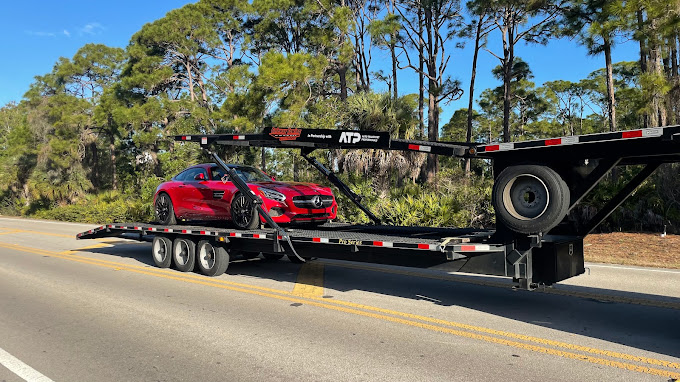
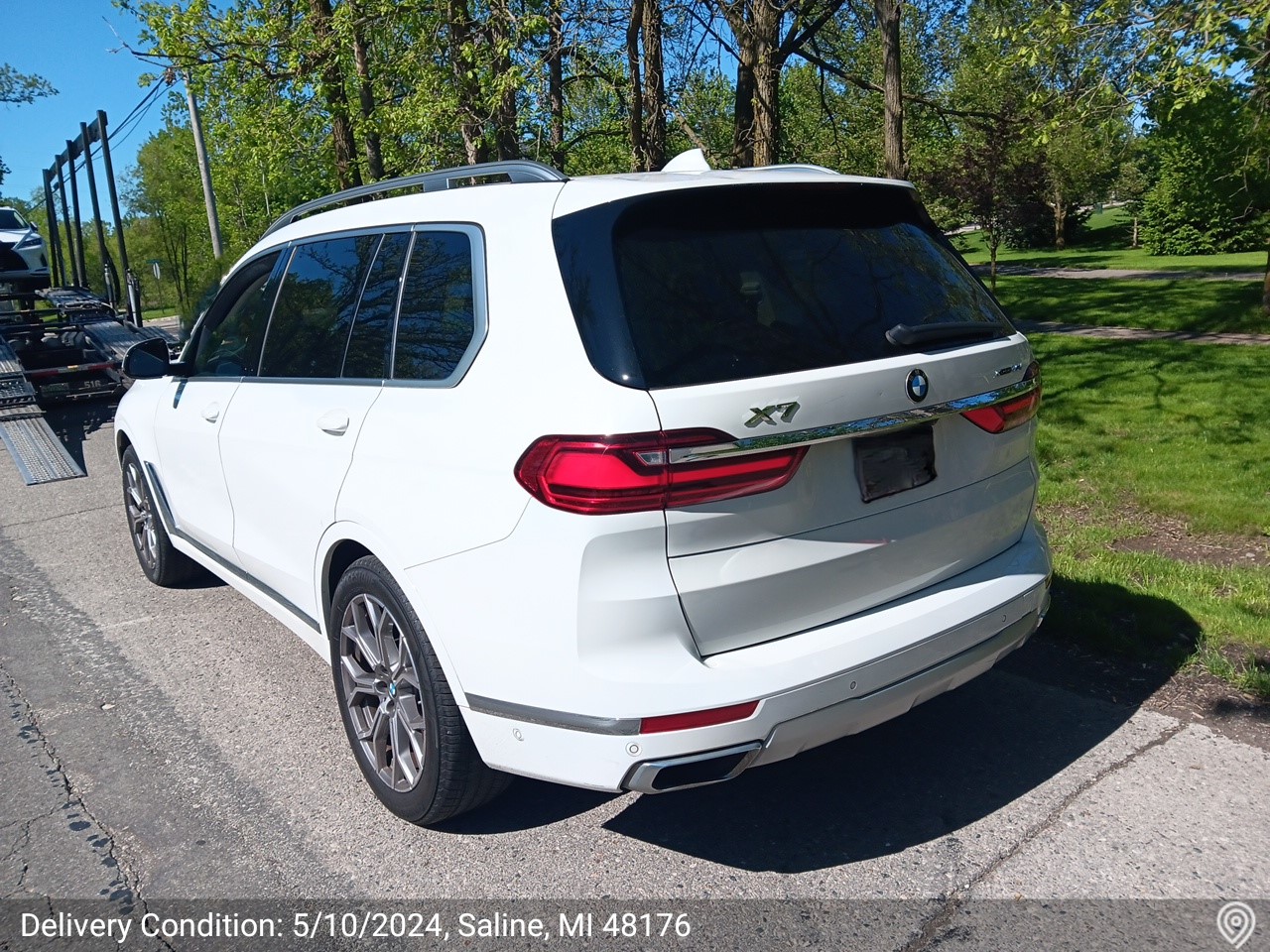
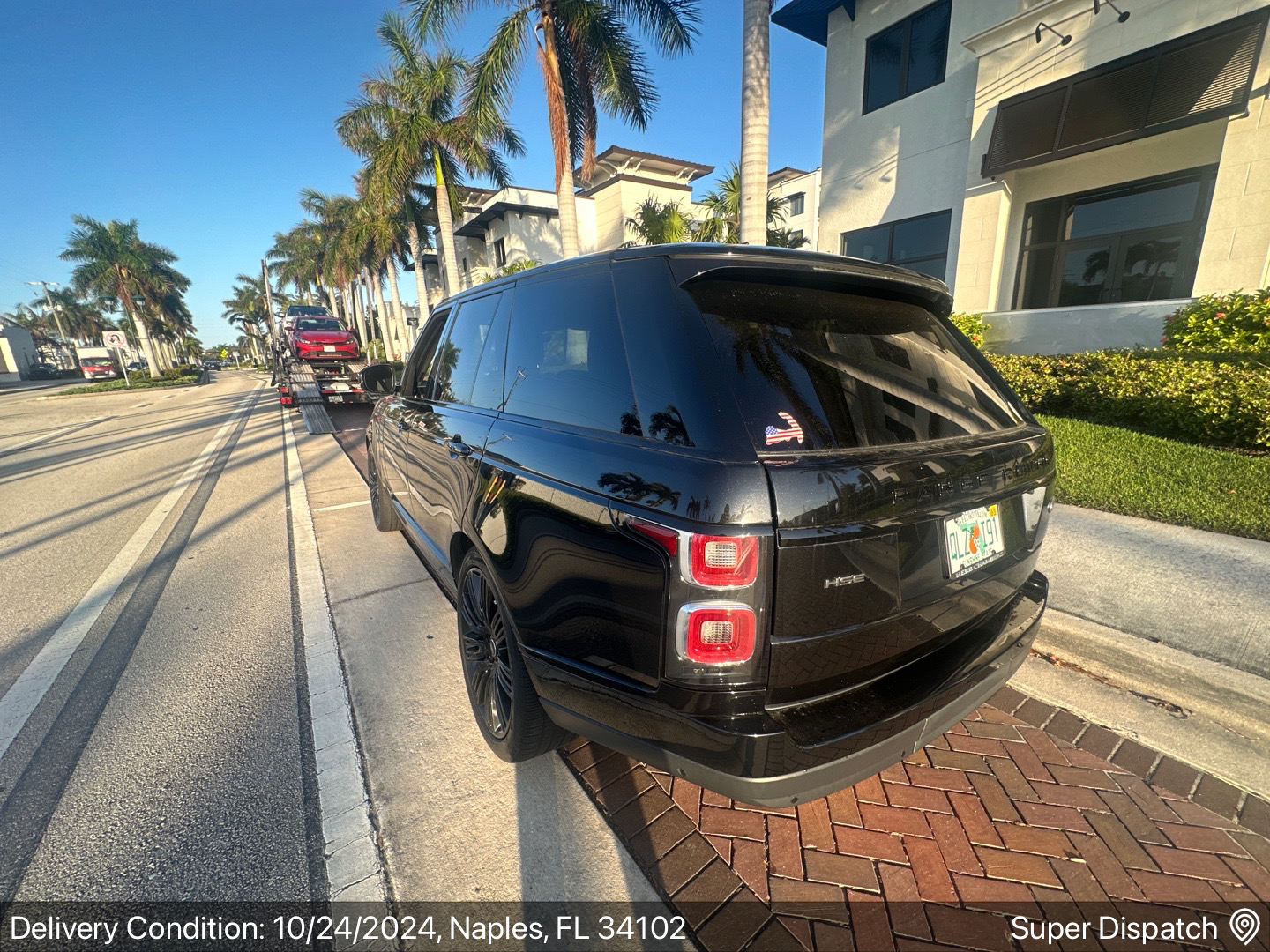
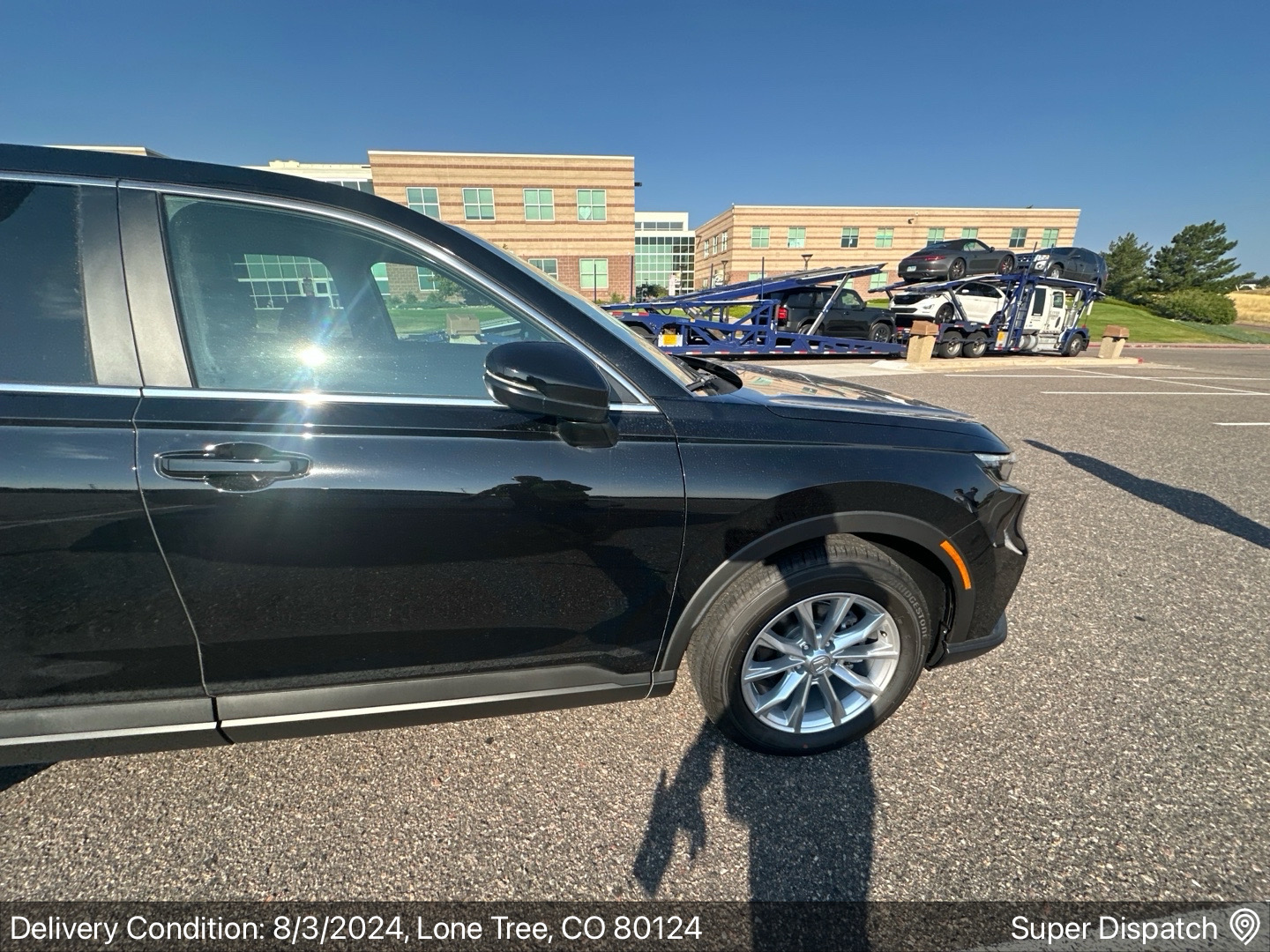
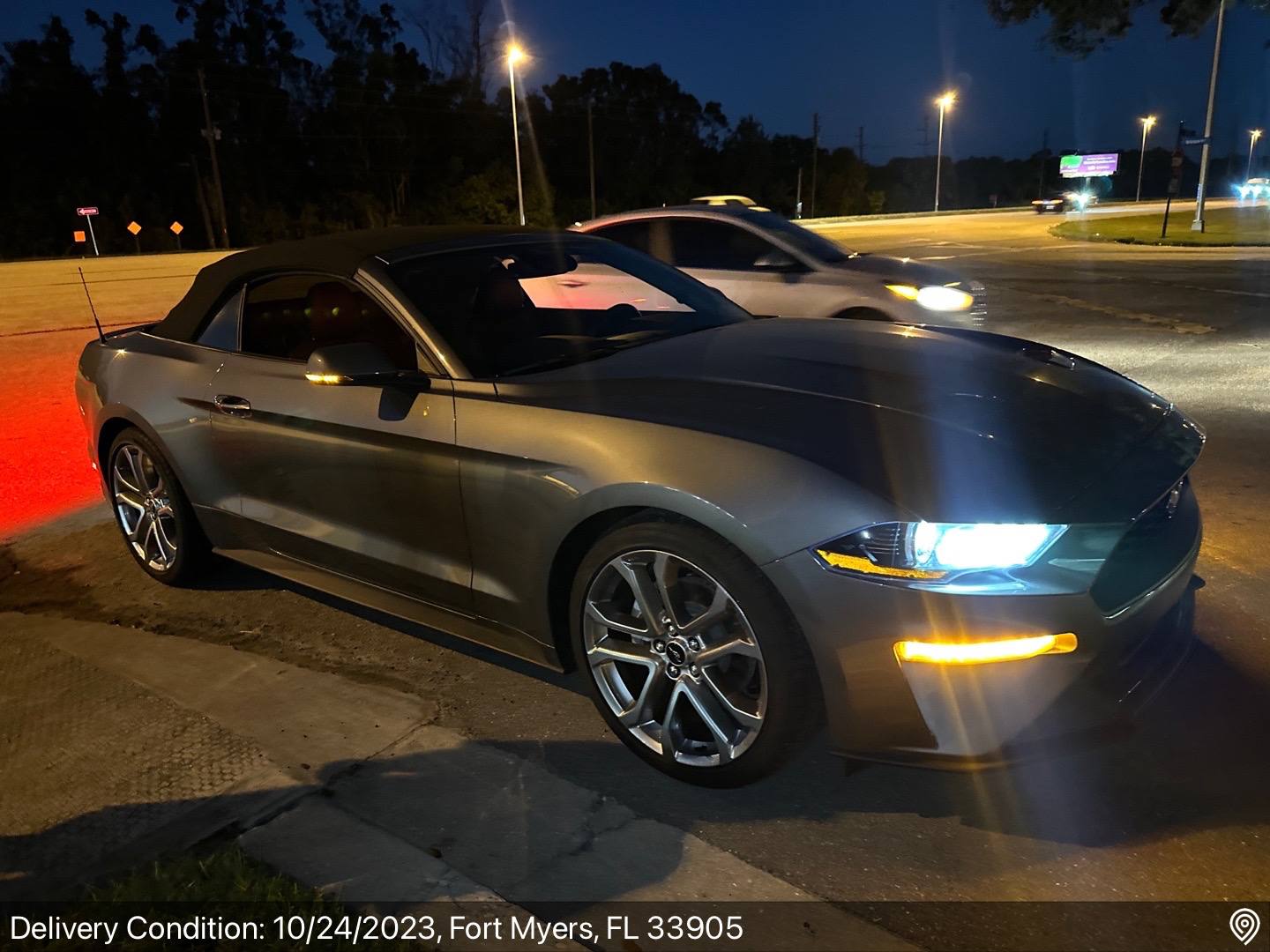
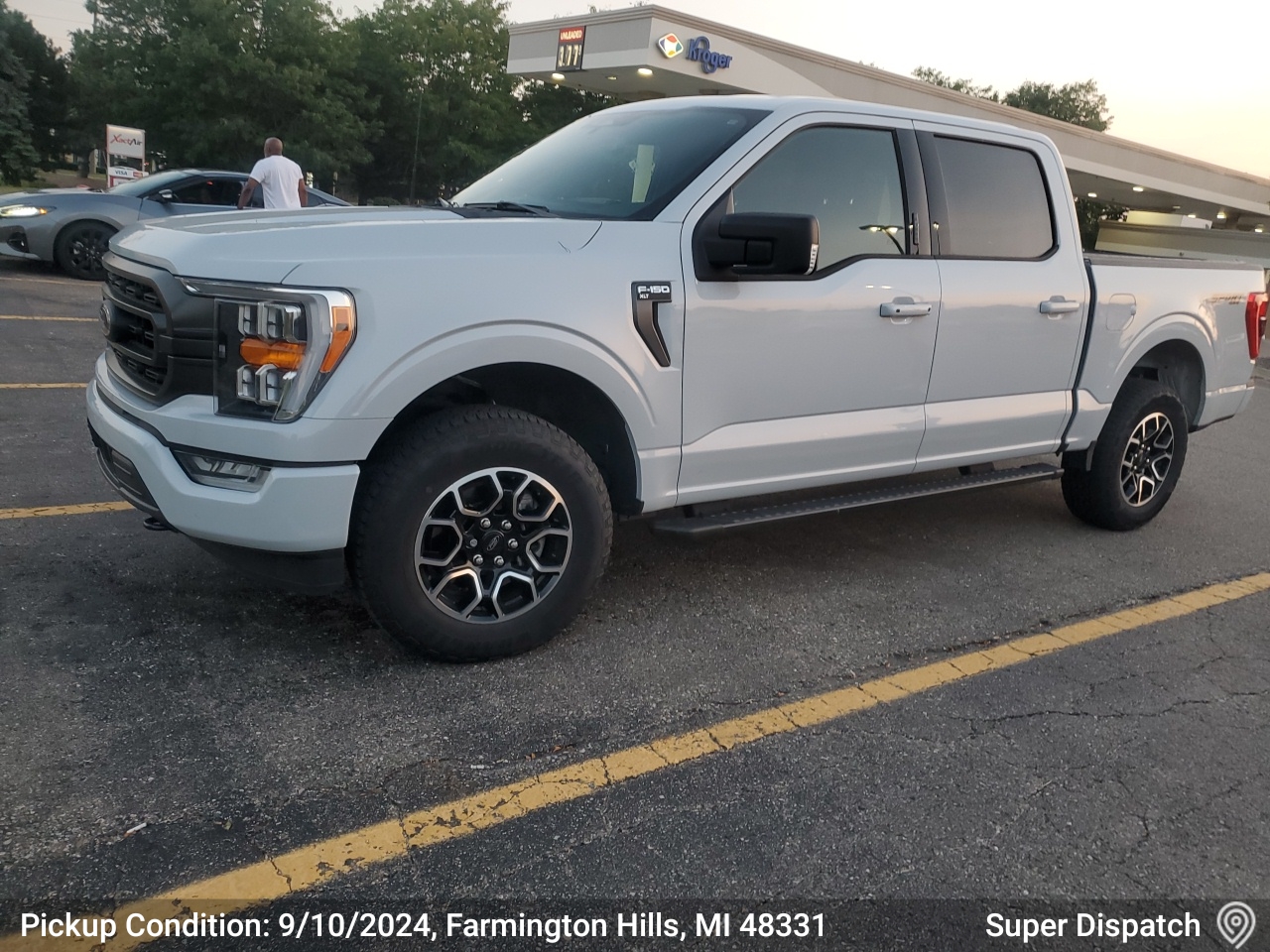
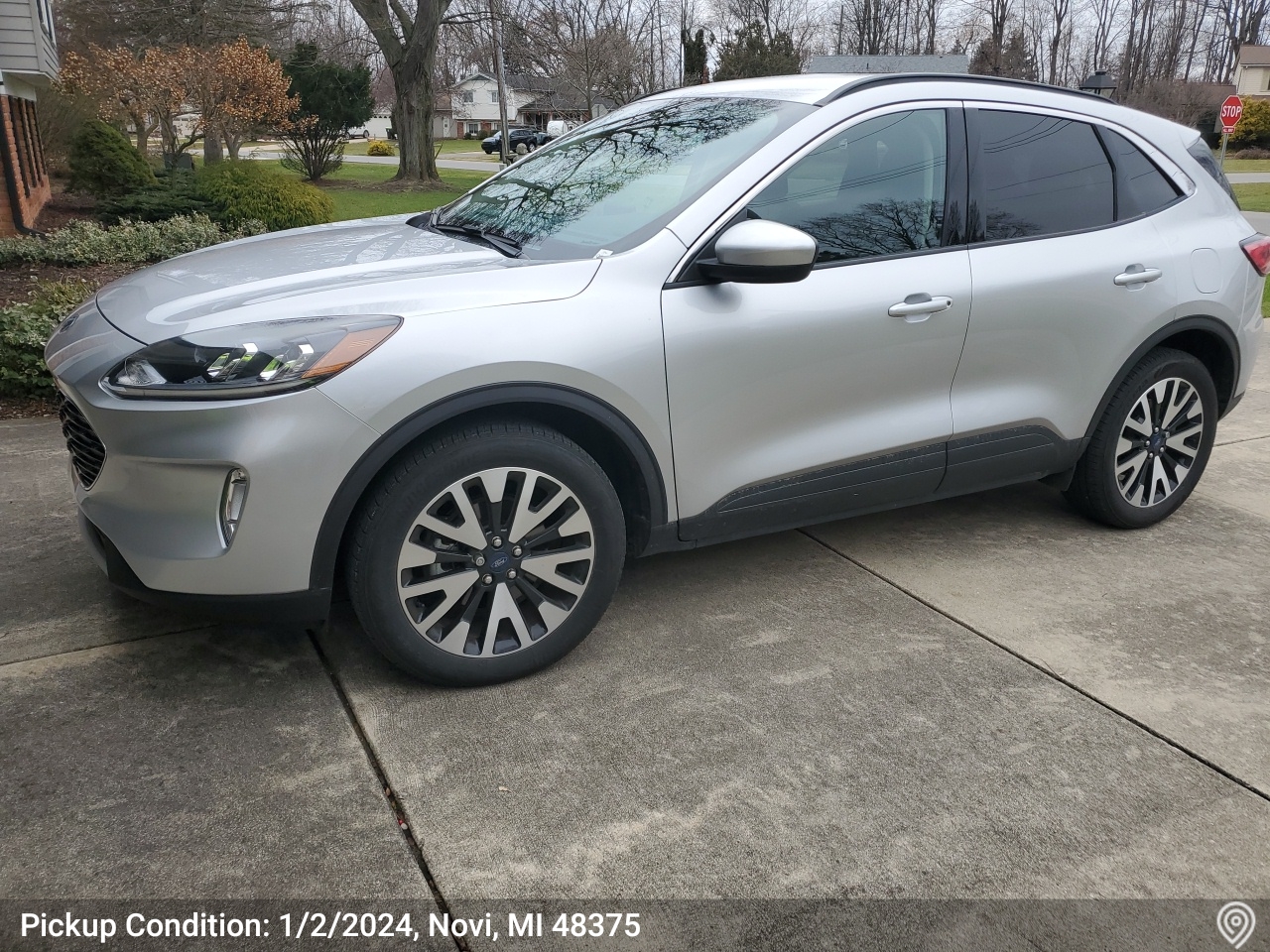
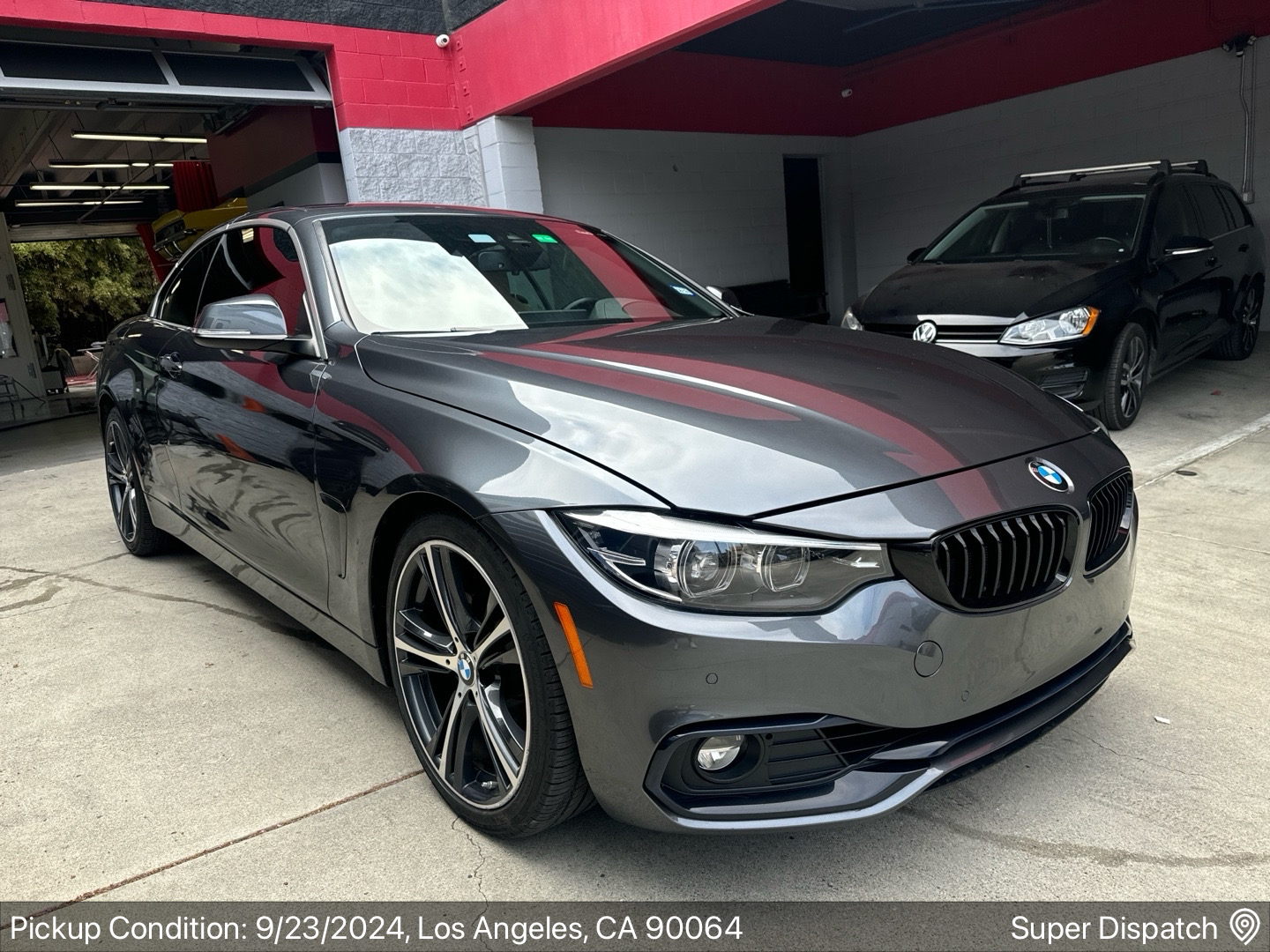
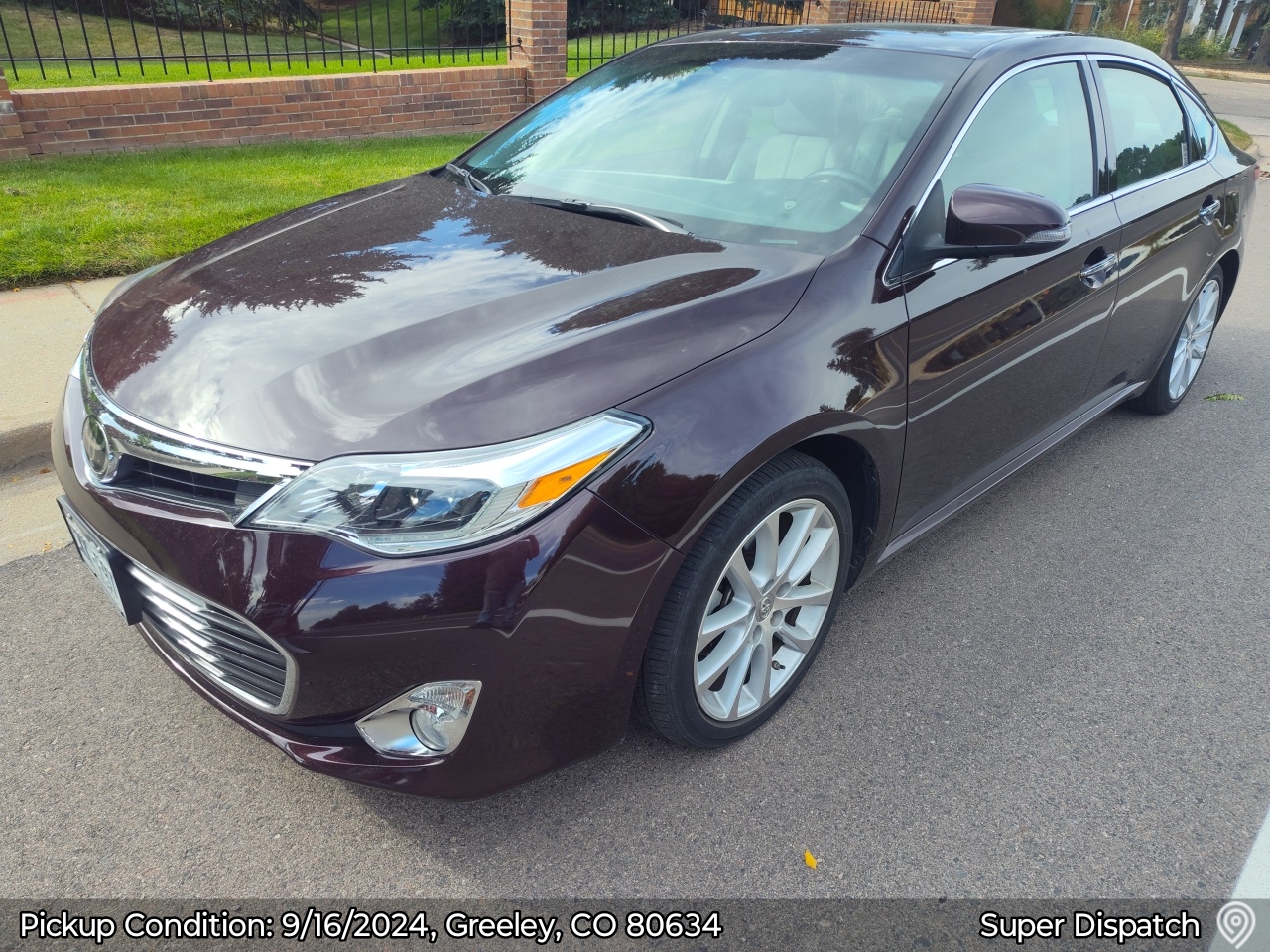
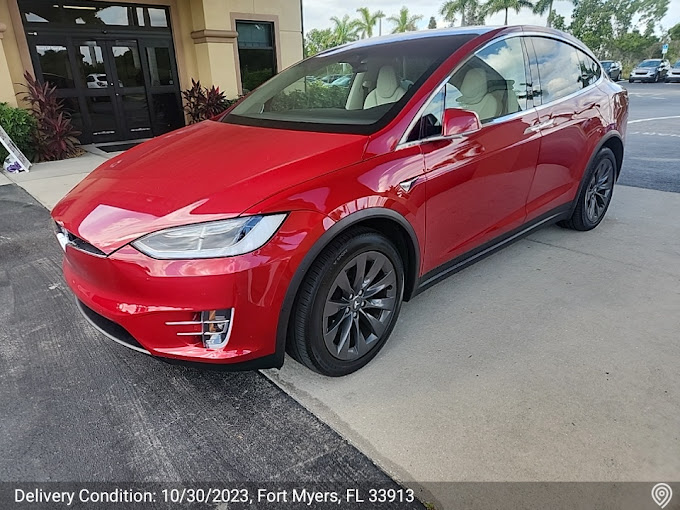
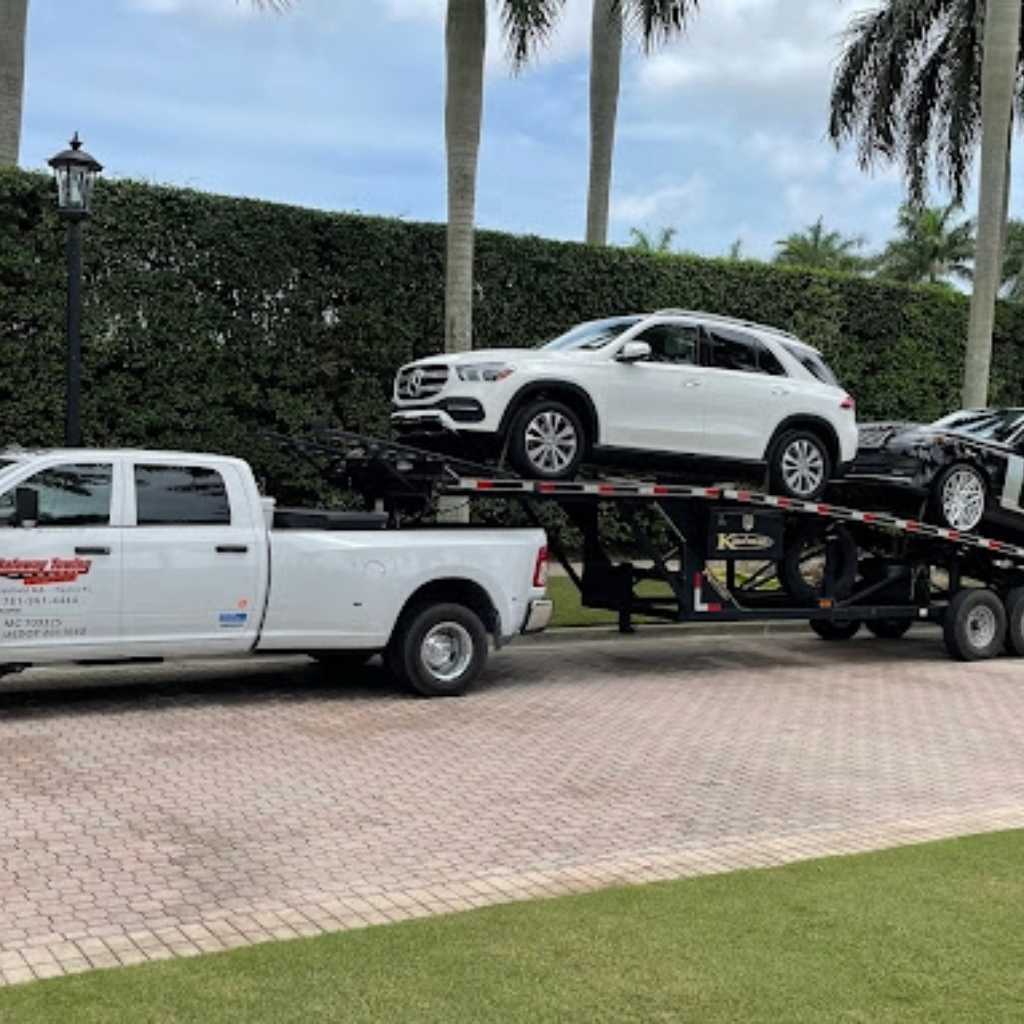
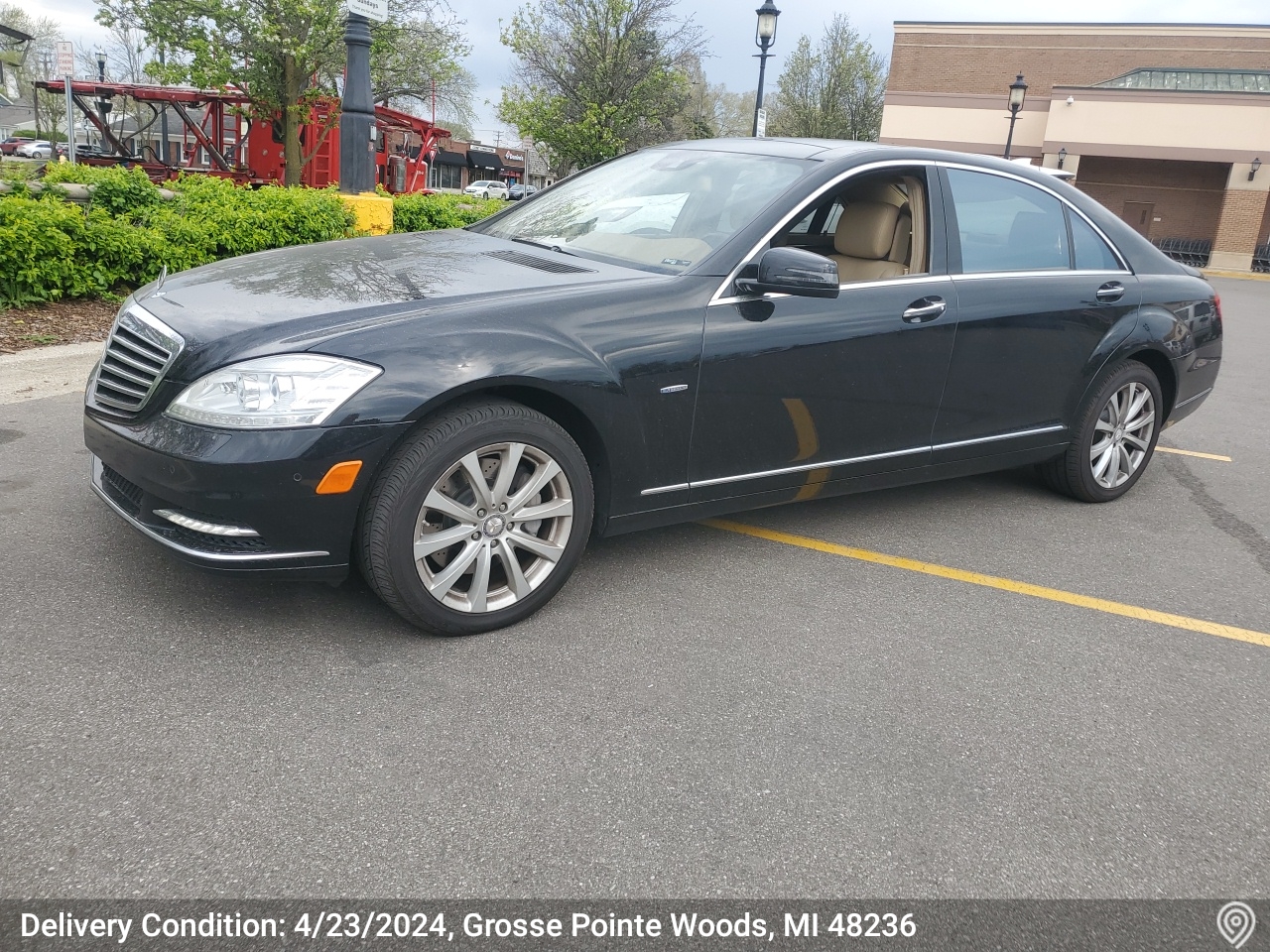
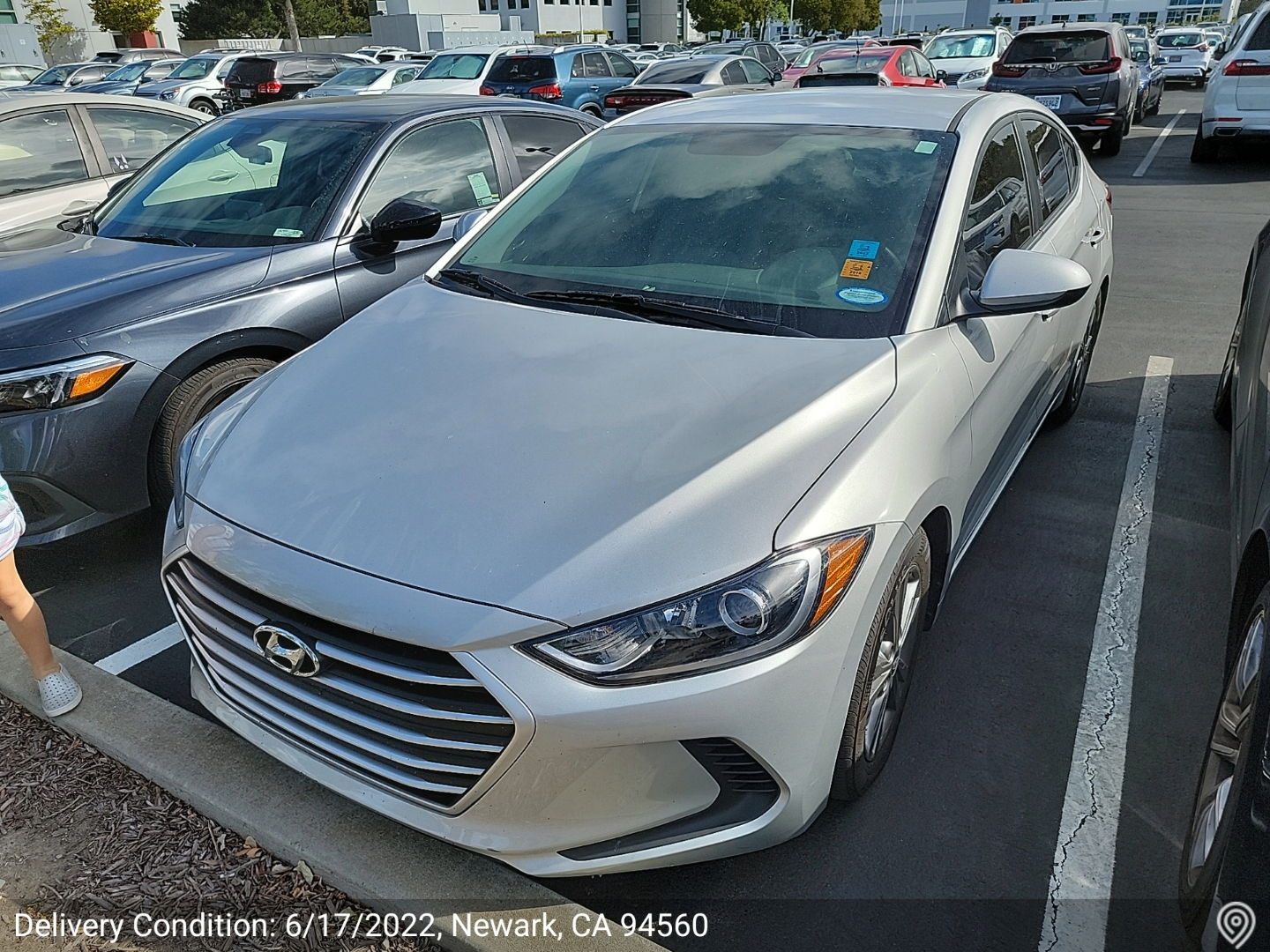
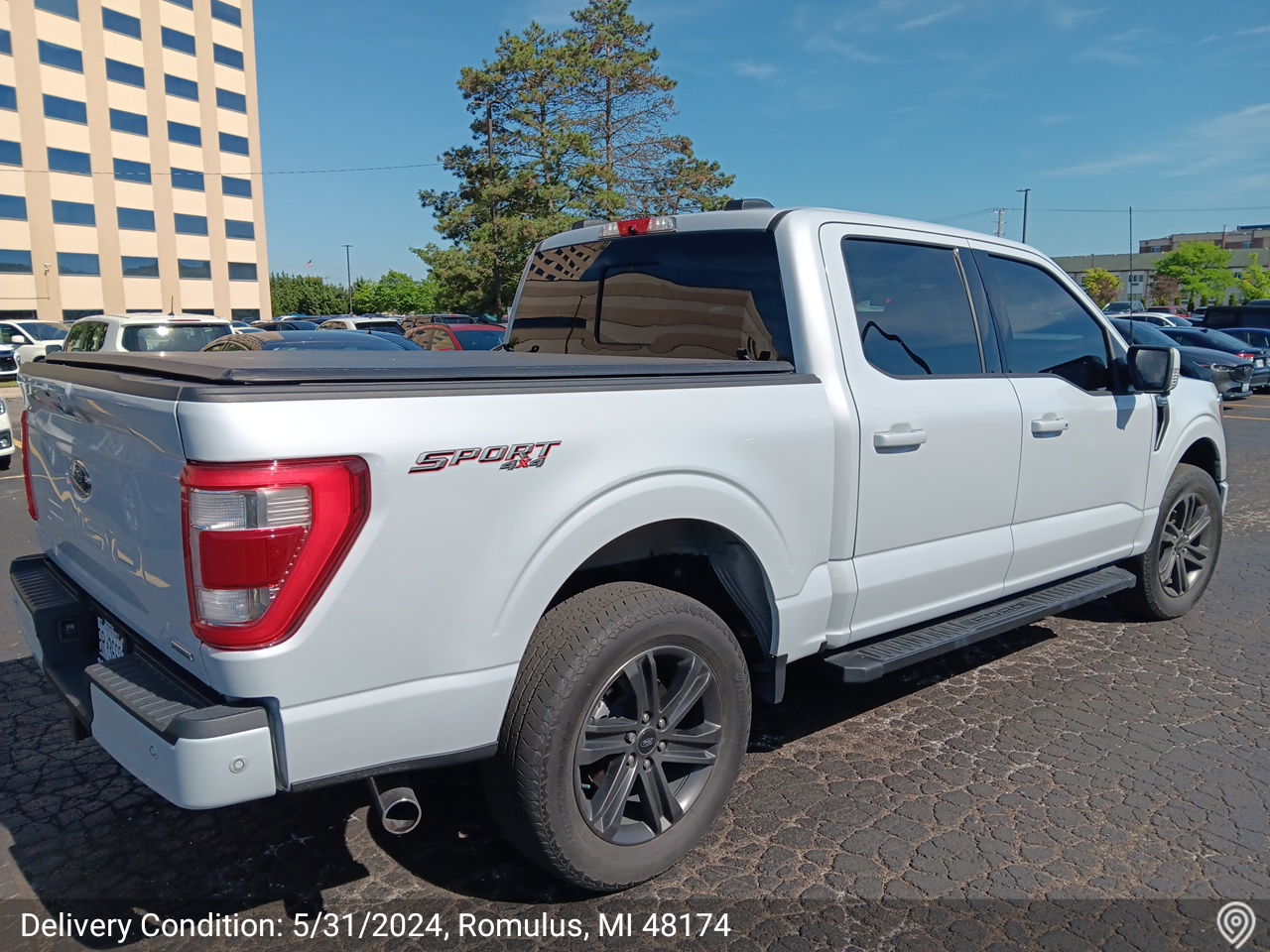
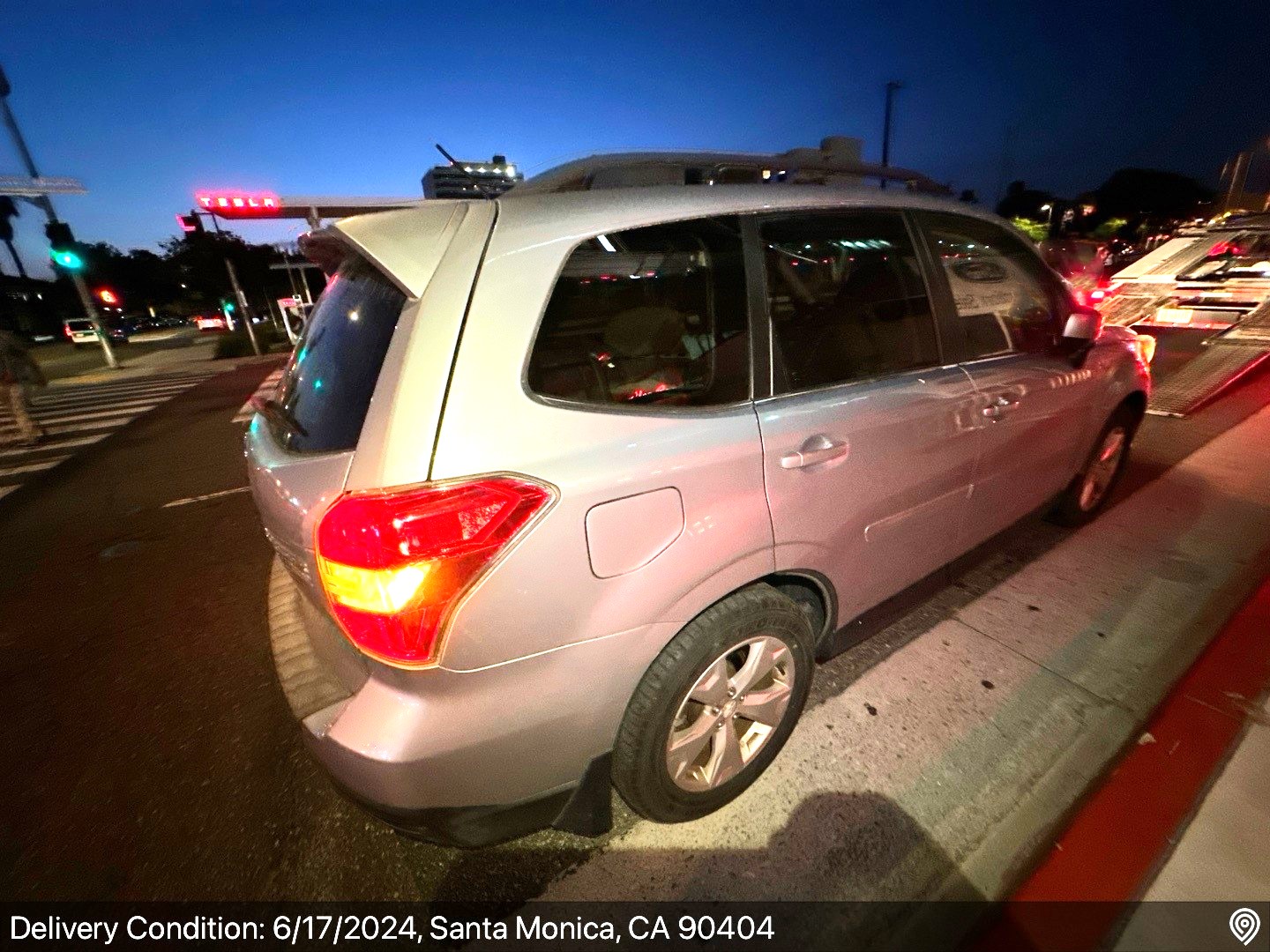
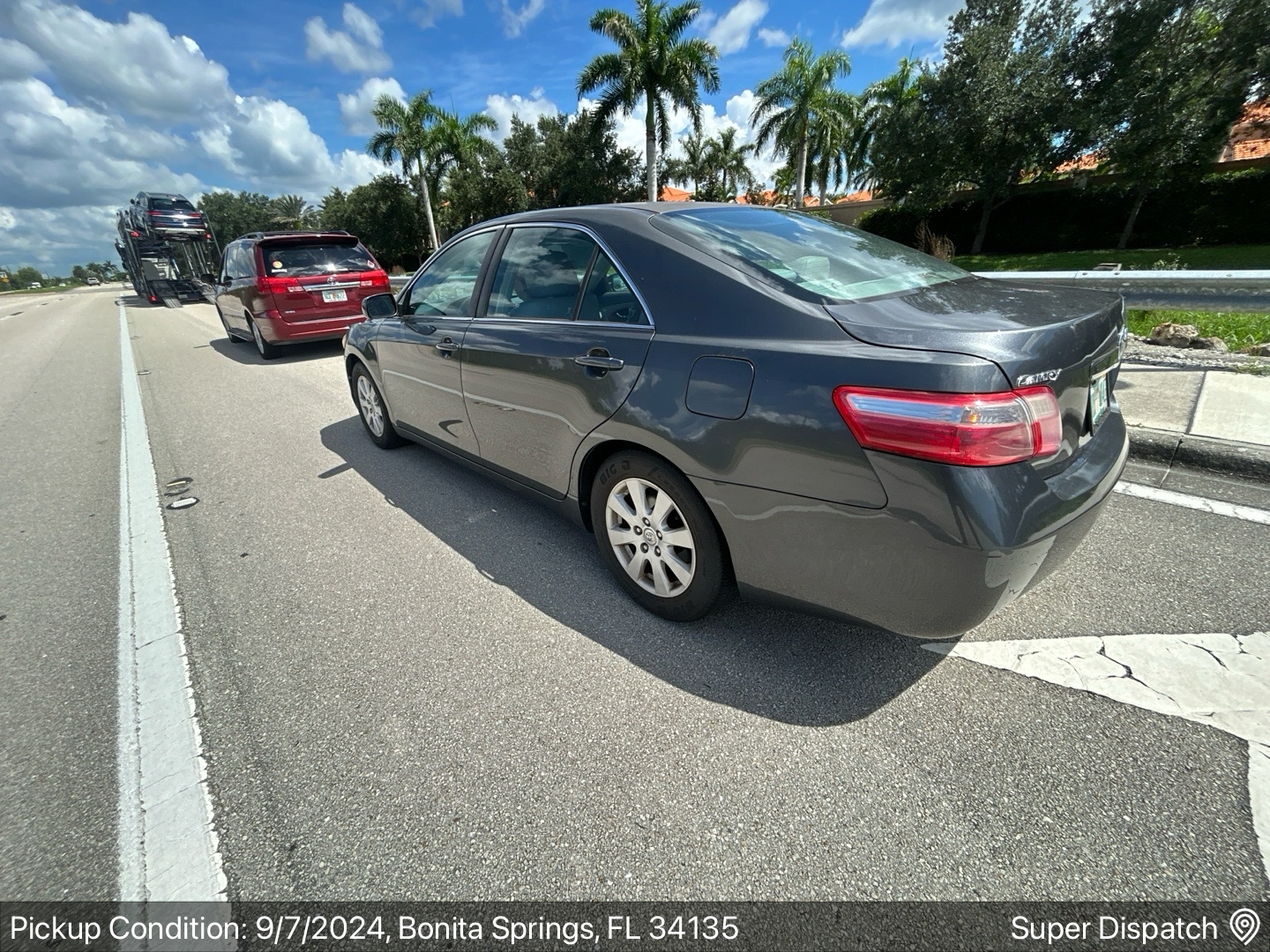
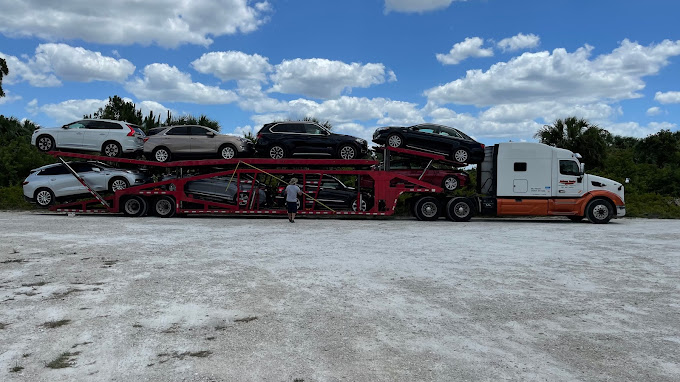
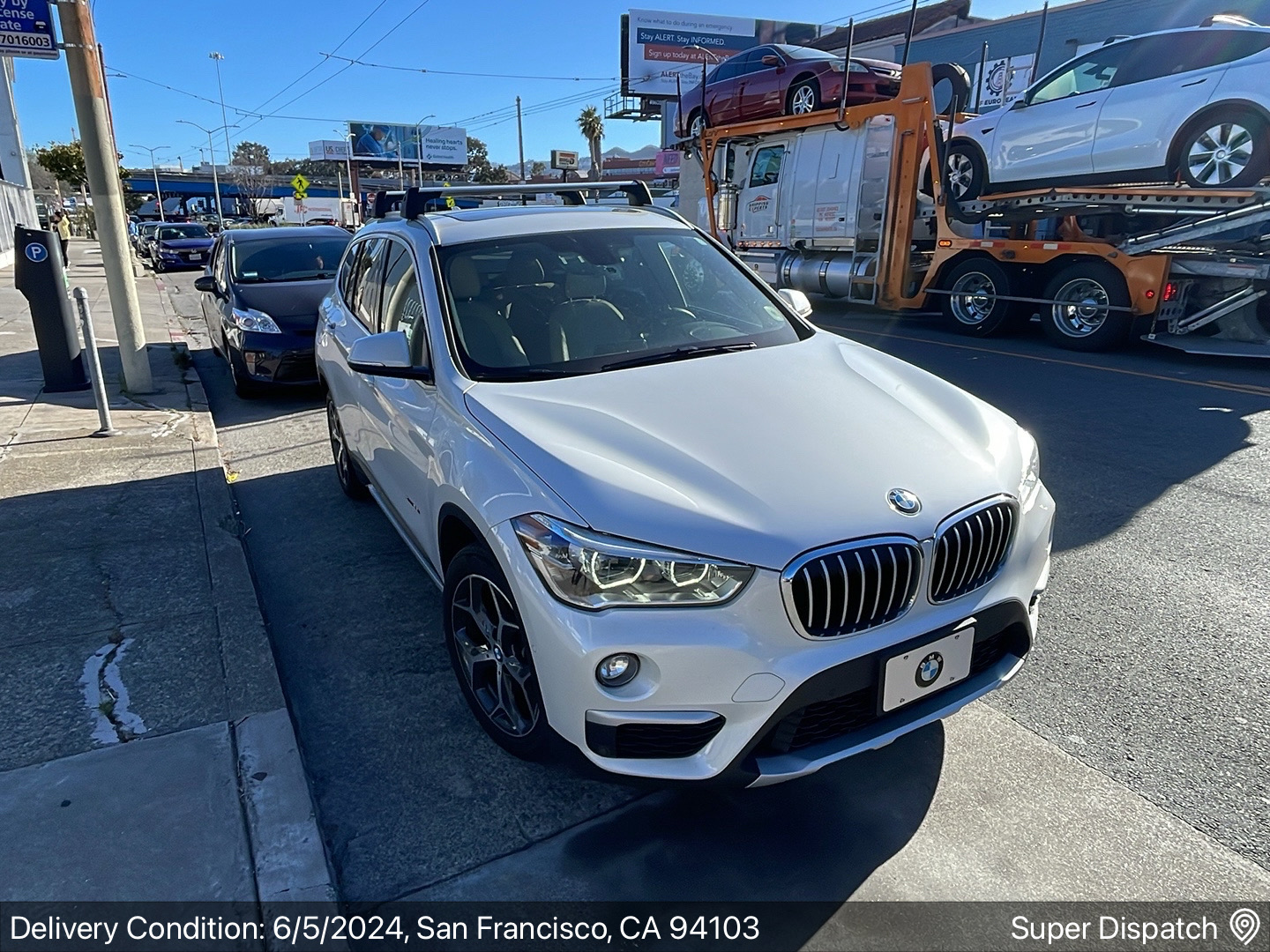
Most car shipping Buffalo NY pickups happen within the standard 3-day window we build around your first available date. Wide residential streets throughout Erie County mean carriers can reach most addresses directly without staging or coordination. Strong carrier availability on the I-90 corridor supports consistent dispatch speed.
Winter is the exception. Lake-effect snow and icy road conditions between November and March can push pickups a day or two beyond the standard window. If you're scheduling auto shipping Buffalo during winter months, build in a buffer and stay in contact with your coordinator as your pickup date approaches.
Buffalo is a textbook snowbird origin market. Each fall, typically October through February, a significant share of residents ship vehicles south to Florida, the Carolinas, and Arizona ahead of the harsh Erie County winters. This outbound surge creates strong competition for southbound carrier space, and booking early is the practical move. Waiting until late November means you're competing with a large pool of customers chasing the same limited carrier slots heading south.
The return wave runs March through June, when northbound shipments from Florida back to Buffalo pick up sharply. Shipping a car from Buffalo during this window is generally well-served because carriers are actively seeking northbound loads to balance their routes. That said, peak weeks in April and May can still tighten availability, so booking two to three weeks ahead remains the right approach for spring returns.
Review your quote, confirm vehicle details and dates. No payment collected until a carrier is assigned.
We dispatch your order to our carrier network. You receive carrier details, insurance info, and estimated pickup window.
Carrier gives you 24 hours advance notice before pickup. Walk-around inspection together, every mark documented on the Bill of Lading, both parties sign.
Track your shipment status through your coordinator. We handle any schedule changes or logistics questions.
24-hour advance notice, then a call when close. Second walk-around inspection — damage during transport is extremely rare, but note any new issues on the Bill of Lading before signing. Once signed without exceptions, claims are extremely difficult to win.
When your carrier is assigned, expect roughly 24 hours advance notice before they arrive. Buffalo's residential neighborhoods handle car haulers without issue, so most pickups happen at your home or workplace. At pickup, the driver conducts a walk-around inspection, documents any pre-existing marks or scratches, and both parties sign the Bill of Lading. Keep a copy. This document is your record for the entire shipment and the foundation of any future claim if needed.
Your driver will call approximately 24 hours before arrival at the destination. Be available or have someone present who can accept the vehicle. At delivery, walk the car carefully and compare its condition against the pickup inspection report. Damage during transport is extremely rare, but if you spot anything new, note it on the Bill of Lading before signing. Once you sign without noting damage, pursuing a claim becomes significantly more difficult. Auto transport services Buffalo customers should treat that final signature as the close of the transaction.
Every carrier in our network is required to carry cargo insurance as a condition of their FMCSA operating authority. Coverage details vary by carrier and are confirmed before your vehicle is dispatched.
At pickup, the driver and you complete a joint vehicle inspection. Every scratch, dent, and existing mark is documented on the Bill of Lading. At delivery, you must carefully compare the vehicle's condition against this record before signing the delivery receipt. If you notice any new damage, note it on the Bill of Lading before you sign. Once you sign the delivery receipt without noting damage, it becomes extremely difficult to file and win a claim. This is the single most important step in protecting yourself during the transport process.
Buffalo's access profile is straightforward. Unlike Manhattan or the boroughs, where 80-foot car haulers cannot navigate most city streets, Erie County neighborhoods offer wide roads and open residential access. Carriers can reach most addresses directly, which keeps door-to-door service the default rather than the exception.
The one variable worth noting is winter. Between November and March, heavy snowfall and icy conditions can affect carrier maneuvering even on otherwise accessible streets. If your driveway or street is unplowed during a scheduled pickup, coordinate with your carrier on a nearby cleared location. Open transport Buffalo shipments are the norm here, though enclosed car shipping Buffalo is available for high-value or classic vehicles at a premium of 40 to 60 percent above open transport rates.
Relocating Residents — Buffalo's healthcare institutions and manufacturing employers generate steady job-related moves. Whether you're heading to New York City, the Midwest, or the Southeast, car transport Buffalo options along I-90 keep scheduling predictable. Request a free car shipping quote to get current pricing for your route.
University at Buffalo Students — With tens of thousands of students arriving and departing each academic year, student vehicle moves are a consistent part of the ship a car from Buffalo market. Fall and spring move-out windows are the busiest periods, so book early.
Snowbirds — Seasonal residents shipping south each fall and returning each spring represent the largest demand segment in this market. Buffalo auto transport volume spikes October through February outbound and March through June inbound. Early booking is essential.
Dealerships and Wholesale Buyers — Erie County dealers moving inventory between auctions or to buyers across the Northeast use Buffalo car shipping companies regularly. Multi-vehicle scheduling is available through our carrier network.
Distance and seasonal demand are the primary cost drivers for Buffalo vehicle shipping. Fall snowbird departures to Florida push rates higher on southbound routes, while summer moves tied to University at Buffalo create their own demand spikes. Vehicle type and whether the car is operable also factor in. Request a Buffalo car shipping quote for your specific route.
Buffalo's position on I-90 gives carriers direct access to major Northeast corridors, which supports regular route frequency through New York. Westbound shipments toward the Midwest and southbound routes to the mid-Atlantic benefit from this connectivity. For auto transport Buffalo NY timing, select your route above for details.
Yes. Buffalo's residential neighborhoods, from Elmwood Village to the Northtowns suburbs, feature standard-width streets that accommodate car haulers. We coordinate door-to-door service when you ship a car to Buffalo where road conditions and vehicle access permit throughout the greater Erie County area.
Open transport Buffalo works well for most vehicles shipping to or from Buffalo, including everyday sedans and SUVs. For classic cars, luxury vehicles, or anything needing extra protection from winter road conditions in New York, enclosed car shipping Buffalo provides added shielding. Enclosed availability is more limited than open transport, and pricing is typically higher, so plan accordingly.
Late spring through early fall offers the most favorable shipping conditions in Buffalo, avoiding lake-effect snow and winter road hazards. Snowbird season in October and November creates heavy southbound demand from New York to Florida and the Carolinas, which can tighten capacity and push rates upward on those routes. Scheduling during this stretch gives you the best options to ship a car from Buffalo.
Someone 18 or older must be present at both ends to authorize the shipment and sign the Bill of Lading. If you cannot attend personally, designate a trusted representative — a friend, family member, or dealership contact — to handle the vehicle inspection and paperwork on your behalf.
Yes. Every carrier in our network carries cargo insurance as required by their FMCSA operating authority. Coverage specifics are confirmed before dispatch. At both pickup and delivery, you complete a joint vehicle inspection documented on a Bill of Lading — this protects you if any issue arises.
Yes, we transport non-running vehicles to Buffalo. The vehicle needs to roll, steer, and brake for standard loading. Vehicles that cannot roll may require a winch or forklift at additional cost. Mention the vehicle's condition when requesting your quote.
Wash the exterior so scratches and dents are visible during inspection. Remove toll transponders, parking passes, and loose interior items. Leave roughly a quarter tank of fuel. Disable aftermarket alarms. Take dated photos of all sides, roof, and odometer before the carrier arrives for your records.
Most carriers allow personal belongings in the trunk or cargo area up to about 100 pounds. Items must stay below the window line and cannot be fragile or high-value. Personal items are not covered under carrier cargo insurance, so keep the vehicle as empty as practical.