Door-to-door car shipping with fully insured carriers. No upfront payment.
Bear auto transport runs through one of the most carrier-dense corridors on the East Coast. Positioned in suburban New Castle County just twelve miles south of Wilmington, Bear sits where US-13 and the DE-1 toll road feed directly into I-95 — a mainline that carriers run continuously between Philadelphia and Baltimore. That constant mid-Atlantic traffic gives Bear reliable access to both northbound and southbound routes, making car shipping Bear de a practical option for residents who might otherwise expect limited service from a smaller Delaware market. Common corridors include the Philadelphia-to-Baltimore run and the longer haul south toward Florida.
As a Tier 3 market, Bear benefits from proximity to Wilmington's carrier concentration rather than generating heavy local volume on its own. Scheduling Bear auto transport two weeks ahead gives dispatchers time to match your shipment with a carrier already running the I-95 corridor. Standard residential and commercial locations here present no unusual access challenges, so the main variable is lead time, not logistics.
Bear sits in suburban New Castle County where Bear auto transport demand is largely driven by job relocations connected to Wilmington's financial services and chemical industry employers. Families moving within the I-95 mid-Atlantic corridor between Philadelphia, Baltimore, and Washington, D.C. account for a significant share of car shipping Bear de requests, along with retirees heading south seasonally.
As a Tier 3 market, Bear benefits from its proximity to the I-95 mainline through Wilmington, where most carriers passing through Delaware concentrate. The DE-1 toll road and US-13 provide local connectivity, but scheduling a couple of weeks ahead helps match shipments with carriers already running these routes. Auto transport Bear de options expand when flexible pickup windows align with existing carrier schedules.
Delaware's winter weather can affect scheduling between December and March. Snow and ice events occasionally delay pickups across New Castle County, and carriers may adjust routes during storms. Bear's snowbird-origin pattern also means fall demand increases as residents ship vehicles to southern destinations, tightening capacity on southbound routes during peak migration months.
Everything went smoothly. The company called us to arrange the pick up, gave us updates on status, and gave us the keys upon arrival. Absolutely hassle-free.
For a fair price we had our vehicle delivered earlier than expected. The driver went the extra mile to help my mom have a stress free experience.
ATP went above and beyond after being let down by others. We shipped an F350 Dually from Florida to Indiana. Met every commitment.
Bear car shipping cost tracks closely with distance and vehicle type rather than local market premiums. Because Bear sits on the I-95 corridor with steady carrier flow through Wilmington, rates here are generally in line with comparable mid-Atlantic suburban markets — neither inflated by urban congestion nor discounted by rural isolation. Bear auto transport pricing benefits from that corridor competition, particularly on heavily traveled routes toward Florida, the Carolinas, and the Northeast.
Fall southbound demand does tighten capacity as Delaware snowbirds begin shipping vehicles south between October and February, which can push rates modestly higher on those routes during peak months. Open transport Bear is the standard choice for most shipments; enclosed car shipping Bear runs 40 to 60 percent more and is typically reserved for high-value or classic vehicles. Book early in the fall migration window to lock in better availability. Get your free auto transport quote today.
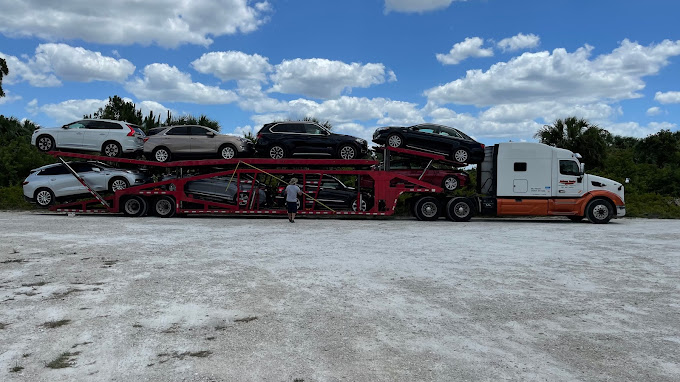
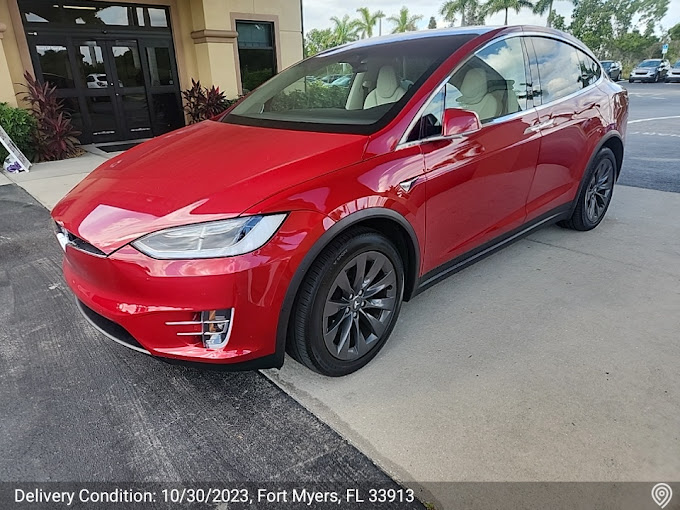
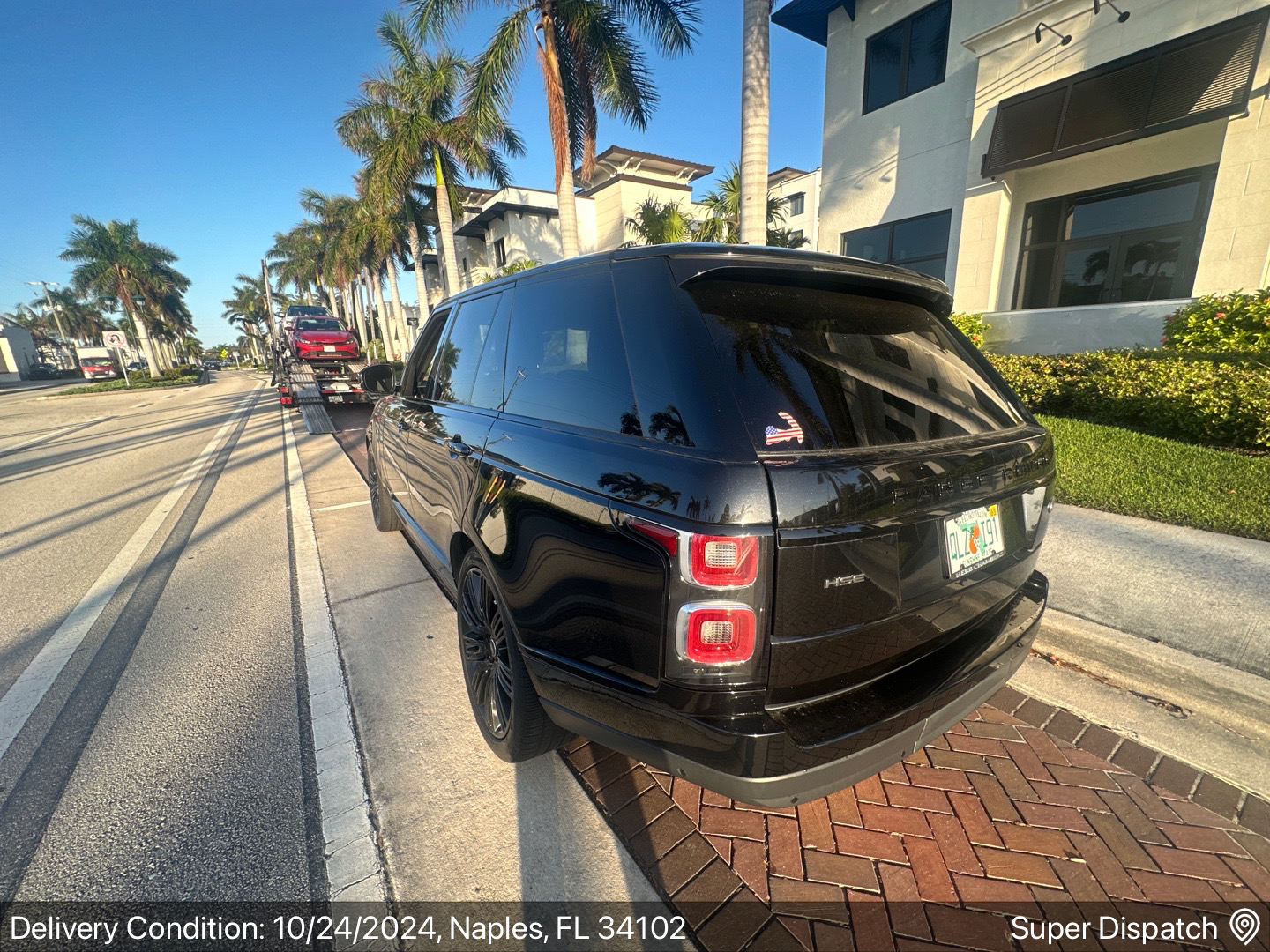
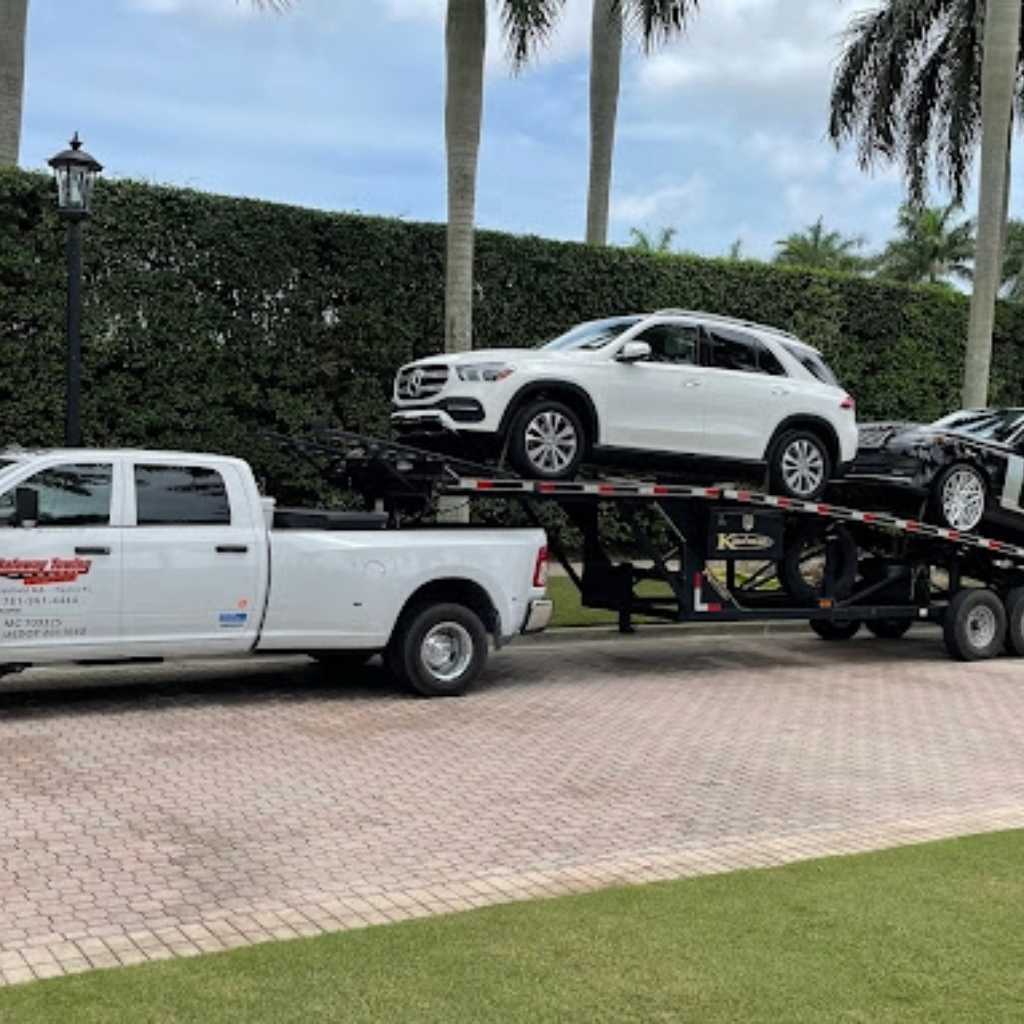
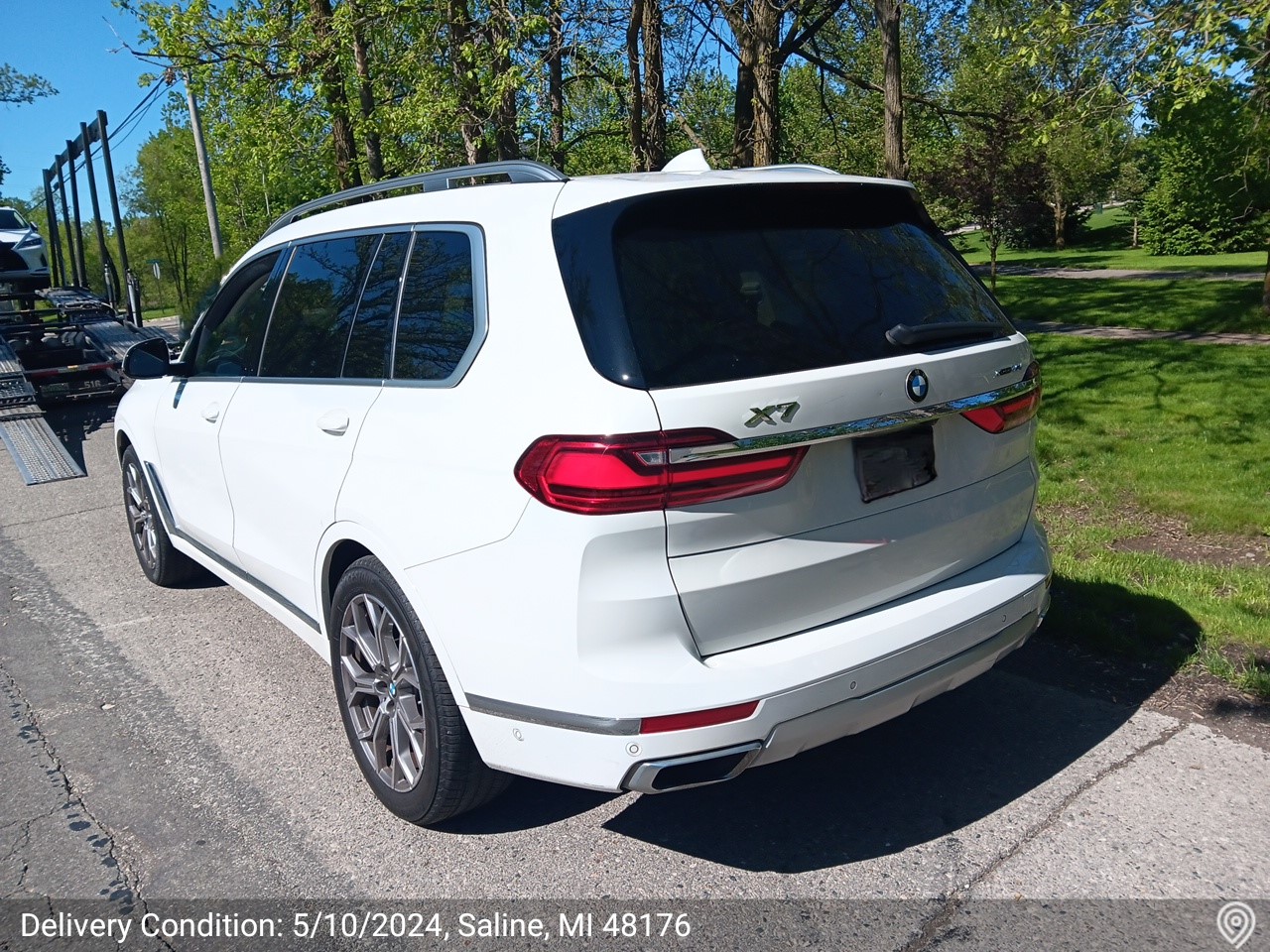
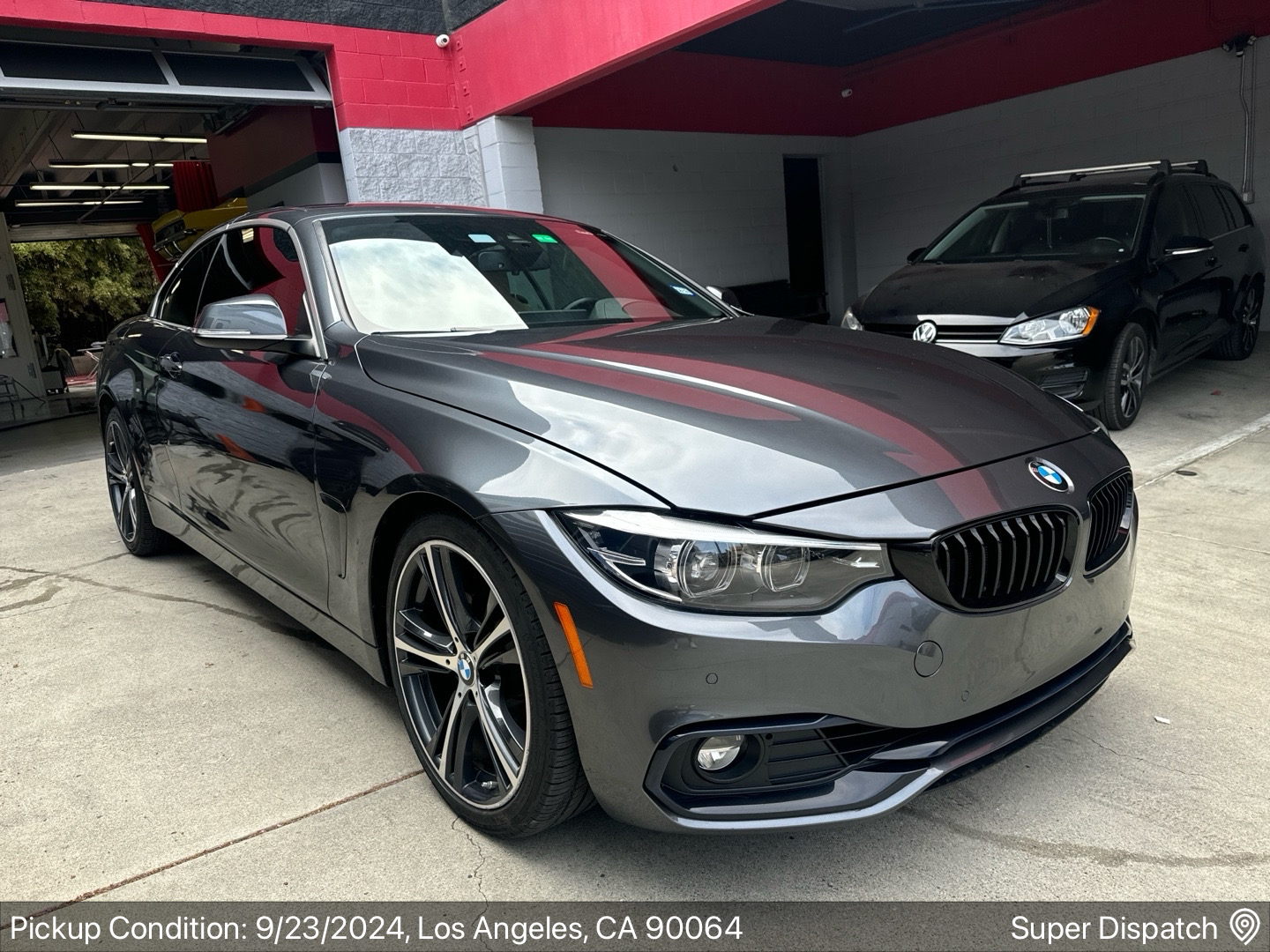
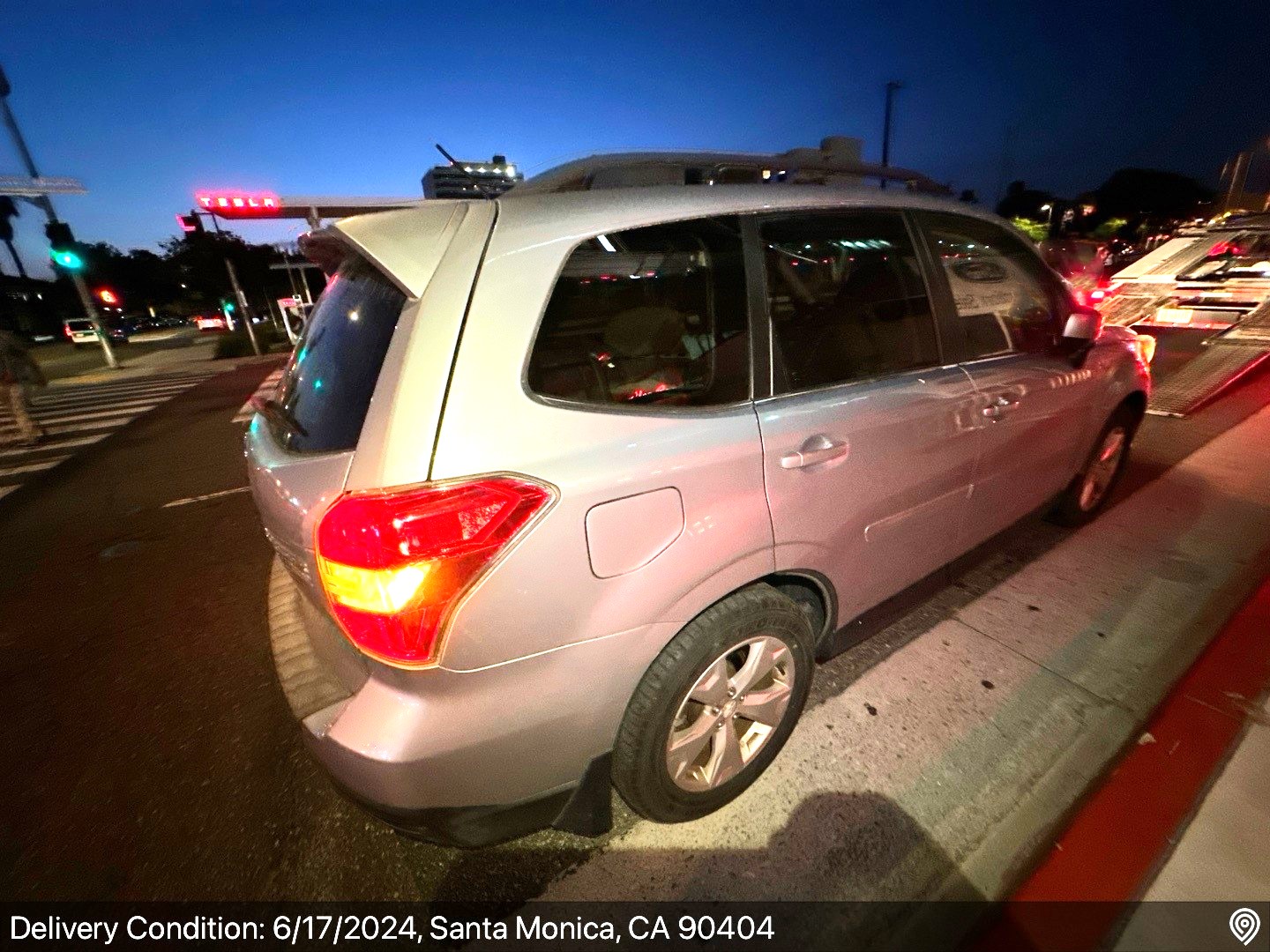
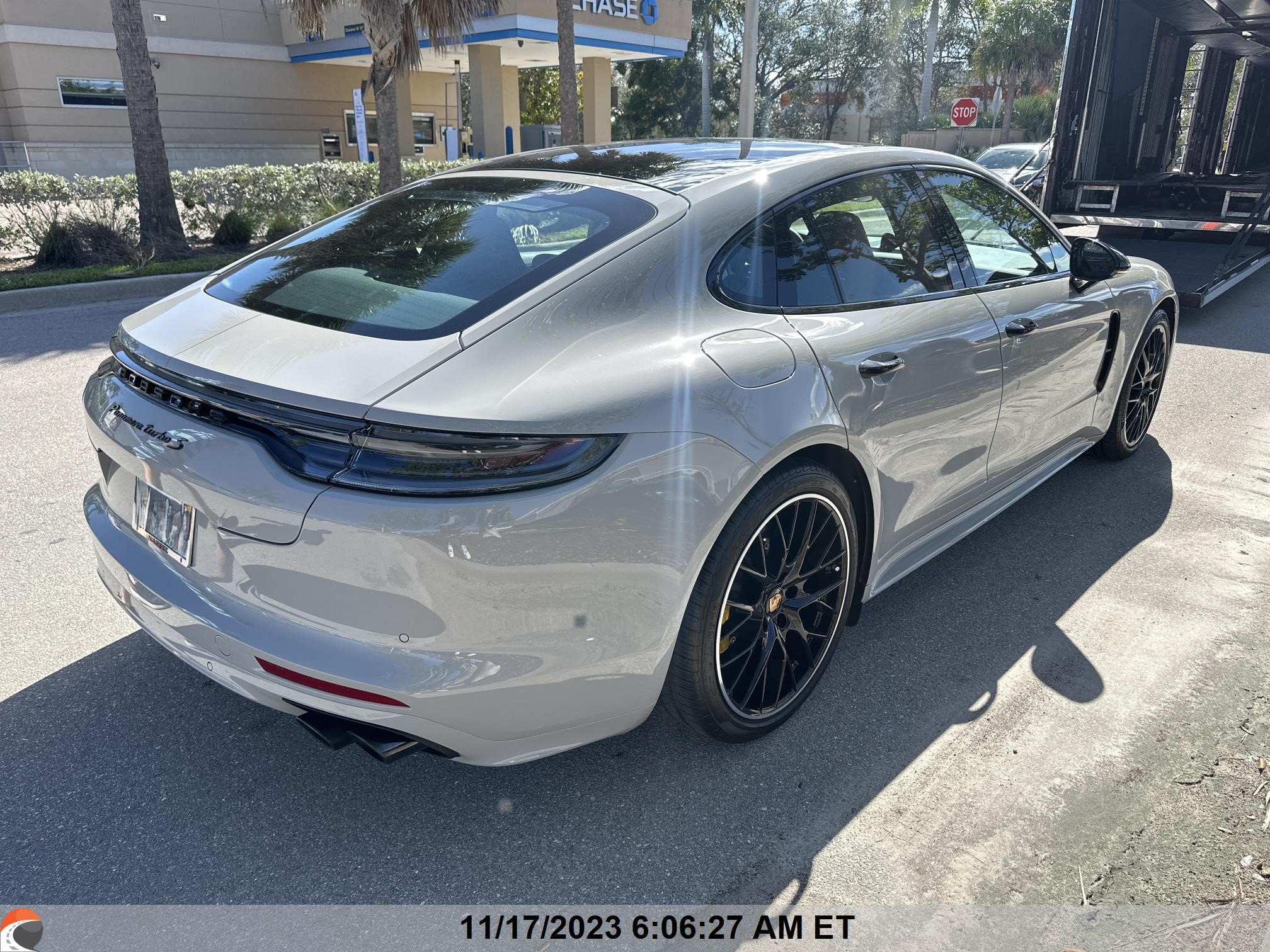
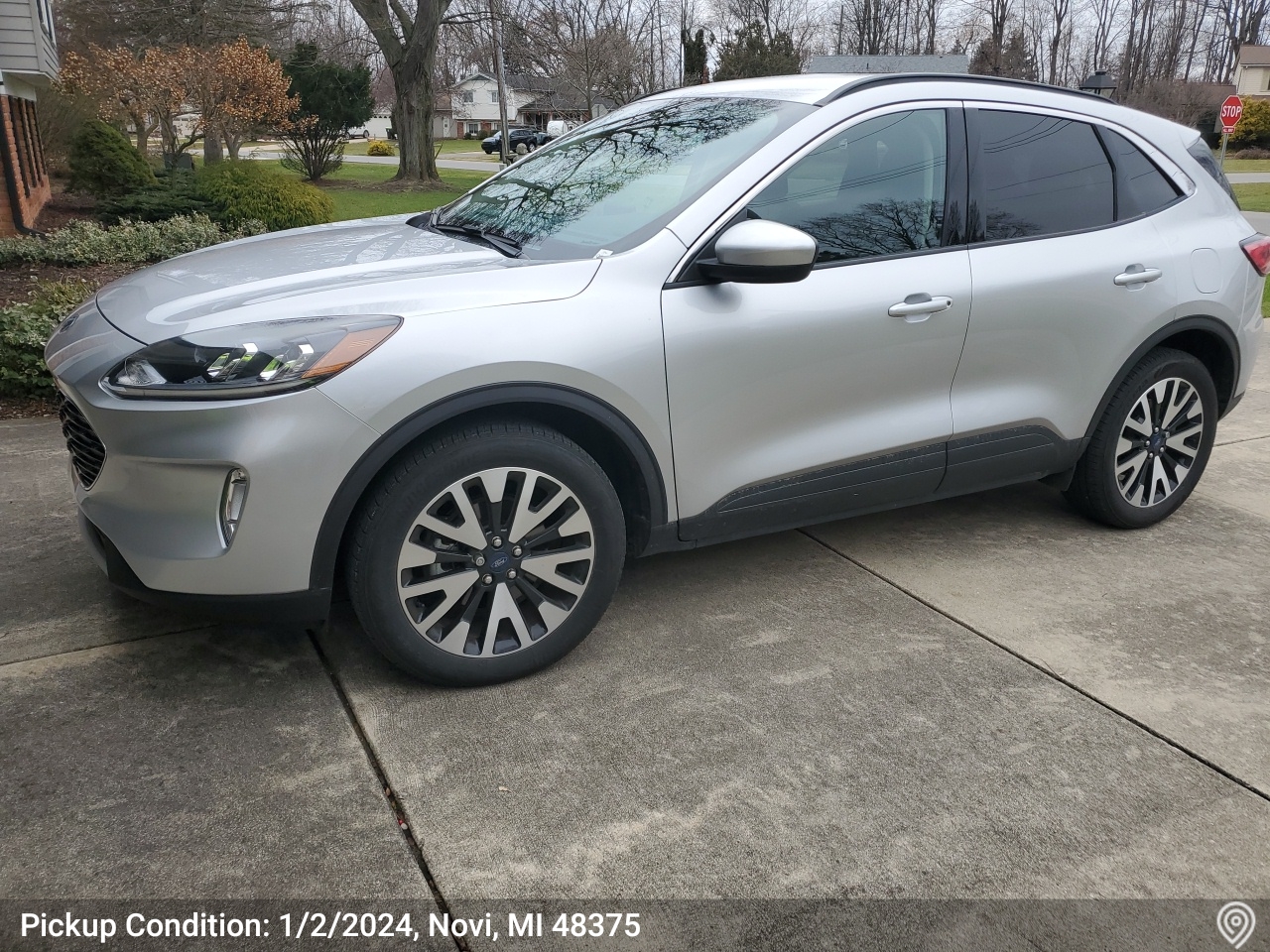
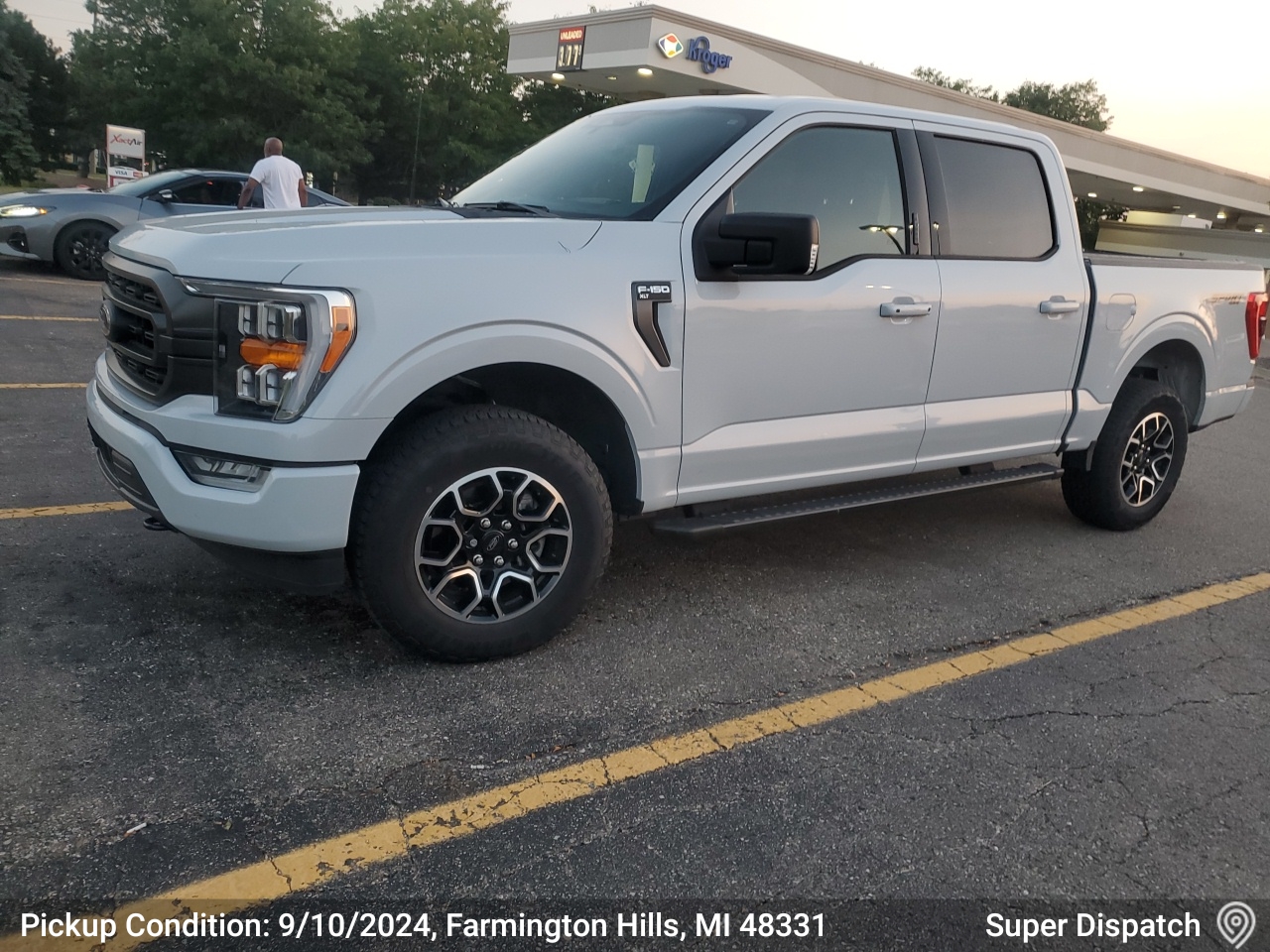
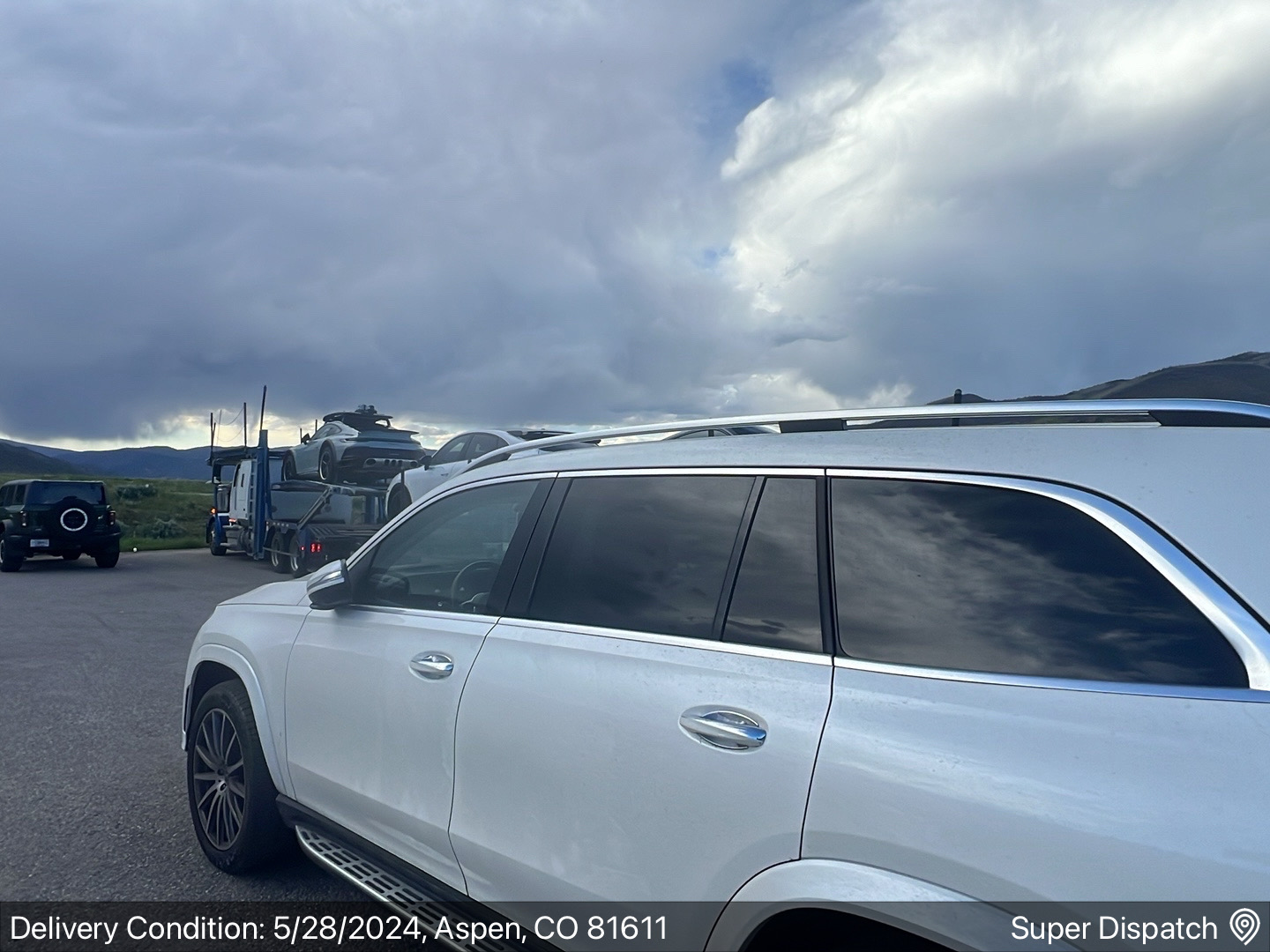
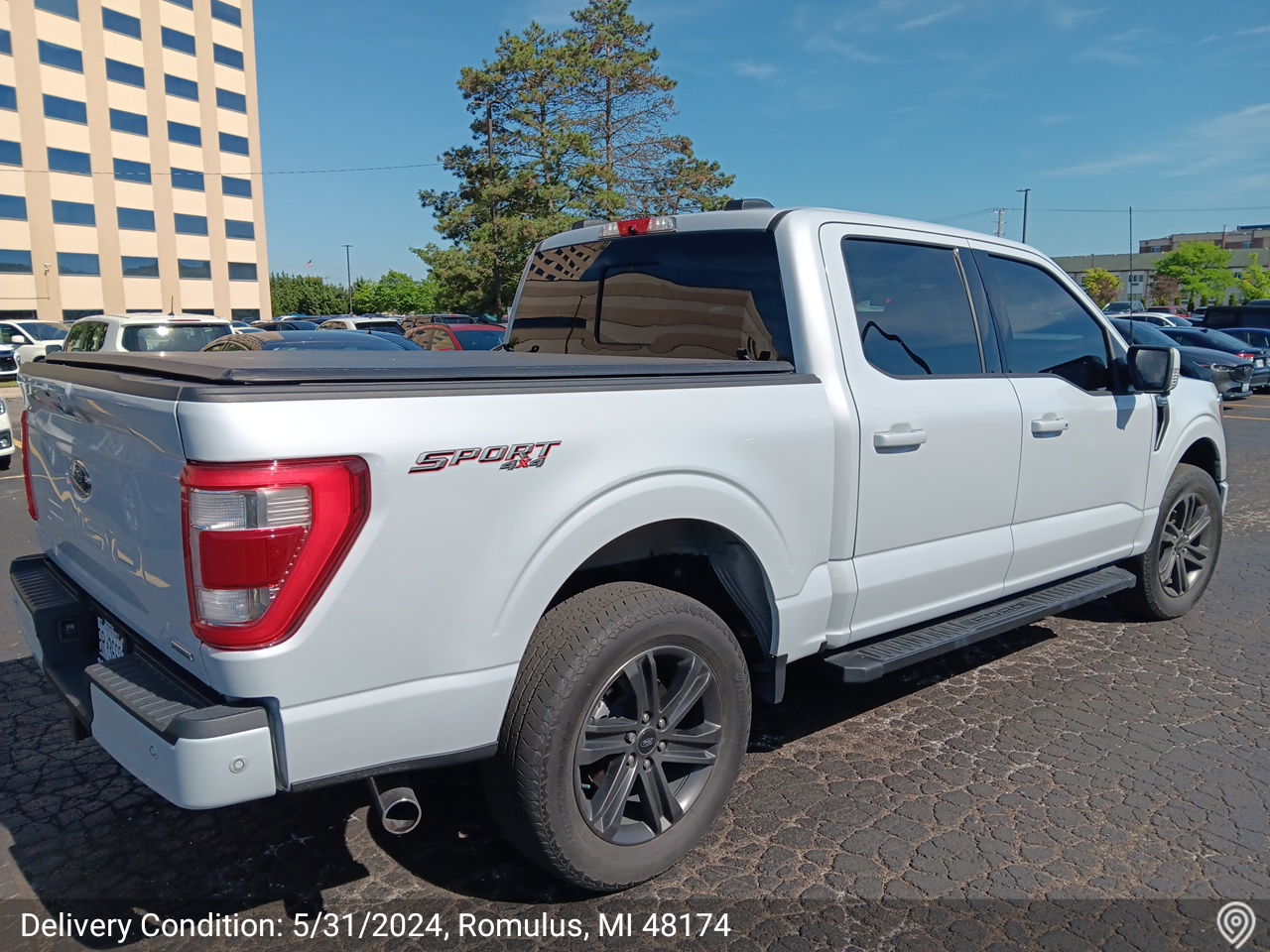
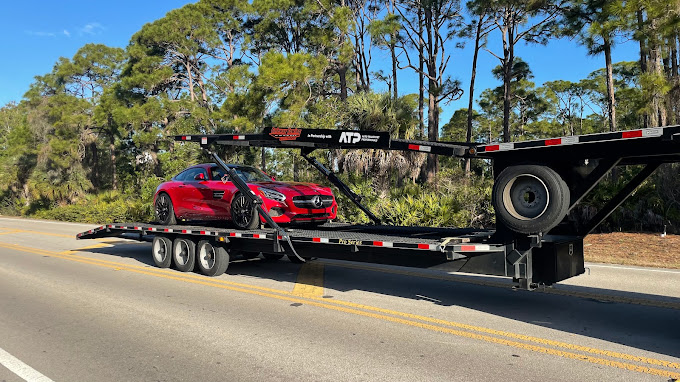
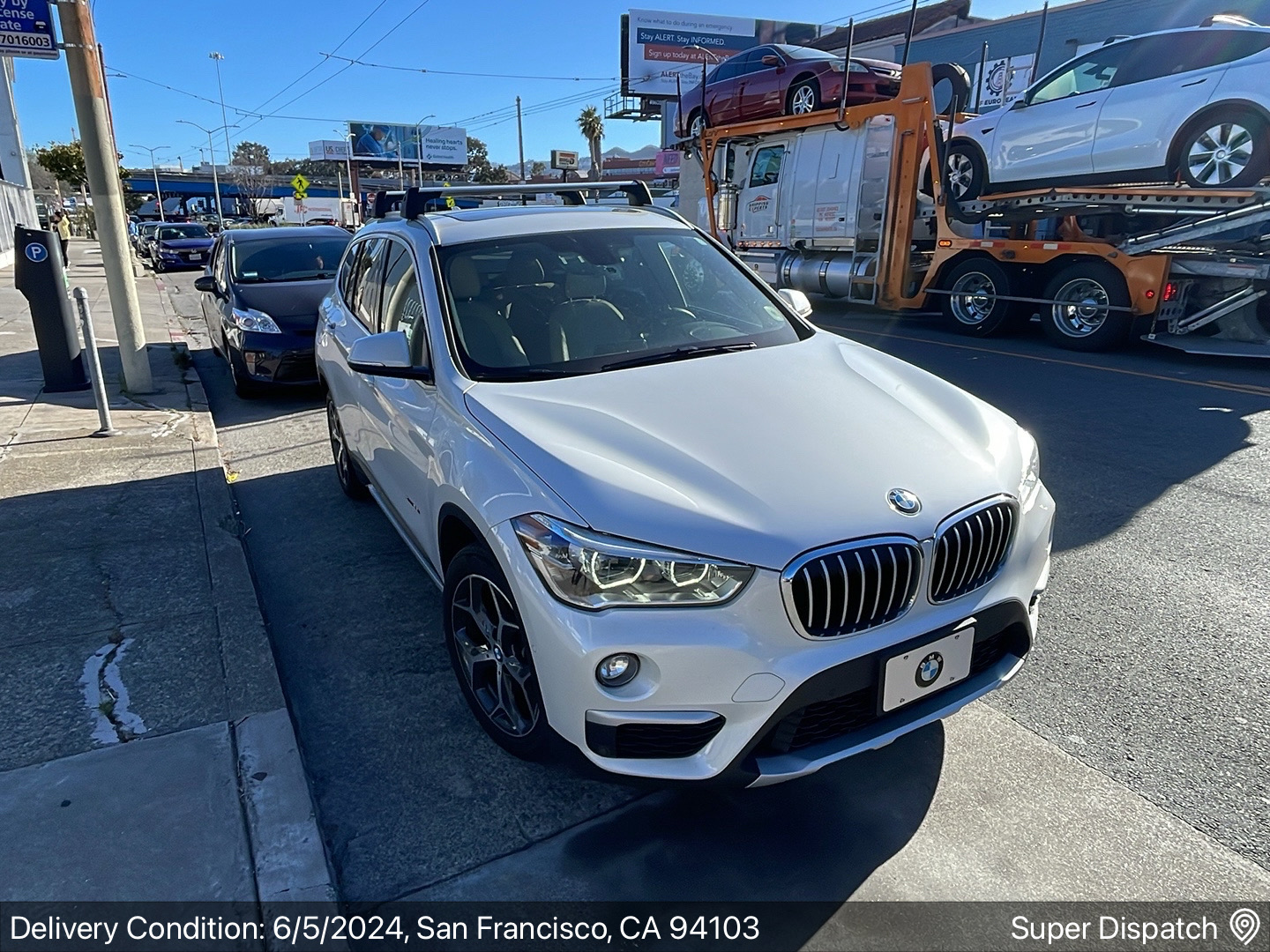
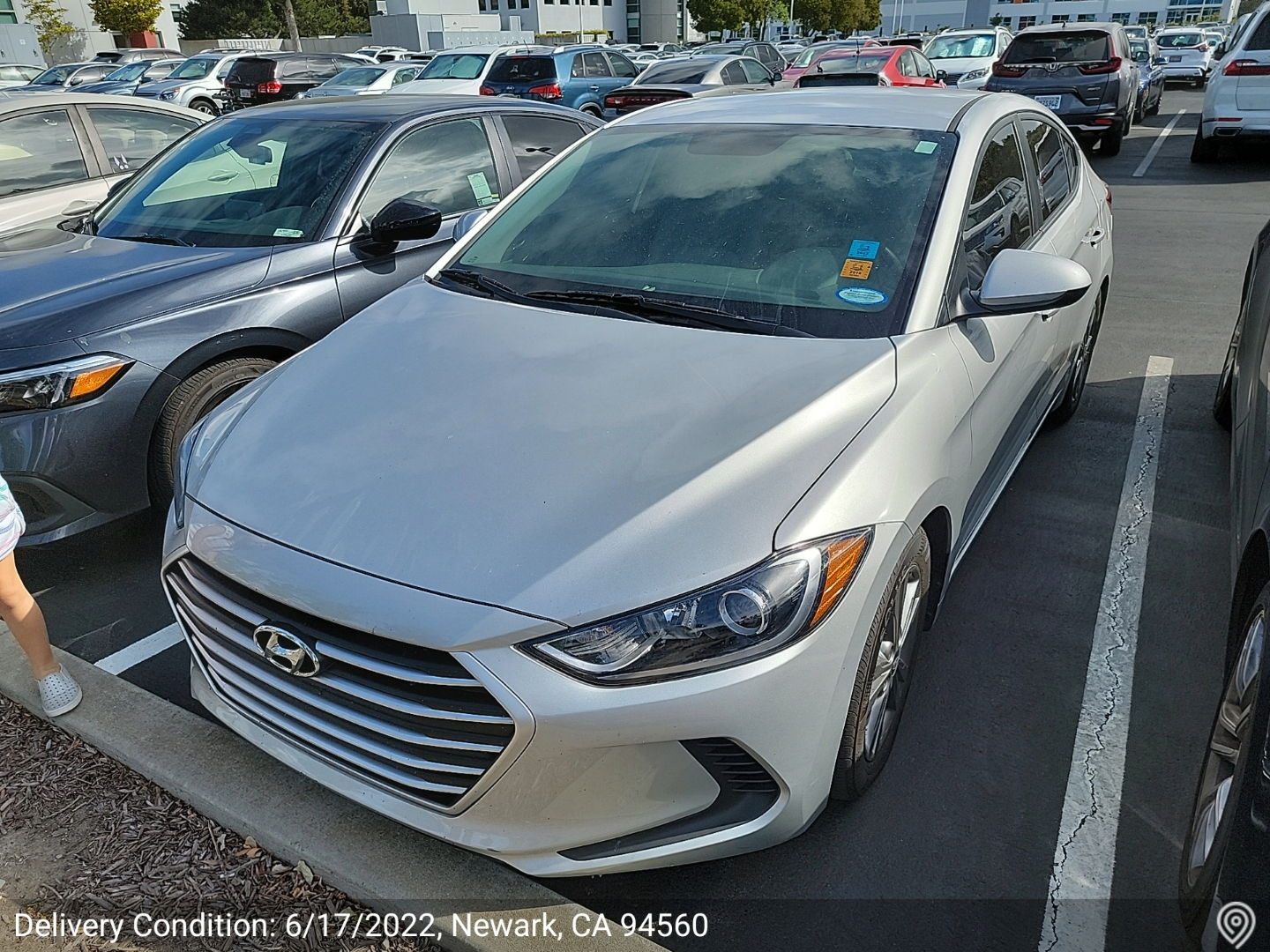
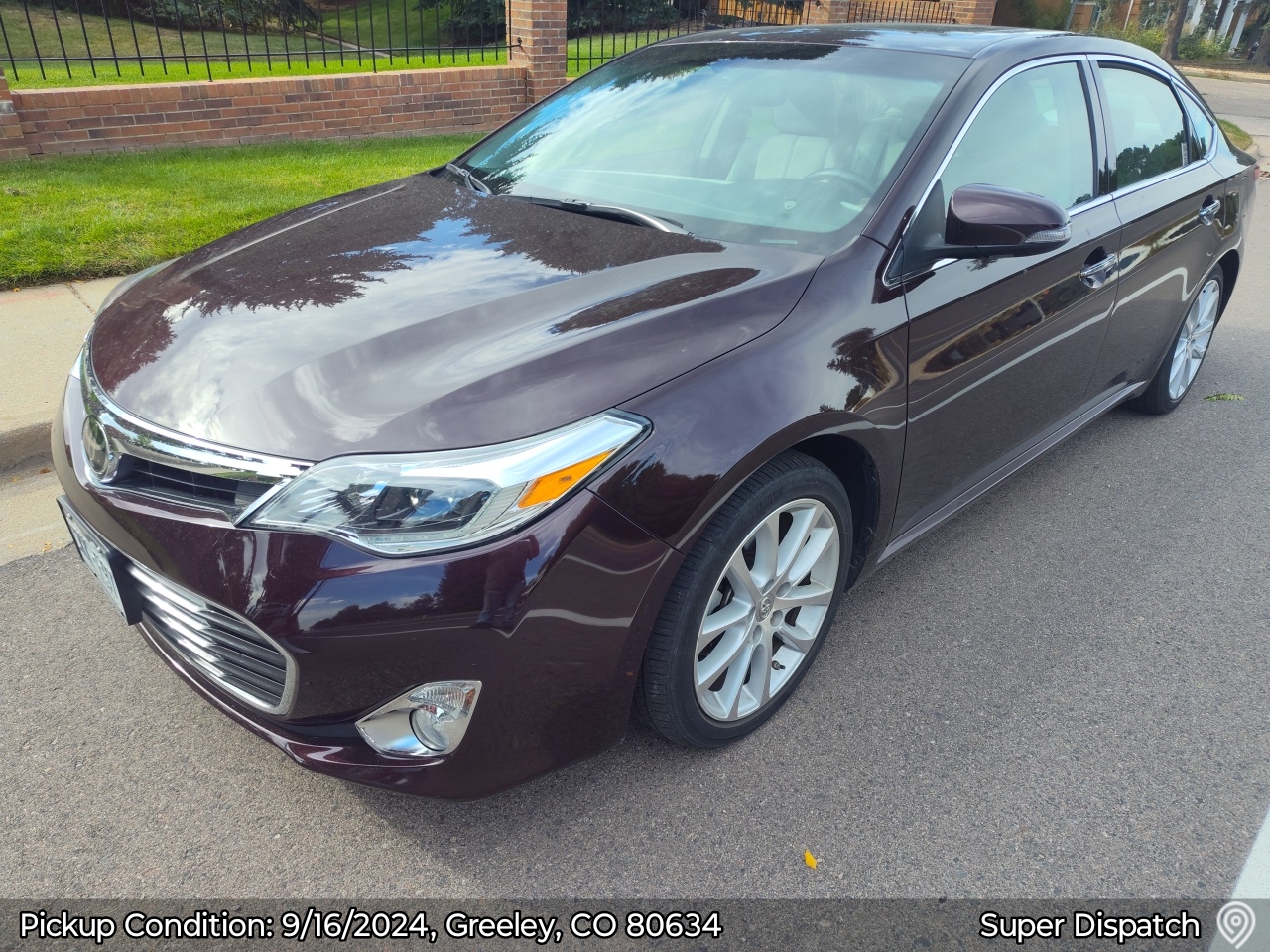
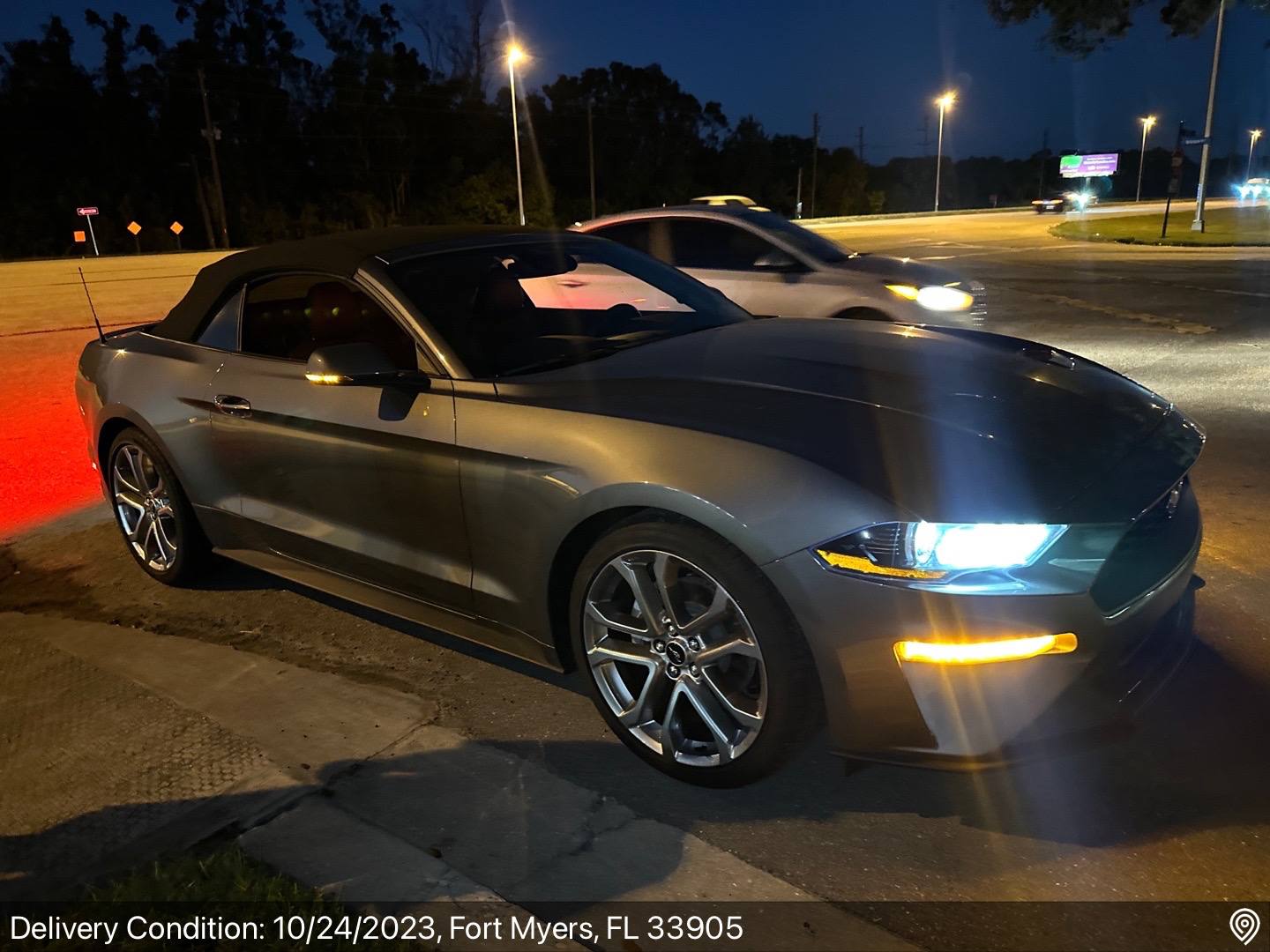
Most Bear auto transport pickups stay on schedule when booked two weeks in advance. We build a 3-day pickup window around your first available date, and carriers running the I-95 corridor through Wilmington pass through New Castle County regularly enough to keep that window realistic. Bear's open road access means no unusual staging or coordination is required at pickup.
Delaware's winter weather is the main scheduling variable. Snow and ice events between December and March can delay pickups across New Castle County by a day or two. Scheduling with some flexibility during those months keeps auto shipping Bear on track even when carriers adjust routes around storms.
Bear sits squarely in snowbird-origin territory. Each fall, a meaningful share of New Castle County residents ship vehicles south to Florida and other warm-weather destinations, with southbound demand peaking from October through February. That seasonal surge tightens carrier capacity on southbound routes and can compress pickup windows if you wait too long to book. Scheduling Bear auto transport three to four weeks ahead during October and November is the practical move.
The spring return runs March through June, when northbound demand picks up as snowbirds head back to Delaware. Carrier availability on northbound routes improves during this window, and rates tend to stabilize. If you're shipping a car from Bear to a southern destination in the fall, earlier booking is the single most effective way to secure your preferred dates and avoid the late-season capacity crunch.
Review your quote, confirm vehicle details and dates. No payment collected until a carrier is assigned.
We dispatch your order to our carrier network. You receive carrier details, insurance info, and estimated pickup window.
Carrier gives you 24 hours advance notice before pickup. Walk-around inspection together, every mark documented on the Bill of Lading, both parties sign.
Track your shipment status through your coordinator. We handle any schedule changes or logistics questions.
24-hour advance notice, then a call when close. Second walk-around inspection — damage during transport is extremely rare, but note any new issues on the Bill of Lading before signing. Once signed without exceptions, claims are extremely difficult to win.
Your carrier will contact you roughly 24 hours before arriving to confirm the pickup window. At pickup, both you and the driver walk the vehicle together to document its condition — paint, glass, body panels — and that inspection gets recorded on the Bill of Lading. Bear's open suburban streets and standard driveways make carrier access straightforward. Sign the BOL only after reviewing it, and keep your copy. Vehicle transport Bear pickups typically move efficiently with no unusual staging required.
Expect a call from your driver roughly 24 hours before delivery. When the carrier arrives, do a thorough walk-around and compare the vehicle's condition against the original pickup inspection on the Bill of Lading. Damage during transport is extremely rare, but if you notice anything new, note it on the BOL before signing. Once you sign without documenting damage, filing a claim becomes extremely difficult. Ship a car to Bear and the same documentation discipline applies at the receiving end.
Every carrier in our network is required to carry cargo insurance as a condition of their FMCSA operating authority. Coverage details vary by carrier and are confirmed before your vehicle is dispatched.
At pickup, the driver and you complete a joint vehicle inspection. Every scratch, dent, and existing mark is documented on the Bill of Lading. At delivery, you must carefully compare the vehicle's condition against this record before signing the delivery receipt. If you notice any new damage, note it on the Bill of Lading before you sign. Once you sign the delivery receipt without noting damage, it becomes extremely difficult to file and win a claim. This is the single most important step in protecting yourself during the transport process.
Bear's suburban New Castle County layout works in the customer's favor. Wide residential streets, standard driveways, and open commercial areas give carriers straightforward maneuvering room without the parking restrictions or narrow corridors that complicate urban pickups. The DE-1 toll road and US-13 both intersect near Bear, connecting directly to I-95 through Wilmington — so carriers don't need to navigate deep into low-clearance neighborhoods to reach the mainline.
For car transport Bear, the practical advice is simple: keep the vehicle accessible and the driveway clear on pickup day. If you're in a tighter townhome development or a community with restricted truck access, a nearby parking lot or shopping center works as an easy meeting point. No terrain or infrastructure challenges affect scheduling here.
Relocating Professionals — Wilmington's financial services and chemical industry employers drive steady relocation demand in Bear. Families moving along the I-95 corridor to Philadelphia, Baltimore, or Washington, D.C. represent the core of Bear auto transport volume. Request a free car shipping quote to plan your move.
Snowbirds — Retirees shipping vehicles south each fall are a defining segment for Bear car shipping. Southbound demand peaks October through February, so booking three to four weeks ahead is the practical standard for this group.
Military and PCS — Bear does not sit adjacent to a major installation, but auto transport Bear de serves service members relocating through the broader mid-Atlantic region via I-95 connections.
Dealerships — Bear vehicle shipping supports dealer transfers along the Philadelphia-to-Baltimore corridor, with open transport the standard method for inventory moves.
Distance and vehicle type are the primary cost drivers for shipments from Bear. Route demand along the I-95 corridor between the Northeast and Southeast influences pricing, and seasonal shifts—particularly fall snowbird migration—can affect rates. Inoperable vehicles require additional equipment and command higher prices. Request a quote for your specific route.
Bear's position near I-95 through Wilmington connects it to one of the East Coast's busiest carrier corridors. Transit depends on destination distance and route demand. Booking ahead helps secure placement with carriers already running through New Castle County. Select your route above for timing details.
Yes. Bear's suburban residential layout with wide streets and accessible neighborhoods allows carriers to reach most pickup and delivery addresses directly. We coordinate door-to-door service where road conditions and vehicle access permit throughout Bear, Delaware.
Open transport works well for most vehicles shipped from Bear and offers broader scheduling flexibility. Enclosed transport suits high-value, classic, or luxury vehicles needing extra protection from road debris and Delaware's winter weather. Enclosed availability is more limited than open transport and pricing is typically higher, so plan accordingly when booking.
Spring and early summer typically offer balanced pricing and moderate demand for Bear vehicle shipping. Fall sees increased southbound demand as Delaware snowbird residents relocate vehicles to warmer states, which can tighten capacity. Winter weather in New Castle County may occasionally cause short delays between December and March.
Someone 18 or older must be present at both ends to authorize the shipment and sign the Bill of Lading. If you cannot attend personally, designate a trusted representative — a friend, family member, or dealership contact — to handle the vehicle inspection and paperwork on your behalf.
Yes. Every carrier in our network carries cargo insurance as required by their FMCSA operating authority. Coverage specifics are confirmed before dispatch. At both pickup and delivery, you complete a joint vehicle inspection documented on a Bill of Lading — this protects you if any issue arises.
Yes, we transport non-running vehicles to Bear. The vehicle needs to roll, steer, and brake for standard loading. Vehicles that cannot roll may require a winch or forklift at additional cost. Mention the vehicle's condition when requesting your quote.
Wash the exterior so scratches and dents are visible during inspection. Remove toll transponders, parking passes, and loose interior items. Leave roughly a quarter tank of fuel. Disable aftermarket alarms. Take dated photos of all sides, roof, and odometer before the carrier arrives for your records.
Most carriers allow personal belongings in the trunk or cargo area up to about 100 pounds. Items must stay below the window line and cannot be fragile or high-value. Personal items are not covered under carrier cargo insurance, so keep the vehicle as empty as practical.