Door-to-door car shipping with fully insured carriers. No upfront payment.
Baton Rouge auto transport benefits from one of Louisiana's most strategically positioned highway networks, where I-10 and I-12 converge to create a natural crossroads for Gulf Coast carrier traffic. Eastbound loads heading toward New Orleans and Florida share the same corridor as westbound runs bound for Houston and Texas, which means carriers servicing car shipping Baton Rouge LA routes move through the capital region on a consistent, daily basis. Common corridors include the Baton Rouge-to-Houston run along I-10 and the Baton Rouge-to-Atlanta route through I-12 and I-20, both of which see strong carrier scheduling year-round. LSU's 35,000-student enrollment, state government hiring cycles, and the petrochemical corridor along the Mississippi River all generate steady vehicle shipping demand from multiple directions.
For customers arranging Baton Rouge auto transport, the suburban residential layout across most of the metro works in your favor. Wide streets and open driveways allow carriers to maneuver standard open-transport trailers without the coordination challenges common in denser urban markets. We build a 3-day pickup window around your first available date, and with strong carrier availability in this market, most customers see pickups land within that window.
As Louisiana's state capital and home to Louisiana State University, Baton Rouge generates steady vehicle shipping demand from multiple directions. LSU's enrollment of roughly 35,000 students drives seasonal moves each fall and spring, while faculty relocations add year-round volume. The petrochemical corridor along the Mississippi River between Baton Rouge and New Orleans employs thousands of workers whose job transfers frequently require Baton Rouge vehicle shipping services. State government hiring cycles also contribute to relocation-driven shipments.
The I-10/I-12 interchange gives Baton Rouge direct access to two of the Gulf Coast's busiest carrier corridors. Eastbound loads heading to Florida and westbound loads bound for Houston pass through regularly, which means carriers serving car shipping Baton Rouge LA routes have strong scheduling flexibility. Dealers in the metro area also use these corridors for inventory transport across the Gulf states, giving customers shipping a car to Baton Rouge more options to choose from.
Hurricane season from June through November can affect scheduling in Louisiana. Tropical weather events may cause temporary carrier delays or route detours, particularly when evacuation orders shift traffic patterns on I-10. Planning shipments with weather awareness during these months helps avoid disruptions when you need to ship a car from Baton Rouge.
They were quick, courteous, and professional. We would happily use Auto Transport Professionals again.
Everything went smoothly. The company called us to arrange the pick up, gave us updates on status, and gave us the keys upon arrival. Absolutely hassle-free.
For a fair price we had our vehicle delivered earlier than expected. The driver went the extra mile to help my mom have a stress free experience.
Baton Rouge car shipping cost sits in the standard market range for Louisiana, reflecting solid carrier competition driven by the city's position on two major interstate corridors. Unlike smaller Louisiana markets where fewer carriers operate, Baton Rouge draws consistent truck volume from both I-10 and I-12, which keeps rates competitive without the premium you'd pay in a congested metro like New Orleans. Distance, vehicle size, transport type, and your chosen pickup window are the primary variables that move your quote within the market range. Auto transport Baton Rouge la customers shipping to Florida or Texas benefit from some of the highest carrier frequency on the Gulf Coast.
Hurricane season runs June through November in Louisiana, and tropical weather events can temporarily tighten carrier availability or force route detours on I-10. Booking ahead during those months gives you more scheduling flexibility and reduces the chance of a delay. Open transport Baton Rouge rates reflect standard market conditions outside of storm disruptions. Get your free auto transport quote today.
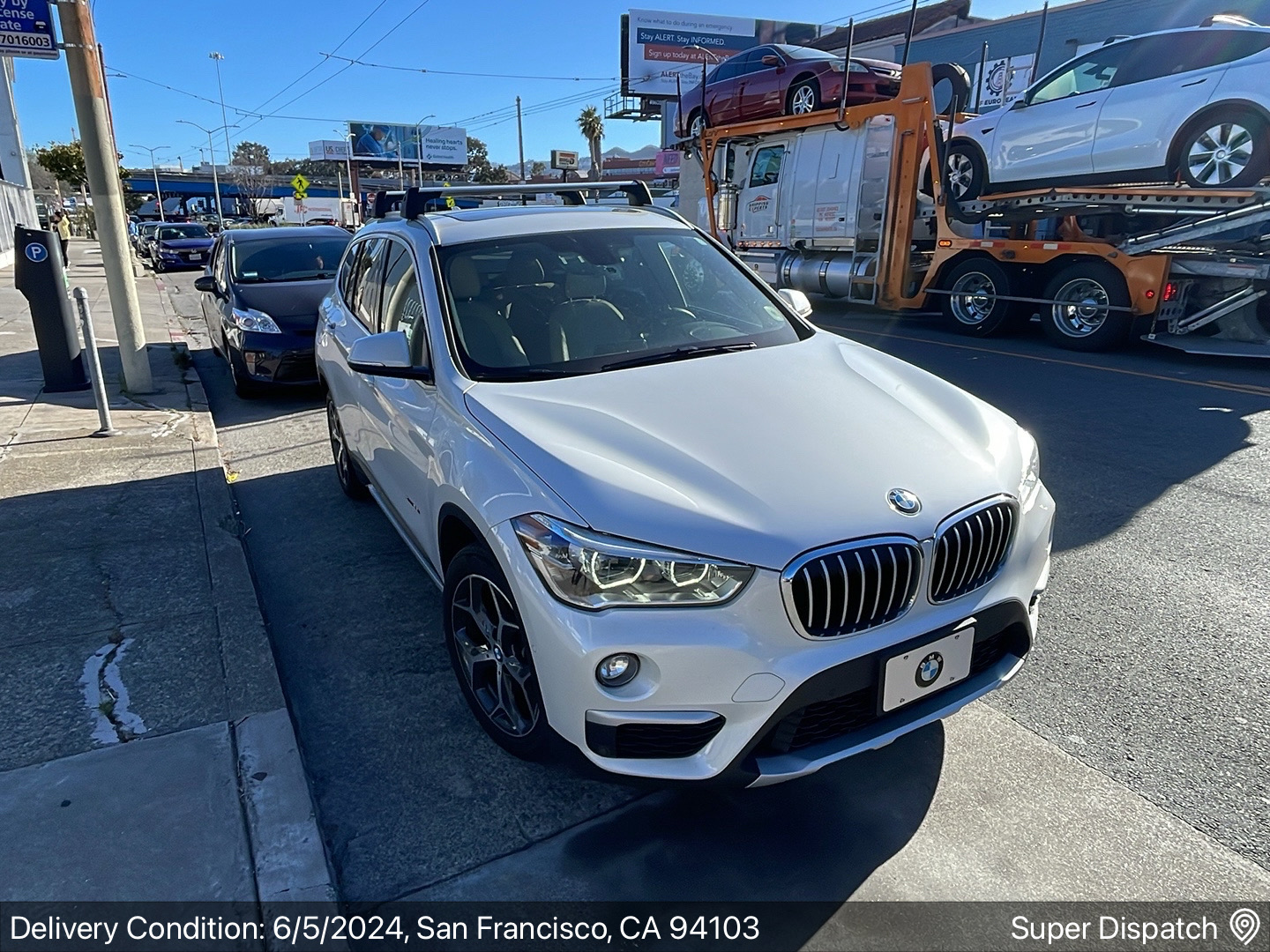
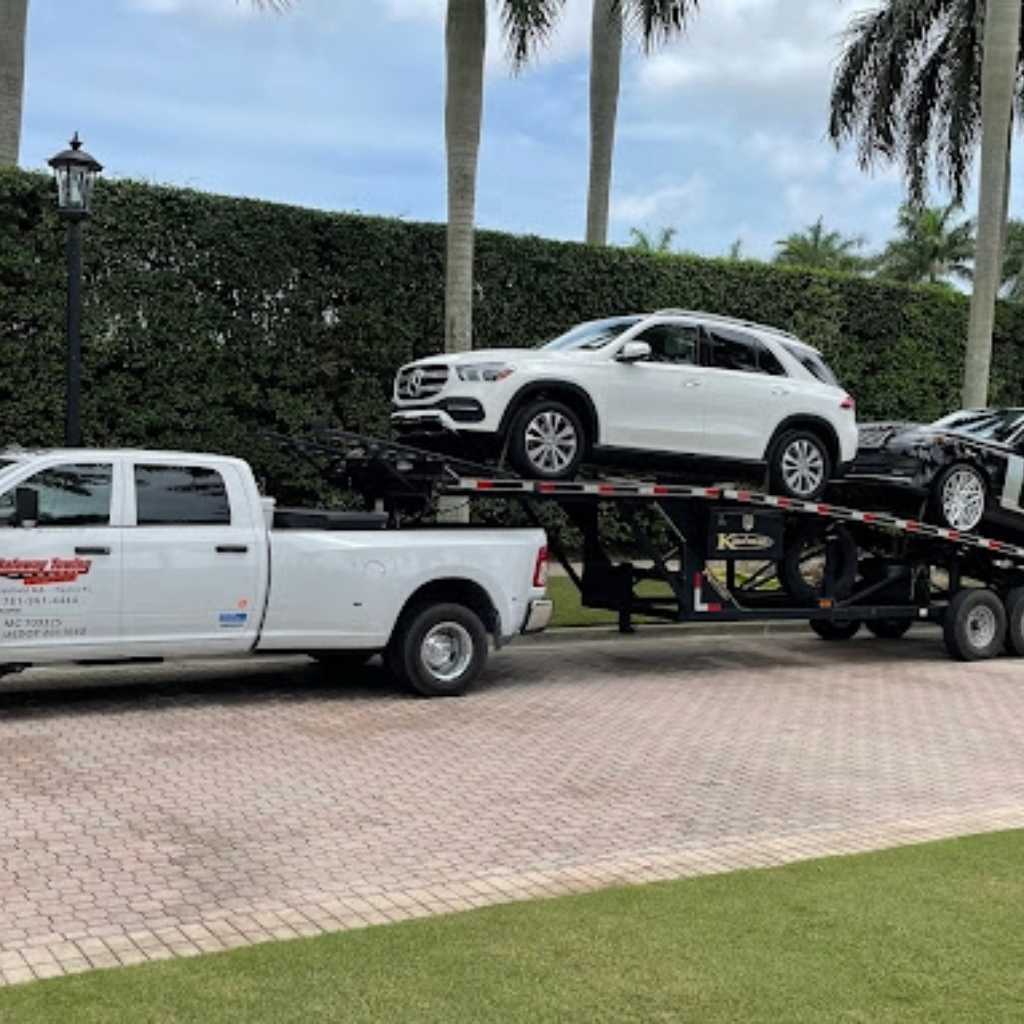
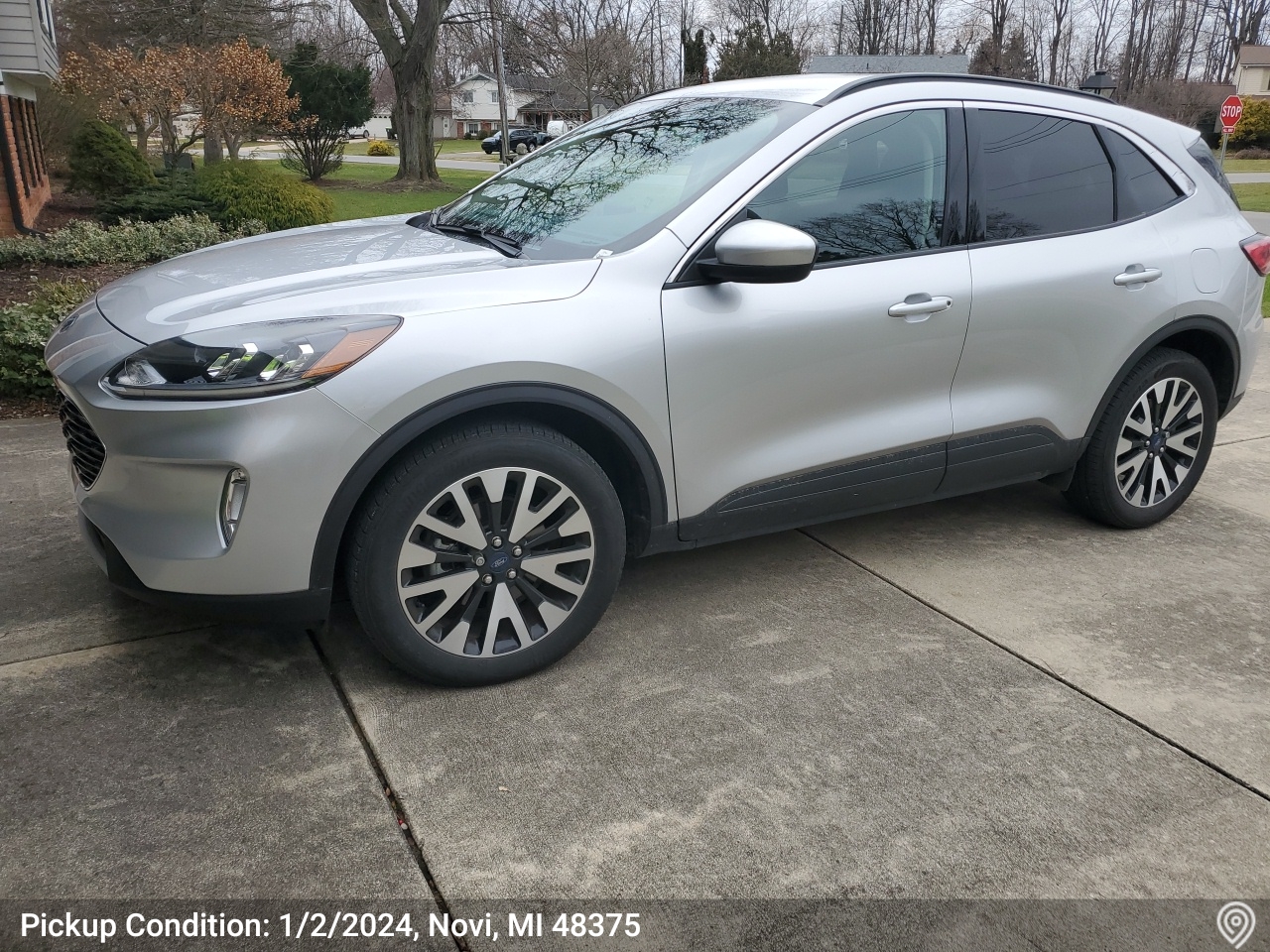
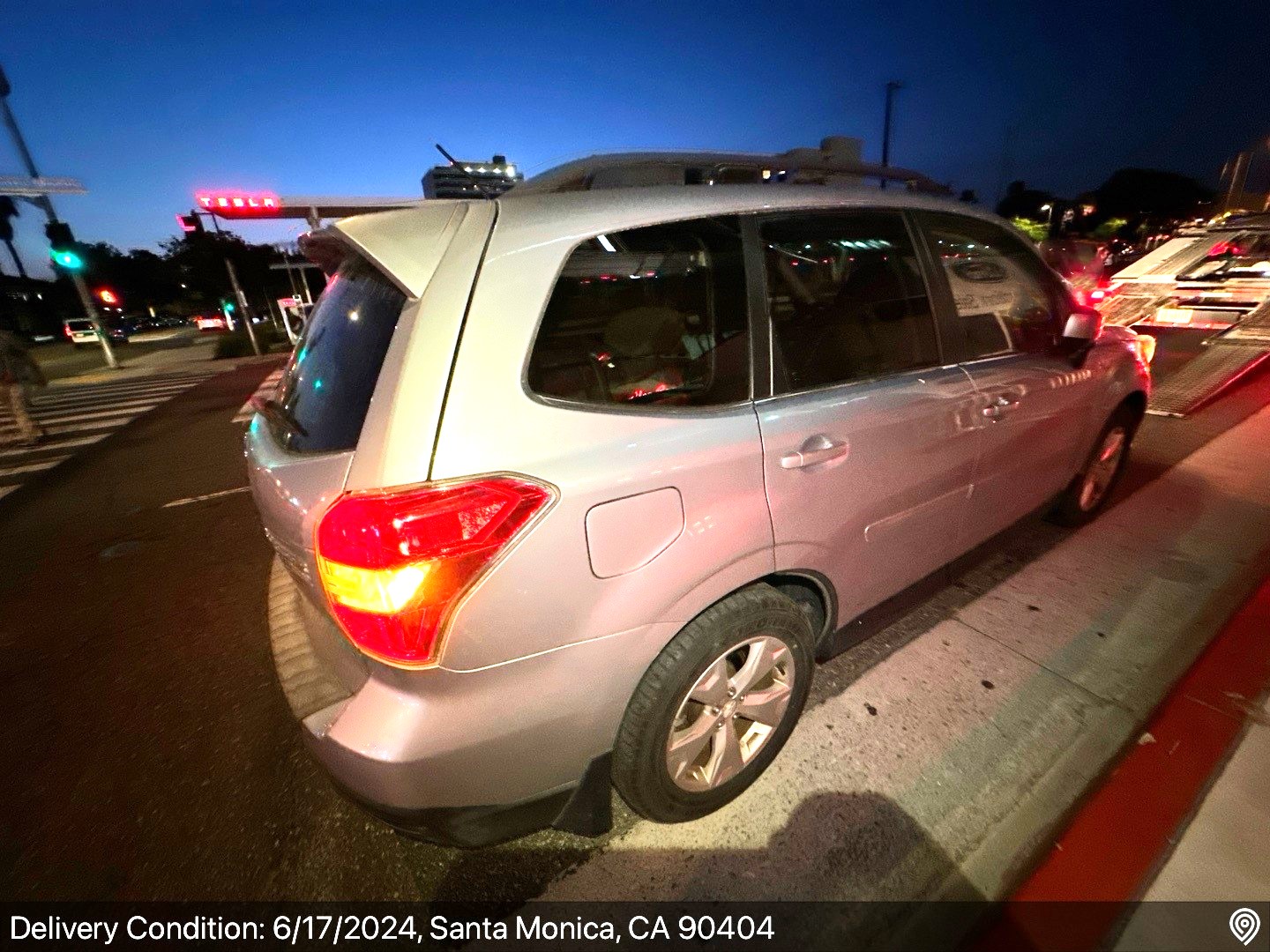
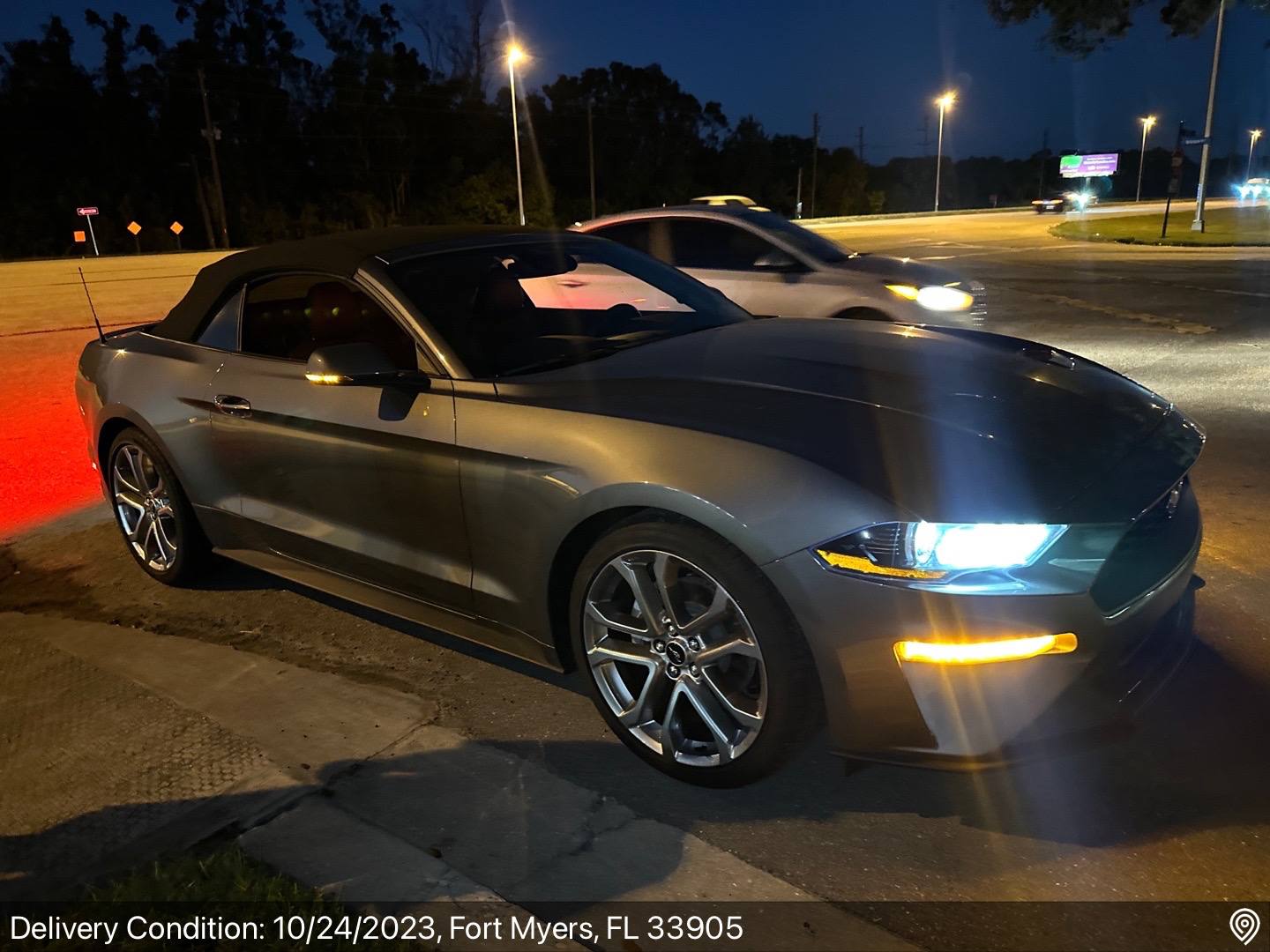
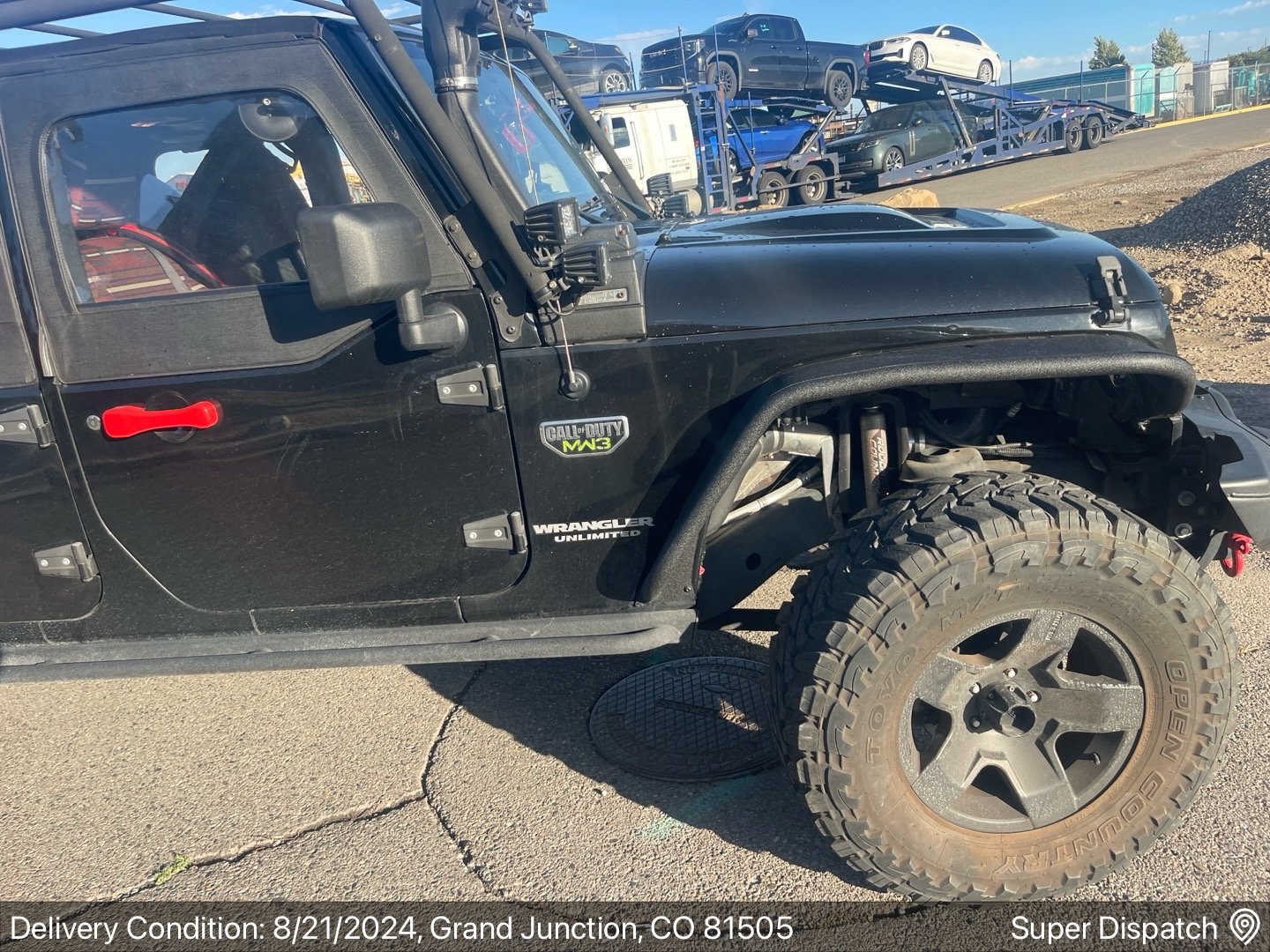
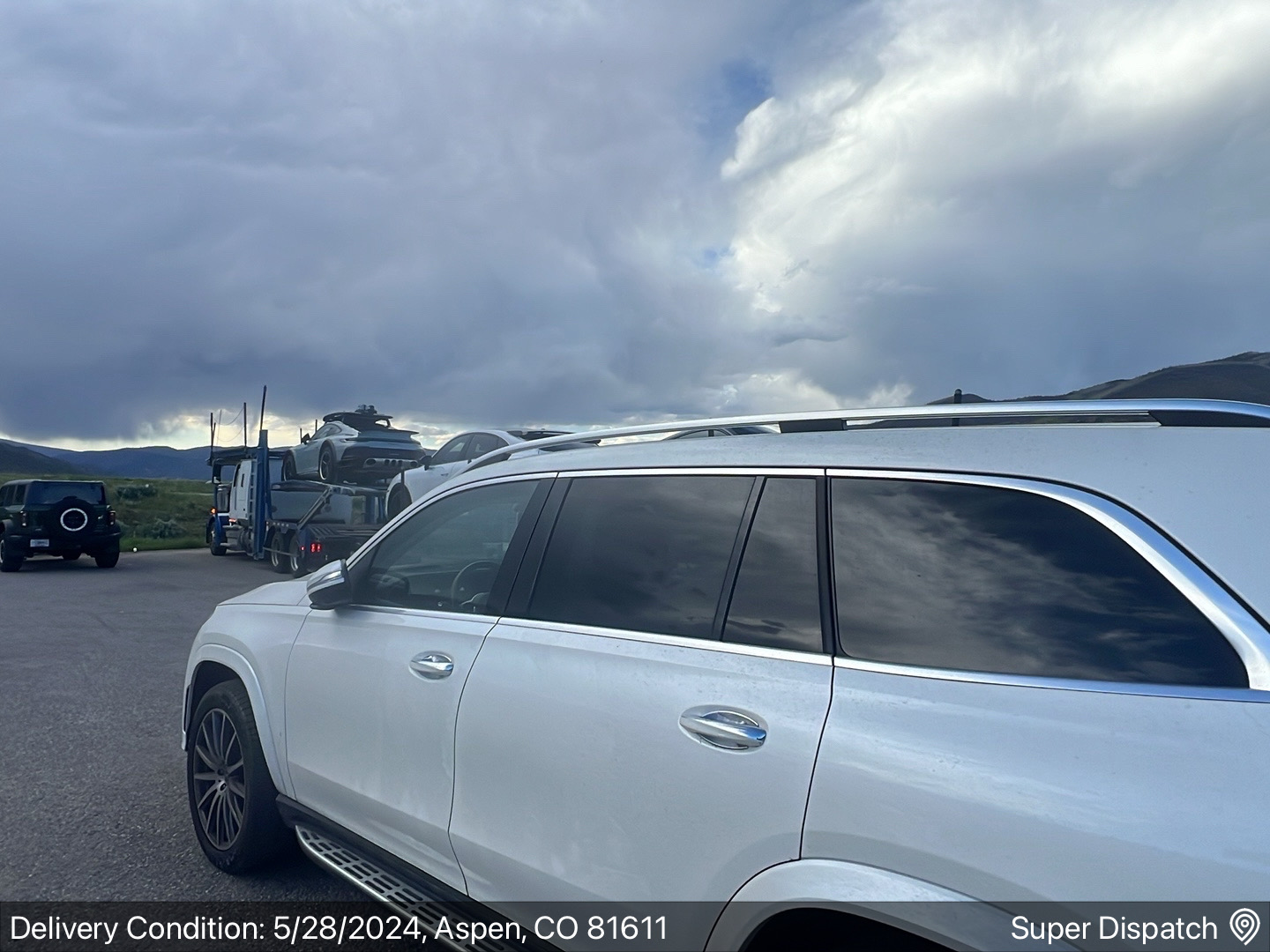
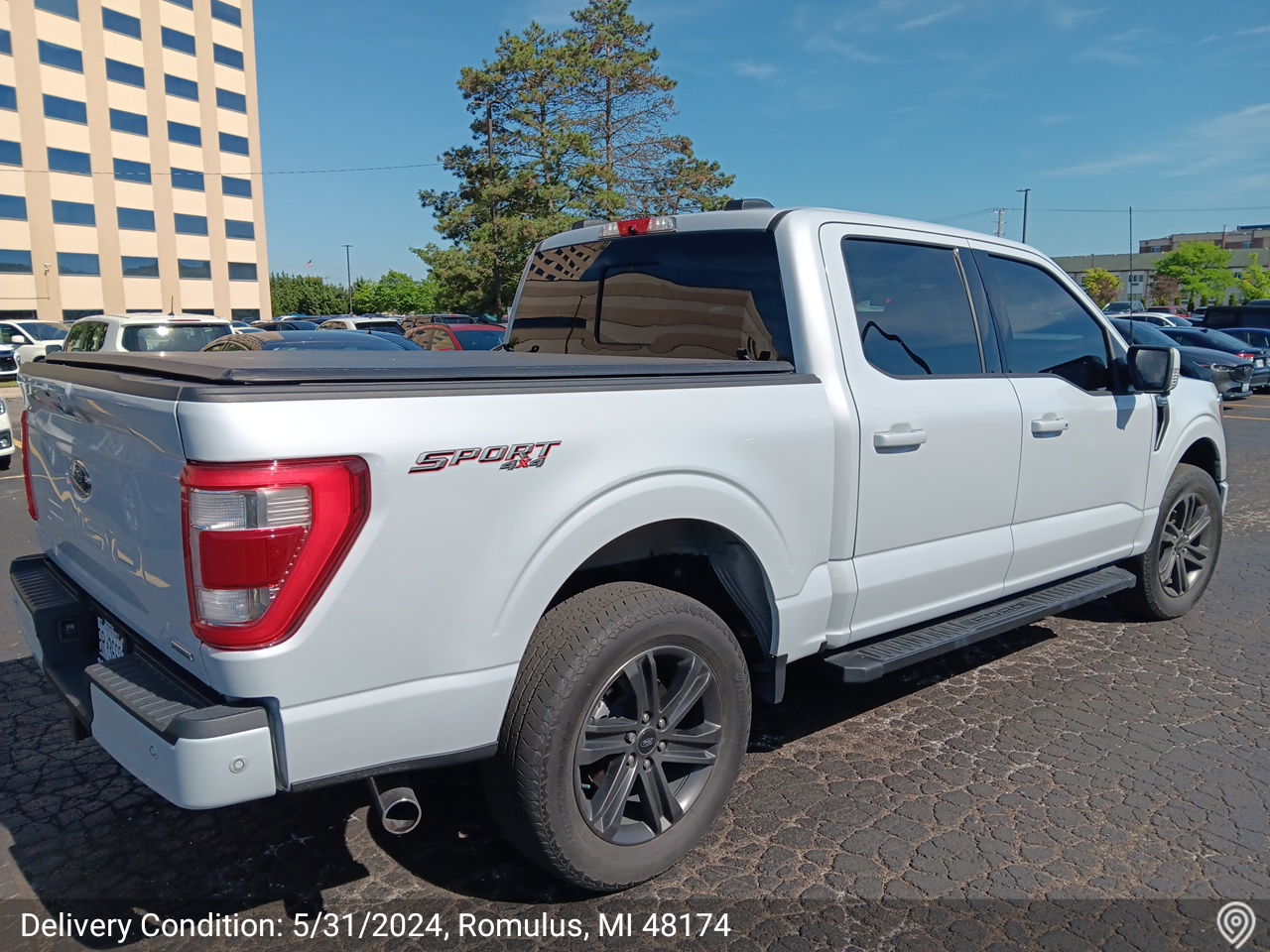
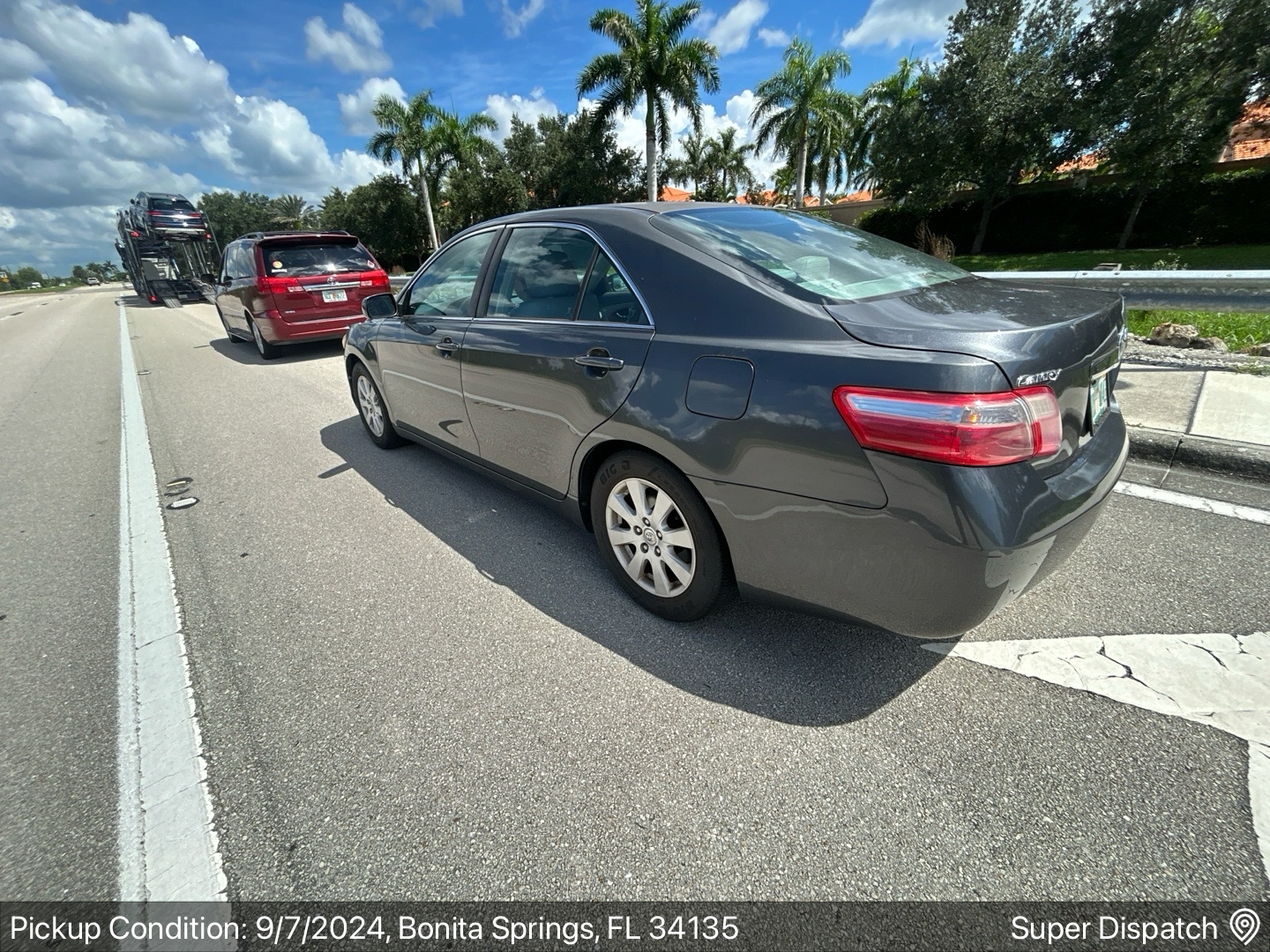
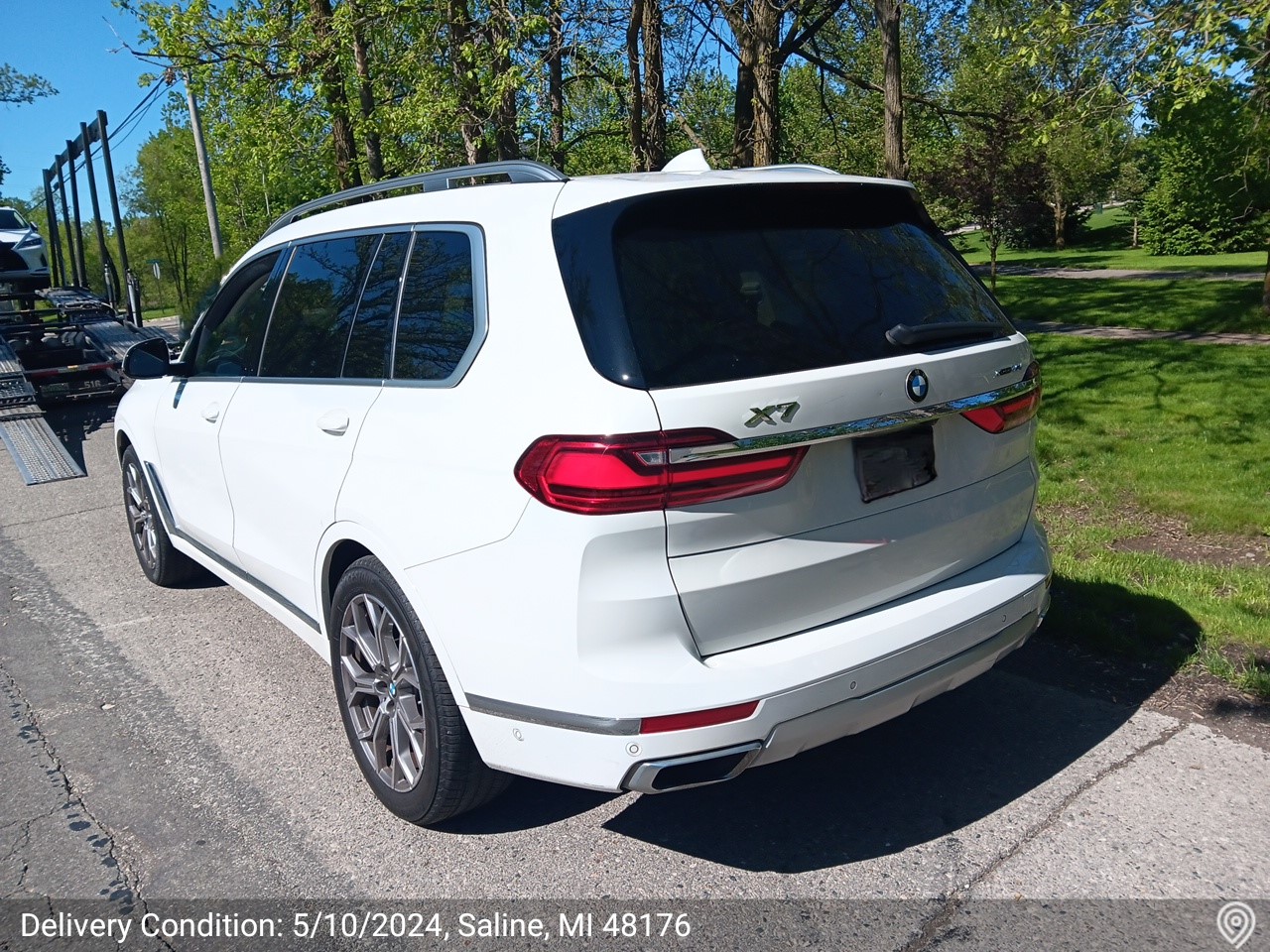
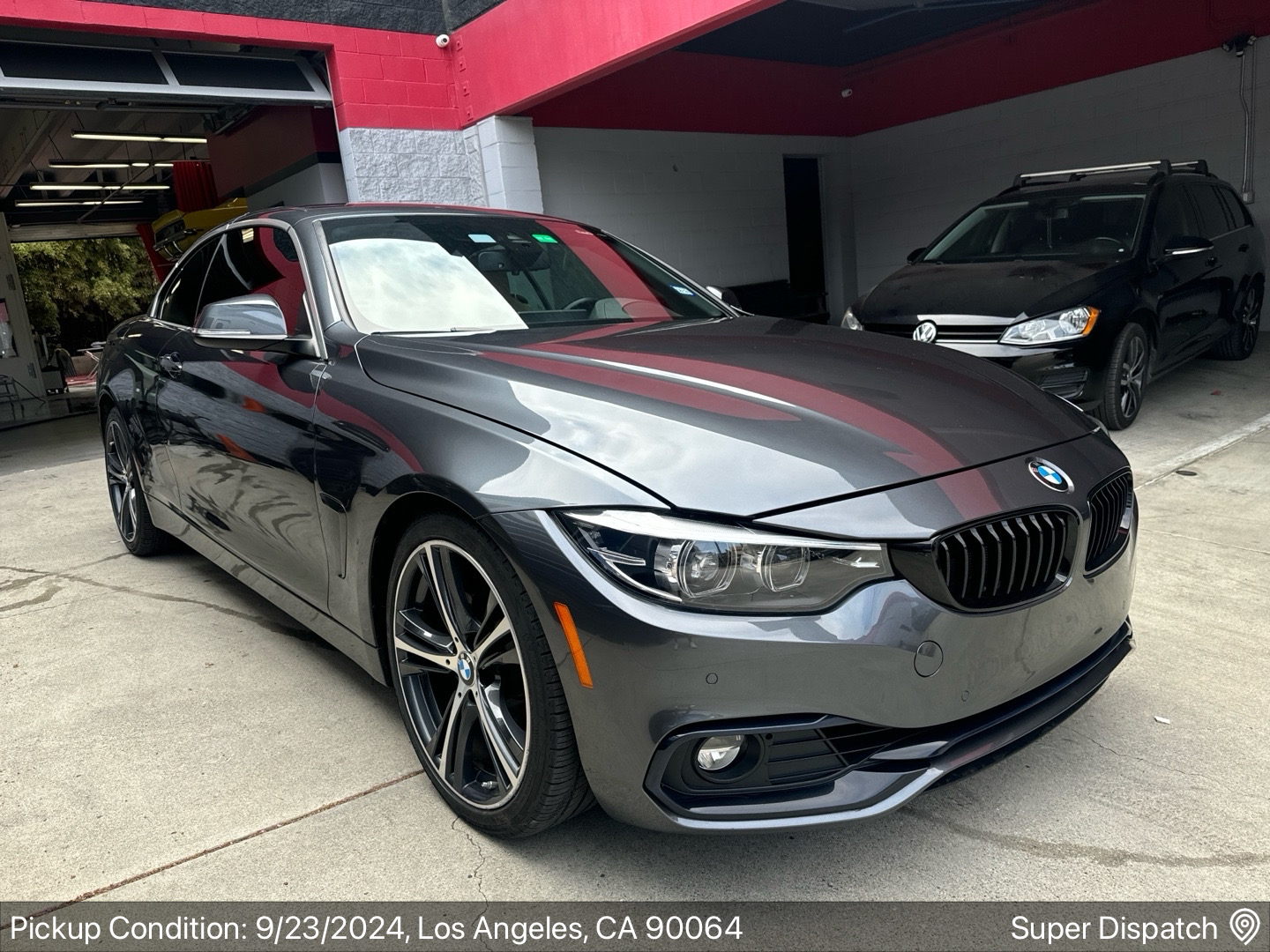
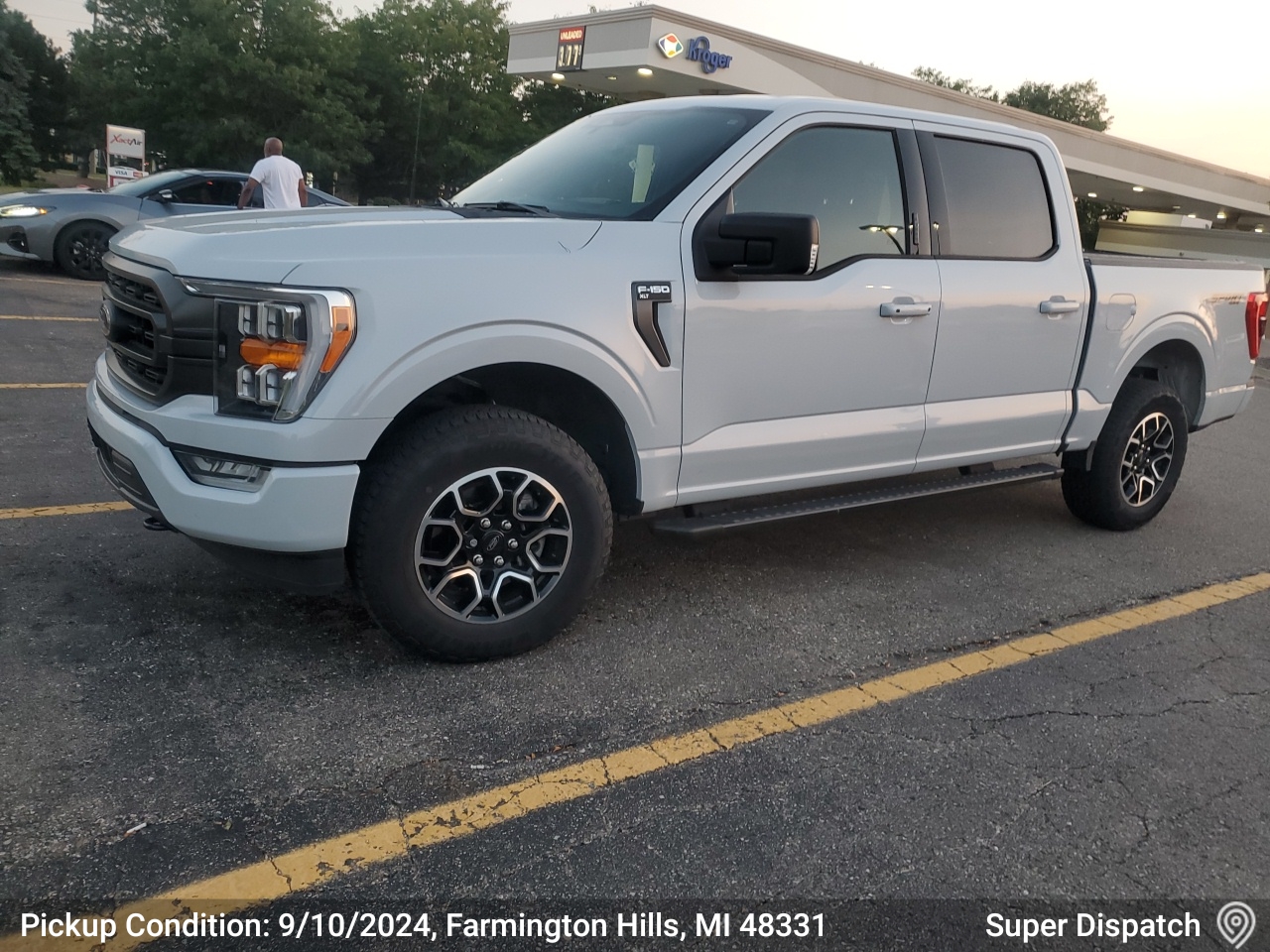
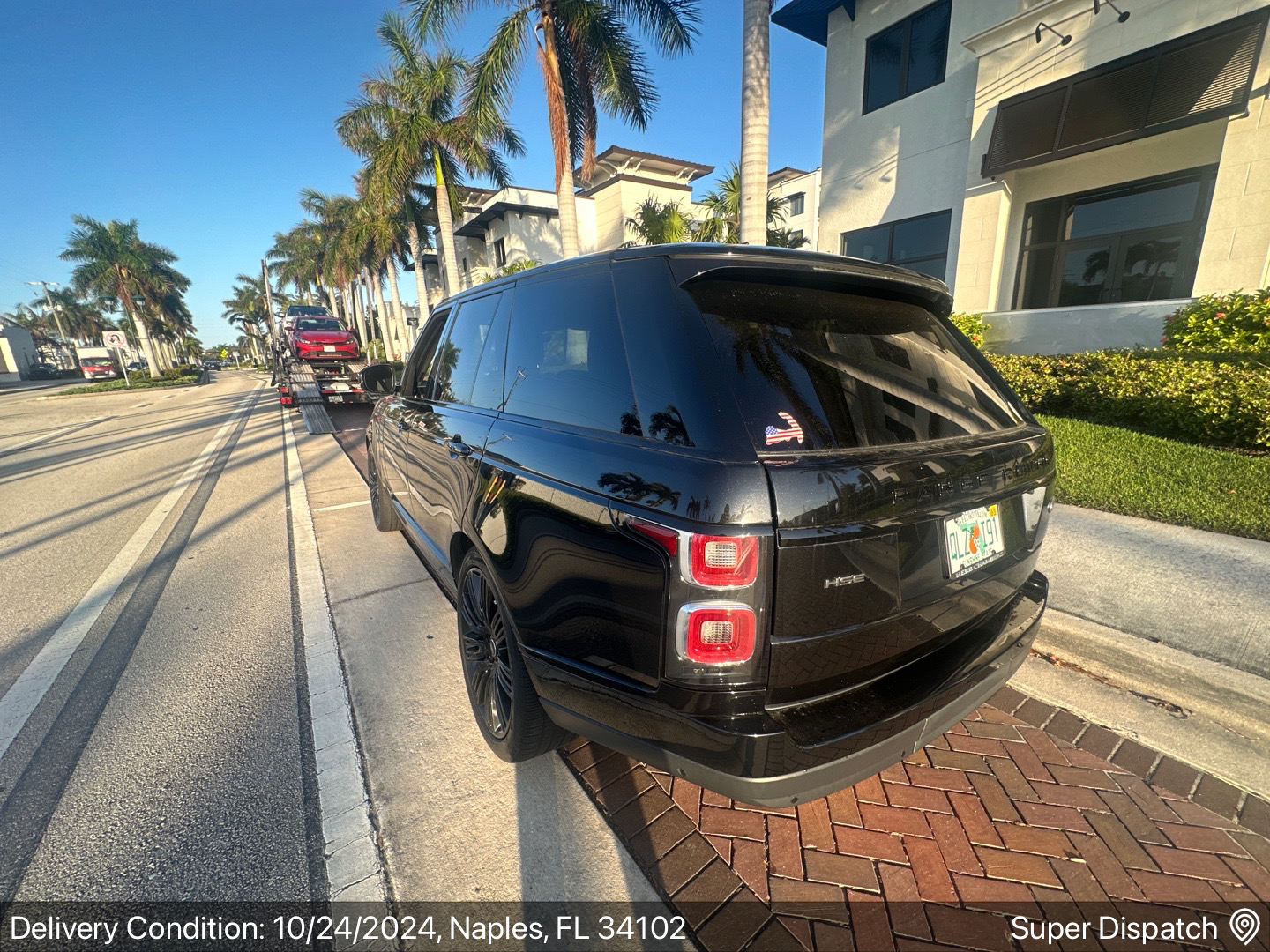
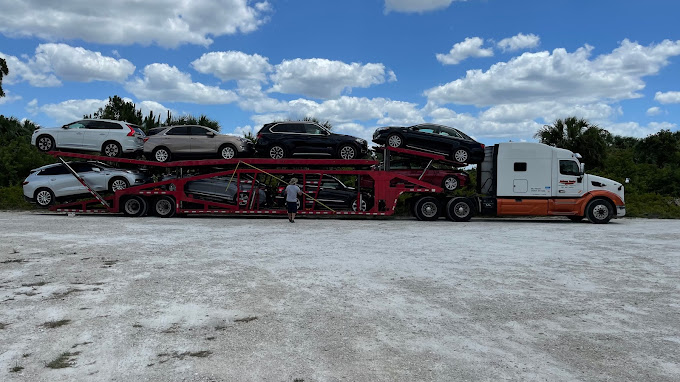
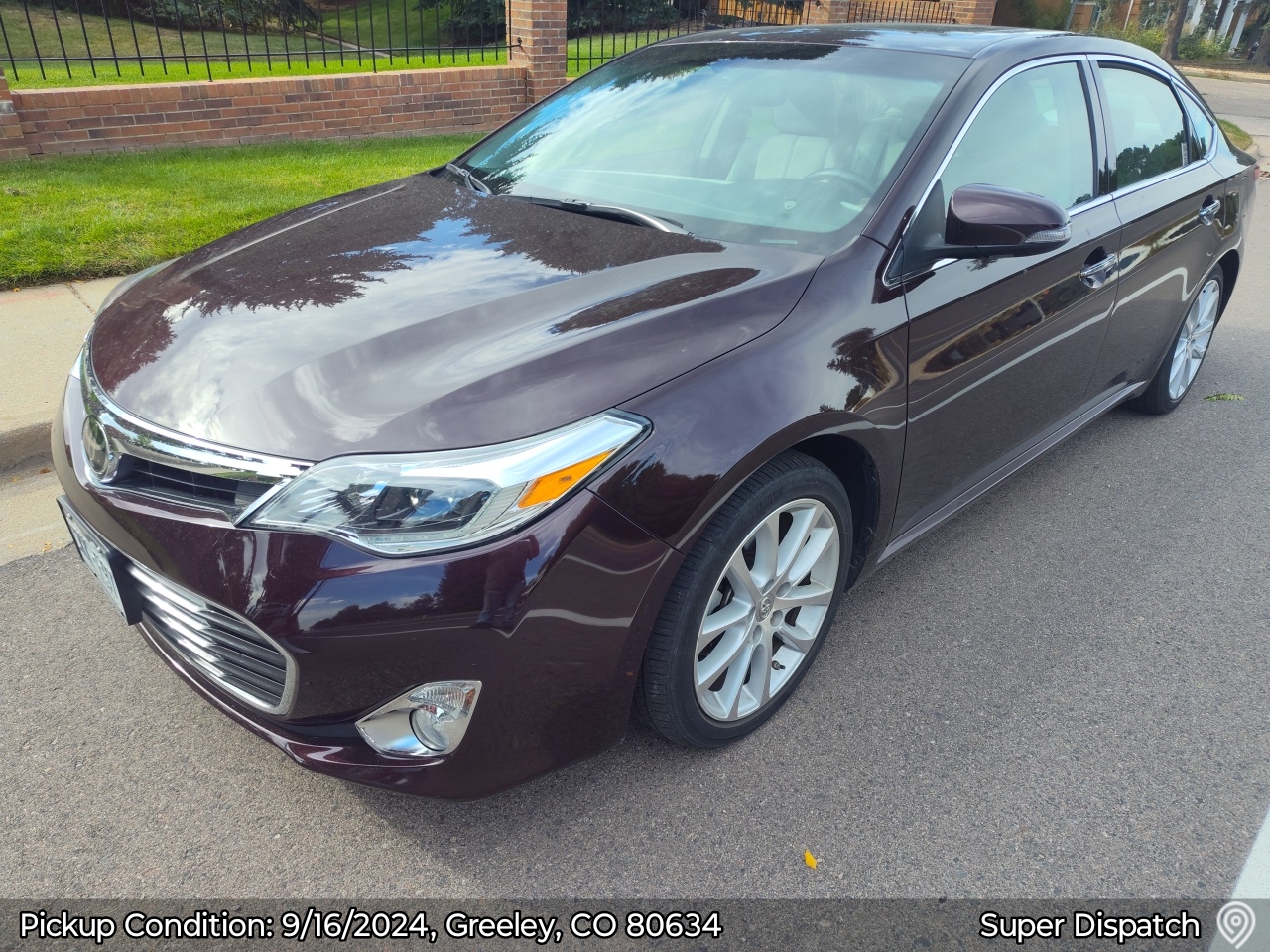
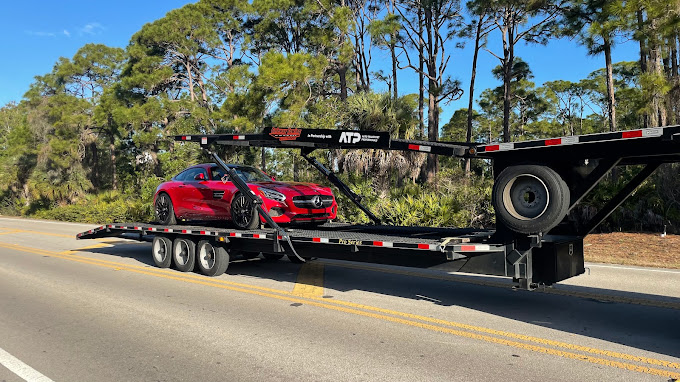
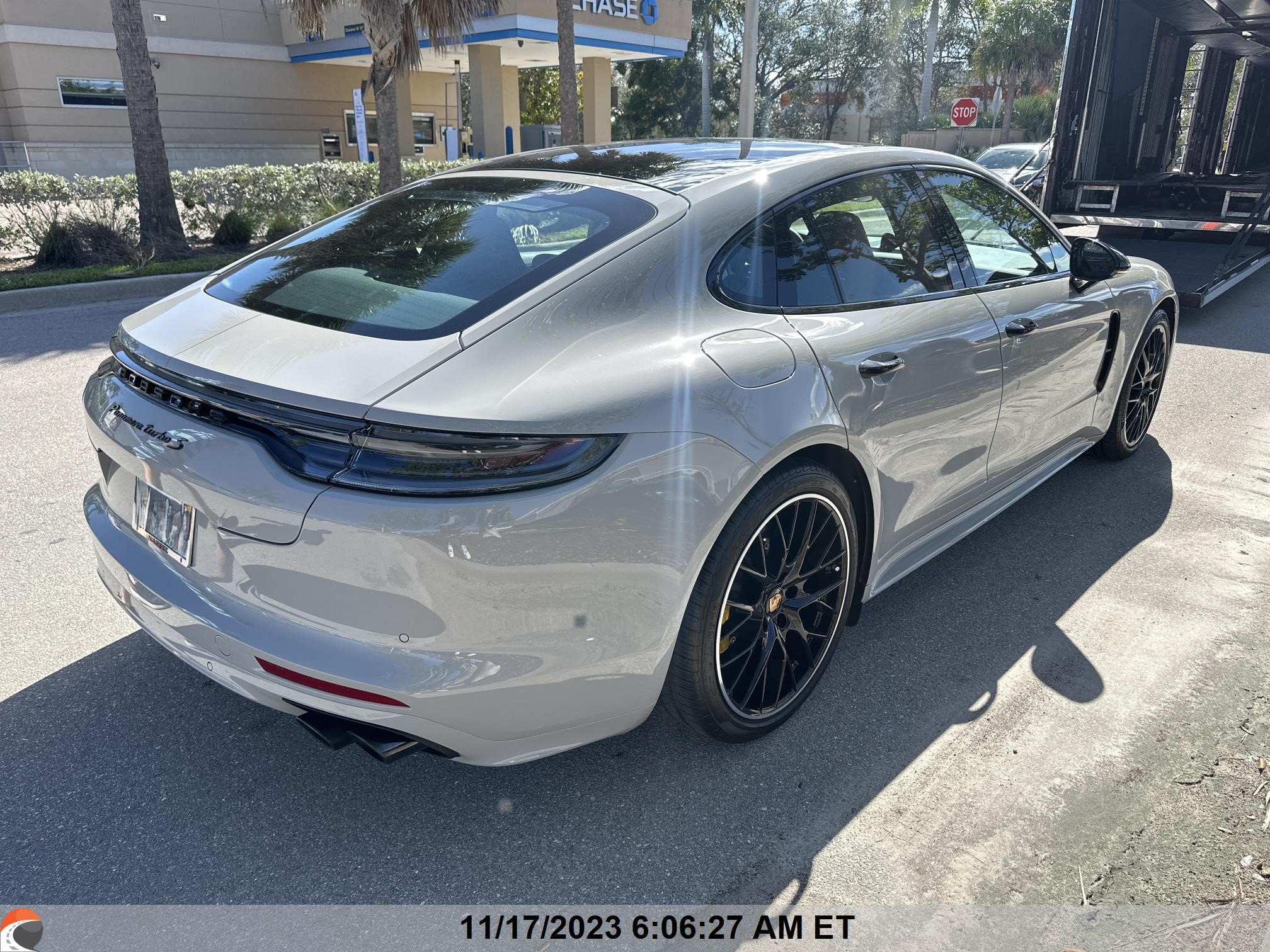
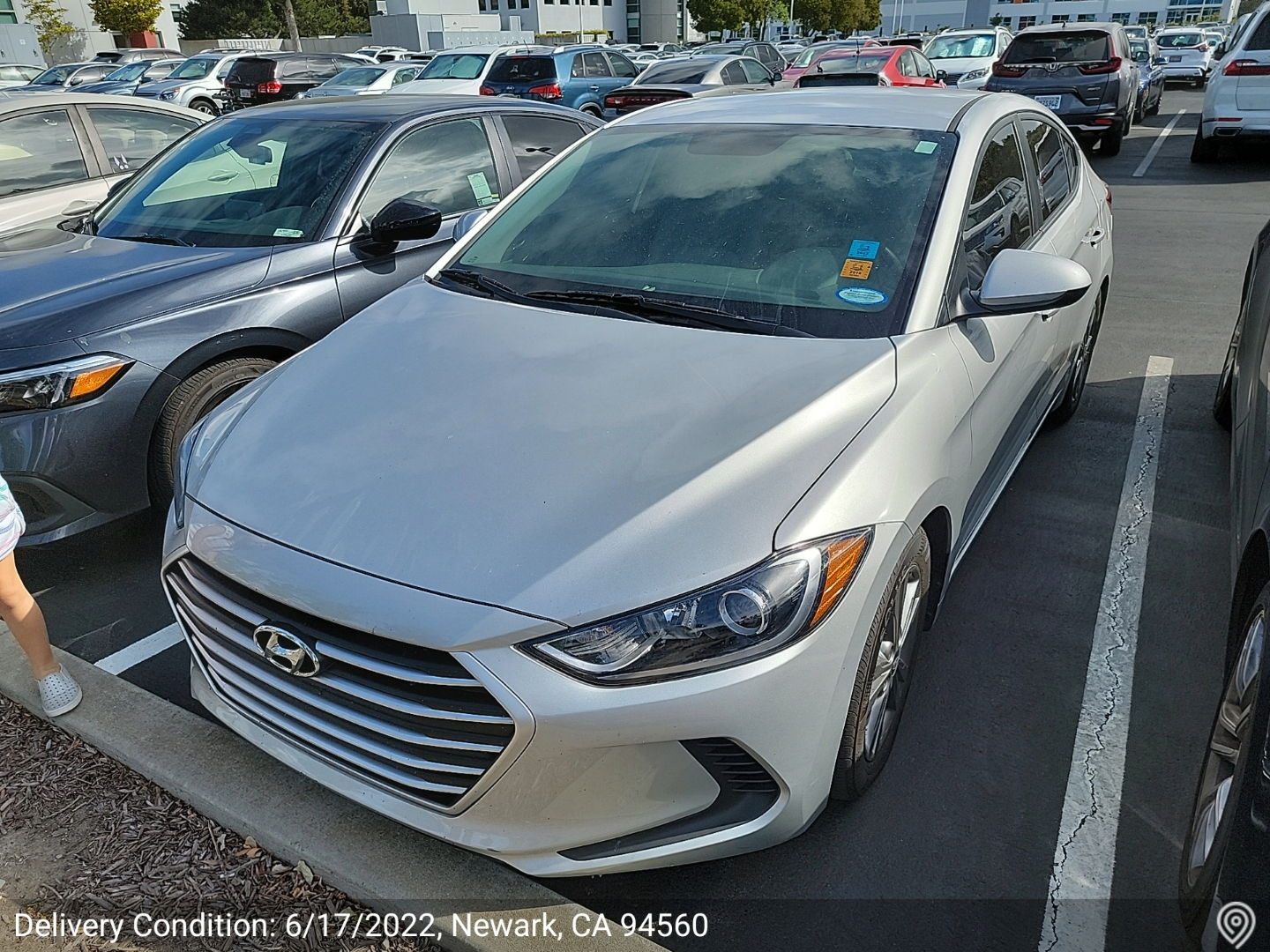
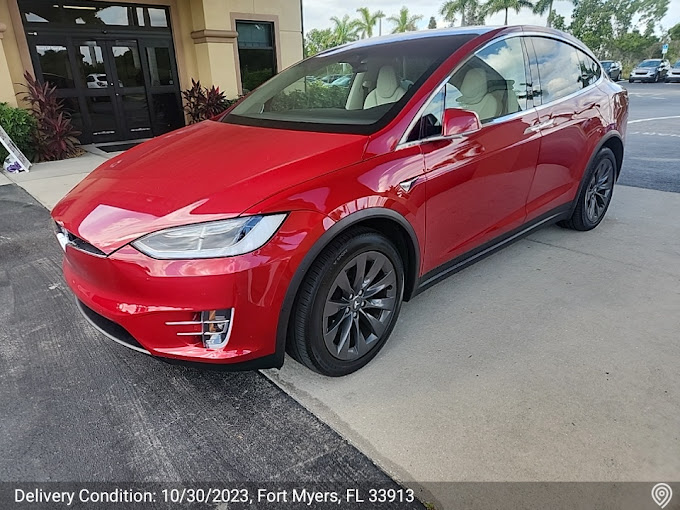
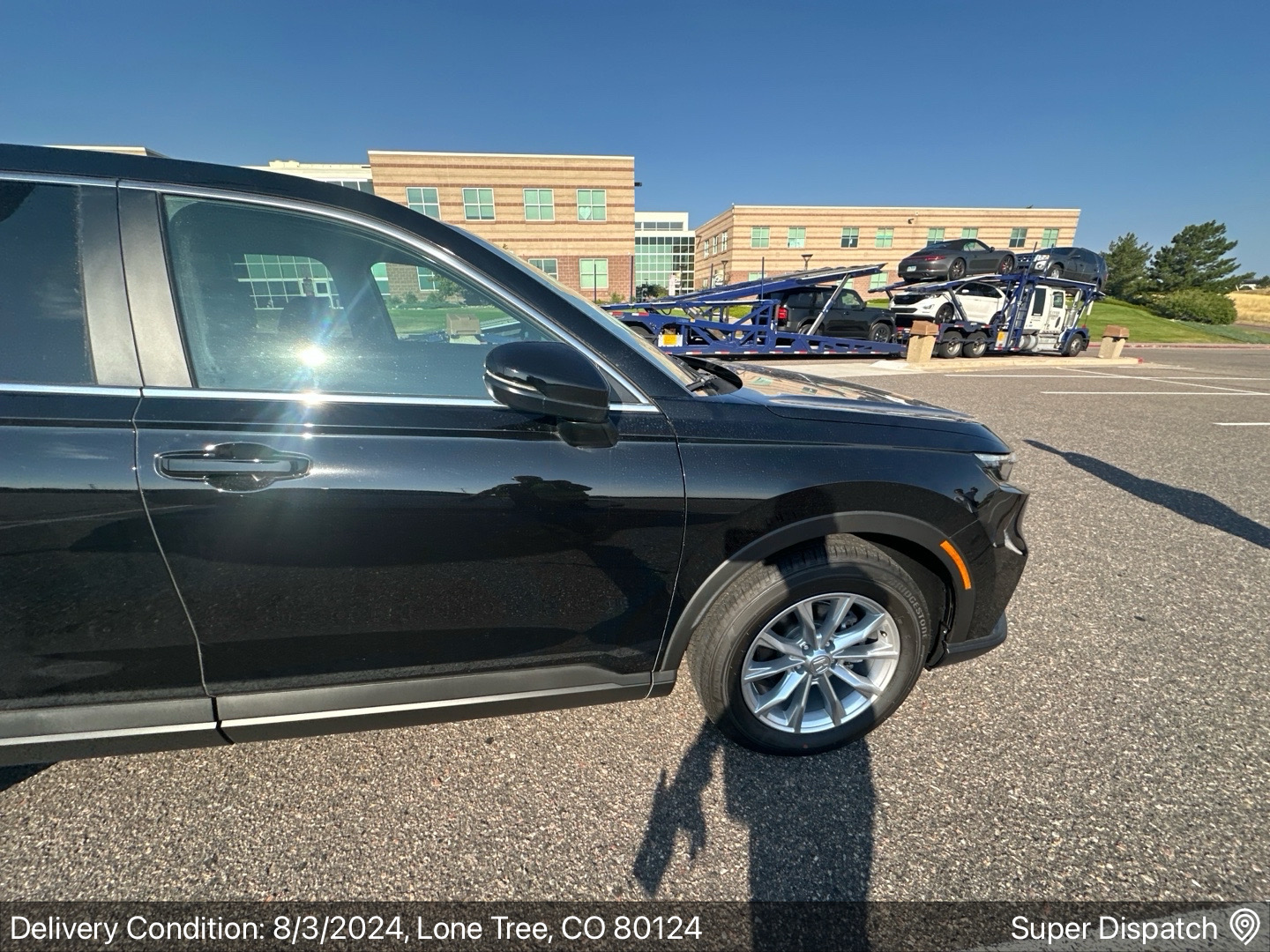
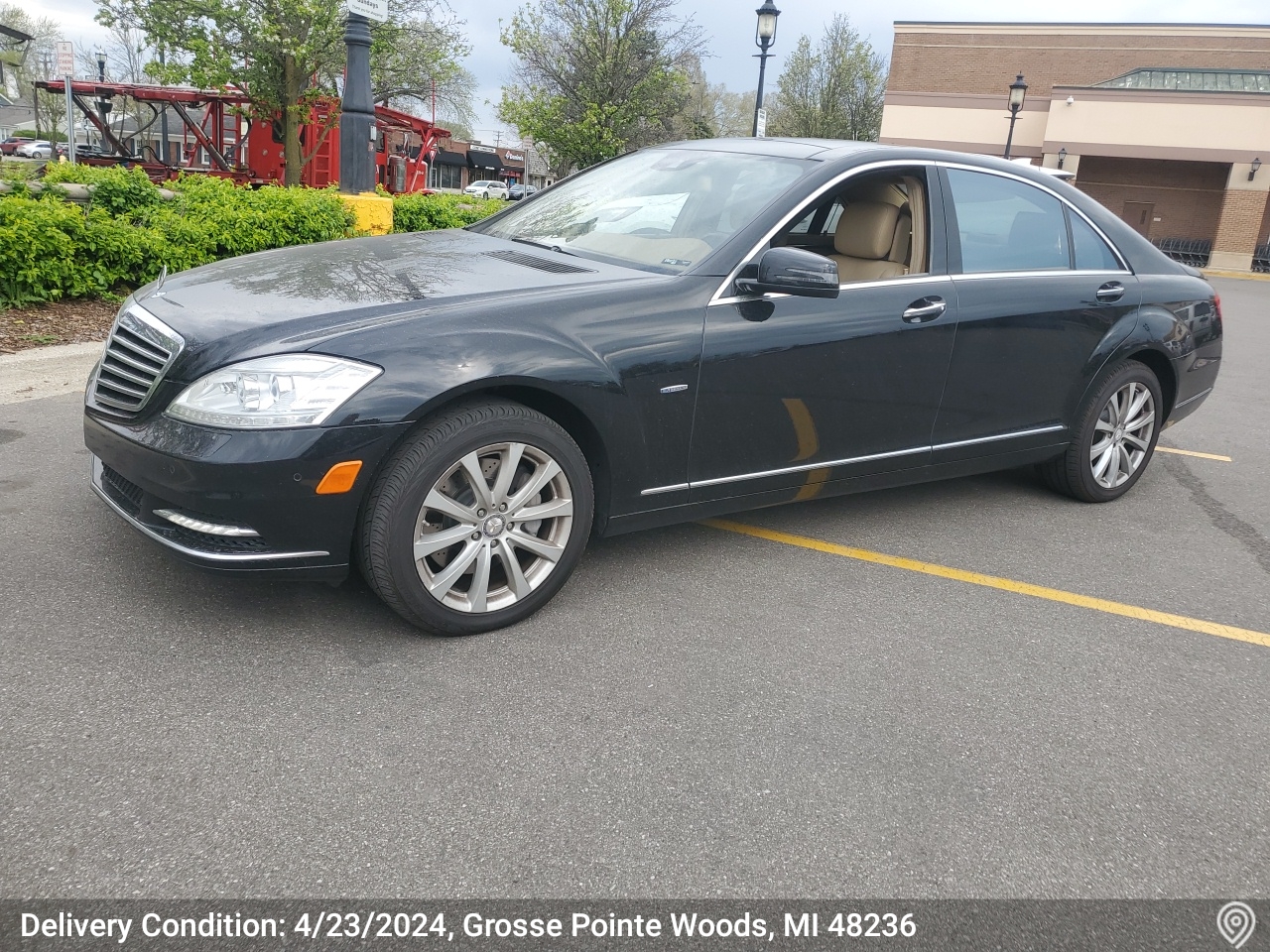
Baton Rouge auto transport pickup and delivery are straightforward by Louisiana standards. Wide residential streets and open suburban layouts mean carriers can reach most addresses without staging or special coordination. With strong carrier availability on both the I-10 and I-12 corridors, dispatch typically aligns well with the standard 3-day pickup window we build around your first available date. Transit time after pickup depends on your destination, but the volume of carriers moving through Baton Rouge daily gives us real scheduling flexibility. The one variable worth planning around is hurricane season: between June and November, a significant storm can shift traffic patterns on I-10 and add a day or two to pickup timelines.
Review your quote, confirm vehicle details and dates. No payment collected until a carrier is assigned.
We dispatch your order to our carrier network. You receive carrier details, insurance info, and estimated pickup window.
Carrier gives you 24 hours advance notice before pickup. Walk-around inspection together, every mark documented on the Bill of Lading, both parties sign.
Track your shipment status through your coordinator. We handle any schedule changes or logistics questions.
24-hour advance notice, then a call when close. Second walk-around inspection — damage during transport is extremely rare, but note any new issues on the Bill of Lading before signing. Once signed without exceptions, claims are extremely difficult to win.
Your carrier will contact you roughly 24 hours before arriving to confirm the pickup window. At pickup, a driver conducts a walk-around inspection of your vehicle, documenting any existing marks, scratches, or dents on the Bill of Lading. You sign to confirm the condition report is accurate. Baton Rouge car transport pickups across most neighborhoods are straightforward given the open residential access throughout the metro. Keep the vehicle accessible, fuel level around a quarter tank, and personal items removed.
As your vehicle approaches its destination, the carrier will call ahead with roughly 24 hours notice before arrival. At delivery, walk the vehicle carefully and compare its condition against the original Bill of Lading from pickup. Damage during transport is extremely rare, but if you notice anything new, note it on the Bill of Lading before signing. Once you sign without documenting a concern, filing a claim becomes significantly harder. Auto shipping Baton Rouge customers receiving vehicles should conduct this inspection in good lighting before the driver departs.
Every carrier in our network is required to carry cargo insurance as a condition of their FMCSA operating authority. Coverage details vary by carrier and are confirmed before your vehicle is dispatched.
At pickup, the driver and you complete a joint vehicle inspection. Every scratch, dent, and existing mark is documented on the Bill of Lading. At delivery, you must carefully compare the vehicle's condition against this record before signing the delivery receipt. If you notice any new damage, note it on the Bill of Lading before you sign. Once you sign the delivery receipt without noting damage, it becomes extremely difficult to file and win a claim. This is the single most important step in protecting yourself during the transport process.
Most Baton Rouge neighborhoods present no meaningful access challenges for open-transport carriers. The suburban grid across areas like Zachary, Central, and the Perkins Road corridor features wide streets, generous driveways, and minimal overhead obstructions, allowing standard multi-car trailers to load and unload without requiring a staging location. This is a genuine advantage over denser Gulf Coast cities where carriers routinely ask customers to meet at a nearby parking lot.
The I-10/I-12 interchange also means carriers entering and exiting Baton Rouge have multiple routing options, reducing the congestion-related delays that affect single-highway markets. For vehicle transport Baton Rouge customers near the downtown riverfront or LSU's campus, street parking can be tighter, but most residential side streets still accommodate carrier access without issue.
Relocating Residents and Professionals — Baton Rouge vehicle shipping demand is heavily driven by state government hiring, LSU faculty moves, and petrochemical industry transfers along the Mississippi corridor. If you're relocating to or from the capital region, request a free car shipping quote to lock in your dates early.
Students — LSU's enrollment of roughly 35,000 creates concentrated shipping volume each August and May. Car shipping companies Baton Rouge customers use most frequently during these windows book out faster, so plan two to three weeks ahead of move-in or move-out dates.
Dealerships — Metro-area dealers use the I-10 and I-12 corridors to move inventory across the Gulf states. Consistent carrier traffic through Baton Rouge supports reliable dealer transport on both eastbound and westbound runs.
Snowbirds — Louisiana sees some seasonal migration traffic, and Baton Rouge's interstate access connects well to both Florida-bound and Texas-bound routes for customers following the sun.
Baton Rouge's position at the I-10/I-12 junction means strong carrier competition on Gulf Coast routes, which influences pricing favorably. Distance, vehicle size, and seasonal demand—particularly around LSU's academic calendar—affect your rate. Petrochemical industry relocations and dealer shipments also shape route-specific pricing. Request a car shipping Baton Rouge LA quote for your specific route.
Baton Rouge sits on major east-west carrier corridors connecting Texas to Florida, so pickups are typically scheduled efficiently. Routes toward the Northeast or Pacific Coast involve longer hauls with potential relay points. For auto transport Baton Rouge LA timing, select your route above for details.
Yes. Most Baton Rouge neighborhoods—including areas around LSU, Southdowns, Shenandoah, and the Garden District—feature wide residential streets that accommodate standard open carriers. We coordinate door-to-door service when you ship a car to Baton Rouge, where road width and overhead clearance permit, throughout the metro area.
Open transport Baton Rouge works well for most vehicles shipped to or from the city and matches the majority of carrier equipment on Gulf Coast routes. Enclosed car shipping Baton Rouge is worth considering for luxury, classic, or high-value vehicles, especially given Louisiana's heavy rain and humidity exposure. Enclosed availability is more limited than open transport, and pricing is typically higher.
Louisiana sees year-round auto transport demand without dramatic seasonal swings. However, late summer brings both LSU move-in volume and peak hurricane season, which can tighten capacity on Baton Rouge auto transport routes. Scheduling outside August and September may offer more carrier options and smoother coordination, making it often the best window for shipping a car from Baton Rouge.
Someone 18 or older must be present at both ends to authorize the shipment and sign the Bill of Lading. If you cannot attend personally, designate a trusted representative — a friend, family member, or dealership contact — to handle the vehicle inspection and paperwork on your behalf.
Yes. Every carrier in our network carries cargo insurance as required by their FMCSA operating authority. Coverage specifics are confirmed before dispatch. At both pickup and delivery, you complete a joint vehicle inspection documented on a Bill of Lading — this protects you if any issue arises.
Yes, we transport non-running vehicles to Baton Rouge. The vehicle needs to roll, steer, and brake for standard loading. Vehicles that cannot roll may require a winch or forklift at additional cost. Mention the vehicle's condition when requesting your quote.
Wash the exterior so scratches and dents are visible during inspection. Remove toll transponders, parking passes, and loose interior items. Leave roughly a quarter tank of fuel. Disable aftermarket alarms. Take dated photos of all sides, roof, and odometer before the carrier arrives for your records.
Most carriers allow personal belongings in the trunk or cargo area up to about 100 pounds. Items must stay below the window line and cannot be fragile or high-value. Personal items are not covered under carrier cargo insurance, so keep the vehicle as empty as practical.