Door-to-door car shipping with fully insured carriers. No upfront payment.
Atlanta auto transport operates at a scale few Southern cities can match. Sitting at the convergence of I-75, I-85, and I-20, Atlanta is the Southeast's primary carrier staging ground — trucks heading to Florida, the Carolinas, Tennessee, and Alabama all pass through this interchange, making it one of the most carrier-dense markets in the country. Corporate relocations from the tech, finance, and healthcare sectors generate consistent residential demand, while Manheim and Copart auction facilities nearby add commercial volume that keeps carriers moving through the region every day of the year. Common corridors like Atlanta to Miami or Atlanta to New York see daily carrier runs, giving customers frequent route options.
For practical logistics, Atlanta's strength in carrier availability means dispatch is fast — but the metro environment adds a coordination layer. Midtown and Buckhead streets are narrow, parking restrictions are common, and downtown staging areas for large transport trailers are limited. When you book Atlanta auto transport through ATP, we factor in these access realities from the start and work with carriers to identify workable pickup and delivery points. Book with at least a week's lead time to give that coordination room to work.
Atlanta serves as Georgia's economic engine, drawing corporate relocations from the tech, finance, healthcare, and logistics sectors. The Hartsfield-Jackson International Airport workforce alone generates steady demand to ship a car to Atlanta or from the metro area. Nearby Manheim and Copart auto auction facilities add commercial vehicle volume that keeps carriers flowing through the region year-round, contributing to consistent year-round demand for shipping a car from Atlanta.
As a hub for Atlanta vehicle shipping, the city benefits from its position at the I-75/I-85/I-20 interchange — a junction that connects Florida, the Carolinas, Alabama, and Tennessee in every direction. This convergence means carriers heading to nearly any U.S. destination pass through metro Atlanta, creating a highly competitive market with frequent route options. Car shipping Atlanta GA requests benefit from this natural carrier density, though pickups inside the perimeter often require coordination around congested corridors and limited truck staging areas. Strong route coverage on these corridors helps when shipping a car to Atlanta.
We have used ATP for several years and have been always pleased with the quality of the experience. They are our first choice for auto transport.
Delivered our F150 from NC to Marco Island, FL. Very courteous and careful with the truck.
Totally professional and on time. They arrived almost to the minute for pick-up. Our Corvette was in a covered transport. Highly recommend.
Atlanta car shipping costs run favorably compared to smaller Georgia markets, and the reason is straightforward: carrier competition. Multiple trucks bid on Atlanta loads daily, which keeps rates from climbing the way they do in lower-volume corridors. Atlanta auto transport benefits from this natural price pressure — when carriers are already routing through the city, they're motivated to fill empty trailer slots at competitive rates rather than run light. Distance, vehicle size, and transport type (open versus enclosed) still drive the final number, but the baseline here is lower than what you'd see in markets with thinner carrier coverage.
Seasonal demand from the auction facilities can tighten carrier availability briefly during high-volume sale weeks, which occasionally nudges rates upward. Flexibility on your pickup window gives carriers more scheduling options and can work in your favor on price. Get your free auto transport quote today.
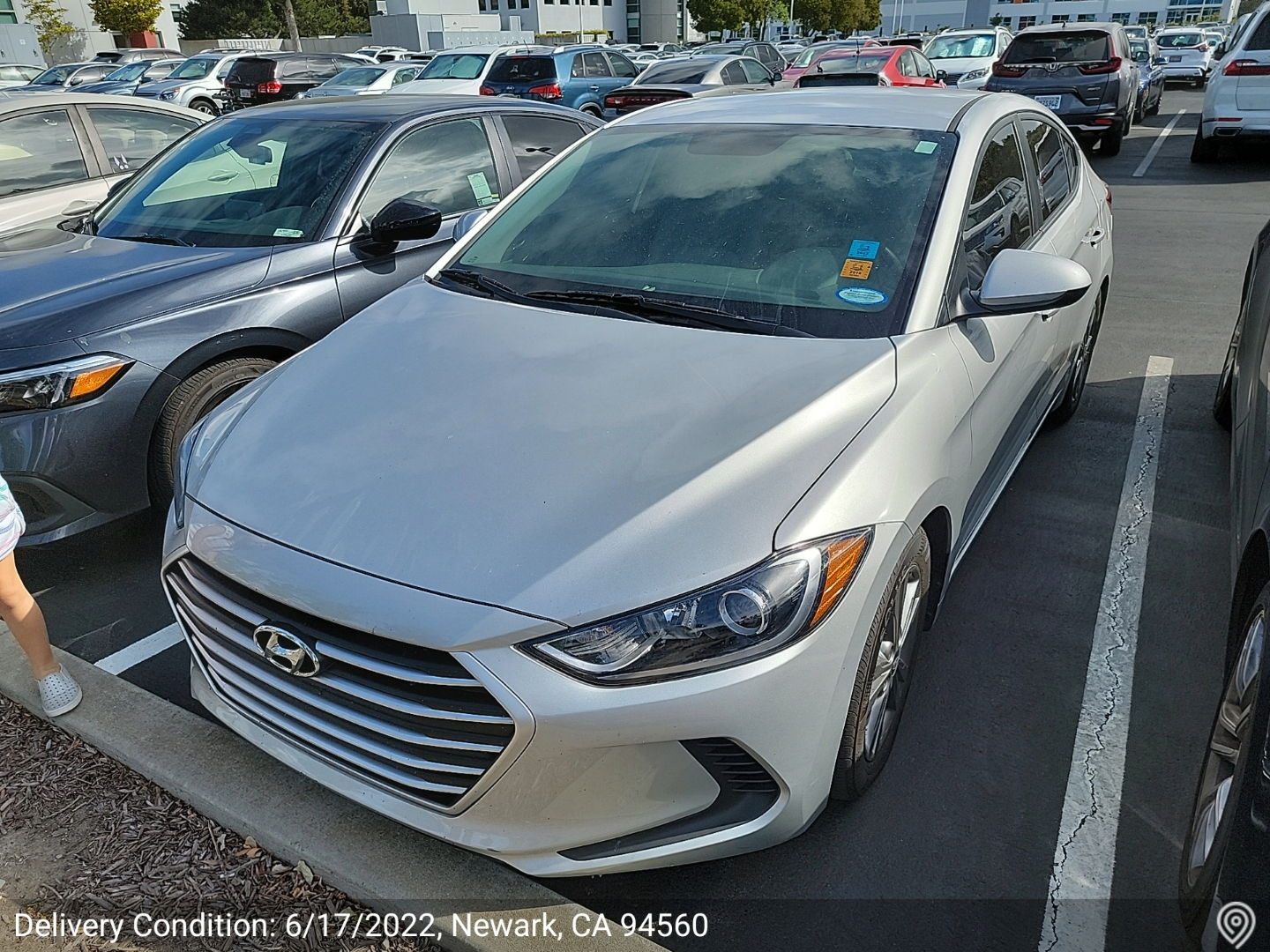
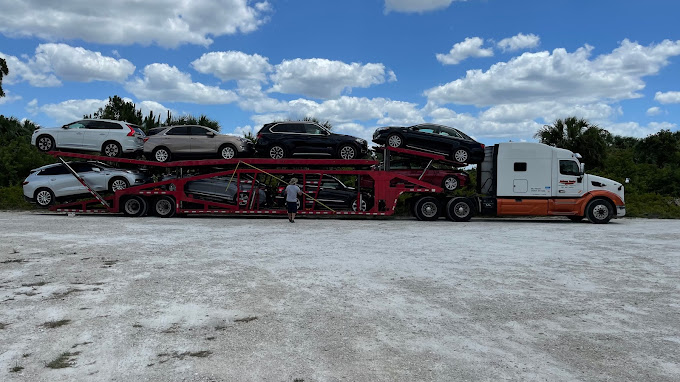
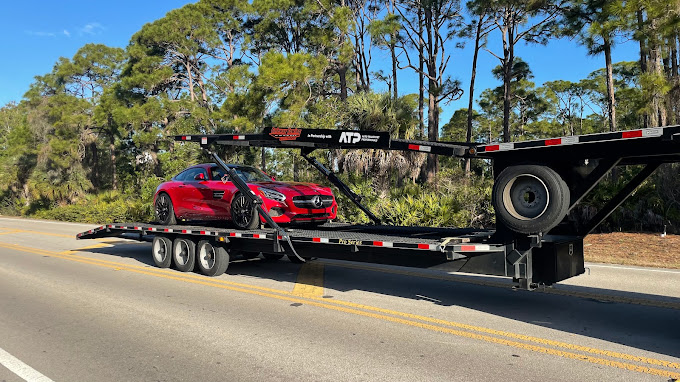
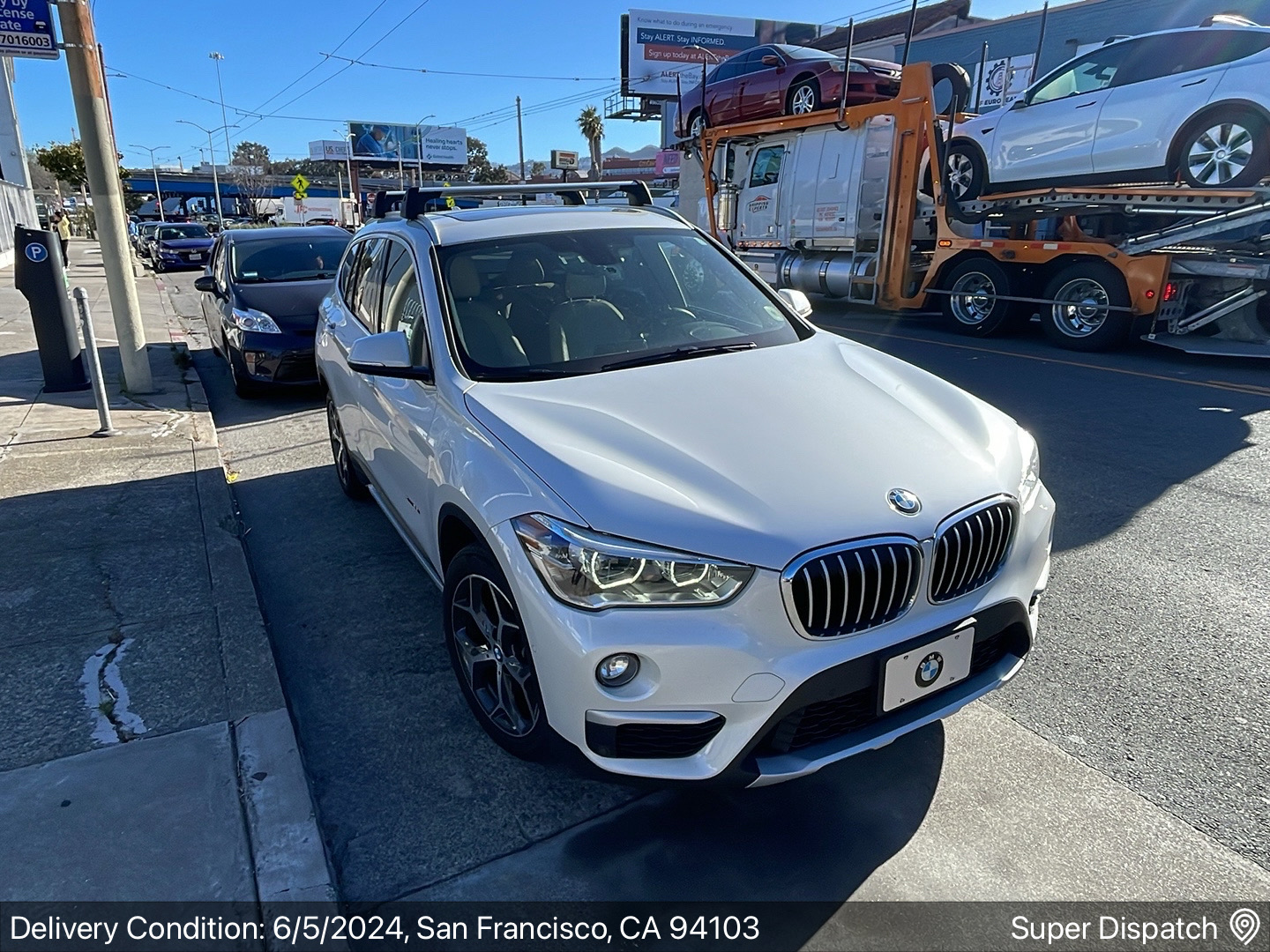


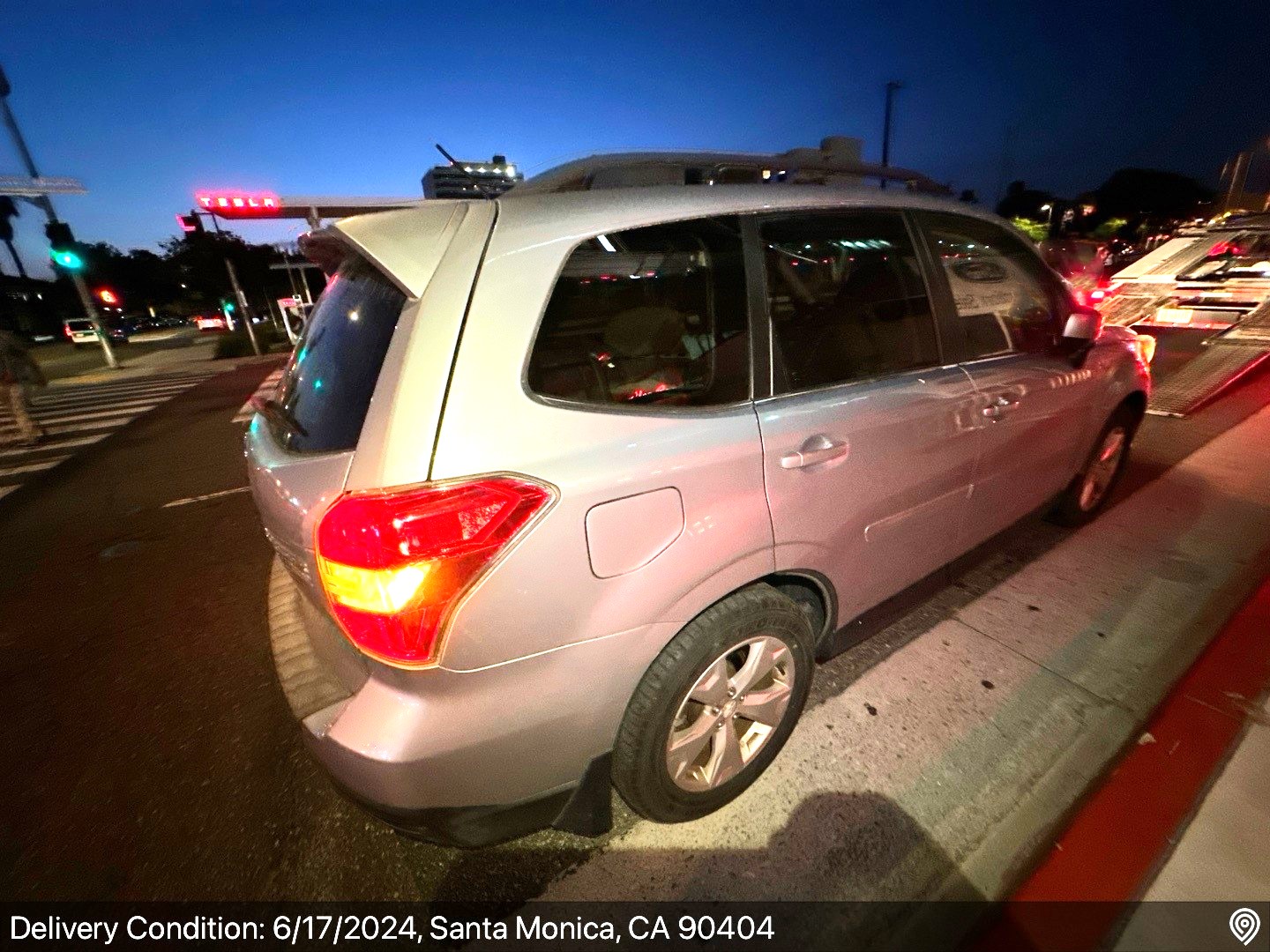
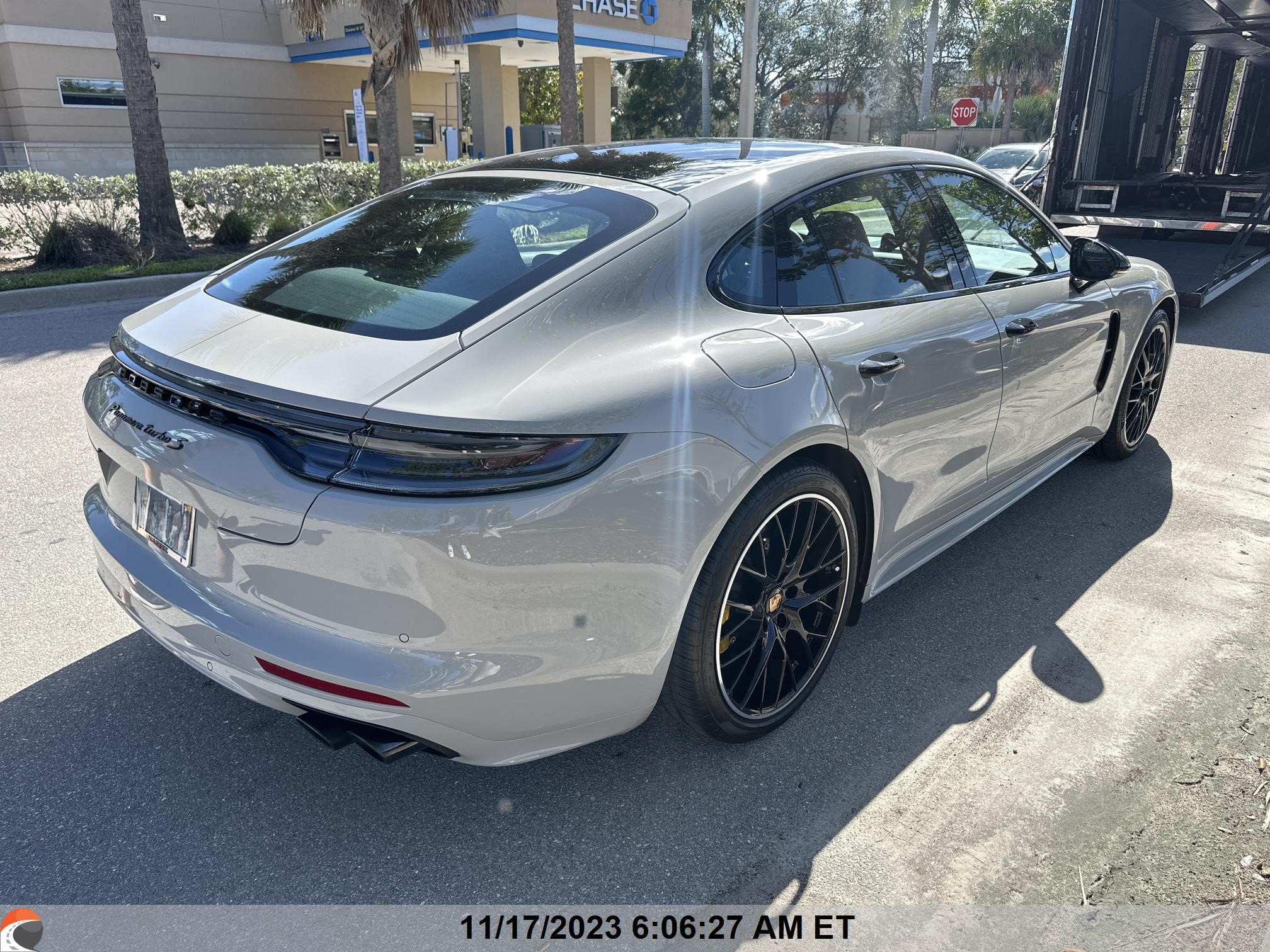
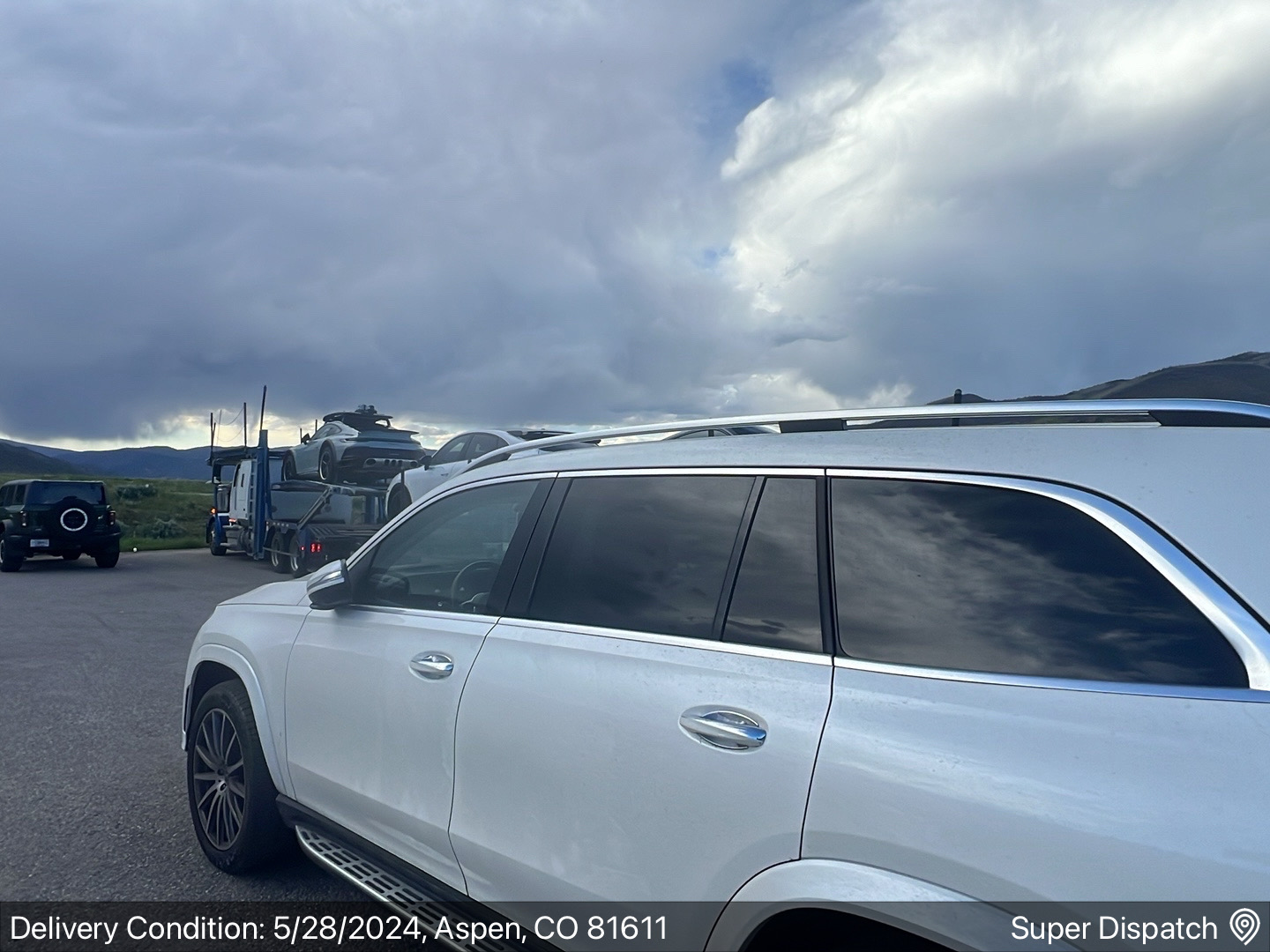
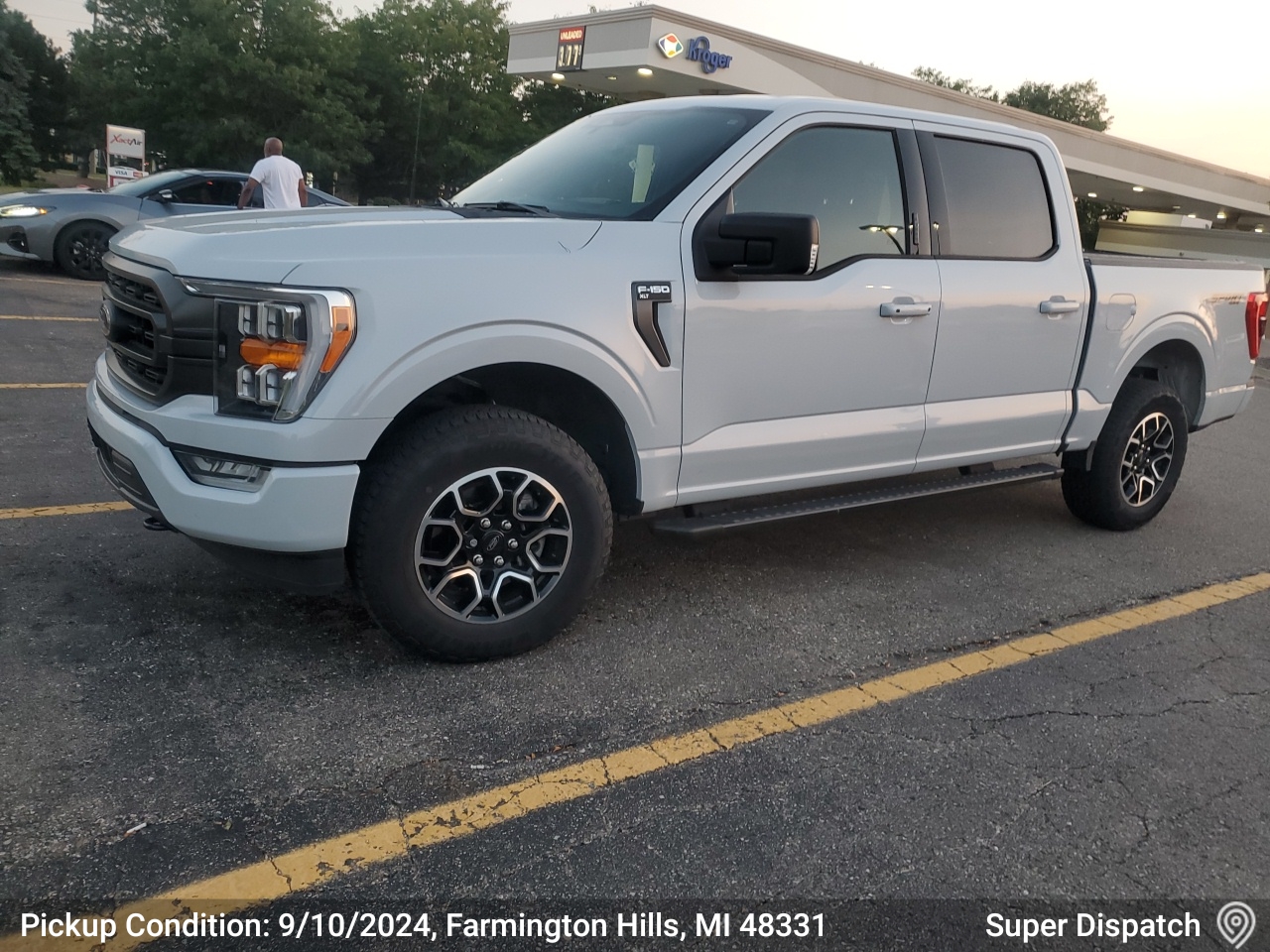
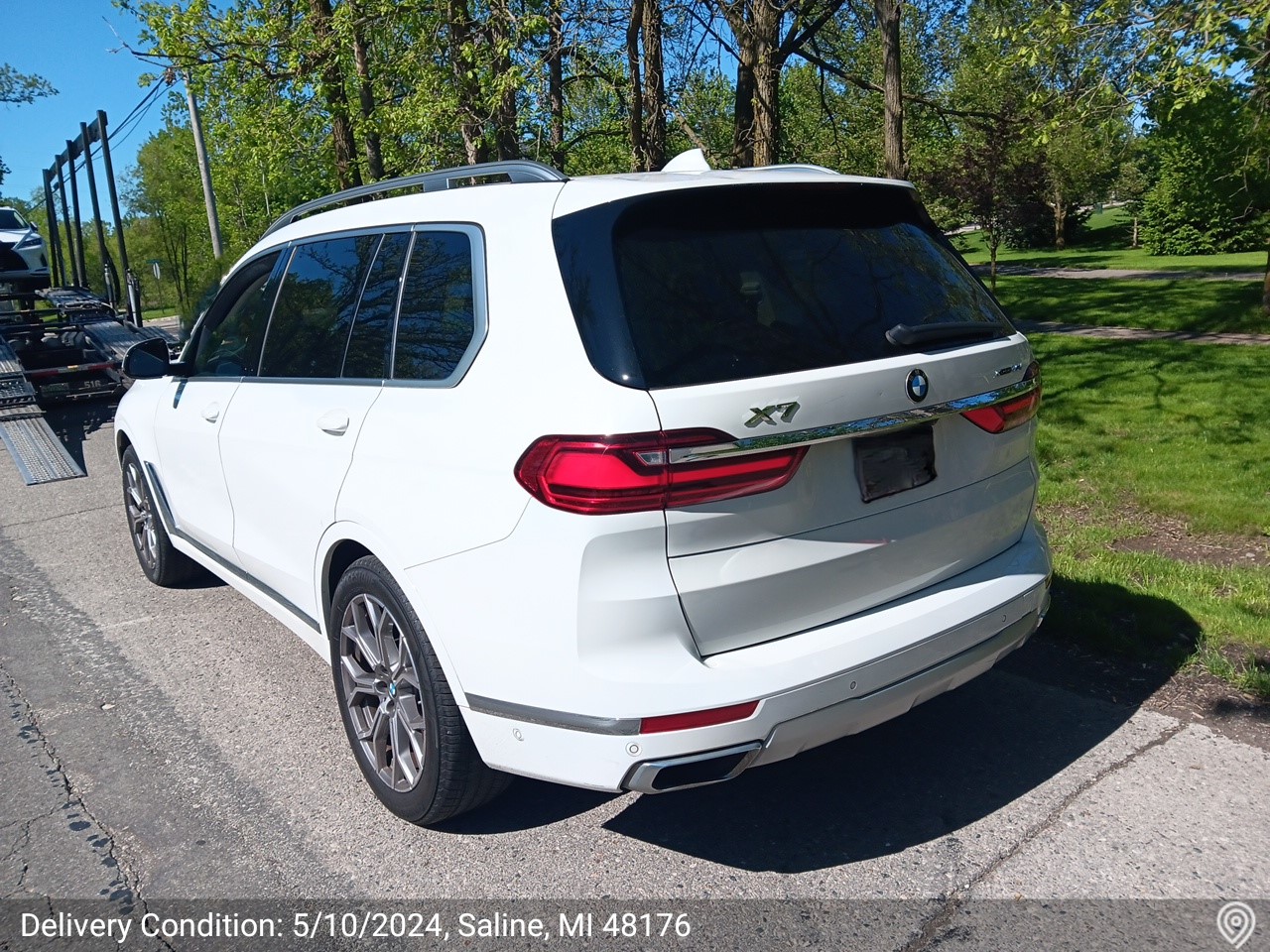
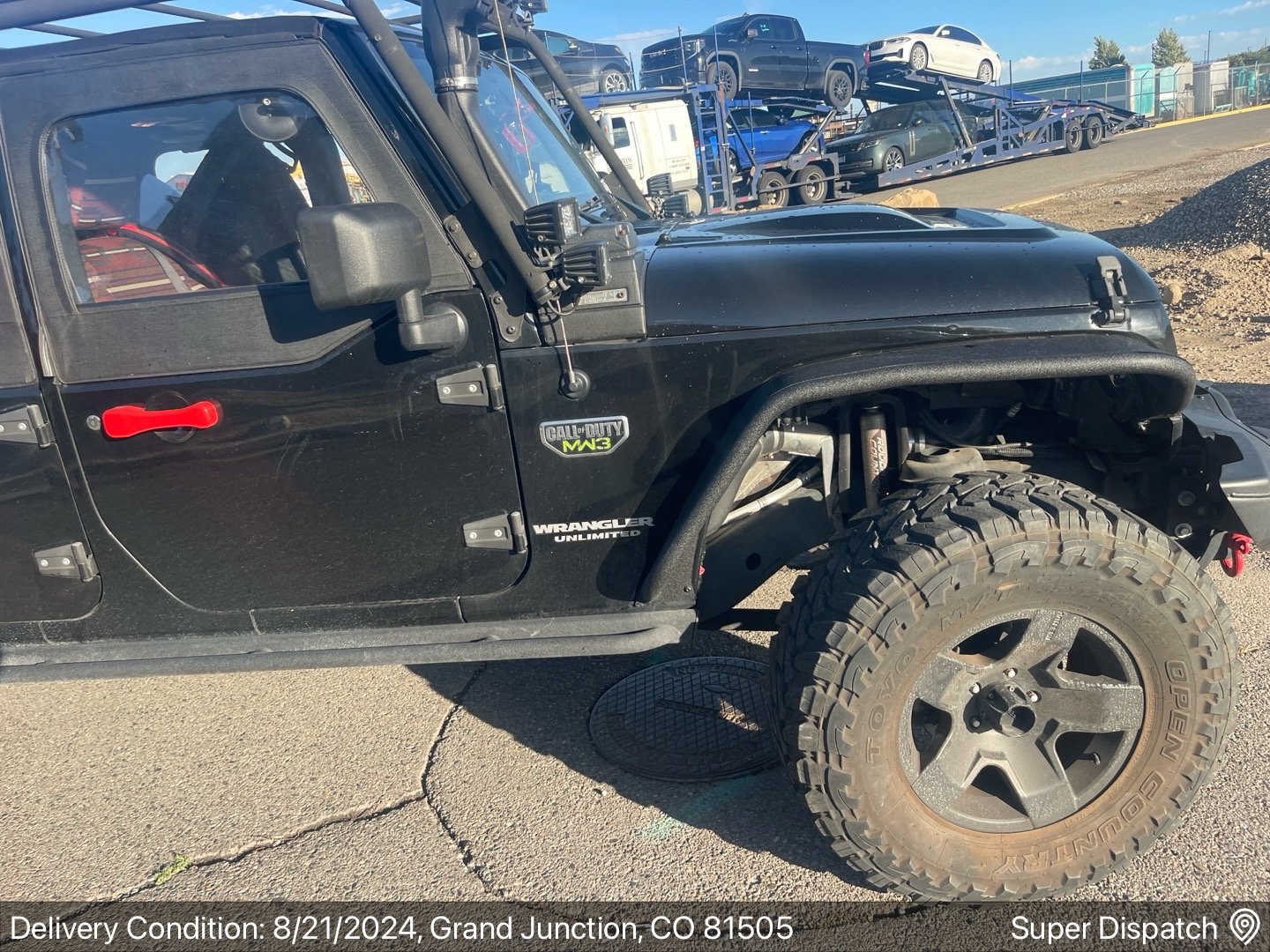
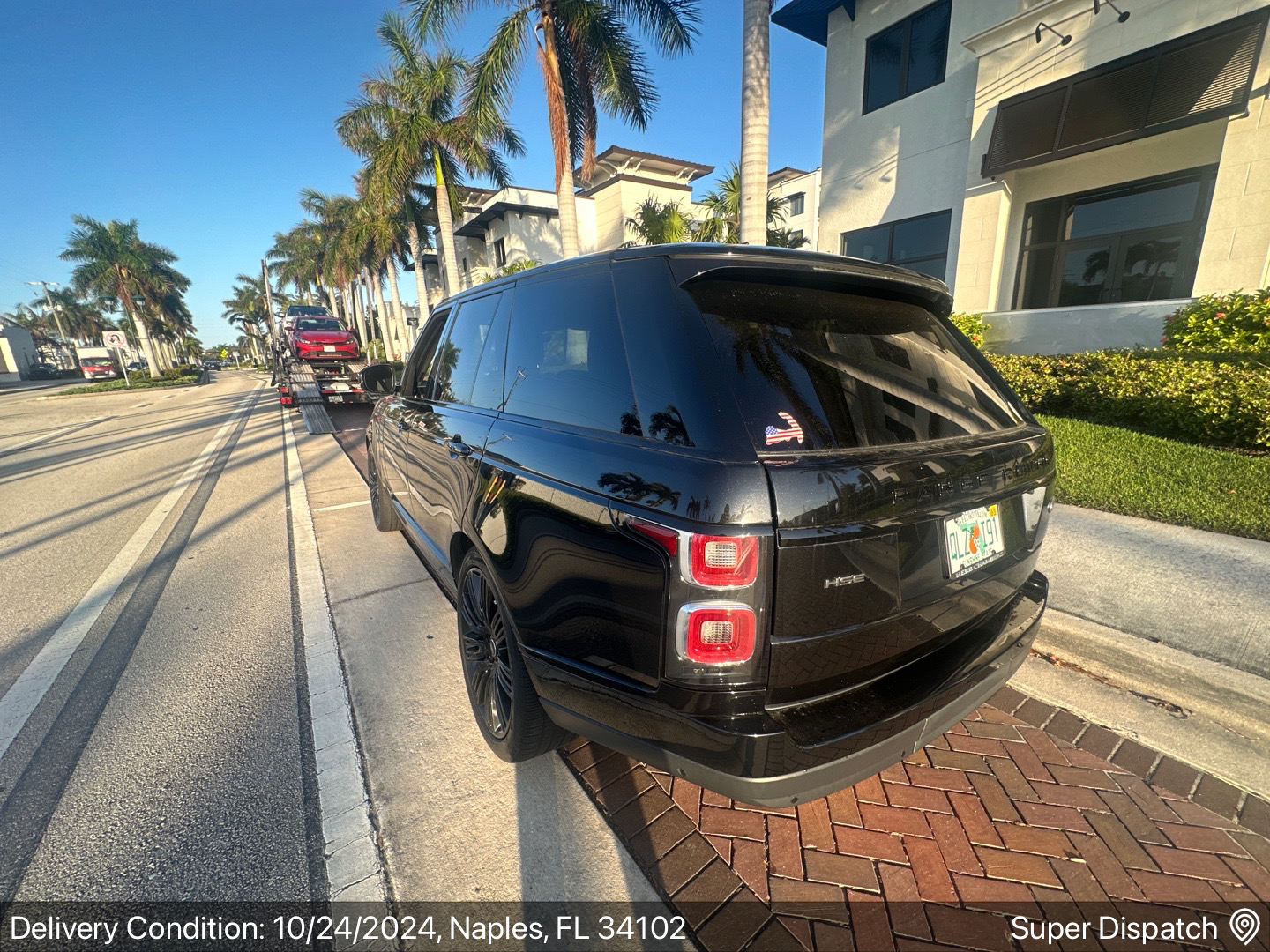
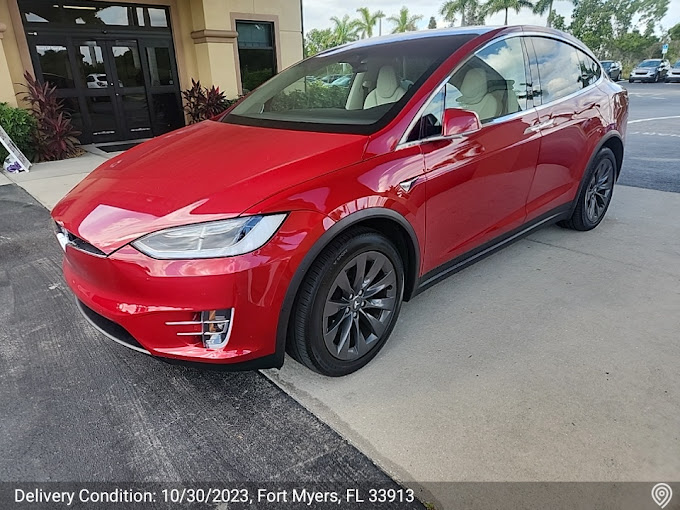
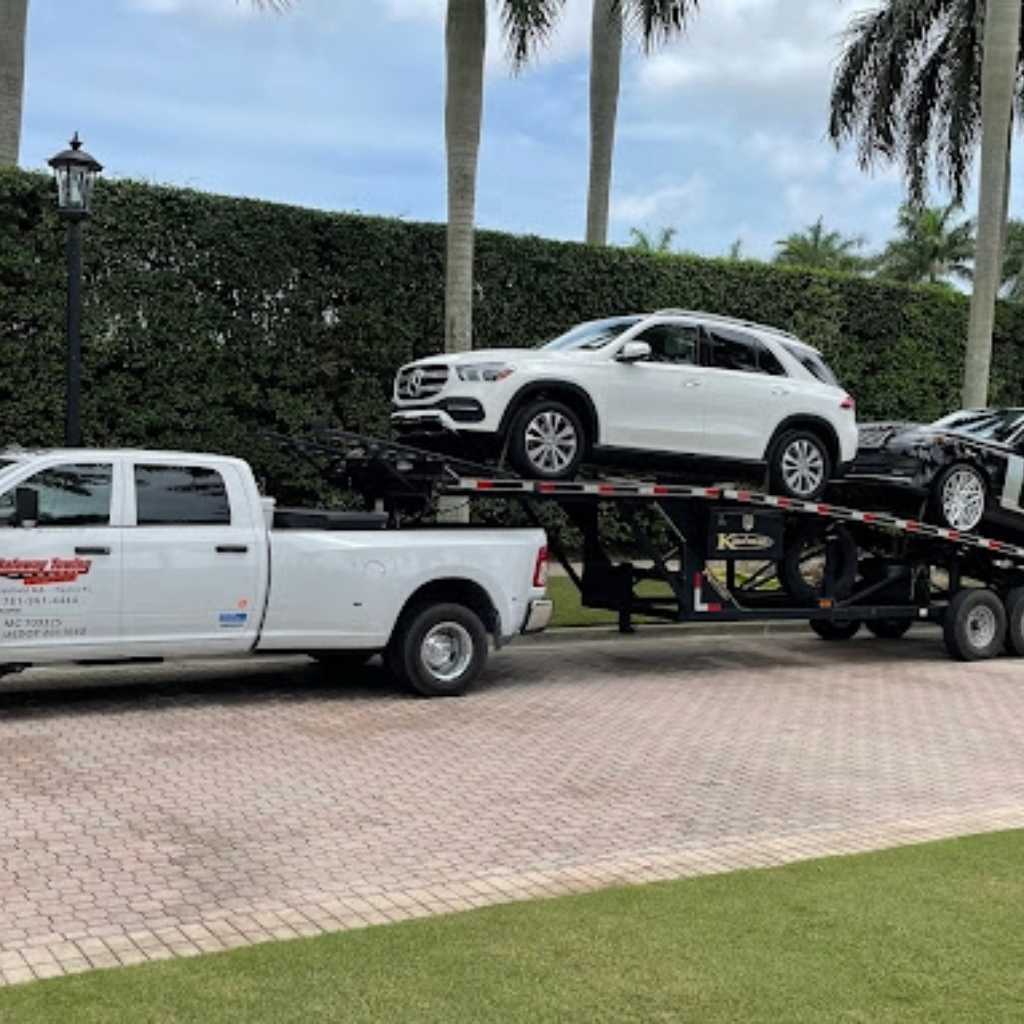
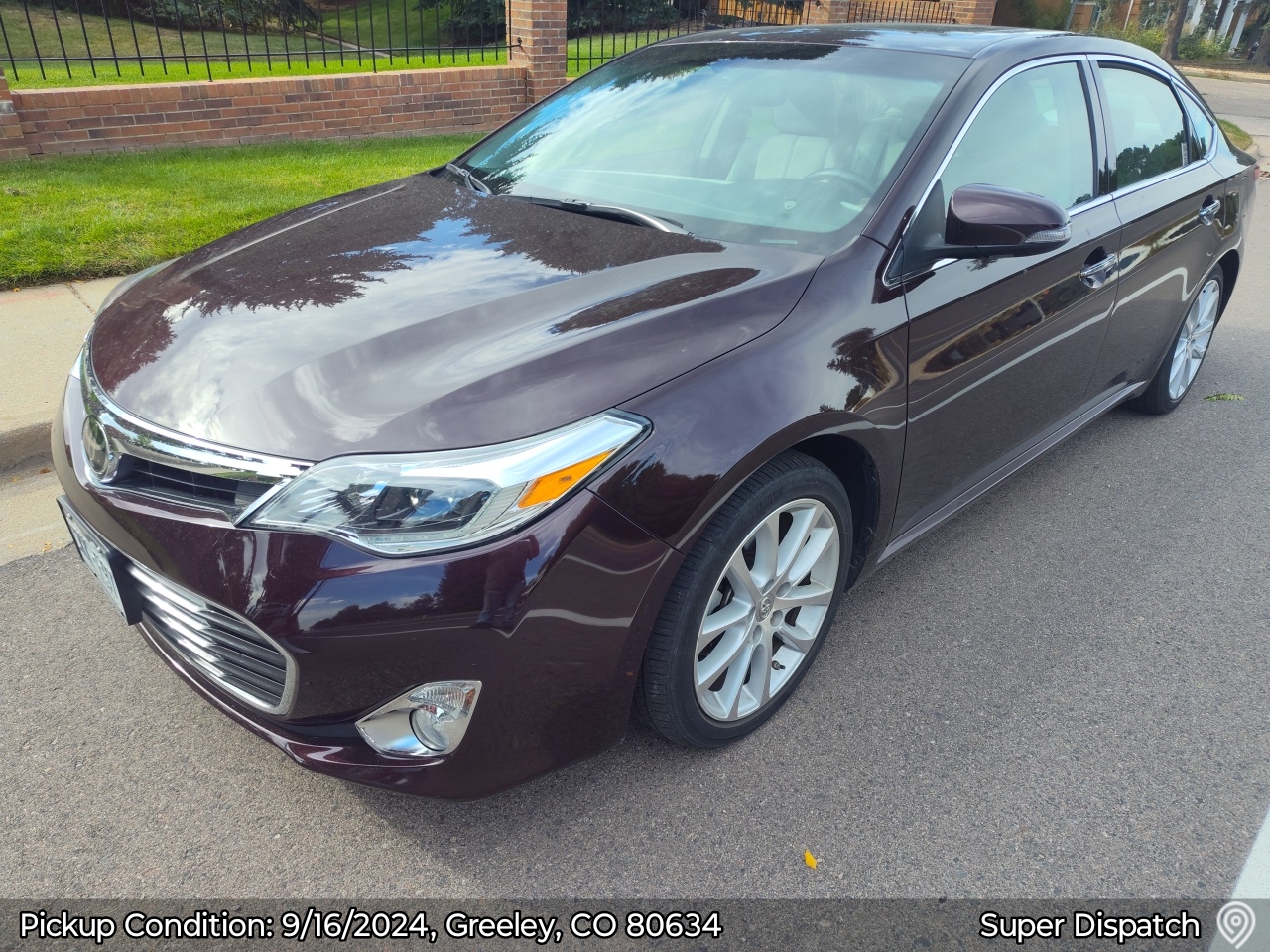
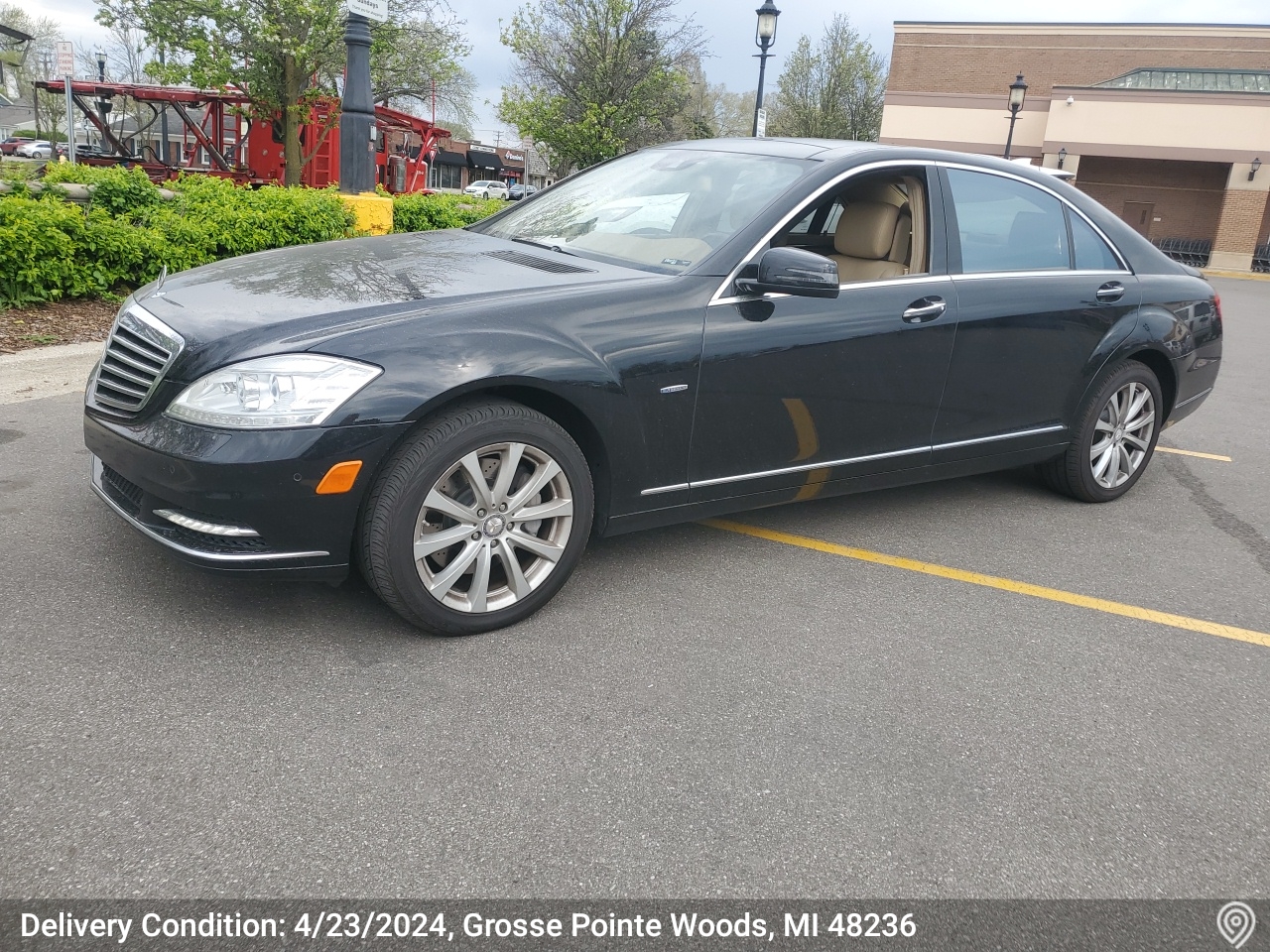
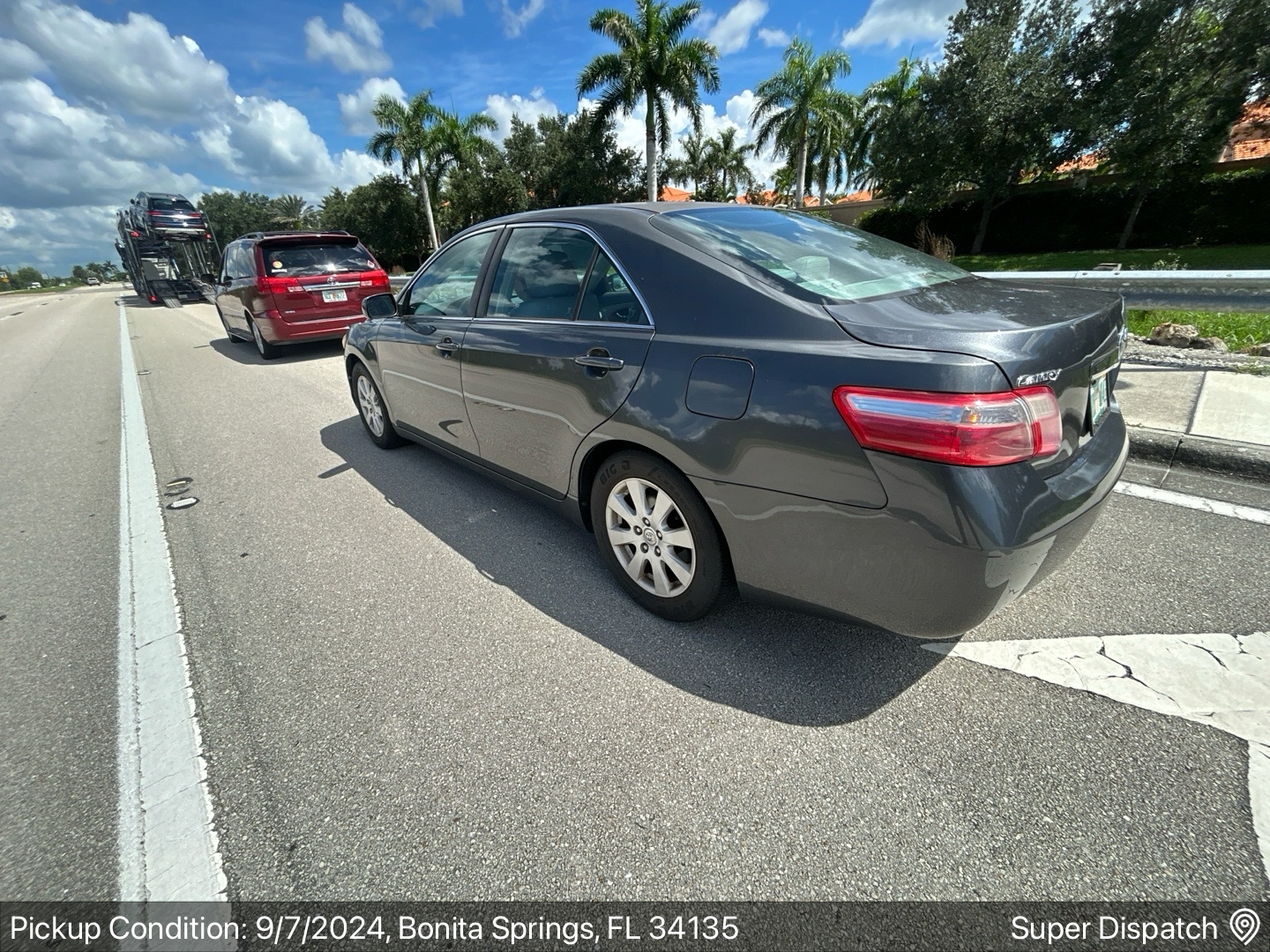
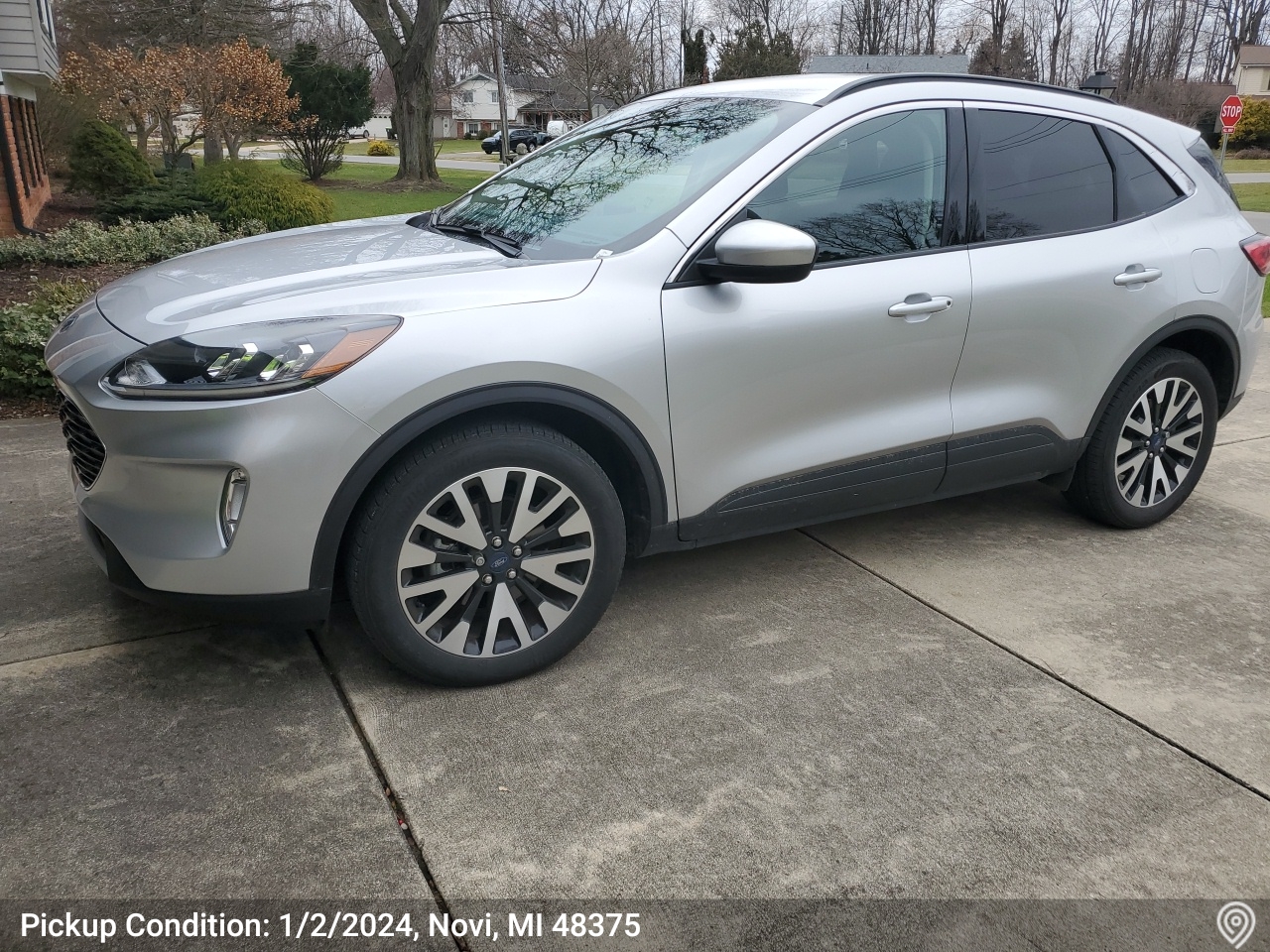
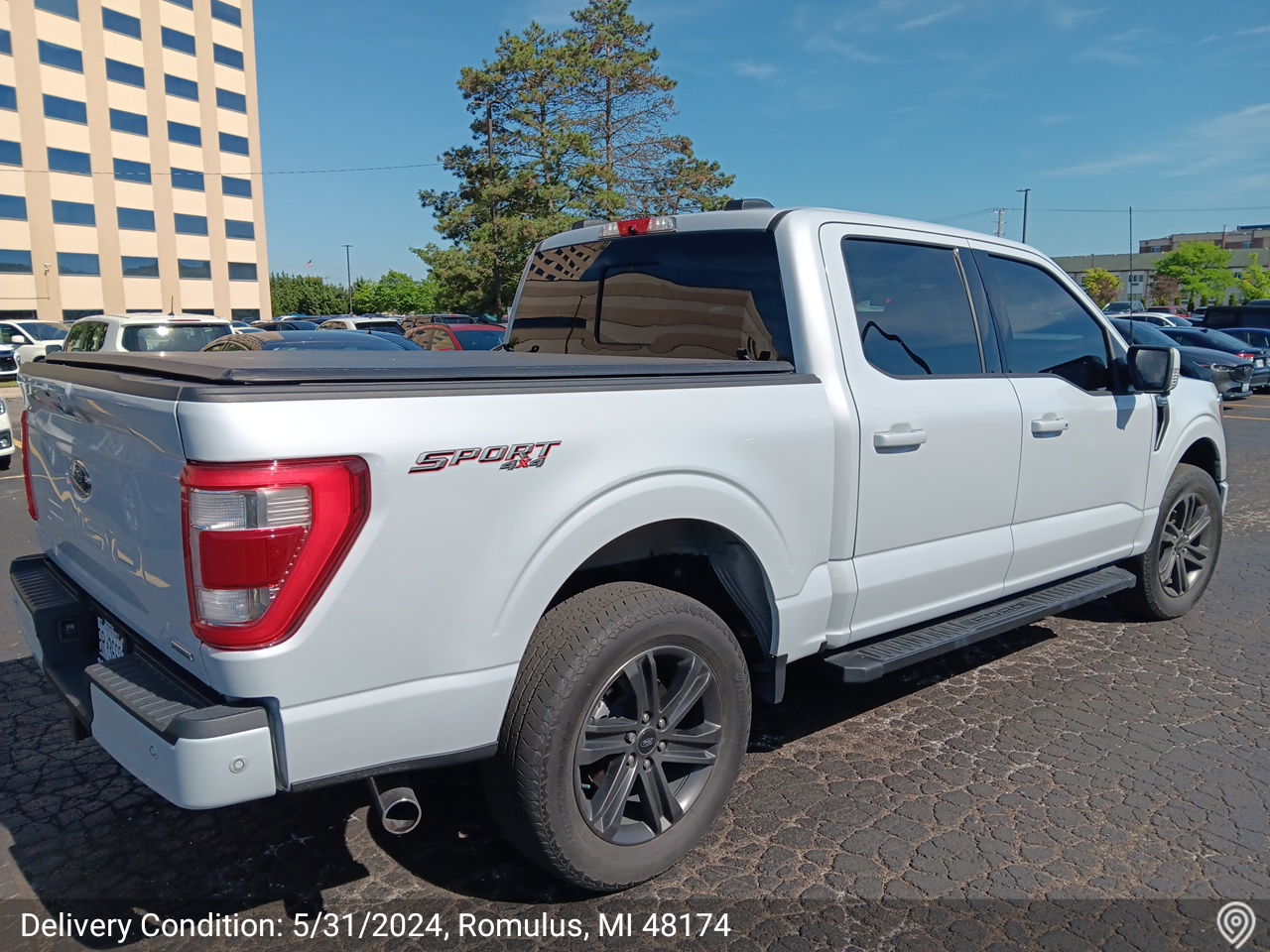
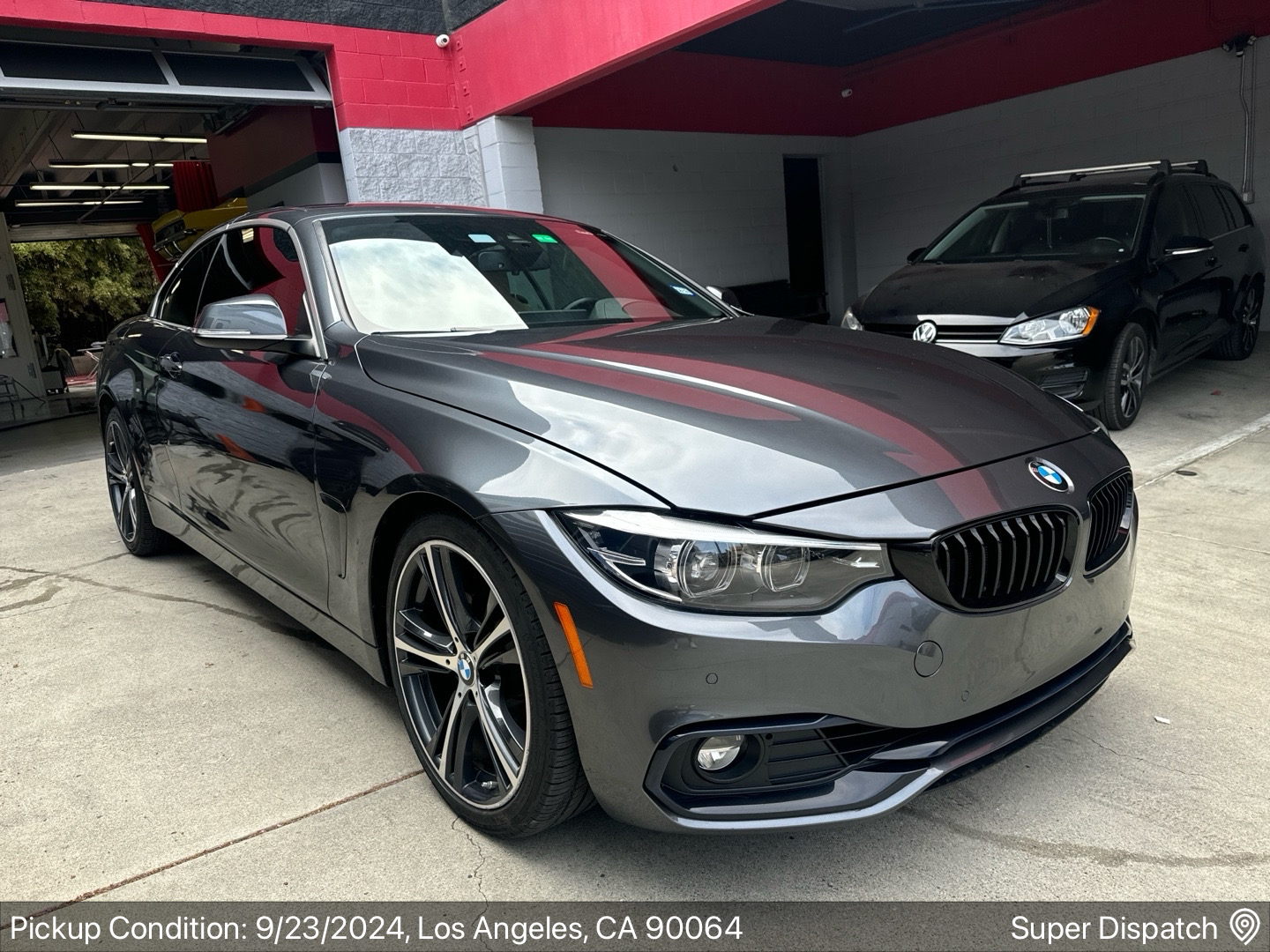
Carrier availability for Atlanta auto transport is among the strongest in the Southeast, so dispatch speed is rarely the limiting factor. The limiting factor is access. Carriers operating 75-foot transport trailers cannot legally or safely stage in many parts of Midtown, Buckhead, or downtown Atlanta. Traffic congestion on I-285 and the downtown connector adds further scheduling complexity. Expect your carrier to contact you roughly 24 hours before arrival and, in many cases, to propose a nearby meeting point — a parking lot, gas station, or open commercial area — where the truck can maneuver safely. Plan for that coordination when scheduling your pickup.
Atlanta's auction activity at Manheim and Copart facilities runs year-round, but commercial vehicle volume tends to spike around major sale events. During these periods, carriers prioritize dealer and wholesale loads, which can briefly reduce available capacity for private shipments. If your move overlaps with a high-volume auction week, booking a few days earlier than you otherwise would helps secure your slot before commercial freight absorbs available truck space.
Georgia's position as a snowbird corridor also affects local carrier flow. Southbound traffic toward Florida peaks from October through February, and northbound volume picks up from March through June. Atlanta sits directly on those migration routes, so auto shipping Atlanta demand from seasonal travelers adds to the commercial baseline during those months. Booking ahead during peak migration windows is the straightforward way to avoid the tightest availability periods.
Review your quote, confirm vehicle details and dates. No payment collected until a carrier is assigned.
We dispatch your order to our carrier network. You receive carrier details, insurance info, and estimated pickup window.
Carrier gives you 24 hours advance notice before pickup. Walk-around inspection together, every mark documented on the Bill of Lading, both parties sign.
Track your shipment status through your coordinator. We handle any schedule changes or logistics questions.
24-hour advance notice, then a call when close. Second walk-around inspection — damage during transport is extremely rare, but note any new issues on the Bill of Lading before signing. Once signed without exceptions, claims are extremely difficult to win.
Your carrier will give you roughly 24 hours advance notice before arriving. At pickup, a driver inspects your vehicle and documents its condition on a Bill of Lading — note any existing scratches, dents, or chips before signing. In Atlanta's metro areas, that pickup often happens at an agreed-upon meeting point rather than your front door. A nearby parking lot or open commercial lot is typical. The process itself is straightforward once a location is confirmed.
Before your vehicle arrives, the carrier will call with roughly 24 hours notice and again when they're close. At delivery, walk the vehicle carefully and compare its condition against the original Bill of Lading. Damage during transport is extremely rare, but if you notice anything new, document it on the BOL before signing. Once you sign without noting damage, filing a claim becomes significantly harder. Atlanta vehicle shipping deliveries follow the same access considerations as pickup — a meeting point may be needed in congested areas.
Every carrier in our network is required to carry cargo insurance as a condition of their FMCSA operating authority. Coverage details vary by carrier and are confirmed before your vehicle is dispatched.
At pickup, the driver and you complete a joint vehicle inspection. Every scratch, dent, and existing mark is documented on the Bill of Lading. At delivery, you must carefully compare the vehicle's condition against this record before signing the delivery receipt. If you notice any new damage, note it on the Bill of Lading before you sign. Once you sign the delivery receipt without noting damage, it becomes extremely difficult to file and win a claim. This is the single most important step in protecting yourself during the transport process.
Atlanta's highway network is exceptional, but the streets inside the perimeter tell a different story. Midtown and Buckhead feature narrow residential lanes, overhead obstructions, and parking restrictions that make it impractical for a fully loaded transport trailer to stop curbside. Downtown Atlanta adds congestion and limited commercial staging areas on top of those physical constraints.
The practical solution is a flexible meeting point. When you book car transport Atlanta through ATP, we identify a nearby location — typically an open parking lot or commercial area within a short drive — where the carrier can safely load or unload. This is standard practice for urban auto transport in Atlanta and adds minimal inconvenience while keeping the process moving efficiently.
Corporate Relocations — Atlanta draws steady executive and employee moves from the tech, finance, and healthcare sectors. Car shipping companies in Atlanta Georgia handle high volumes of corporate relocation shipments year-round. Request a free car shipping quote to get your move on the schedule.
Dealerships and Auction Buyers — With Manheim and Copart operating nearby, dealer and wholesale volume is a core part of Atlanta's transport market. Atlanta car shipping companies run commercial loads through the metro constantly, making dealer transport efficient and well-priced on most corridors.
Seasonal Travelers — Georgia sits on the primary snowbird route between the Midwest and Florida. Carriers moving through Atlanta on seasonal runs often have capacity for private vehicles, keeping ship a car from Atlanta rates competitive during migration months.
Military and PCS Moves — Service members relocating through the Atlanta metro use vehicle transport Atlanta services to move personal vehicles alongside household goods, keeping PCS timelines manageable.
Atlanta's high carrier volume and central Southeast position influence pricing favorably for most routes. Distance, vehicle type, and seasonal auction activity near the city all affect your rate. Inoperable vehicles require advance notice and typically command higher prices due to additional equipment needs. Request an Atlanta vehicle shipping quote for your specific route.
Atlanta's junction of I-75, I-85, and I-20 connects directly to major corridors running north, south, east, and west across Georgia and beyond. Frequent carrier traffic through the metro area supports flexible scheduling for most destinations. For auto transport Atlanta GA timing, select your route above for details.
Yes, where access allows. Many Atlanta neighborhoods — particularly inside the I-285 perimeter — have narrow streets, low-hanging trees, or parking restrictions that limit large carrier access. In those cases, a nearby commercial lot or wider street may serve as the meeting point. Terminal-to-terminal service is also available as an alternative. The same service is available when you ship a car to Atlanta.
Open transport Atlanta handles the vast majority of auto transport Atlanta GA shipments and works well for standard vehicles in Atlanta's mild climate. Enclosed car shipping Atlanta offers added protection for luxury, classic, or high-value vehicles, though enclosed availability is more limited than open transport and pricing is typically higher. Both options operate along Atlanta's major interstate corridors.
Atlanta's role as a major auto auction hub means carrier traffic stays strong across all seasons. Demand peaks during spring and summer when corporate relocation cycles in Georgia's tech and finance sectors accelerate. Booking during fall or winter months may offer more scheduling flexibility and competitive pricing, creating a strong opportunity to ship a car from Atlanta.
Someone 18 or older must be present at both ends to authorize the shipment and sign the Bill of Lading. If you cannot attend personally, designate a trusted representative — a friend, family member, or dealership contact — to handle the vehicle inspection and paperwork on your behalf.
Yes. Every carrier in our network carries cargo insurance as required by their FMCSA operating authority. Coverage specifics are confirmed before dispatch. At both pickup and delivery, you complete a joint vehicle inspection documented on a Bill of Lading — this protects you if any issue arises.
Yes, we transport non-running vehicles to Atlanta. The vehicle needs to roll, steer, and brake for standard loading. Vehicles that cannot roll may require a winch or forklift at additional cost. Mention the vehicle's condition when requesting your quote.
Wash the exterior so scratches and dents are visible during inspection. Remove toll transponders, parking passes, and loose interior items. Leave roughly a quarter tank of fuel. Disable aftermarket alarms. Take dated photos of all sides, roof, and odometer before the carrier arrives for your records.
Most carriers allow personal belongings in the trunk or cargo area up to about 100 pounds. Items must stay below the window line and cannot be fragile or high-value. Personal items are not covered under carrier cargo insurance, so keep the vehicle as empty as practical.