Door-to-door car shipping with fully insured carriers. No upfront payment.
Salt Lake City auto transport operates from one of the Intermountain West's most strategically positioned freight crossroads, where I-15 and I-80 intersect directly through the metro. As a mid-market hub, the city draws steady carrier volume from routes running south toward Provo and St. George, north to Ogden and into Idaho, and east through Wyoming. The Silicon Slopes tech corridor, University of Utah relocations, and a strong healthcare sector all generate consistent demand — both to ship a car to Salt Lake City and outbound. Dealer inventory moving across the region adds another layer of commercial volume that keeps this market active year-round.
Carrier availability here is adequate but not as deep as in major metros like Los Angeles or Denver, so booking one to two weeks ahead gives dispatchers the lead time needed to match your shipment with a driver already running your corridor. Downtown's one-way grid and limited parking near Capitol Hill can complicate access, so carriers may request a nearby staging point for vehicle transport Salt Lake City pickups and drop-offs.
Salt Lake City serves as Utah's economic engine, and the tech boom along the Silicon Slopes corridor, University of Utah relocations, and a robust healthcare industry generate steady demand to ship a car to Salt Lake City or from it. Dealer inventory also flows through the metro as regional distributors supply lots across the Intermountain West. This activity keeps shipping a car from Salt Lake City a steady market.
As a mid-market hub where I-15 and I-80 converge, Salt Lake City auto transport benefits from carrier routes running south toward Provo and St. George, north to Ogden and Idaho, and east through I-80 into Wyoming. Scheduling a week or two ahead helps dispatchers match shipments with drivers already running these corridors. Car shipping Salt Lake City UT routes connecting to I-70 also link to Denver-bound freight, an advantage for anyone shipping a car to Salt Lake City.
Winter weather between November and March regularly impacts transport timelines. Snow and ice along the Wasatch Front and mountain passes can slow carriers, and road restrictions may limit access during storms. If you plan to ship a car from Salt Lake City during ski season, factor in potential weather-related delays when coordinating your schedule.
Very professional from start to finish. Very cost effective.
They came when they said they were going to come, they kept us informed throughout the process, they did their utmost to meet our needs.
They were quick, courteous, and professional. We would happily use Auto Transport Professionals again.
Salt Lake City auto transport pricing sits in a competitive middle ground for the Mountain West. Carrier volume is steady but not as concentrated as in Tier 1 markets, which means rates generally track close to state averages rather than running significantly above or below them. Salt Lake City car shipping cost is influenced by corridor direction — southbound runs toward Las Vegas and Phoenix tend to attract more carriers than eastbound runs into Wyoming or Colorado, where fewer drivers operate on a fixed schedule. Demand from dealer distribution and relocation traffic helps keep the market from swinging too far in either direction.
Winter is the main pricing variable. Snow and ice along the Wasatch Front between November and March can reduce available carrier capacity, which occasionally pushes rates higher during peak storm periods. Enclosed car shipping Salt Lake City quotes will run 40 to 60 percent above open transport pricing regardless of season. Get a no-obligation car transport quote to see current market rates for your specific dates.
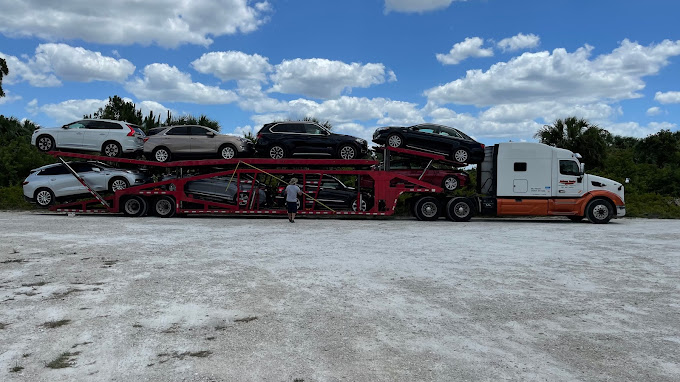
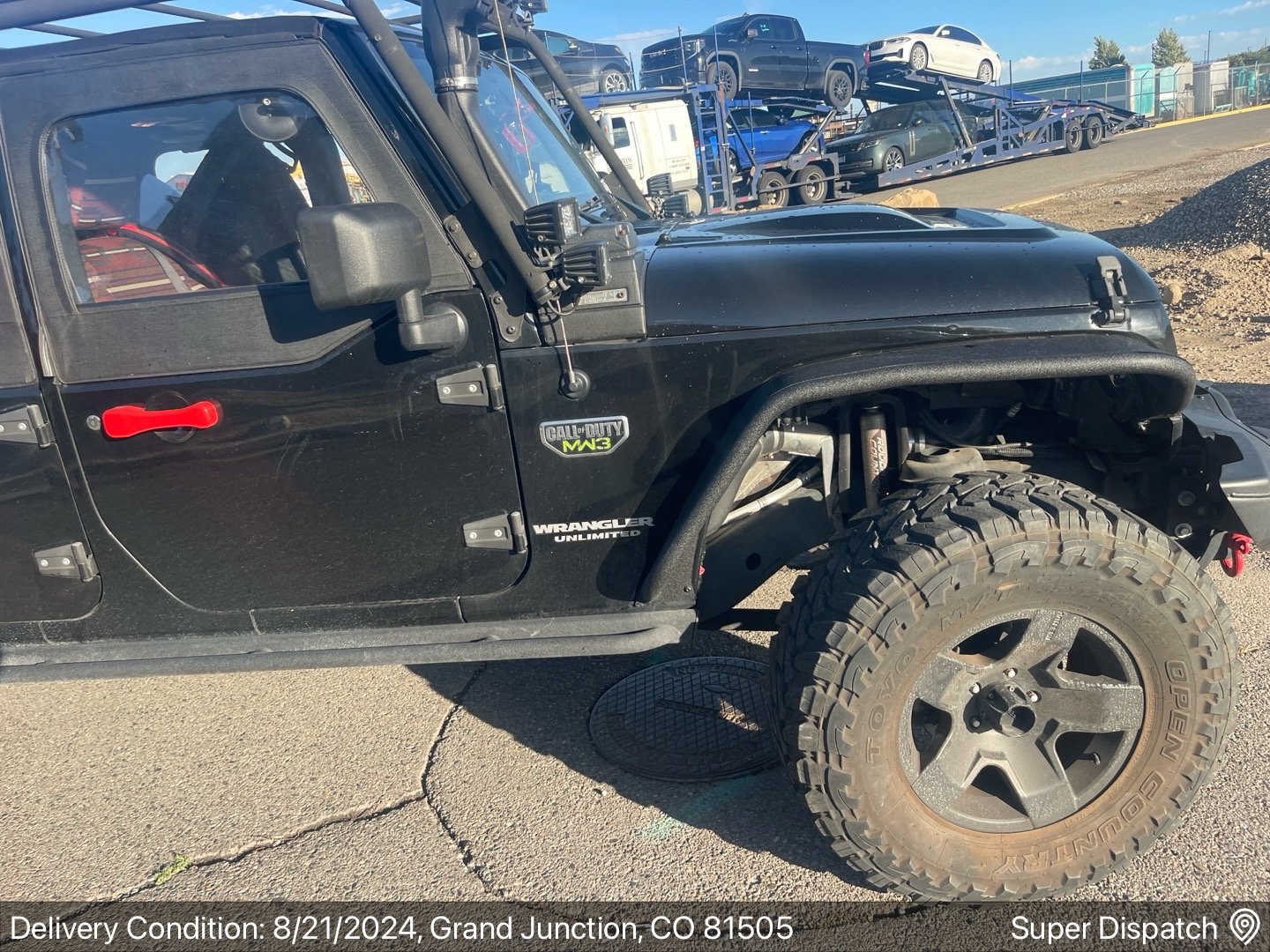
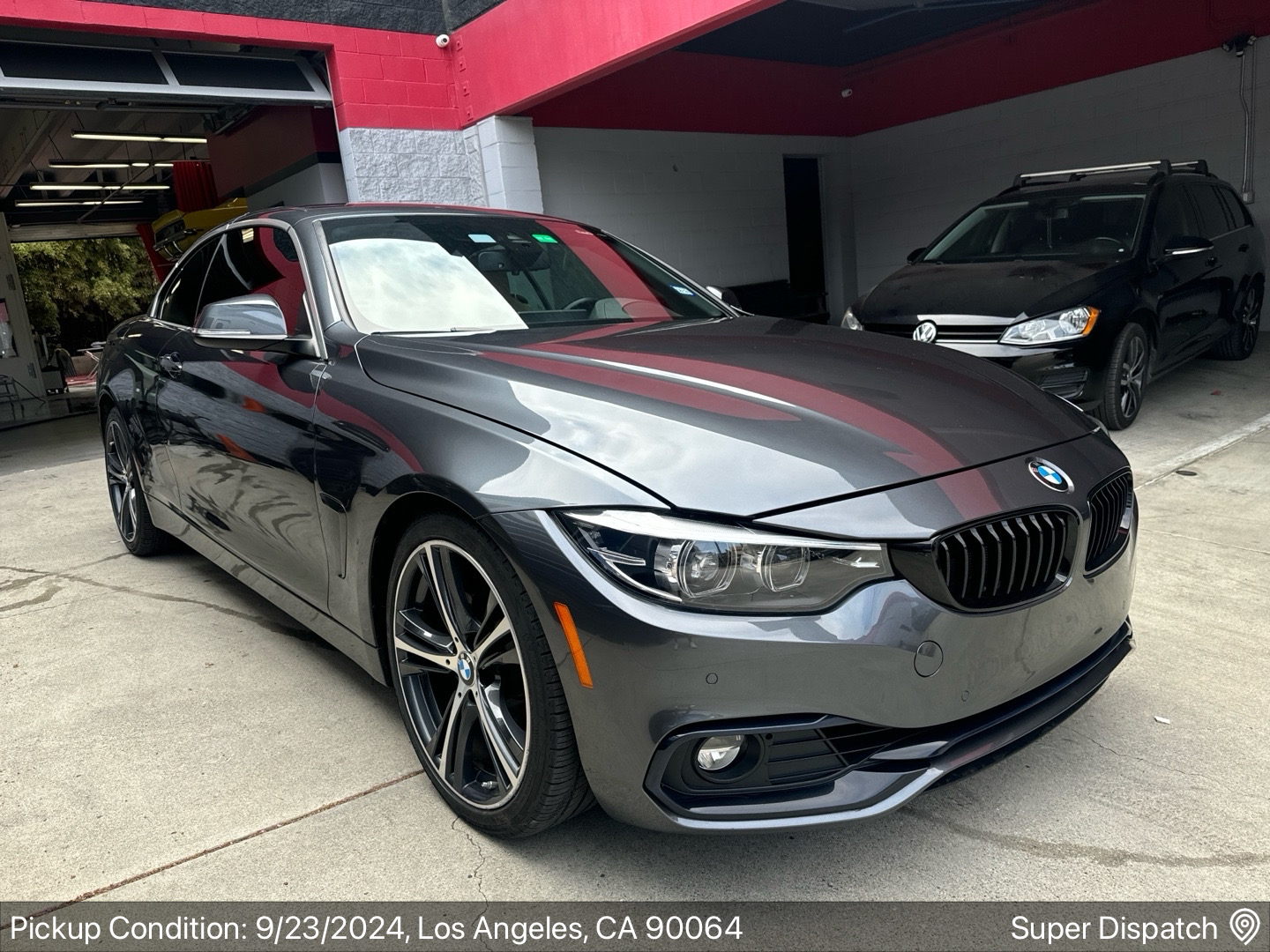
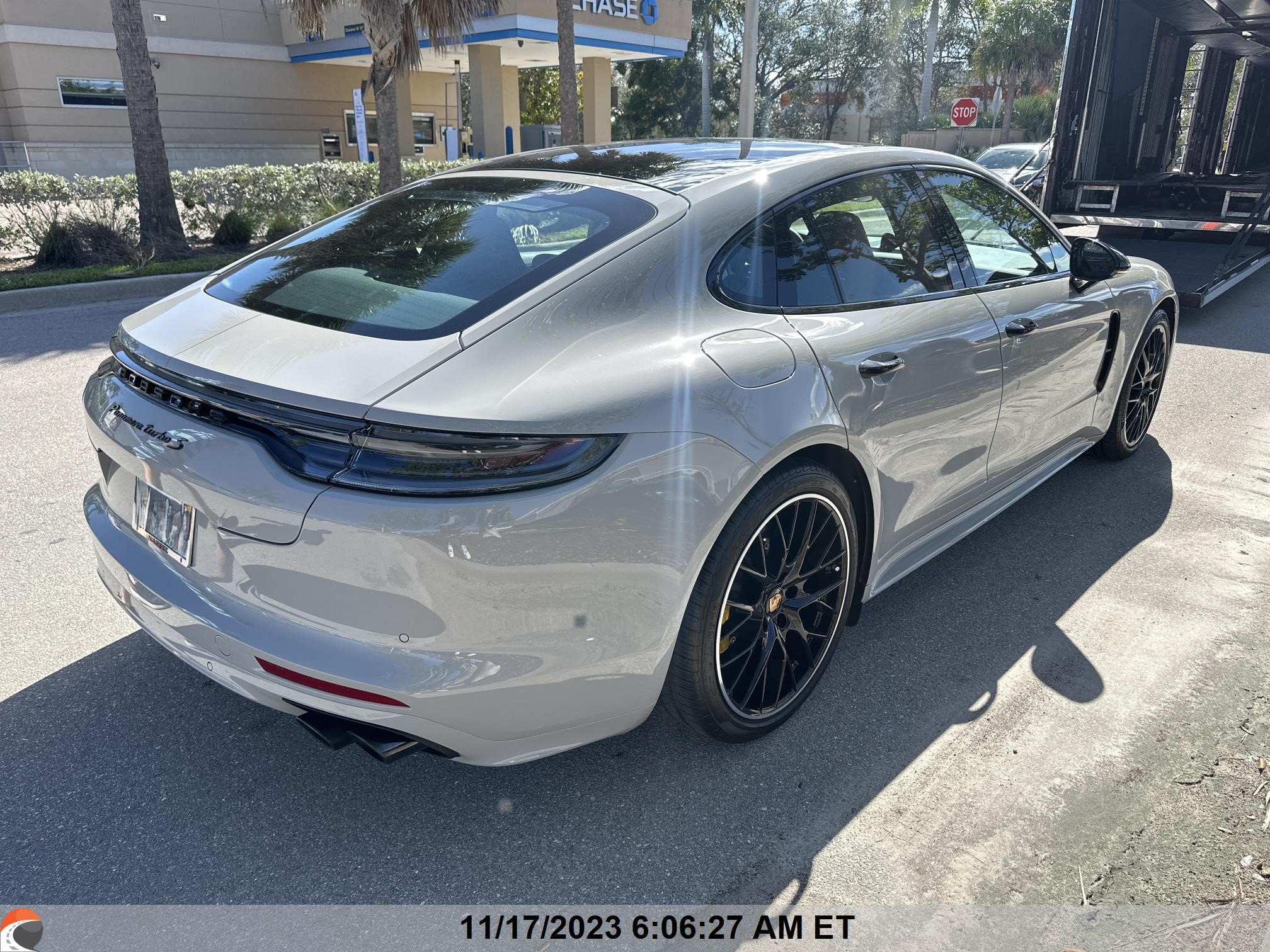
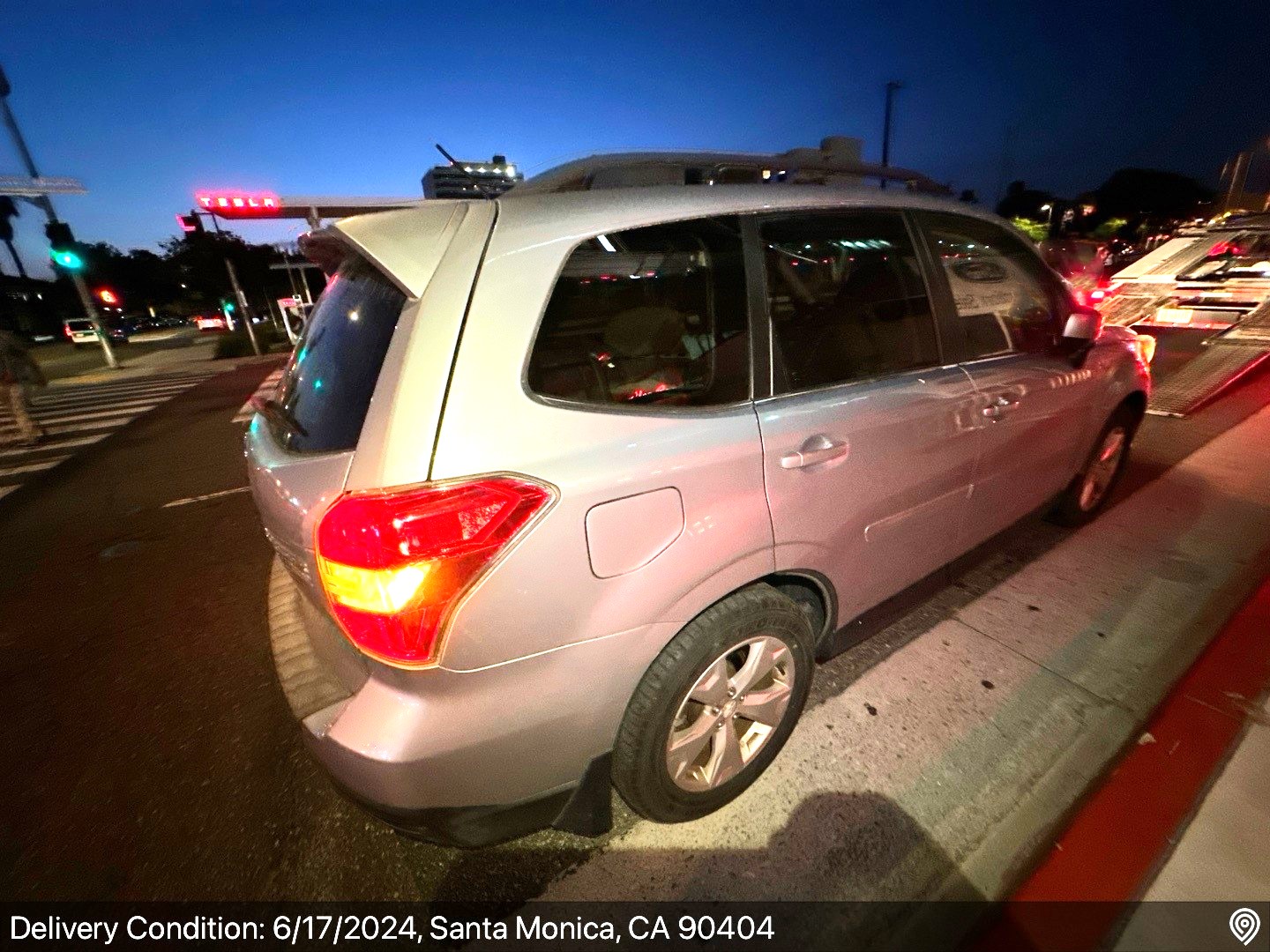
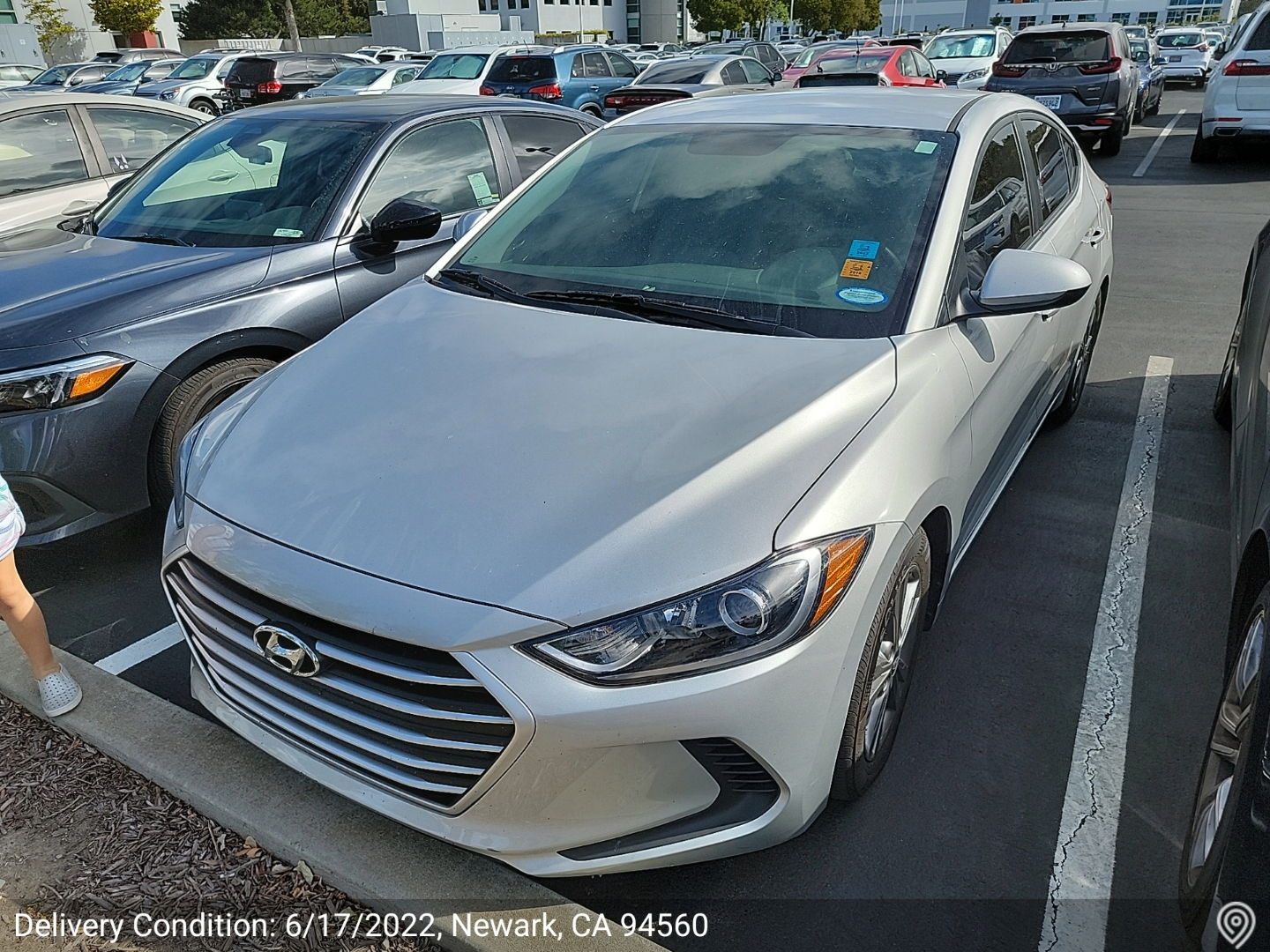
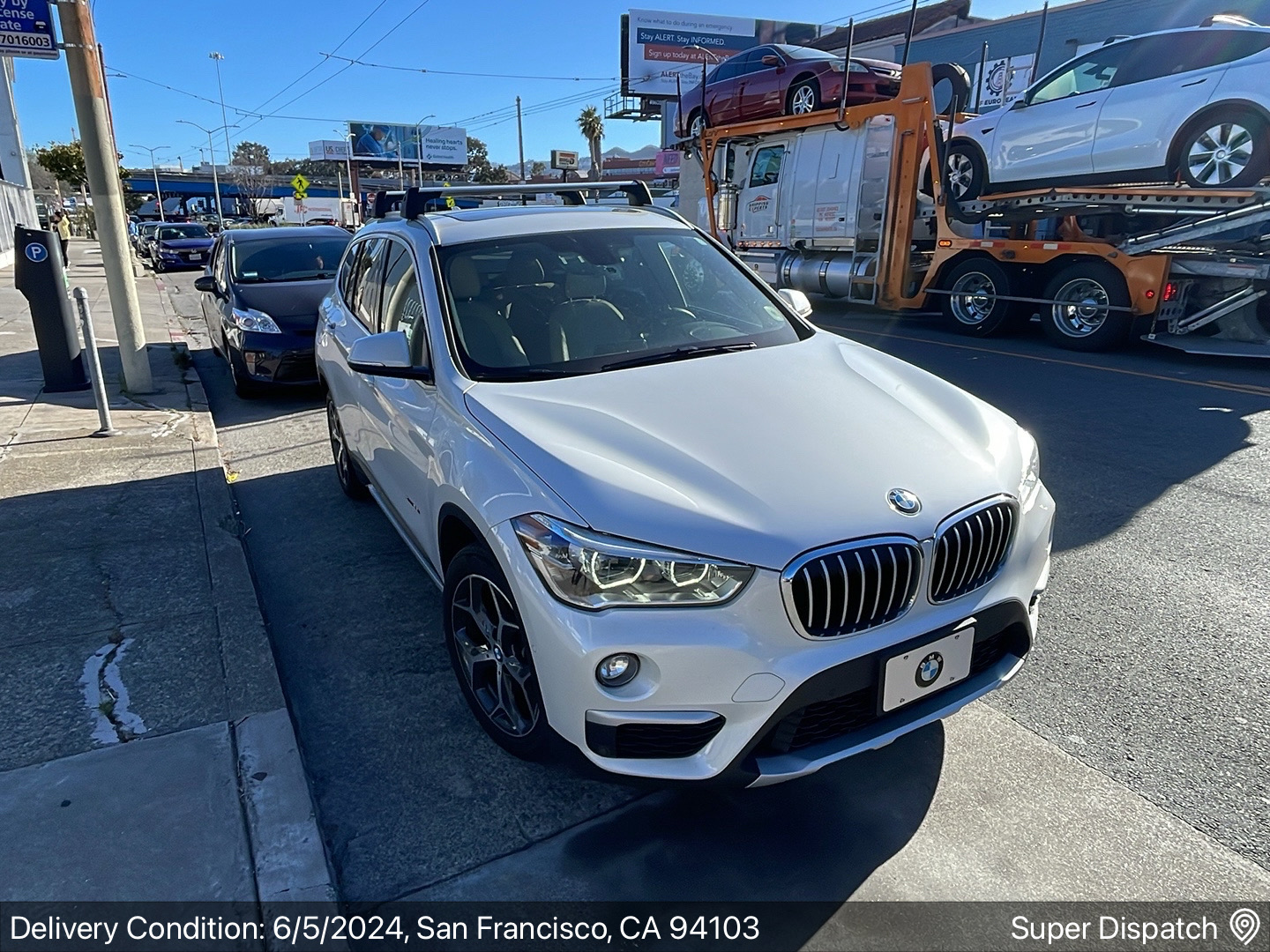
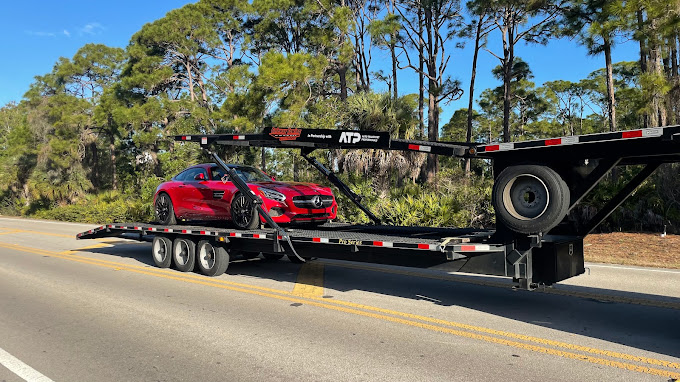
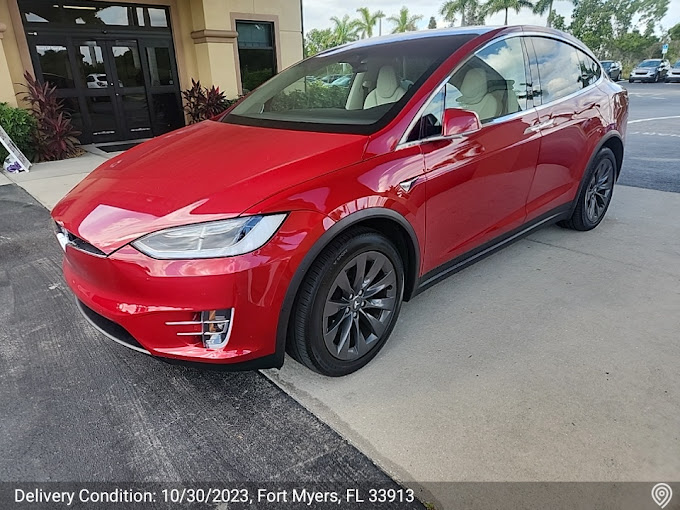
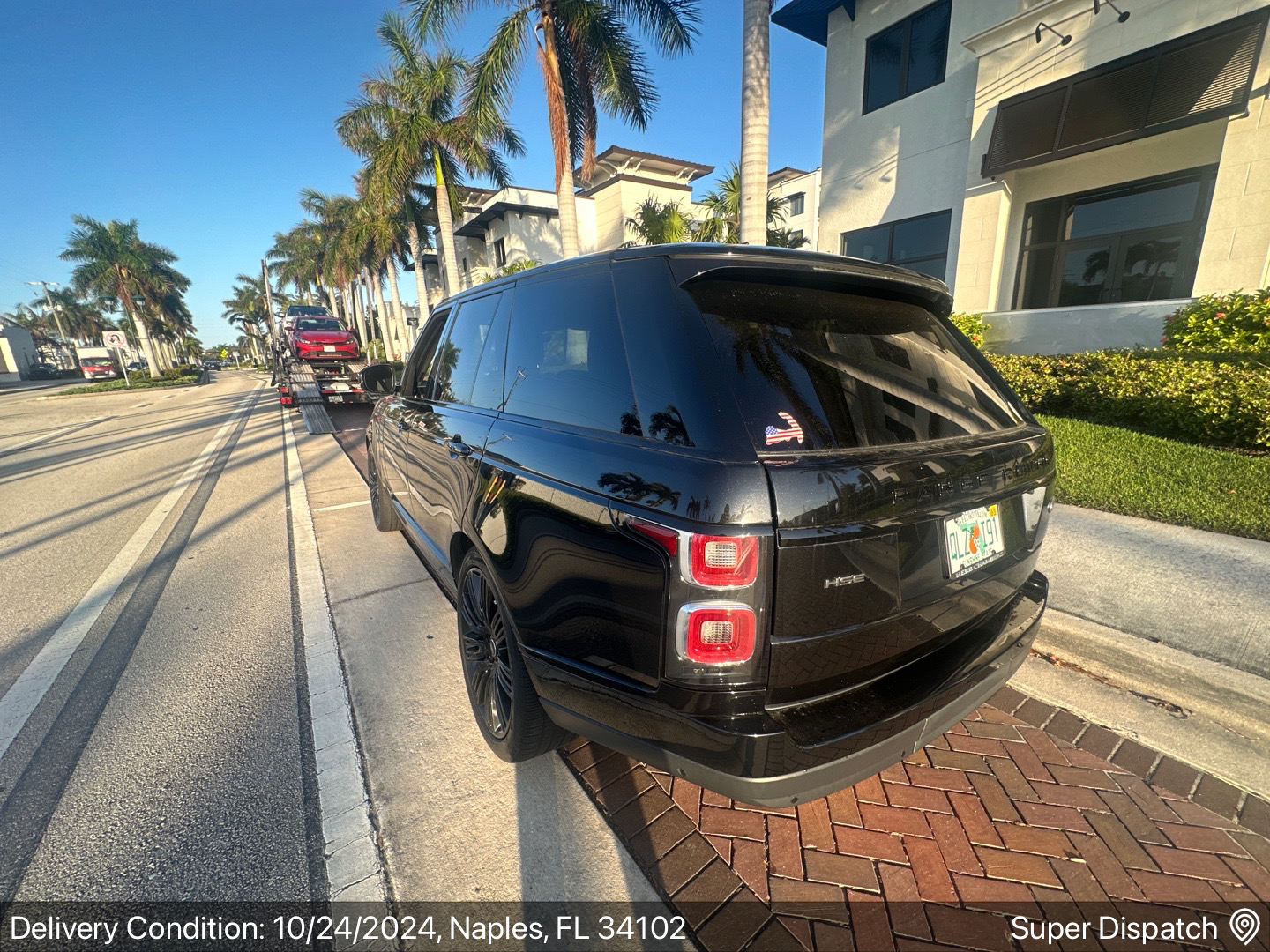
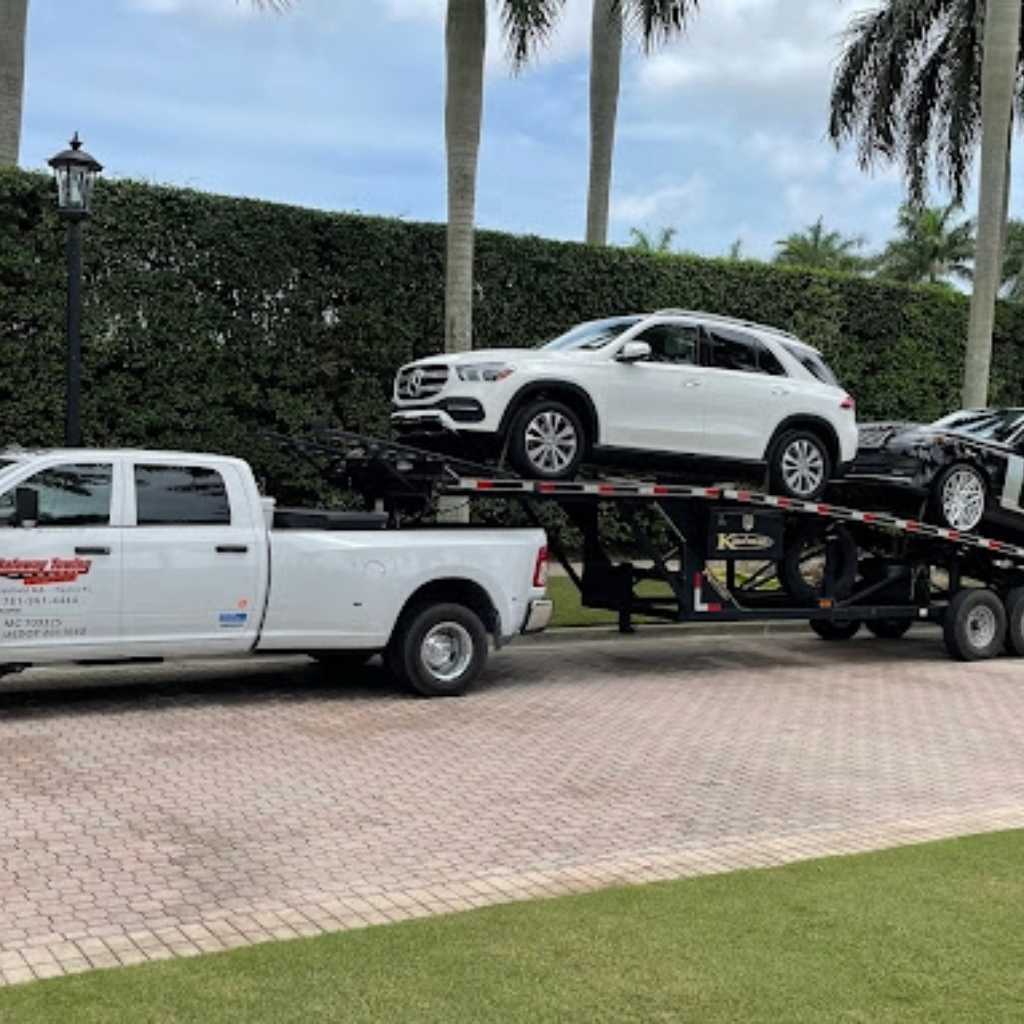
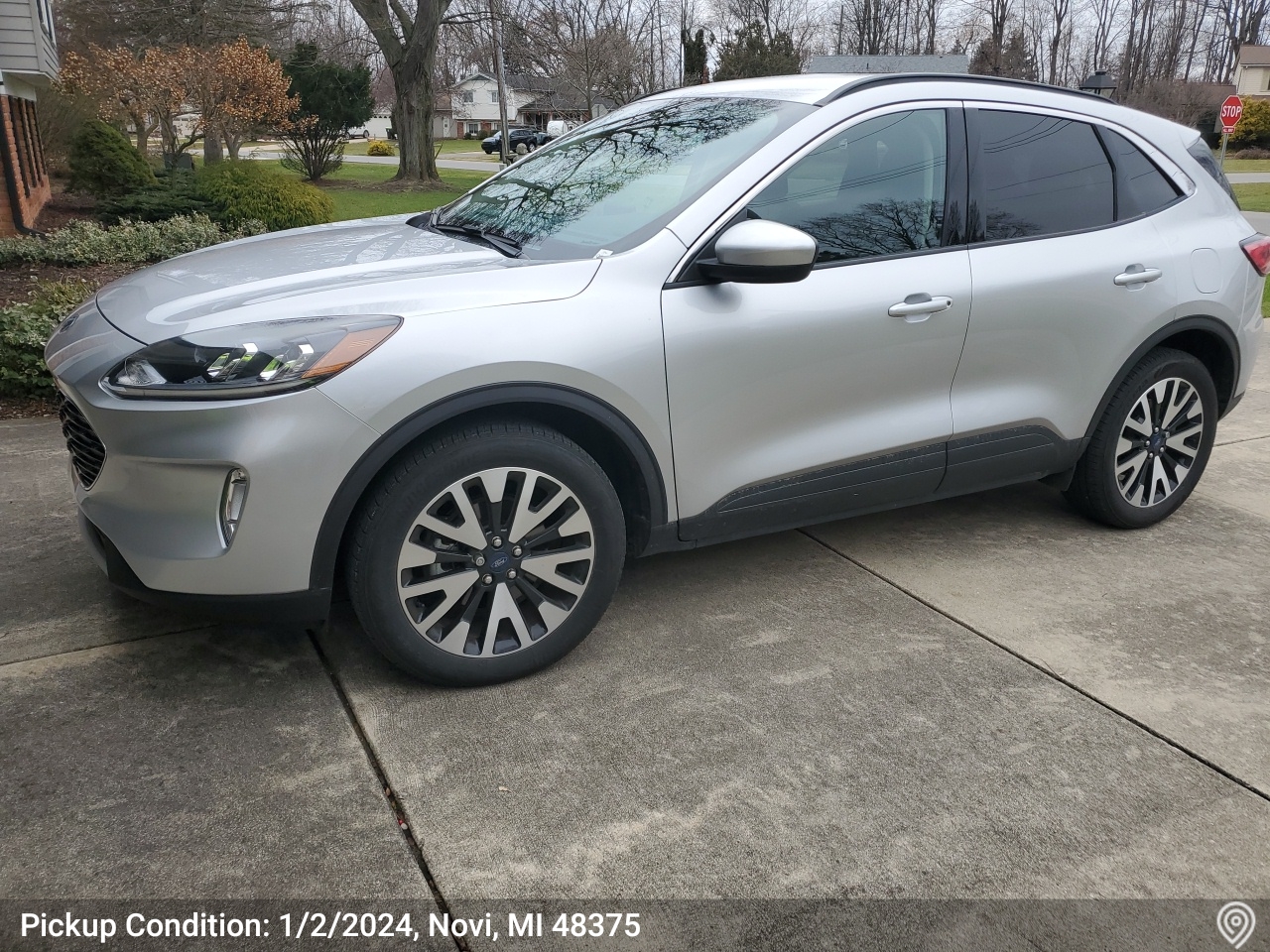
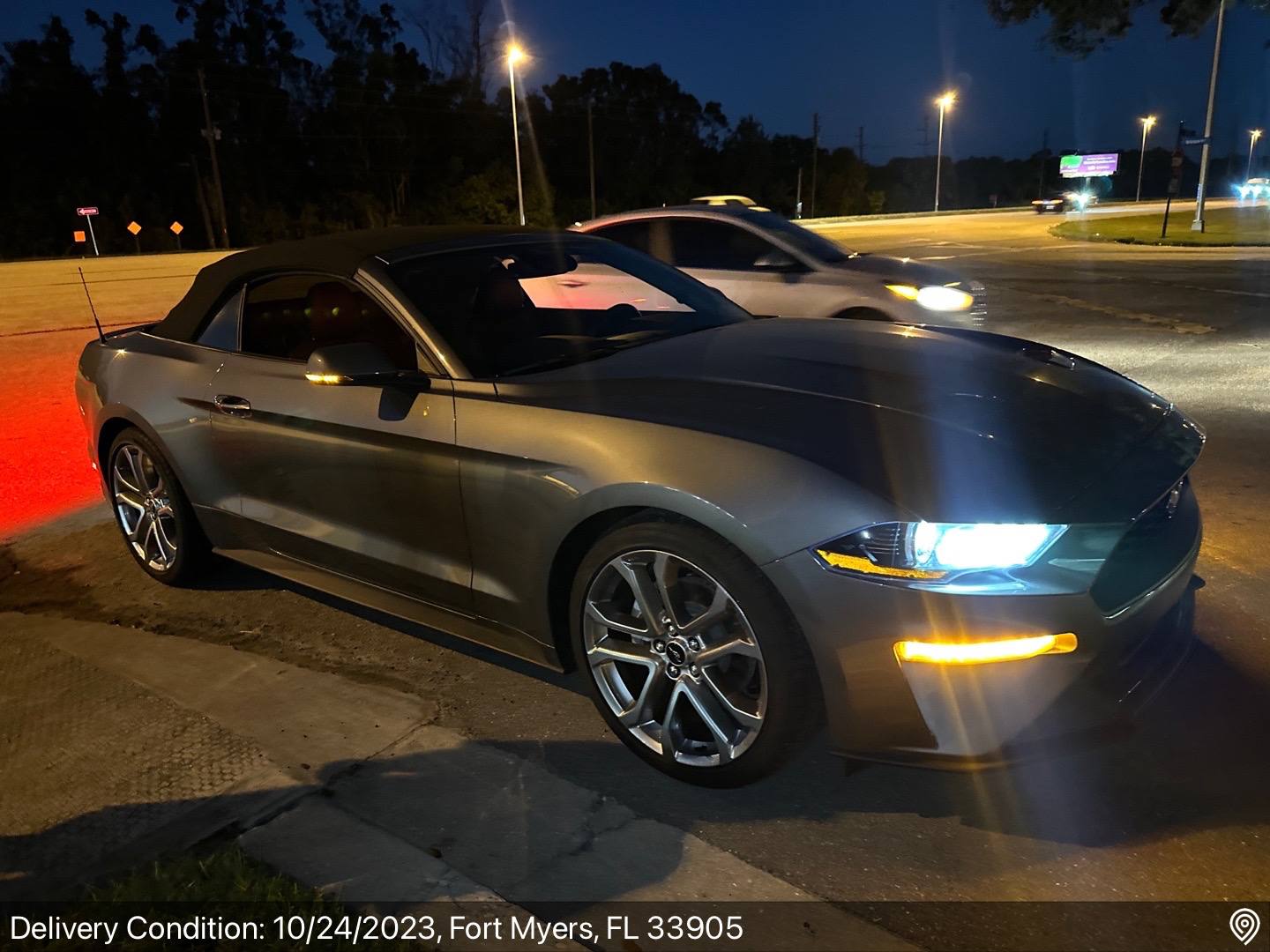
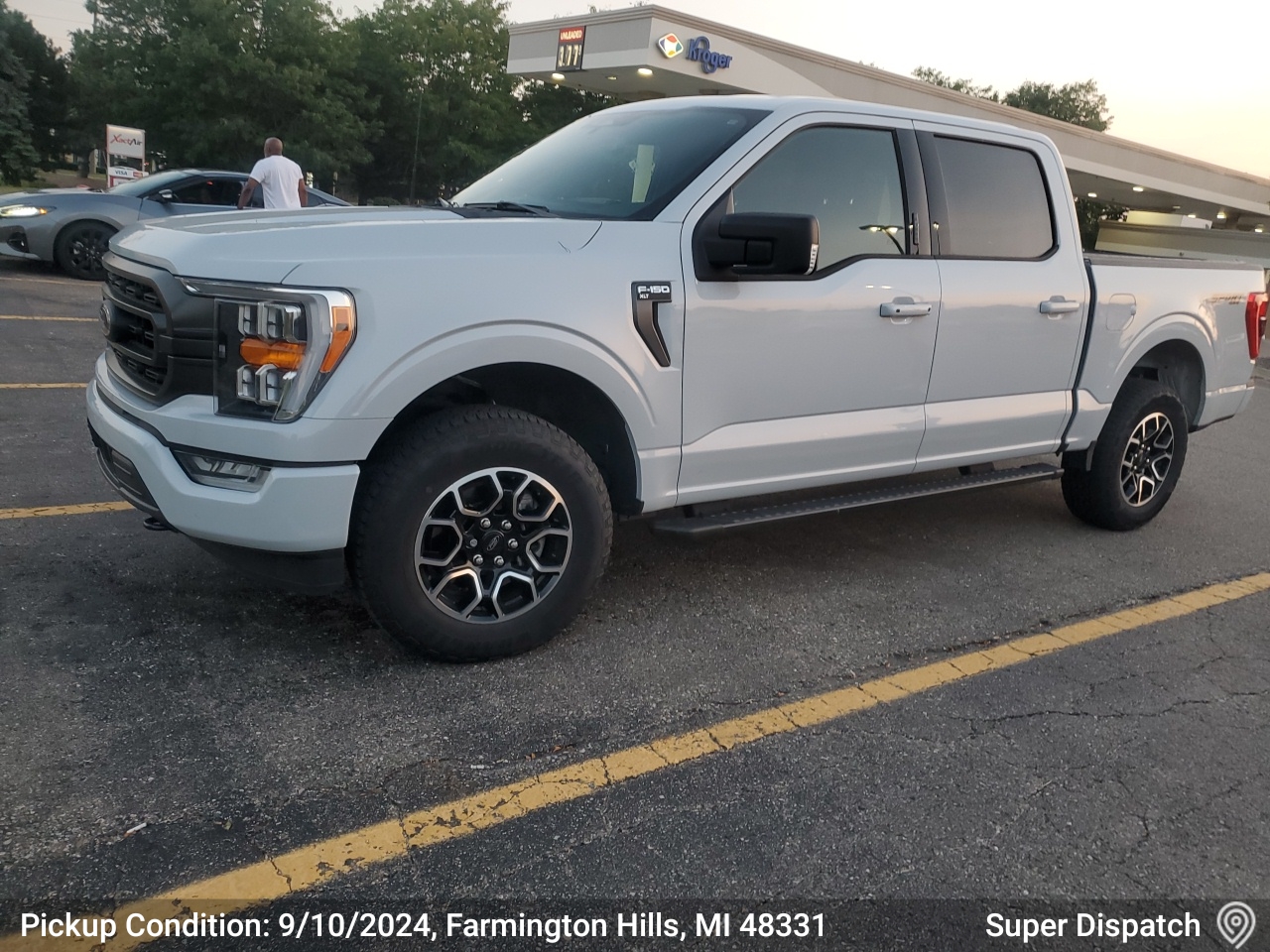
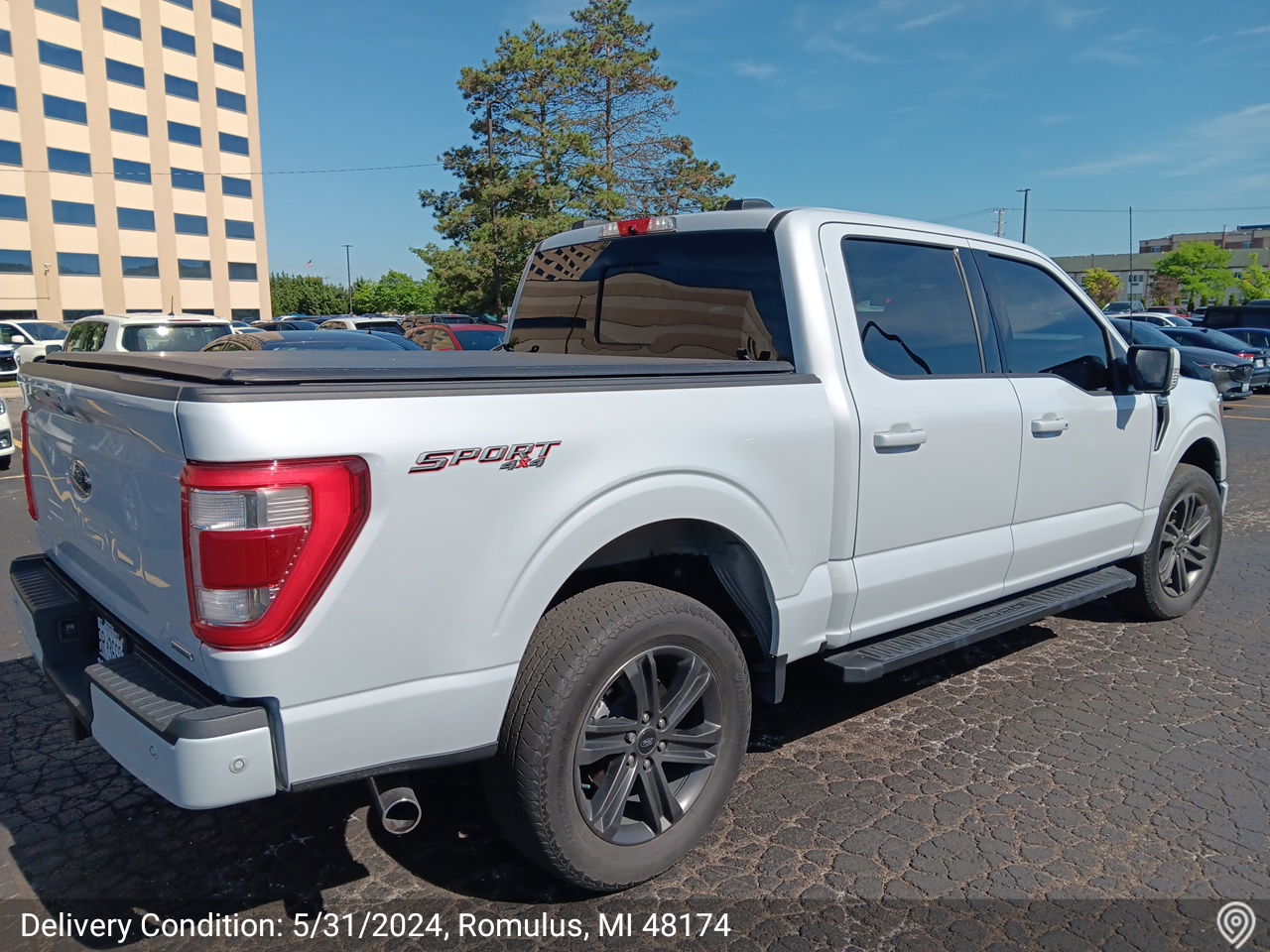
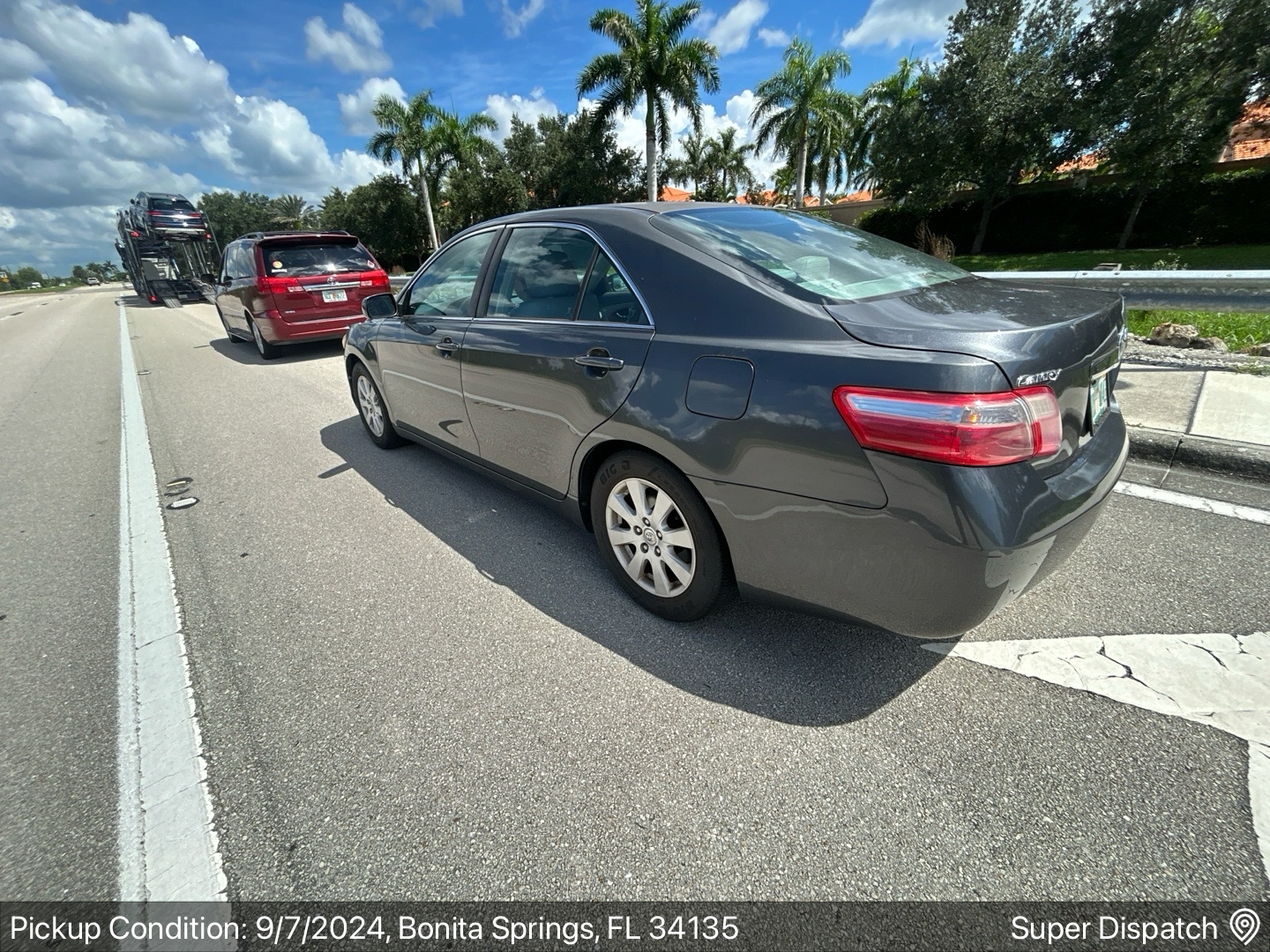
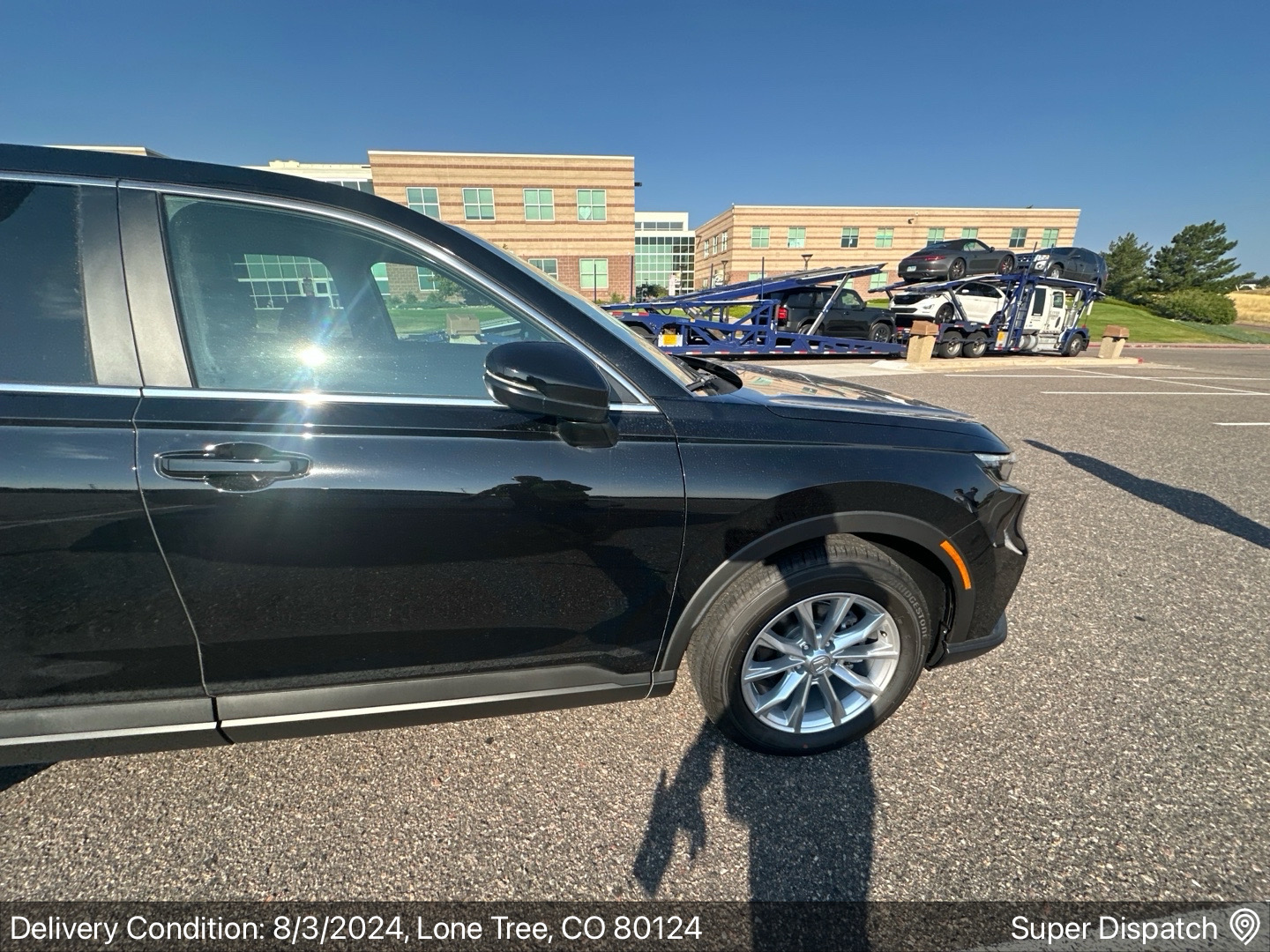
Salt Lake City's urban density shapes how carriers schedule pickups. Early morning and late afternoon slots tend to work best for navigating the downtown grid, and we build a 3-day pickup window around your first available date to give dispatchers flexibility in coordinating with drivers already running I-15 or I-80 corridors. Carrier availability is adequate for most standard shipments, though some areas may need a day or two beyond the standard window during high-demand periods.
Winter weather adds a separate timing factor. Road restrictions and mountain pass conditions between November and March can extend transit times beyond normal ranges. If you're shipping a car from Salt Lake City during ski season, build extra buffer into your schedule for weather-related carrier delays along the Wasatch Front.
Review your quote, confirm vehicle details and dates. No payment collected until a carrier is assigned.
We dispatch your order to our carrier network. You receive carrier details, insurance info, and estimated pickup window.
Carrier gives you 24 hours advance notice before pickup. Walk-around inspection together, every mark documented on the Bill of Lading, both parties sign.
Track your shipment status through your coordinator. We handle any schedule changes or logistics questions.
24-hour advance notice, then a call when close. Second walk-around inspection — damage during transport is extremely rare, but note any new issues on the Bill of Lading before signing. Once signed without exceptions, claims are extremely difficult to win.
Your carrier will contact you roughly 24 hours before arriving to confirm the pickup location and time. At pickup, both you and the driver conduct a walk-around inspection of the vehicle, documenting any existing scratches, dents, or paint chips on the Bill of Lading. If downtown Salt Lake City streets or the Avenues neighborhood limit truck access, your driver may request a nearby open lot or side street for the handoff. Once the inspection is complete and both parties sign the BOL, your vehicle is loaded and the shipment is underway.
As your vehicle approaches its destination, the carrier will call with roughly 24 hours advance notice to confirm delivery timing. At drop-off, conduct a thorough inspection and compare the vehicle's condition against the original pickup documentation. Damage during transport is extremely rare, but if you notice anything new, note it on the Bill of Lading before signing. Once you sign without documenting damage, pursuing a claim becomes significantly harder. Auto shipping Salt Lake City customers receiving vehicles should treat this inspection step as non-negotiable regardless of how smooth the transit appeared.
Every carrier in our network is required to carry cargo insurance as a condition of their FMCSA operating authority. Coverage details vary by carrier and are confirmed before your vehicle is dispatched.
At pickup, the driver and you complete a joint vehicle inspection. Every scratch, dent, and existing mark is documented on the Bill of Lading. At delivery, you must carefully compare the vehicle's condition against this record before signing the delivery receipt. If you notice any new damage, note it on the Bill of Lading before you sign. Once you sign the delivery receipt without noting damage, it becomes extremely difficult to file and win a claim. This is the single most important step in protecting yourself during the transport process.
Salt Lake City's downtown street layout presents real logistical considerations for carriers. One-way grids, restricted parking zones near Capitol Hill, and narrow residential streets in the Avenues create situations where a standard 75-foot transport trailer simply cannot maneuver safely to a front door. Carriers familiar with the area typically know which blocks work and which don't.
For car transport Salt Lake City pickups and deliveries in congested zones, plan to meet your driver at a nearby parking lot, wide commercial street, or open area with room for the rig to stage. A big-box store lot or a church parking area a few blocks away often solves the problem quickly. Communicate your address details when booking so dispatchers can flag access concerns before the driver arrives.
Relocations — The University of Utah, Silicon Slopes tech companies, and Salt Lake City's expanding healthcare sector drive consistent relocation volume. If you're moving to or from Utah, shipping your vehicle is often more practical than a long drive through mountain terrain. Request a free vehicle shipping estimate to plan your move.
Military and PCS — Hill Air Force Base north of the city generates PCS relocation traffic through the Salt Lake metro. Salt Lake City auto transport routes connecting to I-15 make coordinating military vehicle shipments straightforward for most base assignments.
Dealerships — Regional dealers across the Intermountain West rely on Salt Lake City as a distribution point. Salt Lake City vehicle shipping keeps dealer lots stocked from auction sources and manufacturer pipelines across multiple states.
Snowbirds — Some Utah residents ship vehicles seasonally to warmer destinations in Arizona or Nevada. Car shipping companies Salt Lake City can coordinate both southbound fall departures and spring returns on established I-15 corridors.
Pricing for Salt Lake City vehicle shipping depends on distance, route demand along I-15 or I-80, vehicle size, and time of year. Winter months can affect rates as carriers navigate mountain weather. The city's position as a regional crossroads supports moderate competition among carriers on popular corridors. Request a Salt Lake City car shipping quote for your specific route.
Transit times from Salt Lake City vary by destination and direction. Routes along I-15 toward the West Coast or I-80 eastbound see regular carrier traffic, while less-traveled corridors may require additional coordination. Winter weather through Utah's mountain passes can also extend timelines. For auto transport Salt Lake City UT timing, select your route above for details.
Yes, where access allows. Salt Lake City's downtown grid, narrow Avenues streets, and parking restrictions near the university can make full-size carrier access difficult. In congested neighborhoods, carriers may request a nearby commercial lot or wider street as a meeting point. Suburban areas like the east bench or Sugar House typically offer easier driveway access. The same service is available when you ship a car to Salt Lake City.
Open transport Salt Lake City works well for most vehicles shipping through Salt Lake City and matches the majority of carrier equipment on I-15 and I-80 routes. Enclosed car shipping Salt Lake City provides added protection from winter road spray, salt, and debris—useful for luxury, classic, or high-value vehicles. Enclosed availability is more limited than open transport, and pricing is typically higher, so book early.
Spring through early fall offers the most predictable conditions for auto transport in Salt Lake City, Utah. November through March brings snow and ice along the Wasatch Front and mountain corridors, which can slow carriers and complicate scheduling. If you are relocating for a University of Utah semester or a tech job, plan your shipment before winter weather sets in, which works well if you plan to ship a car from Salt Lake City.
Someone 18 or older must be present at both ends to authorize the shipment and sign the Bill of Lading. If you cannot attend personally, designate a trusted representative — a friend, family member, or dealership contact — to handle the vehicle inspection and paperwork on your behalf.
Yes. Every carrier in our network carries cargo insurance as required by their FMCSA operating authority. Coverage specifics are confirmed before dispatch. At both pickup and delivery, you complete a joint vehicle inspection documented on a Bill of Lading — this protects you if any issue arises.
Yes, we transport non-running vehicles to Salt Lake City. The vehicle needs to roll, steer, and brake for standard loading. Vehicles that cannot roll may require a winch or forklift at additional cost. Mention the vehicle's condition when requesting your quote.
Wash the exterior so scratches and dents are visible during inspection. Remove toll transponders, parking passes, and loose interior items. Leave roughly a quarter tank of fuel. Disable aftermarket alarms. Take dated photos of all sides, roof, and odometer before the carrier arrives for your records.
Most carriers allow personal belongings in the trunk or cargo area up to about 100 pounds. Items must stay below the window line and cannot be fragile or high-value. Personal items are not covered under carrier cargo insurance, so keep the vehicle as empty as practical.