Door-to-door car shipping with fully insured carriers. No upfront payment.
Rapid City auto transport operates from a position of limited carrier volume — this is a Tier 3 market sitting at the western end of I-90 in South Dakota, roughly 350 miles from the state's primary carrier hub in Sioux Falls. Most trucks serving the region run the I-90 corridor east-west, which means Rapid City functions as a terminus rather than a pass-through point. Common corridors include Rapid City to Sioux Falls and long-haul routes connecting South Dakota to Denver or Minneapolis. Ellsworth Air Force Base, South Dakota School of Mines, and the tourism economy around Mount Rushmore all contribute to steady, if modest, year-round demand for car shipping companies in Rapid City.
Road access throughout the city is straightforward — wide streets and open terrain make the physical pickup and delivery process simple for carriers. The challenge is availability, not access. Because fewer trucks run this route, auto transport Rapid City sd customers should book 2 to 3 weeks ahead and build in date flexibility. That combination does more to improve dispatch speed than almost anything else.
Rapid City auto transport demand stems from several distinct sources. Ellsworth Air Force Base, just east of the city, generates military PCS vehicle shipments year-round as service members receive new station assignments. South Dakota School of Mines & Technology brings student relocations each semester. The tourism economy surrounding Mount Rushmore and the Black Hills also drives seasonal vehicle movement, including motorcycles headed to the annual Sturgis Rally northwest of town.
As a Tier 3 market at the western terminus of I-90 in South Dakota, Rapid City sees limited direct carrier routes. Most trucks running this corridor originate from or pass through Sioux Falls before heading west, so shipments along I-90 move more regularly than routes requiring detours off the interstate. Planning well in advance and maintaining date flexibility are essential when arranging car shipping from Rapid City or scheduling inbound deliveries.
Winter weather in western South Dakota adds a scheduling variable. Snow, ice, and wind along I-90 between Rapid City and the eastern part of the state can delay pickups and deliveries during December through March. Carriers may adjust routes or timelines based on road conditions through the Black Hills region.
I use these guys twice a year. The communication is always open with not only the company but also with the driver.
From start to finish I had a great experience. My schedule was met and car was delivered on time, great communication.
Communication was fantastic, arrived early. Customer service was great from start to finish.
Rapid City car shipping cost runs slightly above the South Dakota average, a direct result of limited carrier competition on this end of I-90. When fewer trucks serve a market, the carriers that do run the route carry more negotiating leverage. Rates here compare less favorably than in Sioux Falls, where higher carrier volume creates more competitive pricing. Vehicle size, transport type, and the specific destination all influence the final number, but the baseline starts higher than it would in a major metro market.
Winter months add another pricing variable. Snow and ice along I-90 through the Black Hills can reduce carrier willingness to run the route, tightening supply further between December and March and pushing rates up during that window. Booking during spring or fall, when road conditions are more predictable, tends to produce better outcomes for auto shipping Rapid City customers. Get a no-obligation car transport quote.
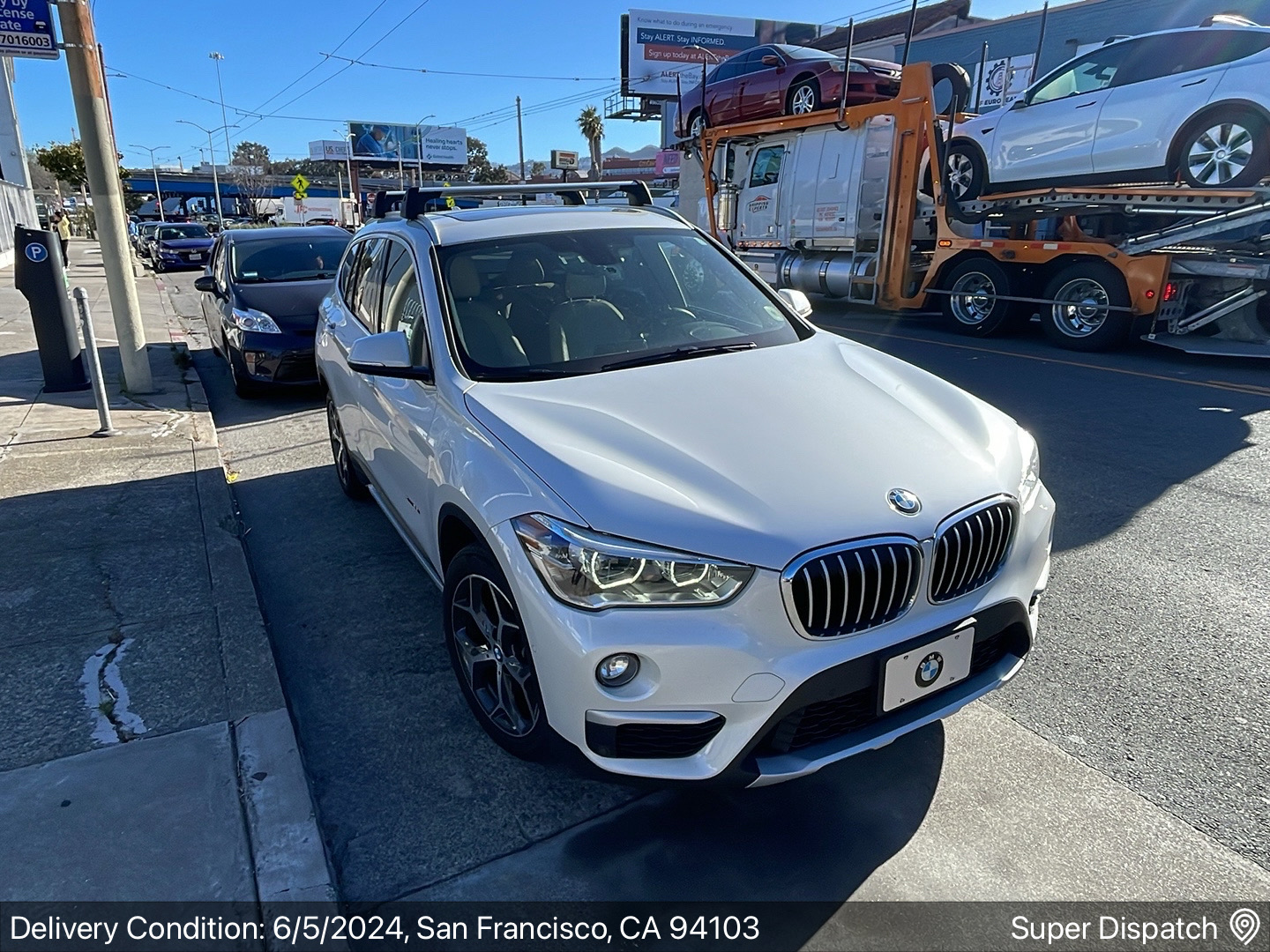
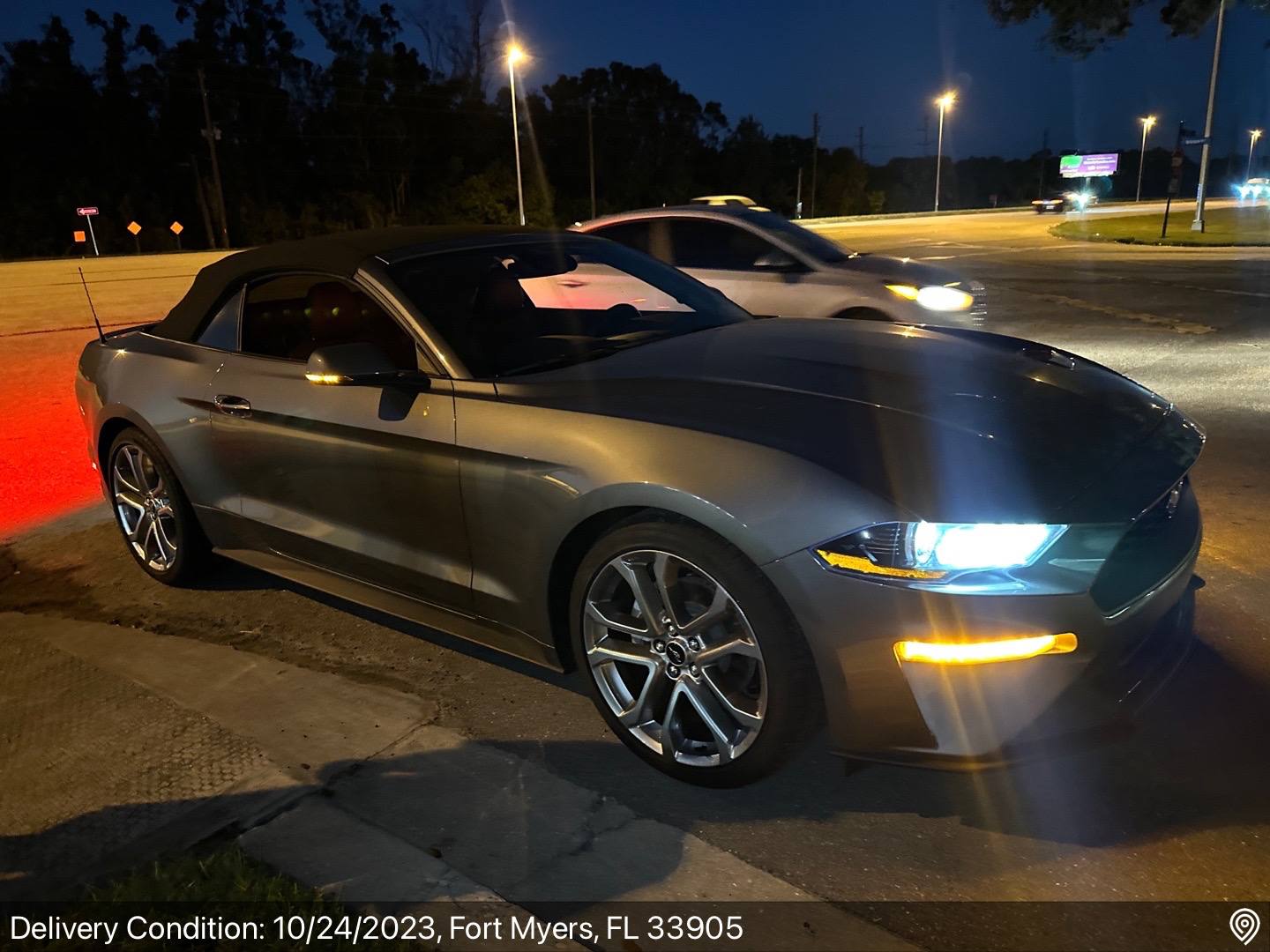
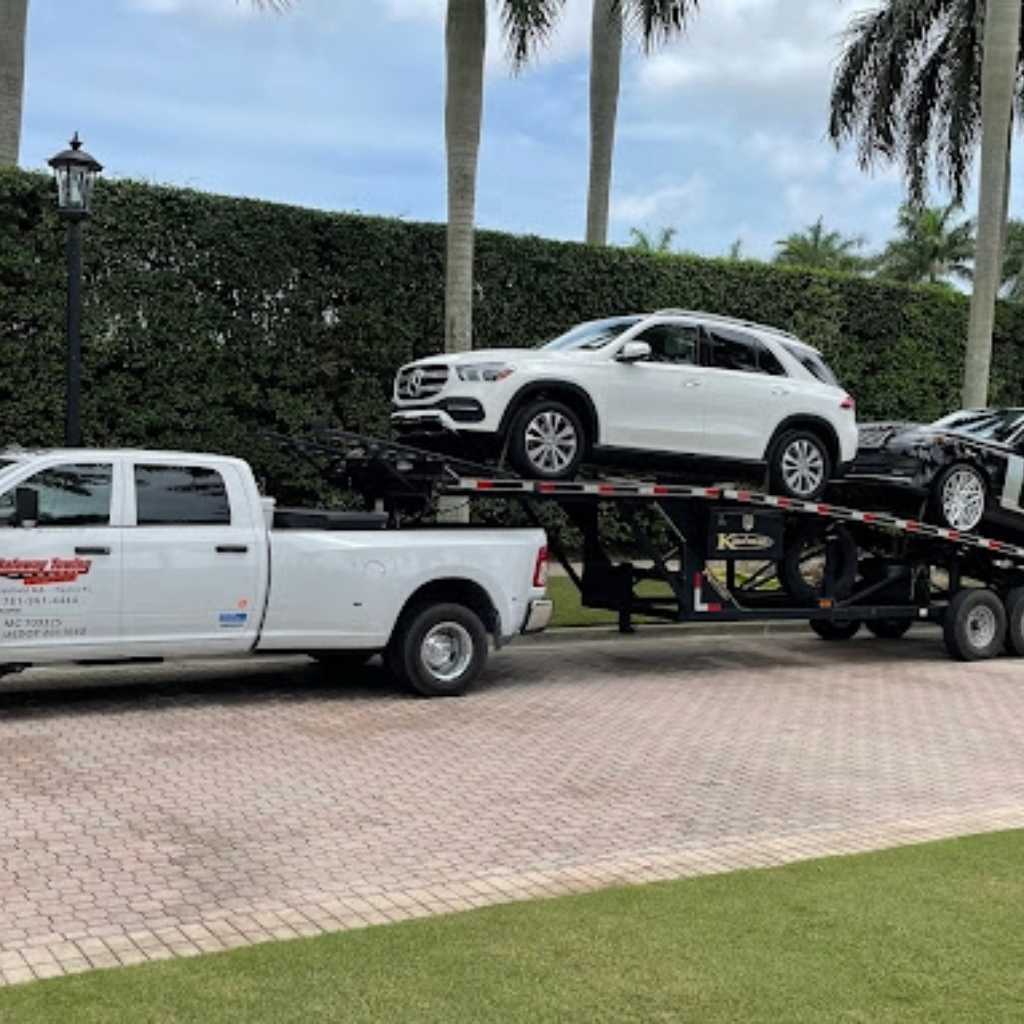
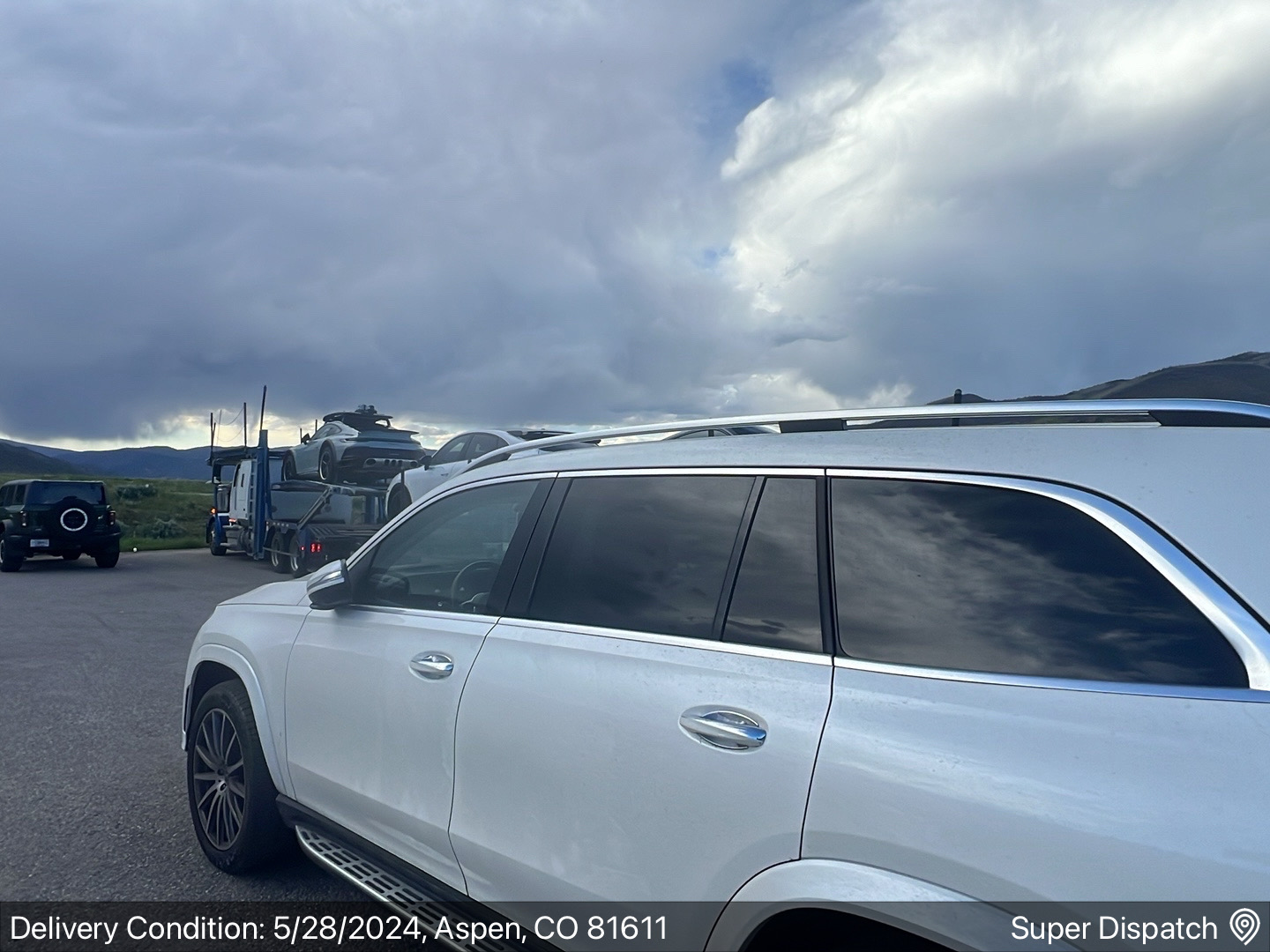
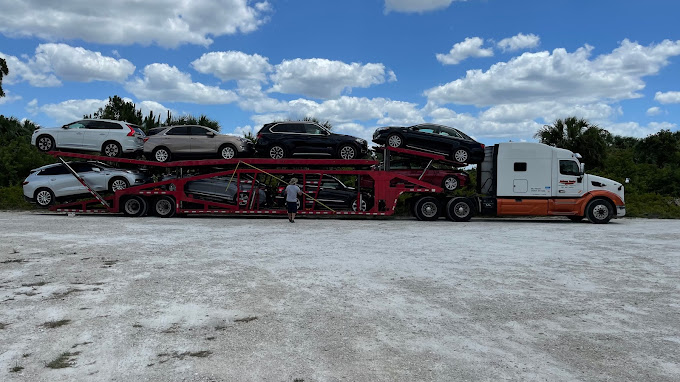
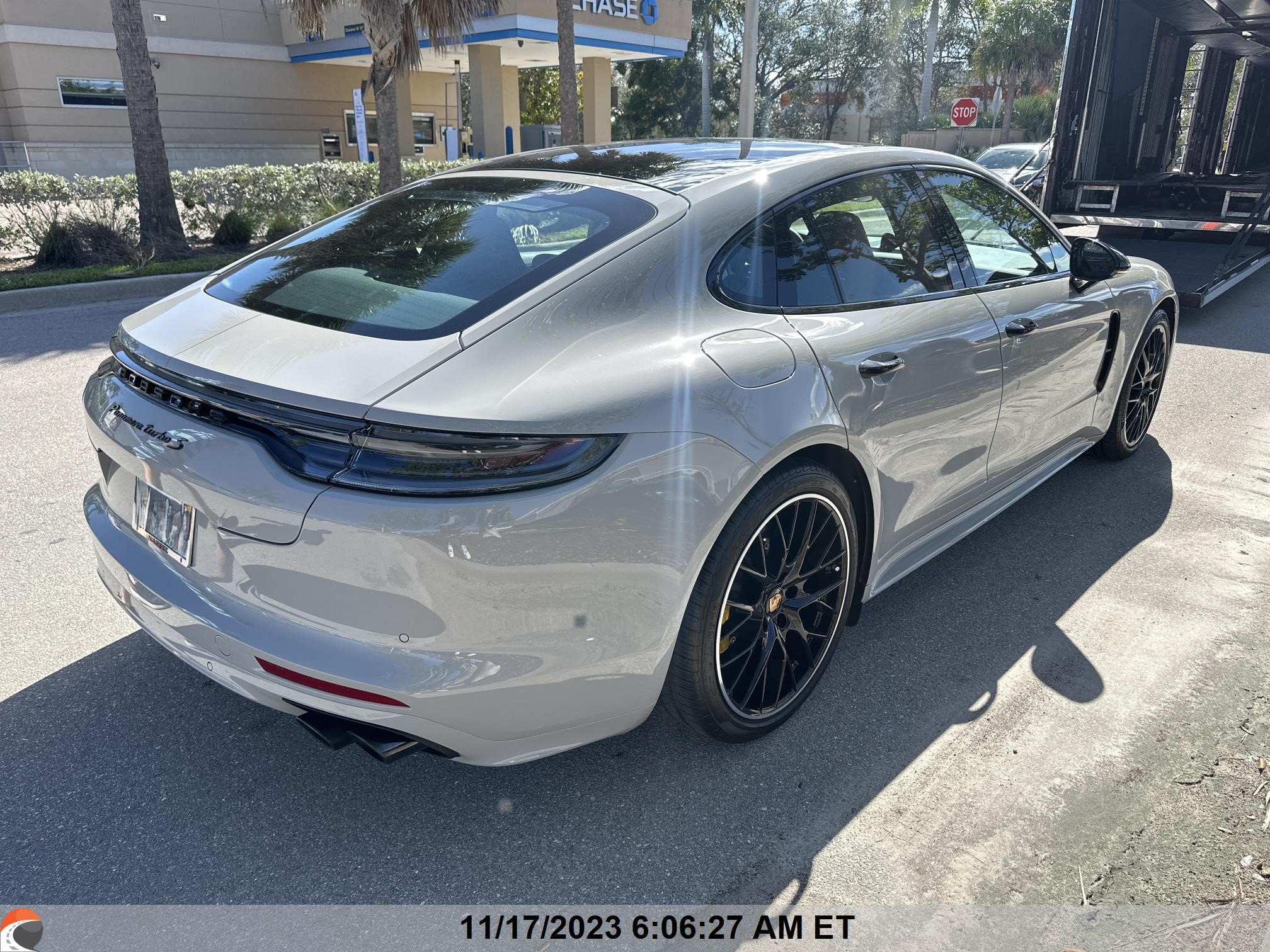
Rapid City auto transport scheduling depends almost entirely on carrier availability rather than road conditions at the pickup point itself. Open terrain and standard street access make the physical handoff quick once a carrier is assigned. The bottleneck is finding a truck running a compatible route. We build a 3-day pickup window around your first available date, but on lower-volume corridors like this one, carriers may occasionally need a day or two beyond that standard window.
Flexibility on your first available date — even shifting by two or three days — significantly improves the odds of a faster match. Winter weather along I-90 between Rapid City and Sioux Falls adds a scheduling variable from December through March, when road conditions through the Black Hills can delay dispatch or force route adjustments.
Rapid City sees no traditional snowbird migration pattern, but the city does experience meaningful seasonal demand shifts tied to its unique local economy. The annual Sturgis Motorcycle Rally, held northwest of town each August, draws a significant wave of motorcycle transporters into the region. That concentrated demand can affect carrier availability and pricing during late July and early August, particularly for customers trying to ship a car from Rapid City during that same window.
Ellsworth Air Force Base generates PCS vehicle shipments throughout the year, with activity typically peaking in the summer months when military transfer orders are most common. South Dakota School of Mines adds a semester-driven rhythm to vehicle transport Rapid City demand each August and January. Planning around these known demand spikes — especially the Sturgis period — is worth factoring into your booking timeline.
Review your quote, confirm vehicle details and dates. No payment collected until a carrier is assigned.
We dispatch your order to our carrier network. You receive carrier details, insurance info, and estimated pickup window.
Carrier gives you 24 hours advance notice before pickup. Walk-around inspection together, every mark documented on the Bill of Lading, both parties sign.
Track your shipment status through your coordinator. We handle any schedule changes or logistics questions.
24-hour advance notice, then a call when close. Second walk-around inspection — damage during transport is extremely rare, but note any new issues on the Bill of Lading before signing. Once signed without exceptions, claims are extremely difficult to win.
Once a carrier is assigned, you will receive roughly 24 hours advance notice before arrival. The driver will conduct a walk-around inspection of your vehicle, documenting existing condition on the Bill of Lading before loading. Open terrain throughout Rapid City means carriers can typically maneuver without difficulty. Review the inspection notes carefully and confirm they match what you observe before signing. Keep a copy of the signed BOL for your records.
Your carrier will call approximately 24 hours before reaching the delivery location. At drop-off, a second inspection compares the vehicle's condition against the original pickup documentation. Damage during transport is extremely rare, but if you notice anything new, note it on the Bill of Lading before signing. Once you sign without noting damage, filing a claim becomes extremely difficult. Auto transport companies Rapid City South Dakota customers use the same BOL process regardless of destination.
Every carrier in our network is required to carry cargo insurance as a condition of their FMCSA operating authority. Coverage details vary by carrier and are confirmed before your vehicle is dispatched.
At pickup, the driver and you complete a joint vehicle inspection. Every scratch, dent, and existing mark is documented on the Bill of Lading. At delivery, you must carefully compare the vehicle's condition against this record before signing the delivery receipt. If you notice any new damage, note it on the Bill of Lading before you sign. Once you sign the delivery receipt without noting damage, it becomes extremely difficult to file and win a claim. This is the single most important step in protecting yourself during the transport process.
Rapid City's open street layout and wide roads present no meaningful obstacles for transport carriers. Residential neighborhoods, commercial areas, and locations near I-90 all offer straightforward truck access without the parking restrictions or narrow corridors common in dense urban markets. Carriers can typically pull close to the pickup or delivery address without requiring a staging location.
The one logistical consideration unique to this area is proximity to the Black Hills. Customers located further into the hills or on roads with steep grades or tight turns should discuss meeting point options with their coordinator. Shipping a car from Rapid City proper is generally uncomplicated — it is the outlying terrain that occasionally requires a flexible approach.
Military and PCS Moves — Ellsworth Air Force Base drives consistent vehicle shipping demand in and out of Rapid City. PCS orders come year-round, with summer seeing the heaviest volume. Book early and confirm your report date before scheduling pickup. Request a free car shipping quote.
Relocations — Whether you are moving to or from South Dakota for work or school, Rapid City auto transport service connects this market to major corridors nationwide. South Dakota School of Mines generates steady student relocation volume each semester.
Dealerships — Dealers sourcing or moving inventory through Rapid City should account for longer lead times given the limited carrier traffic on this end of I-90. Consistent scheduling and advance booking keep inventory moving reliably.
Snowbirds and Seasonal Travelers — Rapid City car shipping sees a modest seasonal pulse around the Sturgis Rally each August. Travelers moving motorcycles or vehicles during that period should book several weeks ahead to avoid competing with rally-related transport demand.
The biggest cost factor for auto transport in Rapid City SD is limited carrier traffic in western South Dakota. Distance from major population centers, seasonal weather conditions, and vehicle type also influence pricing. Routes along I-90 toward Sioux Falls tend to be more competitively priced than connections requiring off-interstate travel. Request a quote for your specific route.
Rapid City sits at the western end of I-90 in South Dakota with low carrier volume, so matching with a truck running a compatible route can take longer than in larger markets. Eastbound shipments along I-90 typically schedule faster than routes heading south or northwest. Select your route above for timing details.
Yes. Rapid City's residential neighborhoods and suburban streets generally accommodate standard car carrier trucks. We coordinate door-to-door service where road width and access permit. Areas near Ellsworth Air Force Base and neighborhoods throughout the city are typically accessible for pickup and delivery.
Open transport works well for most vehicles shipping to or from Rapid City. Winter conditions in western South Dakota—including road salt, snow, and wind-driven debris along I-90—may make enclosed transport worth considering for classic cars or high-value vehicles. Enclosed availability is more limited than open transport and pricing is typically higher, so book early if you need a covered carrier.
Rapid City car shipping demand stays relatively steady year-round, though summer tourism and the Sturgis Rally in August increase transport activity in the Black Hills region. Late spring and early fall offer milder weather along I-90 without the winter road hazards that can affect scheduling between December and March.
Someone 18 or older must be present at both ends to authorize the shipment and sign the Bill of Lading. If you cannot attend personally, designate a trusted representative — a friend, family member, or dealership contact — to handle the vehicle inspection and paperwork on your behalf.
Yes. Every carrier in our network carries cargo insurance as required by their FMCSA operating authority. Coverage specifics are confirmed before dispatch. At both pickup and delivery, you complete a joint vehicle inspection documented on a Bill of Lading — this protects you if any issue arises.
Yes, we transport non-running vehicles to Rapid City. The vehicle needs to roll, steer, and brake for standard loading. Vehicles that cannot roll may require a winch or forklift at additional cost. Mention the vehicle's condition when requesting your quote.
Wash the exterior so scratches and dents are visible during inspection. Remove toll transponders, parking passes, and loose interior items. Leave roughly a quarter tank of fuel. Disable aftermarket alarms. Take dated photos of all sides, roof, and odometer before the carrier arrives for your records.
Most carriers allow personal belongings in the trunk or cargo area up to about 100 pounds. Items must stay below the window line and cannot be fragile or high-value. Personal items are not covered under carrier cargo insurance, so keep the vehicle as empty as practical.