Door-to-door car shipping with fully insured carriers. No upfront payment.
Philadelphia auto transport ranks among the busiest markets on the East Coast, driven by the convergence of I-95 and I-76 at the city's core, a dense university population generating thousands of student vehicle moves each year, and the Manheim Philadelphia auction producing steady dealer inventory shipments. Routes connecting Philadelphia to Florida, New England, and the Midwest see daily carrier traffic, making this one of the most active corridors in the Northeast. Car shipping companies Philadelphia customers rely on compete aggressively for loads here, which translates directly into faster scheduling and more pickup options each week.
The practical challenge for Philadelphia auto transport is the city's street layout. Center City's narrow colonial grid, one-way streets, and strict parking enforcement make it difficult for 75-foot car haulers to operate safely. Most carriers serving Philadelphia arrange pickups and deliveries at wider commercial lots or suburban staging areas rather than residential addresses. Book with that coordination in mind, and the city's exceptional carrier volume works in your favor.
Philadelphia drives substantial auto transport demand across multiple sectors. Temple University, Drexel University, and the University of Pennsylvania generate thousands of student vehicle moves each academic year. The city's concentration of healthcare systems, financial firms, and growing tech employers fuels corporate relocations. Manheim Philadelphia auto auction, located nearby, produces steady dealer inventory shipments year-round, making Philadelphia auto transport volume among the highest on the East Coast, which drives regular volume for shipping a car from Philadelphia.
I-95 runs directly through the city connecting New England to the Southeast, while I-76 links Philadelphia to the Pennsylvania Turnpike and Pittsburgh. This crossroads position means carriers traveling between major Northeast and Southern markets pass through regularly, creating strong competition for loads. Car shipping companies Philadelphia customers work with can typically offer multiple pickup windows each week. This carrier volume supports flexible scheduling when shipping a car to Philadelphia.
Winter weather in Pennsylvania brings snow, ice, and road-treatment chemicals that can delay pickups between December and March. Seasonal demand also spikes in fall and spring as snowbird retirees ship a car to Philadelphia or from Philadelphia to Florida, tightening capacity on southbound routes during those windows.
Delivered our F150 from NC to Marco Island, FL. Very courteous and careful with the truck.
Totally professional and on time. They arrived almost to the minute for pick-up. Our Corvette was in a covered transport. Highly recommend.
They picked it up on time and delivered it when they said they would. Great service for a great price.
Philadelphia car shipping cost runs favorable compared to smaller Pennsylvania markets, largely because carrier competition here is intense. Multiple trucks bid on Philadelphia loads daily, and that competition keeps rates from climbing the way they do in less-traveled corridors. The city's position on I-95 means carriers heading south toward Florida or north toward Boston are already passing through, so adding a Philadelphia pickup rarely costs them a detour. Auto transport Philadelphia pa customers generally see rates that reflect this efficiency.
Pricing does shift seasonally. Fall southbound demand from snowbird retirees and spring northbound returns tighten carrier capacity on Florida-bound lanes, which can push rates higher during those windows. Winter weather between December and March adds scheduling uncertainty that occasionally affects pricing as well. Philadelphia's auction and corporate relocation volume keeps baseline demand steady year-round. Get a no-obligation car transport quote to see current rates for your specific dates and vehicle.
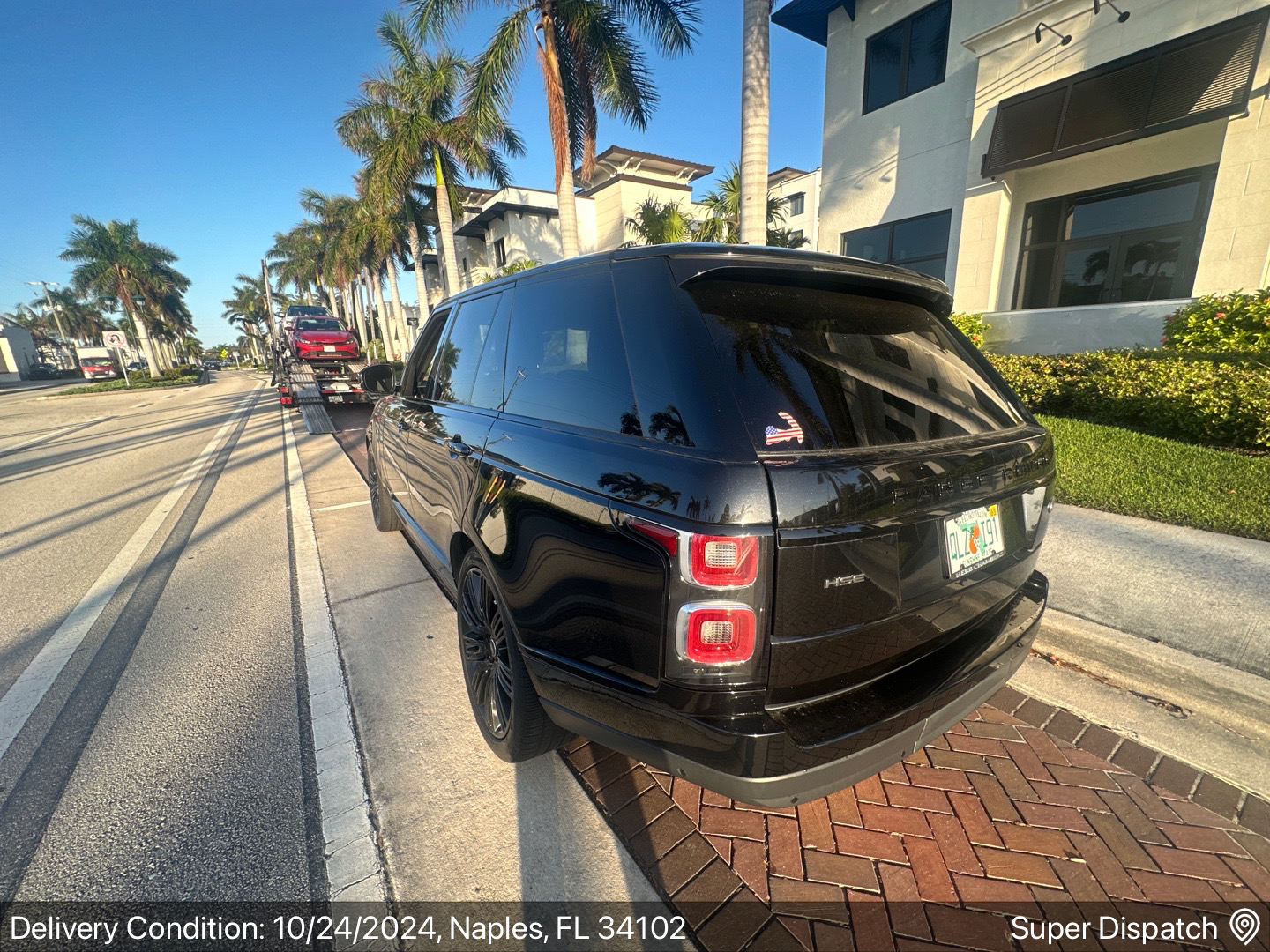
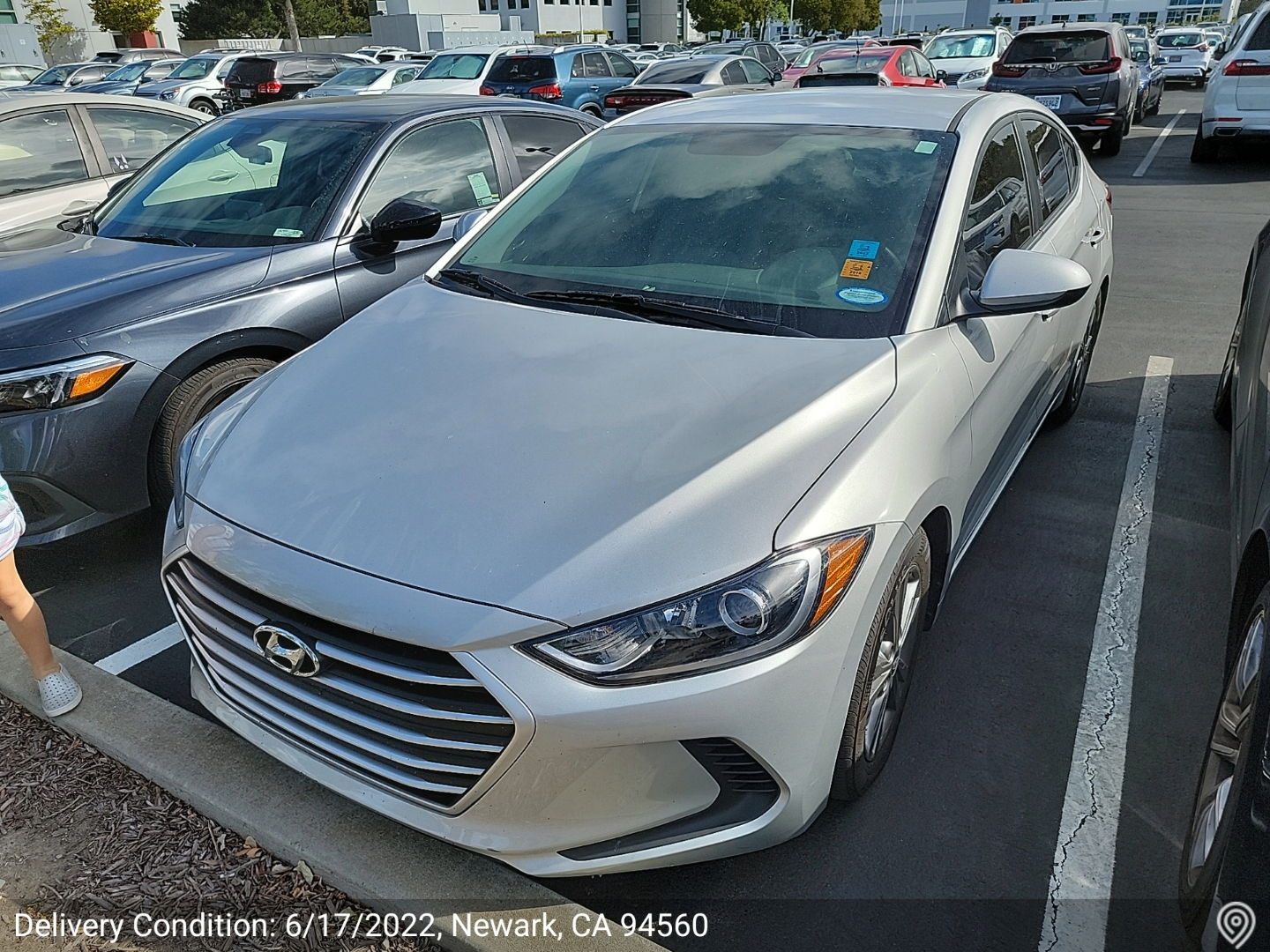
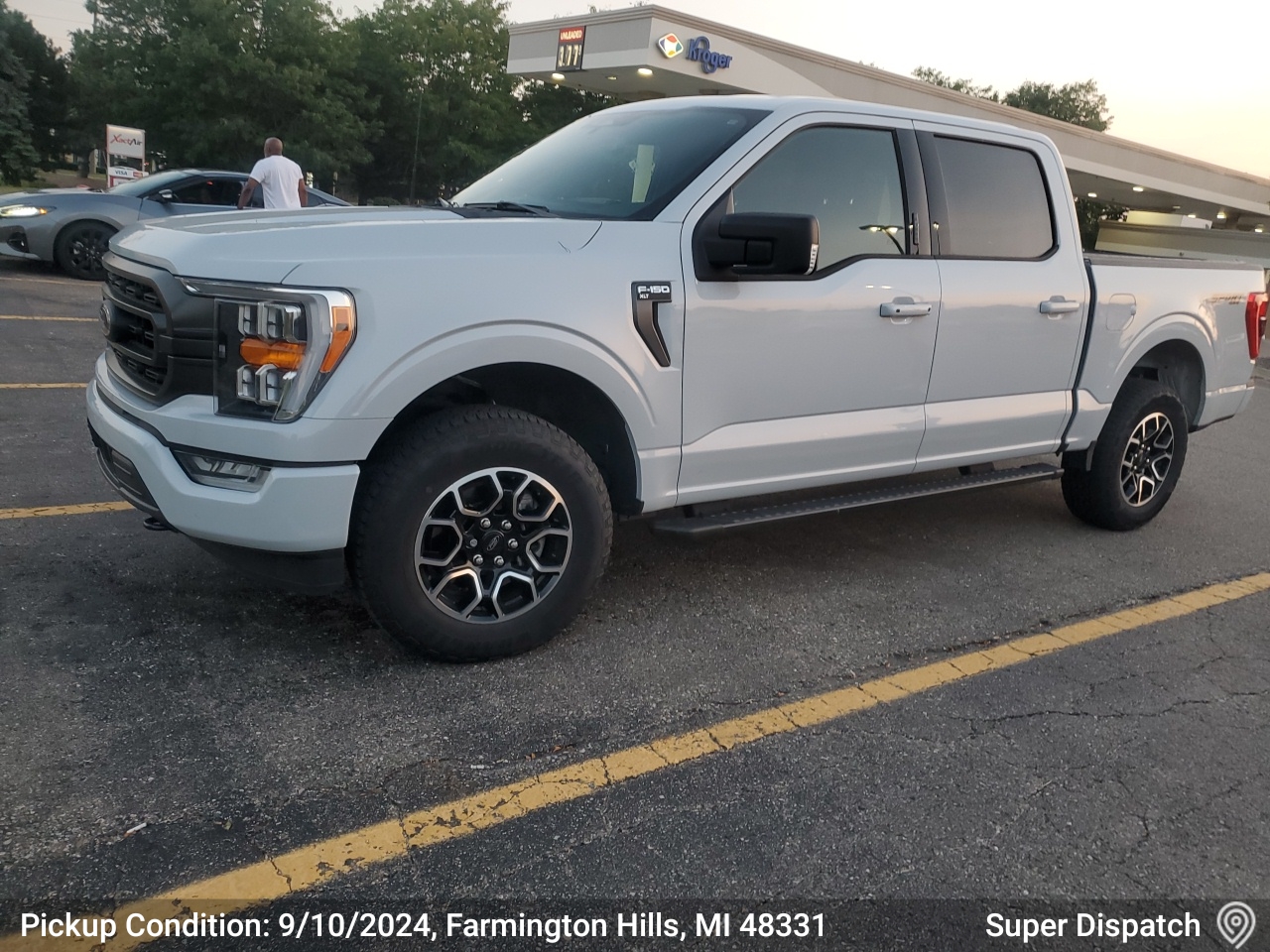
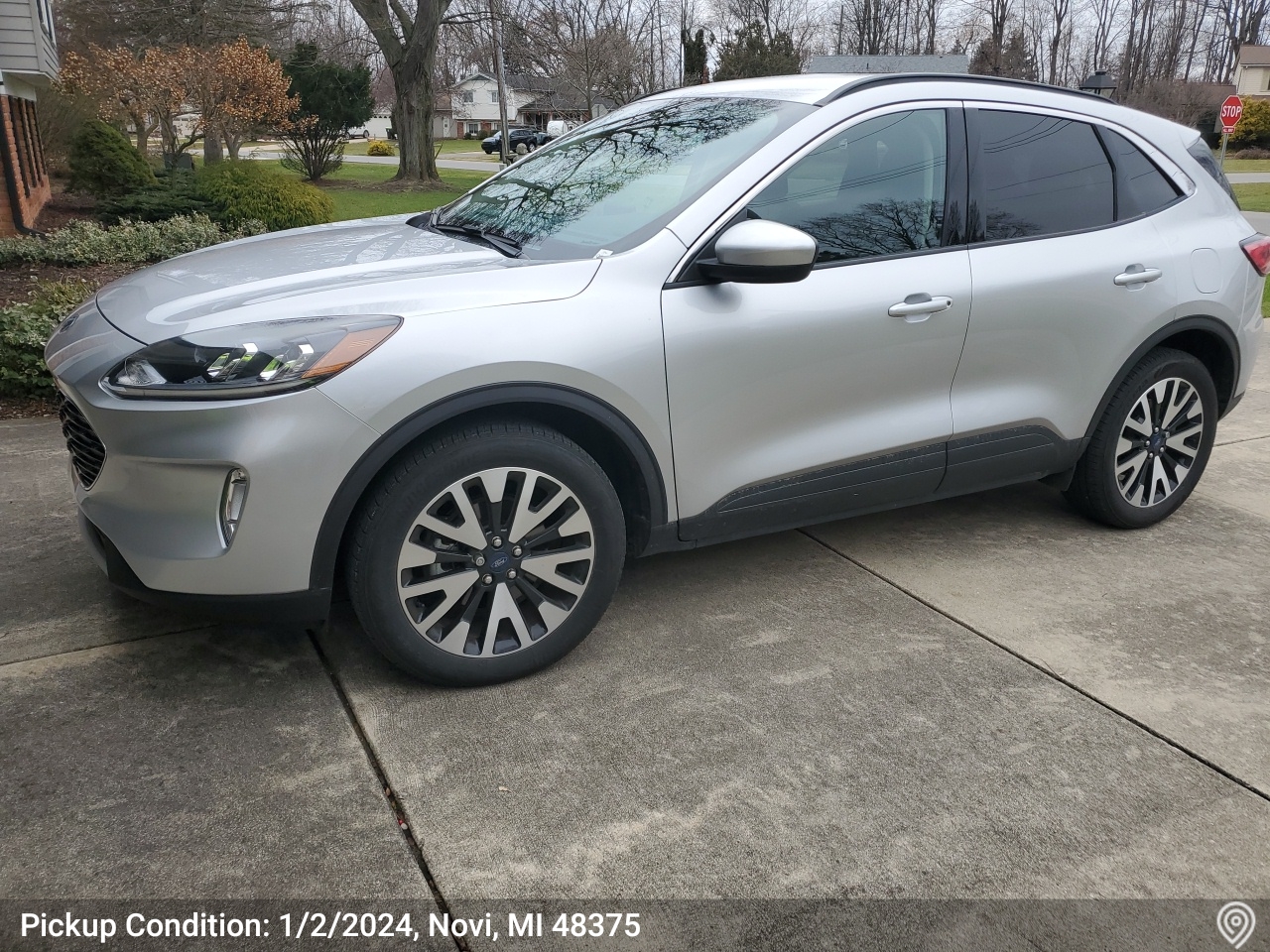
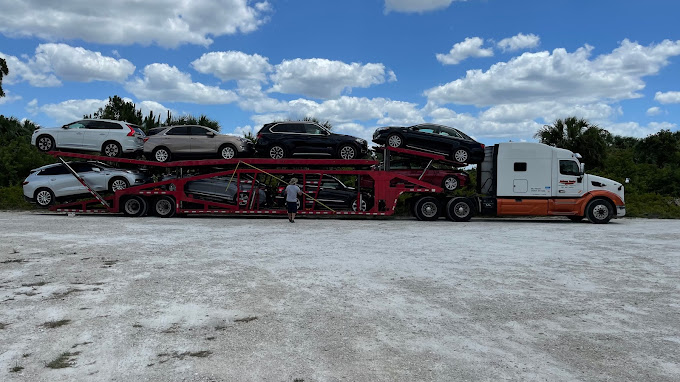
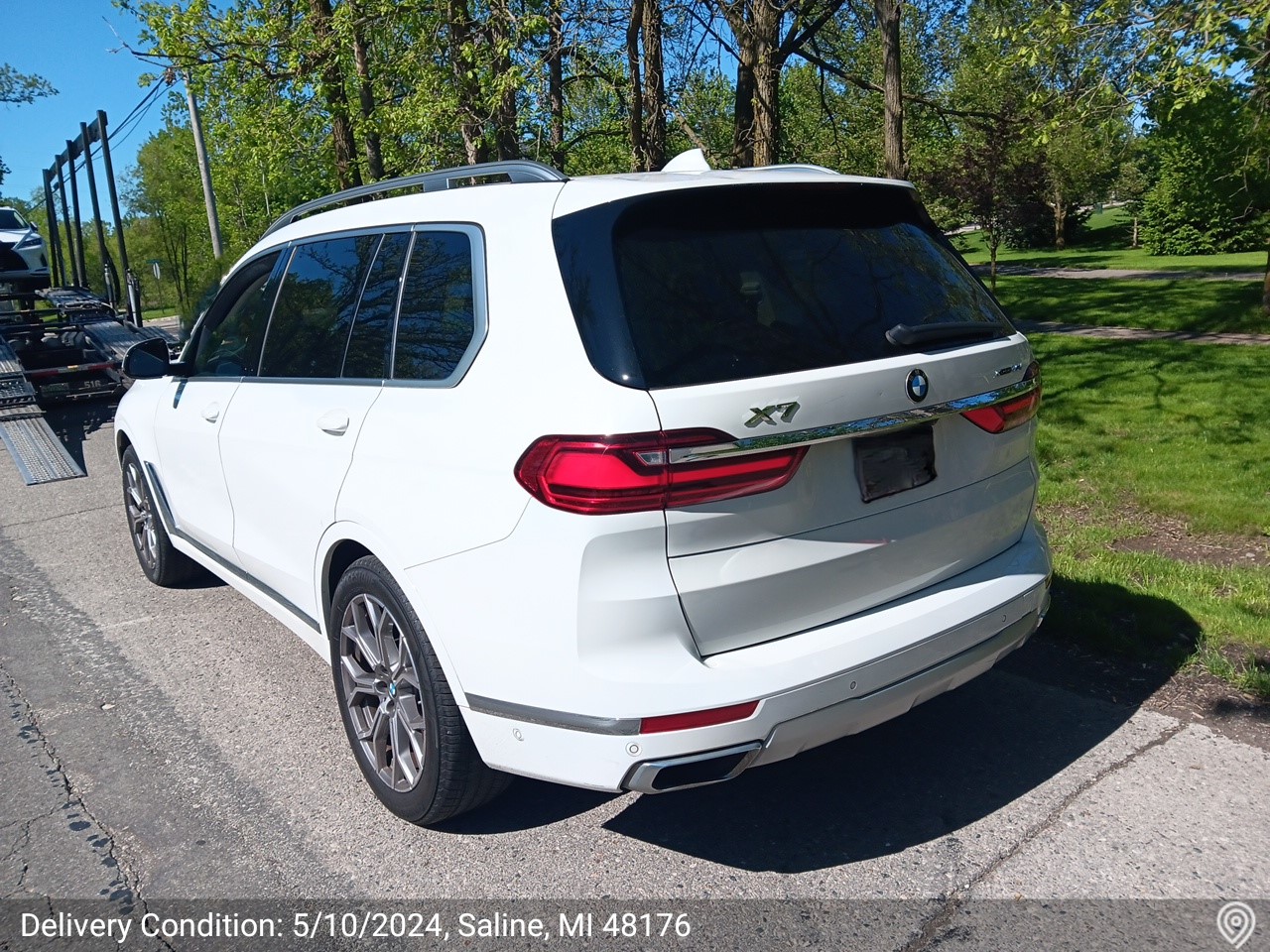
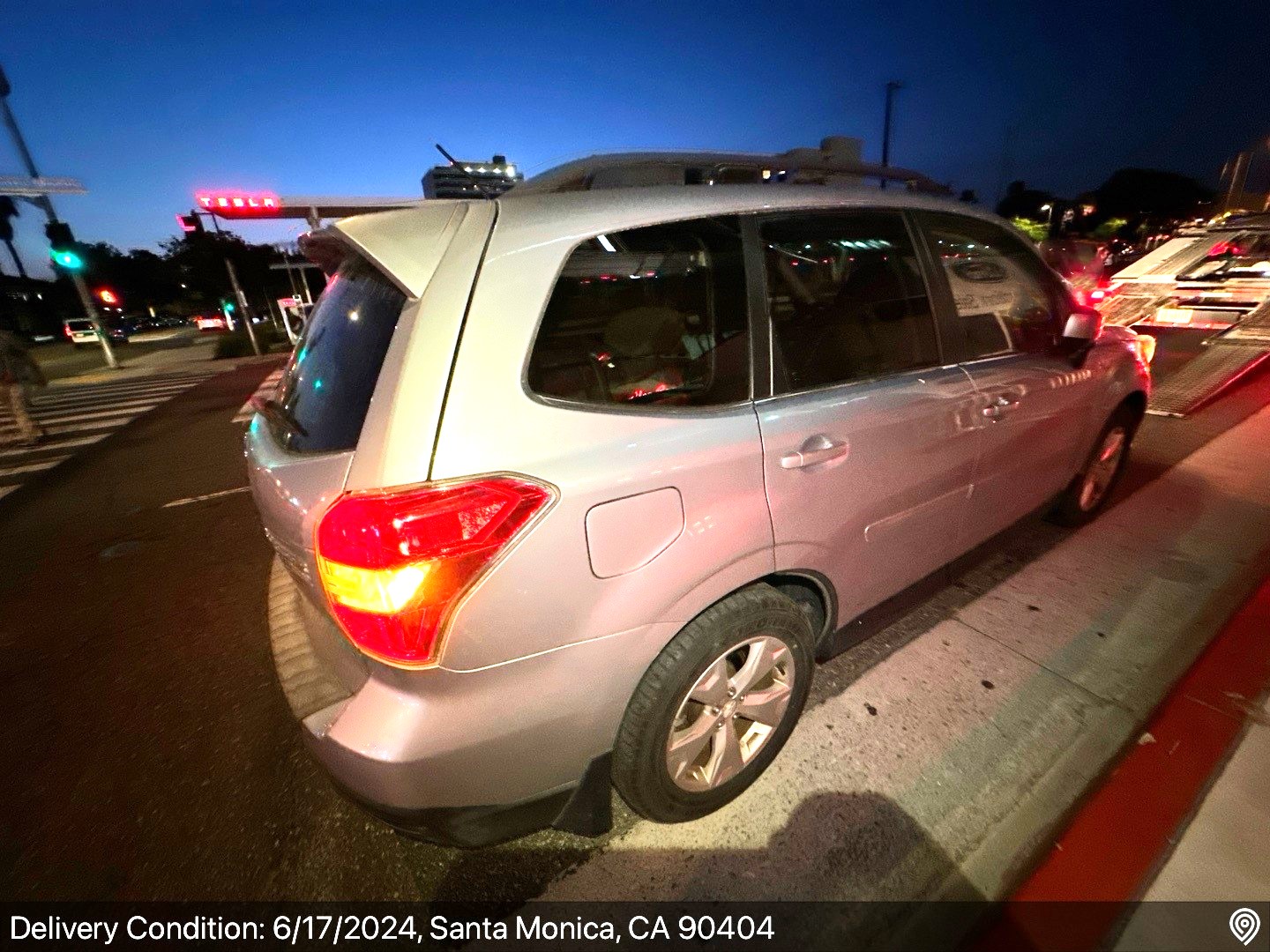
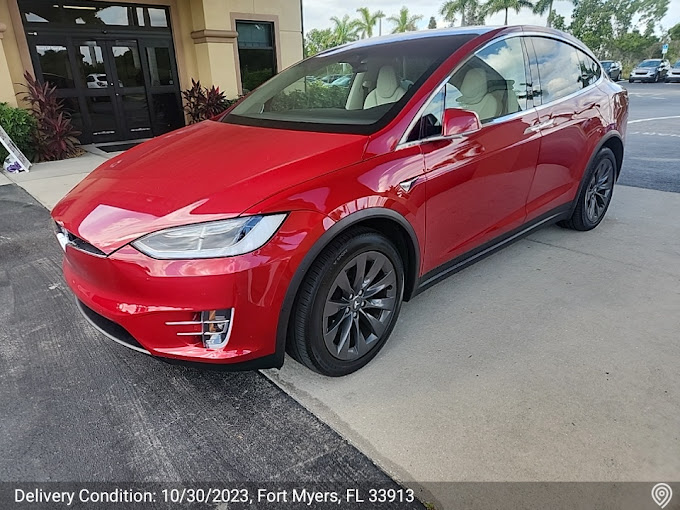
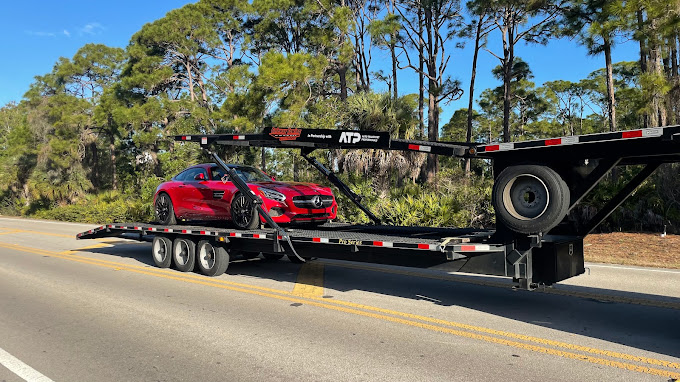
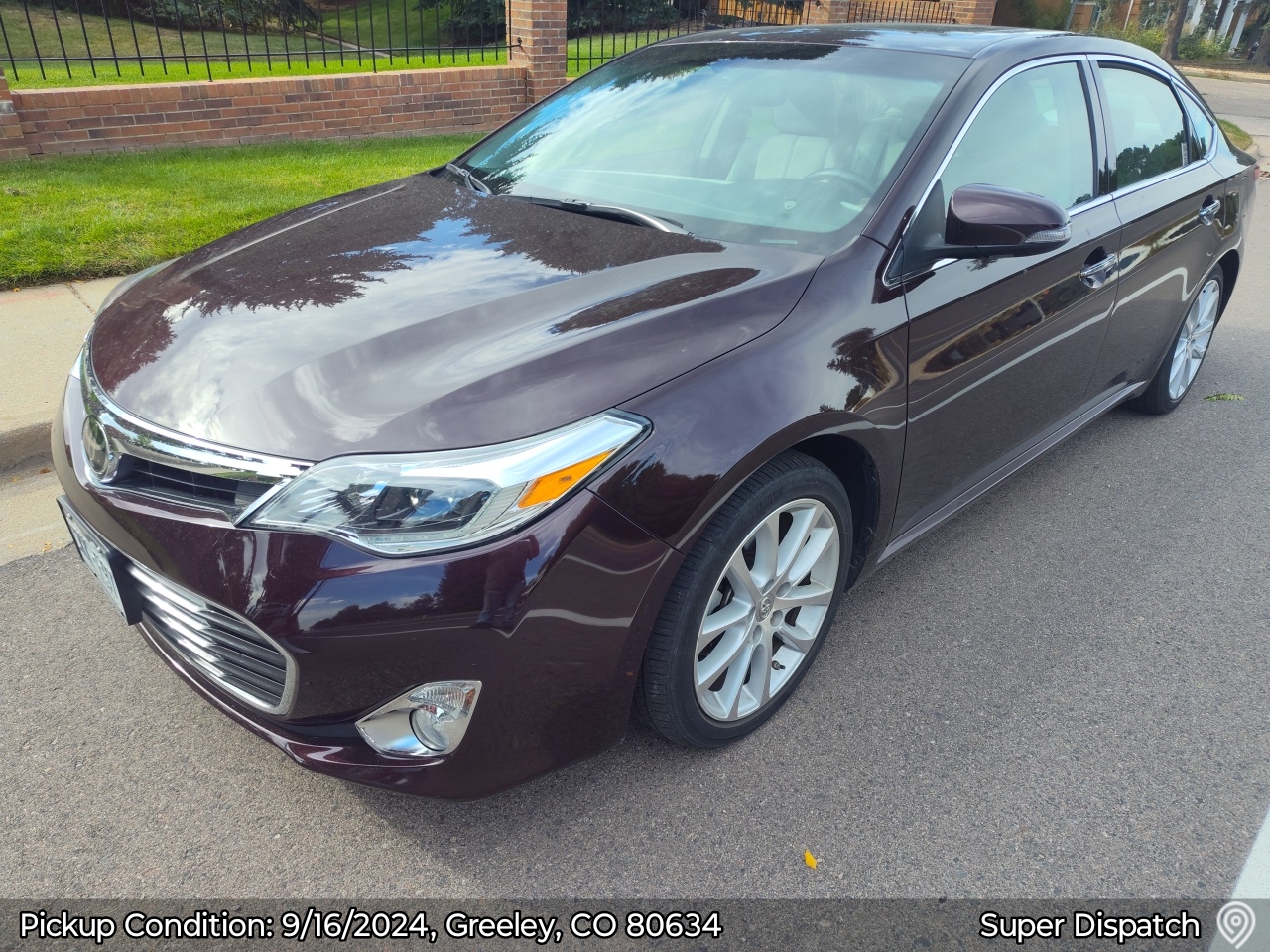
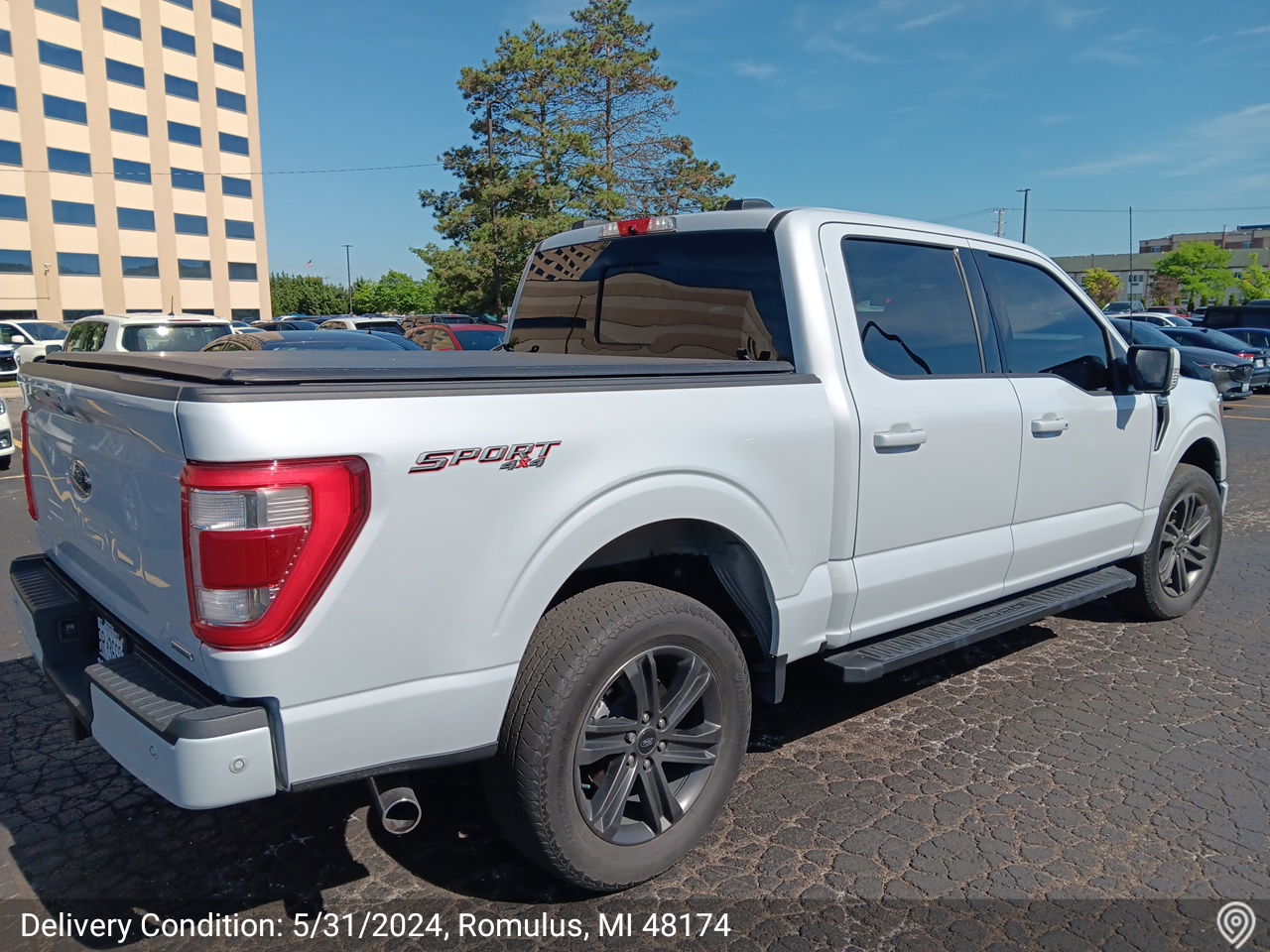
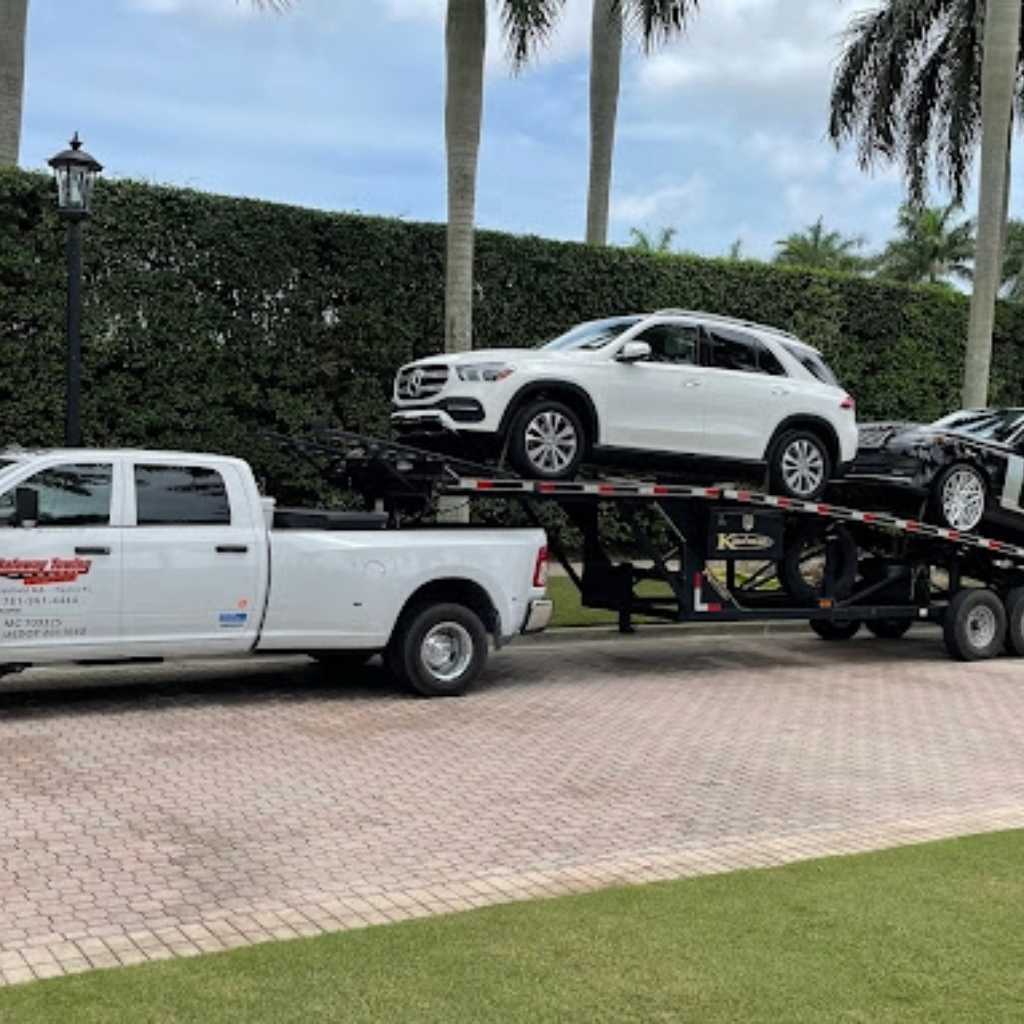
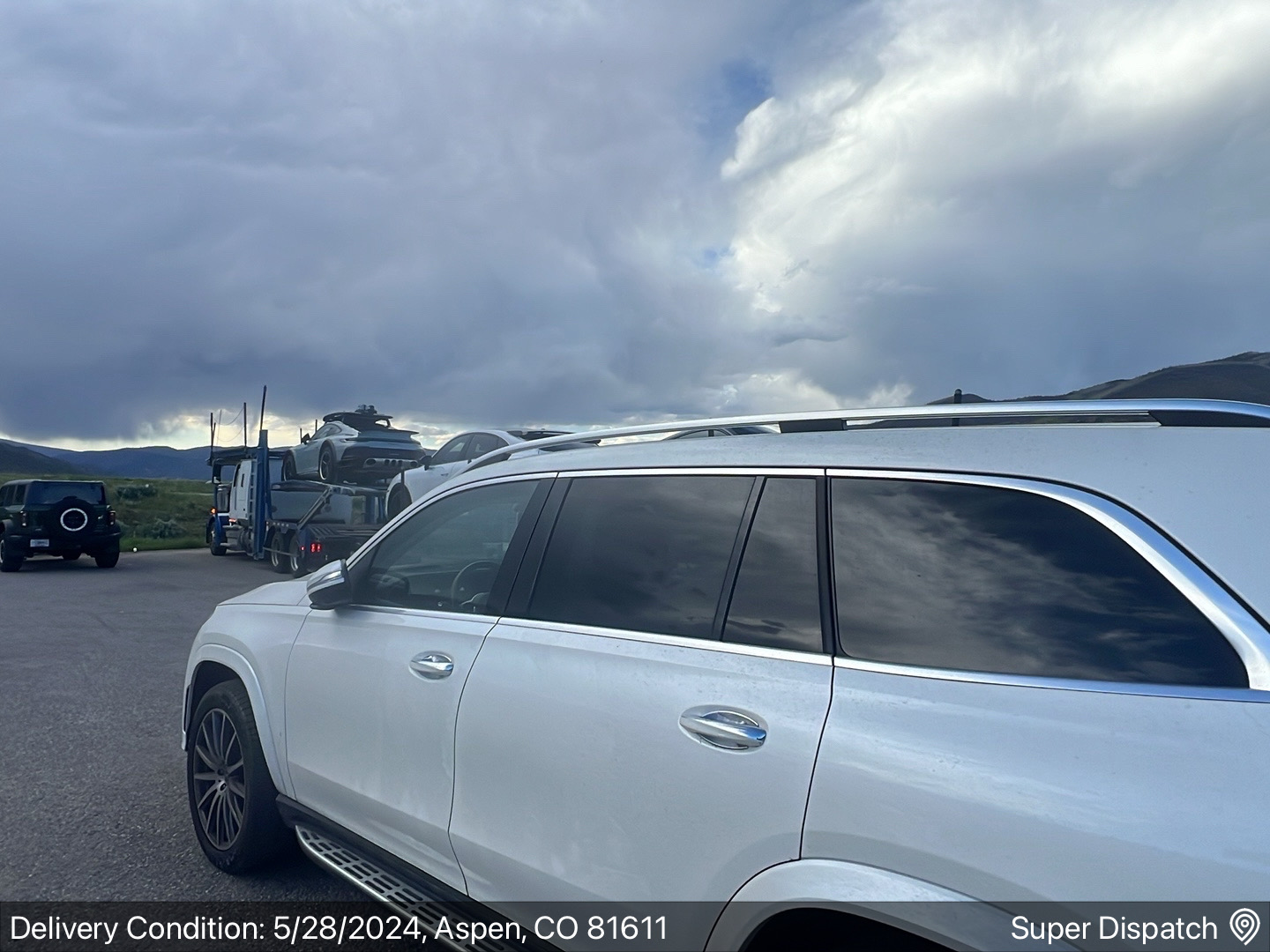
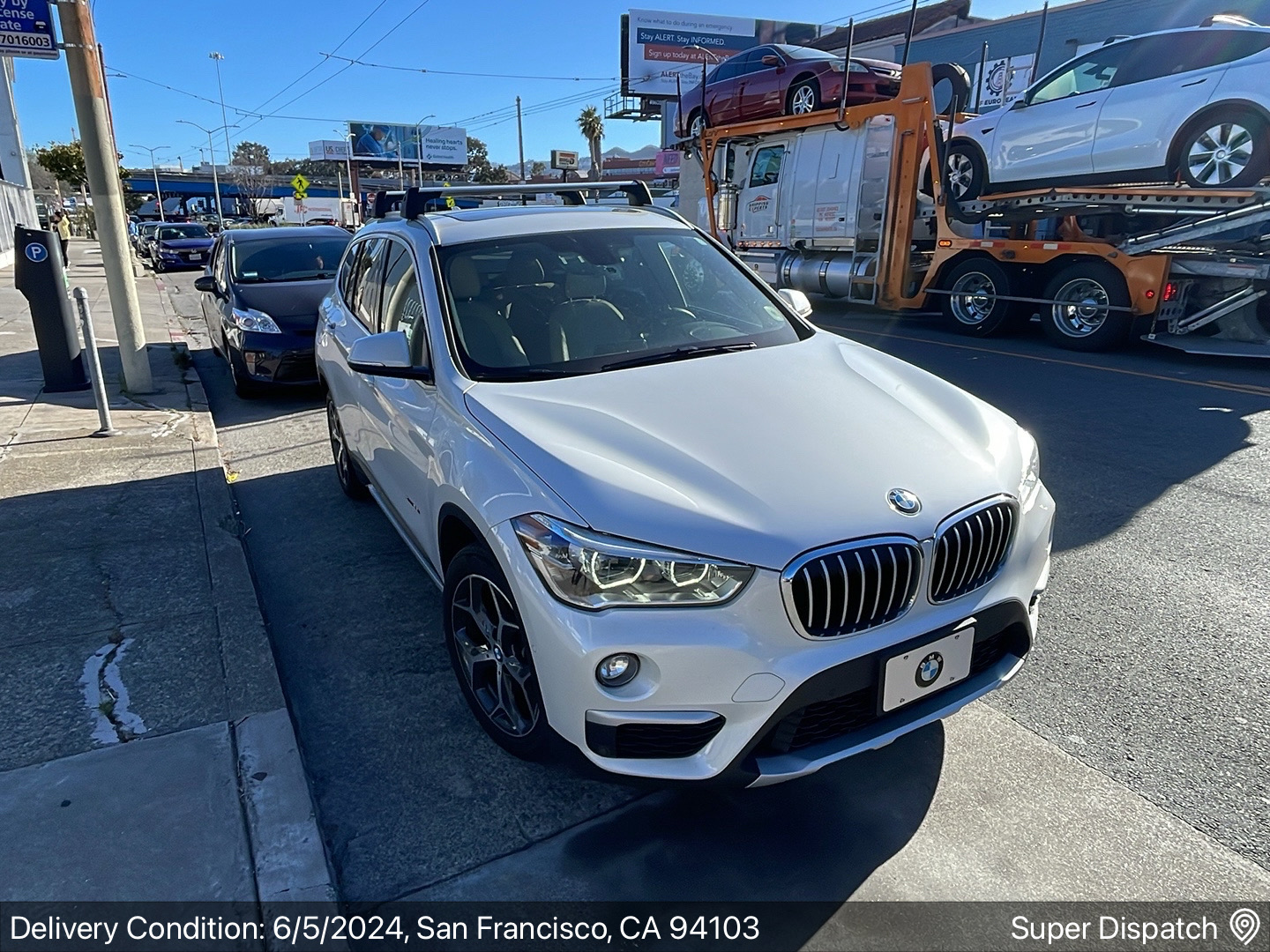
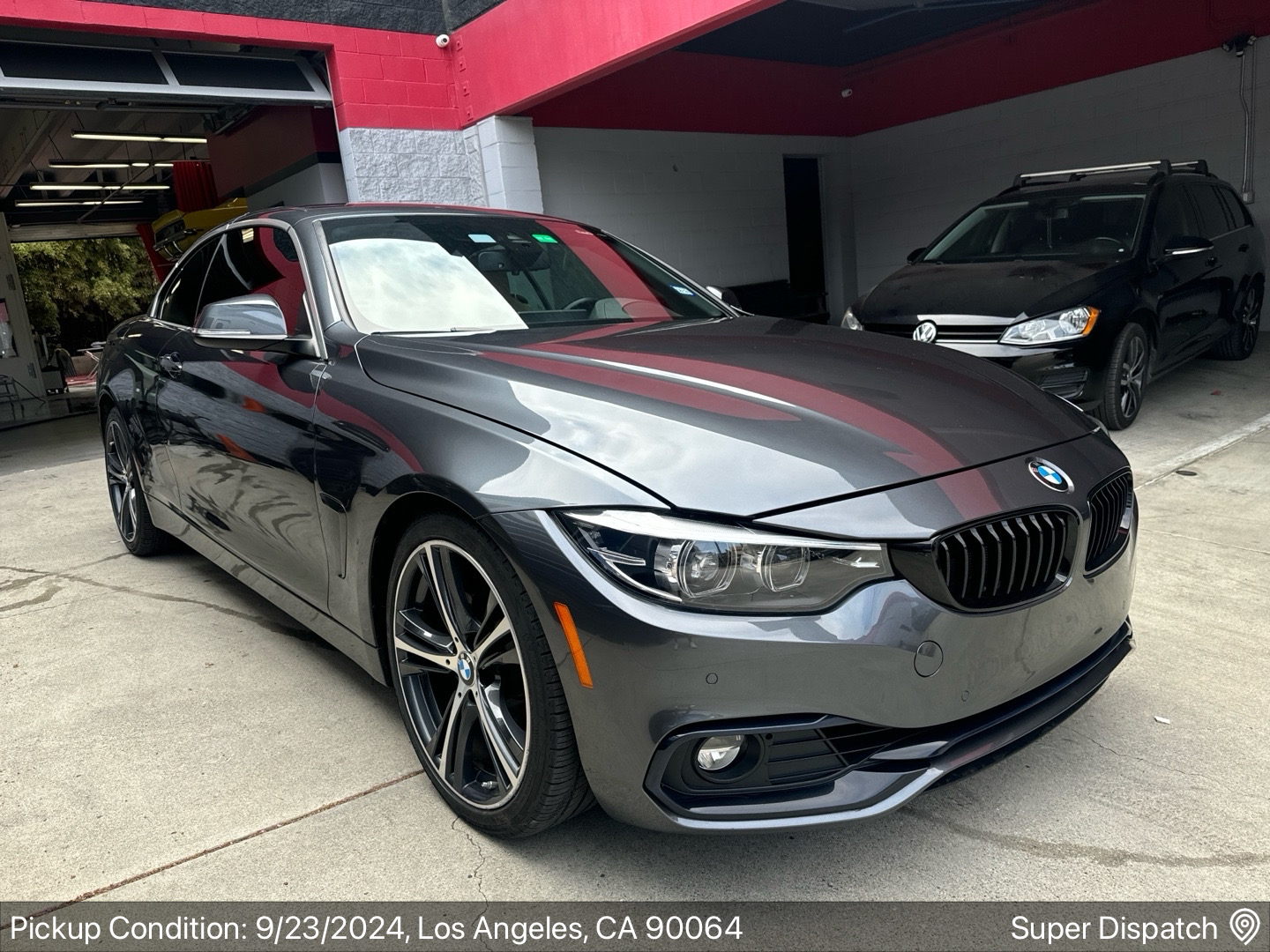
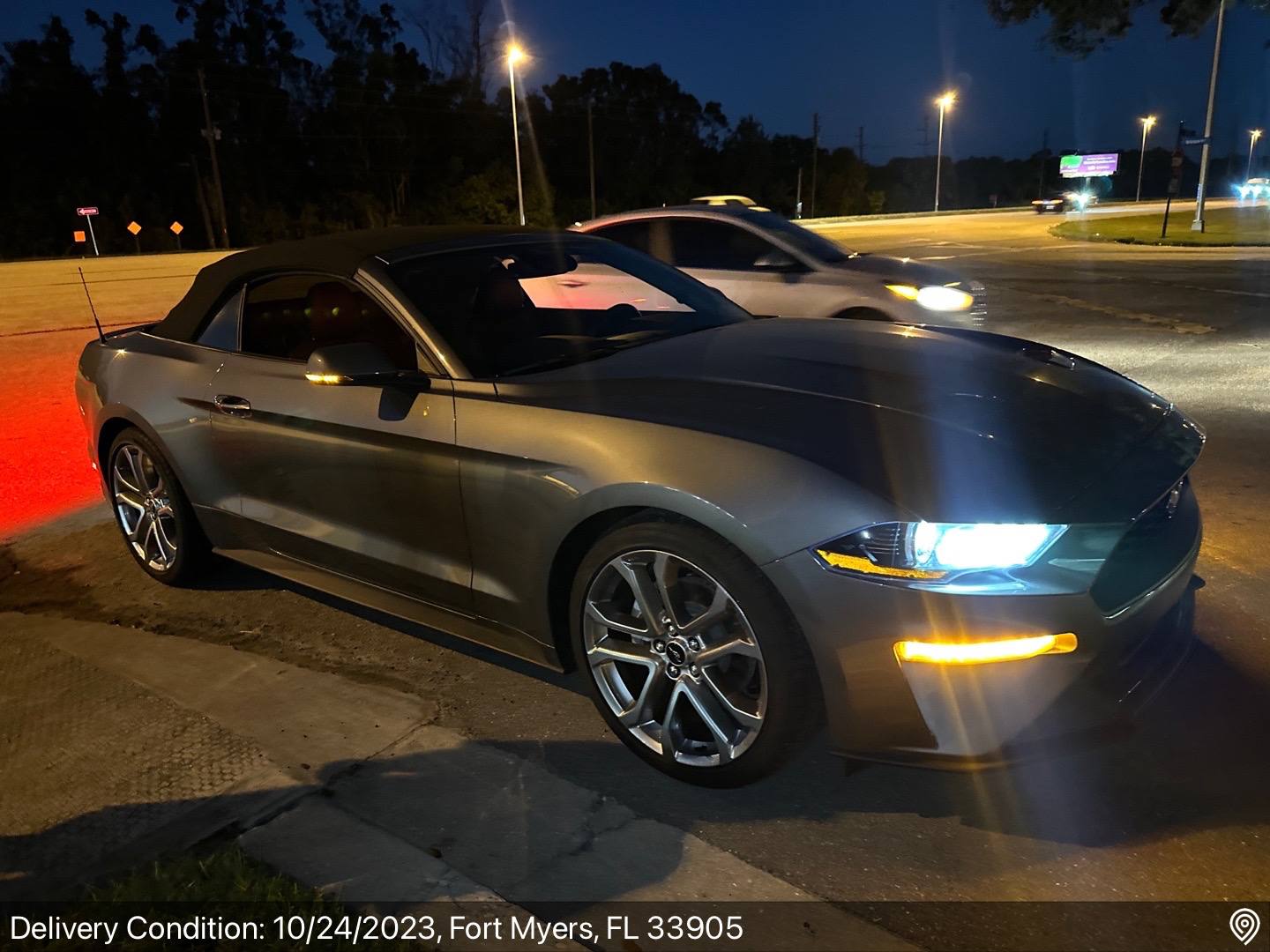
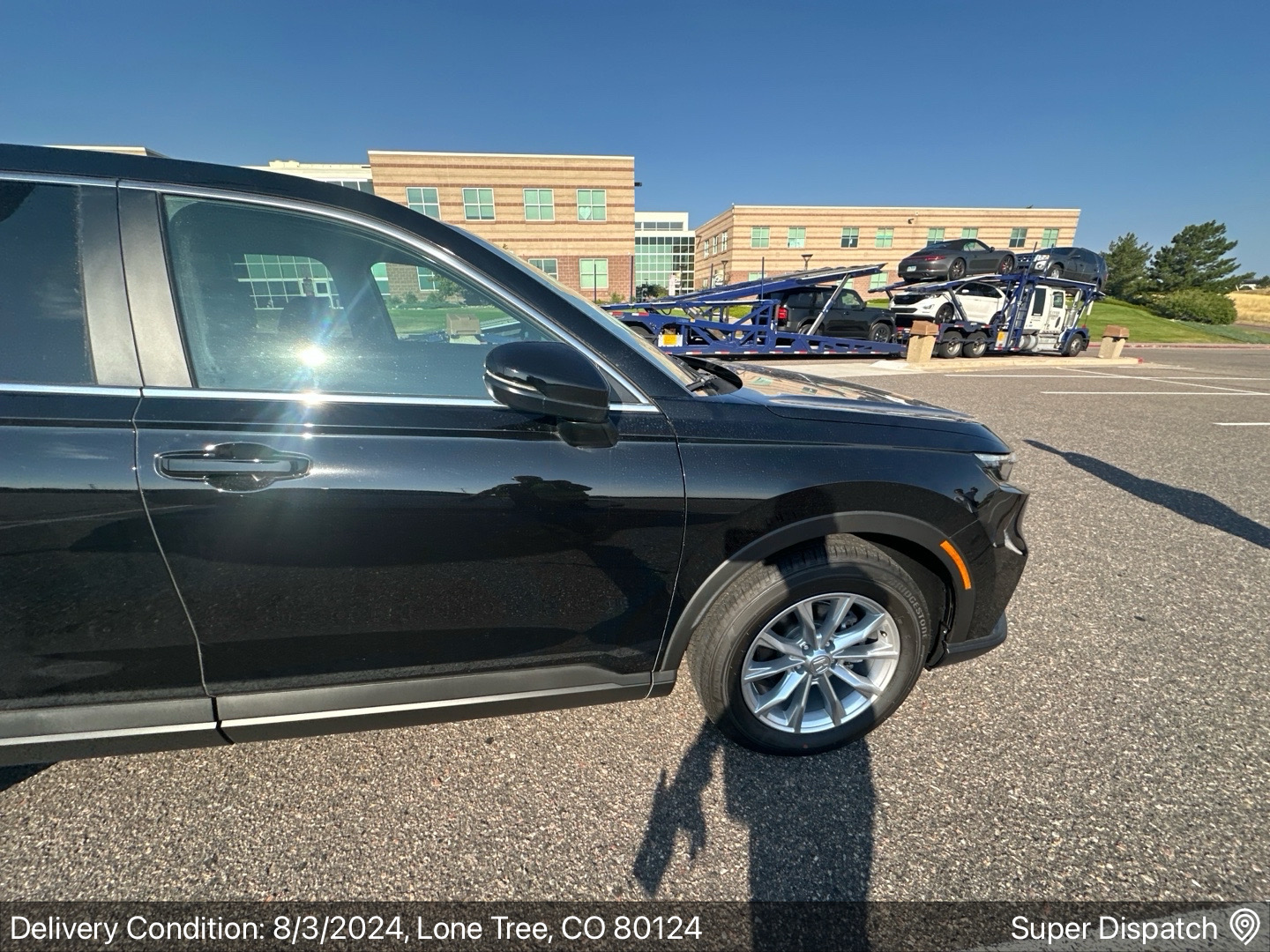
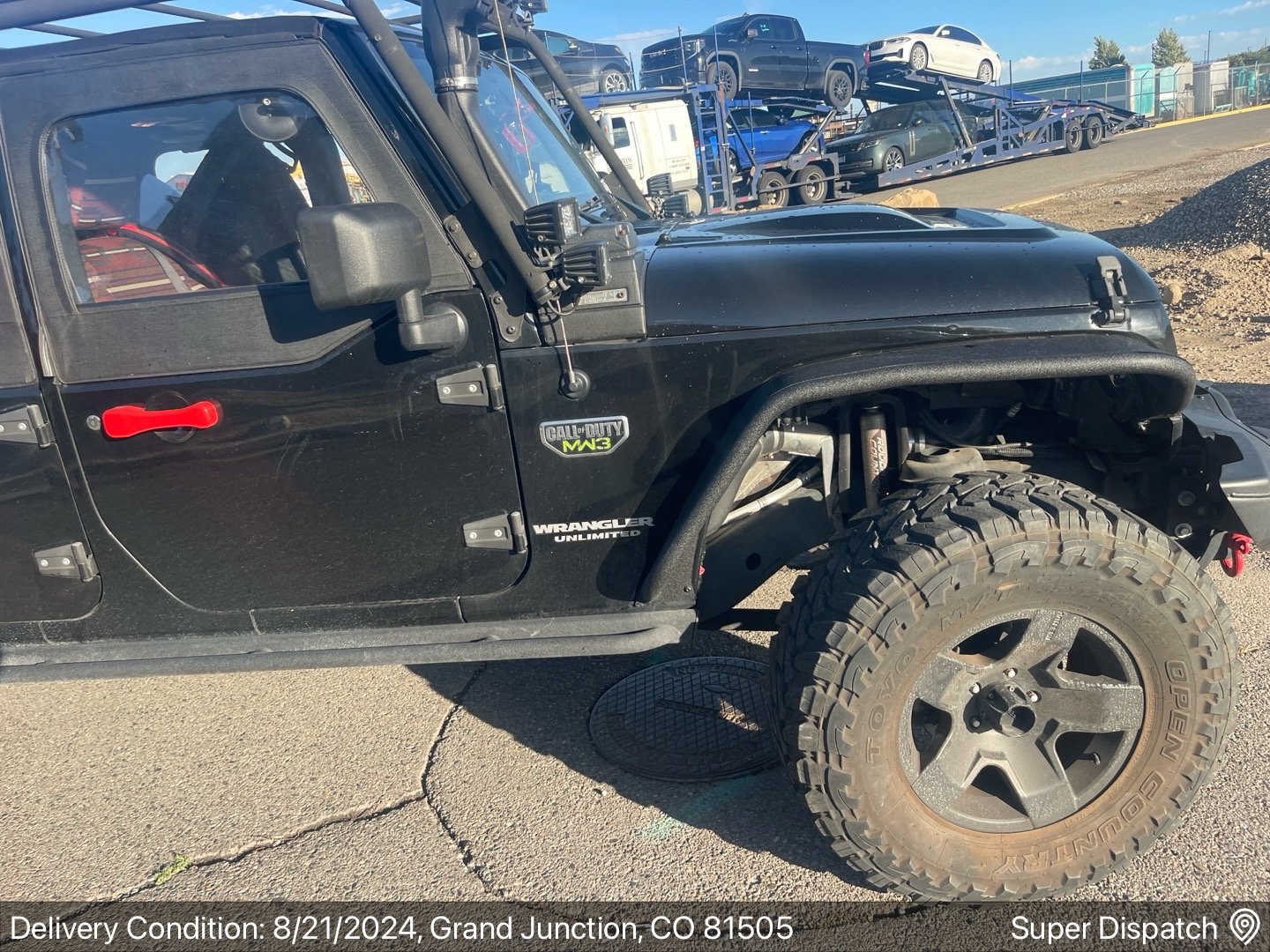
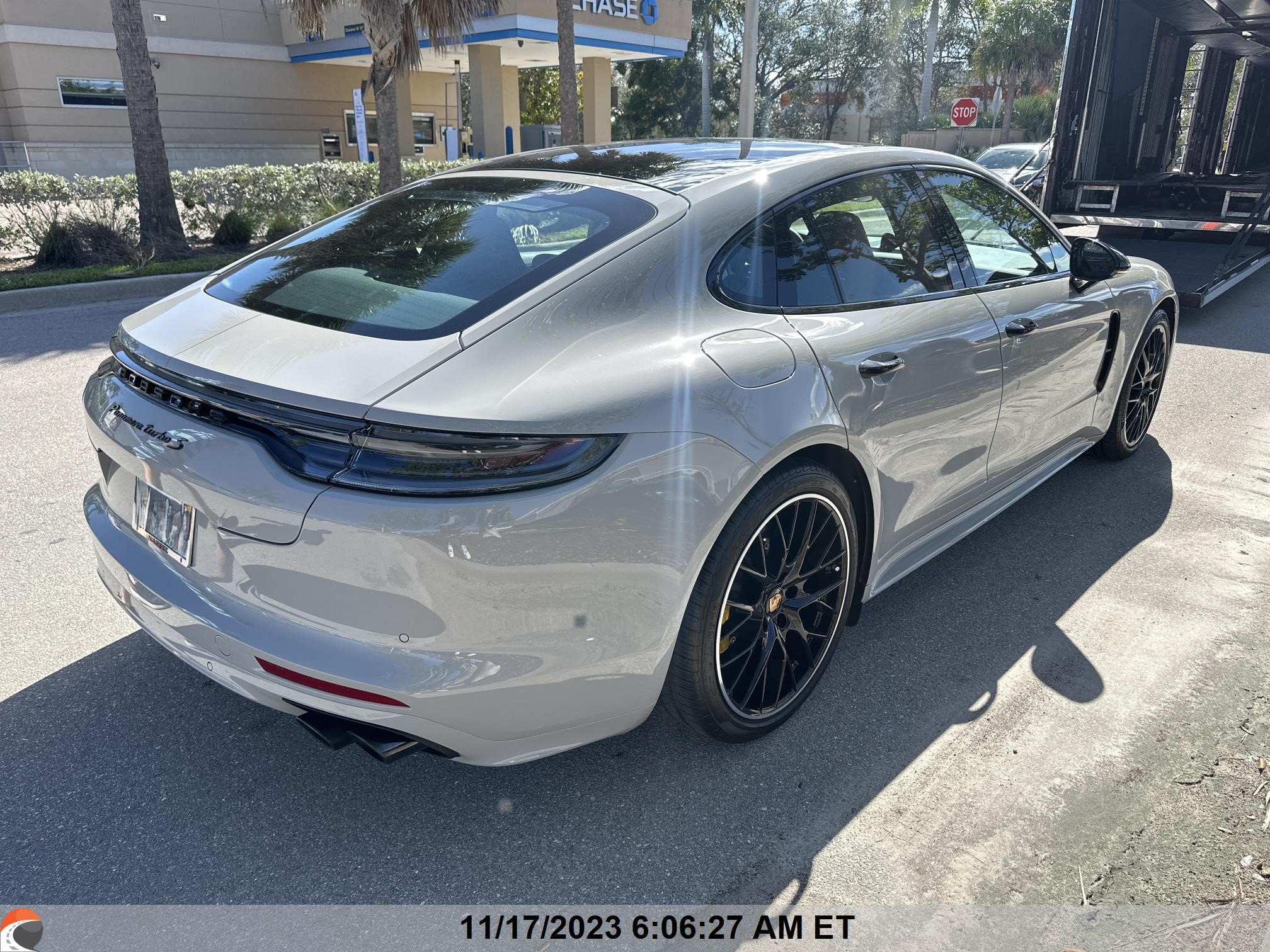
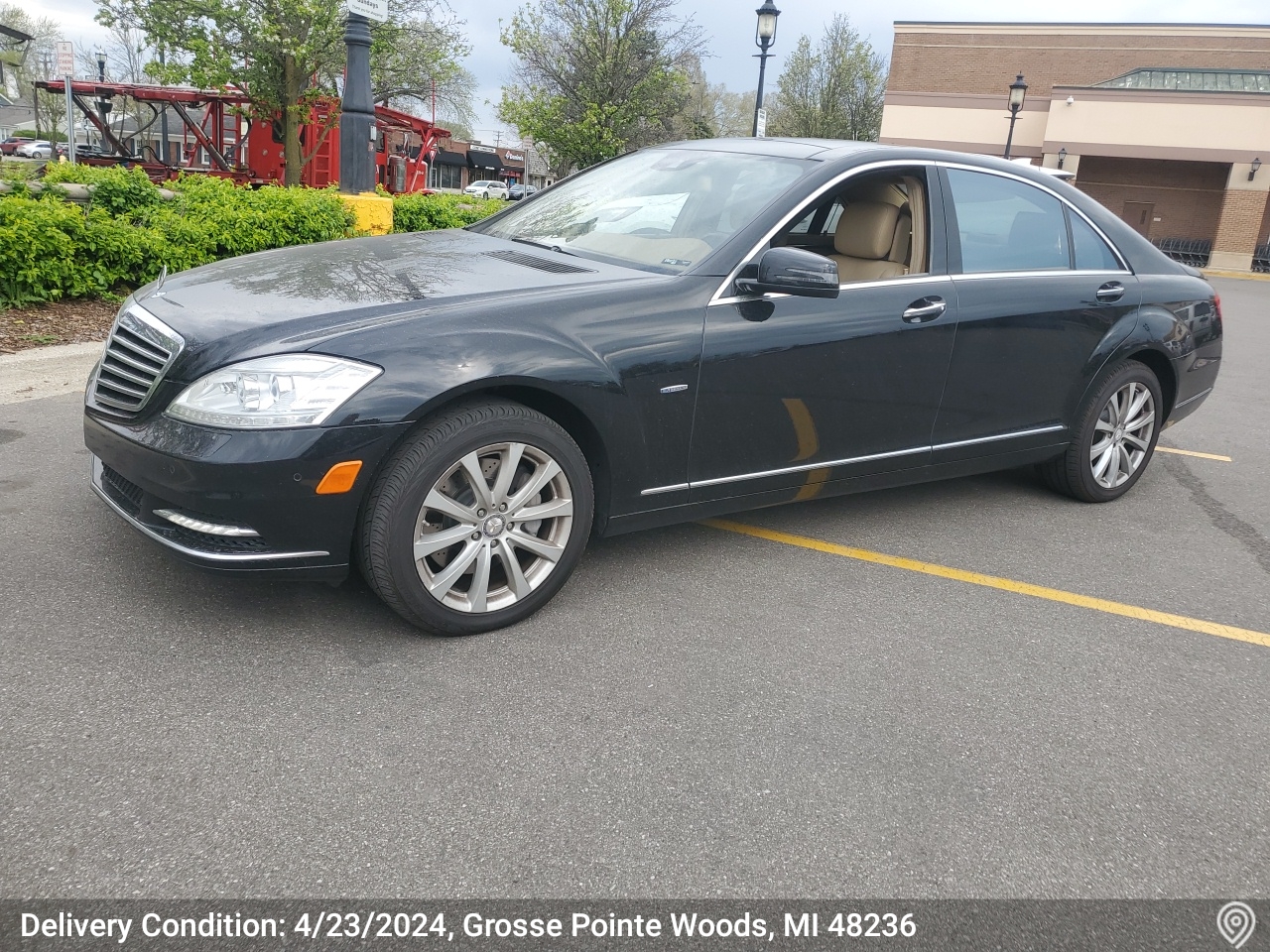
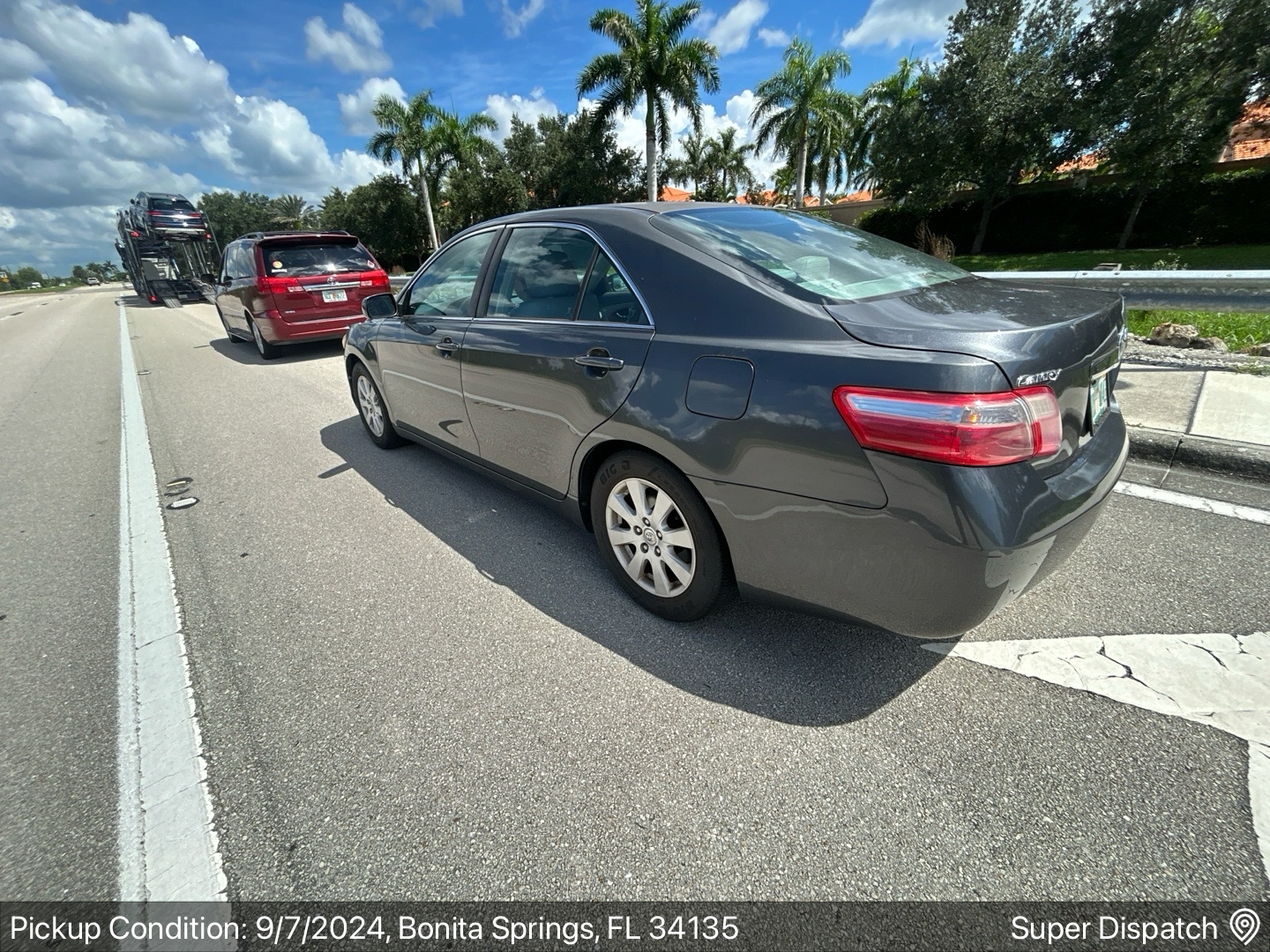
Pickup scheduling for Philadelphia auto transport requires more coordination than a typical suburban market. Carriers operating in the metro area must work around traffic congestion, parking enforcement, and street-width limitations, so expect to arrange a meeting point at a commercial lot, a park-and-ride, or a suburban staging area rather than a downtown address. We build a 3-day pickup window around your first available date, and with the city's carrier volume, most customers are matched within that window. Winter months from December through March can introduce delays from snow and ice, so build a small buffer into your schedule if shipping during that period.
Philadelphia sits squarely in the snowbird origin pattern. Each fall, from October through February, retirees and seasonal residents ship a car from Philadelphia to Florida and other warm-weather destinations, tightening southbound carrier capacity and pushing rates upward on those lanes. The reverse flow runs March through June, when northbound demand spikes as the same population returns. These are the two windows where booking lead time matters most.
Outside the snowbird windows, Philadelphia auto transport demand remains strong year-round, anchored by university move cycles in August and January, corporate relocations, and auction inventory shipments. Winter weather adds a separate scheduling consideration: snow and ice between December and March can delay pickups regardless of carrier availability, so customers shipping during that period should allow extra flexibility in their timeline.
Review your quote, confirm vehicle details and dates. No payment collected until a carrier is assigned.
We dispatch your order to our carrier network. You receive carrier details, insurance info, and estimated pickup window.
Carrier gives you 24 hours advance notice before pickup. Walk-around inspection together, every mark documented on the Bill of Lading, both parties sign.
Track your shipment status through your coordinator. We handle any schedule changes or logistics questions.
24-hour advance notice, then a call when close. Second walk-around inspection — damage during transport is extremely rare, but note any new issues on the Bill of Lading before signing. Once signed without exceptions, claims are extremely difficult to win.
Your carrier will contact you roughly 24 hours before arriving to confirm the meeting location. Because most Center City and South Philadelphia addresses are inaccessible to large transport trailers, expect to meet at a nearby commercial parking lot or suburban staging point. At pickup, the driver conducts a walk-around inspection, documenting existing marks and condition on the Bill of Lading. Review it carefully, confirm it matches what you see, and keep your copy. This documentation is the foundation of any future claim.
Before your vehicle arrives, the carrier will call with roughly 24 hours notice to confirm the delivery location. At drop-off, conduct a thorough walk-around and compare the vehicle's condition against your pickup Bill of Lading. Damage during transport is extremely rare, but if you notice anything new, note it on the Bill of Lading before signing. Once you sign without documenting damage, pursuing a claim becomes significantly harder. Philadelphia vehicle shipping customers should treat that final inspection as a non-negotiable step.
Every carrier in our network is required to carry cargo insurance as a condition of their FMCSA operating authority. Coverage details vary by carrier and are confirmed before your vehicle is dispatched.
At pickup, the driver and you complete a joint vehicle inspection. Every scratch, dent, and existing mark is documented on the Bill of Lading. At delivery, you must carefully compare the vehicle's condition against this record before signing the delivery receipt. If you notice any new damage, note it on the Bill of Lading before you sign. Once you sign the delivery receipt without noting damage, it becomes extremely difficult to file and win a claim. This is the single most important step in protecting yourself during the transport process.
Philadelphia's street infrastructure was not designed for modern car-hauling equipment. The colonial-era grid in Center City features narrow lanes, frequent one-way restrictions, and aggressive parking enforcement that makes it effectively off-limits for 75-foot open transport trailers. South Philadelphia and parts of North Philadelphia present similar constraints. Carriers serving this market know the terrain and will typically propose a meeting point at a big-box retail lot, a park-and-ride facility, or a staging area just outside the dense urban core.
When you book Philadelphia auto transport, confirm your flexibility on meeting location early in the process. Customers who can drive five to ten minutes to a wider commercial area make carrier coordination faster and reduce the chance of a scheduling delay. This is standard practice for the market, not an exception.
Relocating Residents and Corporate Transfers — Philadelphia's healthcare systems, financial firms, and expanding tech sector generate consistent corporate relocation volume. If your employer is moving you, coordinate your vehicle shipment alongside your household goods timeline. Request a free car shipping quote early to lock in your window.
University Students — Temple, Drexel, and Penn collectively move thousands of student vehicles each August and January. Ship a car to Philadelphia before move-in weekend to avoid the rush, or arrange pickup a few days after semester end when carrier slots open up.
Snowbirds — Philadelphia auto transport sees its sharpest seasonal demand from retirees heading to Florida each fall and returning each spring. Book southbound shipments by September and northbound by February to avoid peak-window rate increases.
Dealers and Auction Buyers — Manheim Philadelphia drives steady wholesale inventory movement. Auto shipping Philadelphia dealers rely on consistent carrier access, and the city's volume supports that year-round.
Philadelphia auto transport pricing reflects the city's position on the I-95 corridor, where high carrier competition influences rates. Distance, vehicle size, and seasonal demand—particularly during snowbird migration months—shift pricing. Dealer auction shipments and student moves also affect route demand throughout the year. Request a Philadelphia car shipping quote for your specific route.
Philadelphia sits at the junction of I-95 and I-76, two of the most heavily trafficked carrier corridors in the country. High carrier volume through Pennsylvania means frequent route coverage in multiple directions. Metro congestion can affect exact pickup scheduling. For auto transport Philadelphia PA timing, select your route above for details.
Yes, where access allows. Many Philadelphia neighborhoods have narrow streets, low-hanging trees, and residential parking restrictions that prevent full-size carrier trailers from maneuvering safely. In areas like Center City, Old City, or South Philadelphia, carriers may request a nearby commercial parking lot or wider intersection as a meeting point. We handle both inbound and outbound moves, including when you ship a car to Philadelphia.
Open transport Philadelphia handles the vast majority of vehicle shipping and works well for standard cars, trucks, and SUVs. Enclosed car shipping Philadelphia suits high-value, classic, or luxury vehicles and provides added protection from winter road salt and debris common in Pennsylvania. Enclosed availability is more limited than open transport, and pricing is typically higher, so book early if needed.
Late spring and early summer offer moderate demand before snowbird season intensifies. Fall brings a surge as retirees ship cars from Philadelphia to Florida, and spring sees the reverse migration northward. University move-in periods in August and January also create temporary spikes in Philadelphia vehicle shipping demand along I-95. Planning around these months works well if you need to ship a car from Philadelphia.
Someone 18 or older must be present at both ends to authorize the shipment and sign the Bill of Lading. If you cannot attend personally, designate a trusted representative — a friend, family member, or dealership contact — to handle the vehicle inspection and paperwork on your behalf.
Yes. Every carrier in our network carries cargo insurance as required by their FMCSA operating authority. Coverage specifics are confirmed before dispatch. At both pickup and delivery, you complete a joint vehicle inspection documented on a Bill of Lading — this protects you if any issue arises.
Yes, we transport non-running vehicles to Philadelphia. The vehicle needs to roll, steer, and brake for standard loading. Vehicles that cannot roll may require a winch or forklift at additional cost. Mention the vehicle's condition when requesting your quote.
Wash the exterior so scratches and dents are visible during inspection. Remove toll transponders, parking passes, and loose interior items. Leave roughly a quarter tank of fuel. Disable aftermarket alarms. Take dated photos of all sides, roof, and odometer before the carrier arrives for your records.
Most carriers allow personal belongings in the trunk or cargo area up to about 100 pounds. Items must stay below the window line and cannot be fragile or high-value. Personal items are not covered under carrier cargo insurance, so keep the vehicle as empty as practical.