Door-to-door car shipping with fully insured carriers. No upfront payment.
Hilton Head Island auto transport operates as a moderate-volume market shaped by the island's identity as one of South Carolina's most sought-after second-home and retirement destinations. Seasonal residents arriving from the Northeast and Midwest each fall drive consistent demand for car shipping to Hilton Head Island, while spring departures create a reliable northbound flow. Carriers running I-95 between Florida and the Northeast pass within 20 miles of the island, making routes toward Charleston and Savannah natural corridor anchors for load planning.
The island's access via US-278 is straightforward for carriers willing to make the detour from the mainland near Bluffton, and wide resort roads keep on-island logistics manageable. Because not every hauler routes onto the island without a confirmed load, booking Hilton Head Island auto transport one to two weeks ahead gives us the lead time to match your shipment with a carrier already working the Lowcountry. That window consistently produces better carrier selection than last-minute requests.
Hilton Head Island is one of South Carolina's premier snowbird and second-home destinations, drawing seasonal residents primarily from the Northeast and Midwest each winter. This migration pattern creates strong demand to ship a car to Hilton Head Island during fall months and return vehicles north in spring. The island's concentration of golf resorts and retirement communities also means luxury and specialty vehicles move through regularly.
As a Tier 3 market, Hilton Head Island auto transport volume is moderate. Carriers traveling I-95 between Florida and the Northeast pass within 20 miles of the island, but the US-278 bridge crossing adds a detour that not every hauler will make without sufficient load planning. Booking ahead by one to two weeks gives brokers time to match shipments with carriers already routing through the Lowcountry.
Hilton Head Island falls within South Carolina's hurricane zone, and tropical weather between June and November can disrupt carrier schedules. Storm watches or evacuation orders may delay pickups and deliveries during active weather events, so customers planning summer or early-fall shipments should factor potential weather-related schedule shifts into their plans.
No problems. Everything as promised. Pickup and delivery time as promised.
Picked up and delivered as scheduled. Driver kept me posted along the way and was most helpful and courteous.
Very professional from start to finish. Very cost effective.
Hilton Head Island car shipping cost is driven primarily by distance and vehicle type. As a Tier 3 coastal market, rates here sit close to South Carolina averages for comparable corridors, though the island's position roughly 20 miles off I-95 can add a modest premium when carriers factor in the US-278 detour. Shipments connecting to high-volume lanes like the Florida-to-Northeast corridor tend to price more favorably than moves to or from lower-density inland markets. Enclosed car shipping Hilton Head Island runs 40 to 60 percent more than open transport, reflecting the added equipment and capacity costs for the luxury and specialty vehicles common here.
Seasonal demand shifts pricing in predictable ways. Fall southbound moves and spring northbound returns both see tighter carrier availability, which can push rates upward during peak migration weeks. Booking early in either season helps lock in competitive pricing before capacity tightens. Request a free car shipping quote to see current rates for your specific route and vehicle.
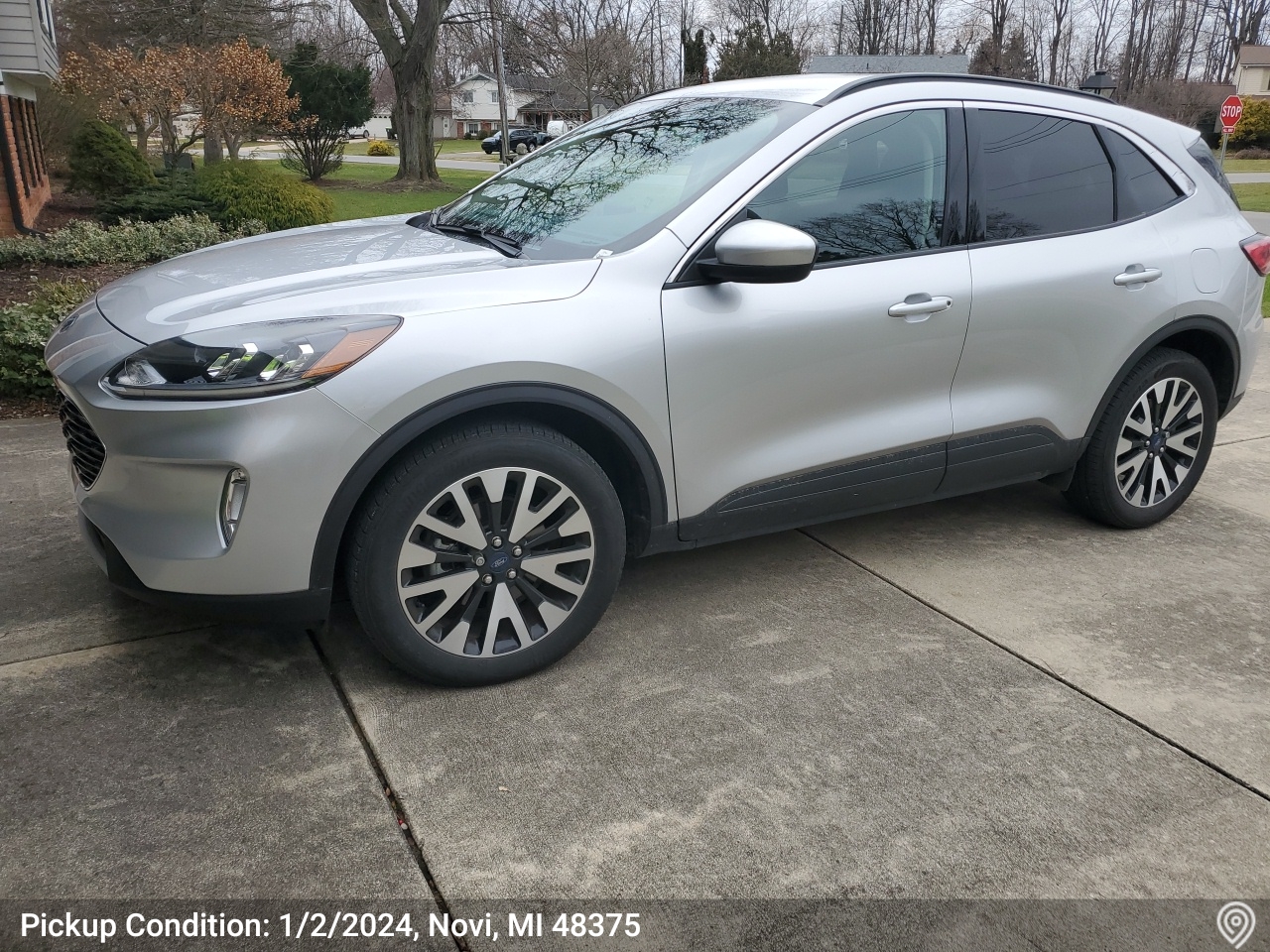
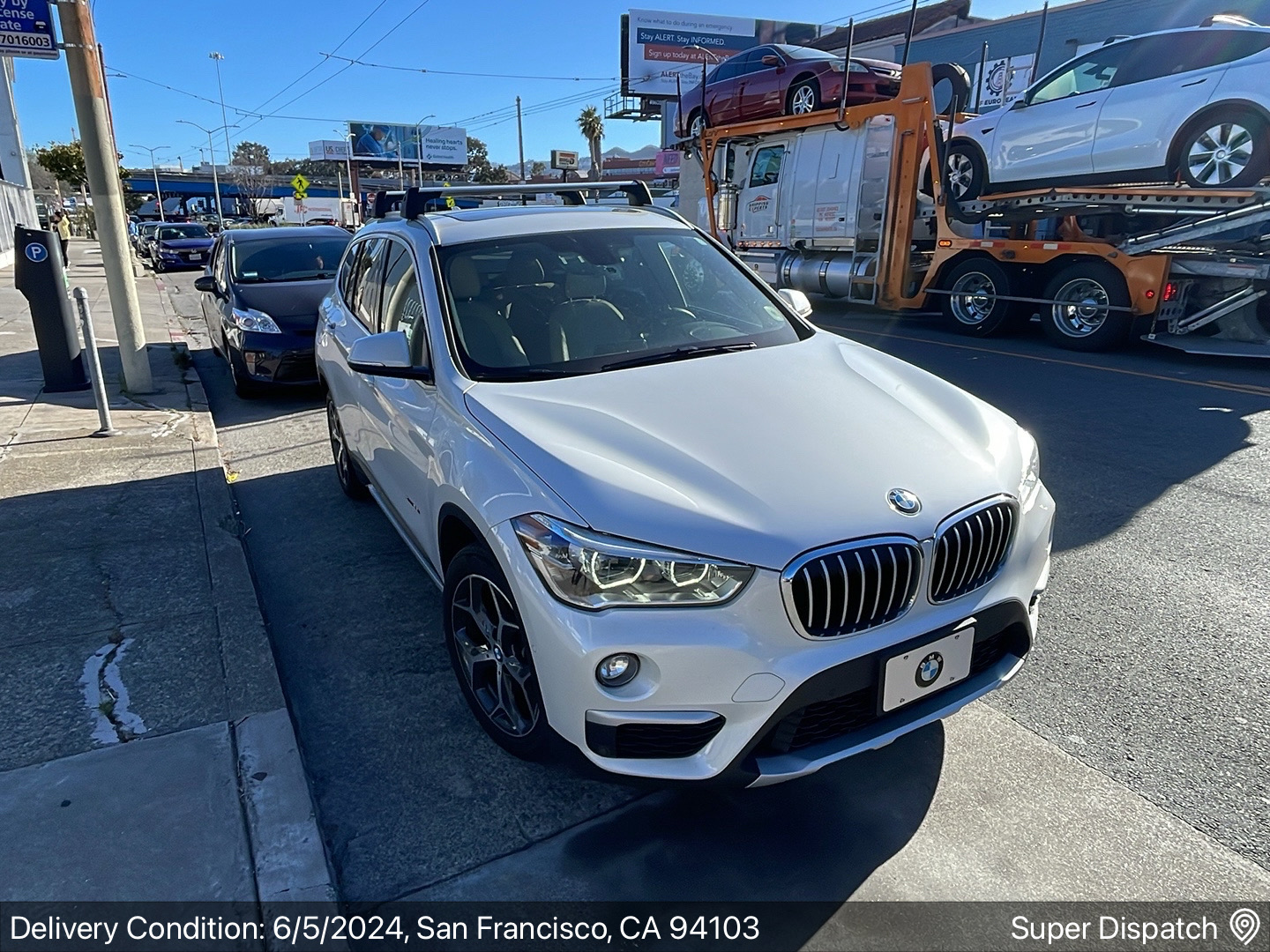
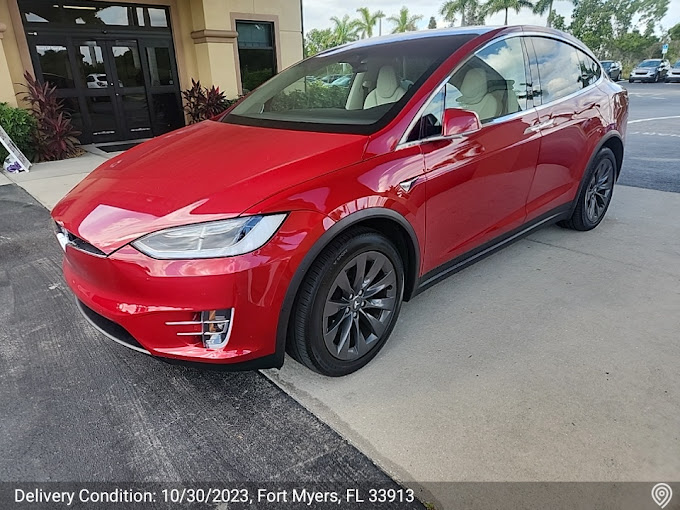
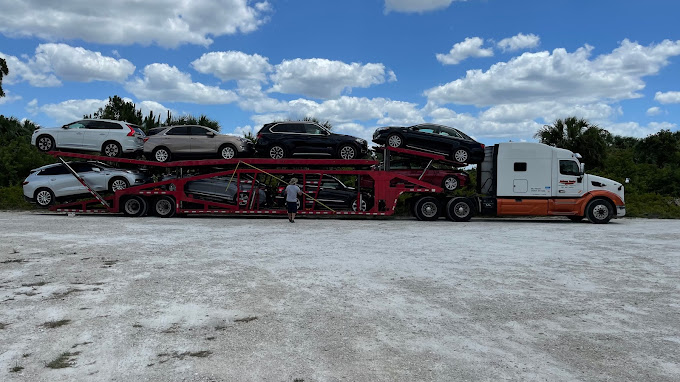

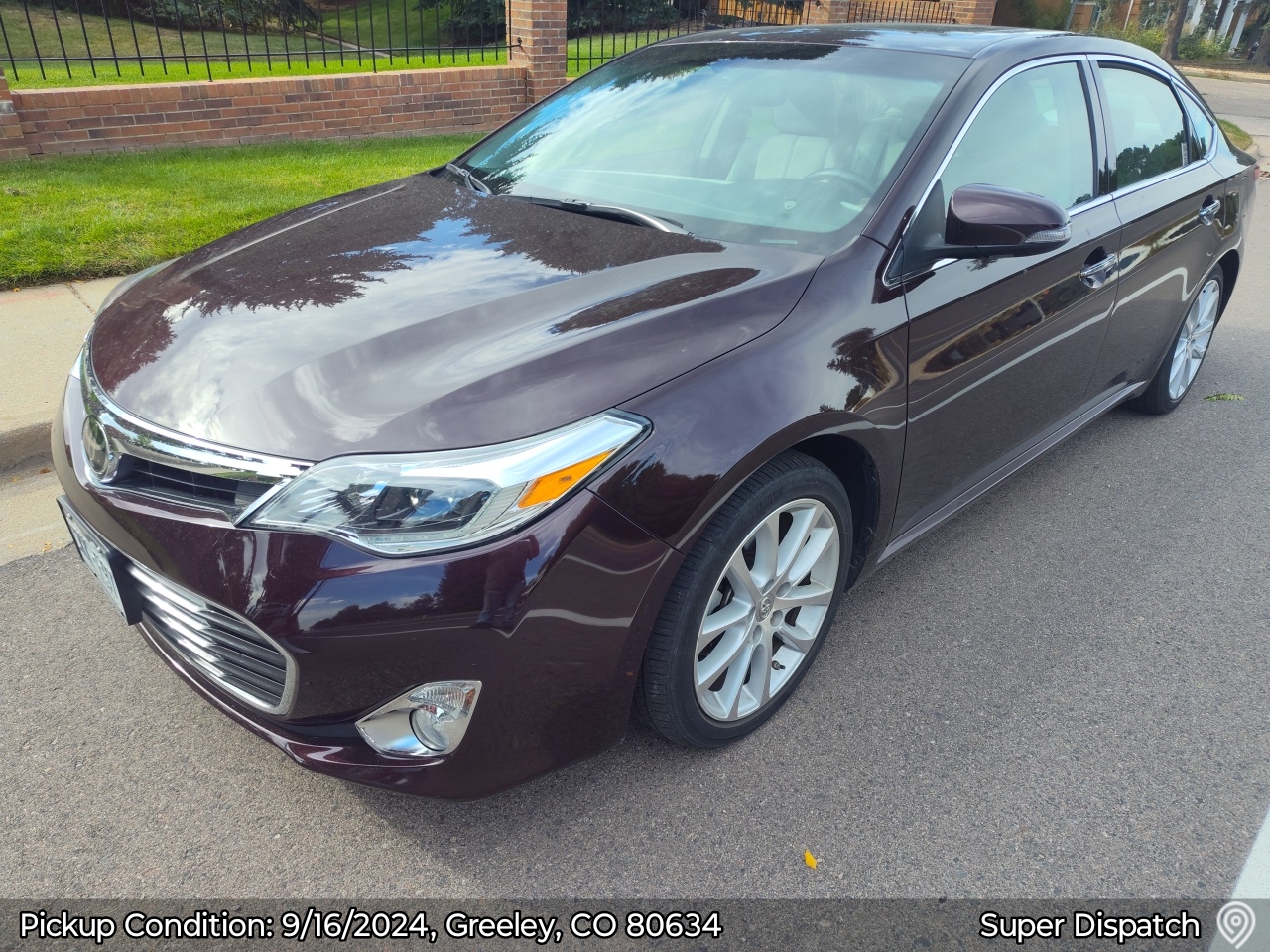
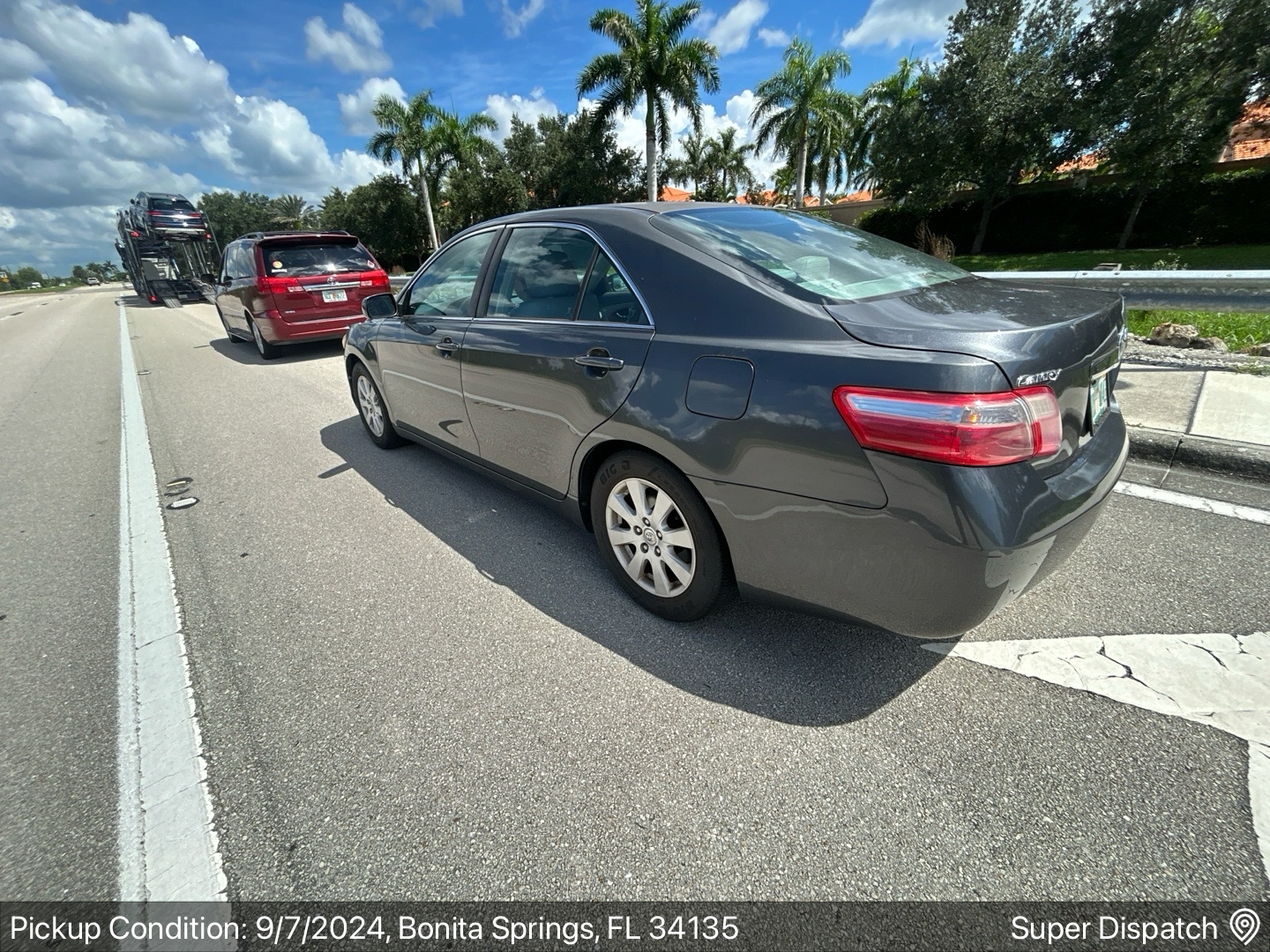
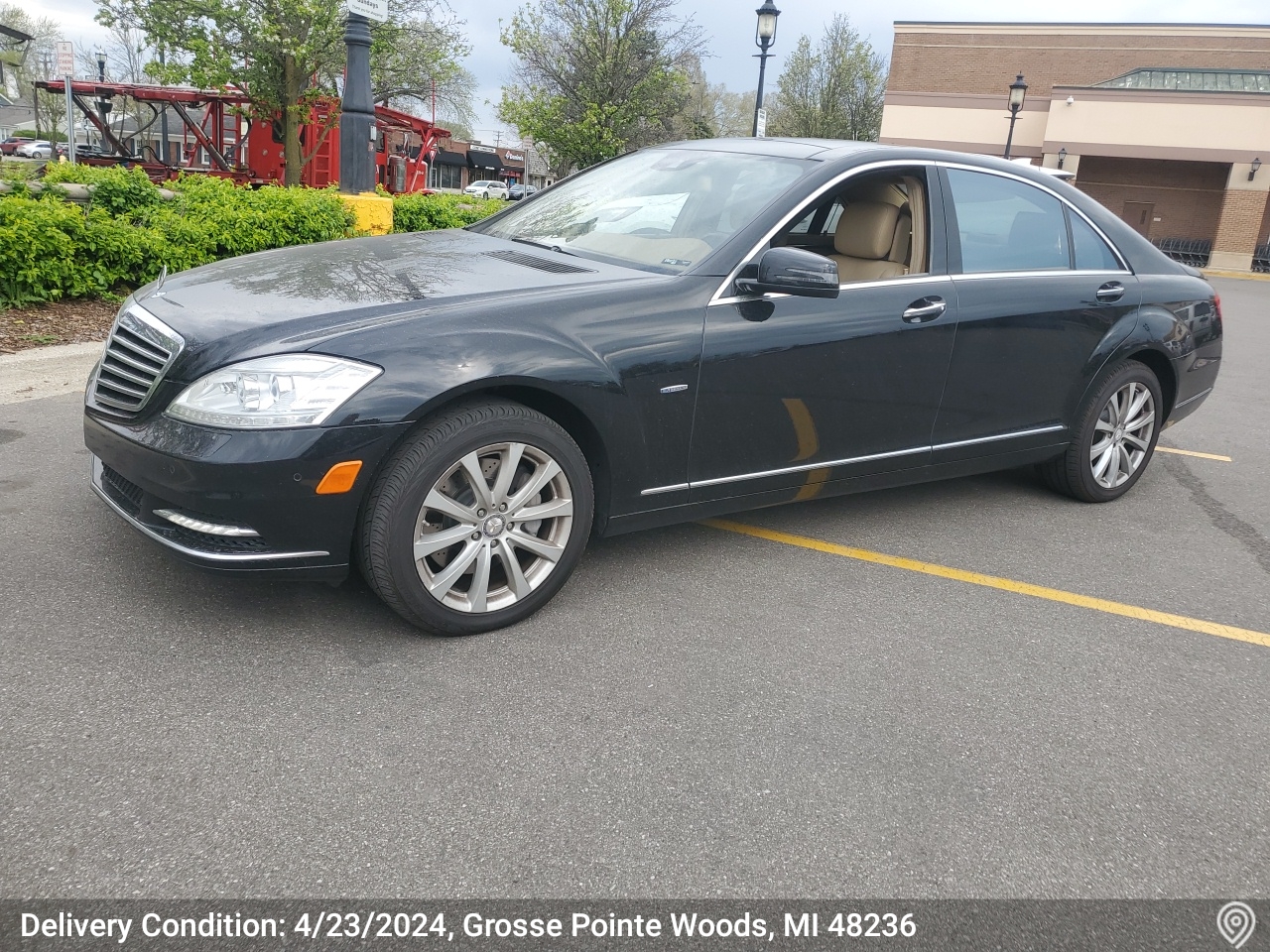
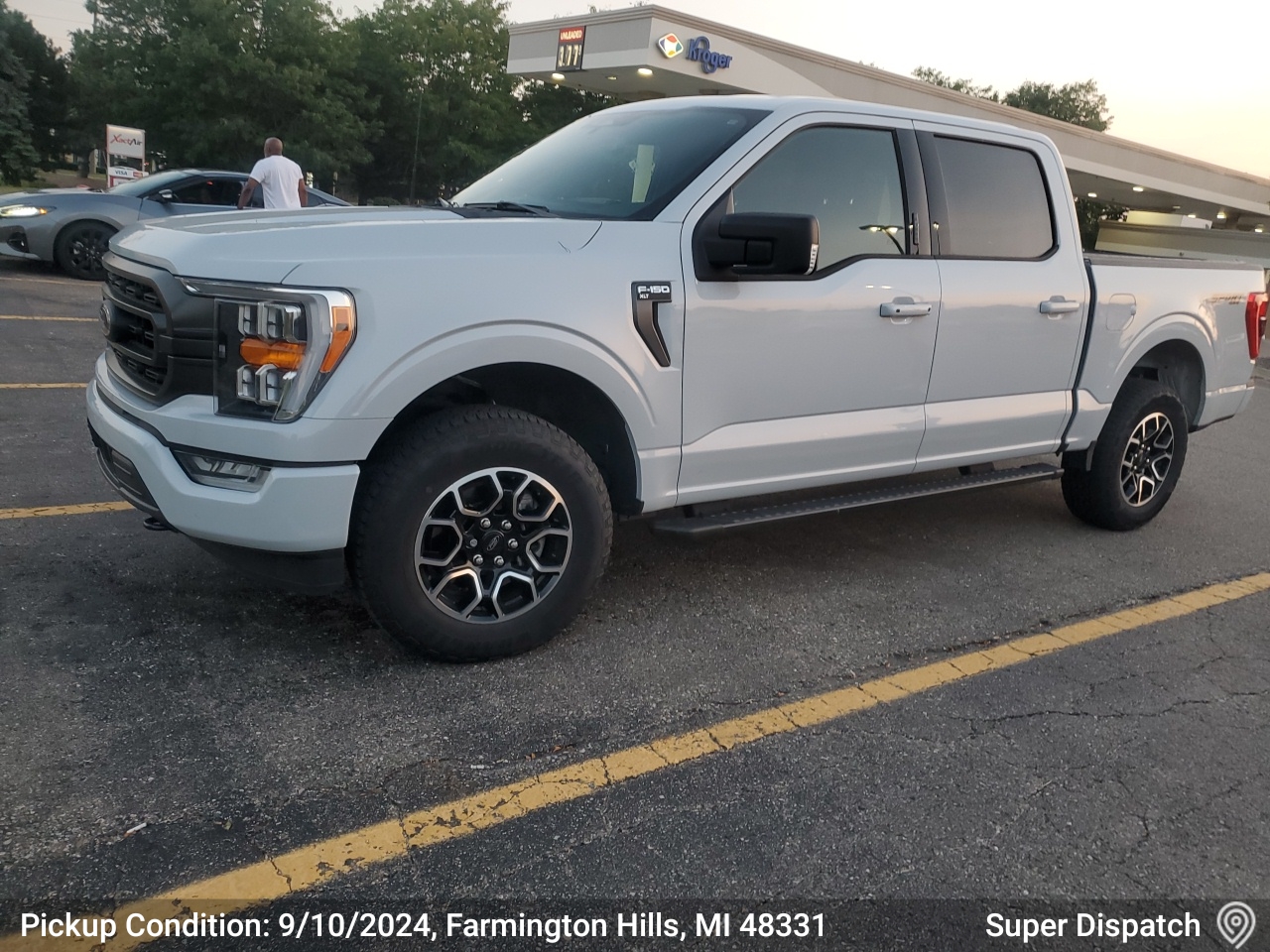
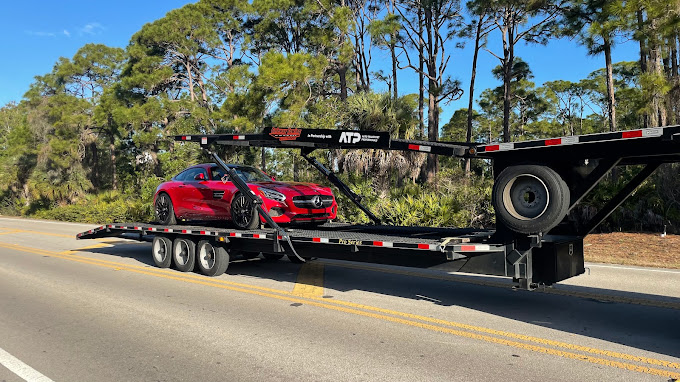
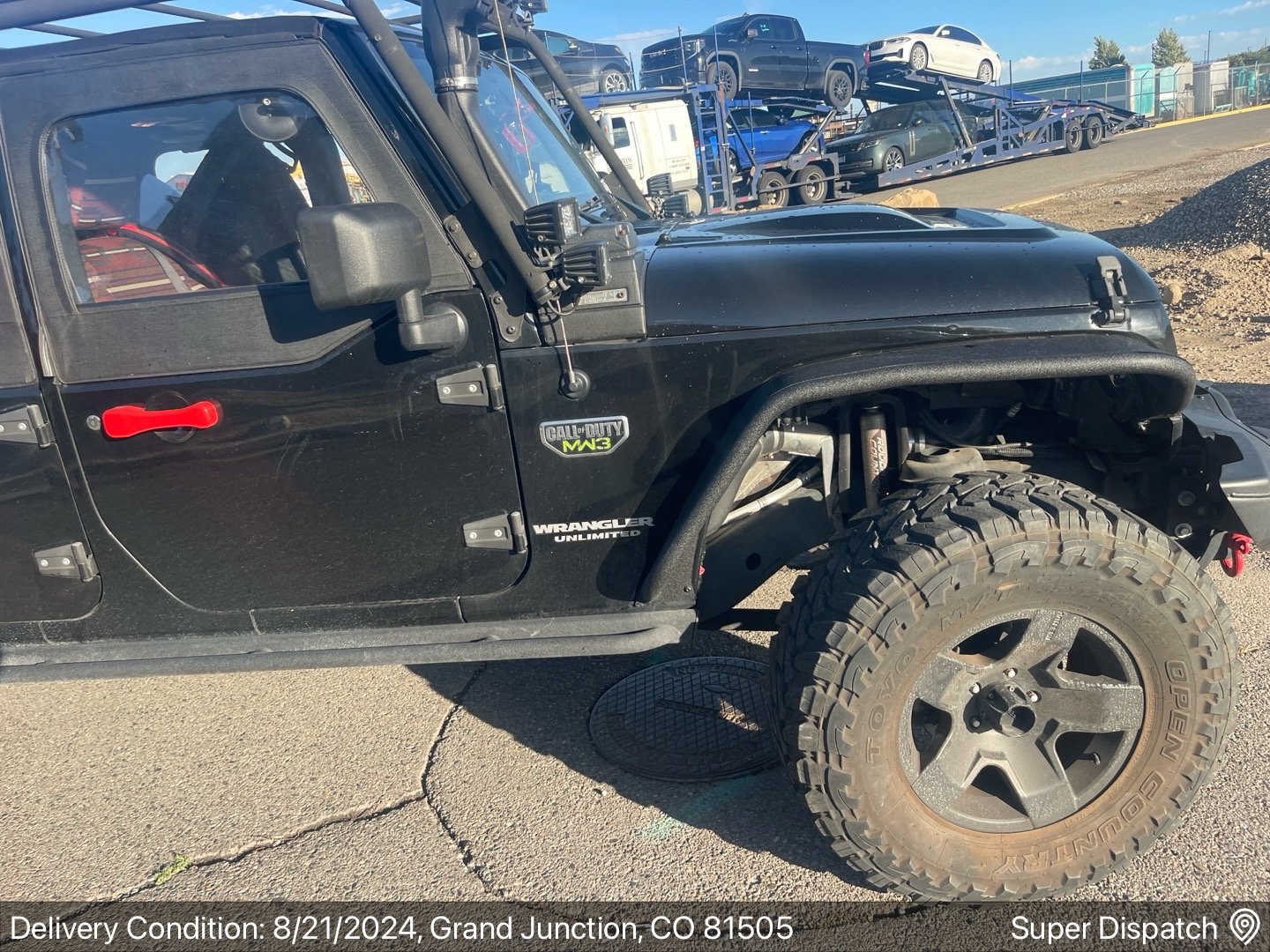
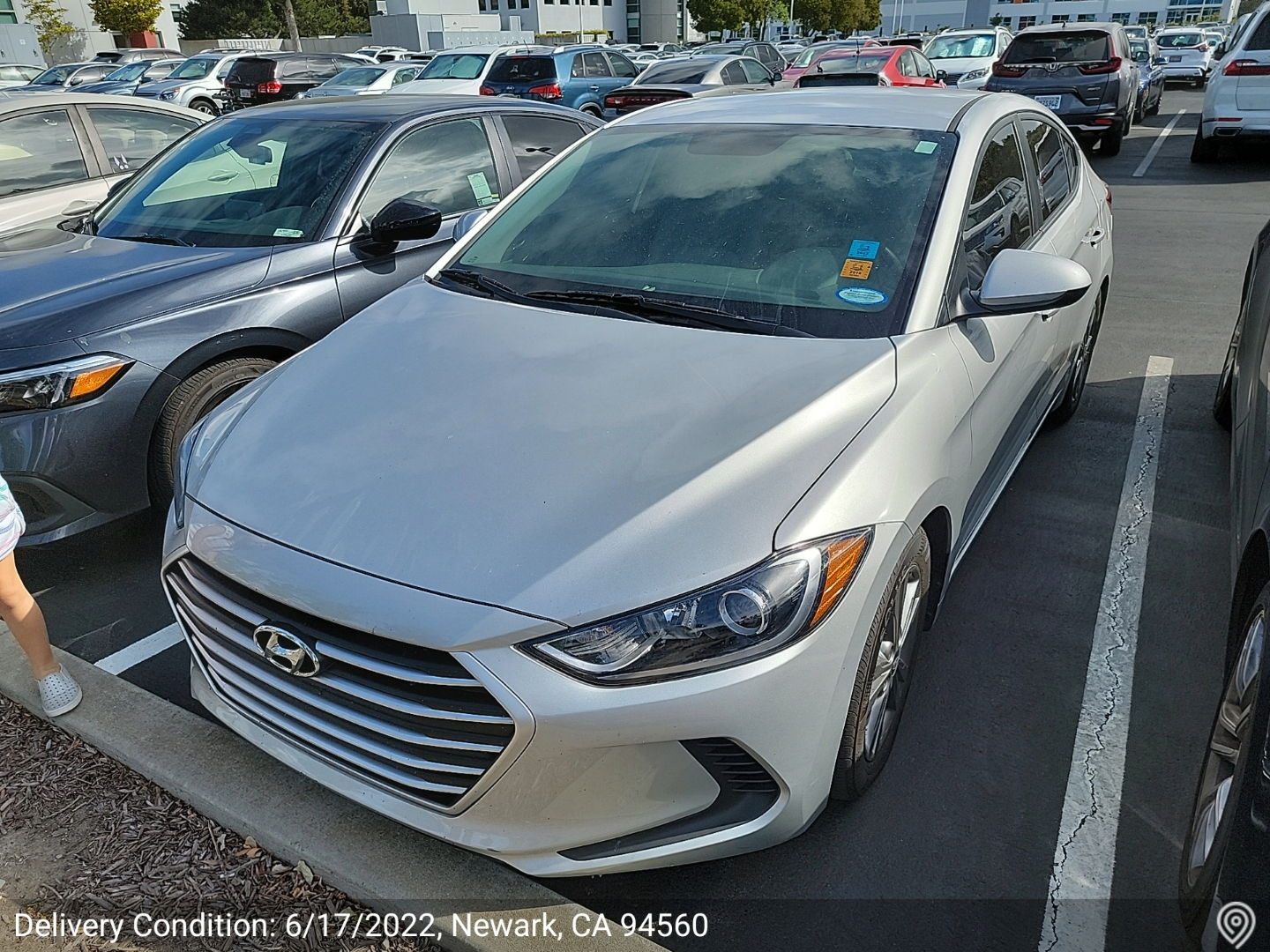

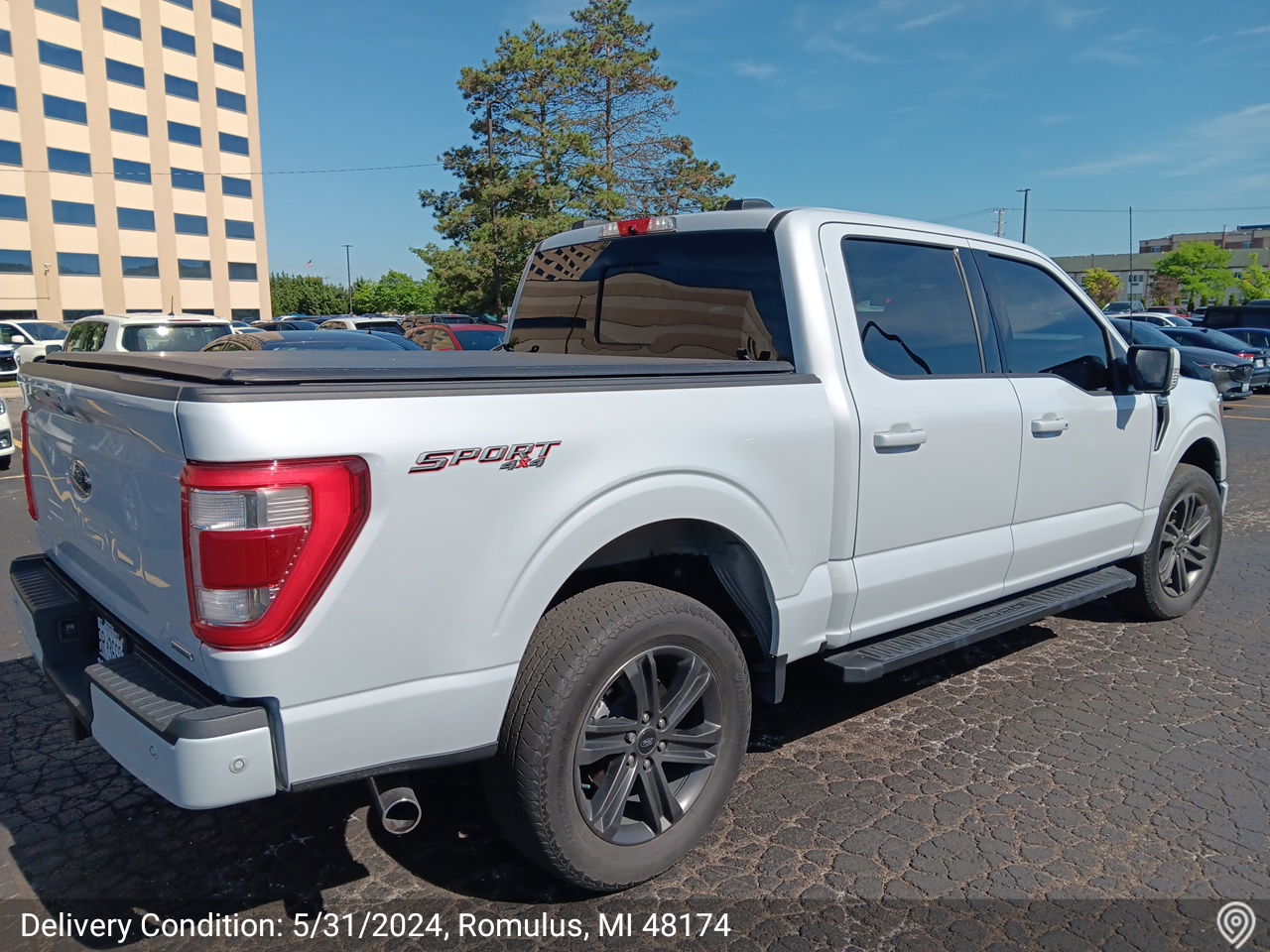

Scheduling auto shipping Hilton Head Island is generally straightforward. We build a 3-day pickup window around your first available date, and carriers with adequate lead time typically work within that window. The US-278 bridge approach is the one variable: carriers confirm the island detour fits their load plan before committing, which is why one to two weeks of advance notice matters more here than in a direct interstate market. During peak snowbird season, carrier slots fill faster, so earlier booking shortens any potential wait beyond the standard window.
Hilton Head Island is a classic snowbird destination, and that migration pattern defines the rhythm of Hilton Head Island auto transport demand across the year. Southbound volume builds from October through February as seasonal residents arrive from the Northeast and Midwest. Northbound demand then surges from March through June as those same households return home. Both windows see tighter carrier availability than the quieter summer months.
Hurricane season runs from June through November and adds a separate scheduling consideration. Tropical weather, storm watches, or evacuation orders can disrupt carrier schedules with little advance notice. Customers planning seasonal car shipping Hilton Head Island during late summer or early fall should build flexibility into their timelines and stay in contact with us if a named storm approaches the South Carolina coast.
Review your quote, confirm vehicle details and dates. No payment collected until a carrier is assigned.
We dispatch your order to our carrier network. You receive carrier details, insurance info, and estimated pickup window.
Carrier gives you 24 hours advance notice before pickup. Walk-around inspection together, every mark documented on the Bill of Lading, both parties sign.
Track your shipment status through your coordinator. We handle any schedule changes or logistics questions.
24-hour advance notice, then a call when close. Second walk-around inspection — damage during transport is extremely rare, but note any new issues on the Bill of Lading before signing. Once signed without exceptions, claims are extremely difficult to win.
Your carrier will contact you roughly 24 hours before arriving to confirm the pickup window. At pickup, both you and the driver walk the vehicle together to document its condition on the Bill of Lading. Wide resort roads and standard residential access on the island make this process straightforward. Sign only after you agree the inspection accurately reflects your vehicle's condition — that documentation is the foundation of any future claim if needed.
Before your vehicle arrives, the driver will call with roughly 24 hours notice. At delivery, conduct a thorough walk-around and compare the vehicle's condition against the original Bill of Lading from pickup. Damage during transport is extremely rare, but if you notice anything new, note it on the Bill of Lading before signing. Once you sign without documenting a concern, pursuing a claim becomes significantly harder. Vehicle transport Hilton Head Island deliveries follow this same process regardless of destination.
Every carrier in our network is required to carry cargo insurance as a condition of their FMCSA operating authority. Coverage details vary by carrier and are confirmed before your vehicle is dispatched.
At pickup, the driver and you complete a joint vehicle inspection. Every scratch, dent, and existing mark is documented on the Bill of Lading. At delivery, you must carefully compare the vehicle's condition against this record before signing the delivery receipt. If you notice any new damage, note it on the Bill of Lading before you sign. Once you sign the delivery receipt without noting damage, it becomes extremely difficult to file and win a claim. This is the single most important step in protecting yourself during the transport process.
Hilton Head Island's road network is well-suited for carrier access. US-278 is the single entry and exit corridor crossing from the mainland near Bluffton, and while it handles resort and residential traffic comfortably, it does mean every carrier makes a deliberate detour off I-95 to reach the island. That detour is manageable but requires load planning on the carrier's end.
Once on the island, wide resort boulevards and open residential streets give drivers room to maneuver a full transport trailer without the tight-access challenges common in dense urban markets. For Hilton Head Island car transport, standard driveway or parking lot pickups work in most neighborhoods. If your property has a narrow entrance or low-clearance gate, flagging that detail when you book lets us coordinate a nearby meeting point without disruption.
Seasonal Residents and Snowbirds — The dominant shipping segment here. Snowbird auto transport Hilton Head Island follows a predictable two-way cycle: southbound in fall, northbound in spring. Book two to three weeks ahead during peak migration to secure your preferred window. Get a no-obligation car transport quote to plan your move.
Relocations — Hilton Head Island draws retirees and remote workers relocating permanently from northern states. Hilton Head Island vehicle shipping for full household moves often involves coordinating vehicle transport alongside moving trucks, so flexible pickup windows help.
Dealerships — Luxury and specialty vehicles move regularly through the island's resort market. Auto transport Hilton Head Island SC dealer moves benefit from our carrier network's familiarity with the Lowcountry corridor.
Military and PCS — Joint Base Charleston is the nearest major installation. Service members transferring through the region occasionally route vehicle shipments through Hilton Head Island when stationed or housed nearby.
Seasonality is the dominant cost factor for Hilton Head Island car shipping. Winter demand from snowbird migration pushes rates higher from October through March, while summer volumes are lighter. Distance, vehicle size, and whether you're shipping a luxury vehicle requiring enclosed service also influence pricing. Request a quote for your specific route.
Hilton Head Island connects to I-95 via US-278, roughly 20 miles from the interstate. Carriers routing through coastal South Carolina can reach the island, though the bridge crossing and moderate market volume mean scheduling requires some lead time compared to larger hubs like Charleston. Select your route above for timing details.
Yes. Hilton Head Island's residential streets, gated golf communities, and resort neighborhoods generally accommodate standard car haulers. Some gated communities may require meeting the carrier at the community entrance or a nearby access point. We coordinate door-to-door service in South Carolina where road conditions and access permit.
Open transport works well for most vehicles shipping to or from Hilton Head Island. Given the island's popularity with luxury and classic car owners, enclosed transport is worth considering for high-value vehicles—especially during hurricane season when wind-driven rain is a concern. Enclosed availability is more limited than open transport and pricing is typically higher, so plan accordingly.
Hilton Head Island's shipping calendar follows snowbird patterns. Demand peaks October through December as seasonal residents arrive from the Northeast and Midwest, then again in March and April for northbound returns. Shipping outside these windows—late spring or early summer—typically means less route competition in South Carolina, though hurricane season begins in June.
Someone 18 or older must be present at both ends to authorize the shipment and sign the Bill of Lading. If you cannot attend personally, designate a trusted representative — a friend, family member, or dealership contact — to handle the vehicle inspection and paperwork on your behalf.
Yes. Every carrier in our network carries cargo insurance as required by their FMCSA operating authority. Coverage specifics are confirmed before dispatch. At both pickup and delivery, you complete a joint vehicle inspection documented on a Bill of Lading — this protects you if any issue arises.
Yes, we transport non-running vehicles to Hilton Head Island. The vehicle needs to roll, steer, and brake for standard loading. Vehicles that cannot roll may require a winch or forklift at additional cost. Mention the vehicle's condition when requesting your quote.
Wash the exterior so scratches and dents are visible during inspection. Remove toll transponders, parking passes, and loose interior items. Leave roughly a quarter tank of fuel. Disable aftermarket alarms. Take dated photos of all sides, roof, and odometer before the carrier arrives for your records.
Most carriers allow personal belongings in the trunk or cargo area up to about 100 pounds. Items must stay below the window line and cannot be fragile or high-value. Personal items are not covered under carrier cargo insurance, so keep the vehicle as empty as practical.