Door-to-door car shipping with fully insured carriers. No upfront payment.
Charlotte auto transport operates from one of the strongest carrier markets in the Southeast, anchored by the I-85 and I-77 interchange that connects Mecklenburg County to Atlanta, Richmond, and the entire I-95 corridor. As North Carolina's largest metro, Charlotte draws consistent shipping volume from corporate relocations tied to the banking and finance sector, healthcare system transfers, and energy company moves. Common corridors include Charlotte to Atlanta along I-85 and Charlotte to Raleigh along I-85 northeast, both of which see frequent carrier runs. NASCAR's headquarters and Charlotte Motor Speedway in nearby Concord add a steady stream of enthusiast and collector vehicle transport that keeps commercial carrier traffic high year-round.
Charlotte's urban core presents real logistics considerations. The I-85 and I-77 convergence near Uptown creates heavy truck congestion, and neighborhoods like Dilworth, NoDa, and South End have narrow streets that limit where large transport trailers can safely maneuver. Our carriers are familiar with Charlotte's layout and will coordinate meeting points when needed. Book at least a week out to secure your preferred window, particularly during peak corporate relocation months.
Charlotte's role as a major U.S. banking and finance center generates steady corporate relocation volume, making auto transport Charlotte NC a consistent market. Transfers tied to the financial sector, energy companies, and healthcare systems drive year-round demand to ship a car to Charlotte or arrange outbound moves. NASCAR's headquarters and the Charlotte Motor Speedway in nearby Concord also fuel enthusiast and collector Charlotte vehicle shipping throughout North Carolina. This activity keeps shipping a car from Charlotte a steady market.
The I-85 and I-77 interchange anchors Charlotte to carrier routes running northeast toward Durham and Raleigh, north into Virginia, and southwest toward Atlanta. This highway positioning supports strong route frequency for car shipping Charlotte NC services, giving shippers multiple scheduling windows. Dealer inventory movement along I-85 adds commercial carrier traffic that benefits individual shippers as well, an advantage for anyone shipping a car to Charlotte.
Charlotte falls within North Carolina's hurricane zone, and tropical weather systems between June and November can disrupt carrier schedules. Storms tracking inland from the coast occasionally cause route delays or temporary shutdowns on I-85 and I-77. Planning shipments with weather awareness during these months helps avoid unexpected scheduling shifts.
Everything went smoothly. The company called us to arrange the pick up, gave us updates on status, and gave us the keys upon arrival. Absolutely hassle-free.
For a fair price we had our vehicle delivered earlier than expected. The driver went the extra mile to help my mom have a stress free experience.
ATP went above and beyond after being let down by others. We shipped an F350 Dually from Florida to Indiana. Met every commitment.
Charlotte car shipping cost reflects the city's strong carrier competition and high route frequency. As a Tier 1 metro with daily carrier runs on multiple interstate corridors, rates here are generally in line with national averages — more favorable than smaller North Carolina markets like Asheville or the Outer Banks, where carrier access is limited. The volume of commercial dealer traffic along I-85 adds carrier capacity that benefits individual shippers as well. Auto transport Charlotte NC pricing is driven primarily by distance, vehicle type, and transport method rather than local supply constraints.
Seasonal factors do apply. Hurricane season runs June through November, and tropical systems tracking inland can temporarily disrupt I-85 and I-77 schedules, occasionally pushing rates up during rerouting periods. Open transport Charlotte remains the most cost-effective option for standard vehicles. Enclosed car shipping Charlotte adds 40 to 60 percent over open rates and is worth considering for collector cars or high-value vehicles. Request a free car shipping quote to see current rates for your specific route.
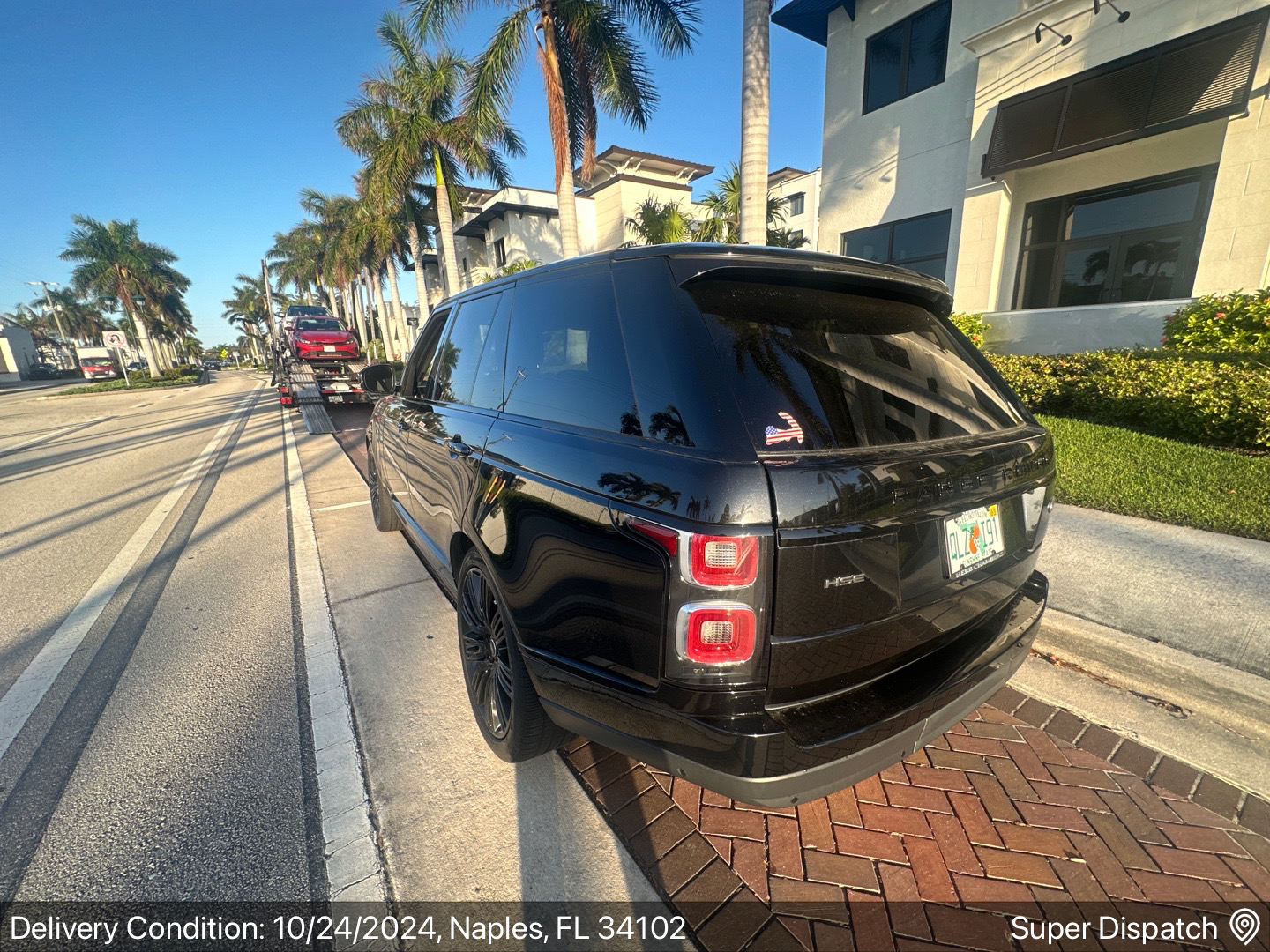
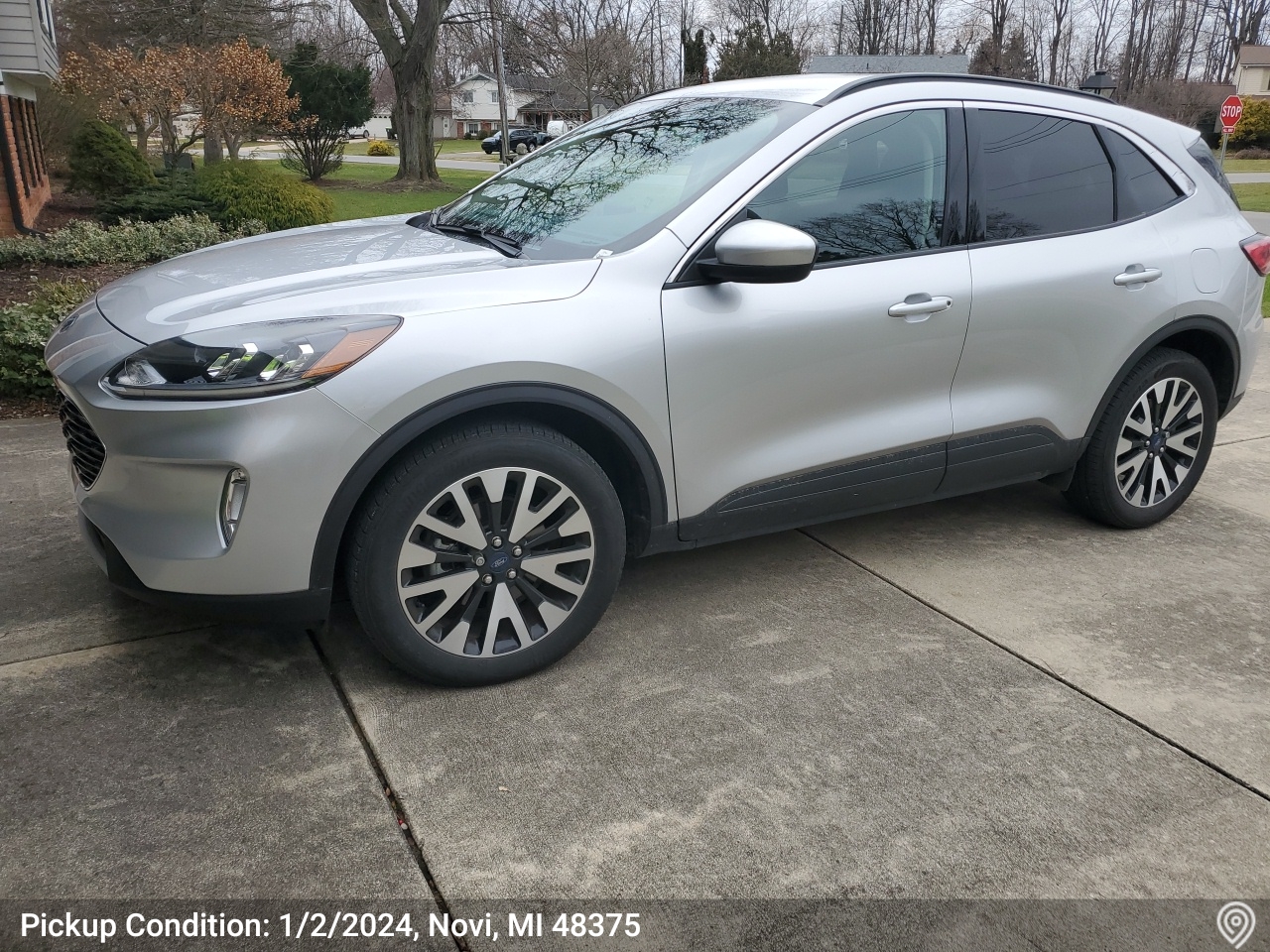
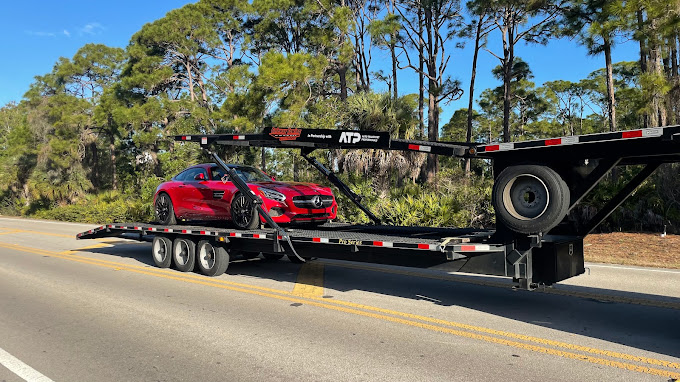
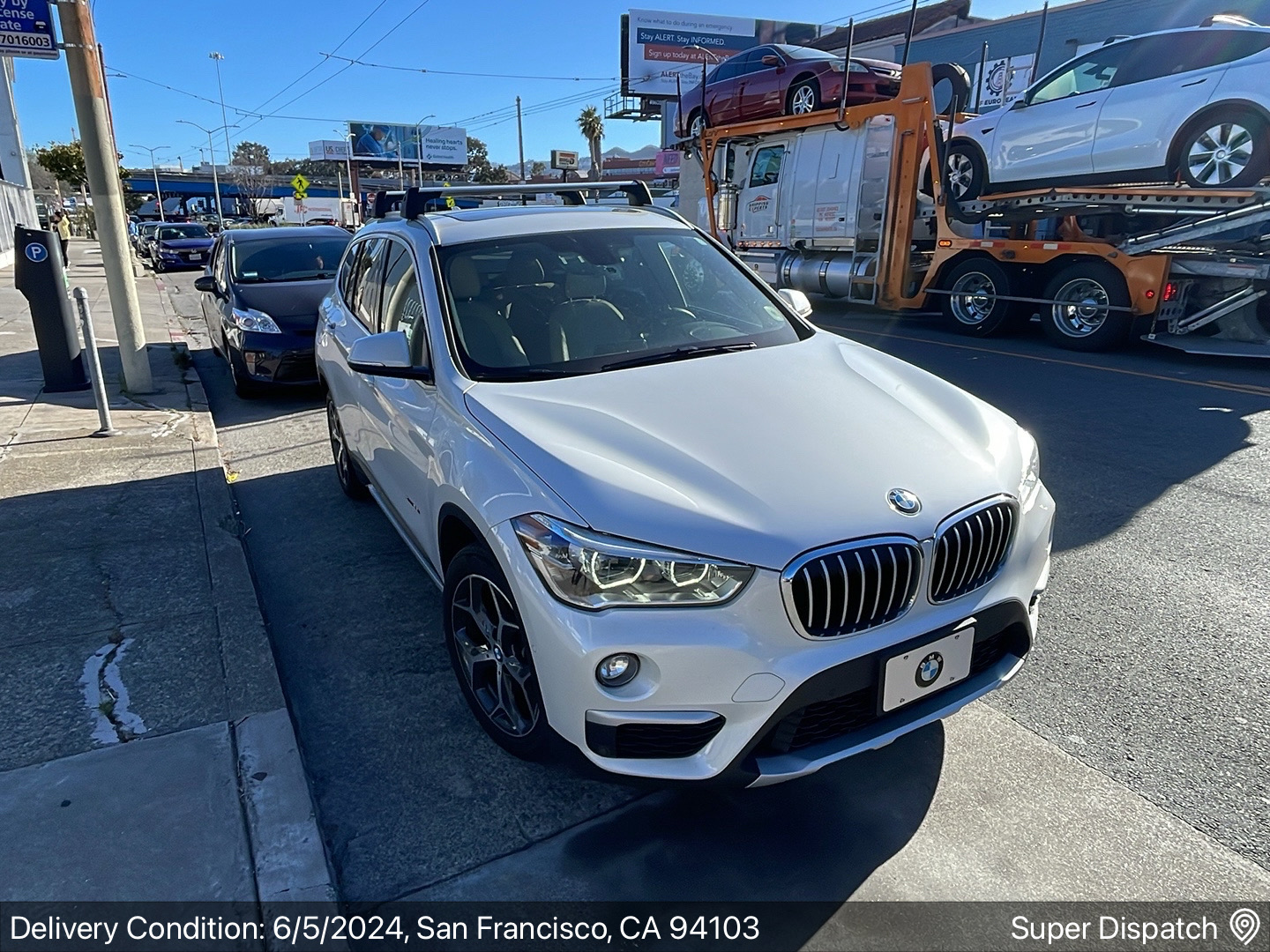
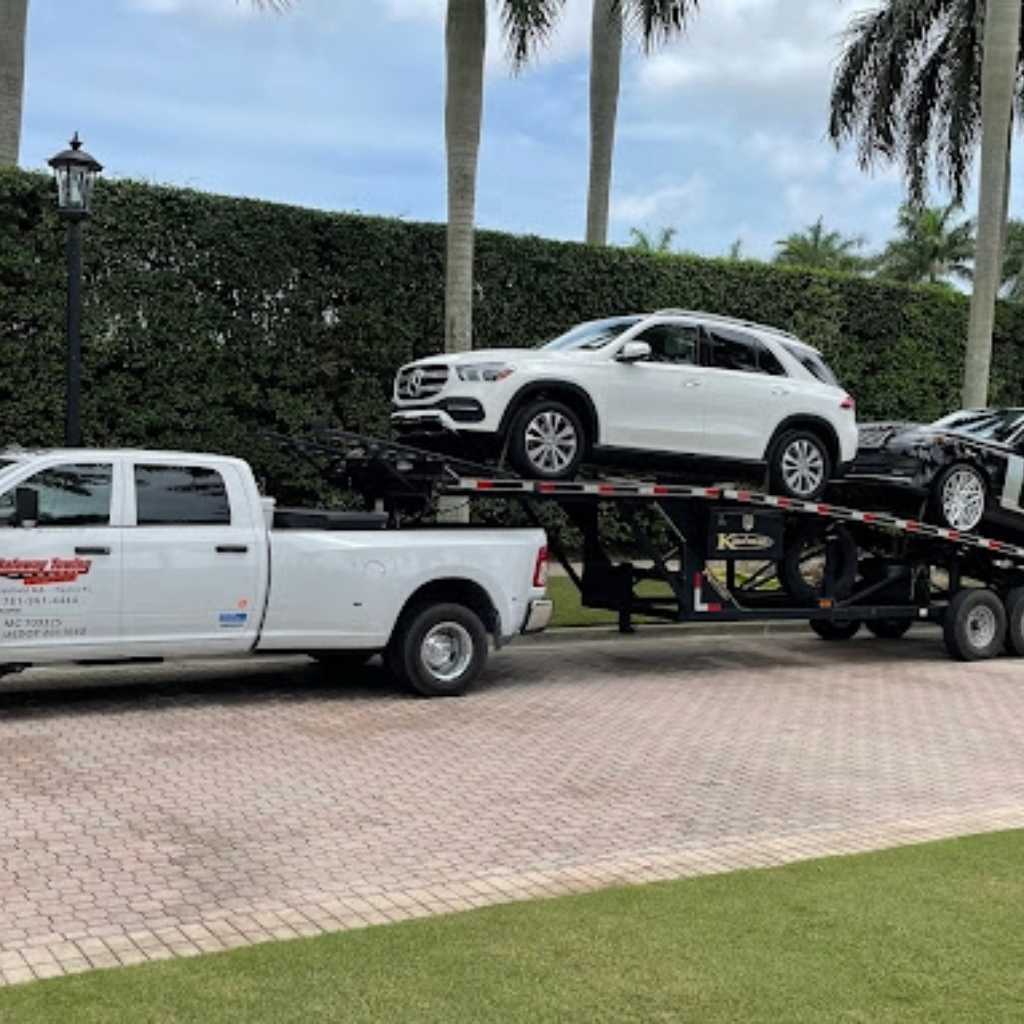
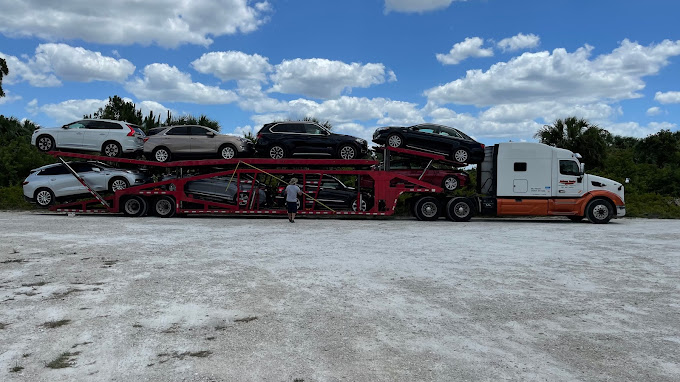
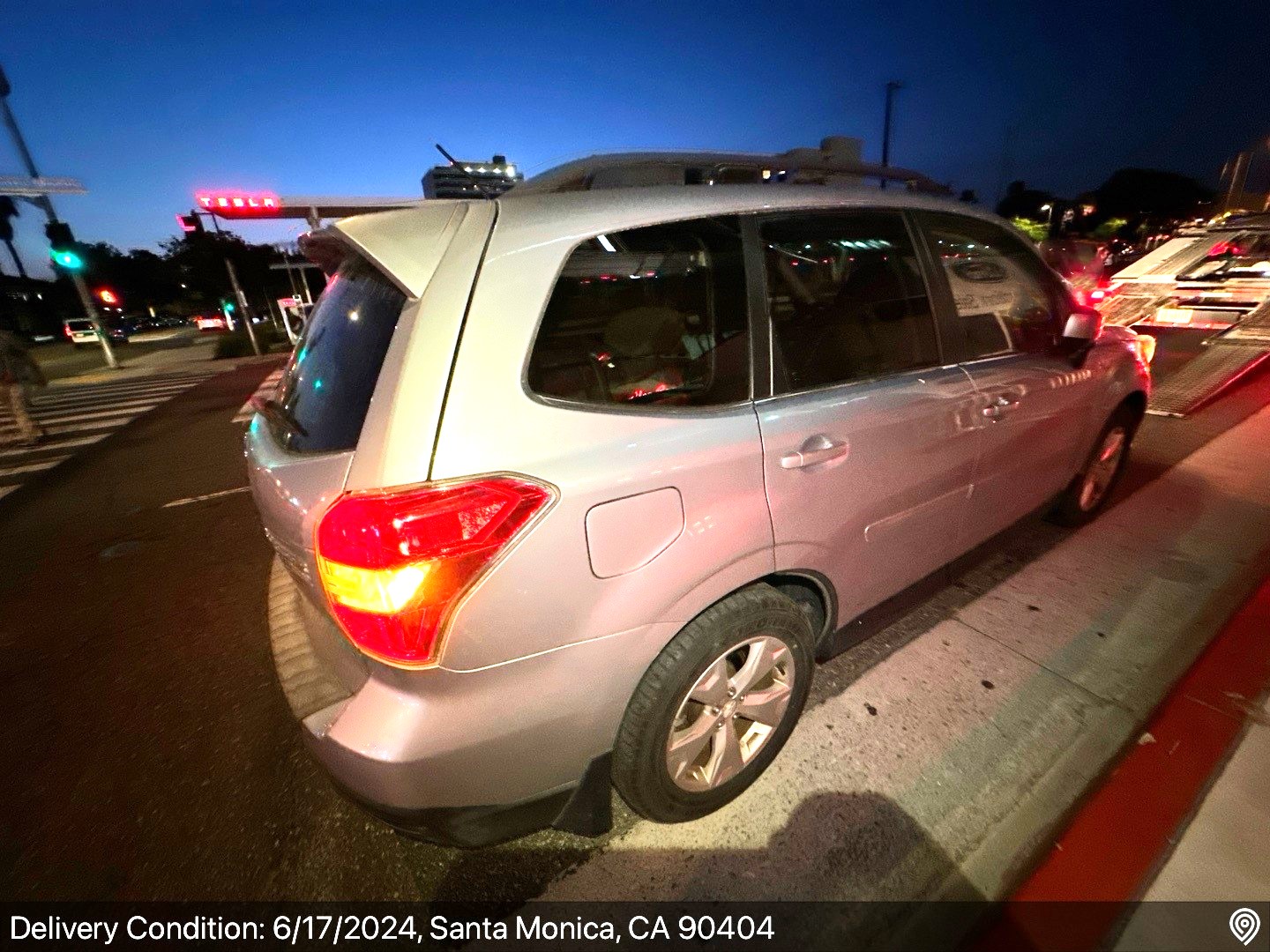
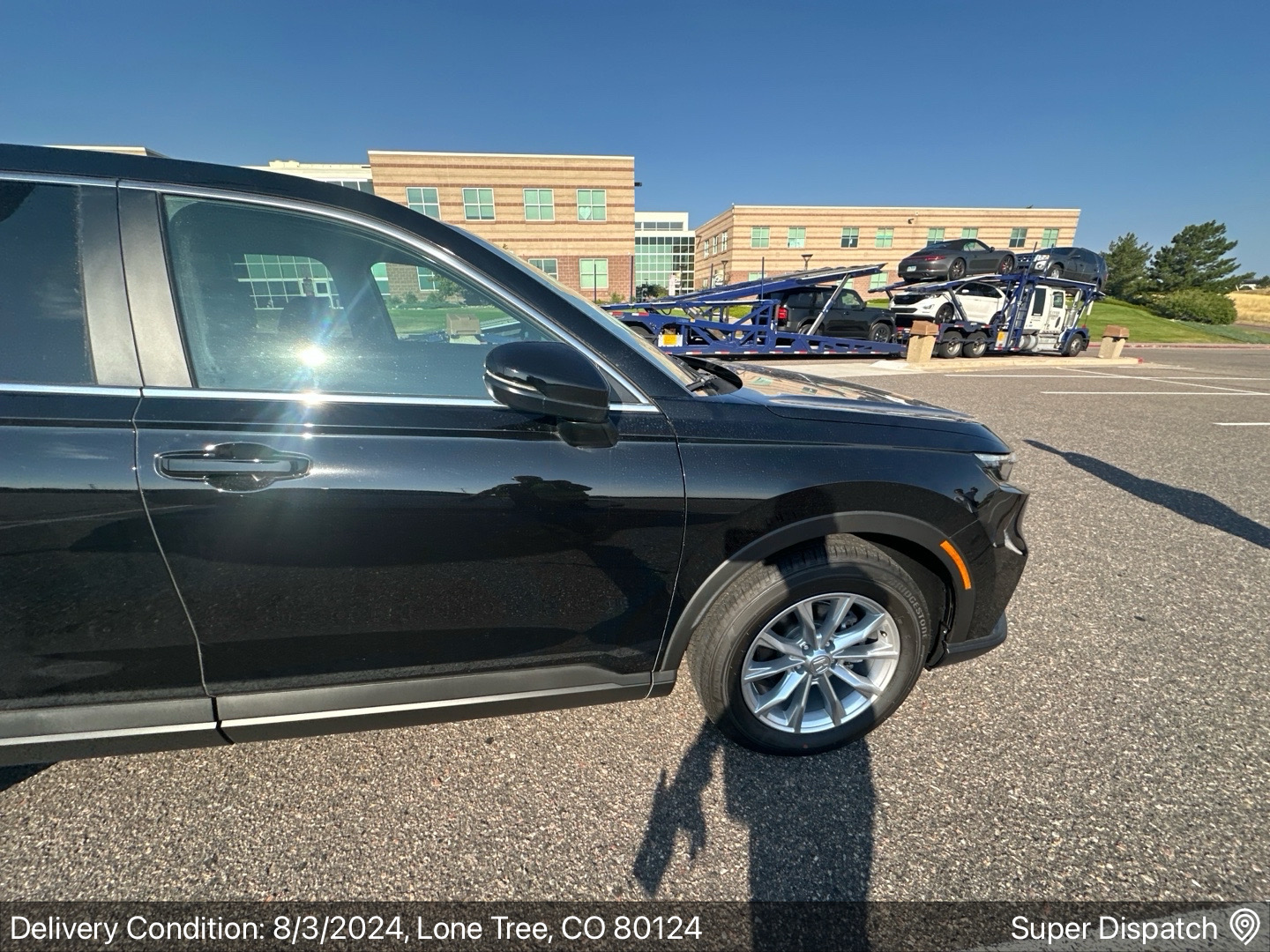
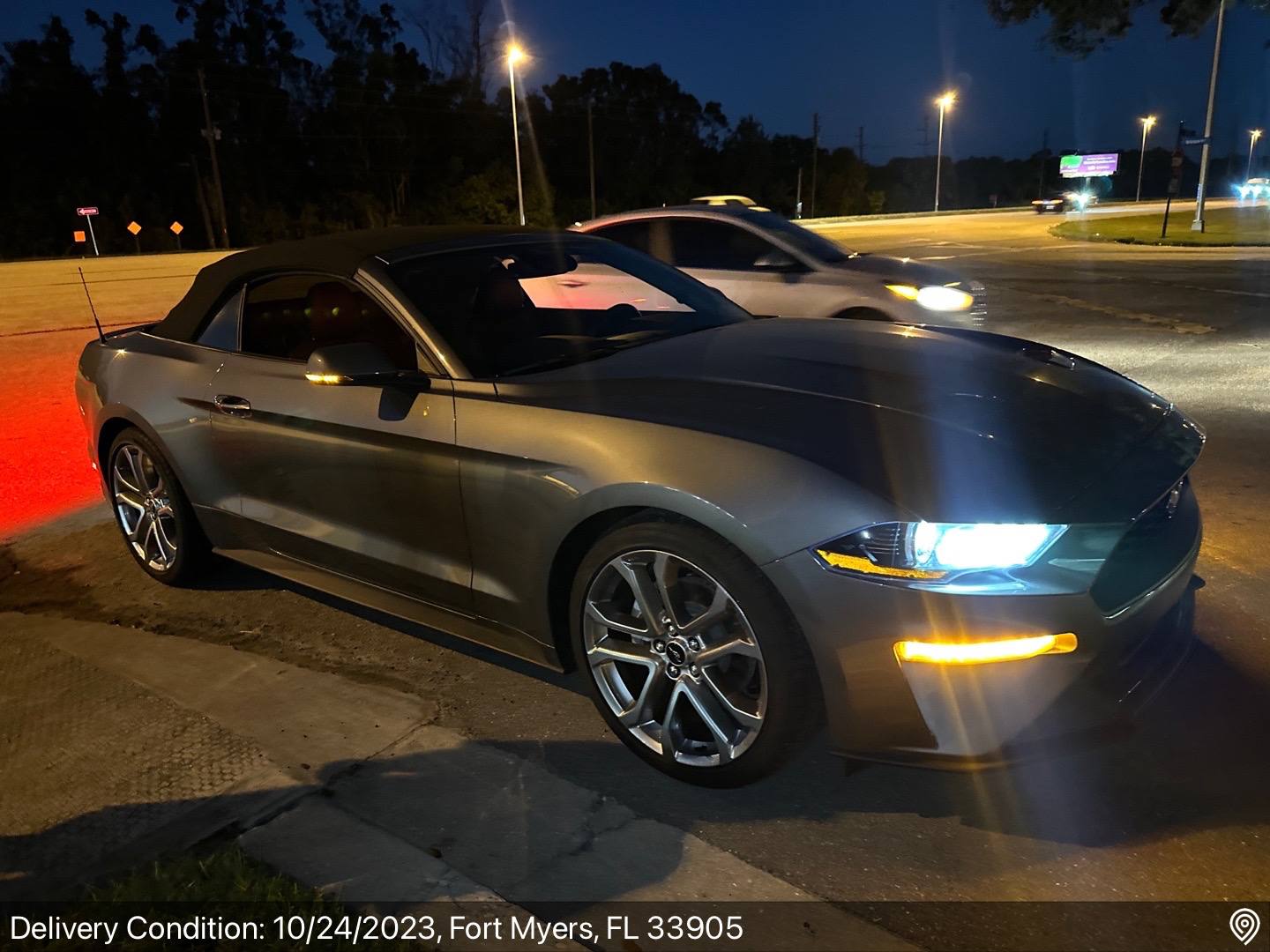
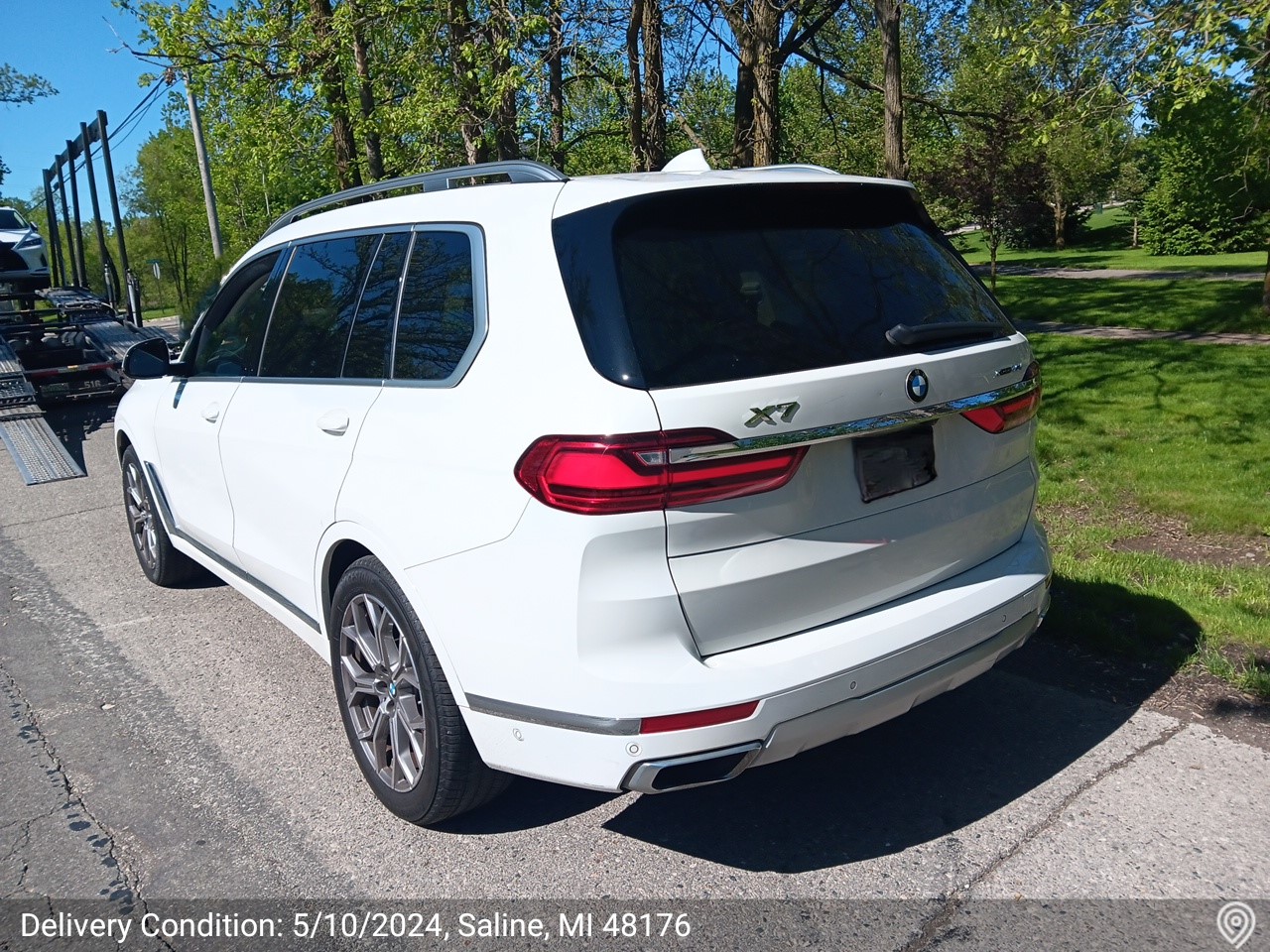
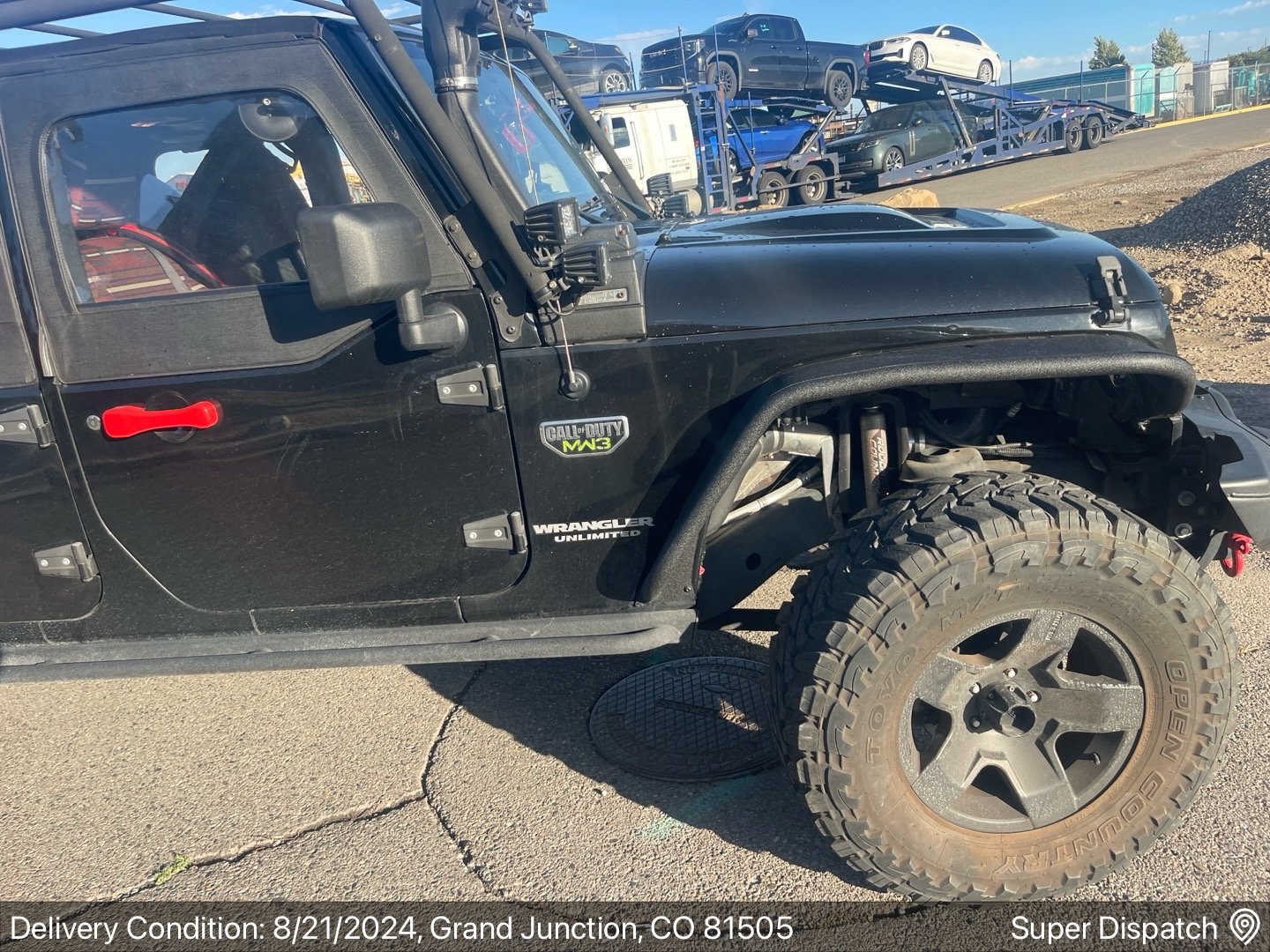
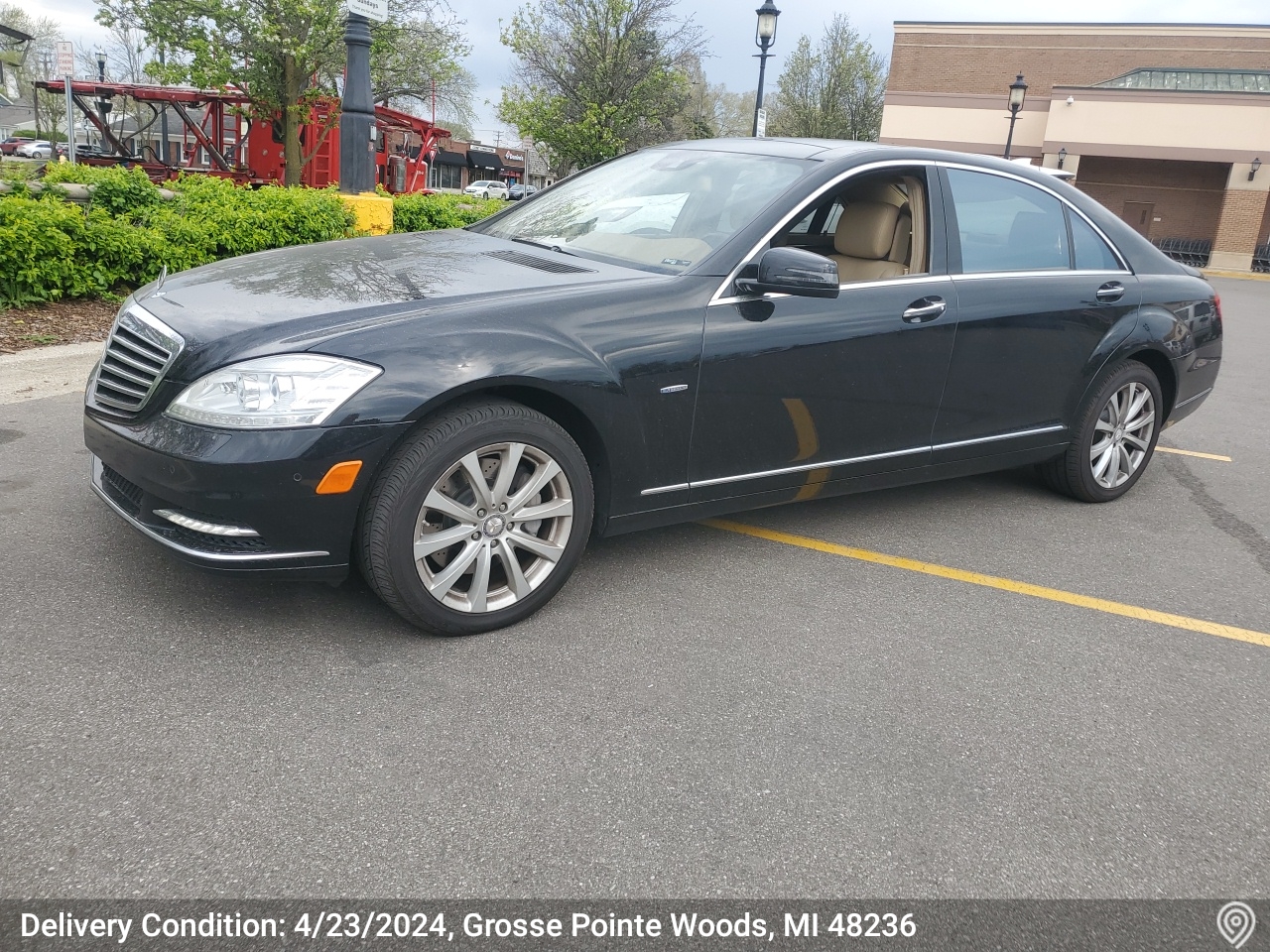
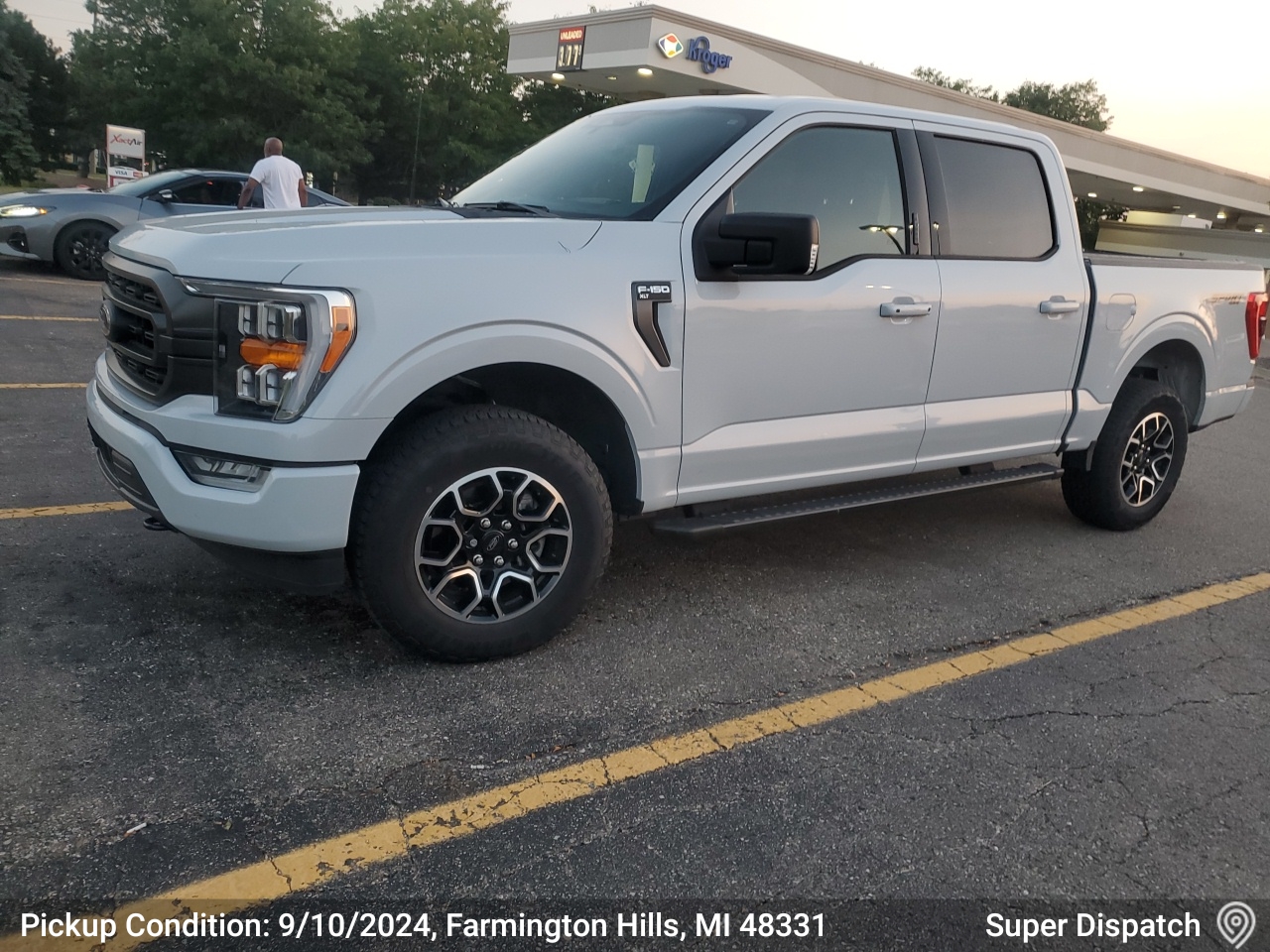
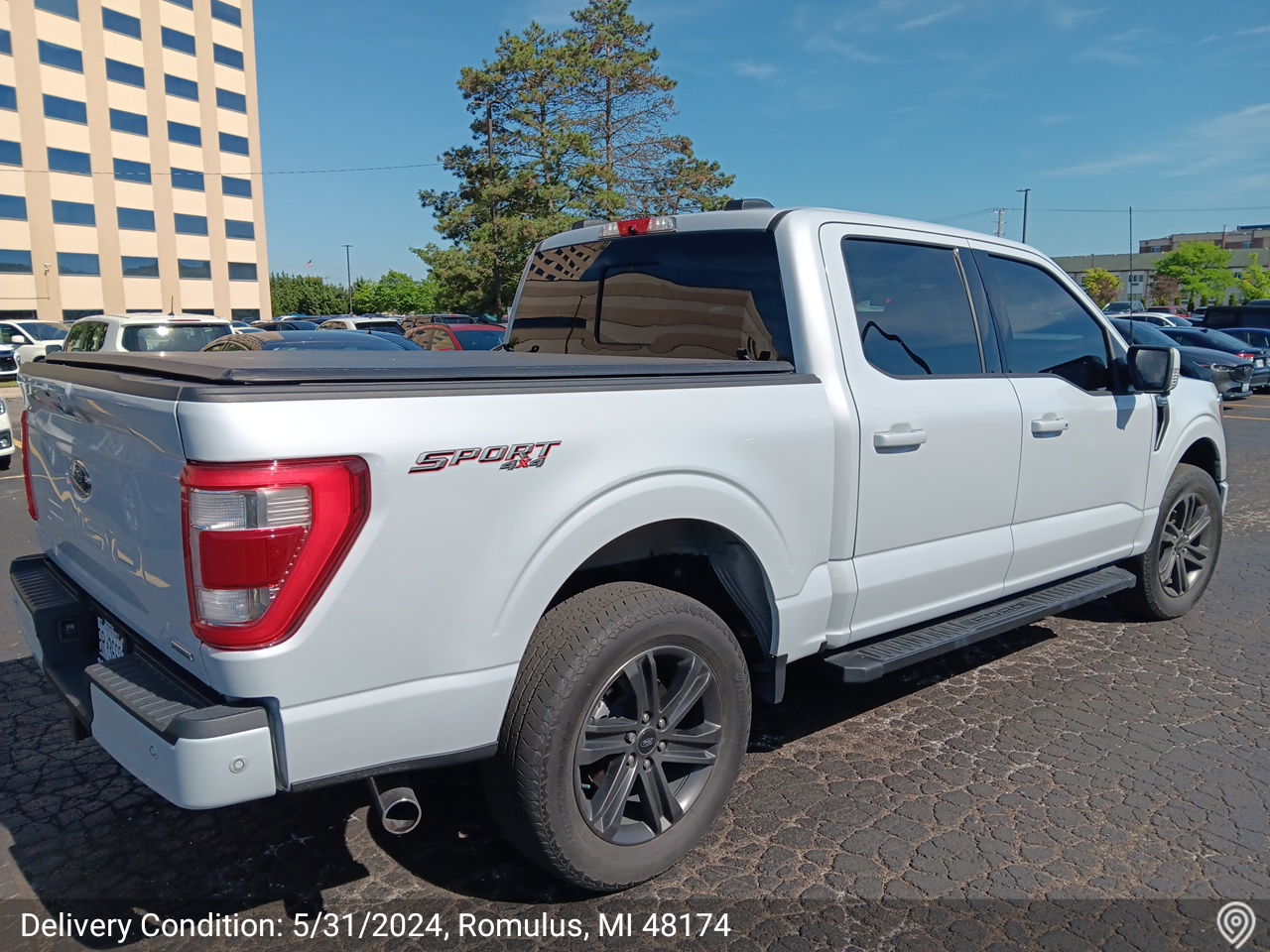
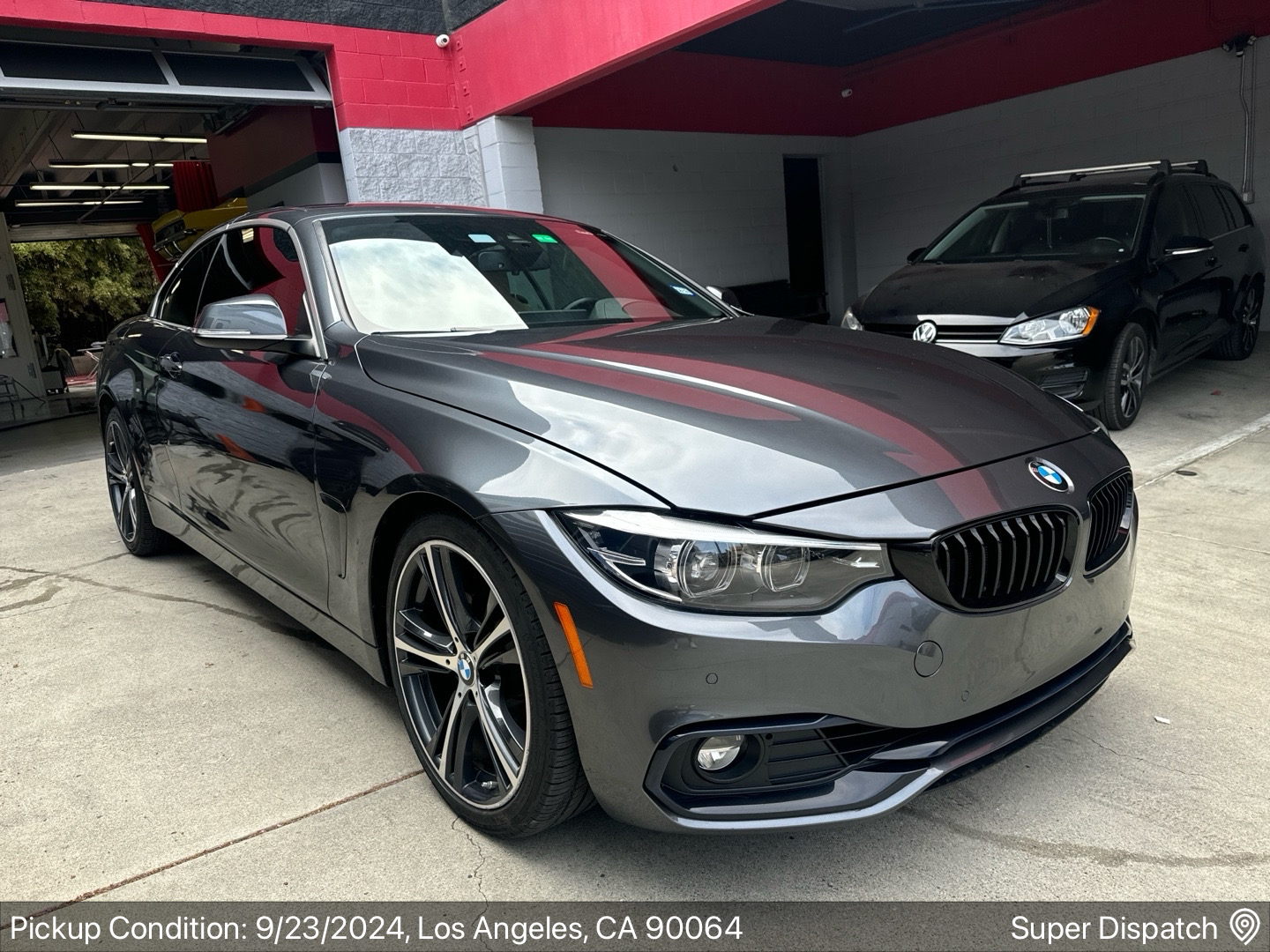
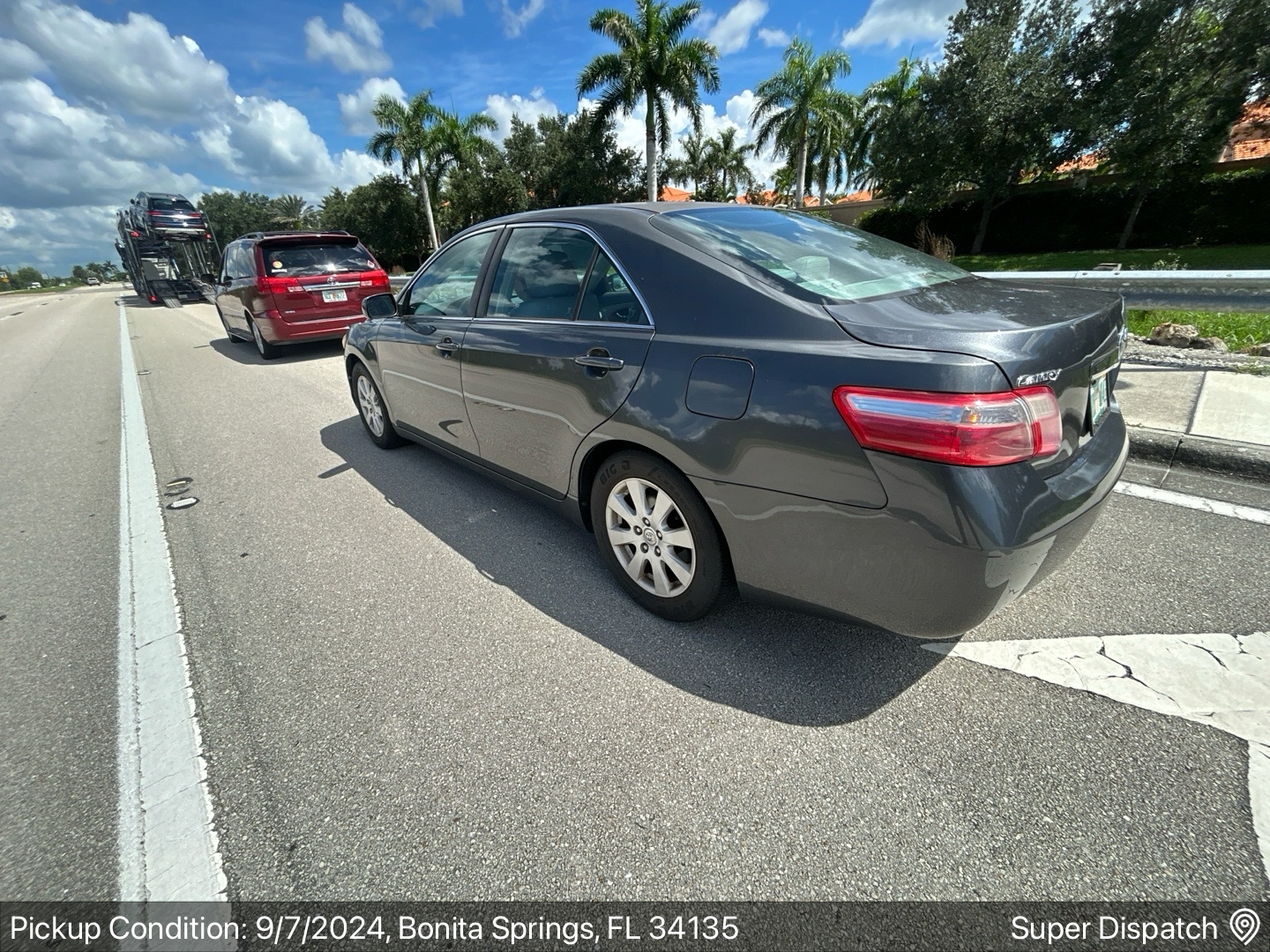
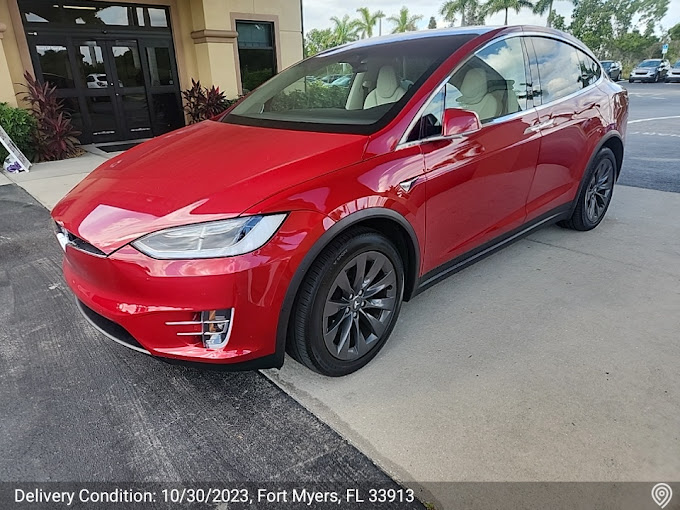
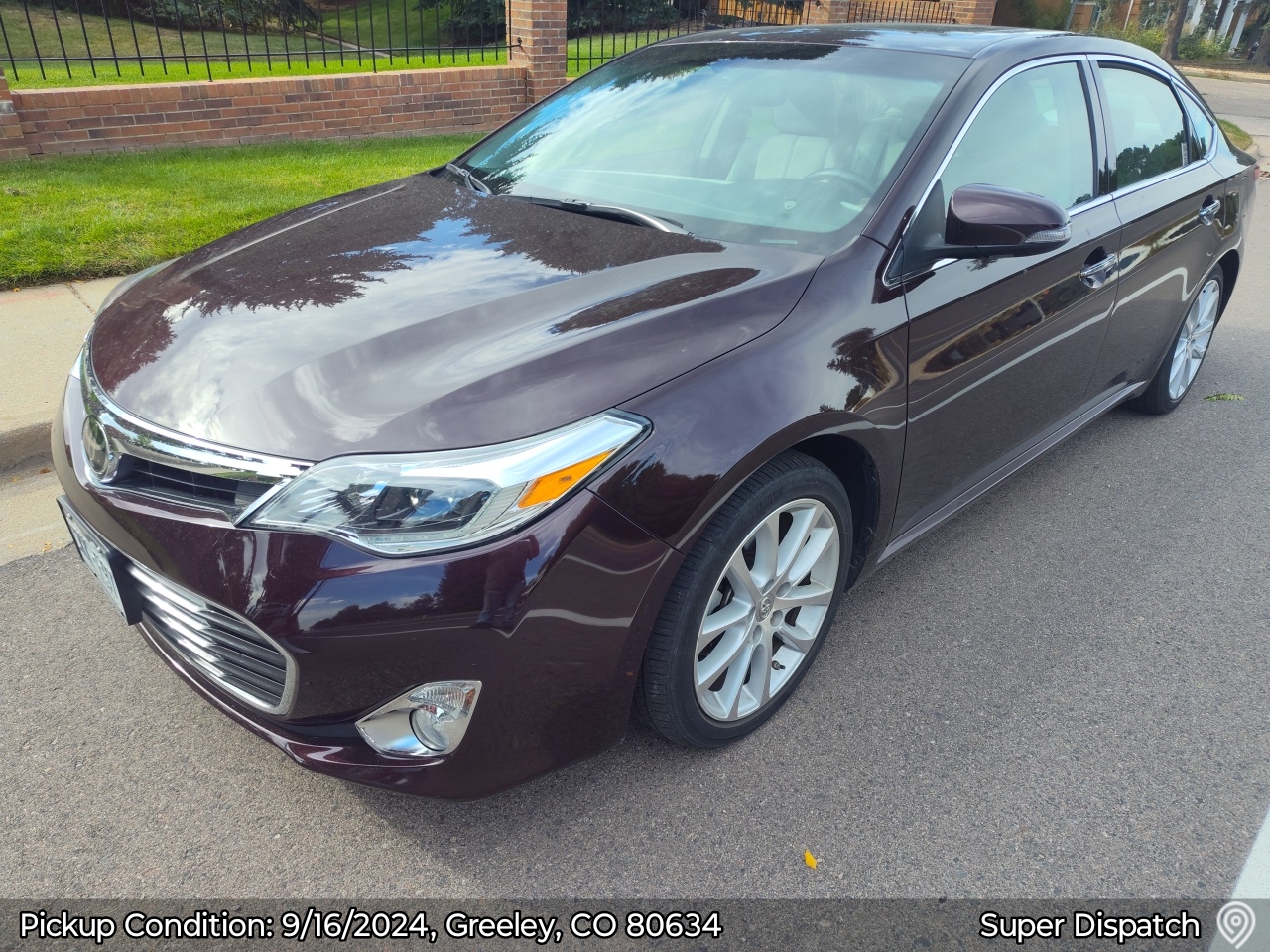
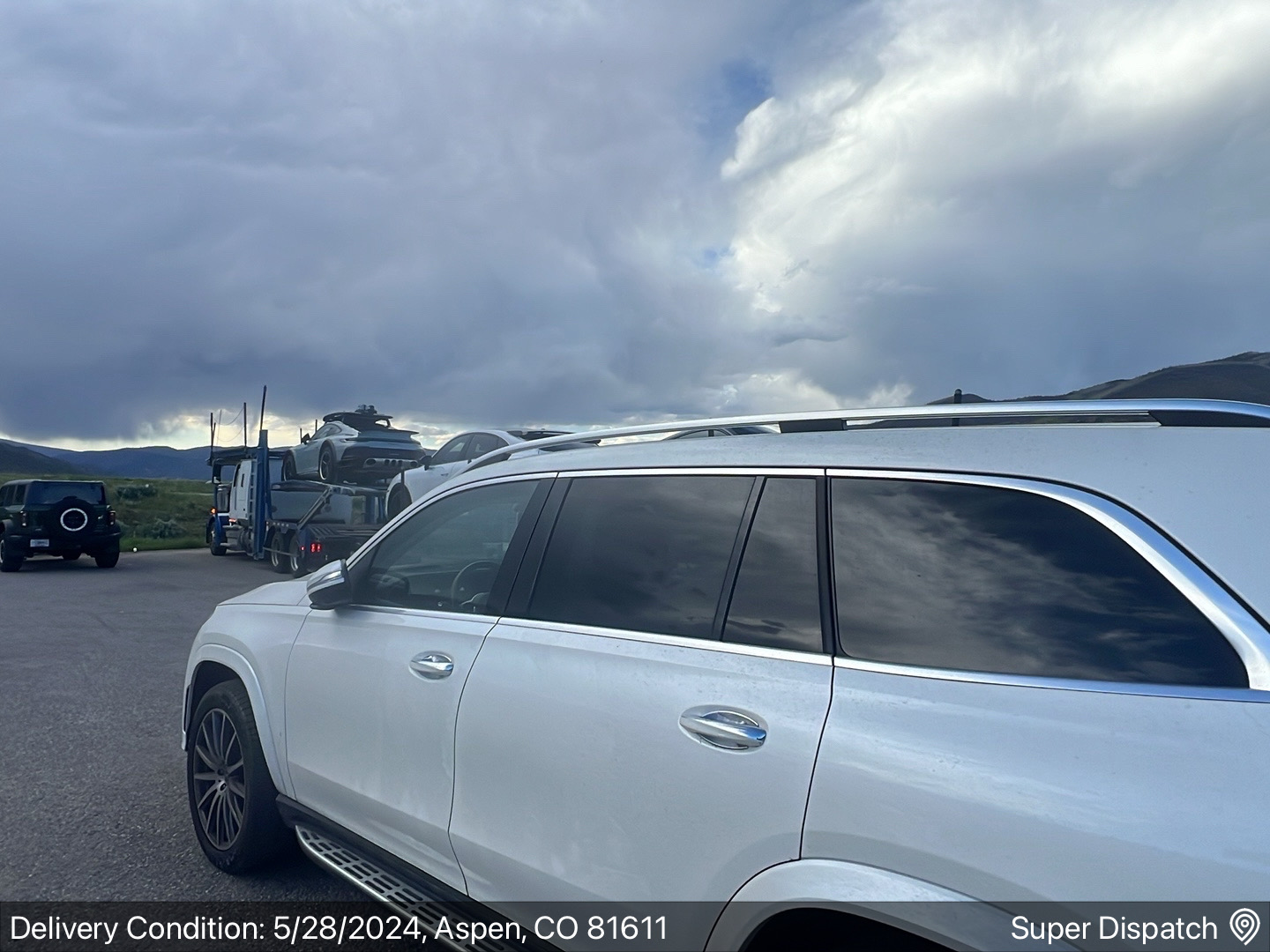
Charlotte auto transport scheduling requires some coordination given the metro congestion around Uptown and the I-85/I-77 interchange. Carriers running through Charlotte typically prefer to schedule pickups during off-peak traffic windows, and in denser neighborhoods, they may arrange an alternate meeting point where the trailer can safely load. We build a 3-day pickup window around your first available date, which gives dispatchers the flexibility to time arrival around traffic patterns. With strong carrier availability across the Charlotte market, most shipments move within that standard window without issue.
Charlotte's corporate relocation cycle drives the most predictable seasonal demand in the Charlotte vehicle shipping market. The banking, finance, and healthcare sectors generate the heaviest transfer volume in spring and early fall, when companies execute fiscal-year moves. These periods see increased competition for carrier slots, particularly on the I-85 corridor toward Atlanta and the northeast toward Raleigh and Virginia.
Hurricane season adds a separate scheduling variable between June and November. Tropical systems that track inland from the North Carolina coast can cause temporary carrier route disruptions on I-85 and I-77. If you're shipping a car to Charlotte or arranging an outbound move during these months, build in a buffer of a few extra days and stay in contact with your transport coordinator for real-time route updates.
Review your quote, confirm vehicle details and dates. No payment collected until a carrier is assigned.
We dispatch your order to our carrier network. You receive carrier details, insurance info, and estimated pickup window.
Carrier gives you 24 hours advance notice before pickup. Walk-around inspection together, every mark documented on the Bill of Lading, both parties sign.
Track your shipment status through your coordinator. We handle any schedule changes or logistics questions.
24-hour advance notice, then a call when close. Second walk-around inspection — damage during transport is extremely rare, but note any new issues on the Bill of Lading before signing. Once signed without exceptions, claims are extremely difficult to win.
Your carrier will give you roughly 24 hours advance notice before arriving for pickup. At that point, the driver conducts a walk-around inspection of your vehicle, documenting any pre-existing marks, dents, or scratches on the Bill of Lading. You sign to confirm the condition report. In Charlotte's denser neighborhoods, the driver may ask you to meet at a nearby parking lot or wider street where the trailer can maneuver safely for car transport Charlotte loading.
Before your vehicle arrives, the carrier will call with approximately 24 hours notice and again when they're close. At delivery, conduct a thorough inspection and compare the vehicle's condition against the original Bill of Lading from pickup. Damage during transport is extremely rare, but if you notice anything new, note it on the Bill of Lading before signing. Once you sign without documenting damage, filing a claim becomes extremely difficult. Auto shipping Charlotte delivery follows the same documentation standard regardless of destination.
Every carrier in our network is required to carry cargo insurance as a condition of their FMCSA operating authority. Coverage details vary by carrier and are confirmed before your vehicle is dispatched.
At pickup, the driver and you complete a joint vehicle inspection. Every scratch, dent, and existing mark is documented on the Bill of Lading. At delivery, you must carefully compare the vehicle's condition against this record before signing the delivery receipt. If you notice any new damage, note it on the Bill of Lading before you sign. Once you sign the delivery receipt without noting damage, it becomes extremely difficult to file and win a claim. This is the single most important step in protecting yourself during the transport process.
Charlotte's urban environment requires more logistical planning than most North Carolina markets. The I-85 and I-77 interchange near Uptown generates consistent truck and commuter congestion, particularly during morning and evening peak hours. Residential neighborhoods close to the city center — including South End, NoDa, and Dilworth — have narrow streets and limited parking that make it difficult for a full-size transport trailer to stage safely.
For Charlotte car transport pickups and deliveries in these areas, carriers typically identify a nearby staging location: a shopping center lot, a wide commercial street, or a parking structure entrance with clearance. We coordinate this in advance so there are no surprises on pickup day. Customers in the suburbs of Mecklenburg County generally have straightforward access with no special coordination needed.
Corporate Relocations — Charlotte's banking, finance, and healthcare sectors generate more relocation volume than almost any other market in the Carolinas. If your employer is moving you to or from Charlotte, get an instant vehicle transport estimate early — corporate move timelines compress fast.
Enthusiast and Collector Shippers — NASCAR's headquarters and Charlotte Motor Speedway in Concord make this a natural hub for collector Charlotte car shipping. Enclosed transport is the standard choice for high-value or show vehicles on this corridor.
Dealerships — Dealer inventory movement along I-85 is a consistent part of the Charlotte auto transport market. Commercial accounts benefit from the same high carrier frequency that individual shippers use.
Snowbirds and Seasonal Movers — Charlotte sits on the I-77 corridor connecting to Florida, making it a common waypoint for seasonal vehicle transport Charlotte moves heading south in fall and north in spring.
Charlotte car shipping cost depends on distance, vehicle type, route demand, and seasonal conditions. Corporate relocation surges tied to the banking and finance sector can increase demand on popular corridors like I-85 toward Atlanta or the Northeast. Inoperable vehicles require additional equipment and command higher prices. Request a quote for your specific route.
Charlotte's position at the I-85 and I-77 junction connects it to high-frequency carrier routes through North Carolina and into neighboring states. Route distance and seasonal demand influence scheduling, but strong carrier traffic through the metro supports regular pickup windows. For auto transport Charlotte NC timing, select your route above for details.
Yes, where access allows. Dense neighborhoods like Plaza Midwood, Myers Park, and Uptown Charlotte present tight streets and parking restrictions that may prevent full-size carrier trucks from reaching your exact address. In those cases, carriers coordinate a nearby meeting point—often a shopping center lot or wider commercial street—for safe loading. This coverage extends to customers who ship a car to Charlotte as well.
Open transport Charlotte handles the majority of Charlotte auto transport shipments and works well for standard vehicles. Enclosed carriers suit high-value, classic, or collector cars—particularly relevant given Charlotte's NASCAR culture and motorsport community. Enclosed car shipping Charlotte availability is more limited than open transport, and pricing is typically higher, so book early if you need that option.
Late winter through early spring and early fall typically see balanced demand in Charlotte before summer relocation peaks and hurricane season. June through November brings tropical weather risk to North Carolina, which can affect carrier schedules. Corporate transfer cycles in the financial sector also spike demand in Q1 and Q3, so this is often the best window to ship a car from Charlotte.
Someone 18 or older must be present at both ends to authorize the shipment and sign the Bill of Lading. If you cannot attend personally, designate a trusted representative — a friend, family member, or dealership contact — to handle the vehicle inspection and paperwork on your behalf.
Yes. Every carrier in our network carries cargo insurance as required by their FMCSA operating authority. Coverage specifics are confirmed before dispatch. At both pickup and delivery, you complete a joint vehicle inspection documented on a Bill of Lading — this protects you if any issue arises.
Yes, we transport non-running vehicles to Charlotte. The vehicle needs to roll, steer, and brake for standard loading. Vehicles that cannot roll may require a winch or forklift at additional cost. Mention the vehicle's condition when requesting your quote.
Wash the exterior so scratches and dents are visible during inspection. Remove toll transponders, parking passes, and loose interior items. Leave roughly a quarter tank of fuel. Disable aftermarket alarms. Take dated photos of all sides, roof, and odometer before the carrier arrives for your records.
Most carriers allow personal belongings in the trunk or cargo area up to about 100 pounds. Items must stay below the window line and cannot be fragile or high-value. Personal items are not covered under carrier cargo insurance, so keep the vehicle as empty as practical.