Door-to-door car shipping with fully insured carriers. No upfront payment.
Charleston auto transport runs on a mix of military, aerospace, and seasonal residential demand that keeps carrier volume steady throughout the year. Joint Base Charleston and Boeing's North Charleston campus generate consistent PCS and employee relocation moves, while seasonal residents shipping vehicles between Charleston and northeastern cities add predictable volume each fall and spring. Common corridors include Charleston to New York and Charleston to Miami, both well-traveled by carriers using the I-26 and I-95 spine. South Carolina's position on the I-95 Northeast-to-Florida corridor means auto haulers pass through the region regularly, particularly during snowbird season.
Charleston sits roughly 30 miles south of the I-95 interchange at Summerville, so carriers serving car shipping Charleston SC routes typically stage through that junction rather than running directly into the city center. Wide streets and open residential access keep pickup and delivery logistics straightforward. Booking one to two weeks ahead gives you the best selection of available carriers and avoids last-minute scheduling gaps during peak demand periods.
Charleston auto transport demand draws from several distinct sources. Joint Base Charleston drives a steady flow of military PCS relocations year-round, while Boeing's North Charleston assembly campus brings defense and aerospace workers transferring from facilities nationwide. The College of Charleston and the Citadel add seasonal student vehicle moves each August and May. Tourism-driven seasonal residents—many splitting time between Charleston and northeastern cities—ship vehicles south each fall and north each spring, contributing to consistent year-round demand for shipping a car from Charleston.
As a mid-volume market along I-26, Charleston connects to Columbia and the I-95 corridor but sits off the main interstate spine. Carriers serving car shipping Charleston SC routes typically route through the I-26/I-95 junction near Orangeburg or Summerville. Booking one to two weeks ahead improves scheduling flexibility and expands options for Charleston vehicle shipping pickups. Strong route coverage on these corridors helps when shipping a car to Charleston.
Charleston falls within the Atlantic hurricane zone, active June through November. Tropical weather systems can delay carrier schedules along coastal South Carolina routes. During active storm periods, carriers may temporarily suspend pickups, so monitoring forecasts and maintaining communication with your broker helps manage expectations.
All was smooth, Alex was great to communicate with. The car was sent enclosed and at a good rate.
My car was picked up and delivered as promised. No issues. High integrity by owner and operator.
I just purchased a rare Mercedes in New York to be shipped to Naples and it got here safe and sound! Shipped on time with excellent customer service.
Charleston auto transport pricing reflects the city's mid-market position along a secondary connector route. Because I-26 feeds into I-95 rather than running directly on it, carrier density here is moderate rather than high. That means rates are generally competitive with other South Carolina coastal markets but may run slightly above what you'd see in Columbia, which sits closer to the main interstate spine. Charleston car shipping cost is shaped primarily by carrier availability, vehicle type, and how far in advance you book.
Seasonal demand shifts pricing noticeably. Southbound volume picks up October through February as snowbirds move vehicles toward the coast, and northbound demand rises March through June. Hurricane season, active June through November, can temporarily reduce carrier availability along coastal routes, which occasionally pushes rates higher during active storm periods. Request a free car shipping quote to see current market rates for your specific dates.
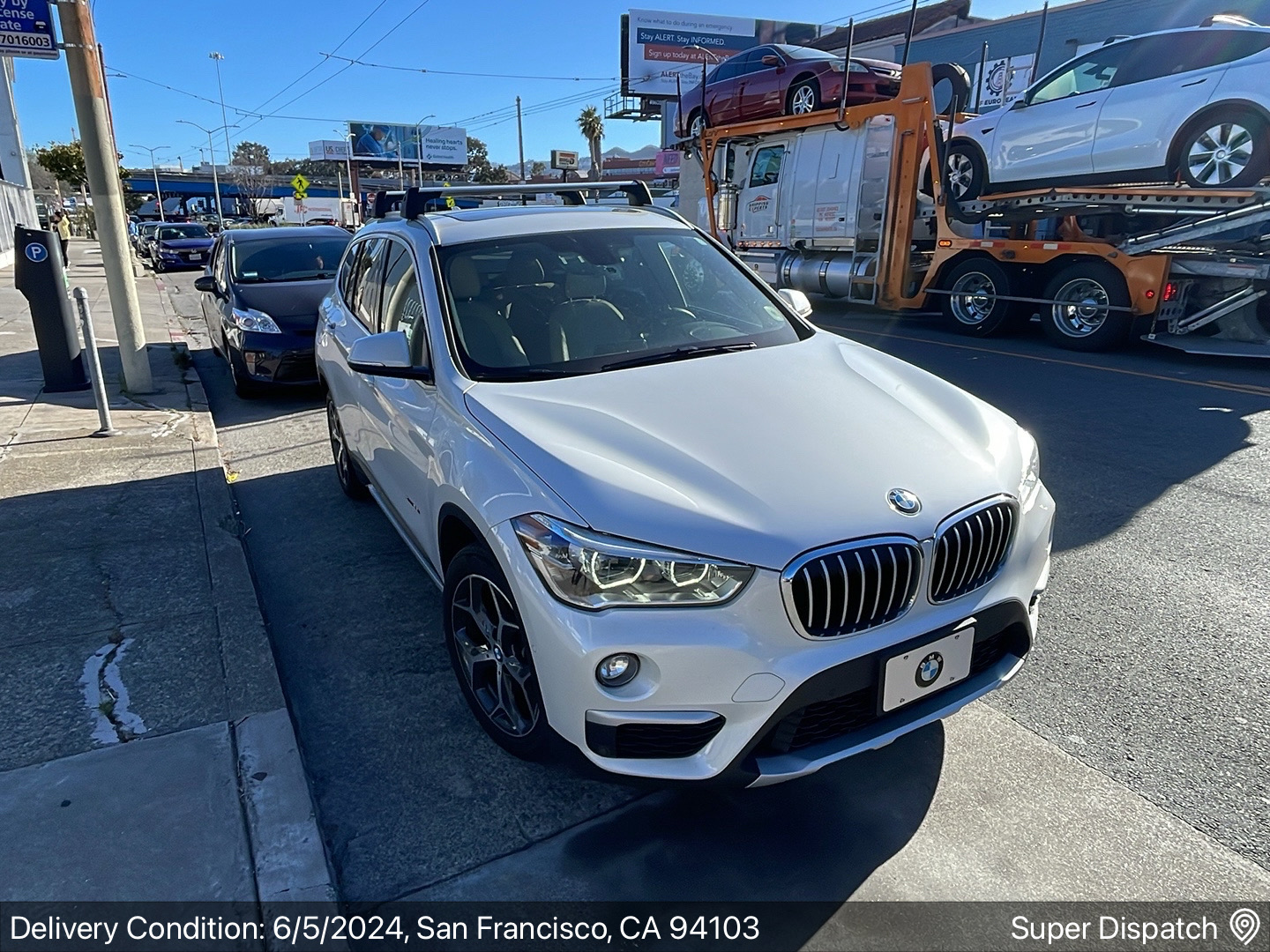
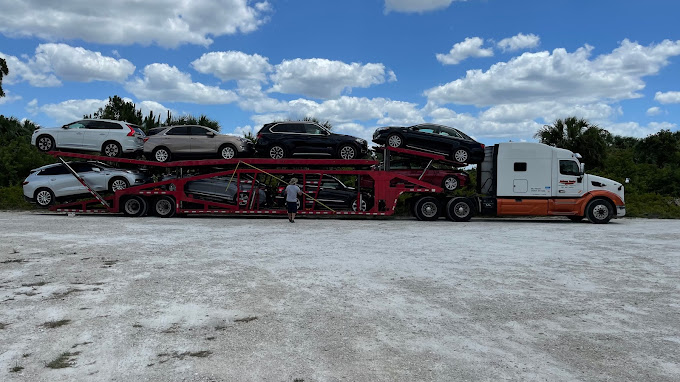
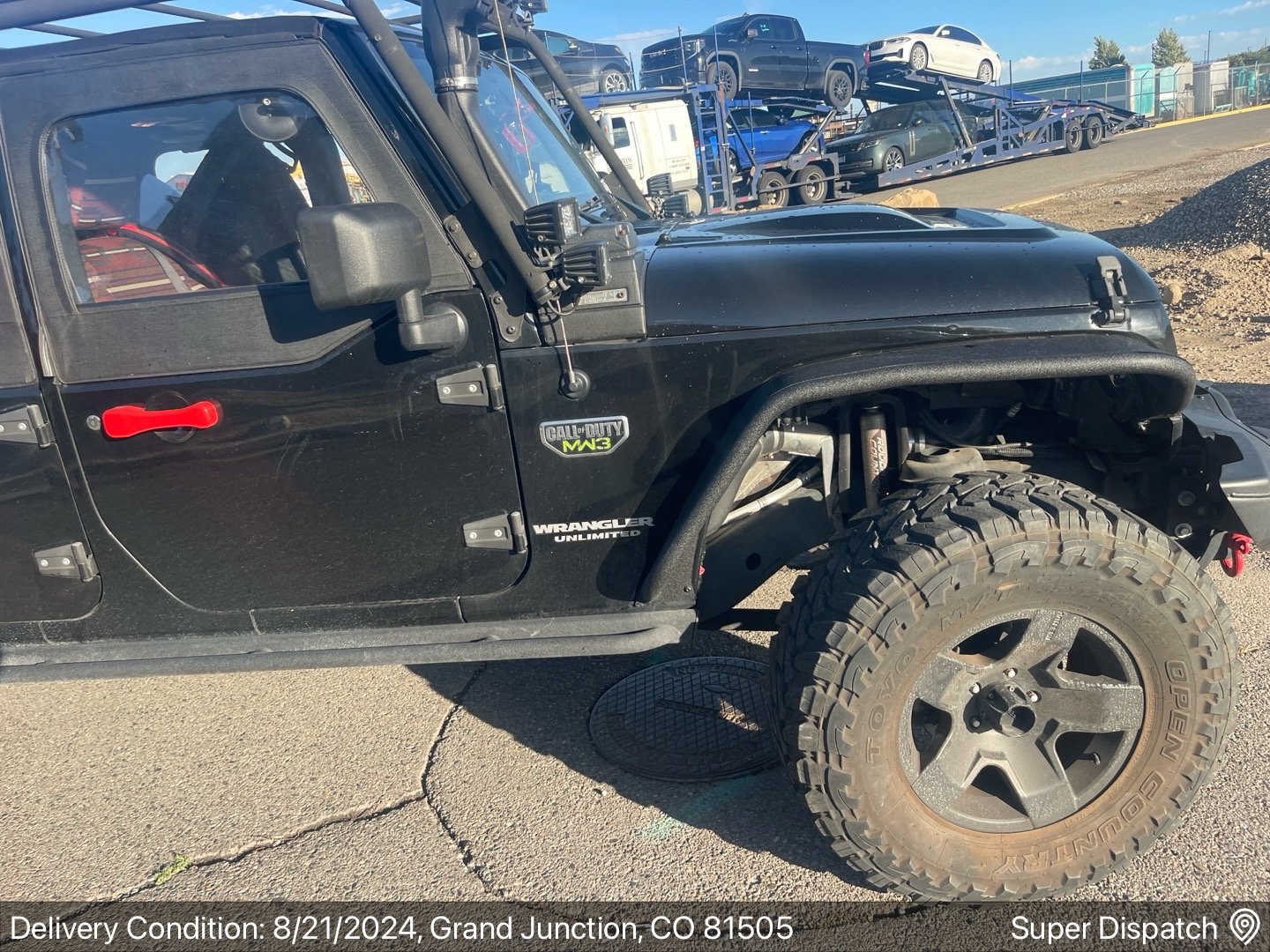
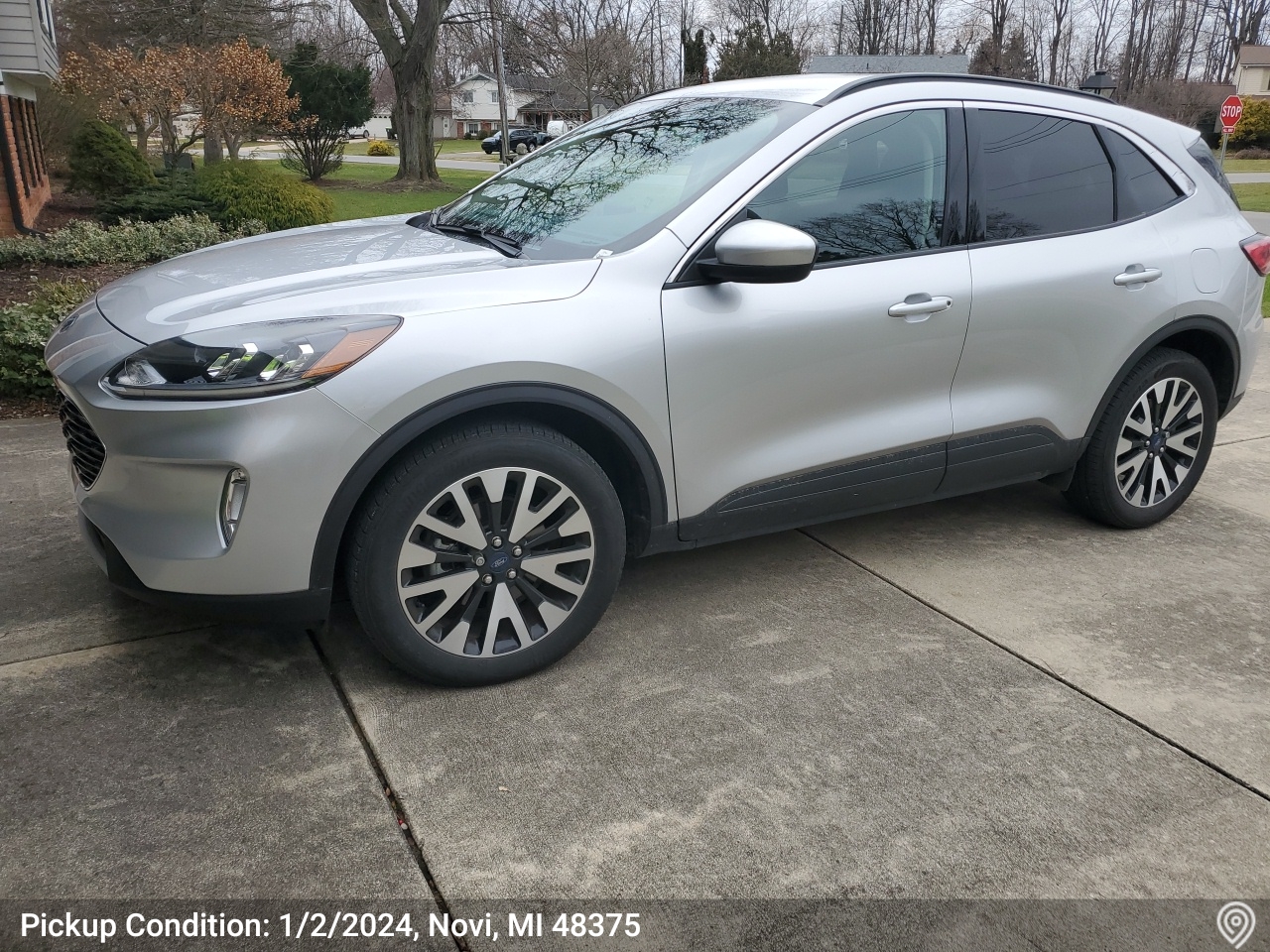
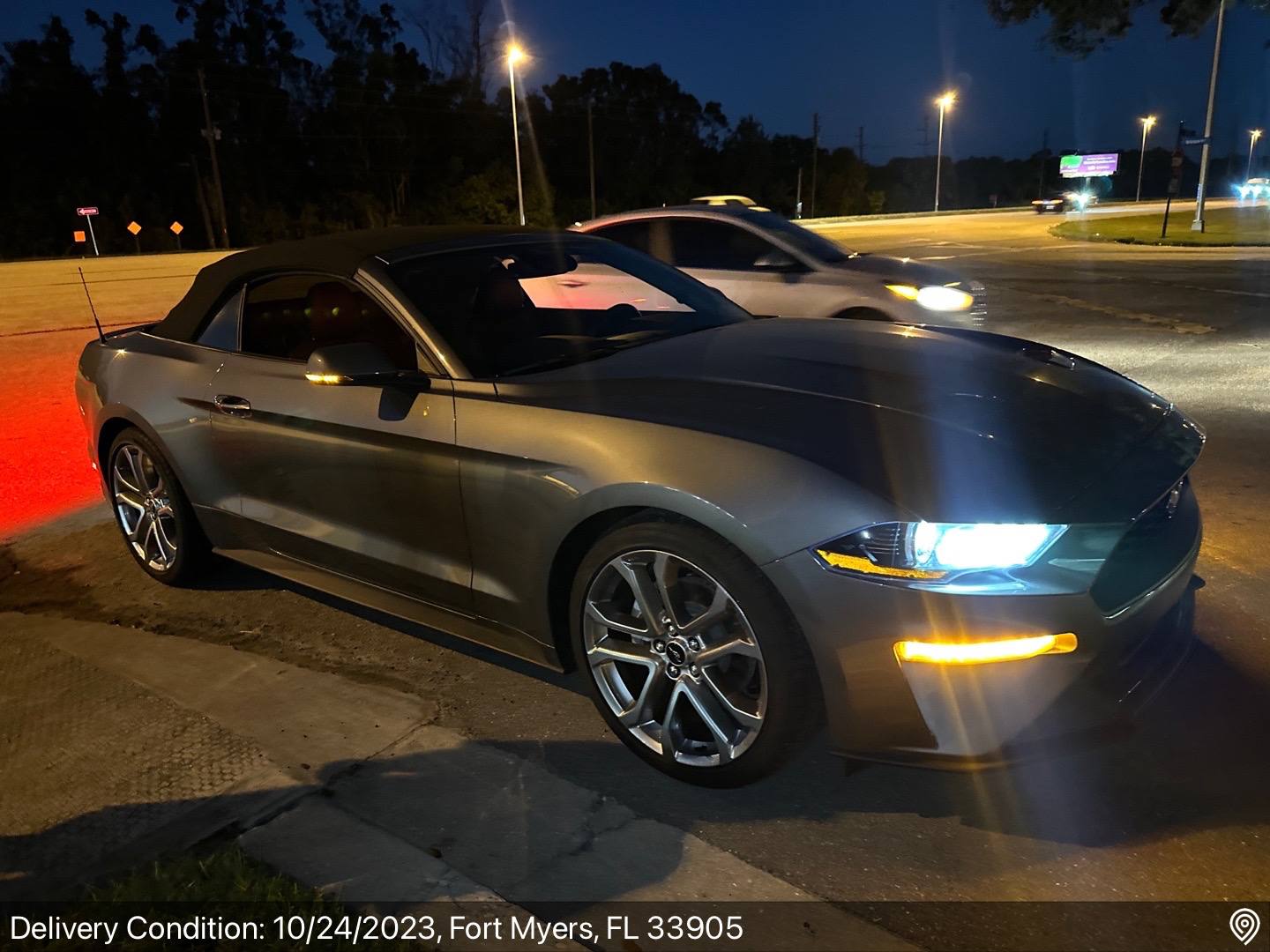
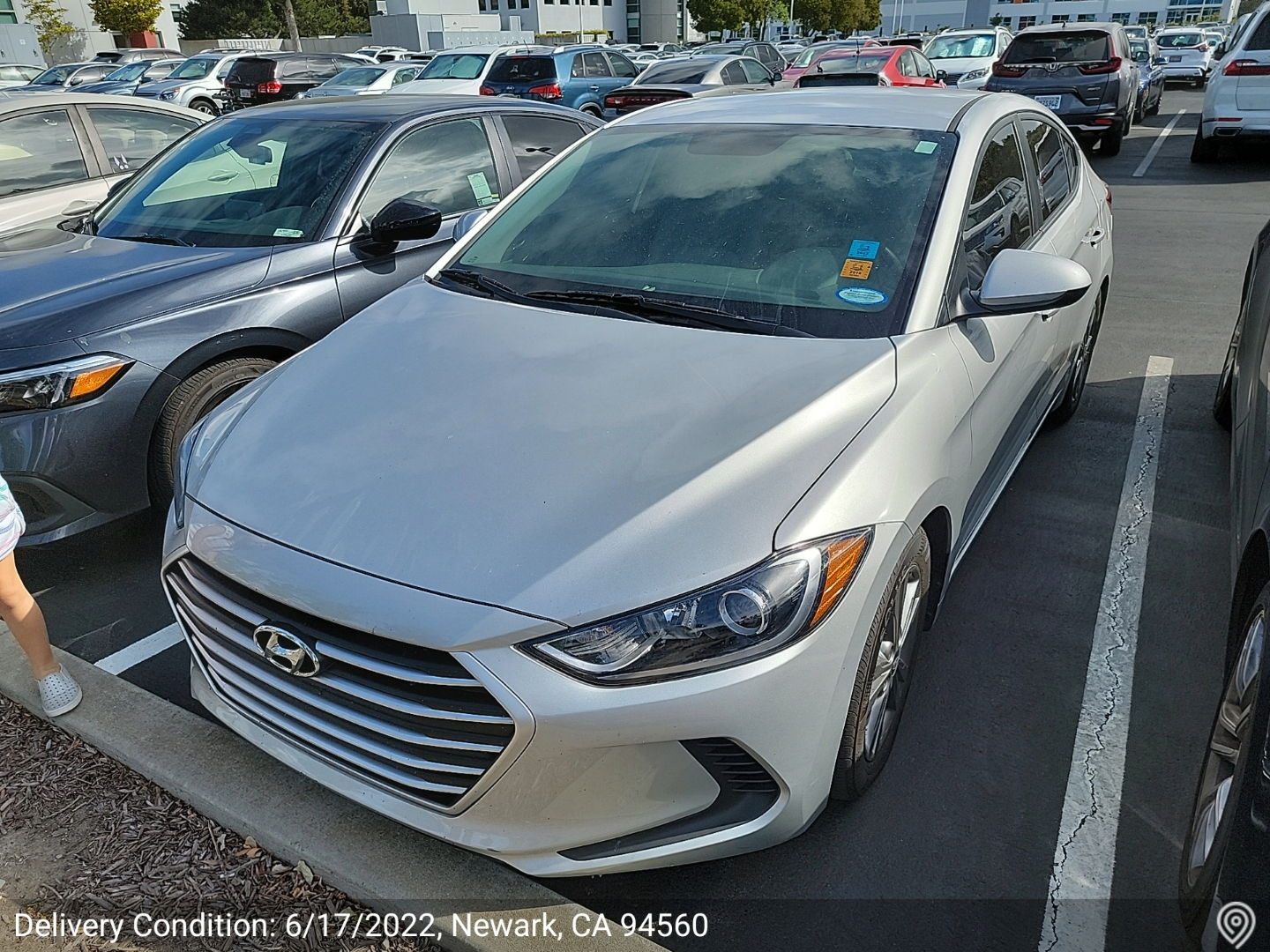
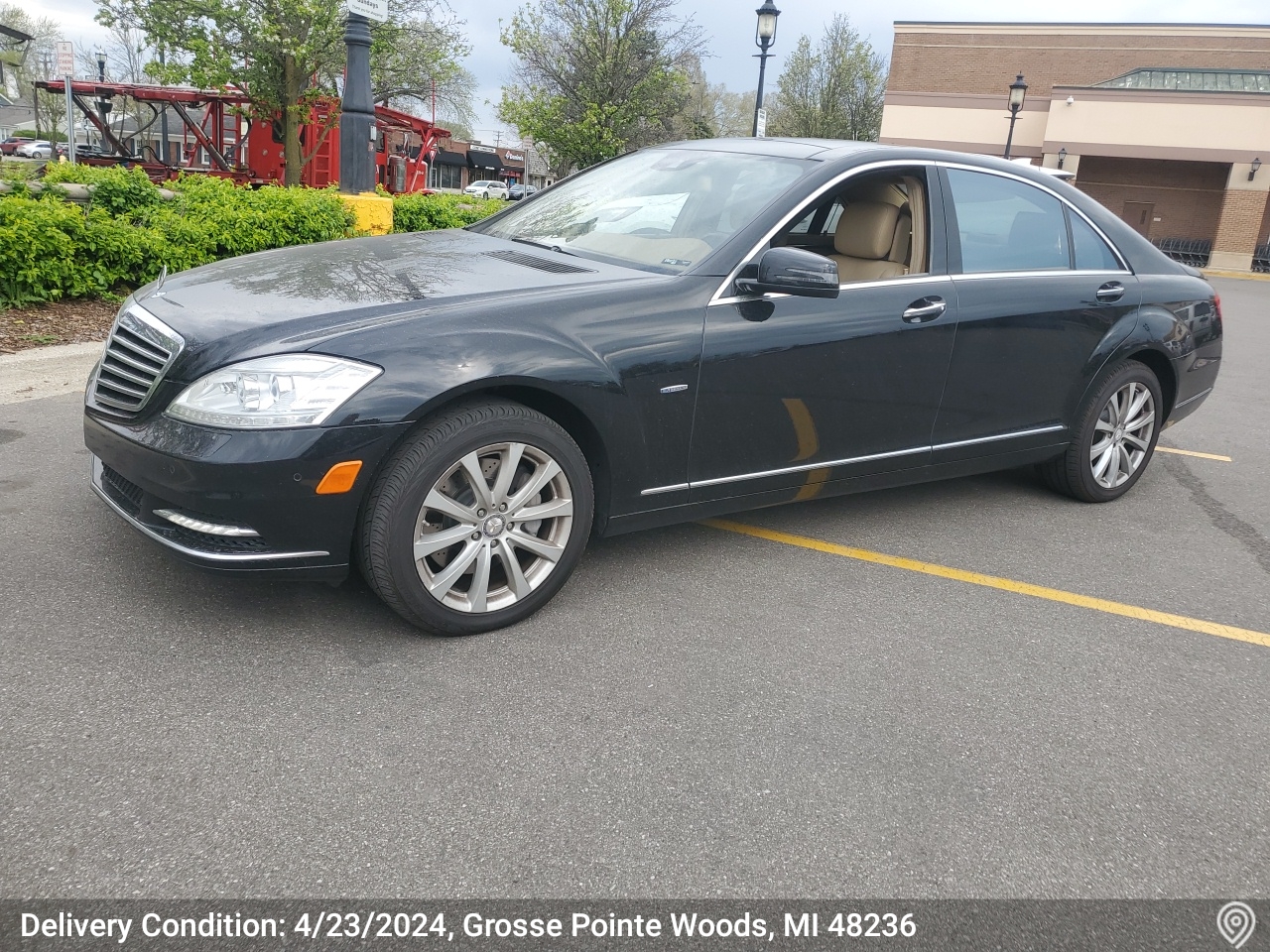
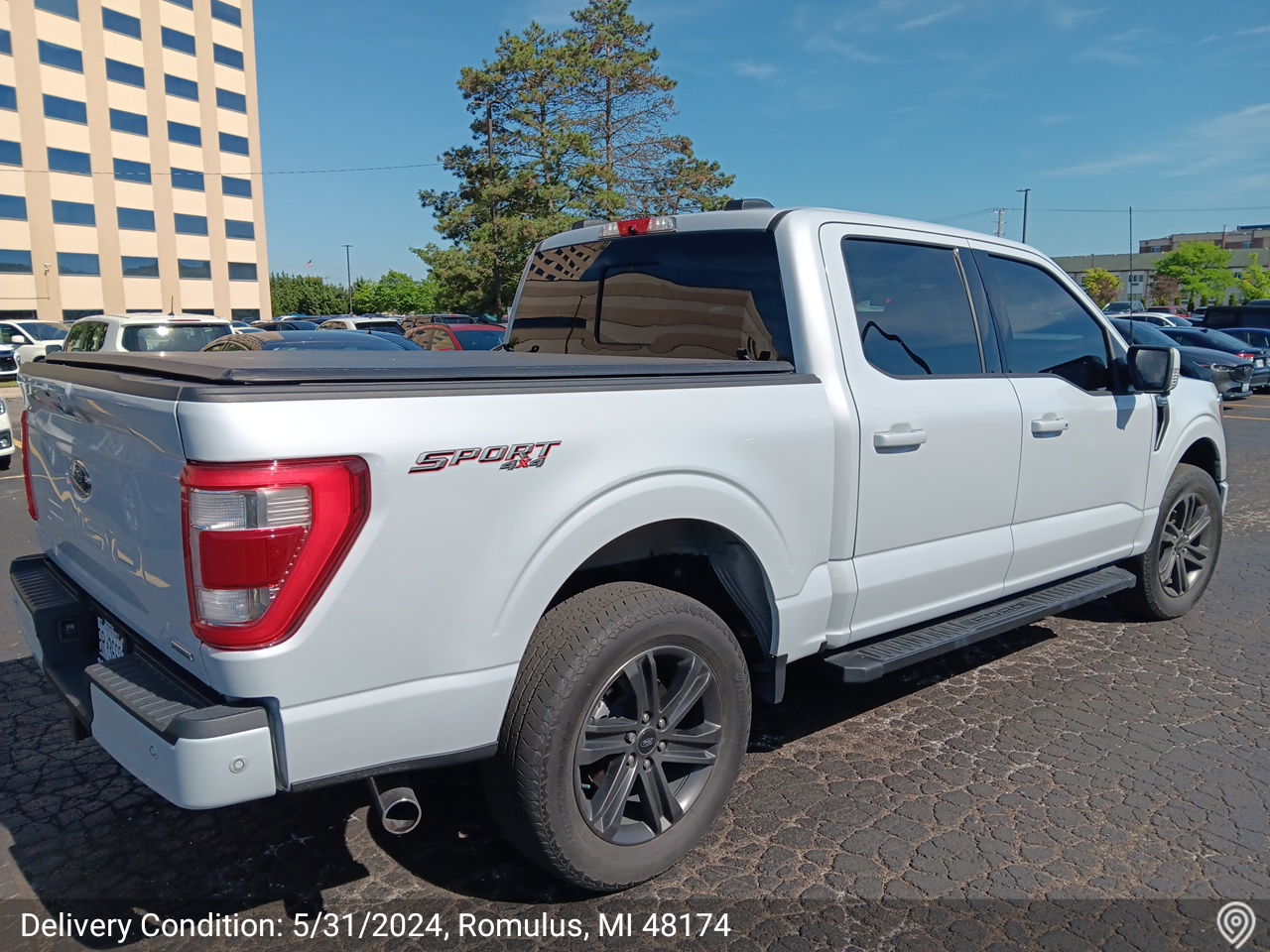
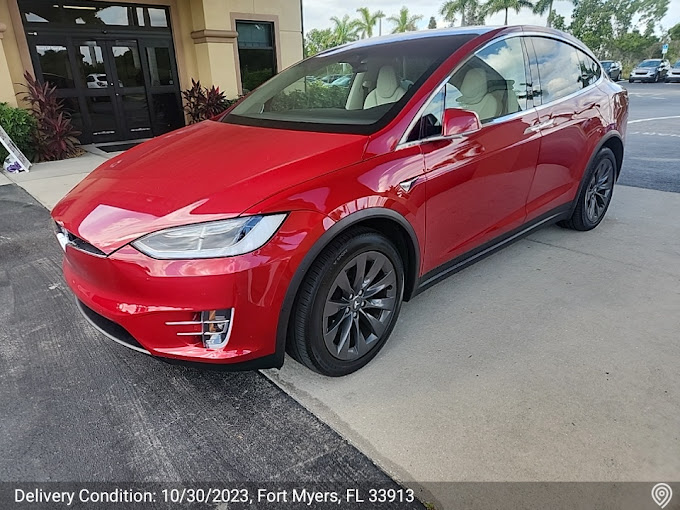
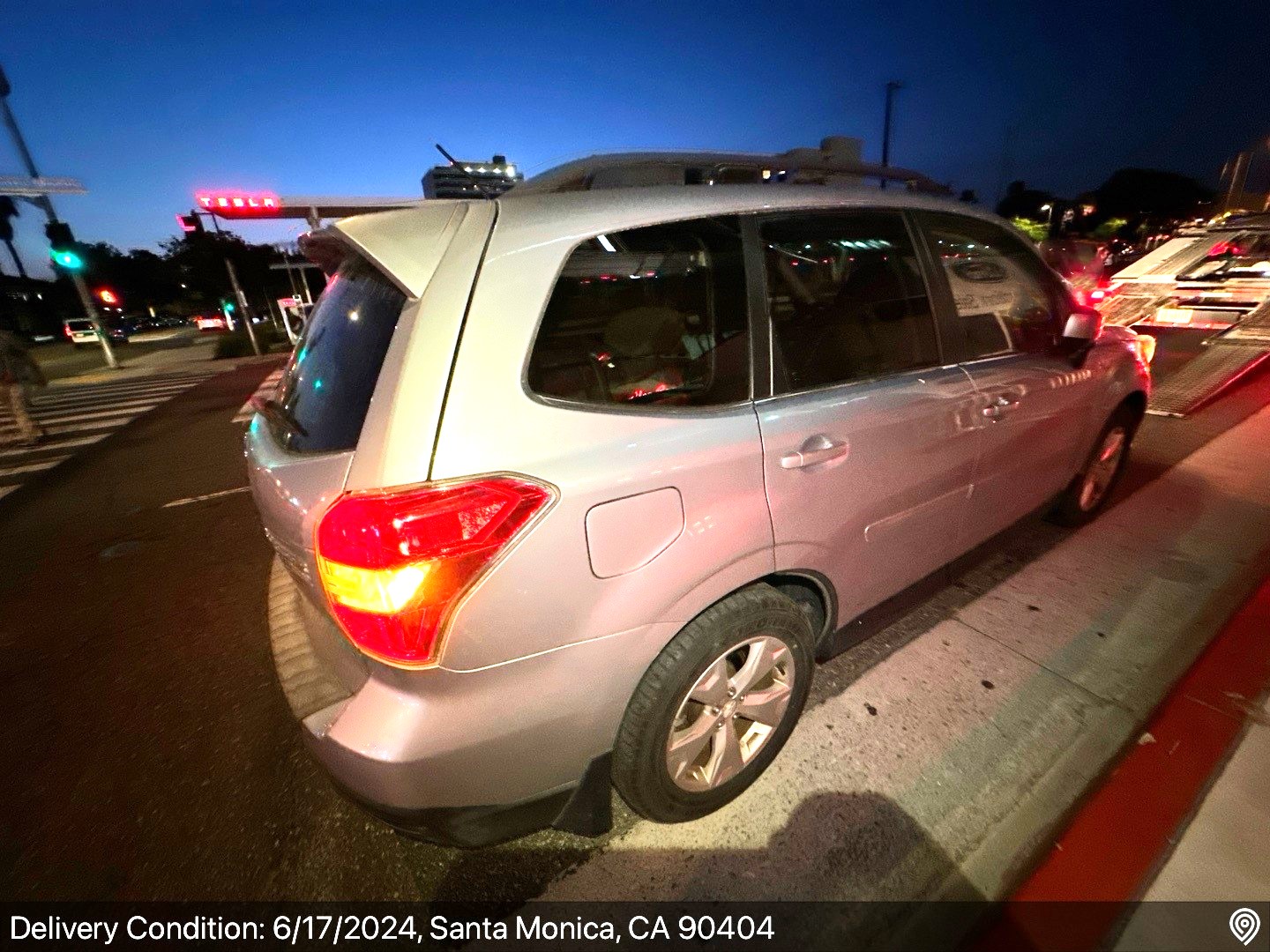
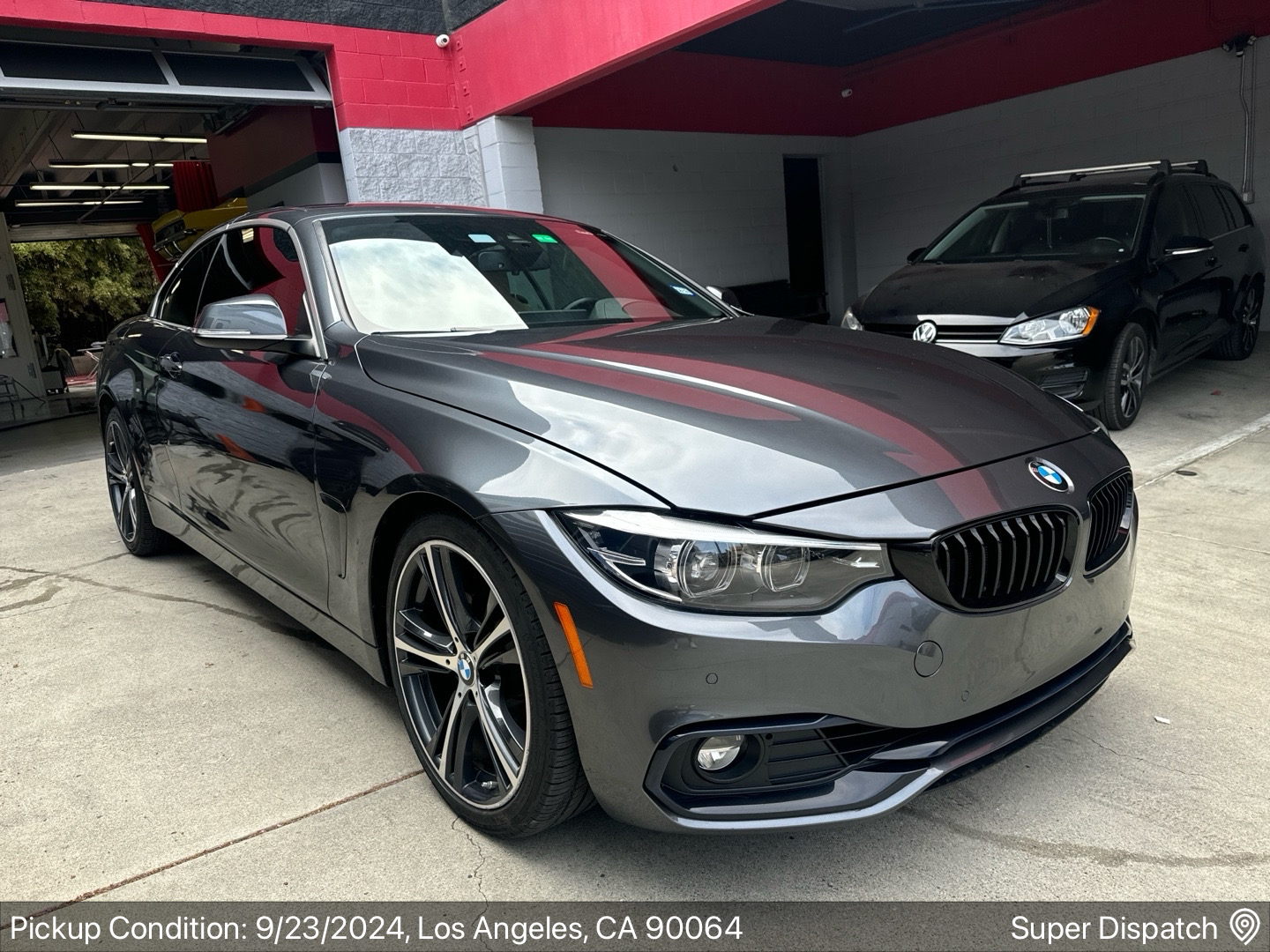
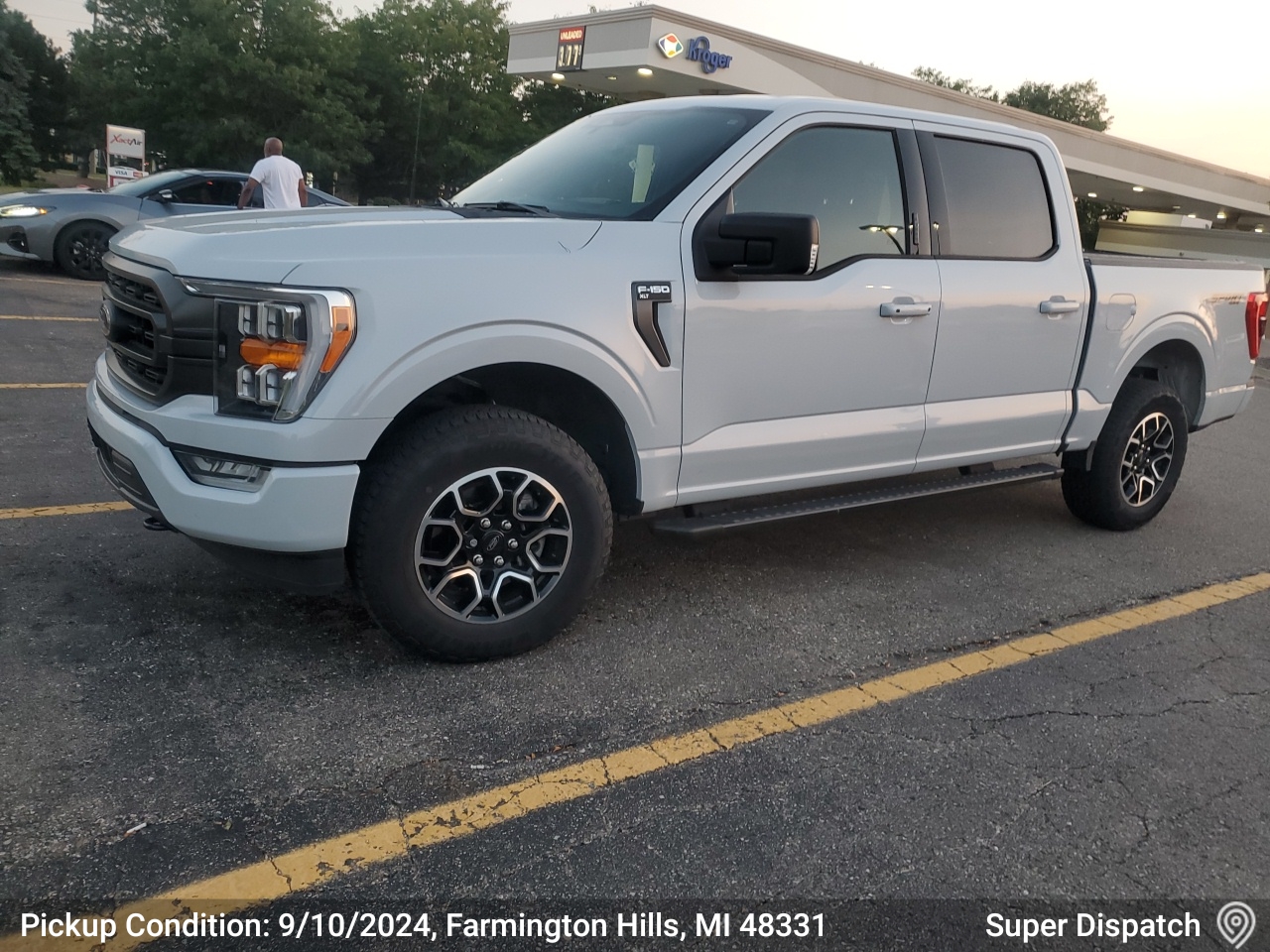
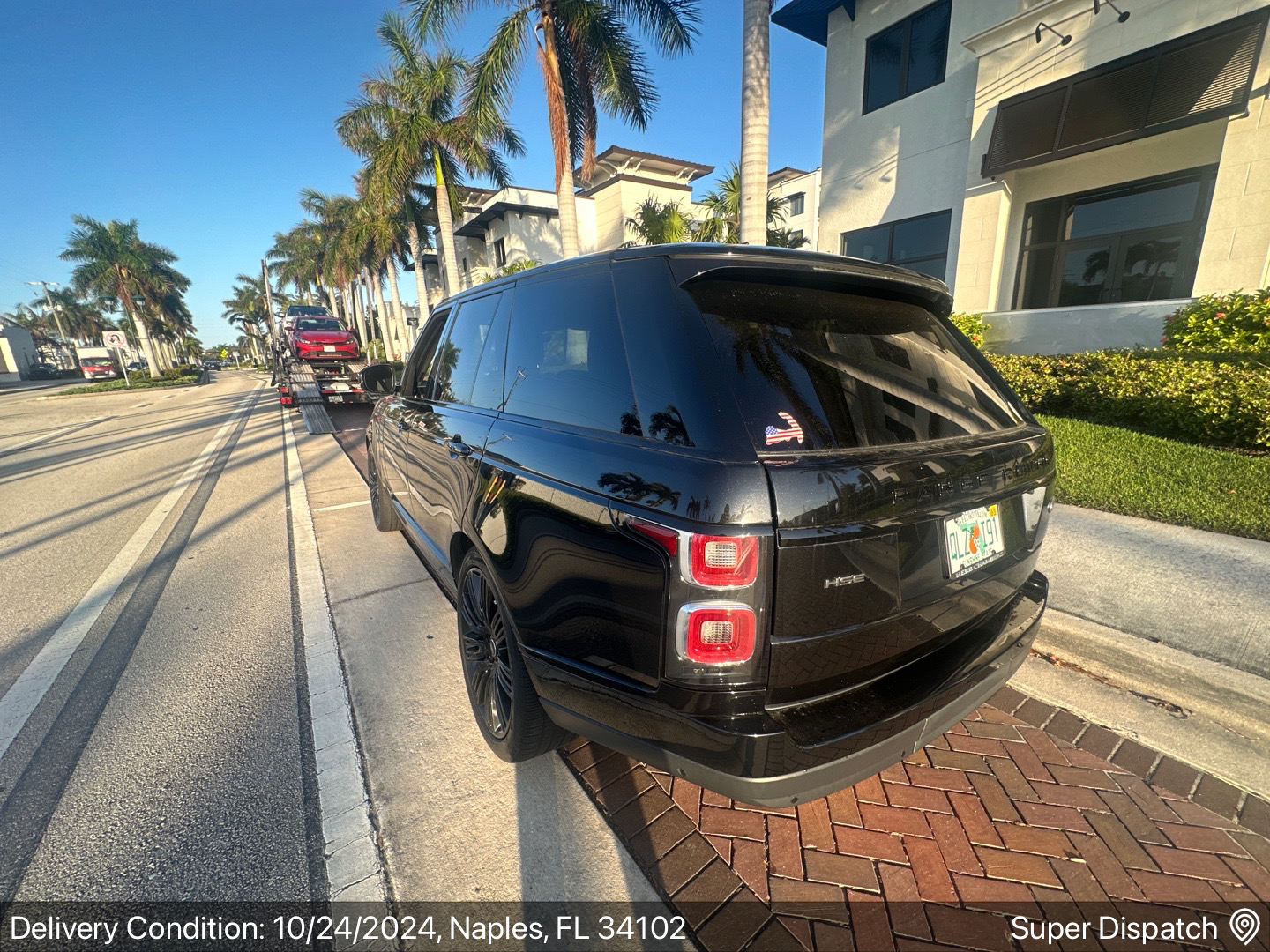
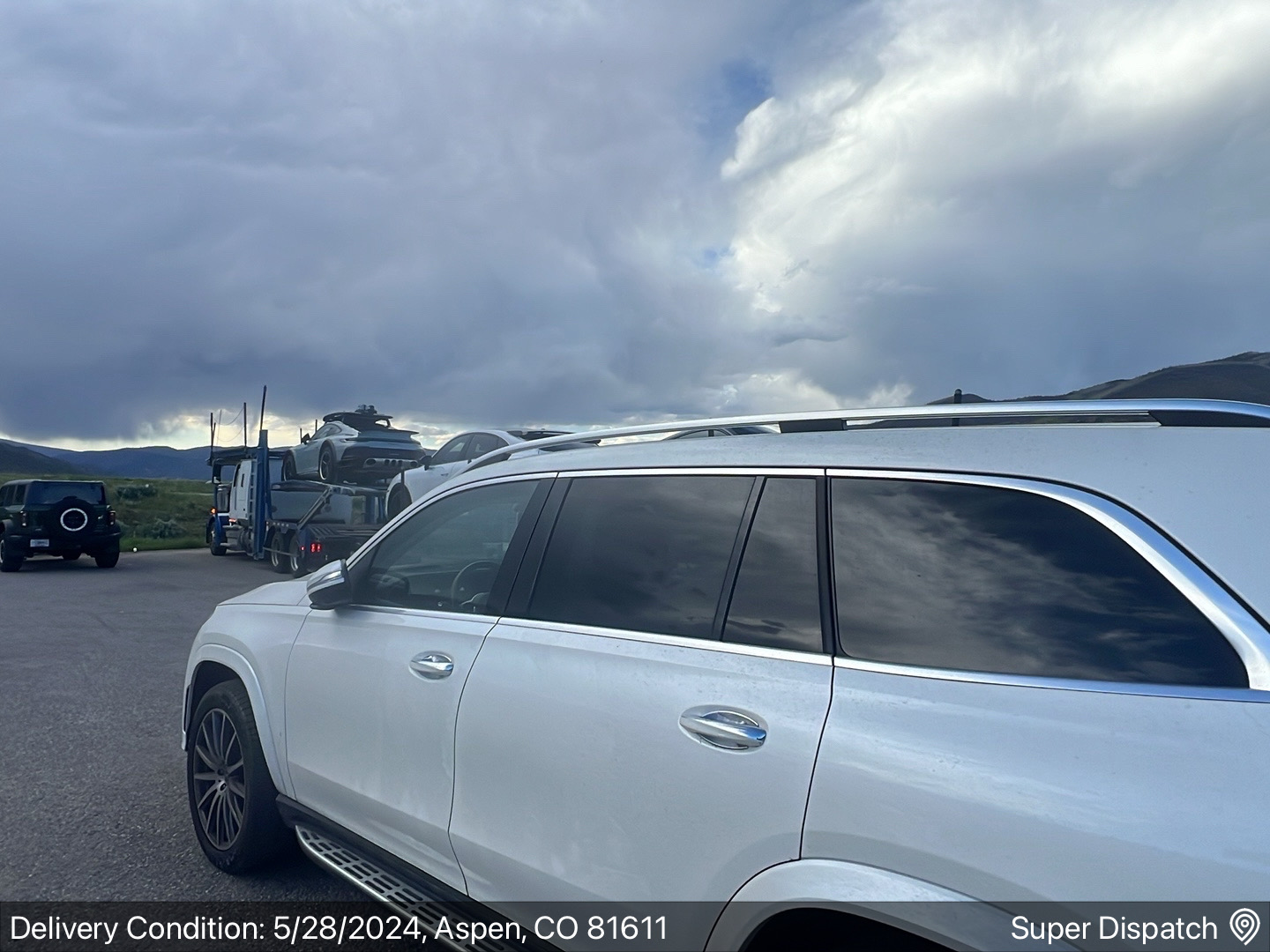
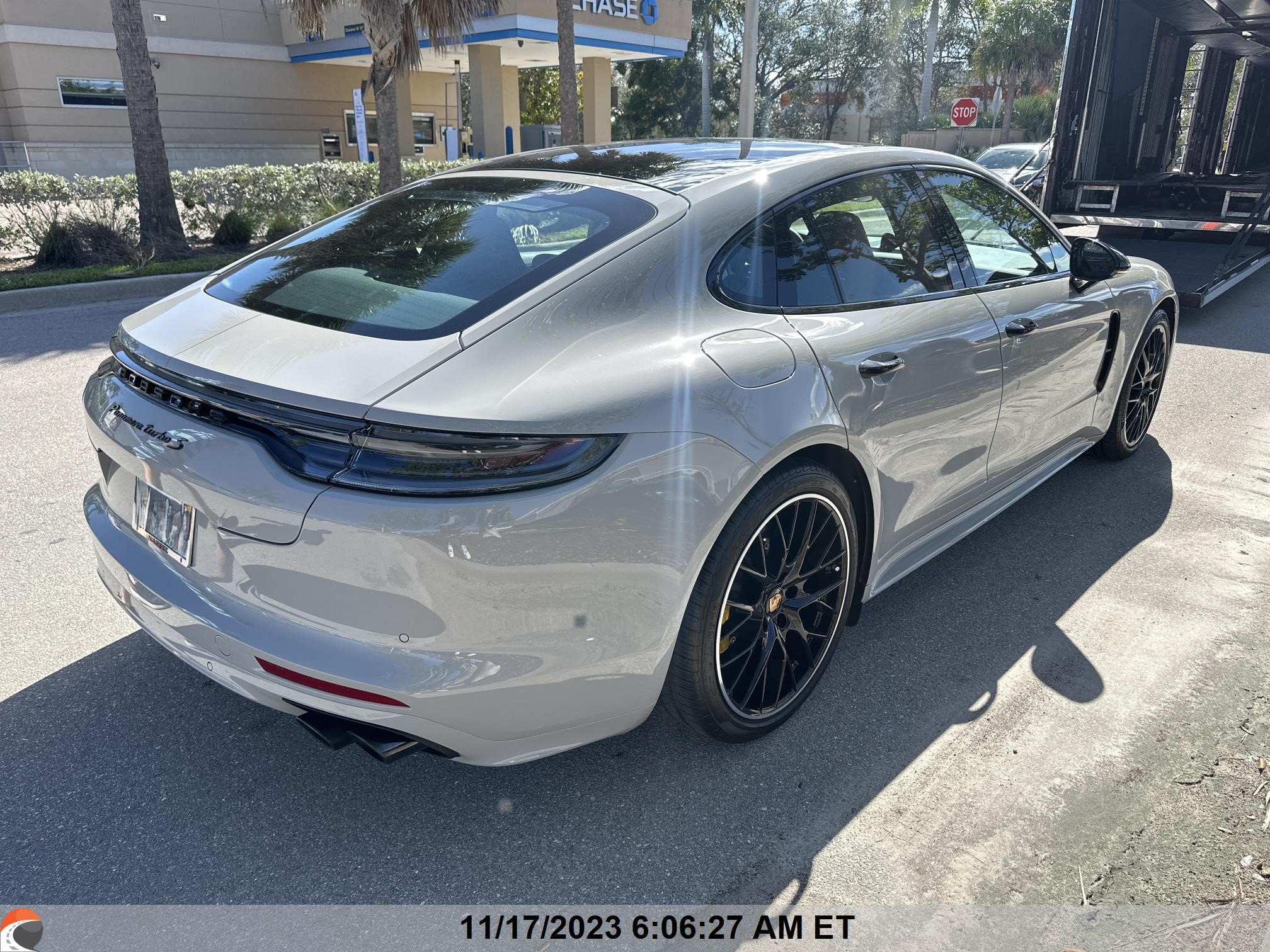
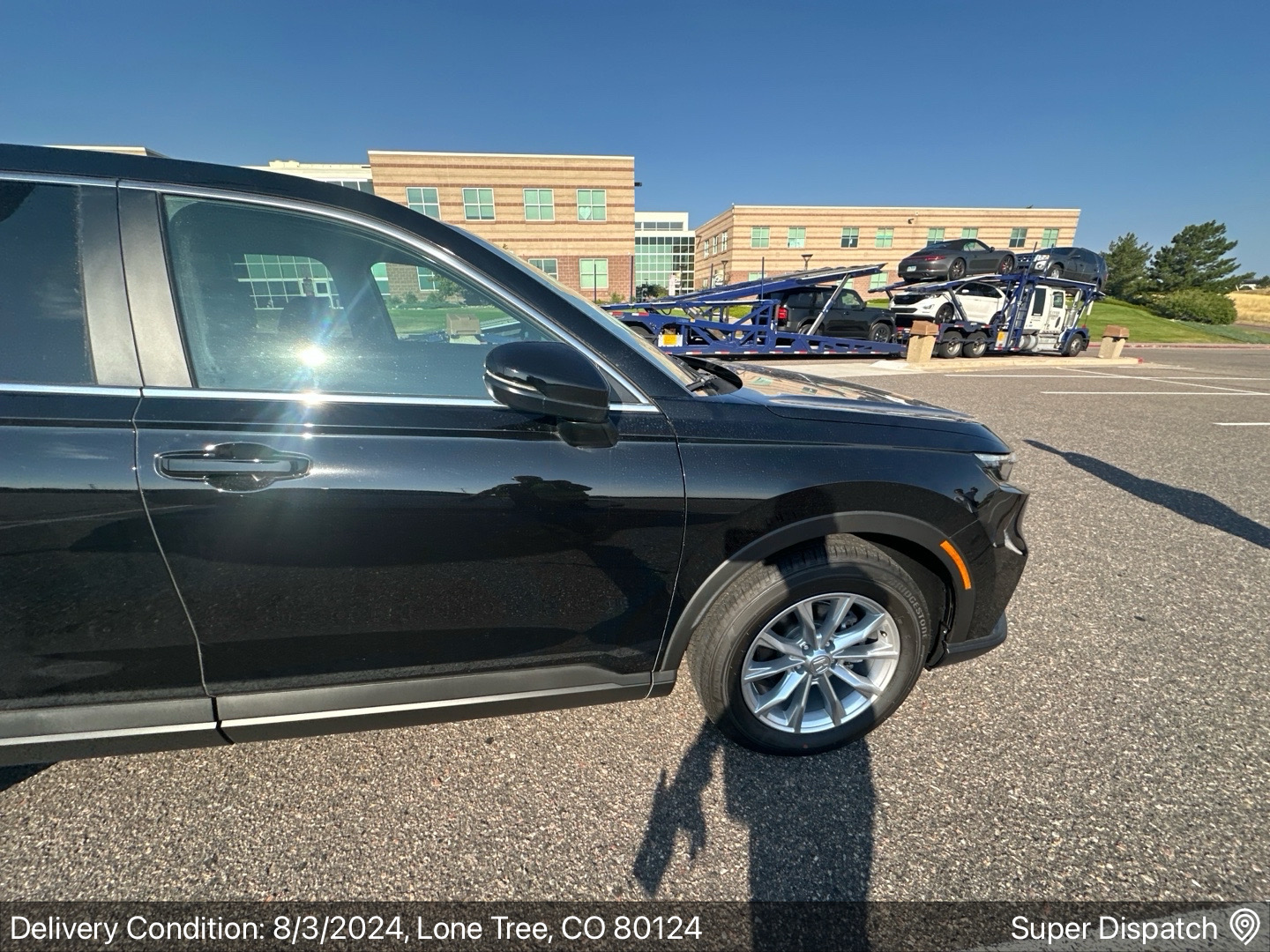
Pickup scheduling for Charleston auto transport is straightforward given the city's open road access and lack of major urban congestion. We build a 3-day pickup window around your first available date, and most carriers serving this market can meet that window when you book one to two weeks ahead. Carrier availability here is adequate but not as deep as Columbia or Charlotte, so last-minute requests may require a day or two of additional lead time.
Hurricane season introduces a separate timing variable. During active tropical weather, carriers may pause coastal South Carolina pickups temporarily. Staying in contact with your broker during storm watches helps you adjust quickly if a delay becomes necessary.
Charleston is a popular winter destination, and that status drives real pricing and scheduling patterns for auto shipping Charleston. Southbound demand builds from October through February as seasonal residents and retirees move vehicles south from the Northeast and Midwest. Carriers running the I-95 corridor during this window are often heavily booked, and Charleston benefits from that elevated traffic volume. Booking two to three weeks ahead during peak southbound months gives you the best shot at securing your preferred pickup dates.
The spring reversal runs March through June, when northbound volume climbs and carriers shift capacity back toward the Northeast. Snowbird auto transport Charleston demand during this window can be competitive, particularly in April and May. If your schedule is flexible, booking early in the northbound season rather than waiting until late spring typically means better carrier availability and more predictable scheduling.
Review your quote, confirm vehicle details and dates. No payment collected until a carrier is assigned.
We dispatch your order to our carrier network. You receive carrier details, insurance info, and estimated pickup window.
Carrier gives you 24 hours advance notice before pickup. Walk-around inspection together, every mark documented on the Bill of Lading, both parties sign.
Track your shipment status through your coordinator. We handle any schedule changes or logistics questions.
24-hour advance notice, then a call when close. Second walk-around inspection — damage during transport is extremely rare, but note any new issues on the Bill of Lading before signing. Once signed without exceptions, claims are extremely difficult to win.
Your carrier will contact you roughly 24 hours before arriving to confirm the pickup window. At pickup, both you and the driver walk the vehicle together, documenting existing condition on the Bill of Lading before anything is loaded. Charleston's wide streets and open residential areas make carrier access easy in most neighborhoods. Sign the BOL only after you're satisfied the inspection is accurate — that document is your baseline for the entire shipment.
Your driver will call approximately 24 hours before reaching the delivery location. At drop-off, inspect the vehicle carefully against your original Bill of Lading before signing anything. Damage during transport is extremely rare, but if you notice anything new, note it on the BOL before you sign. Once you sign without noting a discrepancy, pursuing a claim becomes significantly harder. Vehicle transport Charleston deliveries follow this same documentation process regardless of distance.
Every carrier in our network is required to carry cargo insurance as a condition of their FMCSA operating authority. Coverage details vary by carrier and are confirmed before your vehicle is dispatched.
At pickup, the driver and you complete a joint vehicle inspection. Every scratch, dent, and existing mark is documented on the Bill of Lading. At delivery, you must carefully compare the vehicle's condition against this record before signing the delivery receipt. If you notice any new damage, note it on the Bill of Lading before you sign. Once you sign the delivery receipt without noting damage, it becomes extremely difficult to file and win a claim. This is the single most important step in protecting yourself during the transport process.
Charleston's road network is well-suited for auto transport carriers. Wide residential streets, accessible commercial areas, and minimal height restrictions mean most standard transport trailers can reach pickup and delivery locations without requiring a staging point. The city's layout along the peninsula does create some tighter blocks in the historic district, so if your vehicle is located there, coordinating a nearby open parking area or lot can speed up the process.
For locations in North Charleston or the suburban areas along I-26, access is even more straightforward. Carriers routing through the Summerville interchange can reach most North Charleston addresses with minimal detour. Shipping a car from Charleston in these areas typically involves no special access coordination.
Military and PCS Relocations — Joint Base Charleston generates year-round PCS moves, making this the highest-volume segment in the local market. Military timelines are often firm, so booking auto transport Charleston SC service two weeks out is strongly recommended. Get a no-obligation car transport quote to lock in your dates.
Corporate and Aerospace Relocations — Boeing's North Charleston facility brings a steady stream of employees transferring from facilities across the country. These moves often involve tight start dates, and Charleston vehicle shipping options are best secured well before the transfer date.
Seasonal Residents and Snowbirds — Residents splitting time between Charleston and northeastern cities ship vehicles south each fall and north each spring. Car shipping companies Charleston handles this corridor regularly, and early booking during peak migration months is the most reliable approach.
Students — The College of Charleston and the Citadel create predictable August and May shipping windows. Car shipping Charleston sc for student moves is most competitive when scheduled a few weeks before move-in or move-out dates.
Charleston auto transport pricing reflects distance, vehicle size, and seasonal demand shifts. Winter snowbird traffic into South Carolina's coast increases route competition, while summer hurricane-season uncertainty can affect scheduling and rates. Military PCS moves and Boeing-related relocations keep demand steady across seasons. Request a Charleston car shipping quote for your specific route.
Transit times from Charleston depend on destination distance and carrier routing through the I-26 and I-95 corridors. Routes to major Northeast or Florida metros see more frequent carrier traffic than cross-country western destinations. For auto transport Charleston SC timing, select your route above for details.
Yes. Charleston's suburban neighborhoods, including West Ashley, James Island, Daniel Island, and Mount Pleasant across the Ravenel Bridge, generally offer residential streets wide enough for standard car haulers. We coordinate door-to-door service when you ship a car to Charleston, where road conditions permit, throughout the greater Charleston area.
Open transport Charleston handles most shipments and works well for everyday vehicles. Charleston's humidity, salt air, and hurricane-season rain may prompt owners of classic cars, luxury vehicles, or collectibles to consider enclosed car shipping Charleston for added protection. Enclosed availability is more limited than open transport, and pricing is typically higher, so book early if you need that option.
Fall and early spring align with snowbird migration patterns, bringing more carriers through South Carolina's coastal routes and improving scheduling options. Summer hurricane season from June through November can introduce weather delays along Charleston's coast. Ship a car to Charleston during shoulder months for a balance of carrier flow and calmer weather. Scheduling during this stretch gives you the best options to ship a car from Charleston.
Someone 18 or older must be present at both ends to authorize the shipment and sign the Bill of Lading. If you cannot attend personally, designate a trusted representative — a friend, family member, or dealership contact — to handle the vehicle inspection and paperwork on your behalf.
Yes. Every carrier in our network carries cargo insurance as required by their FMCSA operating authority. Coverage specifics are confirmed before dispatch. At both pickup and delivery, you complete a joint vehicle inspection documented on a Bill of Lading — this protects you if any issue arises.
Yes, we transport non-running vehicles to Charleston. The vehicle needs to roll, steer, and brake for standard loading. Vehicles that cannot roll may require a winch or forklift at additional cost. Mention the vehicle's condition when requesting your quote.
Wash the exterior so scratches and dents are visible during inspection. Remove toll transponders, parking passes, and loose interior items. Leave roughly a quarter tank of fuel. Disable aftermarket alarms. Take dated photos of all sides, roof, and odometer before the carrier arrives for your records.
Most carriers allow personal belongings in the trunk or cargo area up to about 100 pounds. Items must stay below the window line and cannot be fragile or high-value. Personal items are not covered under carrier cargo insurance, so keep the vehicle as empty as practical.