Door-to-door car shipping with fully insured carriers. No upfront payment. Price-locked quotes.
Tell us your vehicle details, pickup and delivery locations. We send you a price-locked quote within an hour.
Once you book, we match your shipment with a fully insured FMCSA-authorized carrier heading your direction.
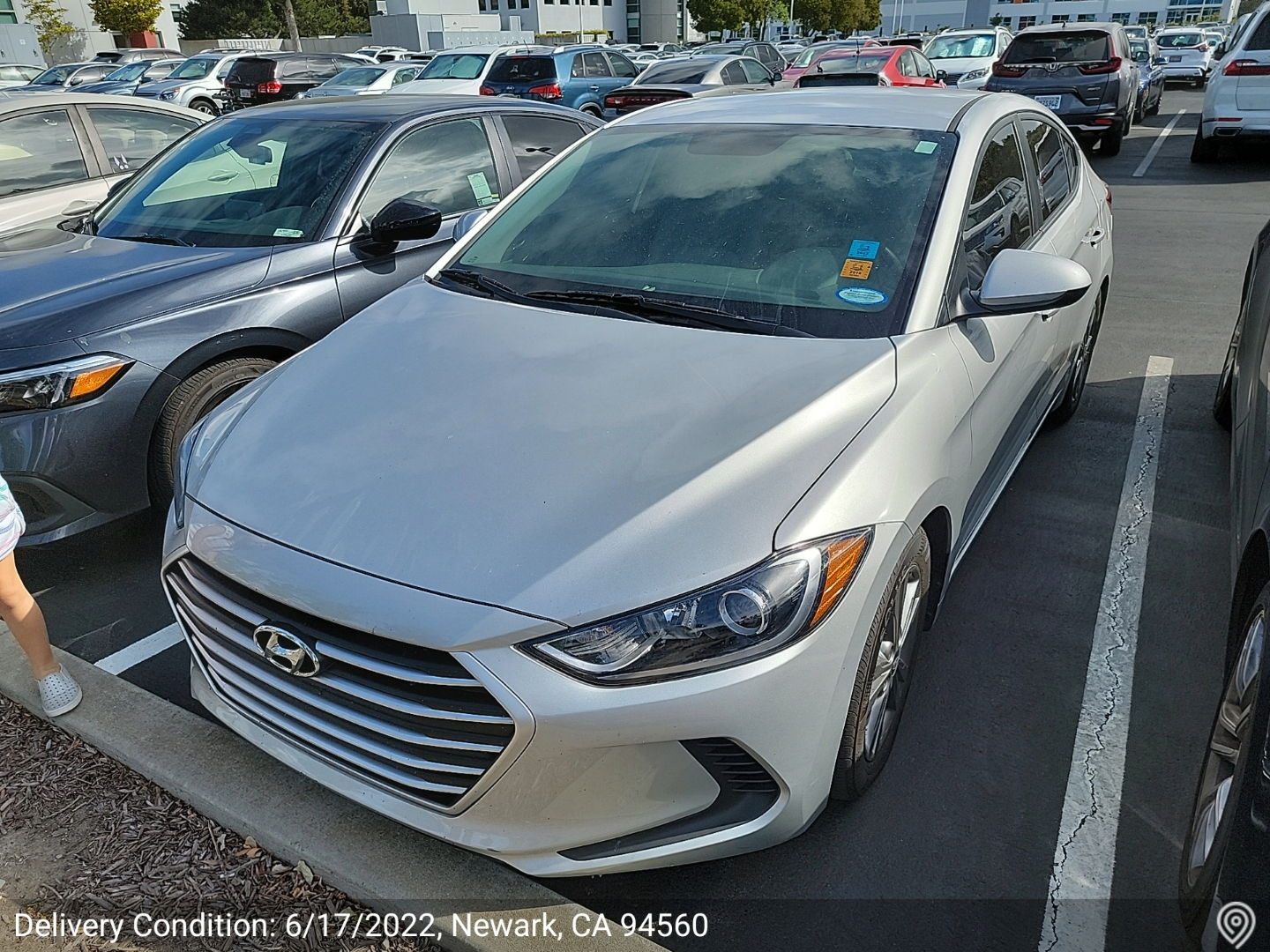
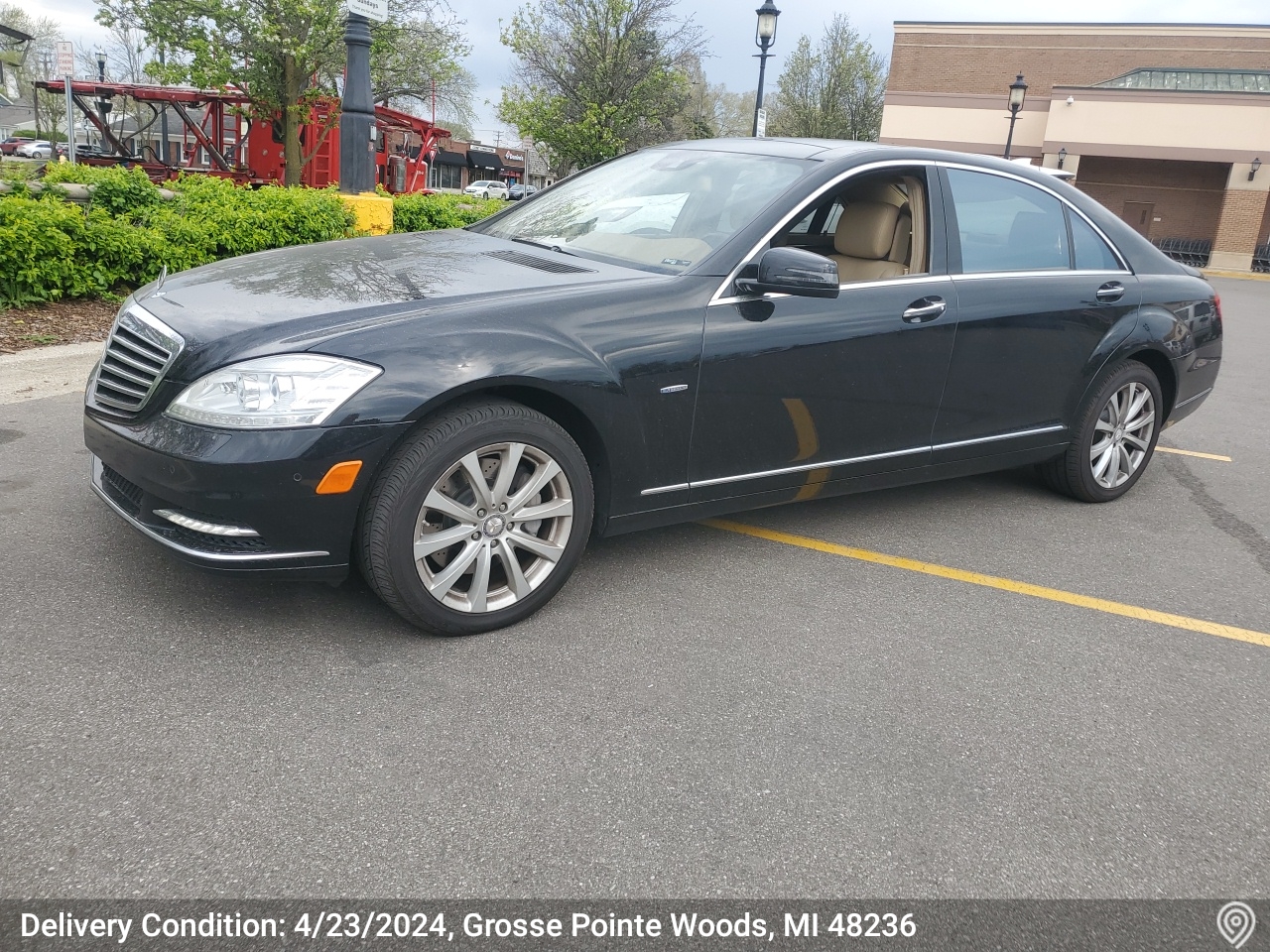
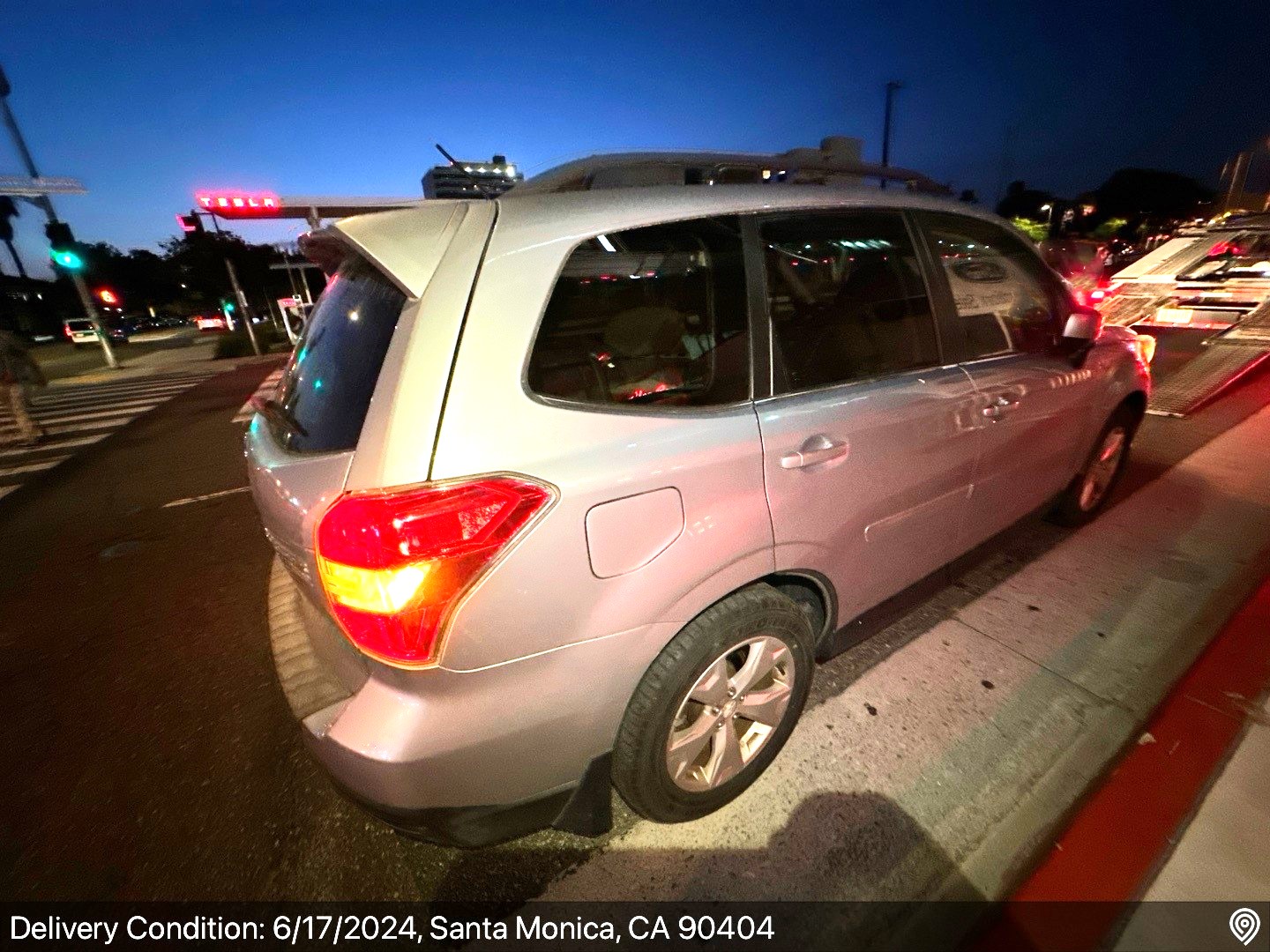
Your carrier arrives within the pickup window. You do a joint walk-around inspection and sign the Bill of Lading documenting your vehicle’s condition.
Second inspection at delivery. Compare against pickup docs and note any new damage on the Bill of Lading before signing. Damage during transport is extremely rare, but any issues should be documented before signing.
They picked it up on time and delivered it when they said they would. Great service for a great price.
The transport of the vehicle went according to plan. Vehicle was delivered on time and in good condition.
Dependable, professional, and quick. Never a Surprise and I've used this company 5 times for shipping my car back and forth from Massachusetts to Florida.
Tennessee to Delaware auto transport runs 725 to 850 miles, with most loads routing northeast along I-81 through Virginia before connecting to I-95 into the Mid-Atlantic. Tennessee's central position on the national highway grid — where I-40, I-75, and I-65 intersect — gives carriers flexibility when building eastbound loads, and Delaware's placement on I-95 between Philadelphia and Baltimore means trucks pass through the area regularly. Nashville to Wilmington is the dominant metro pair, with additional coverage to Chattanooga, Knoxville, Clarksville, Dover, and Newark.
This corridor benefits from carrier routing patterns more than raw lane volume. Drivers working Southeast-to-Northeast loops through Virginia pick up Tennessee loads as part of multi-state runs, which keeps car shipping Tennessee to Delaware more accessible than the small-state destination might suggest. Neither state drives snowbird traffic, so demand doesn't swing with the calendar — book when you're ready and expect consistent carrier matching with standard lead times.
Open transport on the Tennessee to Delaware corridor typically runs $850 to $1,150 for a standard sedan. This mid-range distance of 725 to 850 miles sits in a pricing tier where carrier economics work well for both sides, and Tennessee to Delaware car shipping cost reflects a market where supply and demand are roughly in balance. Vehicle size, condition, and exact pickup and delivery locations all move the number within that range.
Enclosed car shipping Tennessee to Delaware runs $1,725 for a standard sedan — 40 to 60 percent more than open transport — and is the right call for classic cars, luxury vehicles, or anything you want shielded from road debris and weather. Seasonal demand shifts are minimal on this corridor, so pricing stays relatively consistent throughout the year. Get a no-obligation car transport quote.
Estimated from $850
Estimated from $1,725
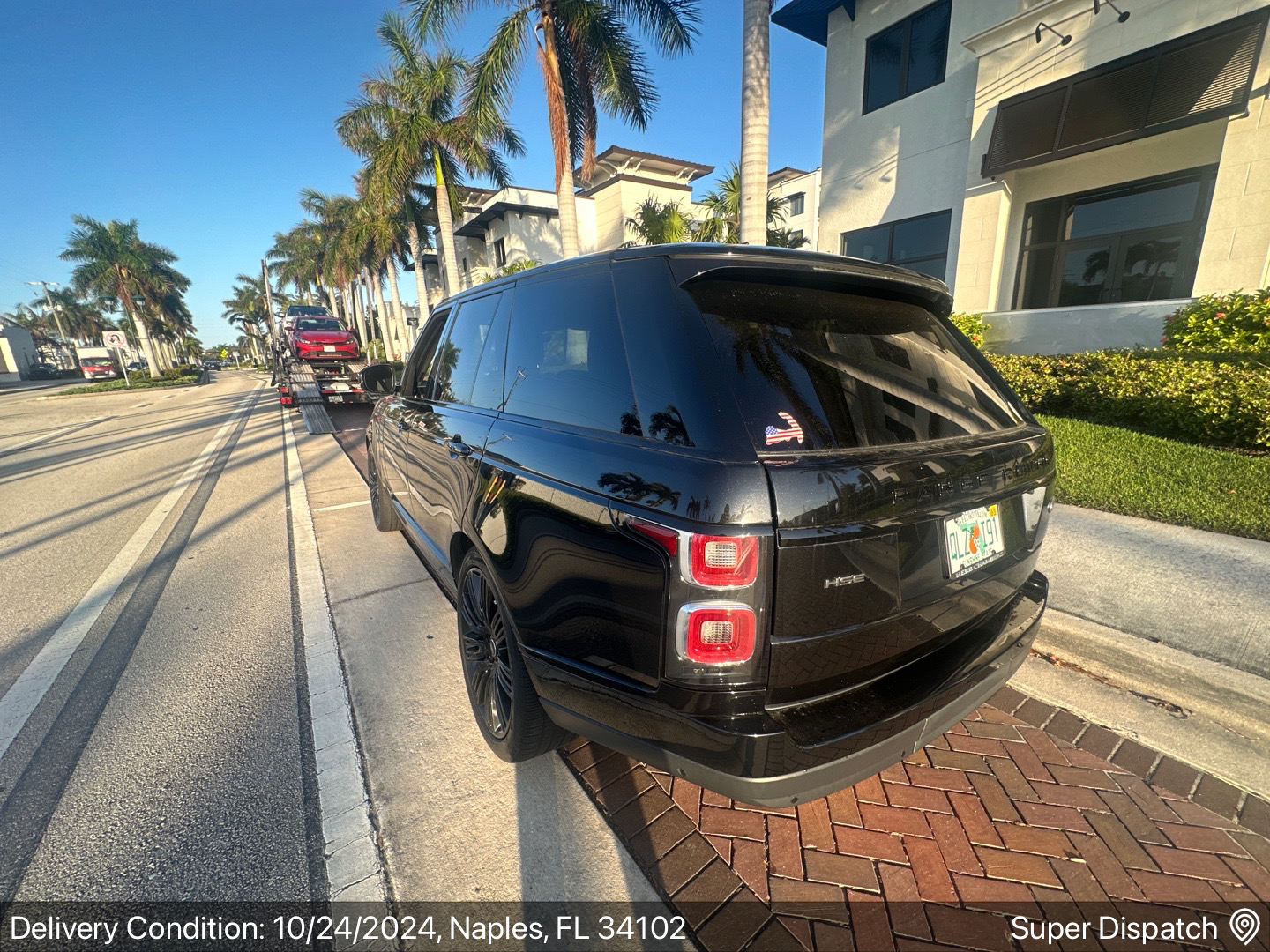
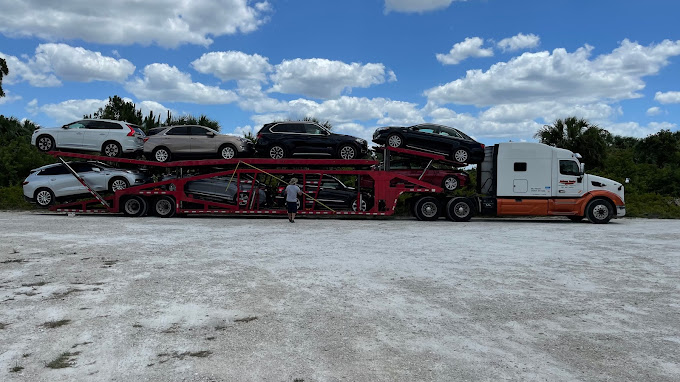
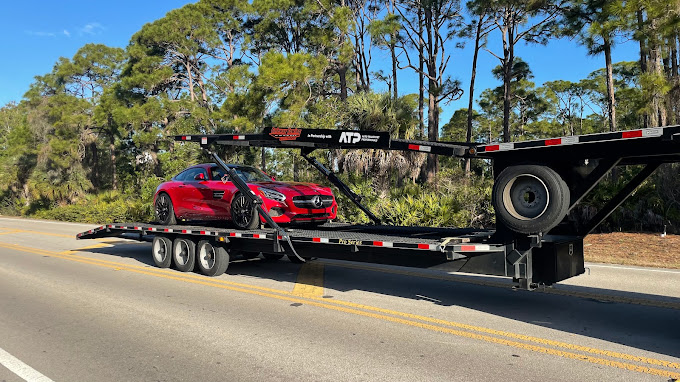
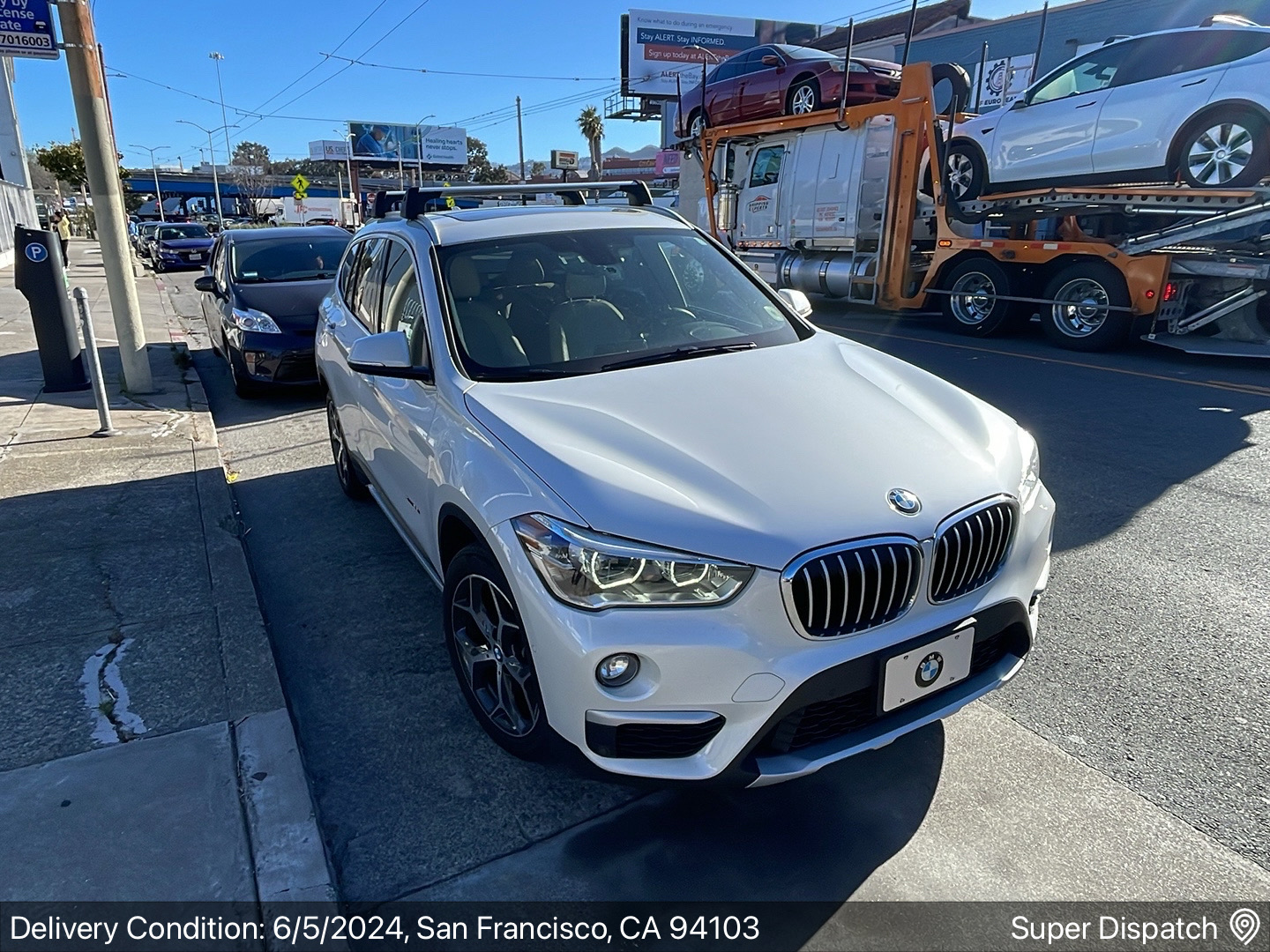
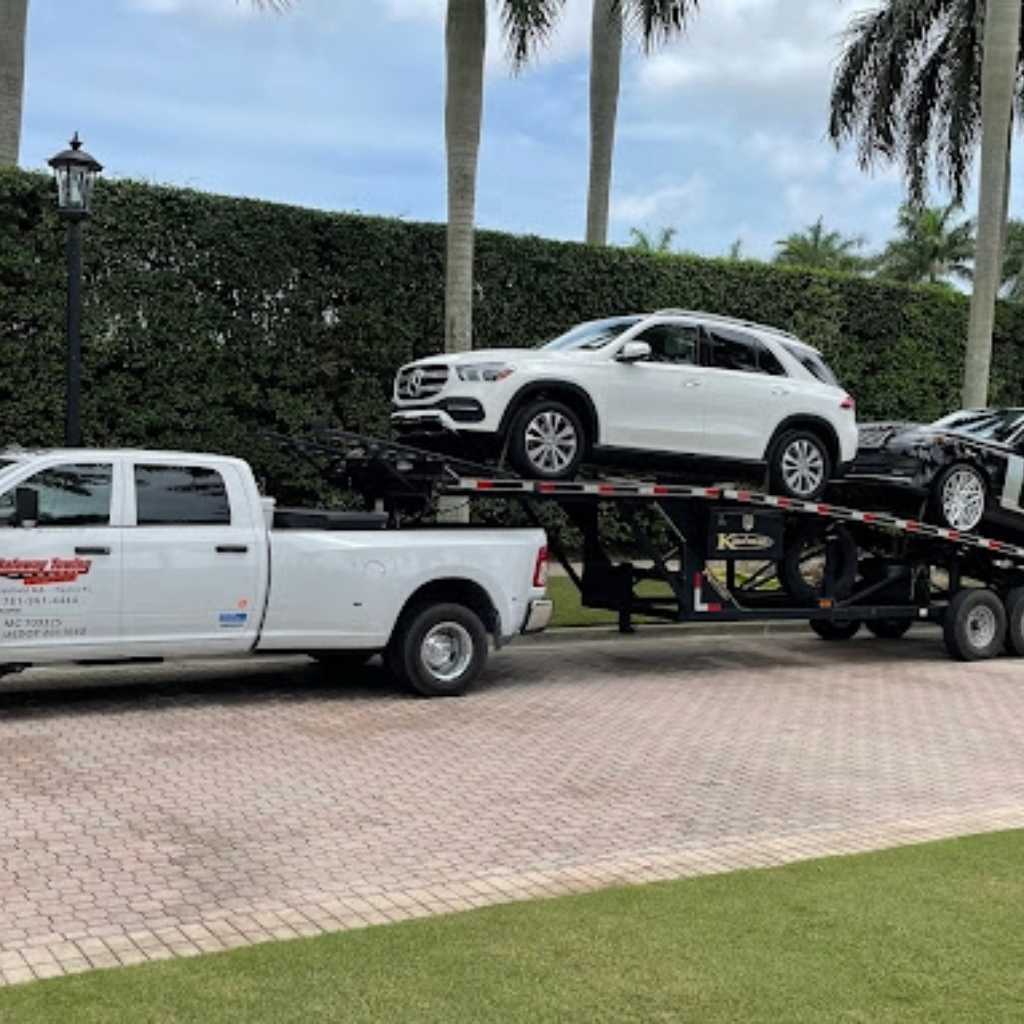
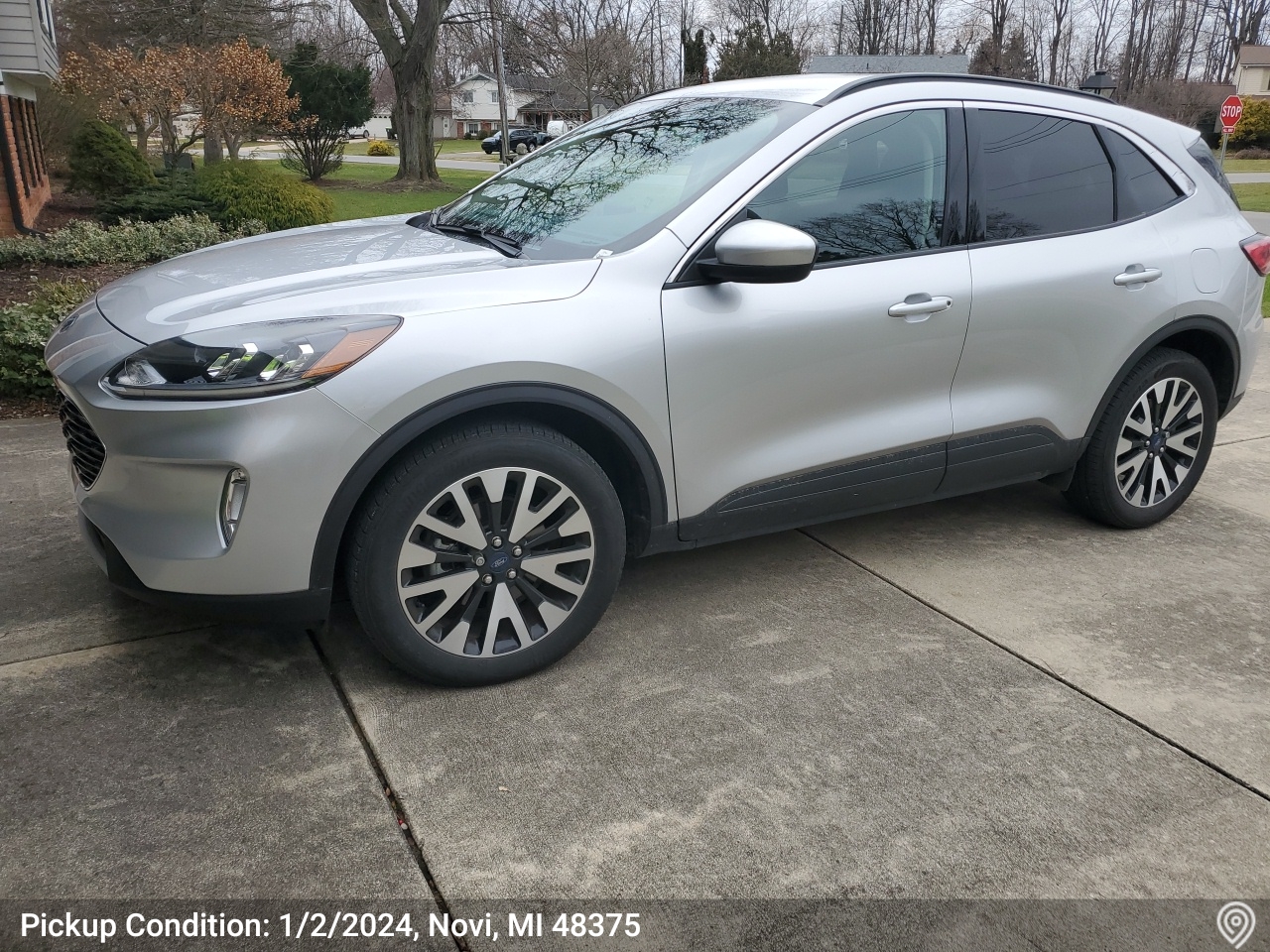
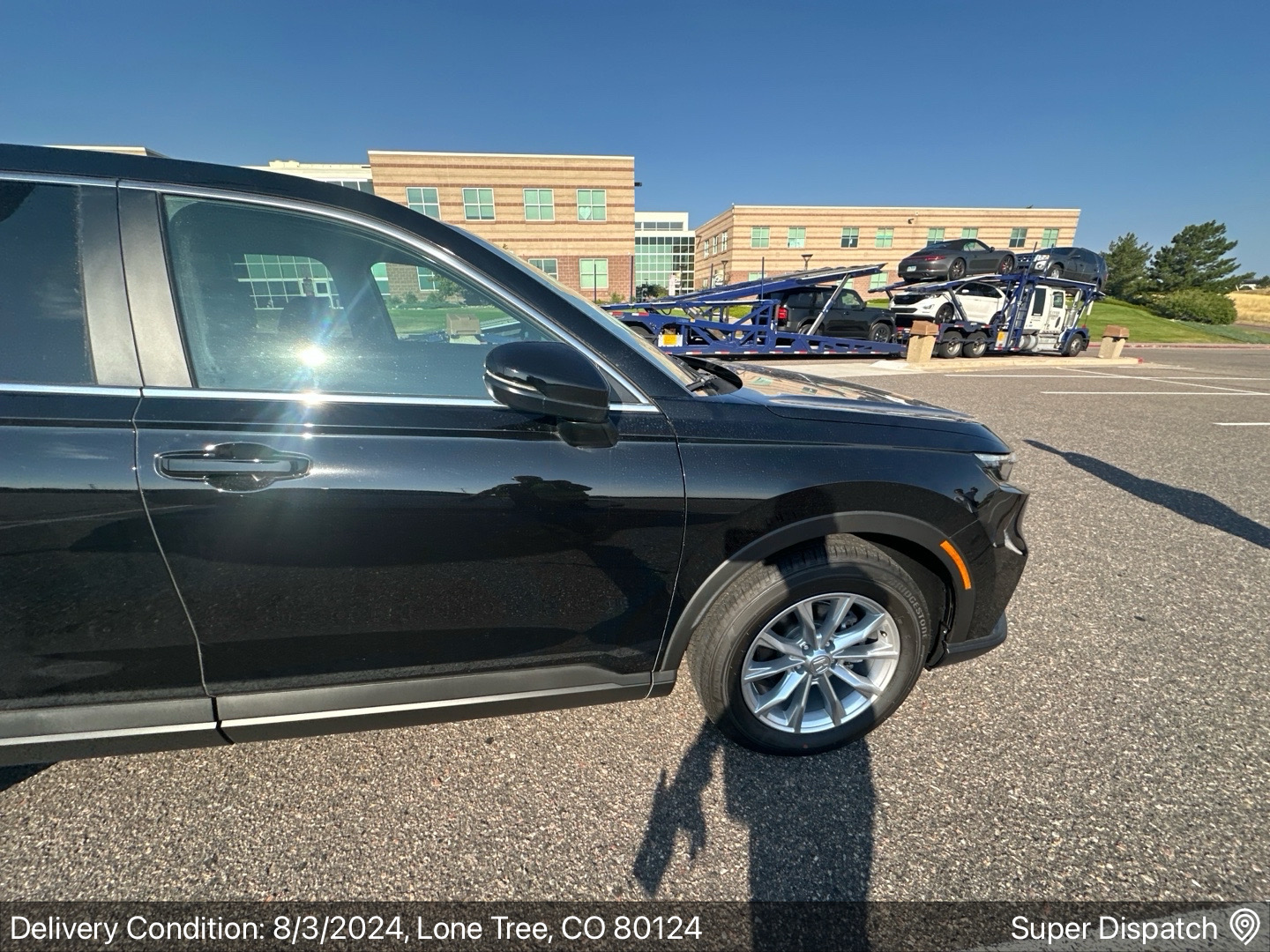
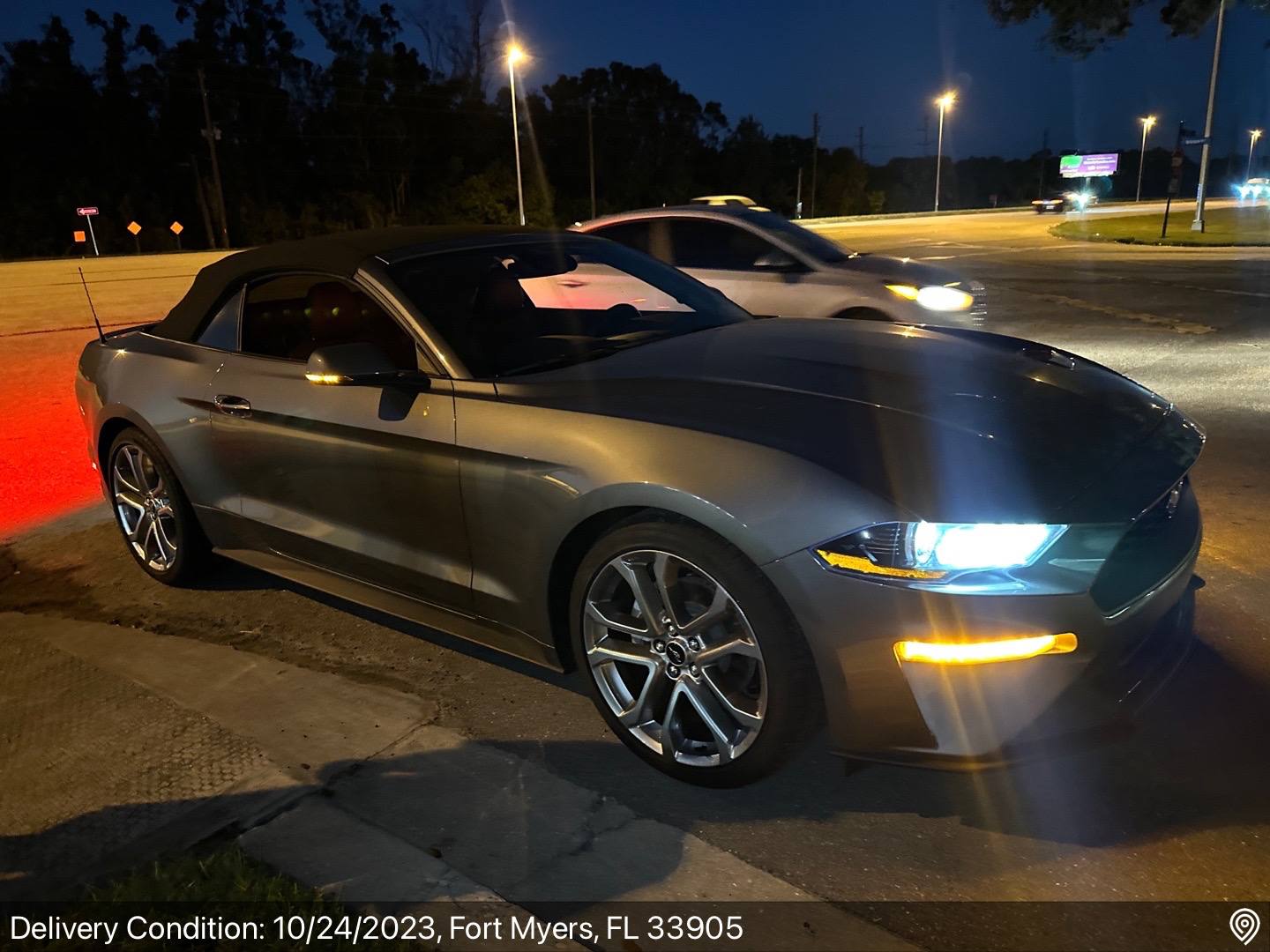
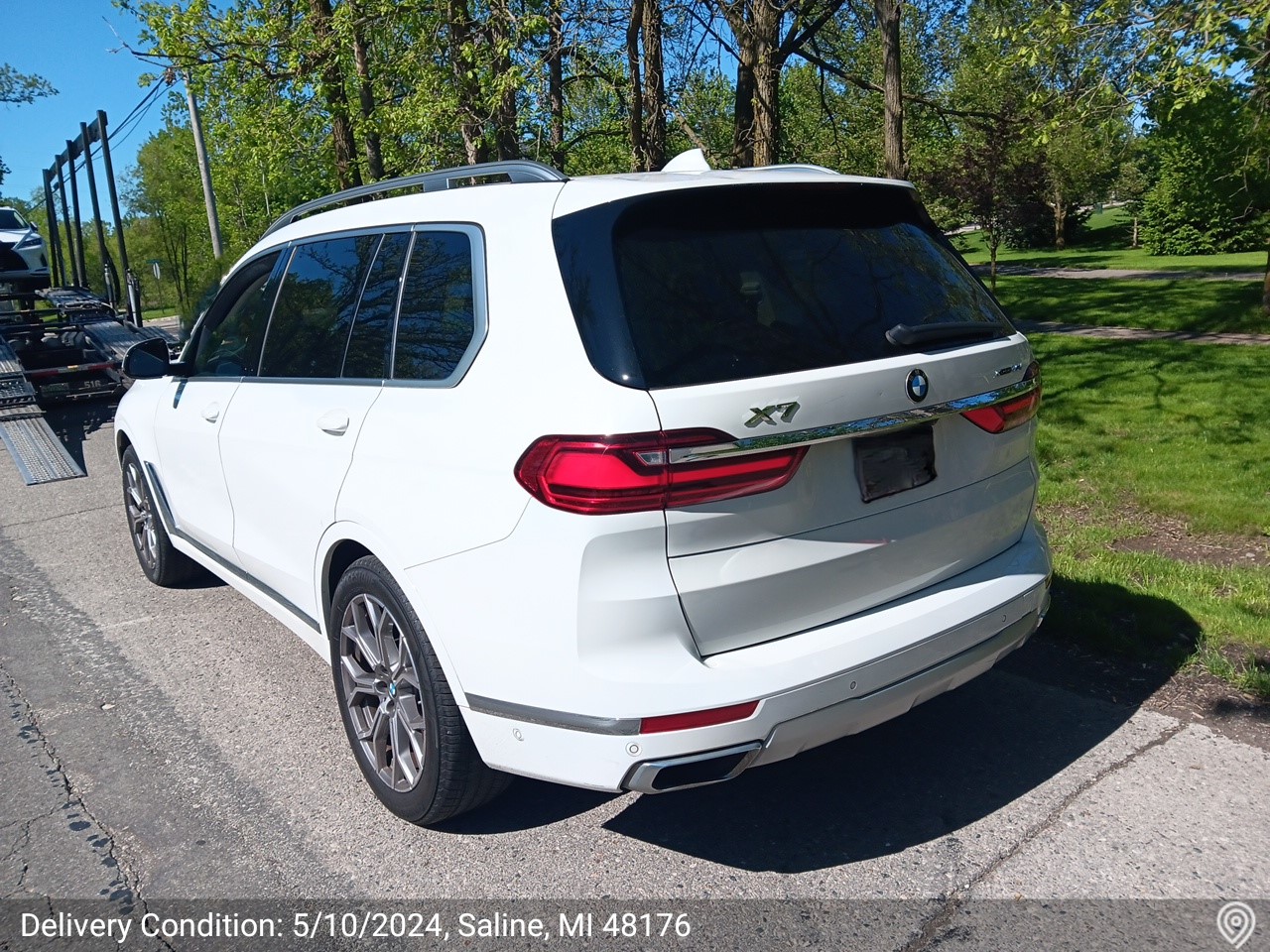
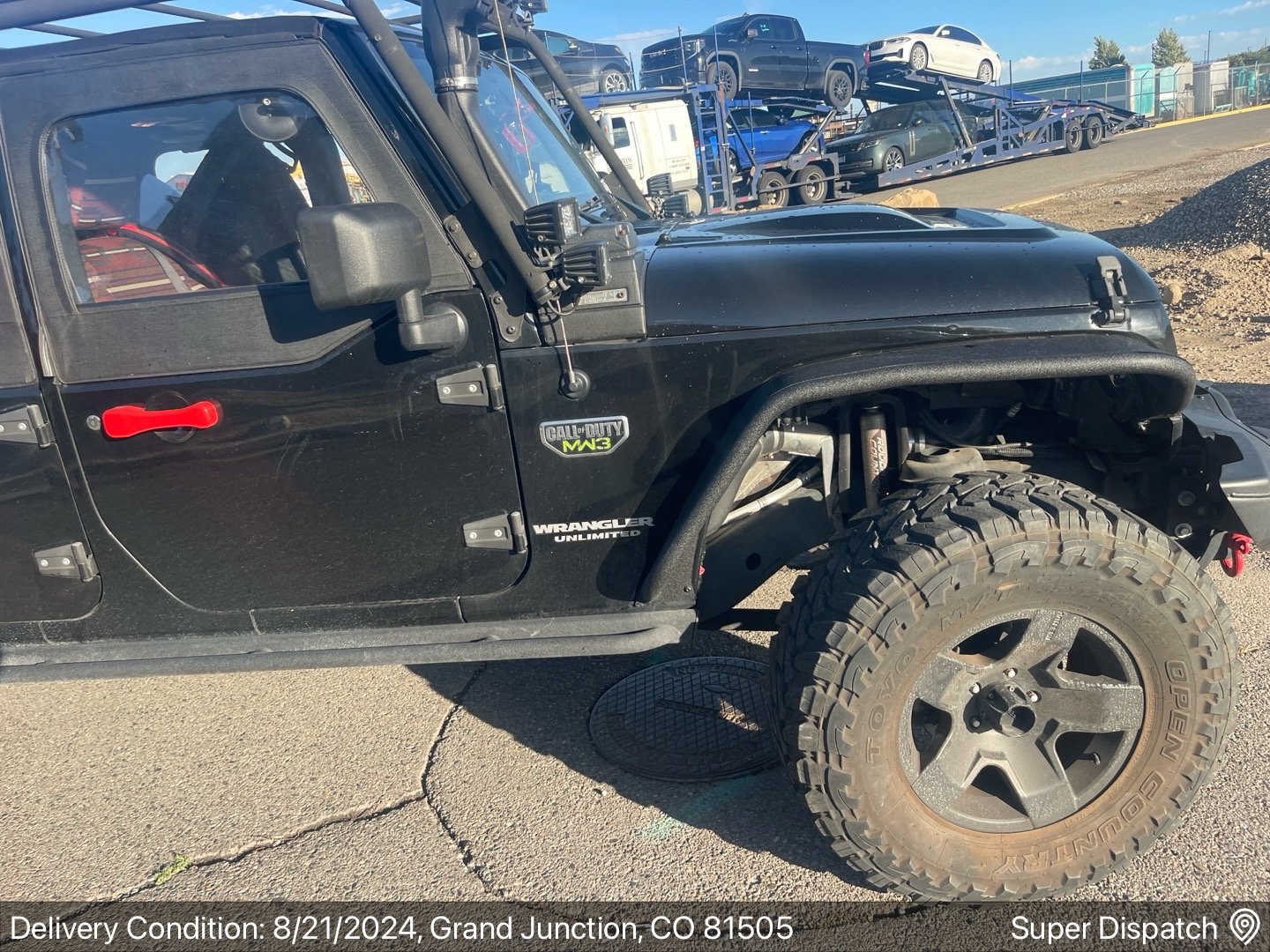
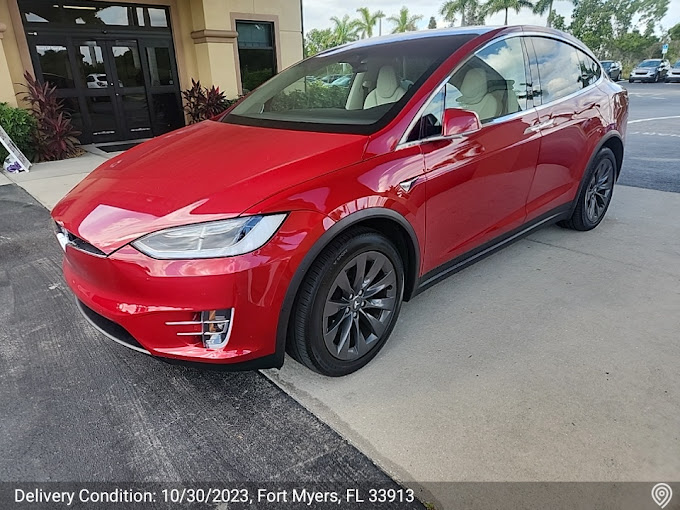
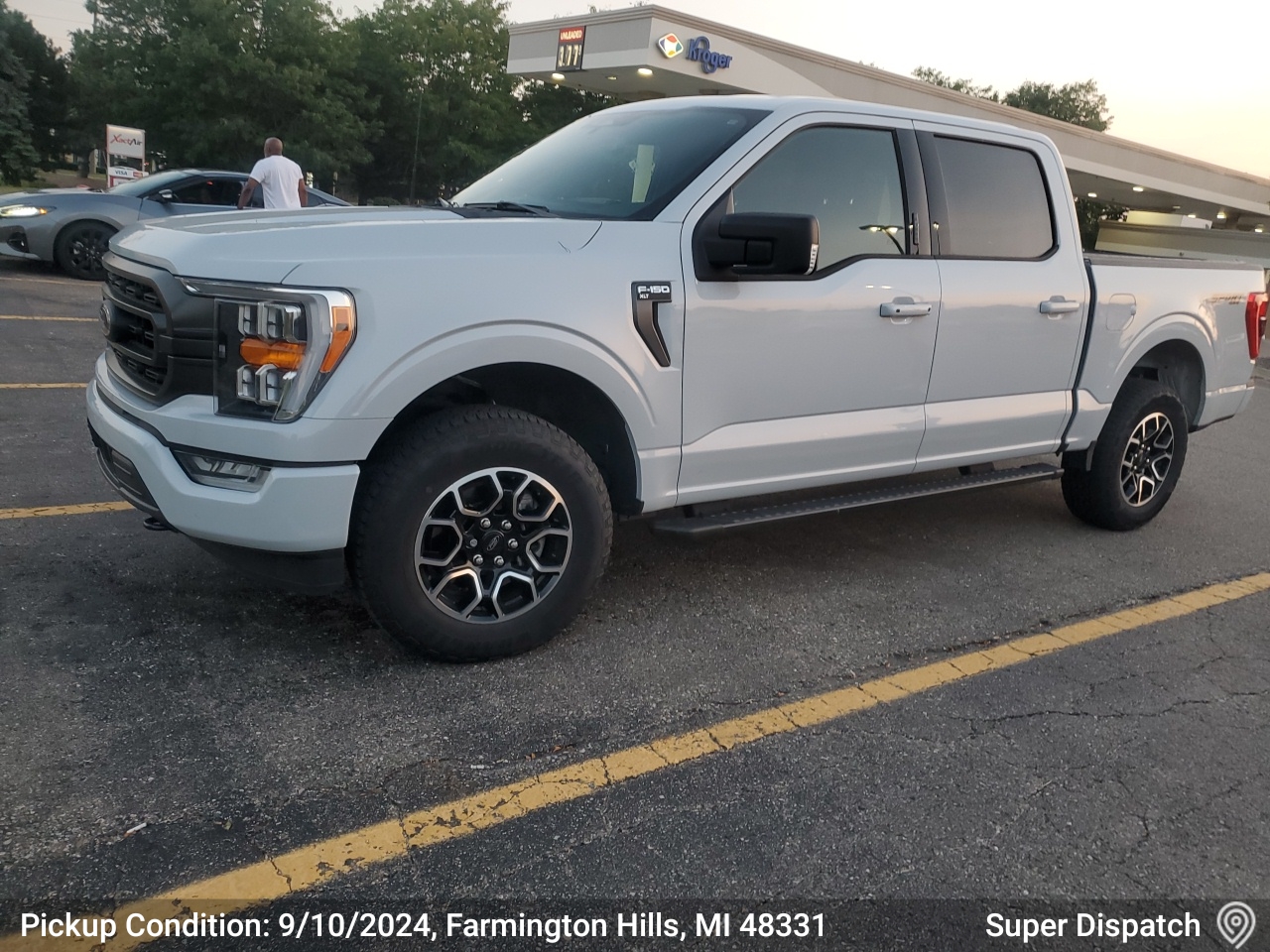
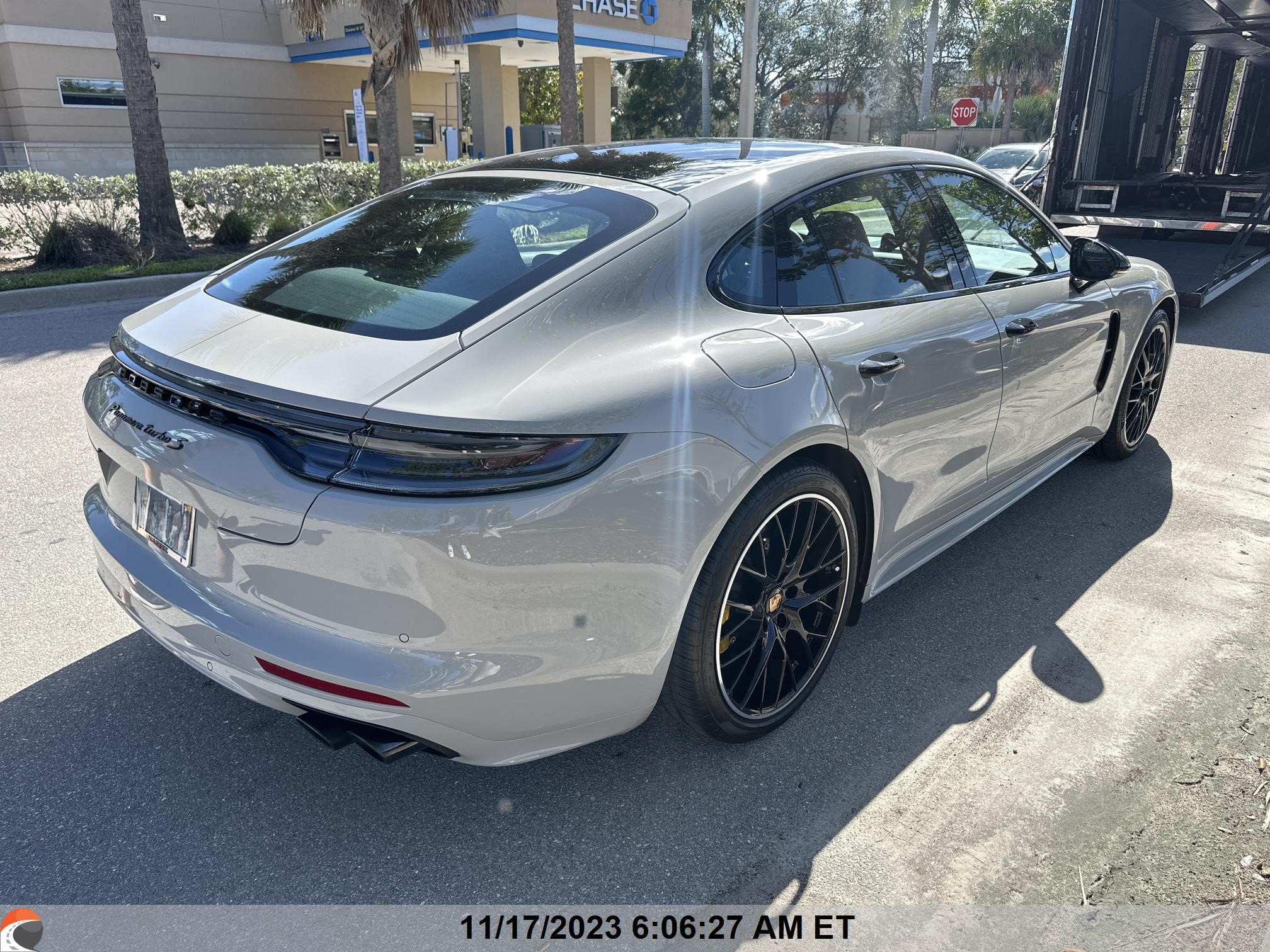
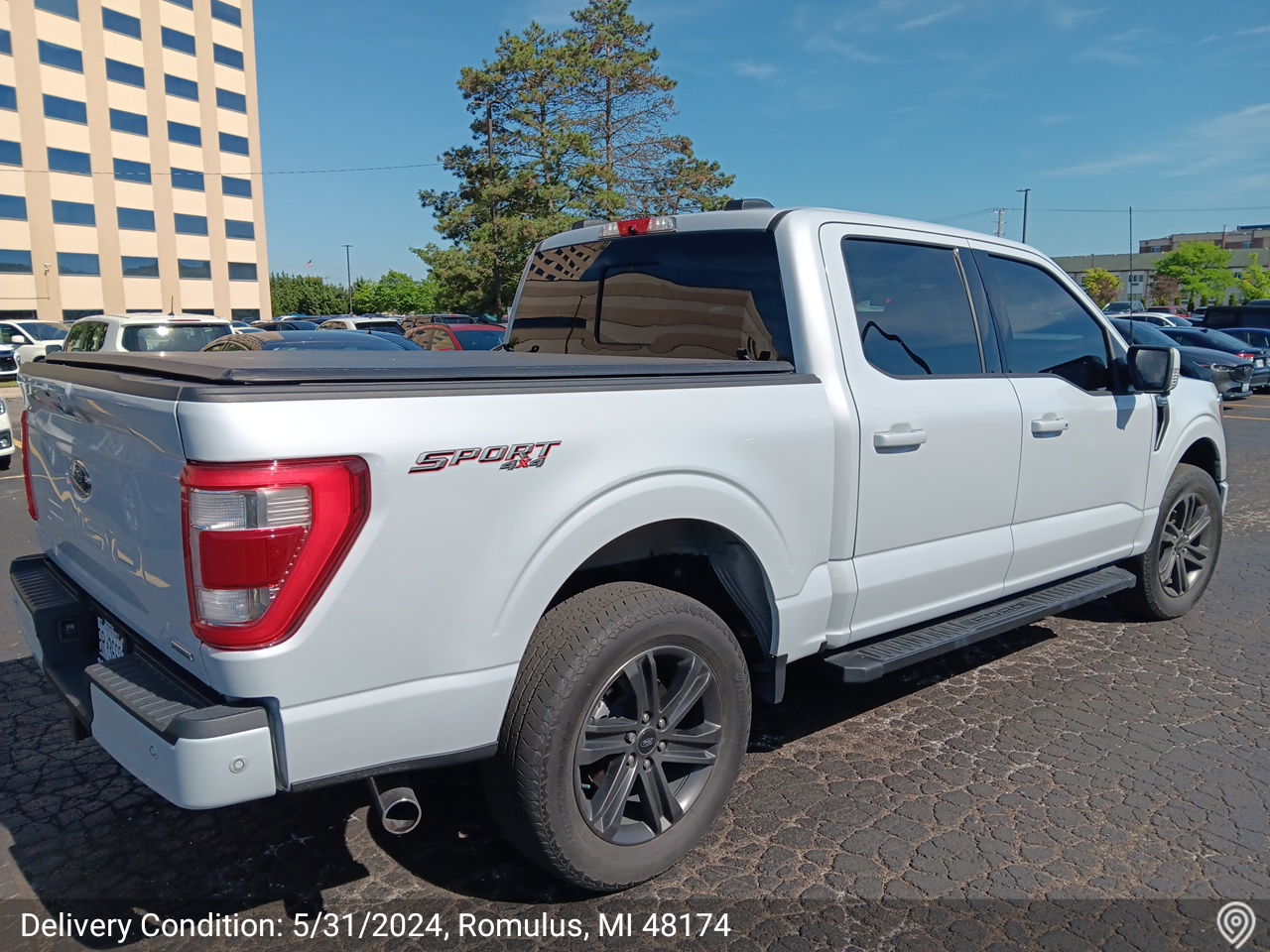
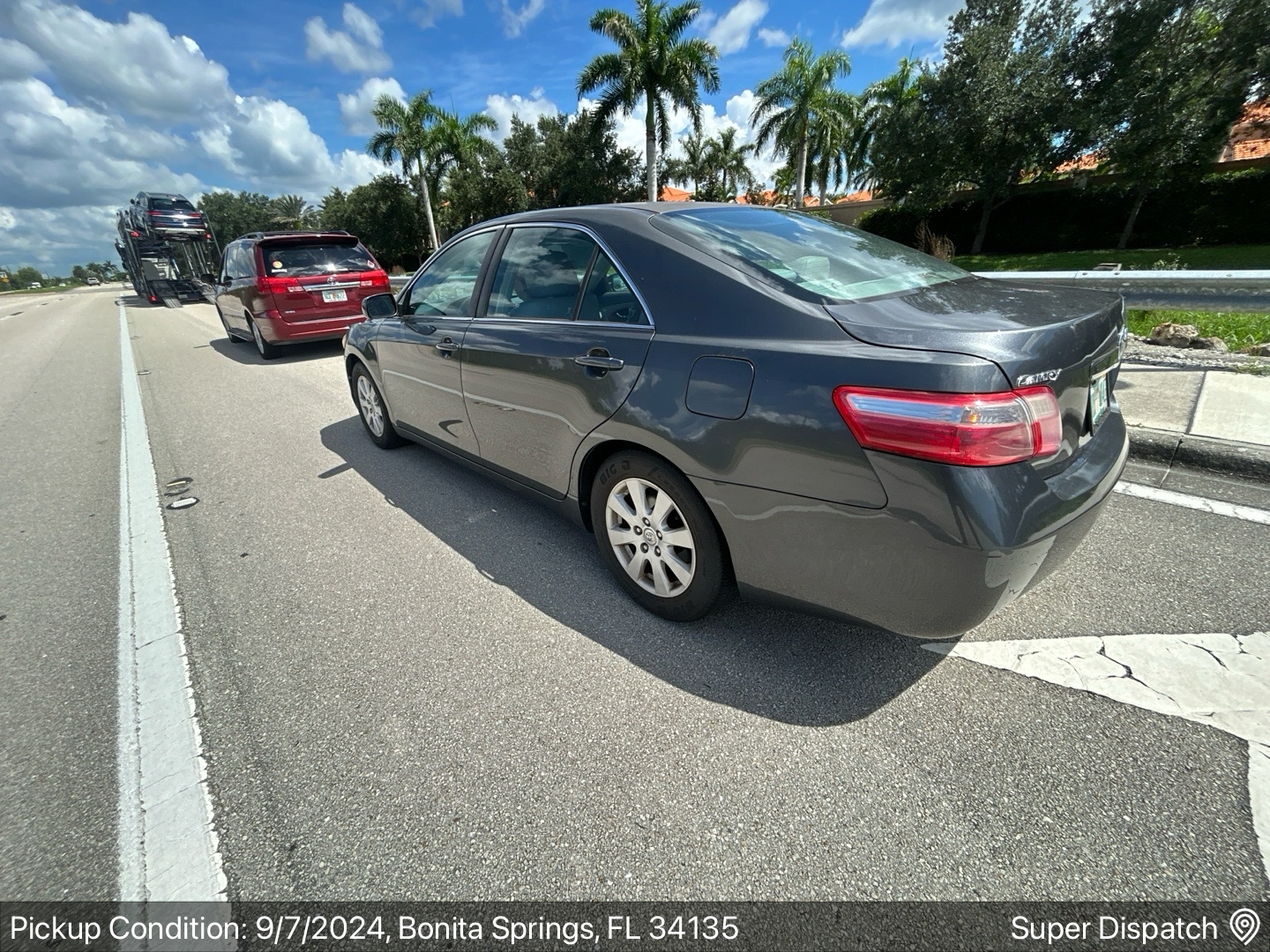
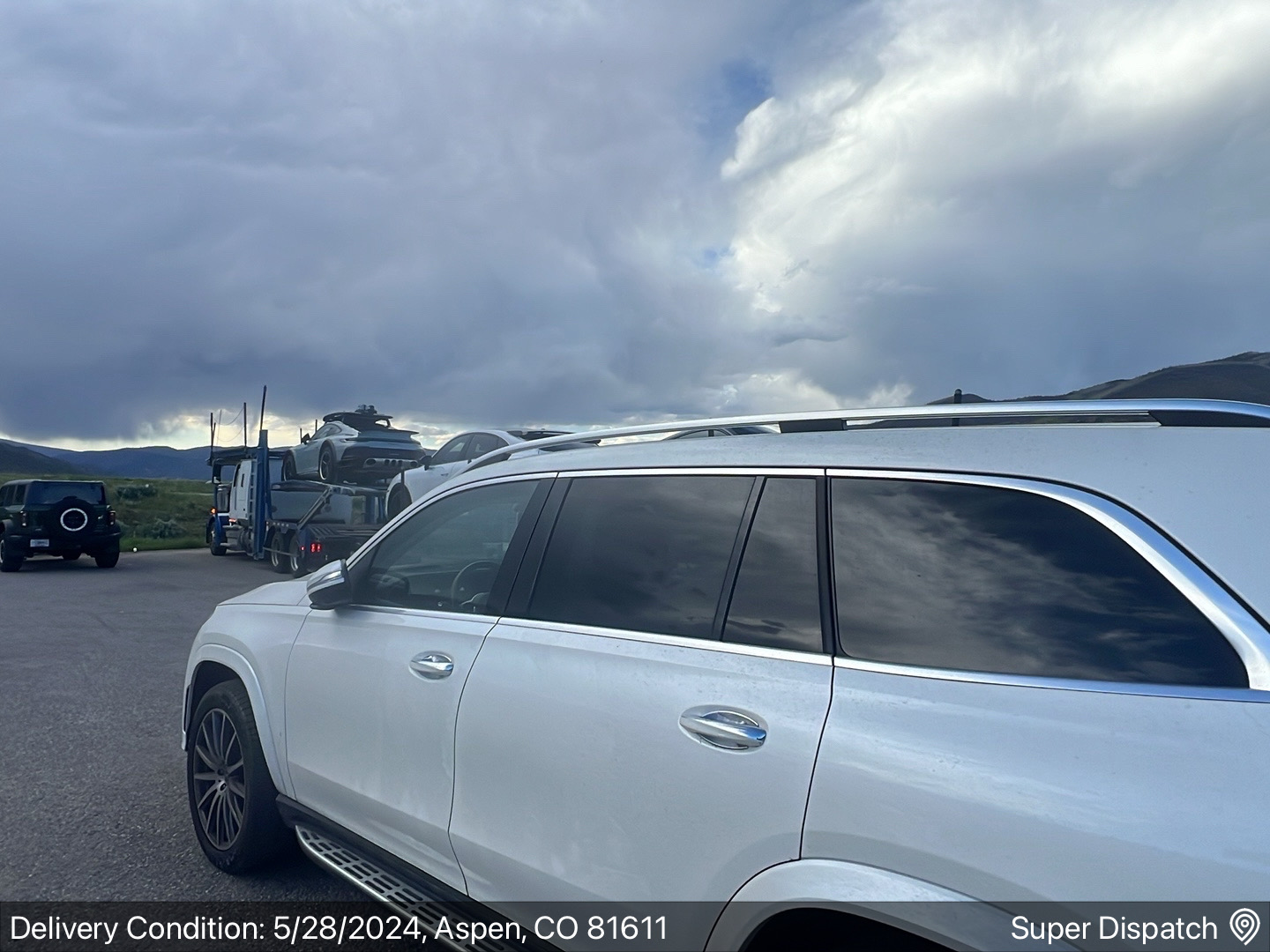
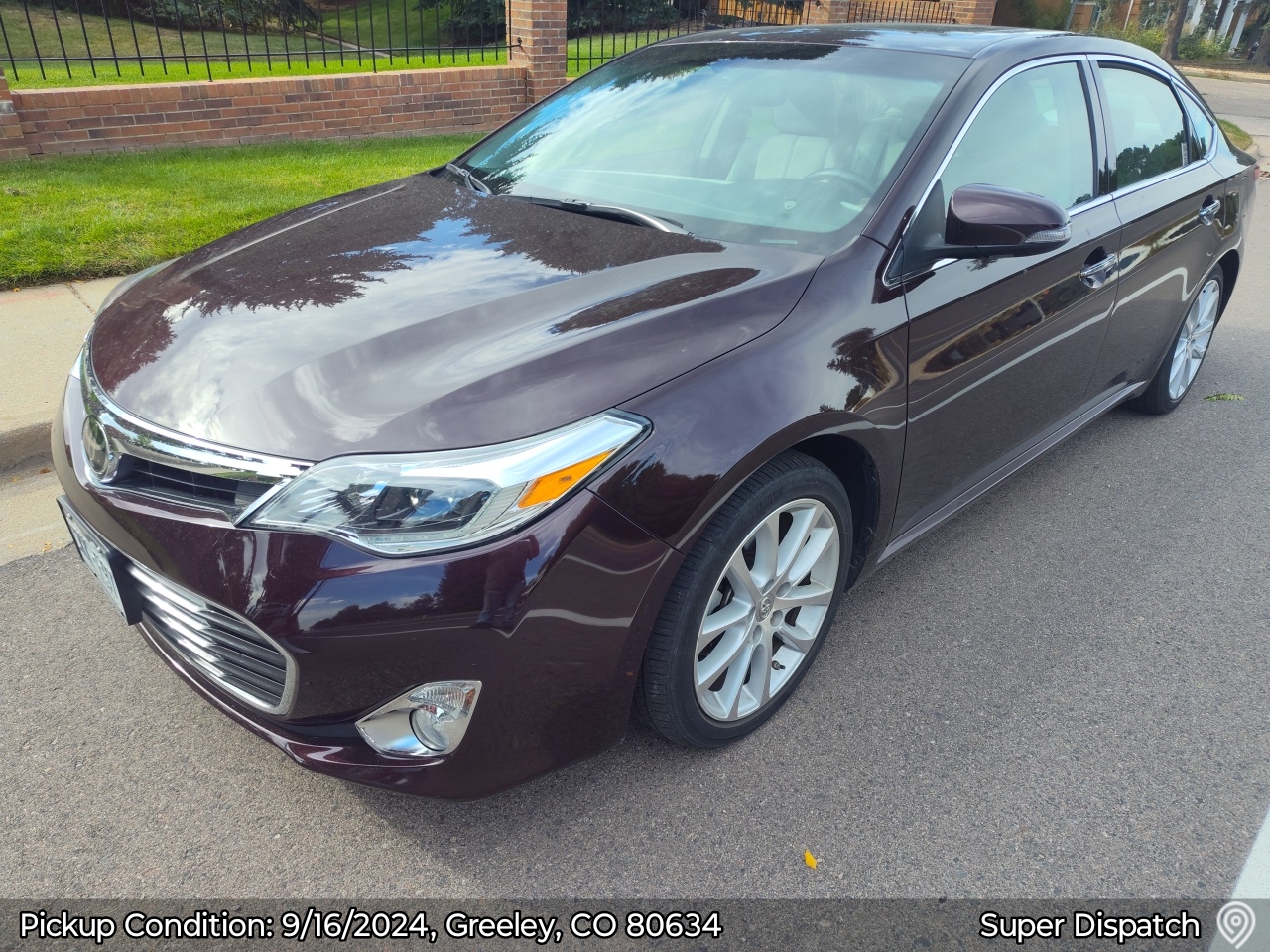
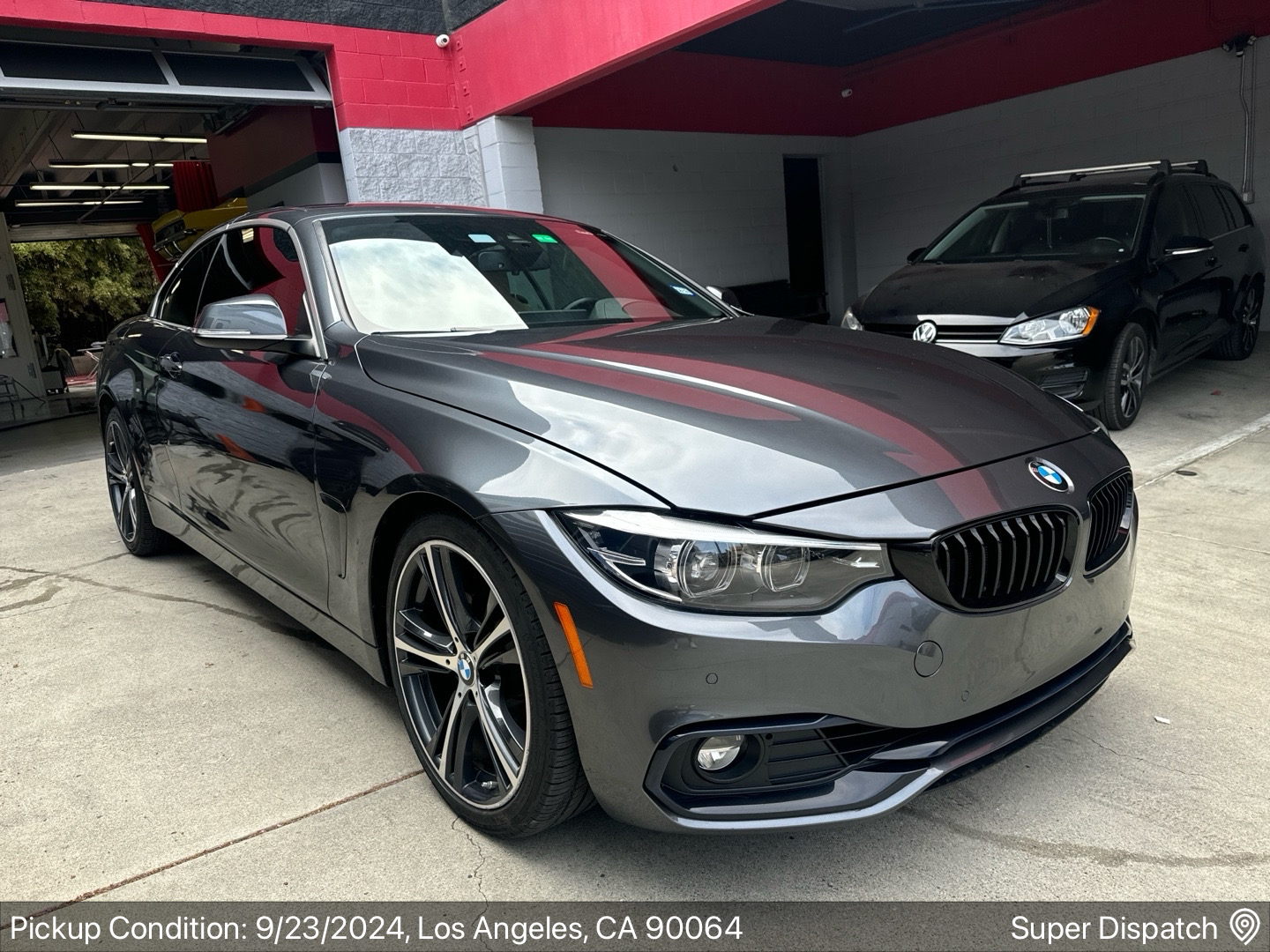
Most residential and commercial addresses in Tennessee offer straightforward carrier access. Whether you're shipping from Nashville, Chattanooga, or Clarksville, standard road conditions mean the driver can typically come directly to your location without needing to arrange an alternate meeting point. Vehicle shipping Tennessee to Delaware starts at your door.
Delivery into Delaware requires a bit more coordination. Wilmington's urban density and I-95 corridor traffic mean carriers may need to arrange a nearby accessible spot rather than pulling a full transport trailer to a tight residential street. Your driver will work with you on the specifics when they call ahead.
Transit on the Tennessee to Delaware corridor typically takes 2 to 3 business days after pickup. Typically, we request a 3-day pickup window after your first available shipping date, so your carrier slot is targeted to your schedule rather than a vague dispatch queue. Tennessee to Delaware auto transport at this distance — 725 to 850 miles — moves efficiently because carriers running eastbound loads through the Mid-Atlantic pass through both states on established multi-stop routes.
How long to ship a car from Tennessee to Delaware depends on your specific origin and destination cities, but the 2 to 3 day transit estimate holds for most standard shipments on this corridor.
Review your quote, confirm vehicle details and dates. No payment collected until a carrier is assigned.
We dispatch your order to our carrier network. You receive carrier details, insurance info, and estimated pickup window.
Carrier gives you 24 hours advance notice before pickup. Walk-around inspection together, every mark documented on the Bill of Lading, both parties sign.
Track your shipment status through your coordinator. We handle any schedule changes or logistics questions.
24-hour advance notice, then a call when close. Second walk-around inspection — damage during transport is extremely rare, but note any new issues on the Bill of Lading before signing. Once signed without exceptions, claims are extremely difficult to win.
Your carrier will give you roughly 24 hours advance notice before arriving. At pickup, you and the driver walk the vehicle together, documenting any existing scratches, dents, or wear on a Bill of Lading. Both parties sign before the car is loaded. Most Tennessee pickup locations — residential driveways, parking lots, or commercial addresses — accommodate a transport trailer without issue, making auto shipping Tennessee to Delaware a straightforward process from the start.
Expect a call roughly 24 hours before your carrier reaches Delaware, followed by another when they're close. At delivery, you'll compare the vehicle's condition against the Bill of Lading signed at pickup. Damage during transport is extremely rare, but if you notice anything new, note it on the Bill of Lading before signing. Signing without documenting damage makes a claim extremely difficult to pursue. In Wilmington and other urban Delaware locations, the driver may coordinate a nearby accessible handoff point depending on street access.
Every carrier in our network is required to carry cargo insurance as a condition of their FMCSA operating authority. Coverage details vary by carrier and are confirmed before your vehicle is dispatched.
At pickup, the driver and you complete a joint vehicle inspection. Every scratch, dent, and existing mark is documented on the Bill of Lading. At delivery, you must carefully compare the vehicle's condition against this record before signing the delivery receipt. If you notice any new damage, note it on the Bill of Lading before you sign. Once you sign the delivery receipt without noting damage, it becomes extremely difficult to file and win a claim. This is the single most important step in protecting yourself during the transport process.
Relocations — At 725 to 850 miles, Tennessee to Delaware auto transport covers a full day-plus of driving. Most relocation volume runs between Nashville or Knoxville and the Wilmington area, often tied to corporate transfers in Delaware's banking and pharmaceutical sectors. Reliable car shipping lets you fly in and start day one without a road-weary vehicle. Get an auto transport quote 2-3 weeks before your move date to lock in the best carrier availability.
Dealerships and Auction Buyers — Dealer-to-dealer transfers and auction pickups between Tennessee and Delaware move on this lane, particularly inventory sourced from Nashville-area auctions heading to Delaware and South Jersey dealer lots. Reputable vehicle shipping on this corridor carries enough volume for reliable carrier matching, but multi-unit loads should still book a week or two ahead. Auto transport companies with experience on this lane know which carriers to dispatch.
Online Vehicle Purchases — Private buyers in Delaware purchasing from Tennessee sellers, or the reverse, use this corridor to avoid the drive. Ship a car from Tennessee to Delaware instead of putting highway miles on a vehicle you just bought. Work with top rated car shipping companies and book 2-3 weeks out for the best carrier options.
Open Tennessee to Delaware Auto Transport typically costs $850 to $1,150 for a standard sedan. Enclosed transport runs approximately $1,725, about 40 to 60 percent more than open. Vehicle size, exact locations, and time of year all affect final pricing. Request a free quote for your specific move.
Transit typically takes 2 to 3 business days after pickup. We work with a 3-day pickup window after your first available date. Moderate carrier volume on this lane means booking 10 to 14 days ahead gives the best scheduling results.
Yes, door-to-door Tennessee to Delaware Auto Transport service is standard. Most residential and commercial addresses offer straightforward truck access for pickup and delivery. In urban areas, carriers may suggest a nearby accessible meeting point if street parking or narrow roads limit truck access. Our dispatch team coordinates the most practical meeting point when truck access is limited.
Open transport works for most vehicles and starts at $850 on this corridor. Enclosed transport at approximately $1,725 is recommended for luxury, classic, or high-value vehicles that benefit from full weather and debris protection. Both options include carrier cargo insurance.
Demand on this corridor stays relatively stable year-round, so there is no single best or worst season to book. Carrier volume on this lane is moderate, so scheduling 10 to 14 days ahead of your preferred pickup date gives the best carrier matching results.
Someone 18 or older must be present at both ends to authorize the shipment and sign the Bill of Lading. If you cannot attend personally, designate a trusted representative — a friend, family member, or dealership contact — to handle the vehicle inspection and paperwork on your behalf.
Yes. Every carrier in our Tennessee to Delaware Auto Transport network carries cargo insurance as required by their FMCSA operating authority. Coverage specifics are confirmed before dispatch. At both pickup and delivery, you complete a joint vehicle inspection documented on a Bill of Lading — this protects you if any issue arises.
Yes, we handle non-running vehicles on this corridor. The vehicle needs to roll, steer, and brake for standard loading. Vehicles that cannot roll may require a winch or forklift at additional cost. Mention the vehicle's condition when requesting your quote so we match the right carrier and equipment.
Wash the exterior so scratches and dents are visible during inspection. Remove toll transponders, parking passes, and loose interior items. Leave roughly a quarter tank of fuel. Disable aftermarket alarms. Take dated photos of all sides, roof, and odometer before the carrier arrives for your records.
Most carriers allow personal belongings in the trunk or cargo area up to about 100 pounds. Items must stay below the window line and cannot be fragile or high-value. Personal items are not covered under carrier cargo insurance, so keep the vehicle as empty as practical.